
Our verdict
A Basque sidra house operating in a city better known for Mediterranean seafood and Andalusian grills, Sidreria Usategui has earned back-to-back rankings in Opinionated About Dining's Casual Europe list for 2024 and 2025. The format is rooted in northern Spain's txotx tradition: cider poured to order, protein-heavy set menus, and a room that runs on its own logic regardless of Marbella's resort calendar.

Pearl is the En Primeur Club membership app, where members save venues, book tables and use the concierge.
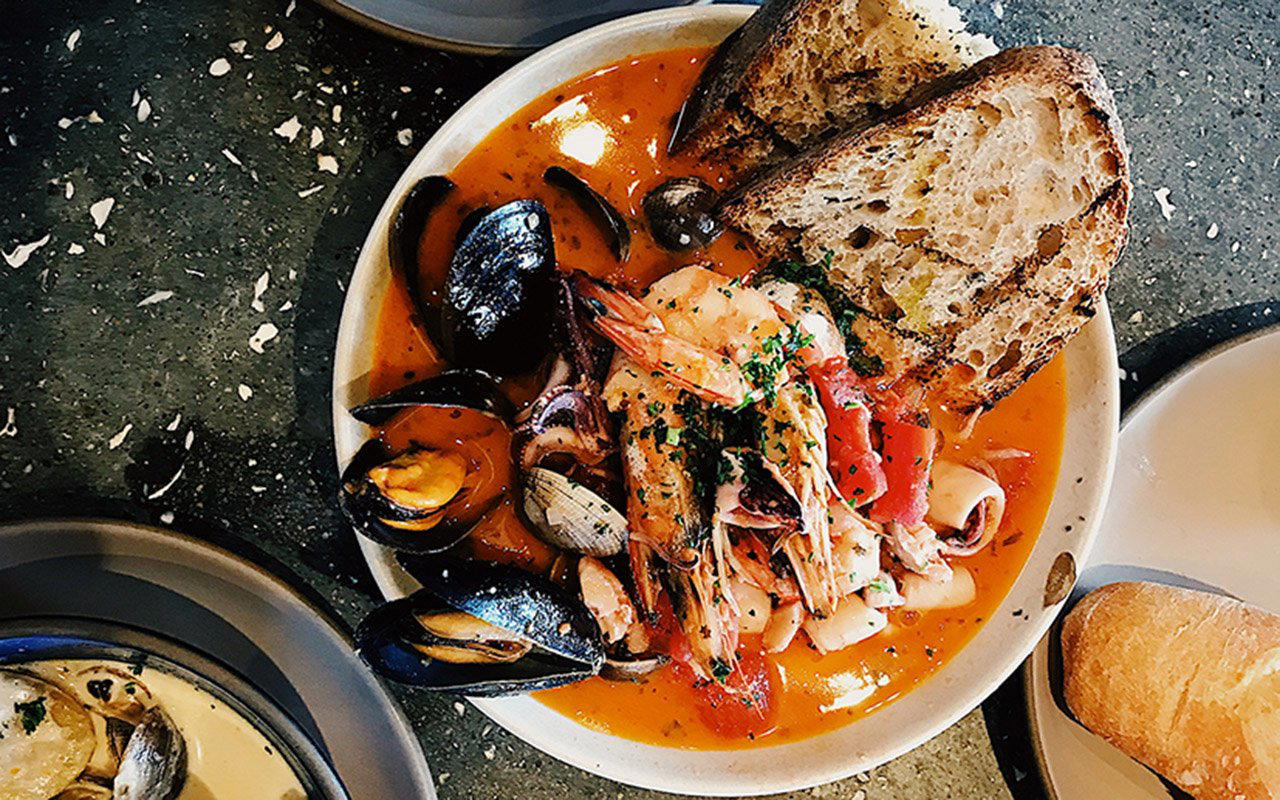
Basque Cider Culture, Transplanted South
Spain's sidrerías occupy a specific and well-defined cultural slot. In the Basque Country and Asturias, the cider house format centres on txotx season, roughly January through April, when barrels are opened in sequence and guests fill their glasses directly from the barrel stream. The food follows its own script: salt cod omelette, grilled txuleta, fresh cheese with quince and walnuts. The room is communal, loud, and intentional about being neither a restaurant nor a bar but something in between. Finding that format reproduced with any fidelity outside the north is rare. Finding it in Marbella, a city whose dining identity is built around Mediterranean fish, Andalusian grills, and international resort money, is rarer still.
Sidreria Usategui, at Edificio El Palomar on Calle Algarrobo, is that transplant. The address places it slightly away from Marbella's old town and the beachfront corridor that drives most of the city's restaurant traffic, which matters: the clientele here is not arriving by accident. The format attracts people who know what a sidrería is supposed to feel like, and that self-selection shapes the room in a way that few purely Andalusian venues in this price range can replicate.
Critical Reception and What It Signals
The OAD Casual list is a meaningful credential precisely because it is competitive at the lower end of the market, where the volume of entrants is high and the margin between ranked and unranked properties is narrow. Holding a position across consecutive years, even with a modest shift in ranking, signals consistent execution rather than a single strong season.
At that volume, the aggregate reflects a broad cross-section of diners rather than a self-selected critical audience, and 4.5 is a threshold that requires consistent delivery across service, food, and value. Most casual restaurants in Marbella hold one or the other; fewer hold both.
For context on where Basque cooking sits within Spain's broader critical hierarchy: the country's most decorated restaurants lean heavily on the Basque region and its diaspora. Arzak in San Sebastián and Azurmendi in Larrabetzu operate at the formal end of that tradition, while Ama Taberna in Tolosa and iBAi by Paulo Airaudo in San Sebastián represent the more casual, product-driven register. Usategui operates in that second register, transposed to the Costa del Sol.
How the Sidrería Format Works
The sidrería model is deliberately anti-tasting-menu. There is no progression of small courses designed to showcase a chef's range. The structure is fixed and generous: cider arrives throughout the meal, poured in the traditional way to aerate and chill it mid-stream, and the food anchors around a handful of dishes that have not changed significantly in decades. The txuleta, a thick-cut bone-in ribeye from older cattle, is the centrepiece. The salt cod preparations and the closing cheese course are not suggestions but structural elements of the format.
This rigidity is part of the appeal. In a city where menus tend to flex toward tourist preferences and seasonal adjustments, the sidrería format offers a fixed point. The kitchen is not trying to interpret the tradition or add contemporary flourishes. The discipline of that approach is what the OAD ranking rewards: a casual format executed with fidelity is harder to sustain than it looks, particularly when the surrounding market is pulling toward adaptation.
Marbella's Dining Context
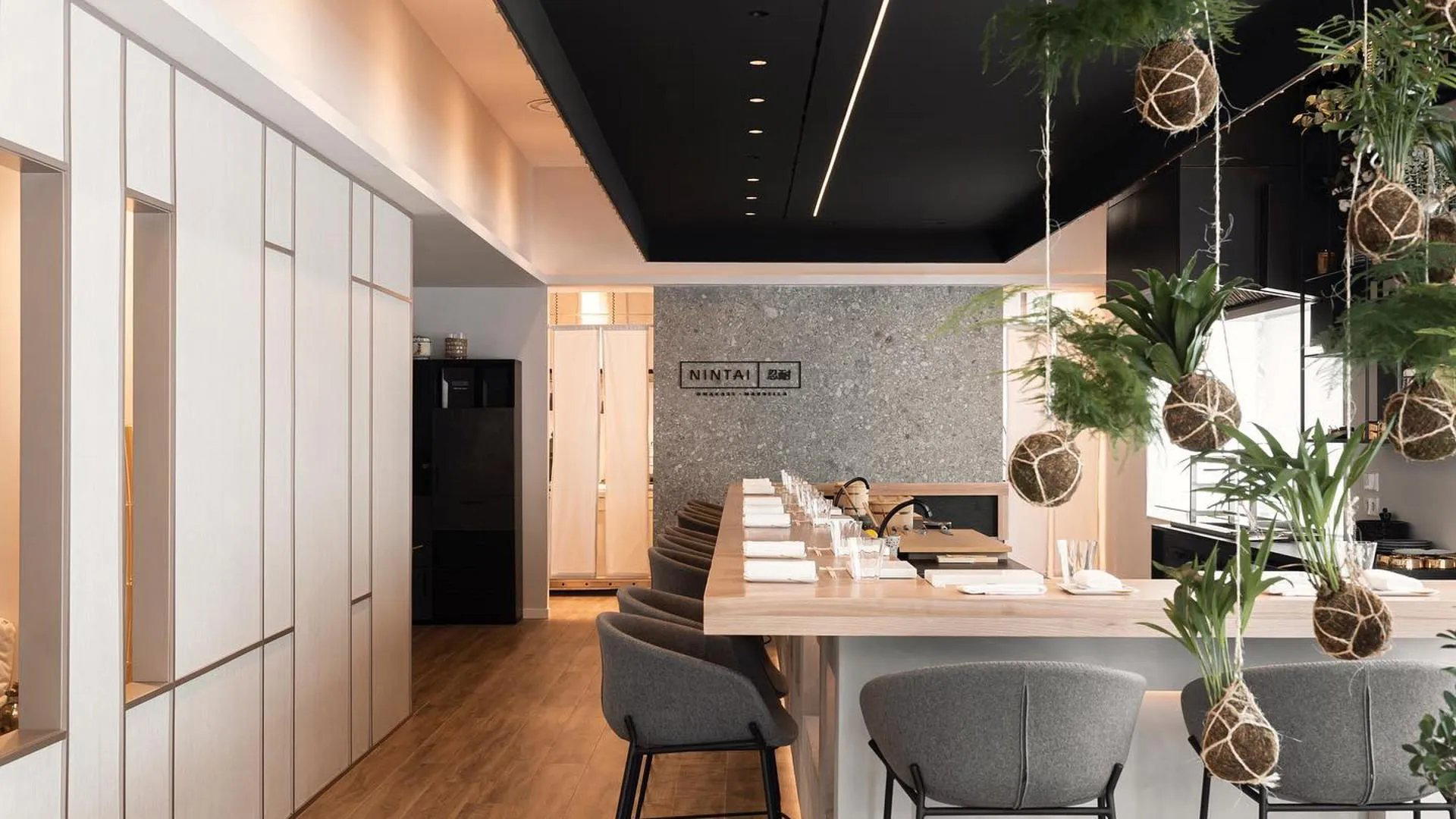
Marbella's restaurant scene has broadened considerably in recent years, with the kind of credentialed modern cooking that appears at venues like Skina, BACK, and Messina sitting alongside more casual operators. Japanese formats are well represented, with Nintai among the more serious entries, and Andalusian cooking retains its footing through places like Andala Marbella. Elsewhere on the Andalusian coast, the ambition extends to restaurants like Aponiente in El Puerto de Santa María, which has redefined what southern Spanish cooking can reach at the formal end. At the other end of Spain's creative spectrum, DiverXO in Madrid, El Celler de Can Roca in Girona, and Quique Dacosta in Dénia define the country's fine dining register.
Usategui operates below all of that in format and price register, but the OAD casual ranking places it in a separate competitive frame from the resort-facing casual market. The relevant comparison is not other Marbella restaurants but other ranked sidrerías across Europe, most of which are located in the Basque Country or Navarra. Holding a position on that list from a Marbella address is an outlier result.
Planning a Visit
The kitchen runs lunch service daily from 1:30 to 4 pm. Evening service runs Tuesday through Saturday from 8:30 to 11:30 pm; the restaurant closes for dinner on Mondays and Sundays. That pattern aligns more with northern Spanish rhythms than with Marbella's beach-resort schedule, where late dinner openings are standard across most of the week. Arriving at the tail end of the summer season, when the resort crowd thins and local regulars reassert themselves, tends to produce a more characteristic room than peak August. For broader context on what else the city offers, see our full Marbella restaurants guide, our Marbella hotels guide, our bars guide, our wineries guide, and our experiences guide.
Frequently asked questions
Is there a head chef associated with Sidreria Usategui?
The chef associated with Sidreria Usategui is Various.
Where do I go for Sidreria Usategui?
Sidreria Usategui is located at Edificio El Palomar, C. Algarrobo, s/n, 29600 Marbella, Málaga, Spain, Marbella.
What's the best thing to order at Sidreria Usategui?
The sidrería format runs as a fixed sequence rather than à la carte, so the experience is structured around the traditional cider-house progression: salt cod preparations, chuletón (bone-in beef), and idiazabal cheese are the pillars of that canon. The kitchen follows Basque cider-house convention, which means the menu is the point, not a single standout dish. Sidreria Usategui holds an OAD Casual Europe ranking in both 2024 (#204) and 2025 (#235), suggesting the format is being executed with enough consistency to register on a data-driven critical platform.
What time does Sidreria Usategui open and close?
Hours at Sidreria Usategui: Hours: Monday 1:30–4 pm Tuesday 1:30–4 pm, 8:30–11:30 pm Wednesday 1:30–4 pm, 8:30–11:30 pm Thursday 1:30–4 pm, 8:30–11:30 pm Friday 1:30–4 pm, 8:30–11:30 pm Saturday 1:30–4 pm, 8:30–11:30 pm Sunday 1:30–4 pm.
Is Sidreria Usategui award-winning?
Sidreria Usategui has received recognition including: Opinionated About Dining Casual in Europe Ranked #235 (2025); Opinionated About Dining Casual in Europe Ranked #204 (2024).
Comparable Options
| Venue | Cuisine | Price | Awards | Notes |
|---|---|---|---|---|
| Sidreria UsateguiThis venue (the venue you are viewing) | Basque Sidrería | Not listed | Not listed | Not listed |
| Skina | Modern Andalusian Fine Dining | Not listed | 2 Michelin Stars · La Liste Top Restaurants | Seasonal Andalusian, Modern Cuisine |
| Areia | Mediterranean-French-Spanish Fine Dining | $50–100 | Michelin Plate · Guía Repsol 1 Sol | Farm to table |
| La Milla Marbella | Modern Mediterranean Seafood | Not listed | Michelin Plate · Macarfi 8.5 Food Rating | Spanish, Seafood |
| Leña Marbella | Modern Grill by Dani García | $50–100 | Michelin Plate · Guía Repsol 1 Sol | Asador |
| TA-KUMI | Modern Japanese Omakase & Fusion | $50–100 | Michelin Plate · Macarfi 8.2 Food Rating | Japanese |
Recognition history
Dated appearances from independent guides and award organizations, with the underlying list record or original source where available.
Opinionated About Dining Casual in Europe Recommended
Opinionated About Dining
Full recognition history (3 entries)
Opinionated About Dining Casual in Europe Ranked #235
Opinionated About Dining
Opinionated About Dining Casual in Europe Ranked #204
Opinionated About Dining
Continue exploring
More in Marbella
Restaurants in Marbella
All restaurants in Marbella →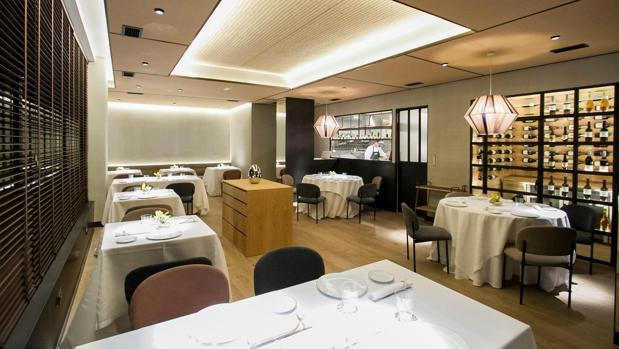
Bars in Marbella
All bars in Marbella →
Hotels in Marbella
All hotels in Marbella →

Wineries in Marbella
Browse all →
Details
- Rustic
- Cozy
- Classic
- Group Dining
- Casual Hangout
- Open Kitchen
- Beer Program
- A La Carte
- Small Plates
- Cider
- Gluten Free Options
Current opening hours
- Monday
- 1:30–4 PM
- Tuesday
- 1:30–4 PM
- Wednesday
- 1:30–4 PM
- Thursday
- 1:30–4 PM
- Friday
- 1:30–4 PM, 8:30–11:30 PM
- Saturday
- 1:30–4 PM, 8:30–11:30 PM
- Sunday
- 1:30–4 PM
Hours can change for holidays and private events. Hours as of .
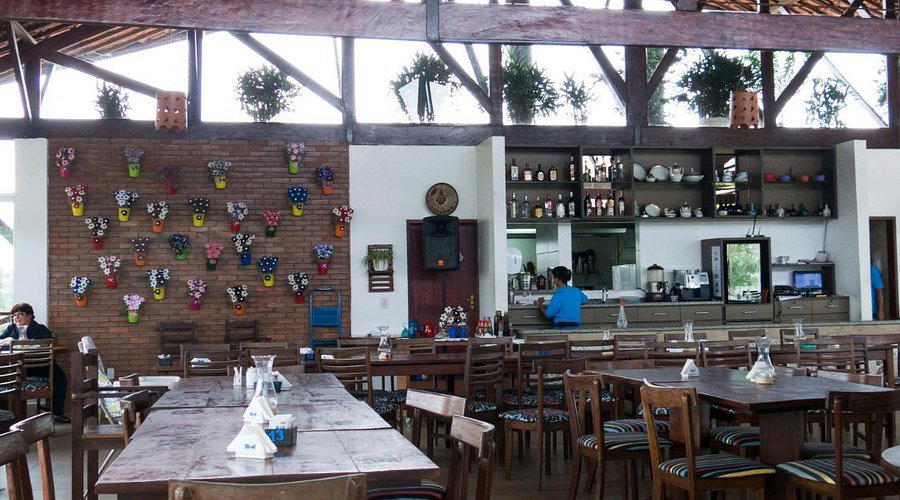
Spacious dining area with lots of light, surrounded by cider barrels creating a rustic, authentic Basque atmosphere.