B & M Market
"B&M Market, Little River by Matthew Vander Werff & Ashley Melisse Abess. Don't let this light-less, bare-bones bodega fool you - in the back they're cooking up notable Guyanese and West Indian fare north of the Caribbean. Jerk chicken, ackee and salt fish, and curry goat are all available, but roti is the name of this game. Available in chicken, goat, vegetable, and seafood variations, they all pair well with the homemade hot sauce (dispensed in salad dressing containers.) Grab a Ting from the fridge to ease the burn and some tamarind candies for a post-lunch treat, and you're all set."
Pearl is the En Primeur Club membership app — saves, bookings, and concierge access live there. Same editors, same standards.
- Address
- 219 NE 79th St, Miami, FL 33138
- Phone
- +1 305 757 2889
- Website
- bmmarketmiami.com
- Directions
- Get directions
 Saves & bookings on Pearl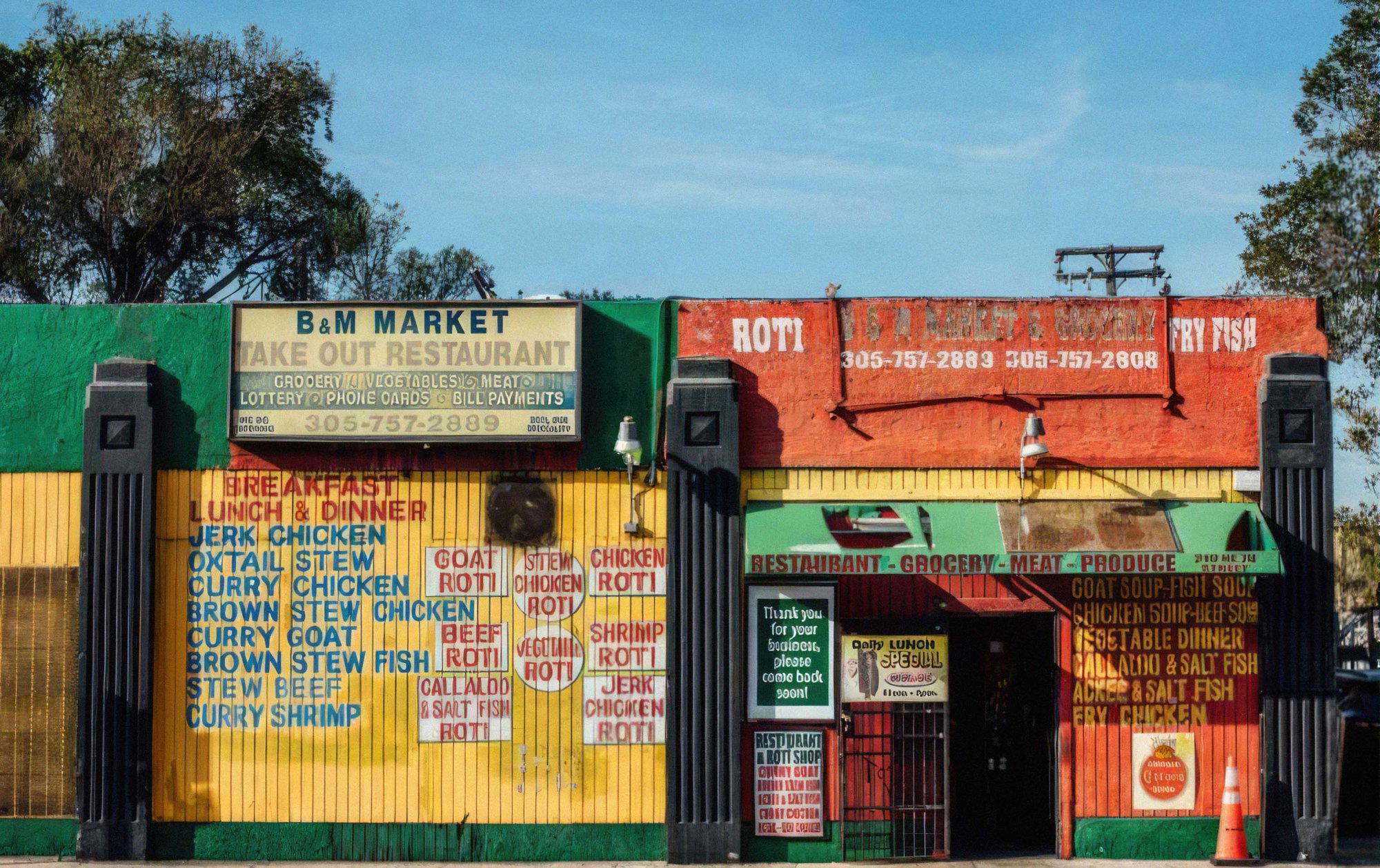
Upper Eastside, Miami: A Neighbourhood Finding Its Own Register
The stretch of NE 79th Street in Miami's Upper Eastside sits at a particular inflection point in the city's dining geography. South of the Design District's polished restaurant corridors and north of Midtown's denser commercial activity, this corridor has developed its own character: low-key storefronts, local foot traffic, and a concentration of operators who are not competing for the same tourist dollar that drives programming in Wynwood or Brickell. B & M Market occupies a spot in this neighbourhood at 219 NE 79th Street, and its presence here is more instructive about Miami's evolving dining geography than about any single category of food.
Understanding what B & M Market is requires understanding what this part of Miami has historically been. The Upper Eastside, sometimes called MiMo after its Miami Modern architectural heritage, has functioned for decades as a residential and light-commercial district without a consolidated dining identity. That has changed incrementally over the past several years as operators priced out of higher-visibility corridors found that the neighbourhood's lower overhead and genuine local clientele offered a workable alternative. The market format, in particular, has found traction here precisely because it is less format-dependent than a conventional restaurant: it can absorb a broader range of product categories, adjust its offer without a full kitchen infrastructure overhaul, and serve the neighbourhood at different hours and price points across the day.
The Market Format in American Dining: What It Means in 2024
Across American cities, the term "market" now covers a genuinely wide spectrum. At one end sit the curated provisions shops attached to high-end restaurant groups, where house-made charcuterie and natural wine fill refrigerated cases beside cookbooks and branded merchandise. At the other end are the neighbourhood grocery-deli hybrids that have served working communities for generations, prioritising access and value over curation. Miami's Upper Eastside sits in a demographic band that increasingly supports something between those poles: residents with enough disposable income to want quality, but without the appetite for the kind of theatre that accompanies the city's more prominent dining addresses.
Venues in this middle register tend to earn their standing through consistency and neighbourhood integration rather than through award cycles or media coverage. That pattern holds across comparable American cities: the market-format operator in a transitional urban neighbourhood often becomes a reference point for locals long before it registers on broader critical radar. Compare this to the trajectory of destination-driven formats: a property like Single Thread Farm in Healdsburg or Blue Hill at Stone Barns in Tarrytown earns its reputation through a combination of national press, award recognition, and a clientele that travels specifically to visit. The neighbourhood market earns its standing differently, through daily repeat visits, through being the place that knows what you usually get.
How Miami's Dining Spectrum Frames B & M Market
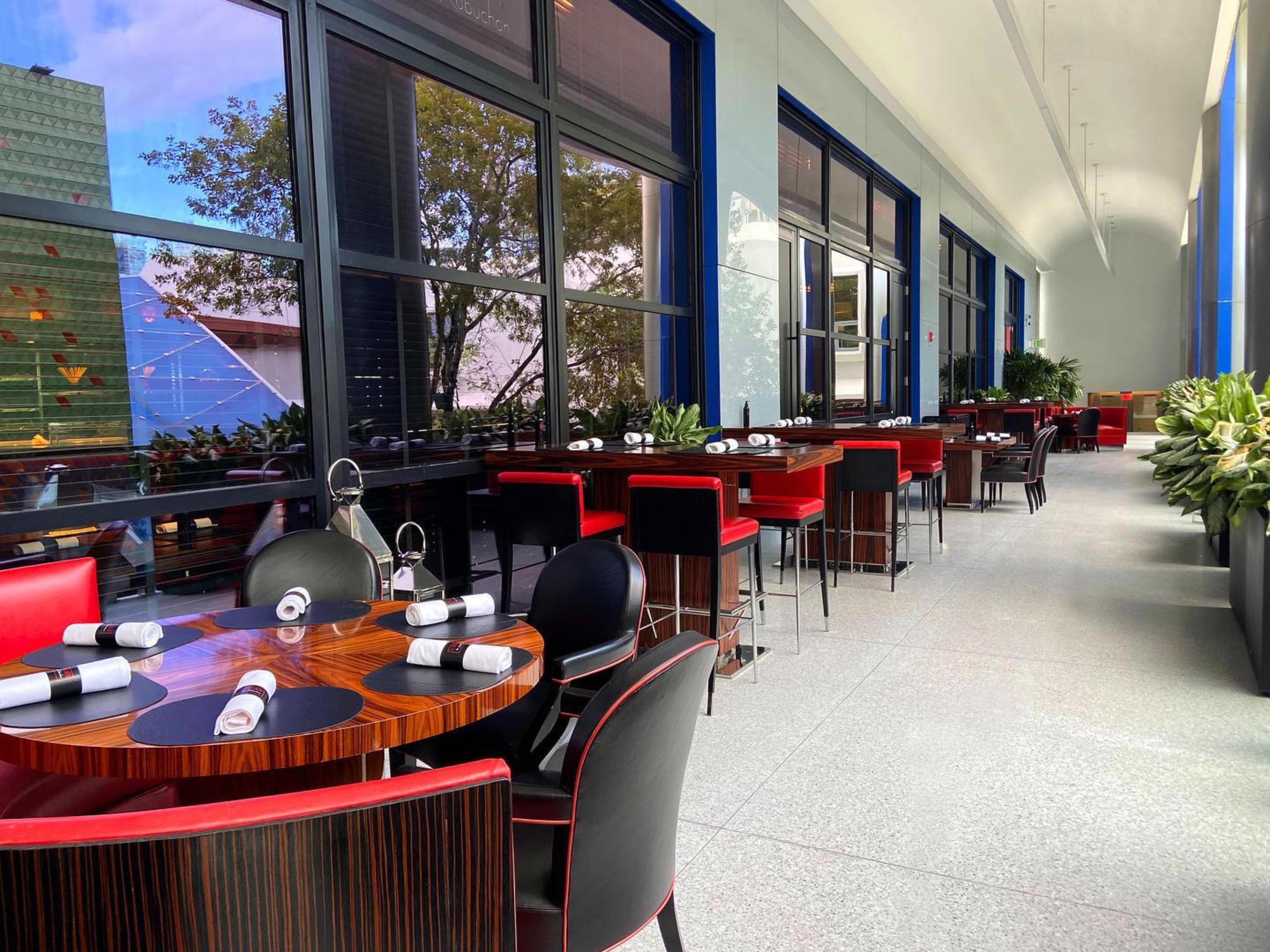
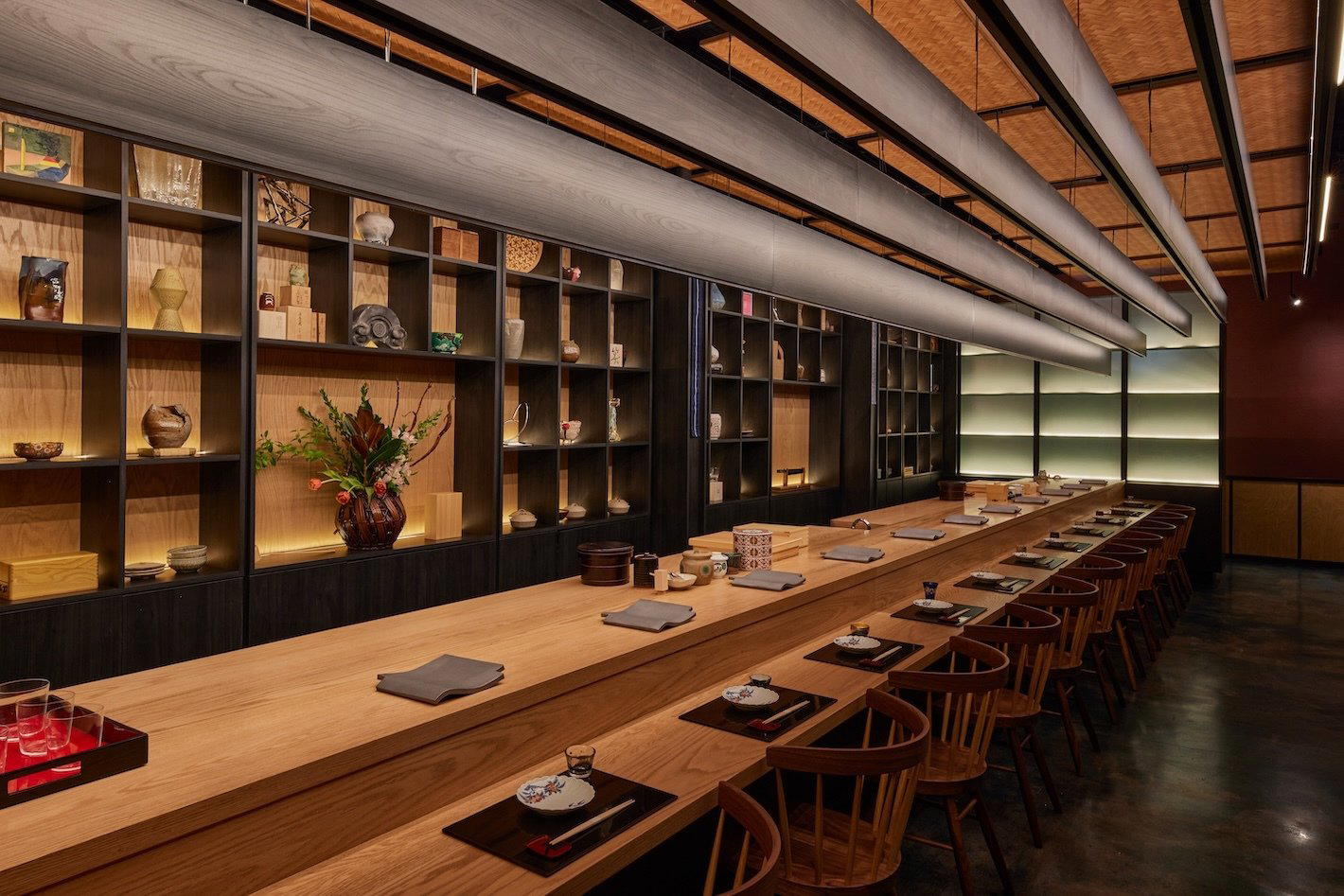
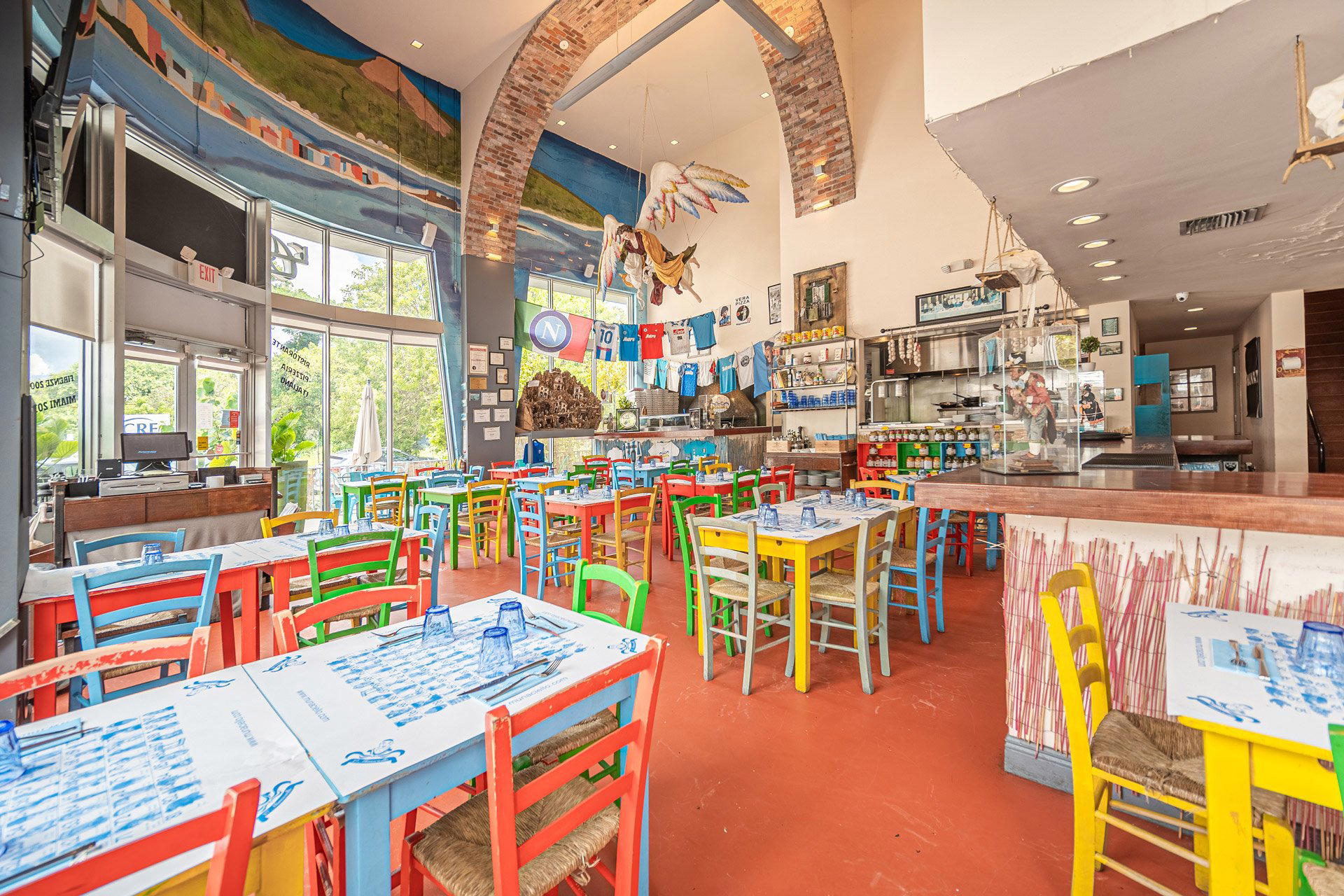
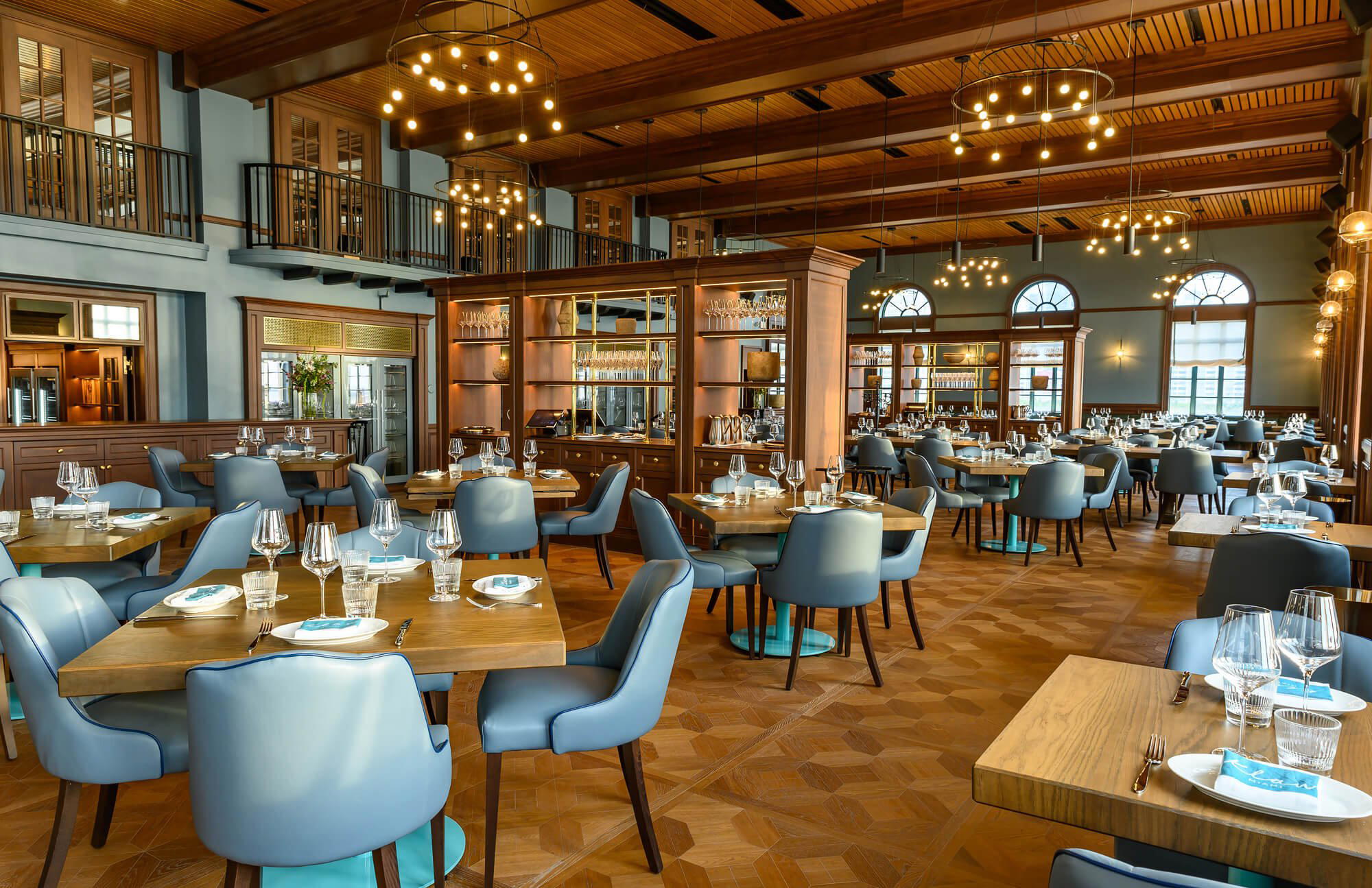
Miami's restaurant conversation is heavily weighted toward its upper tiers. The city holds properties that benchmark against national and international peers: L'Atelier de Joël Robuchon Miami operates within the French fine-dining lineage that defines properties like Le Bernardin in New York City. Cote Miami positions itself within the Korean steakhouse format at the $$$ tier. Boia De has become a reference point for contemporary Italian in a city where that category has historically been underrepresented at the serious level. Ariete anchors modern American cooking in Coconut Grove. ITAMAE has developed a Peruvian-Japanese format that sits outside easy category description.
None of those venues occupy the same register as B & M Market, and that is the point. Miami's dining ecosystem, like any mature city's, requires operators working across every price tier and format category. The upper tier generates critical attention and sets the city's reputation in national conversation, but the neighbourhood-level operator is what makes a city functional and habitable for the people who actually live there. The Upper Eastside's food and provisions access has improved in part because operators like B & M Market maintain a physical presence that serves daily needs rather than special-occasion ones.
For a broader map of how Miami's restaurant categories distribute across neighbourhoods, the full Miami restaurants guide covers the city's major dining corridors in detail.
On Provisions, Wine, and the Market's Editorial Angle
The editorial angle most relevant to any market-format operator in 2024 is how it approaches the drinks and provisions side of its offer. Across American cities, the market that has managed to build a meaningful wine or beverage component has consistently differentiated itself from the straight grocery-deli model. Cities with a track record of this kind of operator development — New Orleans, where Emeril's helped establish a culture of serious provisions alongside restaurant programming; San Francisco, where the boundary between retail wine and restaurant wine has blurred at venues connected to operators like Lazy Bear — demonstrate that the format is elastic enough to carry genuine cellar curation if the operator has the sourcing relationships to support it.
What that looks like in practice at a neighbourhood market depends heavily on the local customer base and on the operator's own depth of knowledge. A well-curated provisions shelf does not require the same infrastructure as a restaurant wine program: no sommelier service, no by-the-glass program, no cellar management at scale. But it does require a point of view. The markets that have earned loyalty in comparable American urban neighbourhoods tend to make decisions about what they stock that reflect a coherent sensibility: a preference for natural producers, or for regional American labels, or for accessible price points with genuine quality behind them. That sensibility, where it exists, is what separates a thoughtful market from a convenience store with better packaging.
Given the absence of confirmed data on B & M Market's specific offer, the practical specifics of what is stocked, at what price, and in which categories, are not available through EP Club's verified channels at this time. Visitors are advised to confirm current hours, product range, and any provisions categories directly with the venue before visiting.
Planning a Visit: What to Know Before You Go
B & M Market sits at 219 NE 79th Street in Miami's Upper Eastside, a neighbourhood most efficiently reached by car or rideshare from central Miami. The area lacks the density of parking or transit infrastructure of the Design District or Wynwood, though street parking along NE 79th Street is generally available.
For those building a broader Upper Eastside or Miami visit around this stop, the neighbourhood pairs naturally with the Design District to the south, where the city's concentration of high-end retail and dining is most dense. A full day in this part of Miami can reasonably combine a provisions or lunch stop in the Upper Eastside with dinner at one of Miami's more destination-driven addresses.
How B & M Market Miami compares with similar nearby venues.
| Venue | Cuisine | Price |
|---|---|---|
| Grand Central | Contemporary | $$$ |
Continue exploring
More in Miami
Restaurants in Miami
Browse all →



At a Glance
- Casual
- Casual Hangout
- Standalone
- Local Sourcing
Current opening hours
- Monday
- 11 AM–7 PM
- Tuesday
- 11 AM–7 PM
- Wednesday
- 11 AM–7 PM
- Thursday
- 11 AM–7 PM
- Friday
- 11 AM–8 PM
- Saturday
- 11 AM–8 PM
- Sunday
- Closed
Hours can change for holidays and private events. Last verified .
Unassuming market setting with a small clean eating area focused on food over luxury atmosphere.
Know Before You Go
- Getting there
- 219 NE 79th St, Miami, FL 33138