Eataly - Flatiron
Eataly Flatiron at 200 Fifth Avenue is the New York flagship of the Italian food hall format that reshaped how American cities think about specialty grocery, casual dining, and retail coexisting under one roof. Spread across multiple floors of a Beaux-Arts landmark, it sits at the intersection of neighbourhood food culture and Italian regional tradition, drawing regulars for weekday pasta as readily as out-of-towners piecing together a picnic.
Pearl is the En Primeur Club membership app — saves, bookings, and concierge access live there. Same editors, same standards.
- Address
- 200 5th Ave, New York, NY 10010, USA
- Phone
- +1 212 229 2560
- Website
- eataly.com
- Directions
- Get directions
 Saves & bookings on Pearl
A Food Hall Format That Redefined the Category
Eataly - Flatiron is an authentic Italian marketplace in New York City, serving pizza, pasta, and seafood with a recommended reservation policy and an average price of about $50 per person. When large-format Italian food markets began appearing in American cities in the early 2010s, the concept was genuinely unfamiliar: a space where you could buy aged Parmigiano-Reggiano, sit at a counter for a plate of cacio e pepe, pick up a bottle of Barolo, and watch a pasta lesson, all within the same building. Eataly Flatiron, which opened in 2010 at 200 Fifth Avenue in Manhattan, was the first major iteration of that model in the United States, and its arrival changed the reference point for what an Italian food destination could look like outside of Italy.
The format has since been replicated across cities globally, but the Flatiron location retains a specific relevance: it operates inside a Beaux-Arts building in one of Manhattan's most walkable and transit-connected neighbourhoods, positioned between the office density of Midtown and the residential and restaurant concentration of downtown. That geography means its foot traffic profile is genuinely mixed, from weekday lunch crowds drawn from nearby workplaces to weekend visitors treating it as a destination in its own right.
The Flatiron Neighbourhood and What It Asks of a Venue
The Flatiron District has absorbed a significant number of restaurant openings and closures in the post-pandemic period. The blocks around Madison Square Park have seen ambitious tasting-menu formats come and go, while more operationally resilient all-day concepts have consolidated their presence. For a venue of Eataly's scale, that context matters: a multi-counter food hall with retail, restaurants, and education programming needs consistent volume across all dayparts to justify its footprint, and the Flatiron's demographic mix provides that in ways that a purely residential or purely tourist neighbourhood would not.
New York's premium dining tier, represented by venues like Le Bernardin, Eleven Madison Park, and Per Se, operates on a different axis entirely: fixed tasting menus, advance reservations, and price points that position them against a global comparable set. Eataly occupies a structurally different position. It is not competing with Atomix or Masa for the same reservation. It competes on access, variety, and the proposition that high-quality Italian ingredients and cooking should be available without a booking window or a dress code.
The Booking Experience: Planning Your Visit
Eataly's model diverges most clearly from reservation-driven venues. Most of the counters and casual restaurants within the Flatiron location operate on a walk-in basis, which is both its main logistical advantage and its primary constraint. During peak hours, particularly weekend lunchtimes and Friday evenings, wait times at particularly popular counters can stretch significantly. The practical approach is to arrive before noon on weekends or visit on weekday mornings and early afternoons, when the floor is markedly less congested and counter seats are available without a wait.
Some of the sit-down restaurants within the building do accept reservations, and for a group visit or a more structured meal, checking the individual restaurant booking options directly is worth the extra step. The retail floors operate on standard store hours and require no planning beyond timing around midday and early evening rushes. For visitors coming from outside New York, combining an Eataly visit with the broader Flatiron and Madison Square Park area makes geographical sense, given the concentration of other food and drink destinations within a short walk.
The format also rewards a slower, more deliberate approach than a standard restaurant visit. Arriving with time to browse the cheese and charcuterie counters, to compare regional pasta shapes in the retail section, and then to sit for a glass of wine and a plate of something simple produces a more coherent experience than attempting to rush through all of it. Italy's food culture has always been built around that kind of unhurried engagement with ingredients, and the format mirrors that logic even in a dense Manhattan setting.
Italian Regional Tradition in a New York Context
The Italian food hall model draws on a specific tradition: the mercato coperto, or covered market, that exists in various forms across Italian cities, where specialty producers, prepared food vendors, and casual eating coexist in a single curated space. What Eataly transposed to New York was not simply an import shop with a few tables but a more complete version of that ecosystem, with rotating seasonal product emphasis, a wine selection organised by region, and cooking education programming that connects the retail product to the kitchen context.
For visitors with a serious interest in Italian regional cooking, the depth of the product offering is the primary draw. The distinction between, say, a Sicilian olive oil and a Ligurian one, or between fresh and dried pasta formats appropriate to different sauces, is presented through the merchandising rather than buried in small print. That educational dimension is less formal than the Italian food heritage experiences available at places like Frasca Food and Wine in Boulder or the sourcing philosophy behind Blue Hill at Stone Barns, but it operates at a scale and accessibility level that those venues do not.
The Italian food hall model has also proved influential beyond its own category. The interest in combining retail, casual dining, and culinary education under one roof has shaped how subsequent concepts, from single-cuisine food halls to urban farmers' markets with restaurant components, have been designed across American cities. Eataly Flatiron sits at the beginning of that lineage in the US context, which gives it a reference-point status that newer imitators have not displaced.
Where Eataly Sits in a Wider Itinerary
For a visitor building a New York food itinerary, Eataly Flatiron works well as a counterpoint to the reservation-heavy experiences that define the city's premium tier. A flexible, walk-in morning or afternoon at Eataly provides a different but complementary kind of food engagement. It also functions well as a starting point for building a picnic or an at-home Italian meal, with the retail selection providing the kind of ingredient access that is otherwise difficult to replicate in a single shopping trip.
Those interested in the Italian fine dining tradition in a more formal register can cross-reference Dal Pescatore in Runate or Atelier Moessmer Norbert Niederkofler in Brunico for what the European end of the spectrum looks like. Within the US, the farm-to-table and regional-sourcing conversations that inform venues like Single Thread Farm in Healdsburg, Lazy Bear in San Francisco, Providence in Los Angeles, Addison in San Diego, Smyth in Chicago, Emeril's in New Orleans, and The Inn at Little Washington share a genealogy with the ingredient-focused approach that Eataly represents, even if the format and price tier are entirely different. The French Laundry in Napa similarly operates in a different register but shares the underlying commitment to product provenance that Eataly makes accessible at a walk-in price point.
Know Before You Go
- Address: 200 Fifth Avenue, New York, NY 10010
- Neighbourhood: Flatiron District, Manhattan
- Booking: Recommended
- Leading timing: Weekday mornings and early afternoons for minimal wait times; avoid weekend midday and Friday early evening peaks
- Format: Multi-counter food hall with retail, casual restaurants, wine shop, and cooking education programming
Cost Snapshot
Comparable venues nearby, for context on price, style, and recognition.
| Venue | Cuisine | Price | Notes |
|---|---|---|---|
| Eataly - FlatironThis venue — the venue you are viewing | Not listed | $$$ | Not listed |
| Bond 45 | Not listed | $$$ | Midtown-Times Square, Italian Kitchen & Bar |
| Serafina - 777 Third Ave | Not listed | $$$ | East Midtown-Turtle Bay, Classic Italian Trattoria |
| Il Giglio | Not listed | $$$ | Tribeca-Civic Center, Tuscan Italian Fine Dining |
| Barano | Williamsburg, Modern Wood-Fired Italian | $$$ | Not listed |
| Nica Trattoria | Not listed | $$$ | Upper East Side-Yorkville, Authentic Sicilian Trattoria |
Continue exploring
More in New York City
Restaurants in New York City
Browse all →
Bars in New York City
Browse all →

Hotels in New York City
Browse all →






At a Glance
- Lively
- Trendy
- Well Known
- Energetic
- Group Dining
- Casual Hangout
- Brunch
- Celebration
- Rooftop
- Open Kitchen
- Private Dining
- Extensive Wine List
- Craft Cocktails
- Street Scene
Current opening hours
- Monday
- 7 AM–11 PM
- Tuesday
- 7 AM–11 PM
- Wednesday
- 7 AM–11 PM
- Thursday
- 7 AM–11 PM
- Friday
- 7 AM–11 PM
- Saturday
- 7 AM–11 PM
- Sunday
- 7 AM–11 PM
Hours can change for holidays and private events. Last verified .
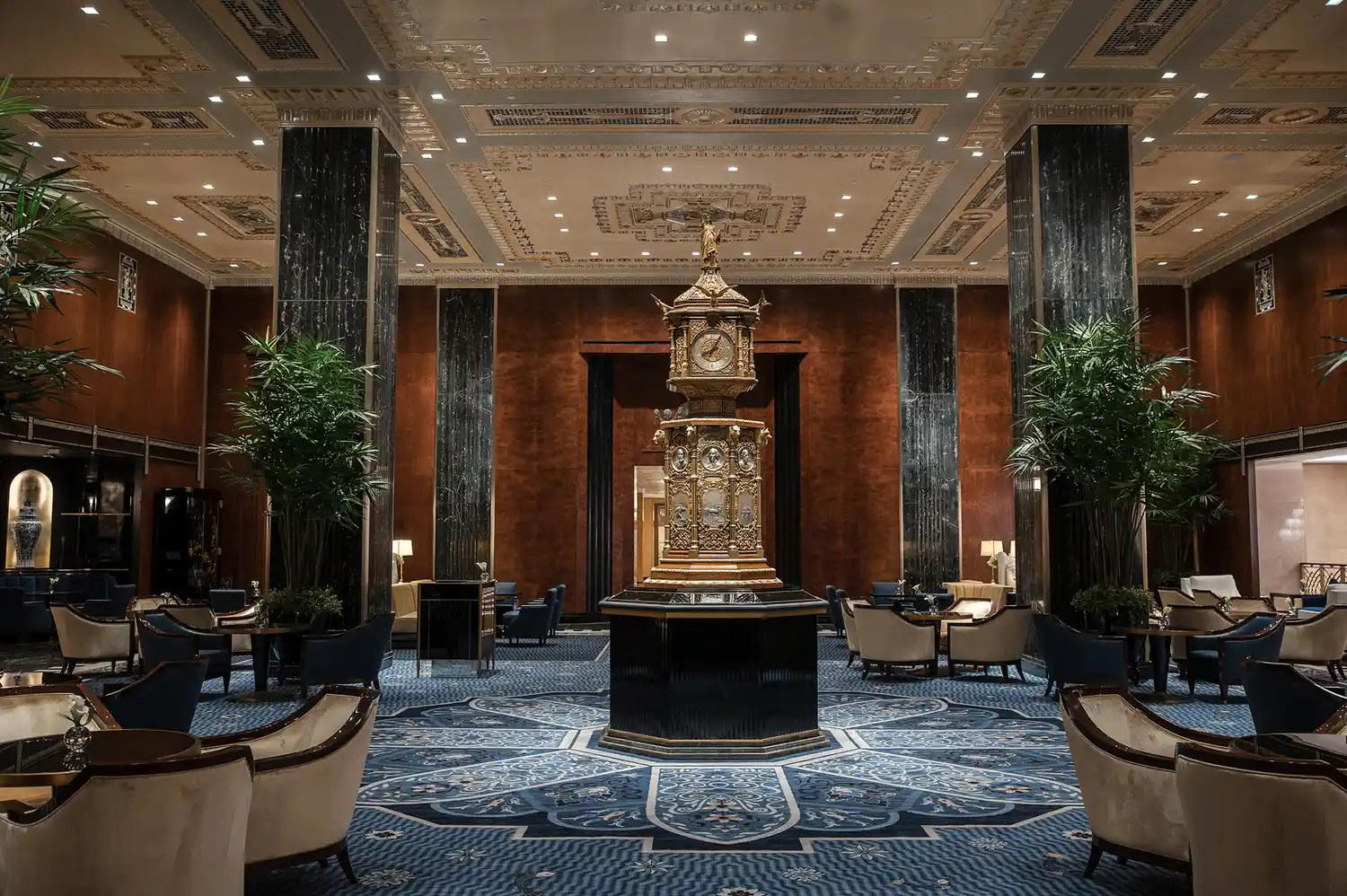
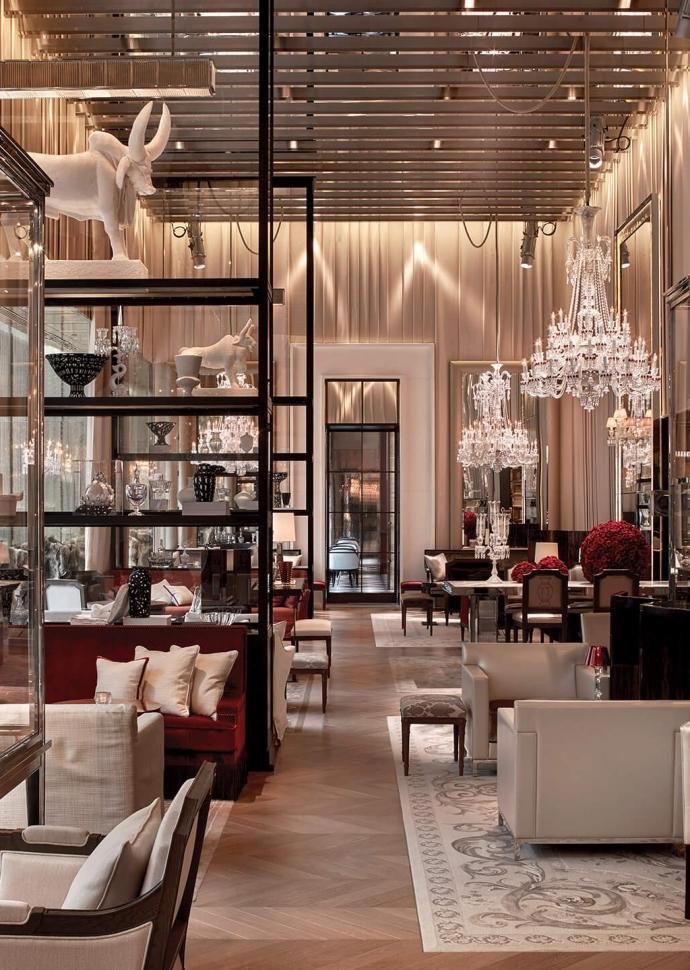
Bustling and energetic atmosphere with lively dining areas, open kitchens, and a rooftop terrace evoking Italian vibrancy.