
A Michelin Plate-recognised fusion restaurant on Simon-von-Utrecht-Straße in Hamburg's St. Pauli district, east positions global technique against a menu that draws from across culinary traditions. It occupies the mid-premium tier of Hamburg's dining scene, more accessible than the city's starred counters, but clearly operating with serious intent.
Pearl is the En Primeur Club membership app — saves, bookings, and concierge access live there. Same editors, same standards.
- Address
- Simon-von-Utrecht-Straße 31, 20359 Hamburg, Germany
- Phone
- +49 40 309933
- Website
- east-hamburg.de
- Directions
- Get directions
 Saves & bookings on Pearl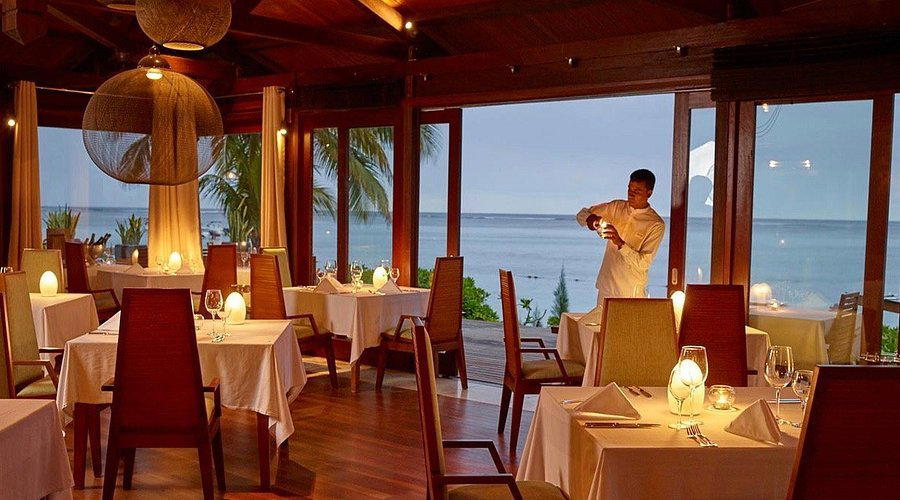
Where St. Pauli Meets the World's Kitchen
Simon-von-Utrecht-Straße sits at the edge of St. Pauli, the Hamburg neighbourhood that has always traded on friction, between the port's industrial past and the creative present, between the local and the international. Restaurants that open here rarely succeed by playing it safe, and east reads the room accordingly. The address alone signals a positioning: this is not the polished HafenCity corridor where bianc and peers compete for two-starred attention, nor is it the formal dining-room register of Restaurant Haerlin. East sits in a more porous middle ground, one that Hamburg's mid-premium fusion tier has made its own.
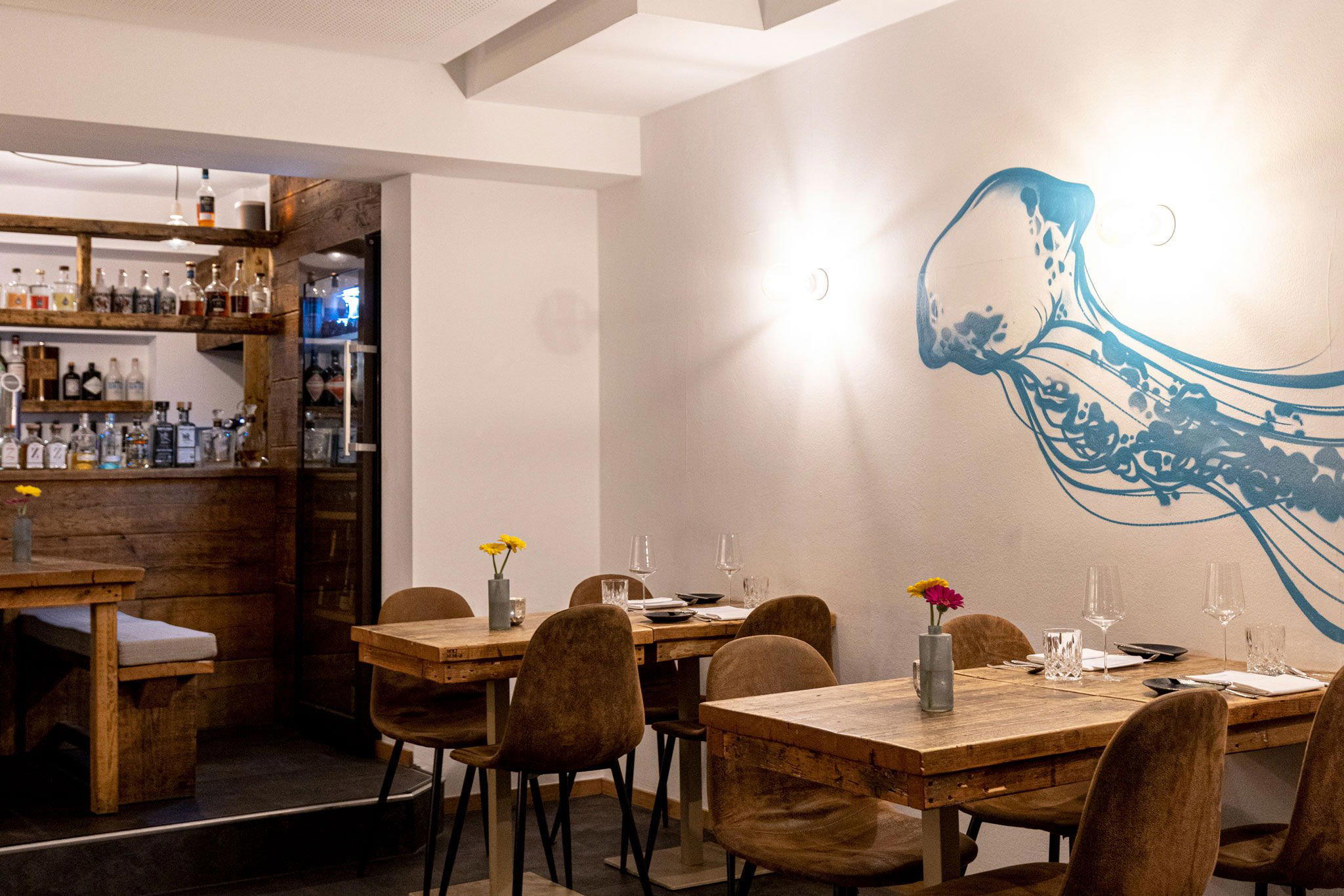
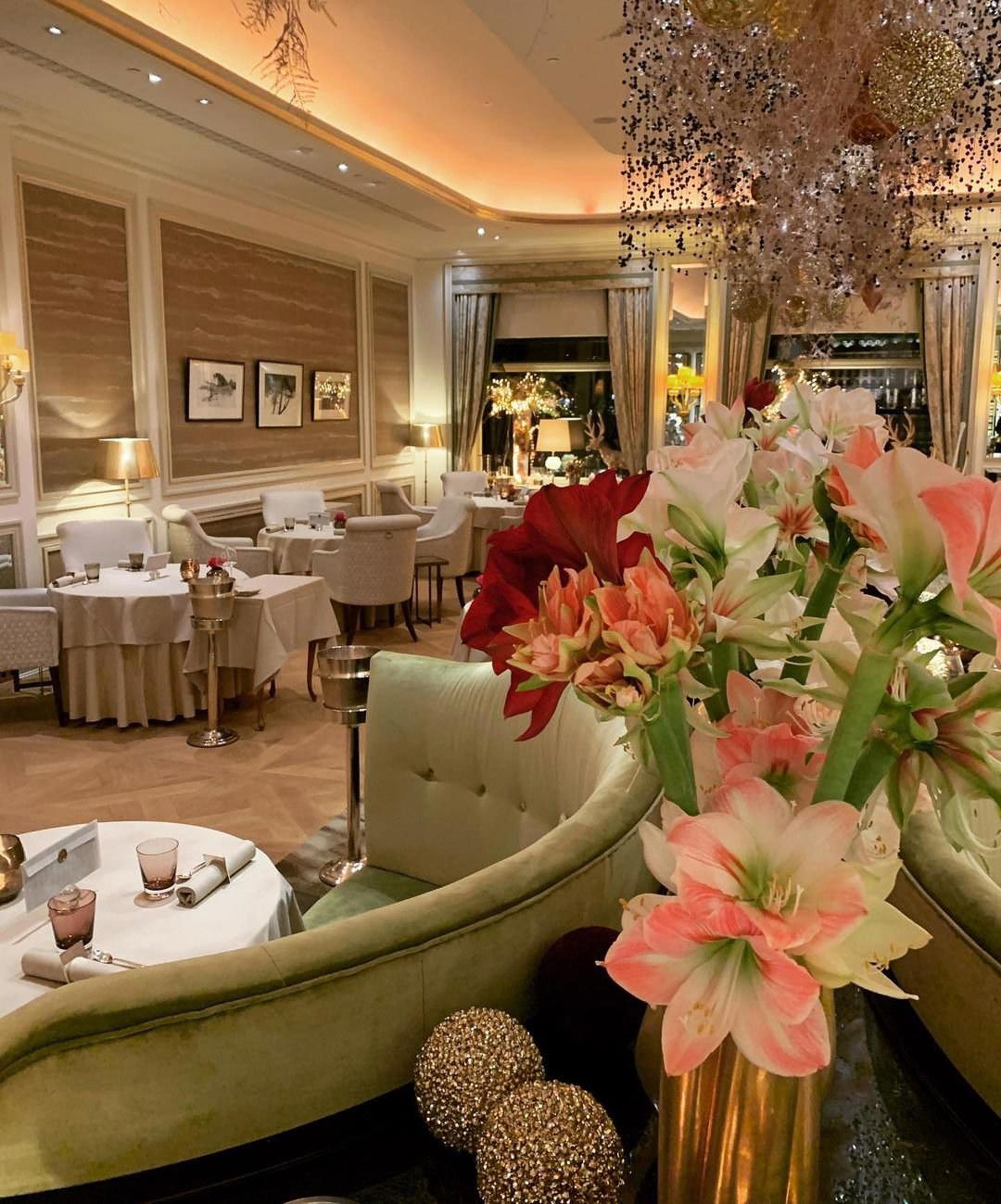
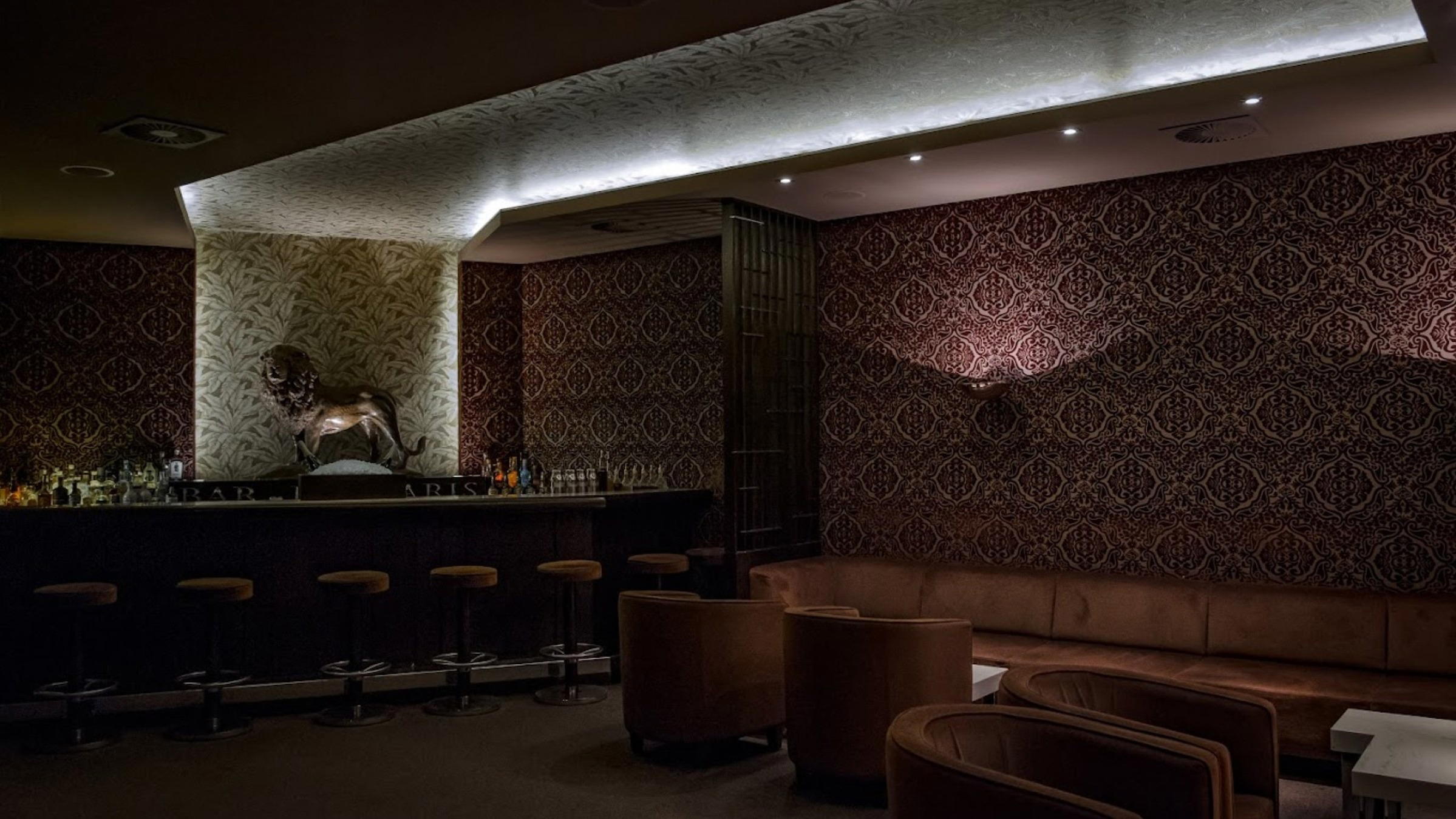
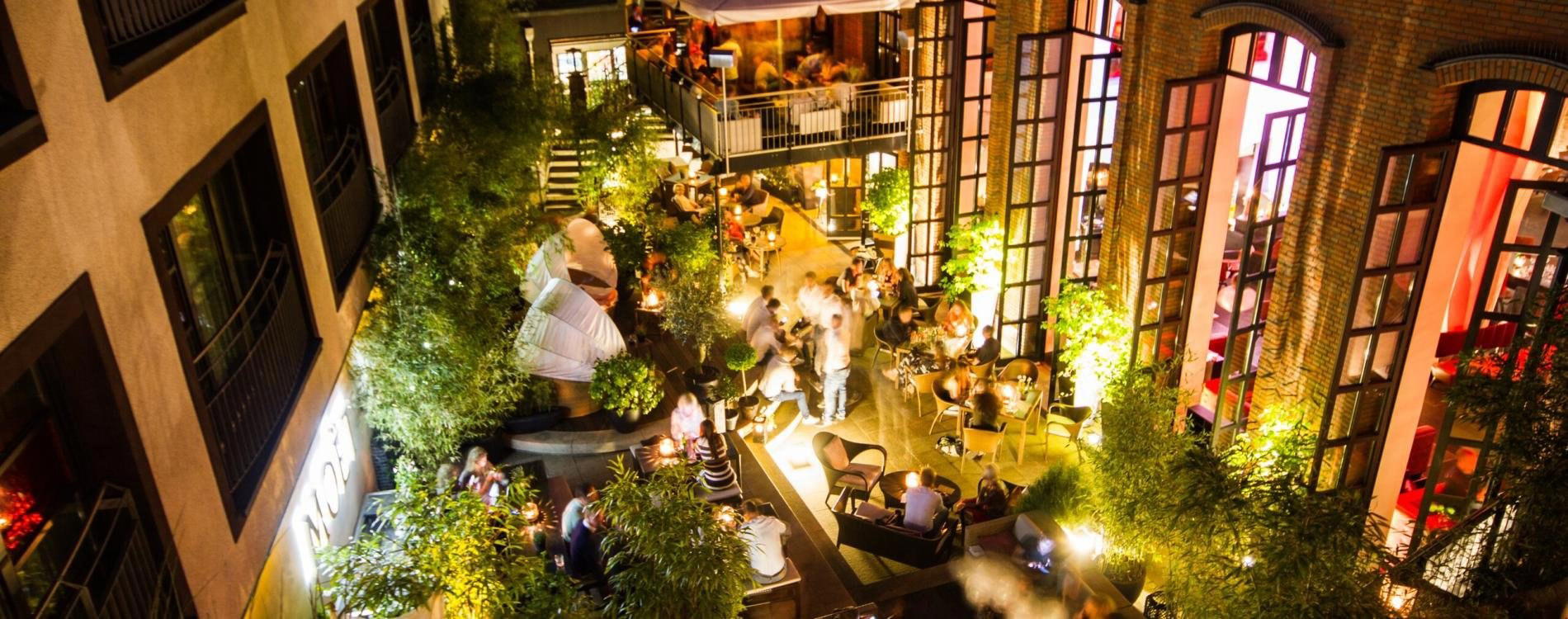
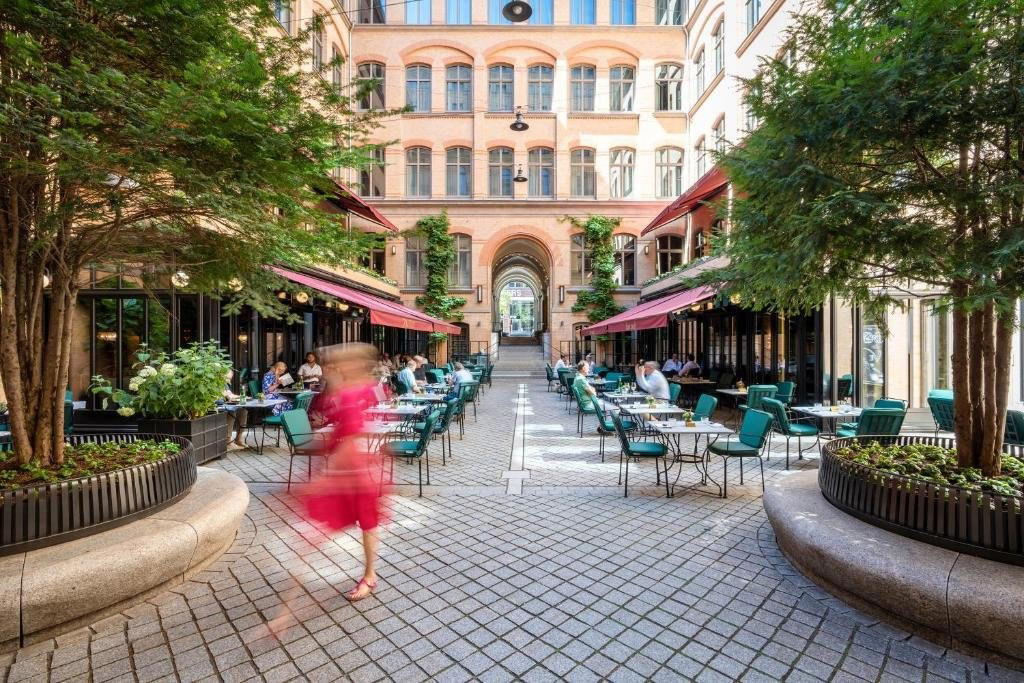
The immediate environment on approach carries the neighbourhood's characteristic density: low facades, layered street-level activity, the sense that the building was chosen for its position in the city rather than its grandeur. Inside, the shift tends to be deliberate, fusion restaurants at this tier typically use contrast between the exterior street and the interior as part of the compositional logic. That move is common across Europe's port cities, where the dining room functions as a kind of edited world, set apart from the wharf noise outside.
Fusion in a Port City: The Logic of Borrowed Techniques
Hamburg has always been a city that imports and reprocesses. The port economy built the city's wealth on transit goods from every hemisphere, and that mercantile history has left a discernible mark on the food culture. Fusion cuisine, as a category, tends to mean different things in different cities: in London it often means pan-Asian with European plating; in Sydney it can mean Mediterranean technique applied to Southern Hemisphere produce. In Hamburg, one coherent version of the genre treats the city's own position, northern European, coastal, historically outward-facing, as the anchor, and layers technique from further afield on top of it.
East has no Michelin star, and its Michelin Plate recognition for 2025 places it in the guide's recommended tier. Within Hamburg's competitive set, that places it in a specific peer band: above the general population of mid-range restaurants, operating with the kind of consistency that Michelin reviewers return to observe across multiple visits, but competing in a different weight class from the city's starred addresses. The Table Kevin Fehling (three stars) and Lakeside (two stars) represent the upper tier of that local hierarchy; east's price range at €€€ positions it closer to where a serious regular might eat more frequently rather than holding the experience for annual occasions.
That Michelin Plate, backed by,077 reviews, suggests something consistent: a kitchen that delivers across a wide range of customer expectations. Starred restaurants in Hamburg often accumulate fewer but more specialised reviews; the breadth of east's feedback base implies it draws from multiple audiences simultaneously, local professionals, food-interested tourists, and the kind of out-of-towners who know to look for the Plate marker when the starred rooms are fully booked.
The Intersection of Technique and Tradition
The editorial angle that fusion restaurants at this level tend to articulate leading is technique as a lens rather than technique as a destination. Importing a Japanese method or a Peruvian flavour profile is only interesting insofar as it reveals something about the ingredient it's applied to or the context it arrives in. Resolved versions of global-technique cooking treat the borrowed method as a way of reading a local product more clearly, not as a way of signalling cosmopolitan range.
Hamburg's proximity to the North Sea gives it access to ingredients, cold-water fish, specific shellfish, northern European root vegetables and preserved products, that interact productively with technique drawn from warmer, higher-acid cuisines. Where a Hamburg kitchen applies, say, citrus-led curing borrowed from South American traditions to a North Sea fish, the result tends to be more structurally interesting than either tradition would produce independently. This is the productive version of fusion: technique and product in genuine conversation. Fusion restaurants operating at Michelin recognition level across Germany's northern cities, from Hamburg down to Aqua in Wolfsburg, are increasingly making that local-product-meets-global-method argument in explicit terms.
JAN in Munich operates with strong Nordic influence applied to Bavarian materials; CODA Dessert Dining in Berlin takes a more conceptual route. East's St. Pauli setting gives it a particular mandate to take the port-city version of that conversation seriously.
Placing East in Hamburg's Dining Order
Hamburg's restaurant scene has consolidated around a few distinct tiers over the past decade. At the leading sit the starred counters and formal rooms, The Table Kevin Fehling, bianc, Lakeside, where a meal is an event requiring forward planning and a price commitment that puts it outside regular rotation for most diners.
East sits in this second tier with a price point that makes it viable for a business dinner, a considered date, or a solo meal at the bar on a Hamburg stopover. Its location in St. Pauli rather than the tourist-facing harbour areas means the crowd tends to skew local and knowledgeable.
Planning Your Visit
East is located at Simon-von-Utrecht-Straße 31 in Hamburg's St. Pauli district, a walkable area from central Hamburg with strong public transport connections. The €€€ price range positions it as a considered dinner rather than a casual drop-in, though it sits below the starred rooms in Hamburg's cost hierarchy.
A Pricing-First Comparison
Comparable venues nearby, for context on price, style, and recognition.
| Venue | Cuisine | Price | Awards | Notes |
|---|---|---|---|---|
| eastThis venue — the venue you are viewing | Fusion | $$$ | Michelin Plate | Not listed |
| NIKKEI NINE | Not listed | $$$ | Michelin Plate | Neustadt, Japanese-Peruvian Nikkei Fusion |
| CARLS Brasserie an der Elbphilharmonie | Not listed | $$$ | Michelin Plate | HafenCity, French Brasserie with North German Accents |
| Arc Restaurant | Not listed | $$$ | Not listed | Neu Lokstedt, Modern Creative Pescetarian |
| am kai | restaurnt. seafood. drinks. elbblick | Not listed | $$$ | Michelin Plate | Altona-Altstadt, Modern Seafood with Elbe Views |
| Clouds - Heaven's Bar & Kitchen | Not listed | $$$ | Michelin Plate | St. Pauli, Modern European Fine Dining |
Recognition history
Dated appearances from independent guides and award organizations, with the underlying list record or original source where available.
Michelin Plate
Michelin · 2026 Michelin Plate
Michelin Plate
Michelin
Continue exploring
More in Hamburg
Restaurants in Hamburg
Browse all →
At a Glance
- Modern
- Trendy
- Industrial
- Sophisticated
- Date Night
- Special Occasion
- Open Kitchen
- Extensive Wine List
Current opening hours
- Monday
- 6–10 PM
- Tuesday
- 6–10 PM
- Wednesday
- 6–10 PM
- Thursday
- 6–10 PM
- Friday
- 5:30–11 PM
- Saturday
- 5:30–11 PM
- Sunday
- 6–10 PM
Hours can change for holidays and private events. Last verified .
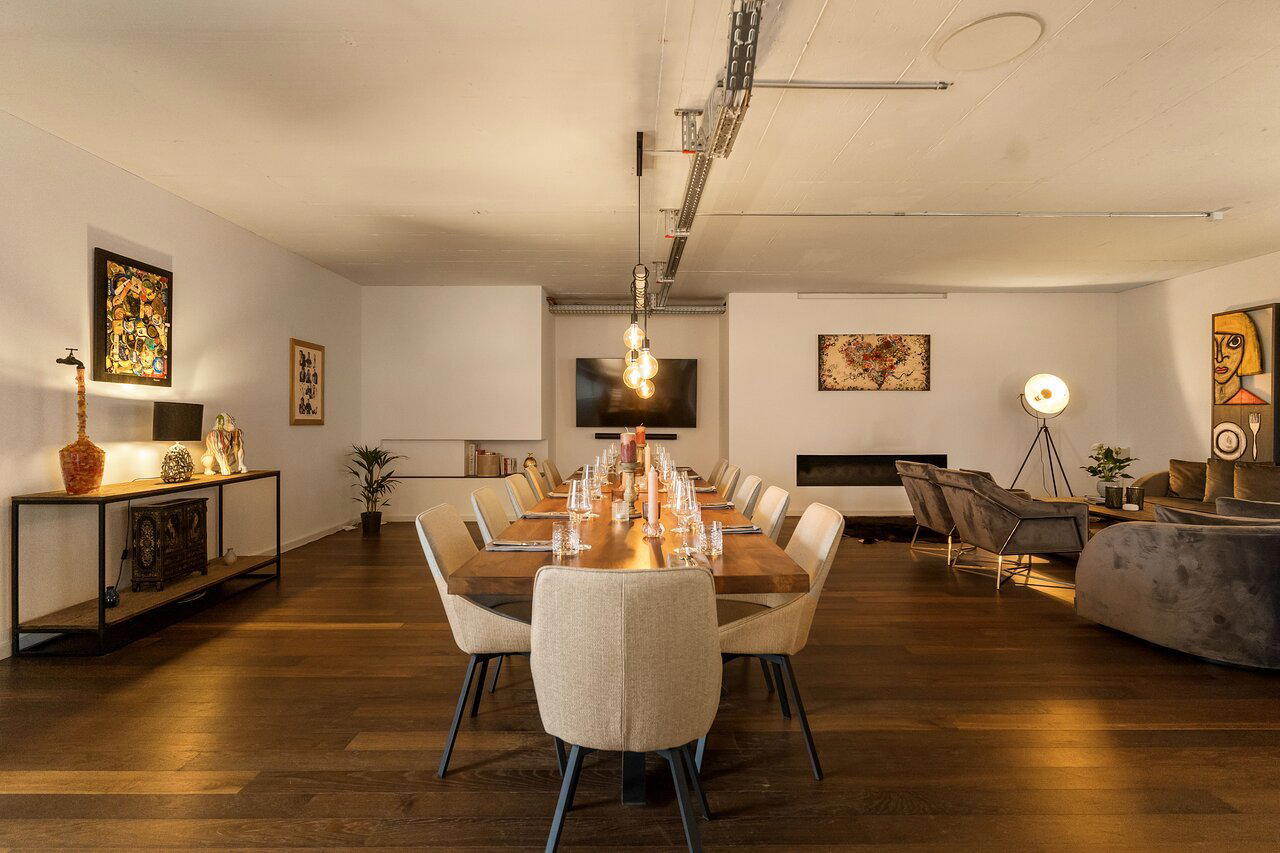
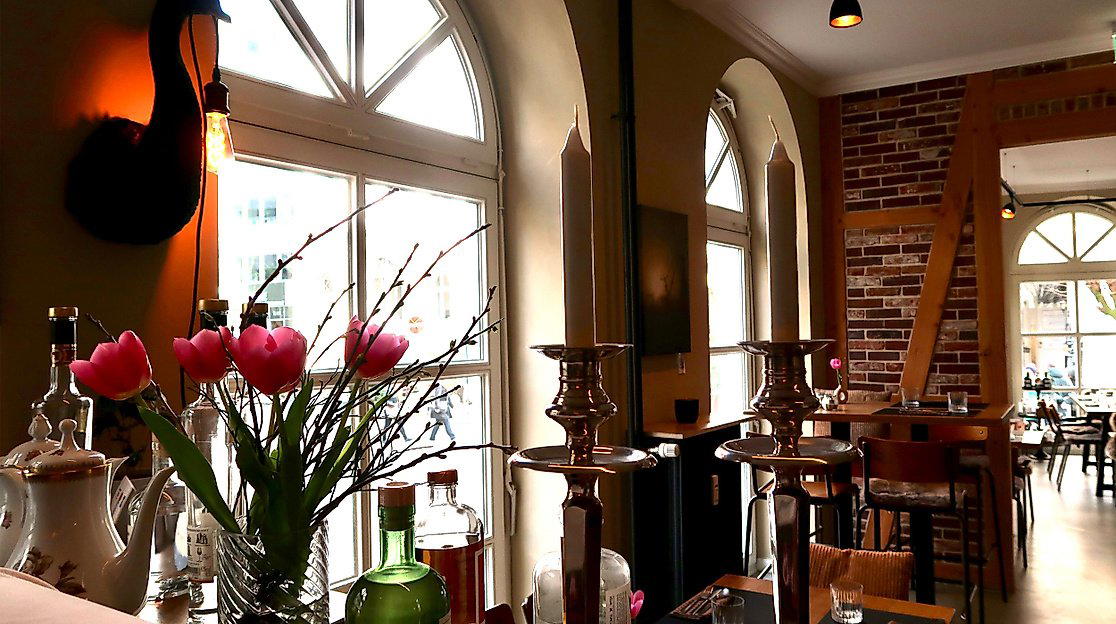
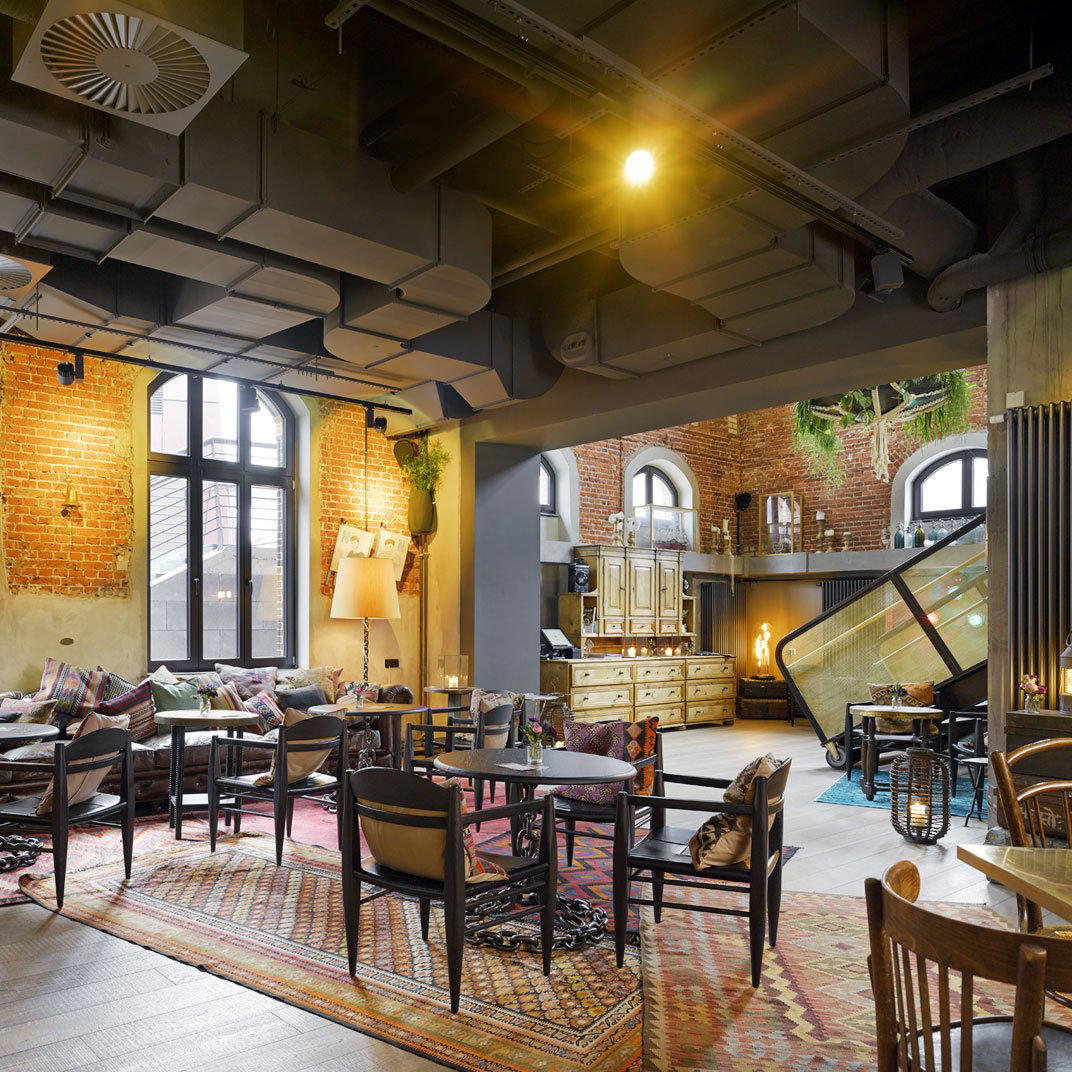
Slick, chic interior in a striking former factory hall with soaring ceilings and modern Asian elegance.