清境魯媽媽雲南擺夷料理
In the mountain township of Ren Ai, 清境魯媽媽雲南擺夷料理 serves Yunnan Bai ethnic cuisine, a tradition carried to Taiwan by Nationalist-era migrants and rarely replicated with this degree of regional specificity. The restaurant sits along Renhe Road in Nantou County, making it a practical anchor for visitors already heading toward the Cingjing highland area.
Pearl is the En Primeur Club membership app — saves, bookings, and concierge access live there. Same editors, same standards.
- Address
- No. 210之2-1號, Renhe Rd, Ren’ai Township, Nantou County, Taiwan 546
- Phone
- +886 4 9280 3876
- Website
- lumama.tw
- Directions
- Get directions
 Saves & bookings on Pearl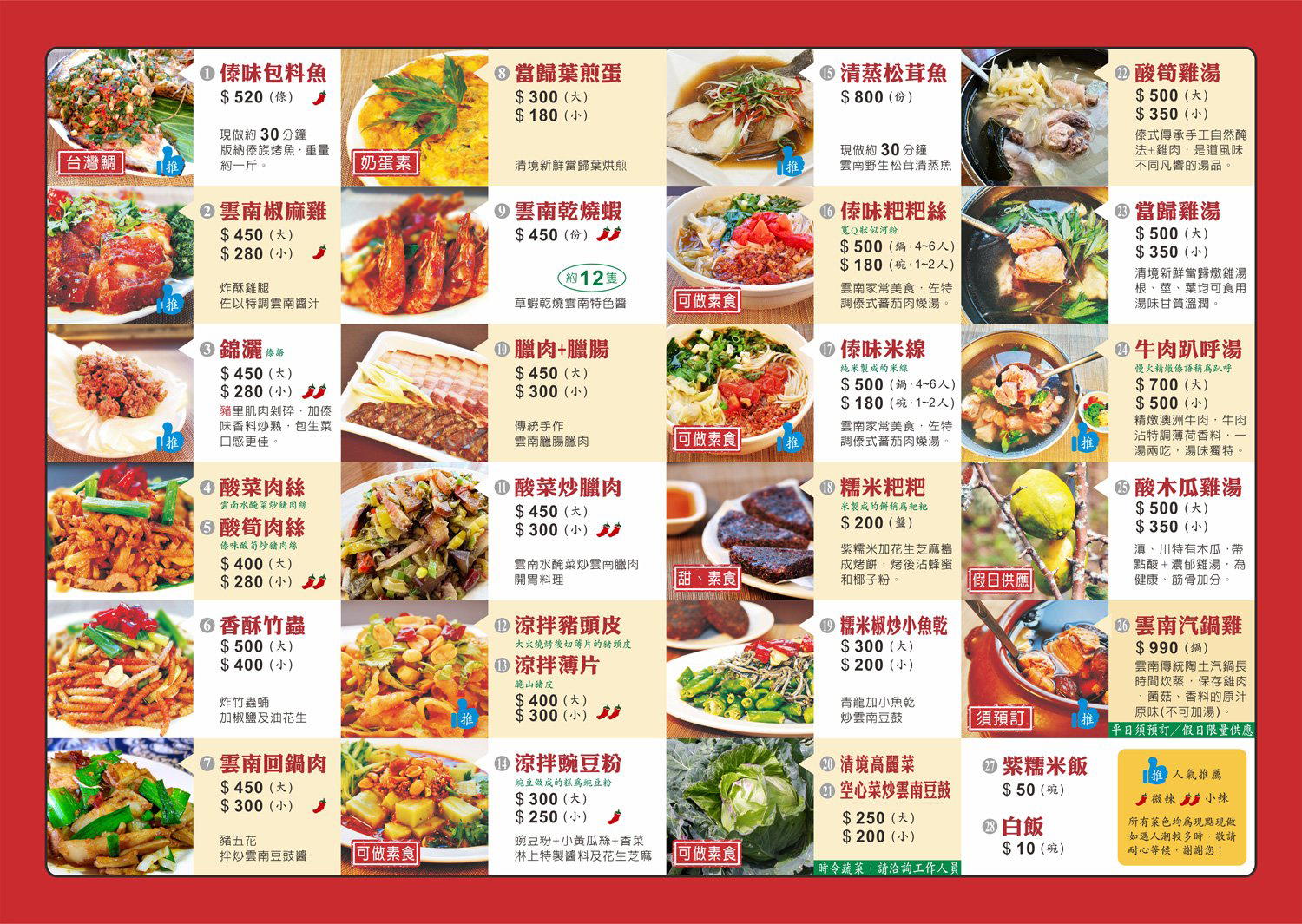
Where Yunnan Meets the Taiwan Highlands
The road to Ren Ai Township climbs steadily through Nantou County's cedar-lined switchbacks, and by the time you reach the Cingjing plateau, the air has thinned and the vegetation has shifted. It is a landscape that already feels displaced from the Taiwan most visitors know, which makes it an appropriate setting for a cuisine that is itself the product of displacement. 清境魯媽媽雲南擺夷料理, addressed at No. 210之2-1號 on Renhe Road, serves the food of the Bai ethnic minority from Yunnan Province: a tradition that arrived in Taiwan's central highlands through the movement of Nationalist-era soldiers and their families, many of whom settled precisely in communities like those surrounding Cingjing.
That migration history is not incidental context. It is the reason this style of cooking exists in Taiwan at all, and it explains why you find it concentrated in the mountain townships of Nantou rather than in Taipei's restaurant corridors or Taichung's dining districts. The villages around Cingjing are among the few places in Taiwan where the Yunnan migrant community retained enough density across generations to sustain a living food culture rather than a diluted memory of one.
Bai Cuisine: What the Tradition Actually Is
Yunnan's Bai people represent one of China's 56 officially recognized ethnic minorities, concentrated around the Erhai Lake region near Dali. Their cuisine differs from the Sichuan-inflected idea of Yunnan food that has become more internationally familiar. Where Sichuan cooking foregrounds numbing heat, Bai cuisine works with a more restrained layering of sour, fermented, and herbal notes. Preserved vegetables, mountain herbs, and cured meats carry more weight than chili volume. The term 擺夷 (Bǎiyí) is an older, somewhat archaic Han Chinese designation for the Dai and related peoples of the region, its use here signals a deliberate connection to that specific ethnic culinary tradition, not a generic Yunnan restaurant positioning.
This matters when comparing 清境魯媽媽 to the wider category of Taiwanese restaurants that claim Yunnan influence. Most operate as a loose Yunnan-Han hybrid, offering crossing-the-bridge noodles alongside more recognizable northern Chinese preparations. The Bai-specific framing at this restaurant positions it within a narrower and less commonly replicated tradition. Taiwan's broader restaurant scene tilts heavily toward tasting menus and urban fine dining, venues like JL Studio in Taichung or logy in Taipei occupy one end of that spectrum, and GEN in Kaohsiung and A Xia in Tainan another. Ethnic minority cuisine from the mainland's southwest does not appear in that conversation at all, which is part of what makes a restaurant like this occupy a genuinely distinct position in the national picture.
The Setting and What It Signals
Restaurants along Renhe Road in Cingjing serve a visitor population that arrives primarily for the highland scenery and the area's pastoral accommodations. Many of the dining options in the vicinity are geared toward that tourist flow, offering familiar Taiwanese comfort food or hot pot formats at accessible price points. 清境魯媽媽雲南擺夷料理 is not operating in a fine-dining register. Its address, format, and community context place it firmly in the category of family-operated ethnic specialty restaurants, the kind that survives through repeat local patronage and the occasional visitor who arrives specifically because they are looking for this tradition, not just a meal near their guesthouse.
That category of restaurant tends to reward some advance orientation. Without knowing what Bai cuisine involves, the menu can seem unfamiliar in ways that lead visitors toward particularly recognizable dishes rather than the ones that reflect the kitchen's actual focus. Restaurants like 好雞婆土雞城, also in Ren Ai Township, operate in an entirely different register, free-range Taiwanese chicken in an outdoor setting, and the two venues together illustrate how varied the township's dining options are even within a relatively small geographic area.
Regional Peers and the Broader Taiwan Context
Taiwan's most-discussed restaurants in 2024 and 2025 have skewed toward urban tasting menu formats, ingredient-driven Japanese-Taiwanese hybrids, and venues with Michelin or Asia's 50 Best credentials. That conversation is real and worth tracking, consider how traditional Taiwanese cuisine sits within that recognition framework. But the ethnic minority restaurant tradition, which includes not only Yunnan Bai but also Hakka, indigenous Taiwanese, and various Southeast Asian migrant communities, operates largely outside that awards infrastructure and is better evaluated on different terms: authenticity of lineage, community embeddedness, and the degree to which the food reflects a living tradition rather than a curated approximation of one.
On those terms, a restaurant in Cingjing serving Bai ethnic food within a community descended from Yunnan migrants carries a form of cultural authority that a Yunnan-themed urban restaurant cannot easily replicate. The question for a visiting diner is whether that cultural specificity is what they are seeking, or whether the highland drive and mountain setting are the primary draw with food as secondary consideration. Both are legitimate reasons to be here, but they lead to different expectations about what the experience will deliver. Other regional Taiwanese restaurants worth considering for their own traditions include Ah Zhen Rou Bao in Lukang and Chenggong Douhua in Chenggong.
Planning Your Visit
Ren Ai Township does not have the public transport infrastructure of Taiwan's major cities, and Cingjing is most practically reached by private vehicle or chartered transport from Puli or Taichung. The restaurant is open Mon, Tue, Fri to Sun from 11 AM to 2 PM and 4:30 to 7 PM, and closed Wed and Thu. The restaurant sits in a casual, midpriced range.
- Yunnan Pepper Chicken
- Crispy Bamboo Worms
- Dai Sticky Rice Noodles
- Clay Pot Chicken
- Pea Powder Salad
- Dai-style Fish Parcels
Pricing, Compared
Comparable venues nearby, for context on price, style, and recognition.
| Venue | Cuisine | Price | Notes |
|---|---|---|---|
| 清境魯媽媽雲南擺夷料理This venue — the venue you are viewing | Ren Ai Township, Yunnan Dai Cuisine | $$ | Not listed |
| 好雞婆土雞城 | Not listed | $$ | 博望新村, Yunnan Baiyi Cuisine with Herb-Roasted Chicken |
| Daxi Old Street (大溪老街 Daxi Old Street) | Daxi District, Taiwanese Street Food | $$ | Not listed |
| 鼎泰豐 Din Tai Fung | Xinyi District, Taiwanese Dim Sum | $$ | Not listed |
| Dongshi Niu Jiazhuang | Dongshi Dist, Hakka Beef Specialty | $$ | Not listed |
| 香港波記茶餐廳 | 東區, Hong Kong-Style Cha Chaan Teng | $$ | Not listed |
Continue exploring
More in Ren Ai Township
Restaurants in Ren Ai Township
Browse all →
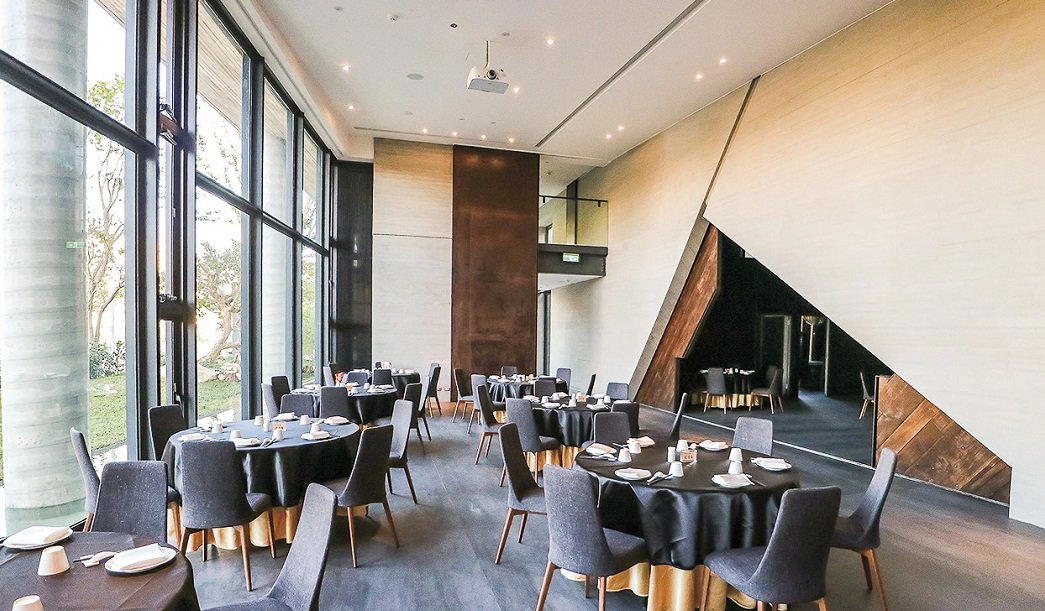
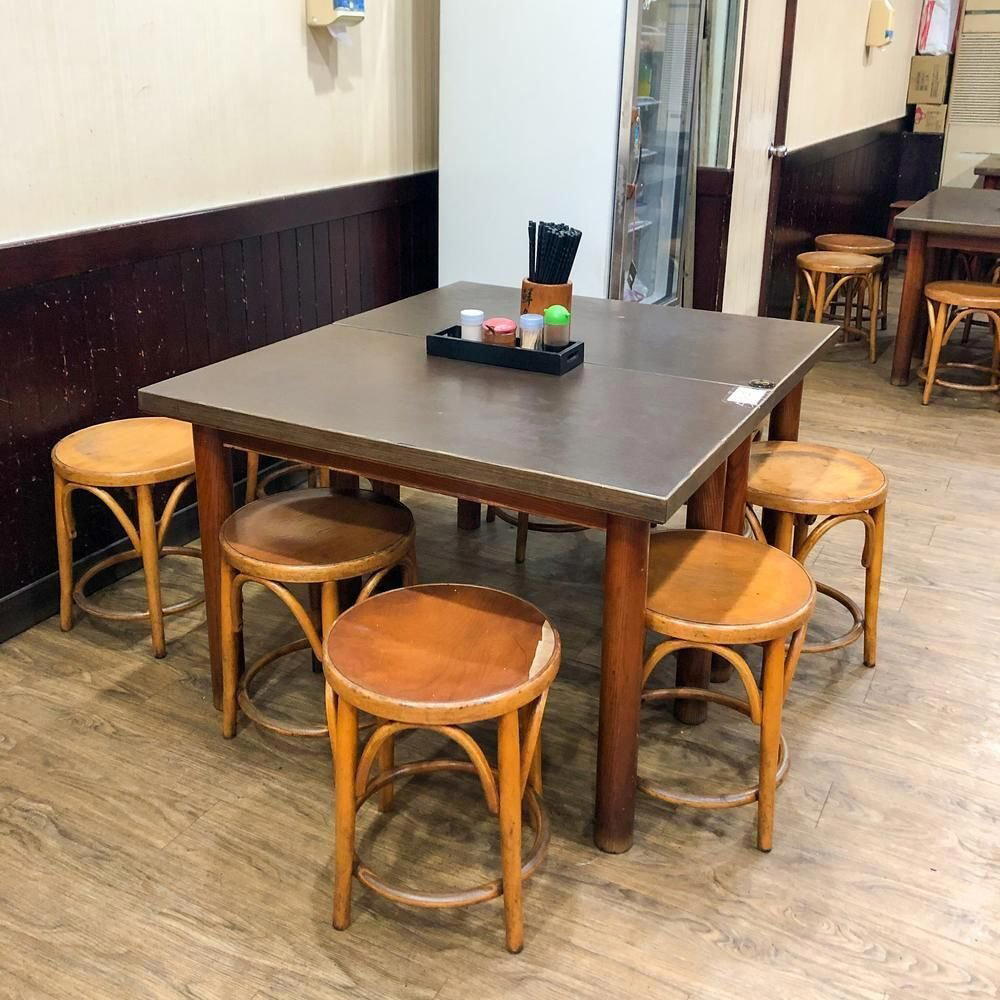
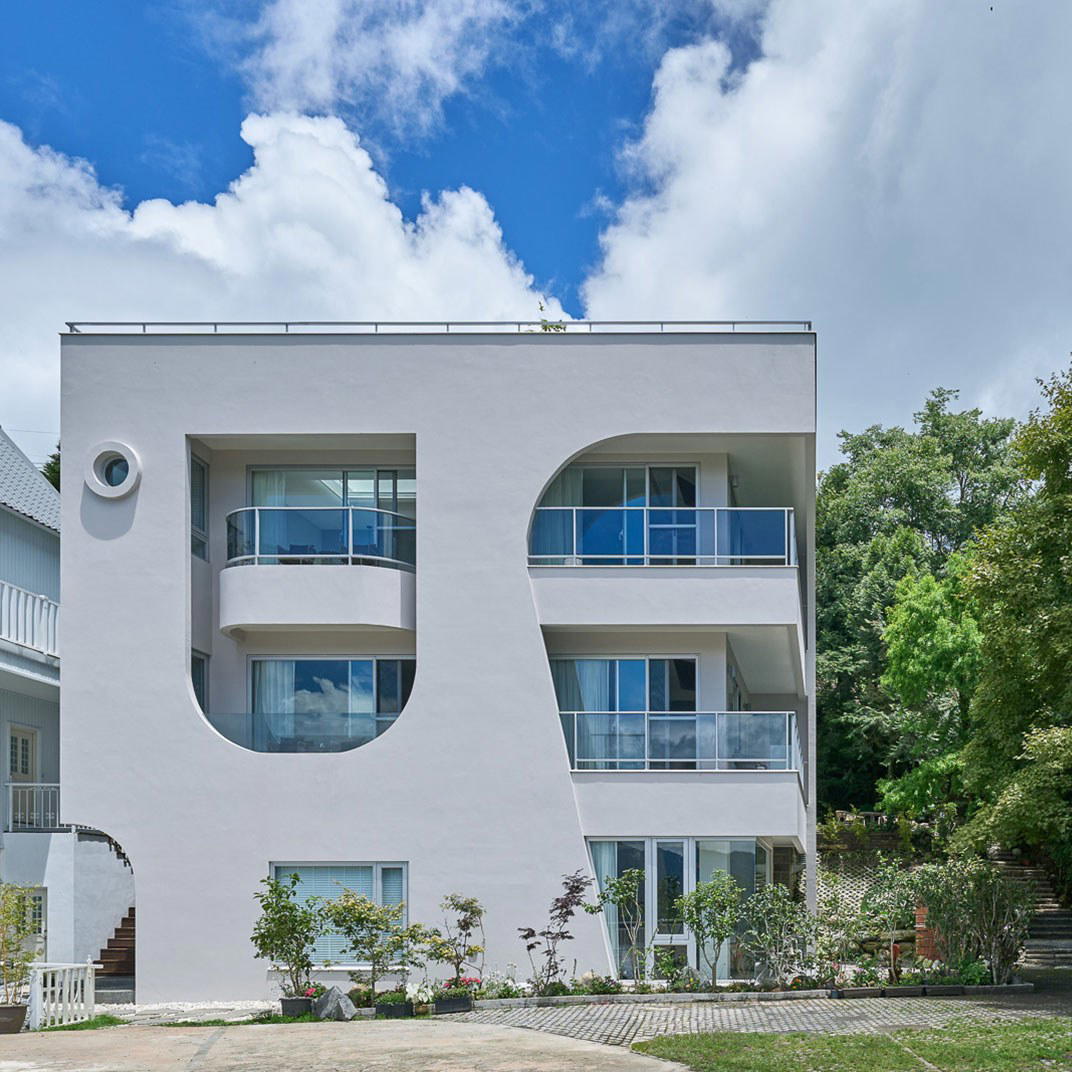




At a Glance
- Rustic
- Lively
- Scenic
- Group Dining
- Family
- Casual Hangout
- Panoramic View
- Standalone
- Mountain
Current opening hours
- Monday
- 11 AM–2 PM, 4:30–7 PM
- Tuesday
- 11 AM–2 PM, 4:30–7 PM
- Wednesday
- Closed
- Thursday
- Closed
- Friday
- 11 AM–2 PM, 4:30–7 PM
- Saturday
- 11 AM–2 PM, 4:30–7 PM
- Sunday
- 11 AM–2 PM, 4:30–7 PM
Hours can change for holidays and private events. Last verified .
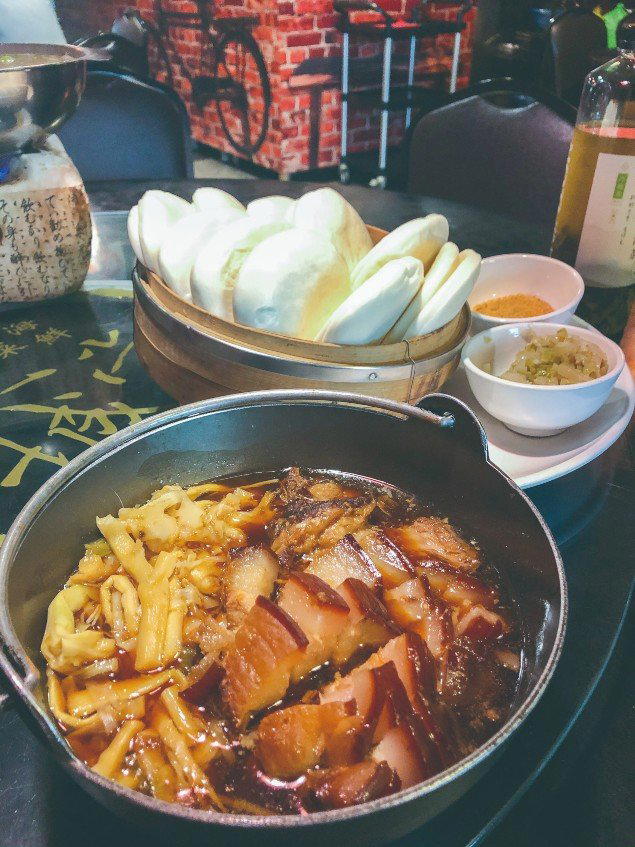
European-style building exterior with rustic wooden interior mixed with lively ethnic minority décor; high ceilings and casual, bustling atmosphere with photos of celebrity visitors.