Dongshi Niu Jiazhuang sits within Miaoli's agricultural belt, where beef sourced from the Dongshi township's cattle-farming tradition anchors a menu built around local provenance rather than urban fine-dining conventions. The cooking reflects a part of Taiwan where the supply chain is measured in kilometres, not logistics networks. For visitors travelling the west-coast corridor between Taichung and Hsinchu, it represents a grounded alternative to city dining.
Pearl is the En Primeur Club membership app — saves, bookings, and concierge access live there. Same editors, same standards.
- Address
- Miaoli, Taiwan
- Directions
- Get directions
 Saves & bookings on Pearl
Where Miaoli's Cattle Country Reaches the Table
Taiwan's west-coast counties rarely feature in conversations about the island's dining scene, which tends to concentrate critical attention on Taipei, Taichung, and Tainan. Miaoli County sits in an agricultural corridor where Hakka farming traditions remain in active practice, and where the distance between a working cattle farm and a dining table can be short enough to constitute a genuine sourcing credential rather than a marketing claim. Dongshi Niu Jiazhuang is a restaurant in Miaoli County, serving Hakka beef specialty dishes rooted in Dongshi area's local supply logic, with beef from the Dongshi area as the menu's anchor.
The premise matters because it runs against the grain of how premium beef reaches most Taiwanese restaurants. At the high end of Taipei and Taichung dining, the reference points are Japanese wagyu, Australian grain-fed cuts, or American prime imports. JL Studio in Taichung and logy in Taipei both operate within frameworks that draw international sourcing into a localised creative context. Dongshi Niu Jiazhuang works from the opposite direction: the sourcing is hyperlocal and the cooking tradition is Taiwanese, without the fine-dining apparatus that surrounds similar provenance-led operations in larger cities.
The Agricultural Logic of Dongshi
Dongshi Township sits within Miaoli's broader agricultural zone, a region where Hakka communities have farmed across generations and where cattle raising has persisted alongside rice, fruit, and vegetable cultivation. Taiwan's domestic beef supply is not large relative to demand, the island imports a significant proportion of the beef it consumes, which makes local cattle operations a genuine point of distinction. Restaurants that can draw on a geographically proximate supply source occupy a different position from those routing through import channels, both in terms of freshness logistics and in terms of the cultural story that attaches to the food.
That story matters in the context of how Taiwanese diners increasingly engage with provenance. The movement toward traceable, regionally identified ingredients has grown across the island, reflected in everything from the sourcing language used by Michelin-recognised operations to the labelling practices of farmers' markets in smaller cities. Dongshi Niu Jiazhuang participates in that shift from a county-level vantage point, where the cattle farming infrastructure is immediate rather than aspirational.
For a comparative sense of how ingredient provenance functions across Taiwan's dining scene, operations like A Xia in Tainan and GEN in Kaohsiung also anchor their menus in regionally specific sourcing, though within urban fine-dining formats that restaurant does not replicate.
Eating Beef in the Taiwanese Tradition
Beef eating in Taiwan carries a layered cultural history. For much of the island's agricultural past, cattle were working animals, and older Taiwanese Hokkien communities traditionally avoided beef for that reason. Hakka communities, by contrast, have a longer history of incorporating beef into their cooking, a distinction that makes Miaoli, with its substantial Hakka population, a coherent location for a beef-focused restaurant drawing on local supply. That cultural specificity gives the premise of a place like Dongshi Niu Jiazhuang a grounding that extends beyond simple farm-to-table positioning.
Beef noodle soup, hot pot, stir-fried beef with scallion and ginger, and braised cuts prepared with soy and aromatics represent the broader Taiwanese vocabulary for the protein. A restaurant operating within the Dongshi cattle-farming tradition would likely draw on that repertoire, preparing cuts in formats that reflect local cooking conventions rather than importing techniques from steakhouse or Japanese yakiniku traditions. The specificity of the sourcing implies a specificity of approach: this is not a restaurant where the beef is imported and then prepared with global technique, but one where the ingredient and the cooking method belong to the same geographic and cultural context.
Visitors accustomed to the polished beef experiences available at operations like Golden Formosa Taiwanese Cuisine in 士林 or the more technically driven formats represented by Atomix in New York City will find a different register here, less formal, more rooted in the rhythms of a county town than in the conventions of metropolitan dining.
Miaoli as a Dining Destination
Miaoli receives relatively little dedicated attention from Taiwan's food media, which tends to cluster around the Taipei metropolitan area and the southern cities. That gap creates both an opportunity and a context problem for visitors: there is less pre-processed information available, but also less noise to cut through. Travellers moving along the west coast by high-speed rail or regional train will find Miaoli accessible from both Taichung and Hsinchu within reasonable journey times, making a meal-focused detour feasible within a broader itinerary.
The county's dining character, where it has been documented, skews toward Hakka cooking traditions, lei cha (pounded tea with ground nuts and grains), pork-fat rice, and preserved vegetable dishes form part of the regional identity. Beef-focused operations like Dongshi Niu Jiazhuang represent a specific vertical within that broader picture, drawing on the cattle-farming geography of the Dongshi area specifically.
Nearby reference points for food travellers include Volcanic rock in Zhubei City in Hsinchu County to the north, and the cluster of options documented along the broader central Taiwan corridor, including æ±æ¹é¾å¤å³ä»åæç in Taichung City and åºå°äºé¯è飯 in Sanchong District.
Planning a Visit
Miaoli is accessible via the Taiwan Railways Administration network, with Dongshi Township reachable by local connections from Miaoli City station. Given the limited public transport frequency at the county level, visitors arriving by car or scooter will have more flexibility. Reservations are recommended, and casual dress suits the room. The practical approach is to treat this as a destination worth building time around rather than a drop-in stop on a tight schedule.
Side-by-Side Snapshot
Comparable venues nearby, for context on price, style, and recognition.
| Venue | Cuisine | Price | Notes |
|---|---|---|---|
| Dongshi Niu JiazhuangThis venue — the venue you are viewing | Hakka Beef Specialty | $$ | Not listed |
| The Master Spicy Noodle (大師兄銷魂麵舖) | Modern Taiwanese Spicy Noodles | $$ | Da'an District |
| Huangjia Eel Noodles | Tainan Eel Noodles | $$ | West Central District |
| Zen Ho Uang | Authentic Yunnanese | $$ | Heng'an |
| å°é ä¹å®¶ | Taiwanese Home-Style Restaurant | Not listed | Xinzhuang |
| Ah Zhen Rou Bao | Taiwanese Meat Buns | $$ | Lukang Township |
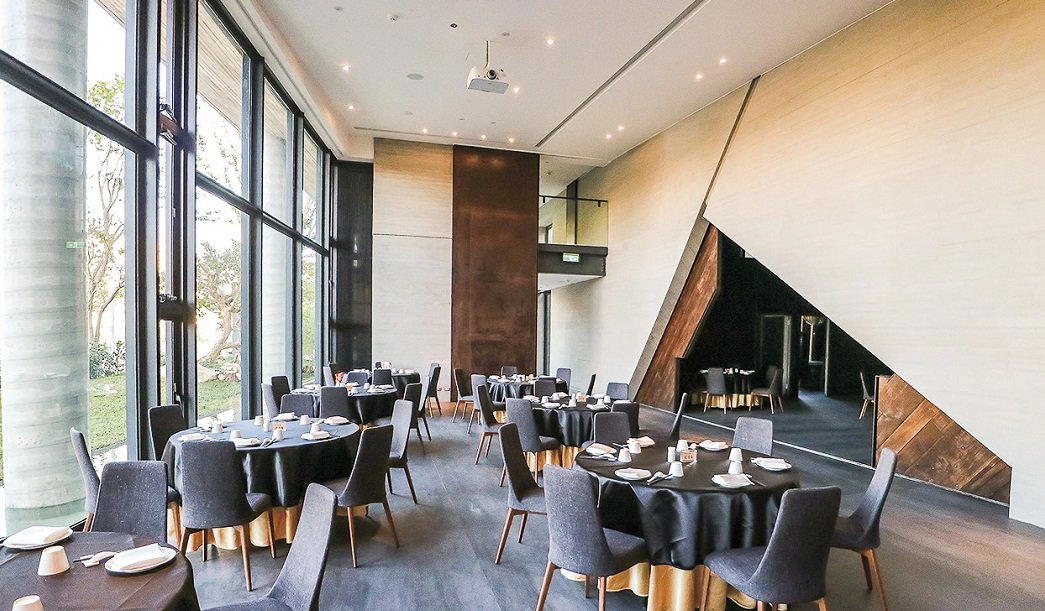
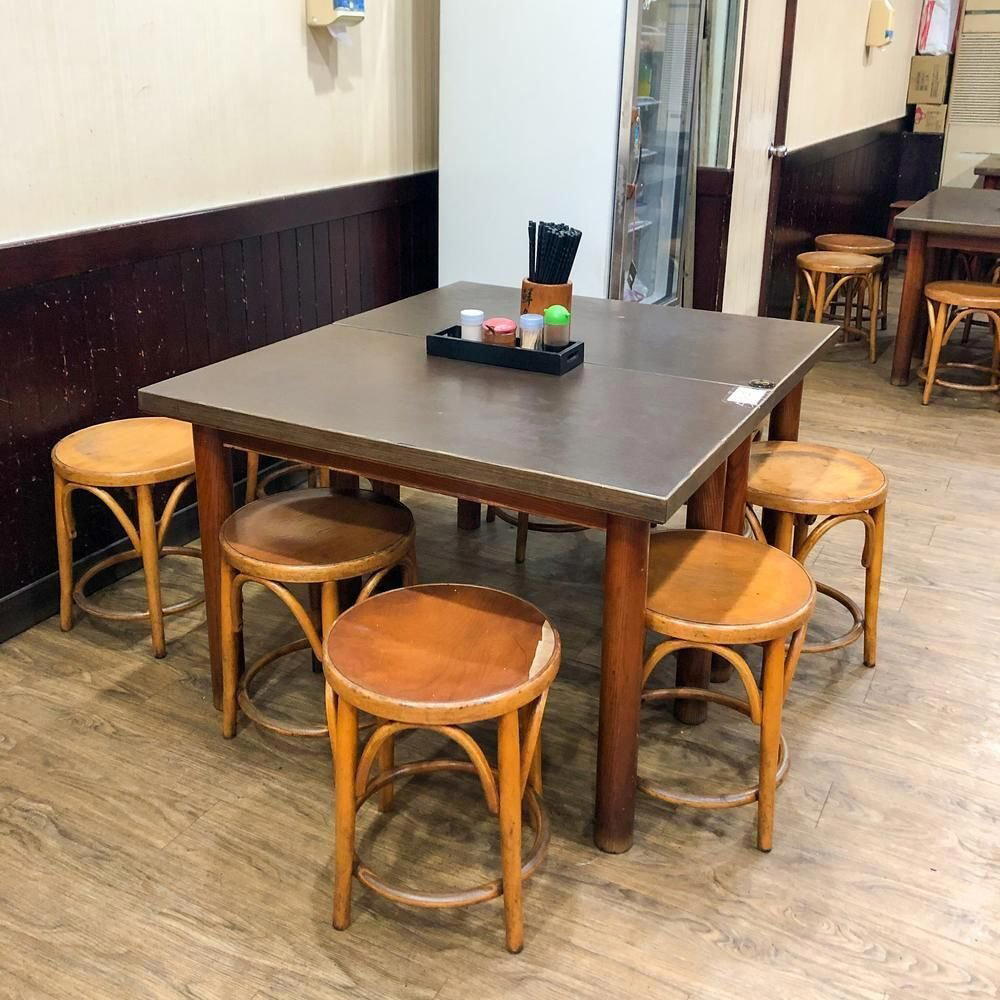





At a Glance
- Rustic
- Classic
- Family
- Group Dining
- Casual Hangout