好雞婆土雞城
In the mountain townships of Nantou County, 好雞婆土雞城 represents a style of eating that Taiwanese highland communities have practiced for generations: free-range native chicken raised at altitude, cooked with minimal interference, and served in the kind of setting where the surrounding terrain is as much a part of the meal as anything on the table. It sits squarely in the tradition of Taiwanese tuzhi (土雞) restaurants that treat breed and provenance as the whole point.
Pearl is the En Primeur Club membership app — saves, bookings, and concierge access live there. Same editors, same standards.
- Address
- 南投縣仁愛鄉大同村 (博望巷36-3)
- Directions
- Get directions
 Saves & bookings on Pearl
Where the Mountain Air Does Half the Work
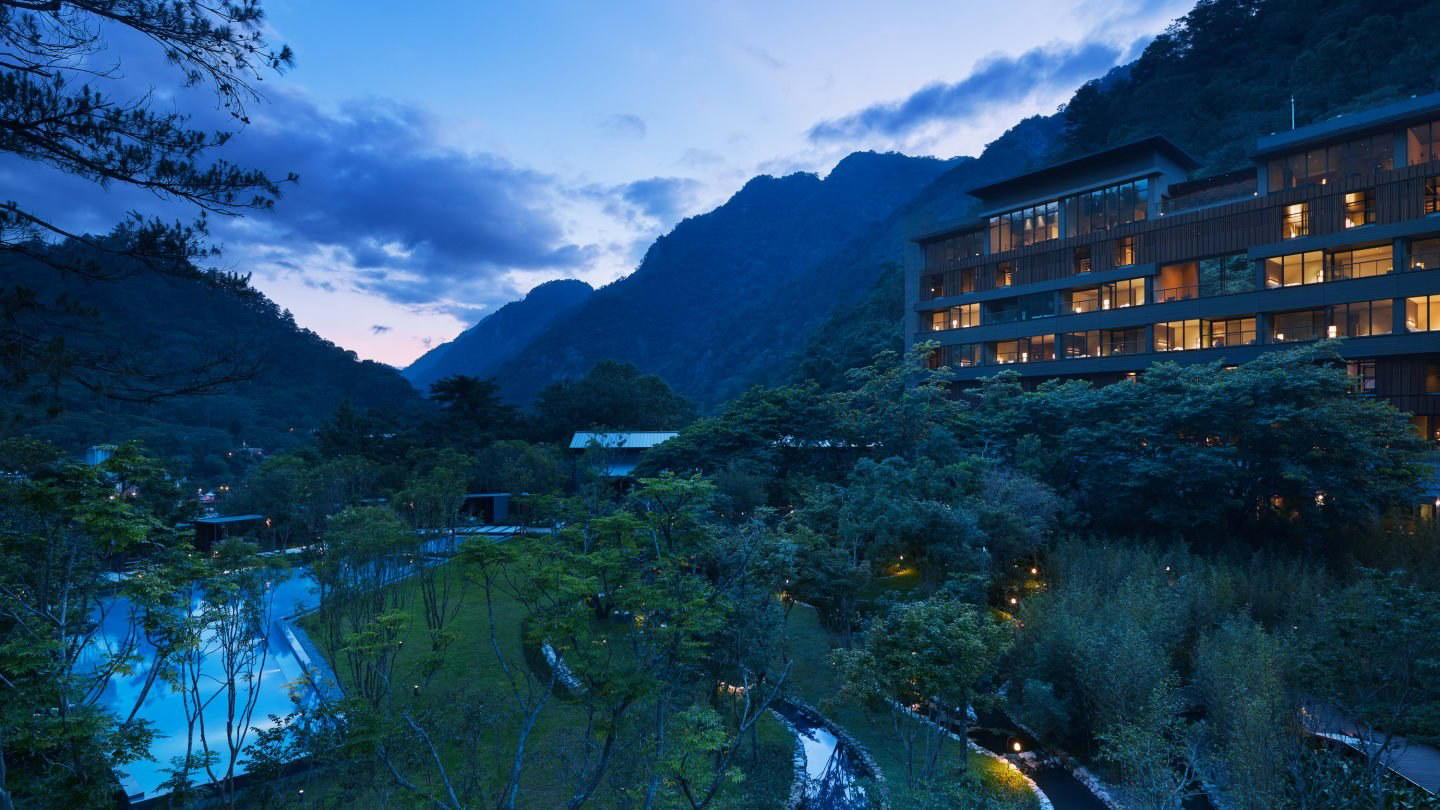
Ren Ai Township sits at the centre of Nantou County, deep in the Central Mountain Range at elevations that make the air noticeably thinner and the temperatures cooler year-round than anywhere on Taiwan's western plain. This geography matters for food. The highland townships of Nantou, Ren Ai, Xinyi, Lugu, have built a distinct eating culture around what the terrain produces: cold-water trout from mountain streams, vegetables grown in volcanic-enriched soil, and, above all, free-range native chicken raised on hillside plots where the birds forage widely and grow slowly. 好雞婆土雞城, reached via Datong Village along Bowang Lane in Ren Ai Township, belongs to this tradition completely. The address alone, 南投縣仁愛鄉大同村 (博望巷36-3), places it well off the tourist circuits that cluster around Qingjing Farm further up the mountain road.
The tuzhi (土雞) restaurant category has its own internal logic in Taiwan. The term refers specifically to native or free-range breeds, distinguished by firmer texture, lower fat content, and more concentrated flavour than commercially raised birds. In Nantou's highlands, the conditions amplify those characteristics: cooler temperatures slow bird metabolism, foraging ranges are wider, and the birds take longer to reach slaughter weight. The result is chicken that tastes like something, rather than serving merely as a protein carrier for sauce.
What the Sourcing Argument Actually Means
Across Taiwan, the tuzhi restaurant format divides roughly into two tiers. In urban areas and tourist destinations, the category has been stretched to include birds marketed as native breed but raised in conditions closer to commercial farming. In highland Nantou, the sourcing claims carry more weight because the geography enforces them: there is no factory-farming infrastructure at these altitudes, and the supply chain from hillside plot to kitchen table is short enough that origin is traceable. Restaurants in this tradition rise or fall on the quality of what they source, not on kitchen technique.
That sourcing emphasis connects 好雞婆土雞城 to a broader pattern visible across Taiwan's mountain-township dining scene, where ingredient provenance functions as the primary quality signal. Compare this to the approach at high-end urban addresses like logy in Taipei or JL Studio in Taichung, where technique and cross-cultural reference are the editorial argument. In Ren Ai, the argument is simpler and older: the chicken is good because the mountain made it that way. These are different conversations, aimed at different readers, and neither one is wrong.
For context on what high-quality Taiwanese poultry-focused dining can look like at the formal end of the spectrum, Golden Formosa Taiwanese Cuisine 金蓬萊遵古台菜餐廳 in 士林 demonstrates how native-breed chicken and classical Taiwanese technique intersect at a more ceremonial register. The Ren Ai approach is less ceremonial and more direct.
The Setting as Context
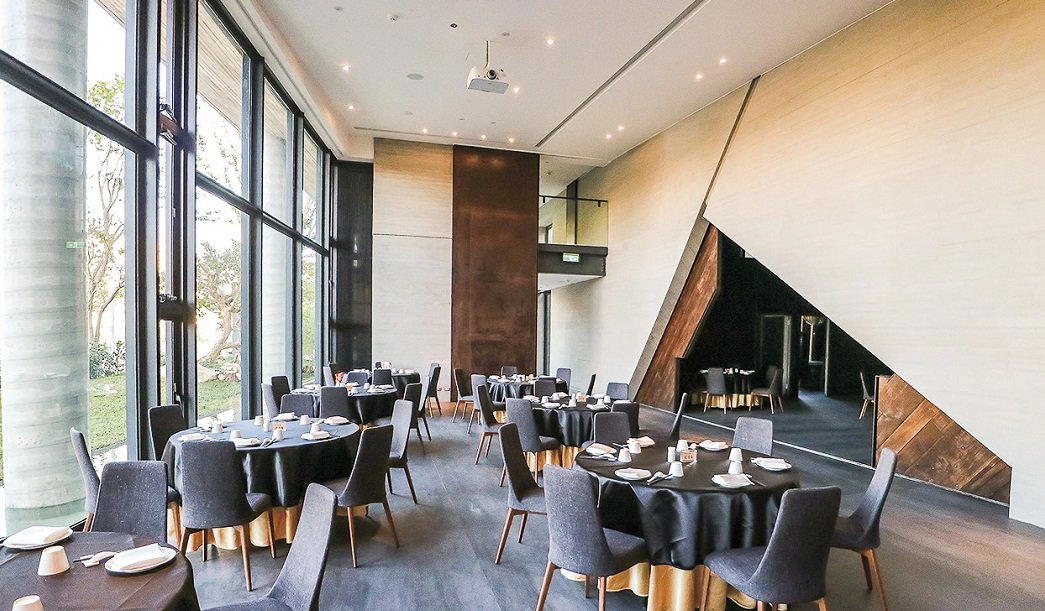
Mountain tuzhi restaurants in Taiwan have a recognizable spatial grammar. They tend to occupy hillside plots with open-air or semi-open dining structures, where the view across forested ridges is understood to be part of the proposition. The cooler upland climate makes outdoor or open-sided dining viable across more of the year than it would be in lowland Taiwan, and the setting reinforces the sourcing narrative: you can see the kind of terrain the birds were raised in from your table. This is not decorative. It is functional shorthand for why the food tastes different.
Getting to Datong Village requires private transport. The road networks in Ren Ai Township are not served by frequent public connections, and the township's scattered settlement pattern means most dining destinations sit several kilometres from any transit point. Driving from Puli, the main gateway town for entering Ren Ai from the west, takes roughly 30 to 40 minutes depending on the specific road route. Visitors combining a meal here with time at Qingjing or Wushe will find the geography workable on a single mountain day, though the narrow mountain roads require comfort with highland driving conditions.
For those building a wider Ren Ai itinerary, 清境魯媽媽雲南擺夷料理 offers a different register entirely, Yunnan minority cuisine that reflects Ren Ai's settlement history and its communities of Nationalist-era migrants from the Chinese southwest. Taken together, the two restaurants map two distinct food cultures that coexist in the same township. Our full Ren Ai Township restaurants guide covers both and places them in wider context.
Native Chicken in Taiwan's Broader Dining Picture
Taiwan's restaurant culture at the formal tier has moved decisively toward technique-driven, internationally legible formats over the past decade. The Michelin Taiwan guide, introduced in 2018, accelerated that shift by creating a visible hierarchy that rewards modernist or classically French-influenced work. Addresses like A Xia in Tainan and GEN in Kaohsiung operate in that internationally legible register. The highland tuzhi tradition sits entirely outside that frame, it has no Michelin aspiration and does not require any. Its legitimacy comes from a different source: continuity of practice, ingredient quality that the terrain provides, and a local clientele that knows what good mountain chicken tastes like and will notice if it isn't.
This makes the tuzhi restaurant format one of the harder categories for outside visitors to calibrate. Without the anchor of a star rating or a chef biography, the quality signal must come from the ingredient itself and from the restaurant's reputation within its local circuit. For chicken-focused dining across Taiwan's broader geography, Good Good Hainan Chicken Rice in 信義 offers a useful comparative register: there, the argument is about Hainanese technique and breed specificity in an urban context. The Ren Ai version makes the same argument from the other direction, terrain first, technique secondary.
Elsewhere across Taiwan's food scene, comparable sourcing-led approaches appear in formats as different as Chenggong Douhua in Chenggong and Ah Zhen Rou Bao in Lukang, both places where a single ingredient, treated with consistency and sourced from a specific locale, is the entire editorial case for the restaurant's existence. 好雞婆土雞城 fits that pattern precisely.
Planning Your Visit
Side-by-Side Snapshot
Comparable venues nearby, for context on price, style, and recognition.
| Venue | Cuisine | Price | Notes |
|---|---|---|---|
| 好雞婆土雞城This venue — the venue you are viewing | Yunnan Baiyi Cuisine with Herb-Roasted Chicken | $$ | Not listed |
| 清境魯媽媽雲南擺夷料理 | Yunnan Dai Cuisine | $$ | Ren Ai Township |
| 花花世界鍋物 | Chinese Garden Restaurant | $$ | Serendah |
| 前金肉燥飯 | Taiwanese | Not listed | Kaohsiung |
| 阿玲煎餃 | Taiwanese Dumpling House | $$ | 東區 |
| Wistaria Tea House | Traditional Taiwanese Tea House | $$ | Longpo |
Continue exploring
More in Ren Ai Township
Restaurants in Ren Ai Township
Browse all →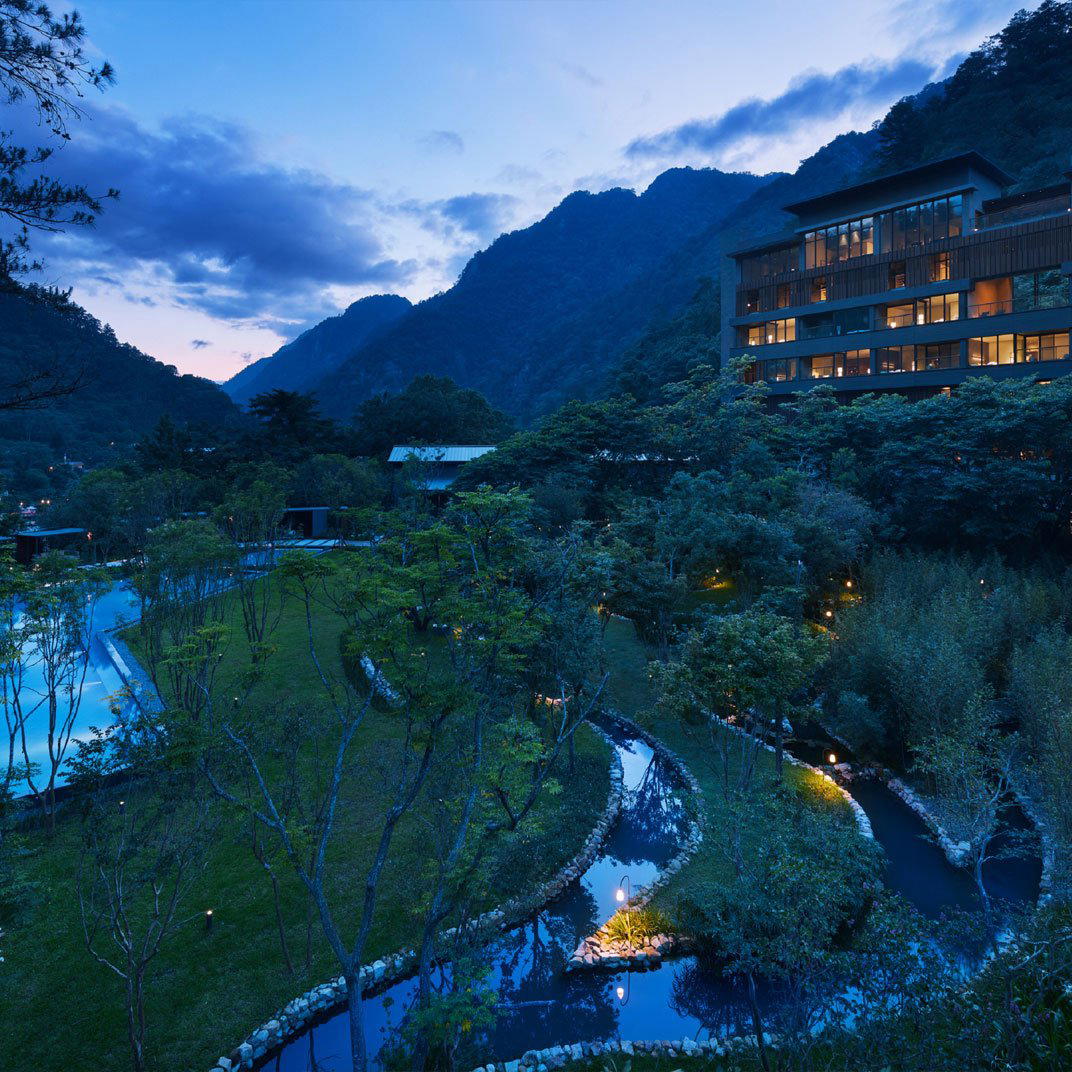



At a Glance
- Rustic
- Cozy
- Scenic
- Family
- Group Dining
- Casual Hangout
- Open Kitchen
- Mountain
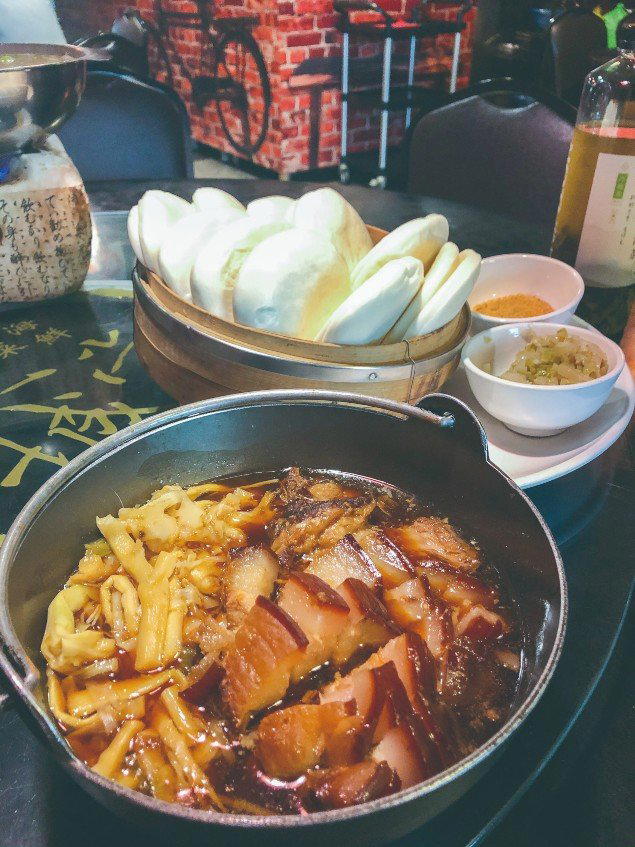
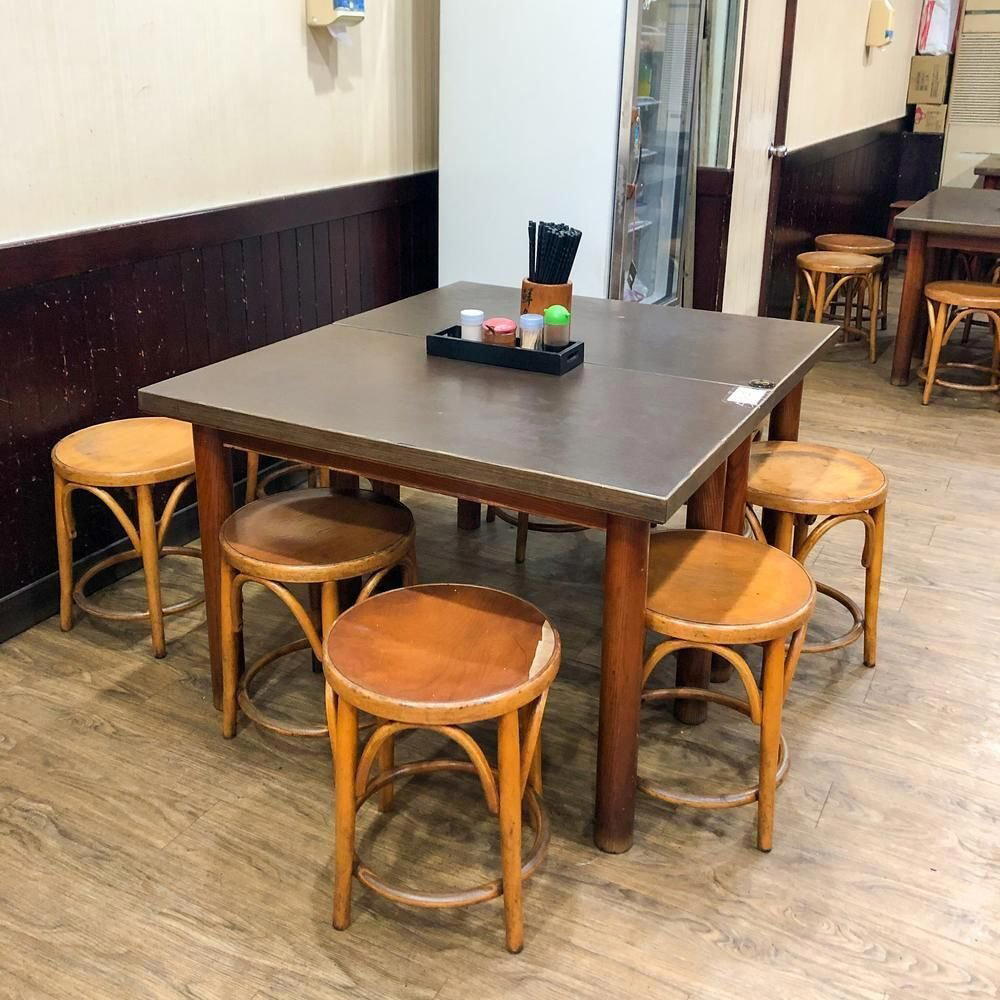
Rustic and cozy atmosphere in private small cabins on a hillside, providing an intimate dining experience amidst nature.