Duc De Praslin sits on the Steenweg op Alsemberg in Linkebeek, a quiet commune just south of Brussels where the suburban fringe gives way to a more composed, village-scale pace. The restaurant occupies a recognisable address in a pocket of Belgium where serious cooking and rural proximity have long coexisted. For the broader Linkebeek dining picture, see our full Linkebeek restaurants guide.
Pearl is the En Primeur Club membership app — saves, bookings, and concierge access live there. Same editors, same standards.
- Address
- Steenweg op Alsemberg 175, 1630 Linkebeek, Belgium
- Phone
- +3223560688
- Website
- ducdepraslinbelgium.be
- Directions
- Get directions
 Saves & bookings on Pearl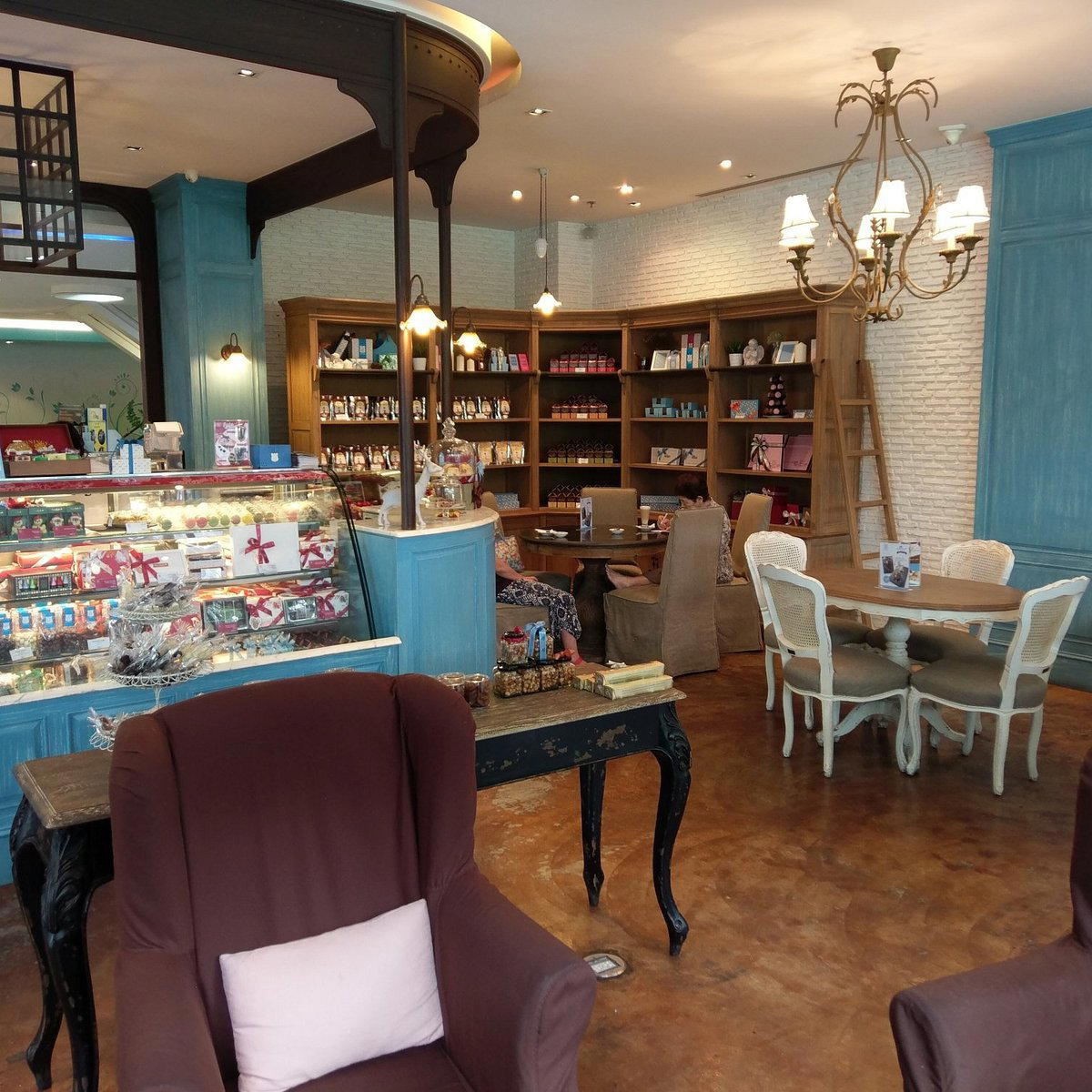
Where the Brussels Periphery Meets a Slower Dining Register
The road south from Brussels through Uccle and into the Flemish Brabant communes has a particular character: the city thins gradually, residential streets widen, and by the time you reach Linkebeek the rhythm has shifted entirely. Duc De Praslin sits on Steenweg op Alsemberg 175, a stretch that functions as Linkebeek's main artery without feeling like one. Arriving here, you are already outside the capital's restaurant density, in a commune where the dining room tends to carry more weight than the street around it. That geographic remove is not incidental. Belgian cooking at the serious end has long had a productive relationship with rurality, and the communes ringing Brussels — Linkebeek among them — have sustained a tier of restaurants that draw from the city's appetite while sourcing from the countryside that surrounds them.
Sourcing as the Central Argument
Belgium's most considered kitchens have been making the same argument for decades: proximity to farmland is not a marketing position, it is a practical advantage. The country's size means that even a restaurant in a village commune sits within reasonable reach of the Pajottenland's market gardens, the polders of the Flemish coast, the river valleys of the Ardennes, and the livestock pastures of Wallonia. This geographic compression, less than three hours by road from coast to forest, gives Belgian chefs a sourcing range that larger countries cannot replicate at the same density. The restaurants operating in communities like Linkebeek, rather than in the capital's centre, often have the most direct relationships with that supply chain, because their clientele expects it and their location supports it.
This pattern is visible across Belgium's recognised dining tier. At Hof van Cleve in Kruishoutem, the sourcing geography is built into the menu's architecture. Willem Hiele in Oudenburg works with coastline producers in a way that only proximity makes possible. Boury in Roeselare draws on West Flemish suppliers whose relationships with the kitchen predate the restaurant's current recognition. The logic repeats: serious Belgian cooking at the periphery of urban centres tends to be grounded in where its ingredients originate, not just what technique is applied to them.
Linkebeek's Position in the Southern Brussels Dining Belt
Linkebeek is a small commune, administratively part of Flemish Brabant but functionally in the orbit of Brussels. Its dining scene is not dense, but what exists there occupies a particular register: meals taken seriously, rooms that do not perform excess, and a clientele that arrives knowing what it wants. Monsieur V represents the classic-cuisine strand of that local offer. Duc De Praslin occupies the same address geography, on the main road that connects Linkebeek to the wider commune network and keeps Brussels within reach, typically under twenty minutes by car from the capital's southern neighbourhoods.
That connection to Brussels matters for context. The Belgian capital's own fine-dining tier, represented by addresses like Bozar Restaurant and the long-established Le Chalet de la Forêt in Uccle, operates under different pressures: higher rent, higher footfall expectation, and a more transient audience. The communes south of the city, including Linkebeek, tend to produce a different contract with the guest. The audience is more local, more repeat, and the expectation is consistency over spectacle.
The Broader Belgian Fine-Dining Frame
Belgium punches above its weight in European fine dining relative to its population size. The country holds a disproportionate number of Michelin-recognised addresses, concentrated in Flanders but distributed across the linguistic regions. Restaurants like Zilte in Antwerp, Vrijmoed in Gent, and d'Eugénie à Emilie in Baudour illustrate how widely that quality is distributed across the country's geography. The Walloon side contributes its own reference points, with La Table de Maxime in Our operating in conditions of genuine rural isolation that make sourcing decisions even more consequential. Across all of these, the common thread is an attention to ingredient provenance that goes beyond menu language, it is structural, baked into how kitchens are organised and what relationships they maintain with producers over seasons and years.
Internationally, the model has parallels. Lazy Bear in San Francisco built its reputation partly on a communal format that foregrounded sourcing transparency. Le Bernardin in New York City has long made ingredient fidelity the central editorial position of its seafood kitchen. The Belgian version of this commitment tends to be quieter in its presentation, less narrated at the table, but no less precise in its execution.
Planning a Visit to Linkebeek
Duc De Praslin is located at Steenweg op Alsemberg 175 in Linkebeek, accessible from Brussels by car along the N5 south. Other Belgian destinations worth pairing into a broader trip include La Durée in Izegem, Cuchara in Lommel, Ralf Berendsen in Neerharen, Castor in Beveren, and De Jonkman in Sint-Kruis, each of which represents a distinct regional strand of Belgian cooking at the considered end of the market.
How Duc De Praslin Linkebeek compares with similar nearby venues.
| Venue | Cuisine | Price |
|---|---|---|
| Monsieur V | Classic Cuisine | €€ |
| Le Pigeon Noir | Country cooking | €€€ |
Continue exploring
More in Linkebeek
Restaurants in Linkebeek
Browse all →
Bars in Linkebeek
Browse all →
Hotels in Linkebeek
Browse all →
Wineries in Linkebeek
Browse all →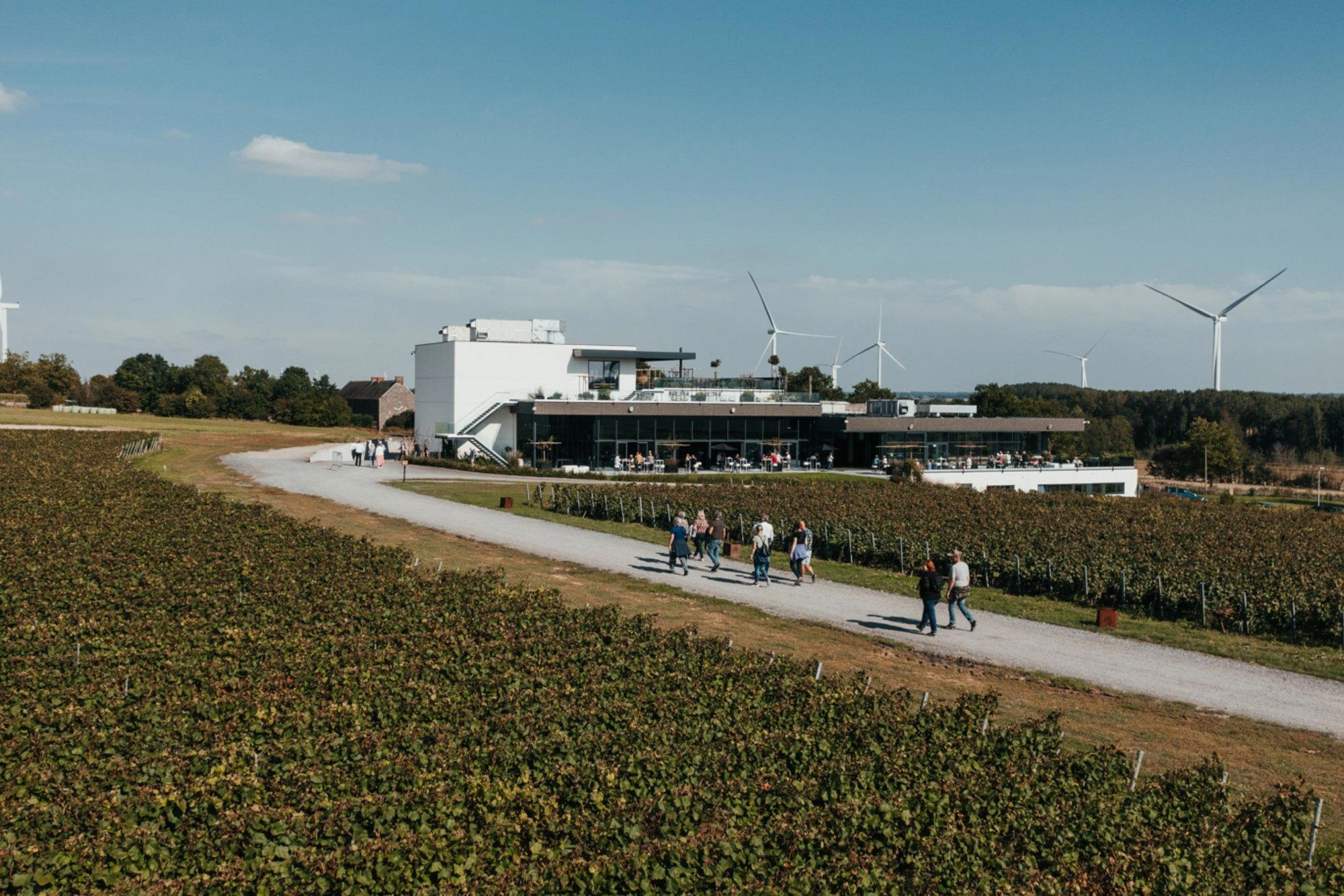
At a Glance
- Classic
- Cozy
- Casual Hangout
Current opening hours
- Monday
- Closed
- Tuesday
- Closed
- Wednesday
- 10 AM–6 PM
- Thursday
- Closed
- Friday
- 10 AM–6 PM
- Saturday
- 10 AM–6 PM
- Sunday
- Closed
Hours can change for holidays and private events. Last verified .
Classic artisanal chocolate shop with a focus on traditional craftsmanship and refined, glossy confections.
Know Before You Go
- Getting there
- Steenweg op Alsemberg 175, 1630 Linkebeek, Belgium