Dubble Caen Saint-Contest
Dubble sits in Saint-Contest, a small commune on the northern edge of Caen in Normandy, a region whose agricultural and coastal produce has long set the standard for French ingredient-driven cooking.
Pearl is the En Primeur Club membership app — saves, bookings, and concierge access live there. Same editors, same standards.
- Address
- le clos barbey, 15 Rue du Clos Barbey za, 14280 Saint-Contest, France
- Phone
- +33261671391
- Website
- dubble-food.com
- Directions
- Get directions
 Saves & bookings on Pearl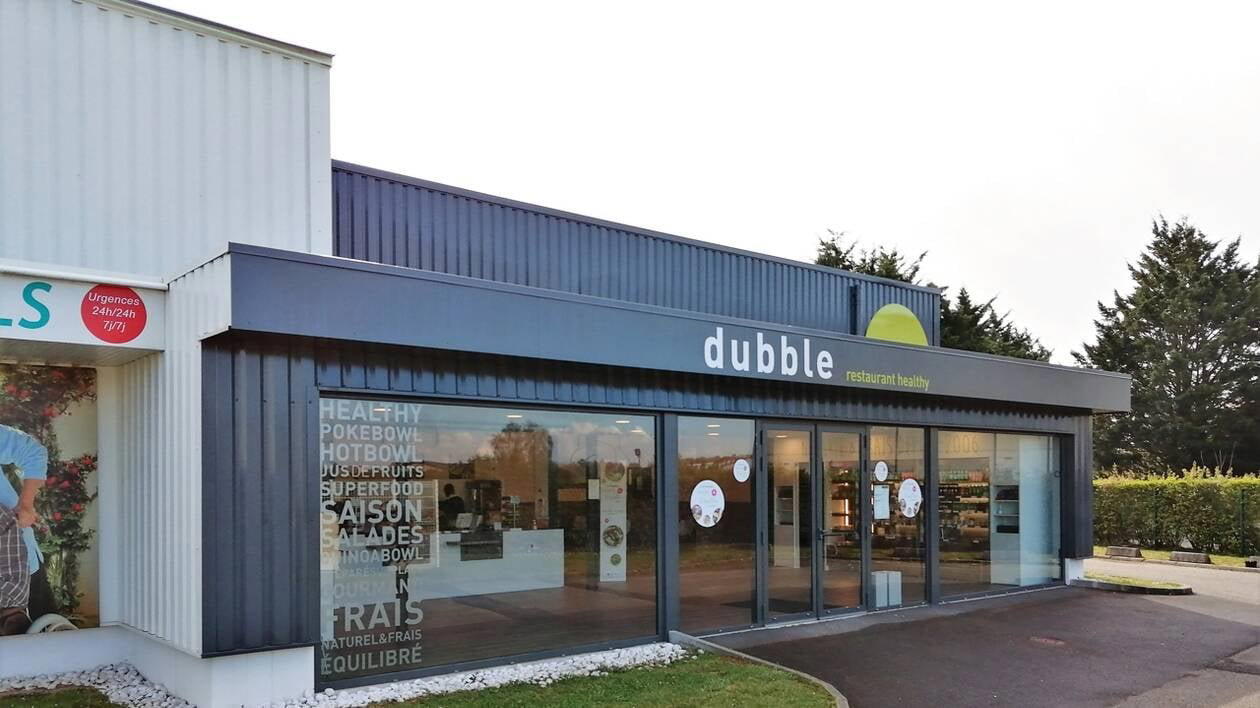
Saint-Contest and the Normandy Ingredient Tradition
Normandy has never needed to import its culinary credibility. The region's dairy farms produce cream and butter that define entire categories of French cooking; its coastline, from the Cotentin to the Calvados shore, lands scallops, oysters, and sole that supply kitchens from Caen to Paris. Saint-Contest sits at the northern fringe of greater Caen, a small commune absorbed into the urban fabric of the prefecture but retaining its own postal identity at 14280. Restaurants operating in this zone occupy a different market position than those inside Caen's historic centre: lower overheads, a largely local clientele, and a practical rather than destination-led dining posture. For visitors already in the Caen area, whether for the D-Day memorial sites, the Abbaye aux Hommes, or the wider Calvados touring circuit, a stop in Saint-Contest involves no significant detour. The address at 15 Rue du Clos Barbey places Dubble within the ZA Clos Barbey commercial zone, a setting that signals neighbourhood utility over gastronomic theatre.
That context matters when thinking about where Dubble sits relative to the broader French dining map. The country's most celebrated restaurants, places like Mirazur in Menton or Alléno Paris au Pavillon Ledoyen, operate at price points and with institutional recognition that place them in an entirely separate competitive tier. Regional institutions like Auberge de l'Ill in Illhaeusern, Bras in Laguiole, or Maison Lameloise in Chagny have each built decades of reputation around specific terroir and established critical recognition. Dubble, by contrast, is a healthy fast-casual bowls restaurant with a casual dress code and appointment-only service. What it does have is a Normandy address, and in ingredient terms, that is a meaningful starting point.
What Normandy Produces, and Why That Matters at This Level
In French culinary geography, Normandy's ingredient strength is structural, not incidental. Isigny-sur-Mer cream and butter hold Appellation d'Origine Protégée (AOP) status, meaning the geographic origin of the fat determines its legal identity. Camembert de Normandie, when produced under strict AOP rules from raw Normande-breed milk, is a different product from supermarket imitations bearing the same name. The Cotentin oyster beds and the scallop grounds off Port-en-Bessin supply particularly referenced shellfish in French haute cuisine. Restaurants anywhere in Calvados that choose to anchor their menus in local sourcing have access to a supply chain that many other French regions cannot match. Dubble's menu positioning is centered on healthy fast-casual bowls, making that regional context useful but not determinative.
This sourcing question is not trivial. Across French dining at every price level, there is a widening gap between restaurants that treat local provenance as a marketing phrase and those that build purchasing relationships with specific producers, adjust menus weekly based on what the market delivers, and can name the farm behind a cream sauce. The former approach is common; the latter is what distinguishes the regional restaurants worth seeking out in any département. For a venue operating in a commercial zone on the edge of Caen, the proximity to Normandy's central markets is an advantage that could, in the right hands, translate into a kitchen program with more ingredient integrity than its address might suggest.
Normandy's Broader Dining Context
Caen itself punches above its population in dining terms, partly because it anchors tourism for the entire Calvados department and partly because the surrounding countryside supplies notable raw material. The city's brasseries and mid-range bistros have long worked with local cider producers, andouille makers, and the apple orchards that supply calvados, the apple brandy that is Normandy's most internationally recognized spirit product. Saint-Contest, as a satellite commune, shares that agricultural proximity without the footfall concentration of the city centre. Visitors who have spent time at destinations like Flocons de Sel in Megève or Le 1947 à Cheval Blanc in Courchevel, both operating in similarly non-urban resort contexts, will recognize that address is not always the primary variable in dining quality. Execution and sourcing discipline determine more than postcode.
France's most discussed country-restaurant model, the kind practiced at places like Les Prés d'Eugénie in Eugénie-les-Bains, Auberge du Vieux Puits in Fontjoncouse, or Georges Blanc in Vonnas, involves a deliberate commitment to regional identity, often expressed through sourcing specificity that becomes part of the restaurant's public narrative. None of that published commitment is visible in Dubble's available record. That absence may reflect the restaurant's stage of development, its local-rather-than-destination market orientation, or simply a gap in indexed public information. It does not, on its own, say anything definitive about what actually reaches the plate.
Planning a Visit: What to Know in Advance
Reaching Saint-Contest from central Caen is direct: the commune sits immediately north of the city, accessible by car in under ten minutes along the D7 corridor. The ZA Clos Barbey is a commercial zone, so parking is not the constraint it would be in the historic centre. Dubble is open Monday to Friday from 7:30 AM to 4:30 PM and closed on Saturday and Sunday. It is appointment only and averages about $12 per person. Visitors who have built itineraries around confirmed reservations at established Normandy institutions should treat Dubble as a separate and currently less documented option within the wider Caen dining orbit. For context on how France's high-end dining circuit is structured and where Normandy properties fit within it, our full Saint Contest restaurants guide offers a mapped overview of the local options alongside regional comparisons including references to destinations like Paul Bocuse - L'Auberge du Pont de Collonges, Troisgros in Ouches, L'Oustau de Baumanière in Les Baux, La Table du Castellet, La Vague d'Or in Saint-Tropez, Le Bernardin in New York City, and Lazy Bear in San Francisco.
Comparison Snapshot
Comparable venues nearby, for context on price, style, and recognition.
| Venue | Cuisine | Price | Notes |
|---|---|---|---|
| Dubble Caen Saint-ContestThis venue — the venue you are viewing | Healthy Fast-Casual Bowls | $ | Not listed |
| Pizzeria Foglia | Wood-Fired Italian Pizza | $ | :null |
| La Station | Italian Pizza | $ | Avenue de la République |
| Café Pinson | Organic Vegetarian Healthy Cafe | $$ | Le Marais |
| Kyo Deauville | Japanese Sushi Bar | $$ | centre-ville |
| Le Barbican | Traditional French Coastal Bistro with Fish & Chips | $$ | port |
Continue exploring
More in Saint Contest
Restaurants in Saint Contest
Browse all →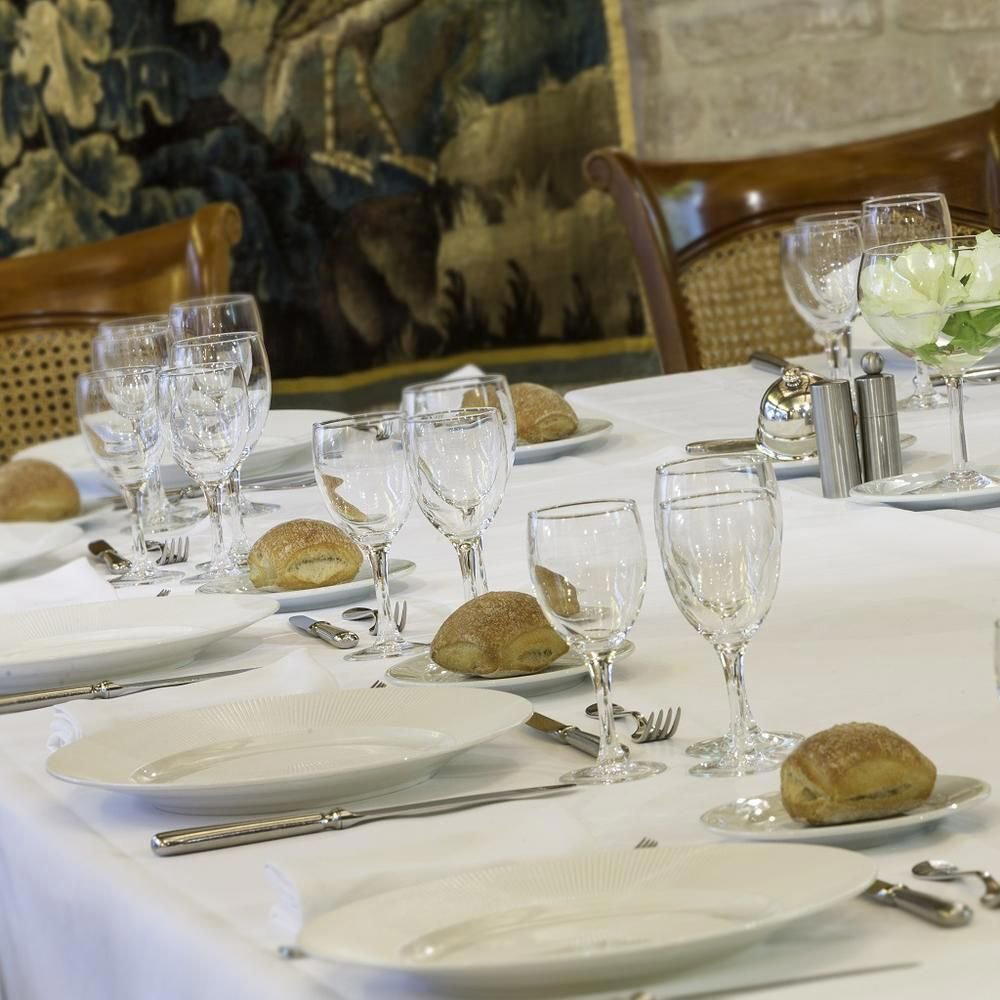
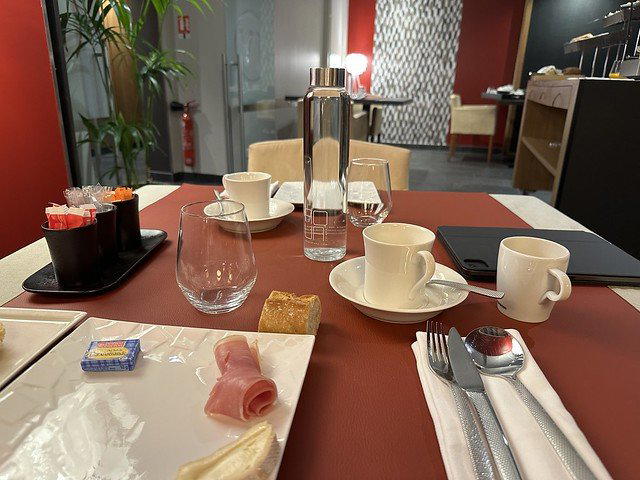
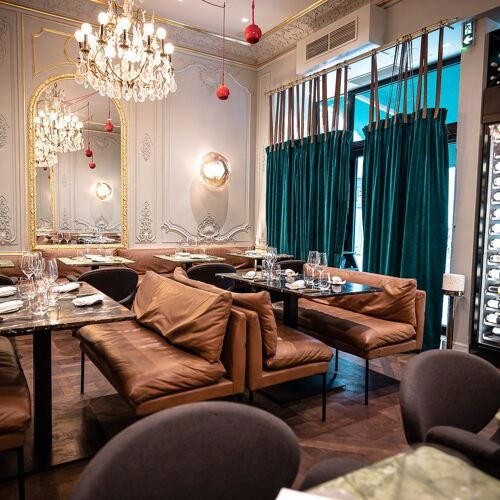
Bars in Saint Contest
Browse all →
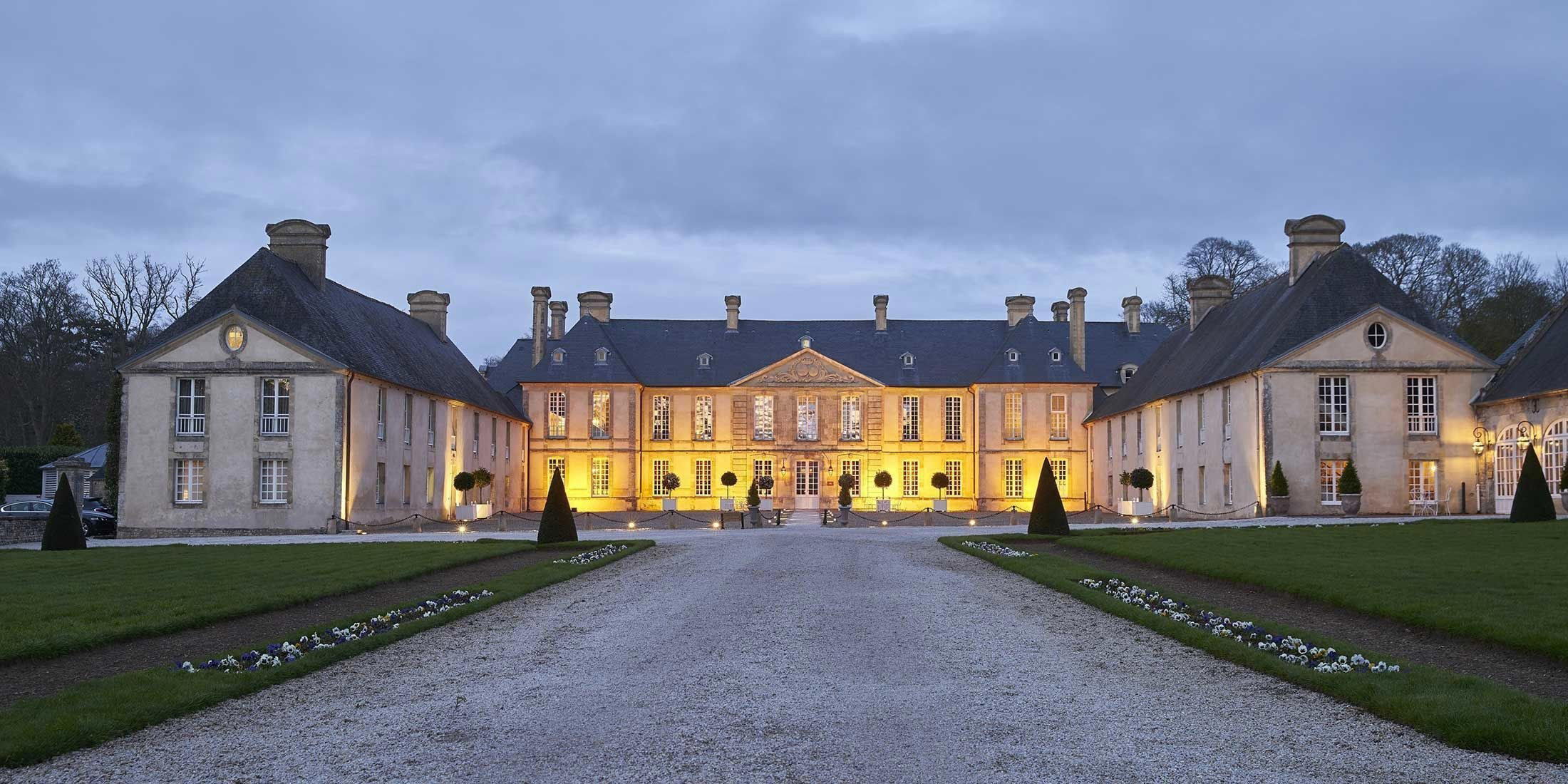
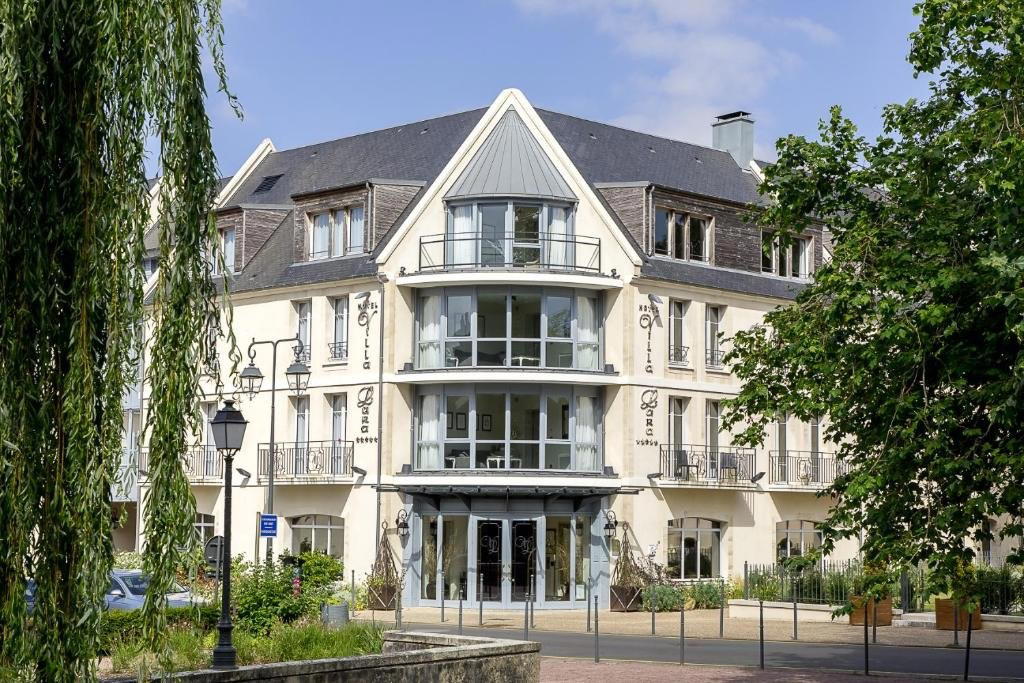
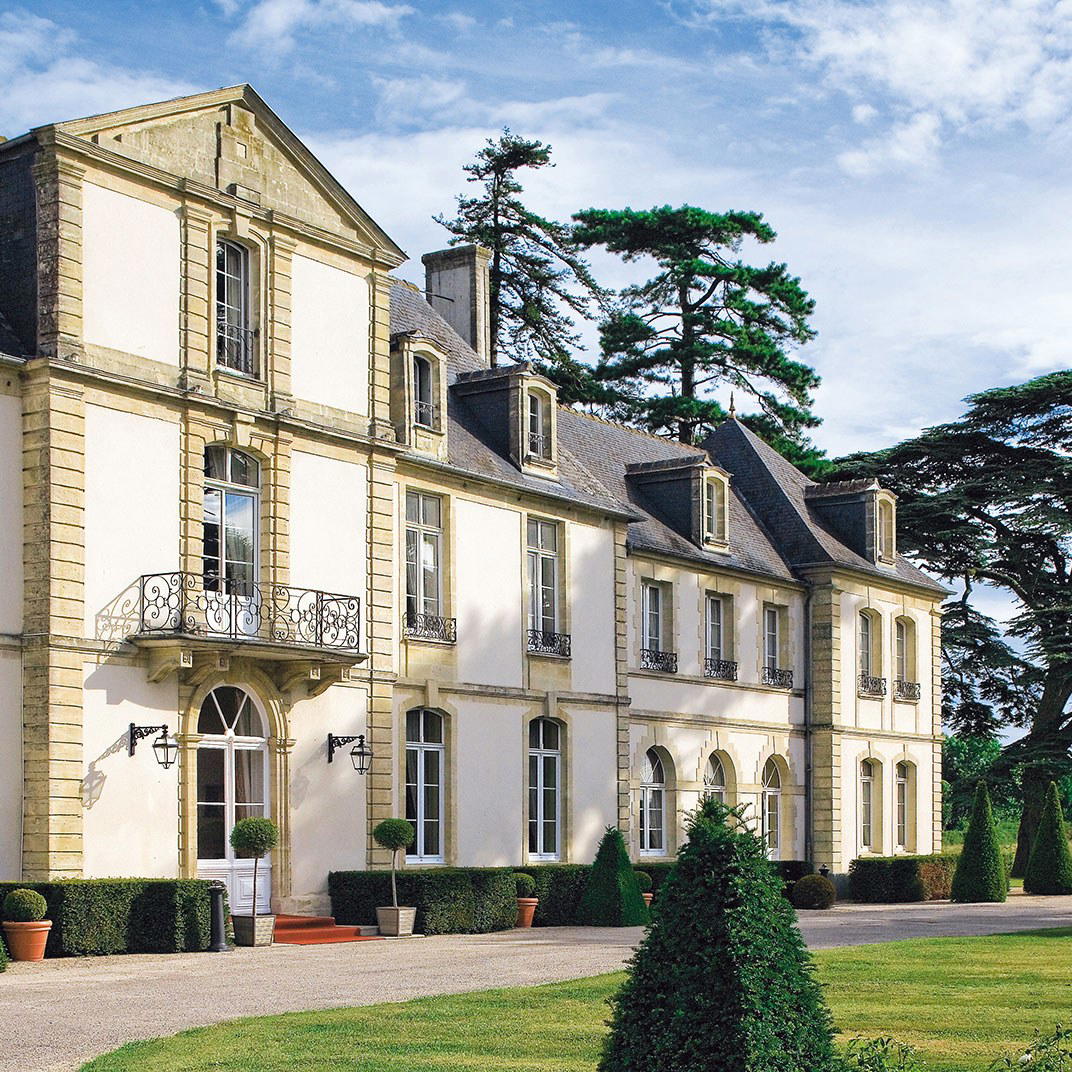
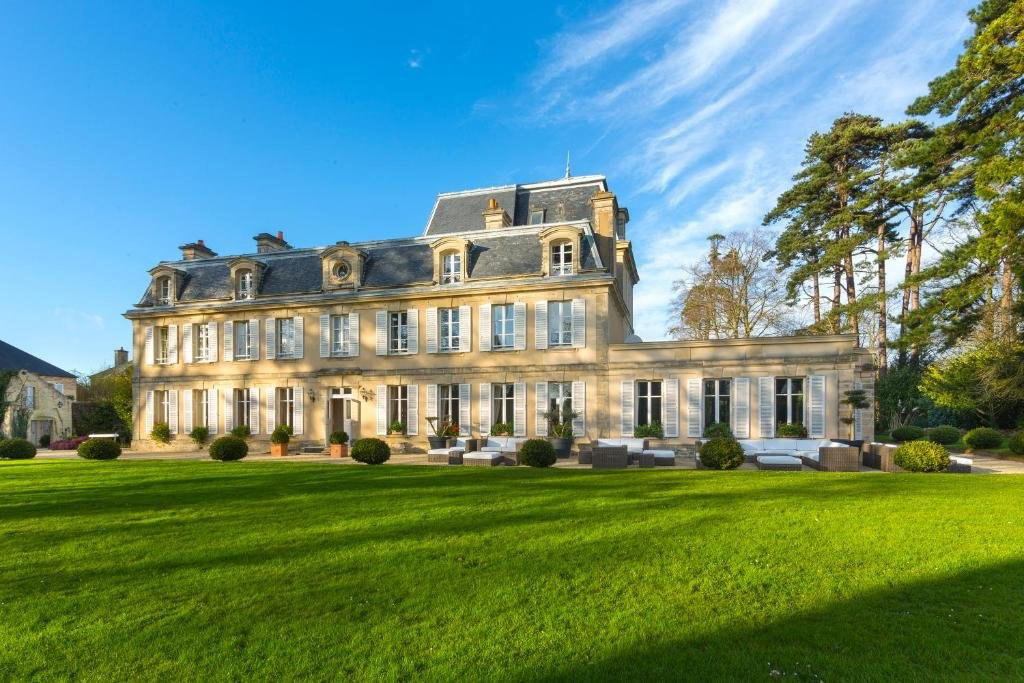
Hotels in Saint Contest
Browse all →
Wineries in Saint Contest
Browse all →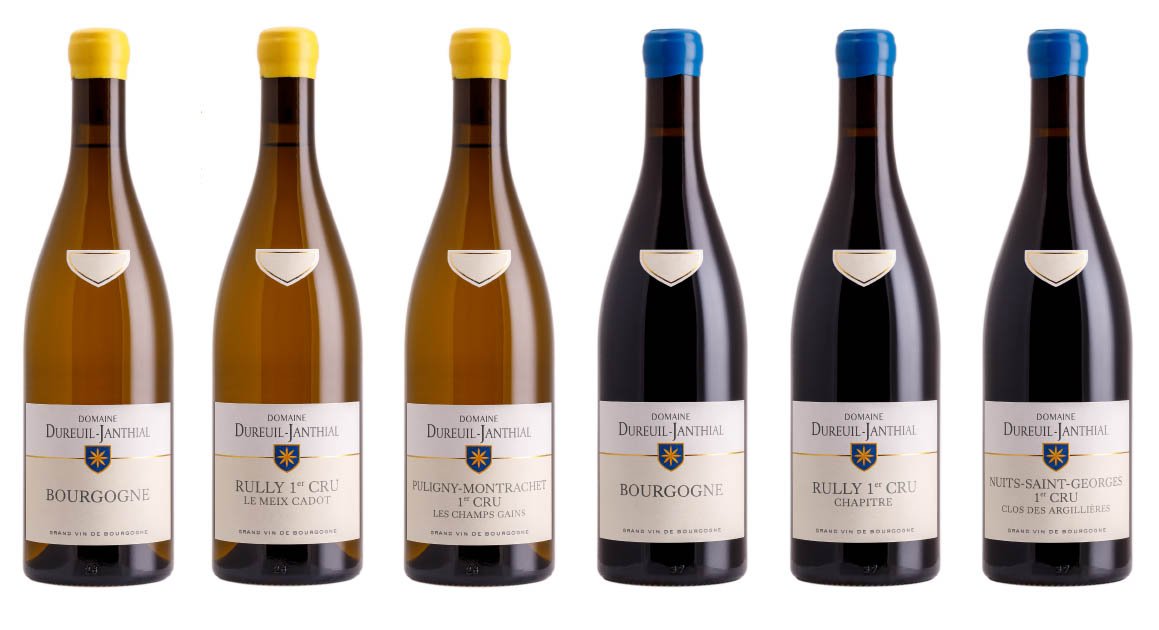
At a Glance
- Modern
- Minimalist
- Casual Hangout
- After Work
- Solo
- Local Sourcing
Current opening hours
- Monday
- 7:30 AM–4:30 PM
- Tuesday
- 7:30 AM–4:30 PM
- Wednesday
- 7:30 AM–4:30 PM
- Thursday
- 7:30 AM–4:30 PM
- Friday
- 7:30 AM–4:30 PM
- Saturday
- Closed
- Sunday
- Closed
Hours can change for holidays and private events. Last verified .
Bright, clean, and minimalist dining space designed for quick, healthy meals in a calm and refined setting.