Le Barbican sits on the Quai Berigny in Fécamp, a working harbour town on the Normandy coast where the fishing tradition runs as deep as the Channel itself. The address places it squarely in the port quarter, where seafood arrives from the boats rather than the supply chain. For visitors to our full Fécamp restaurants guide, it represents a starting point for understanding what the town eats and why.
Pearl is the En Primeur Club membership app — saves, bookings, and concierge access live there. Same editors, same standards.
- Address
- 97 Quai Berigny, 76400 Fécamp, France
- Phone
- +33227305995
- Website
- lebarbican.fr
- Directions
- Get directions
 Saves & bookings on Pearl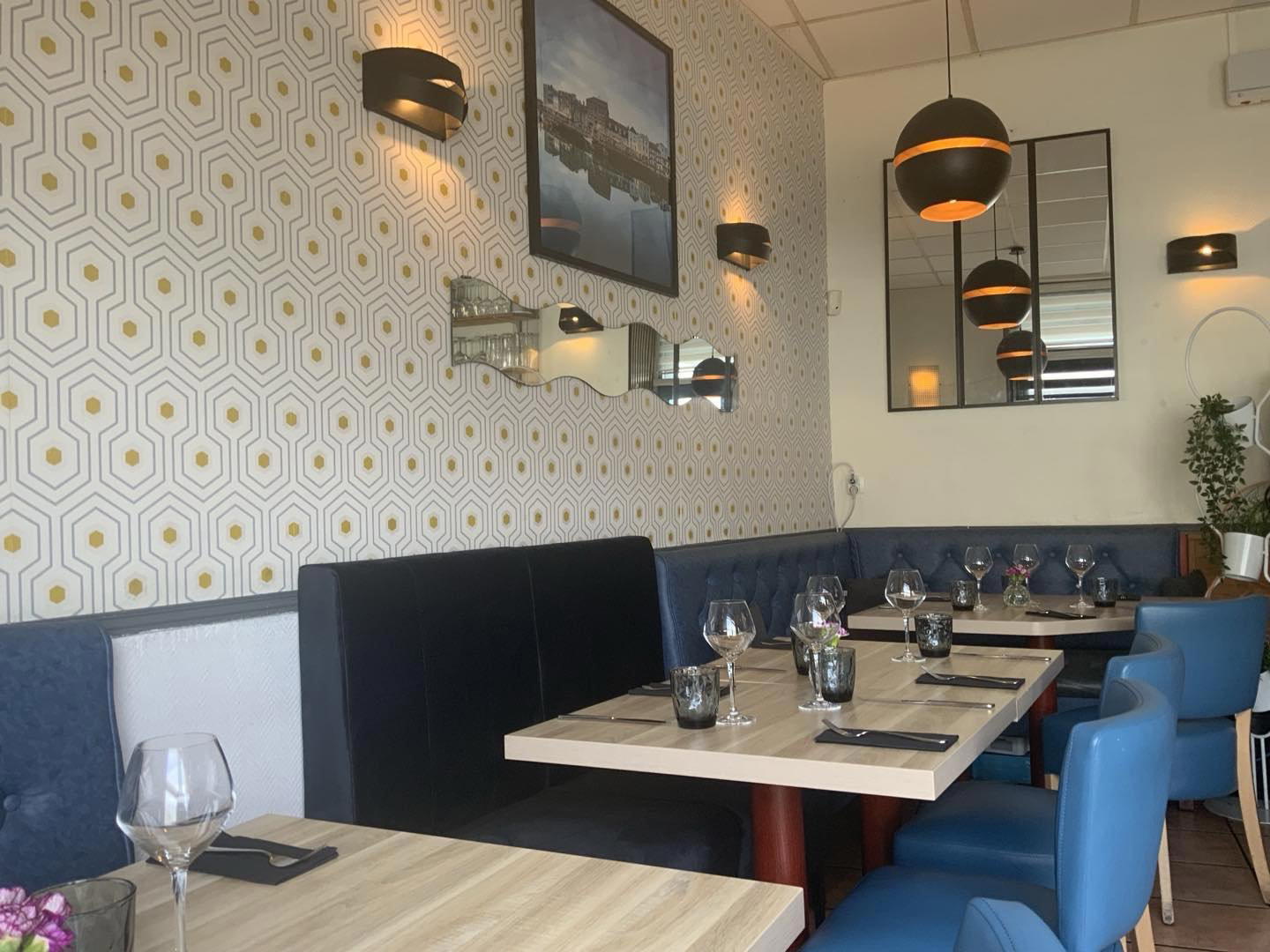
A Port Town's Culinary Logic
Fécamp's relationship with the sea is not decorative. For centuries, the town was one of the principal bases of the Grand Banks cod fleet, sending ships to Newfoundland and returning with holds full of salted fish that shaped the Norman diet as decisively as any agricultural tradition. That history left a culinary infrastructure: smokehouses, salt merchants, fish markets, and a local palate oriented entirely toward the Atlantic. When you eat in Fécamp today, you are eating within that continuity, whether you are conscious of it or not.
Le Barbican is a casual restaurant in Fécamp, France, serving traditional French coastal bistro cooking with fish and chips at 97 Quai Berigny. Le Barbican at 97 Quai Berigny sits directly on the working quayside, the kind of address that in a French port town carries immediate meaning. The quai is where the boats land, where fishermen still conduct the morning business of offloading catch, and where the town's relationship with its maritime past is least mediated. Restaurants that occupy this kind of position in Norman port towns tend to reflect the trade directly: the menu follows what is available rather than what is fashionable, and the room often feels closer to a working lunch than a curated dining experience. That is not a criticism. It is a description of a specific tradition that the French coast has maintained with considerable integrity.
Normandy's Coastal Kitchen in Context
French coastal cuisine rarely gets the same critical attention as the three-star establishments in Paris, Lyon, or the Riviera. Venues like Alléno Paris au Pavillon Ledoyen in Paris, Mirazur in Menton, or Flocons de Sel in Megève define the national conversation about French cooking, alongside institutions like Troisgros - Le Bois sans Feuilles in Ouches, Auberge de l'Ill in Illhaeusern, Bras in Laguiole, and Paul Bocuse - L'Auberge du Pont de Collonges in Collonges-au-Mont-d'Or. But the Norman coast operates according to a different set of priorities: proximity to supply, simplicity of technique, and an audience that already knows the difference between a sole from the English Channel and one that has been in cold storage for a week.
That regional specificity is what makes port-quarter restaurants meaningful. In towns like Fécamp, the leading meals are often the least showy. Cream from the Pays d'Auge, butter from Isigny, cider from the Caux plateau, and shellfish pulled from the same waters the Normans fished in the eleventh century: these are the components of a cuisine that has no need to explain itself. Comparable waterfront dining traditions exist along the Atlantic coast at Christopher Coutanceau in La Rochelle, where the relationship between boat and kitchen is similarly direct, and further south at AM par Alexandre Mazzia in Marseille, though in Marseille that relationship has been transformed into something considerably more experimental.
In Normandy, the tradition skews conservative in the leading sense. The region's fish cookery is defined by restraint: a sole meunière done correctly is more demanding than it looks, and the Norman kitchen has never felt pressure to dress the Channel's catch in anything it doesn't need. Restaurants on the Fécamp quayside inherit this disposition by virtue of geography alone.
The Quayside Address and What It Signals
The Quai Berigny is the working edge of Fécamp, not the picturesque promenade version of a French harbour. Arriving at Le Barbican, the context is immediately legible: you are in a fishing town, not a resort. That distinction matters for how you read the menu and the room. Across France's culinary spectrum, from the polished dining rooms of Assiette Champenoise in Reims or Au Crocodile in Strasbourg to the village institution of Auberge du Vieux Puits in Fontjoncouse and the pastoral grandeur of Georges Blanc in Vonnas or L'Oustau de Baumanière in Les Baux, address encodes expectation. A quayside position in a Norman port town encodes a particular one: directness, seasonality, and the absence of pretension.
For visitors arriving from outside the region, Fécamp is approximately 60 kilometres northeast of Le Havre and reachable by regional road in under two hours from Rouen. The town has no major rail connection; arrival by car remains the standard approach. The harbour quarter is compact and walkable once you are there. Allouvi offers an alternative dining perspective within the same town for those planning more than one meal, and our full Fécamp restaurants guide maps the broader options.
Placing Le Barbican in Its comparable set
The restaurant is not competing with Le Bernardin in New York City, the benchmark against which serious seafood restaurants worldwide are often measured, nor with the technical precision of Atomix in New York City. The relevant comparable set is the category of French regional port restaurants where the proximity to the catch and the depth of local tradition define quality more than kitchen innovation or critical recognition. Within that category, the quayside location is itself a credential: it signals access and intent simultaneously.
France's coastal restaurant tradition has proven more durable than many of its inland equivalents, precisely because the supply side remains intact. Normandy has not lost its fishing fleet the way some coastal regions have. The Channel still delivers turbot, sole, scallops, and langoustines at the scale the local market requires. A restaurant on the Fécamp quay in 2024 is drawing from essentially the same waters as its predecessors, which is a form of continuity that no amount of kitchen technique can substitute for.
Planning Your Visit
The restaurant is recommended for reservations and is typically casual in dress. Its price tier is moderate, with an average of about $27 per person.
Booking and Cost Snapshot
Comparable venues nearby, for context on price, style, and recognition.
| Venue | Cuisine | Price | Notes |
|---|---|---|---|
| Le BarbicanThis venue — the venue you are viewing | Not listed | $$ | Not listed |
| Allouvi | Not listed | $$$ | Quai de la Vicomté, Fécamp, Modern French Seasonal |
| Le Bistrot des Halles | Not listed | $$ | Place des Halles Centrales, Traditional French Bistro |
| Chez Philippe | Centre-ville, Traditional French Bistro | $$ | Not listed |
| Rotomagus | Place Barthélémy, French Steakhouse | $$ | Not listed |
| Le Binôme | Vimoutiers, Modern French Bistro | $$ | Not listed |
Continue exploring
More in Fécamp
Restaurants in Fécamp
Browse all →
Bars in Fécamp
Browse all →
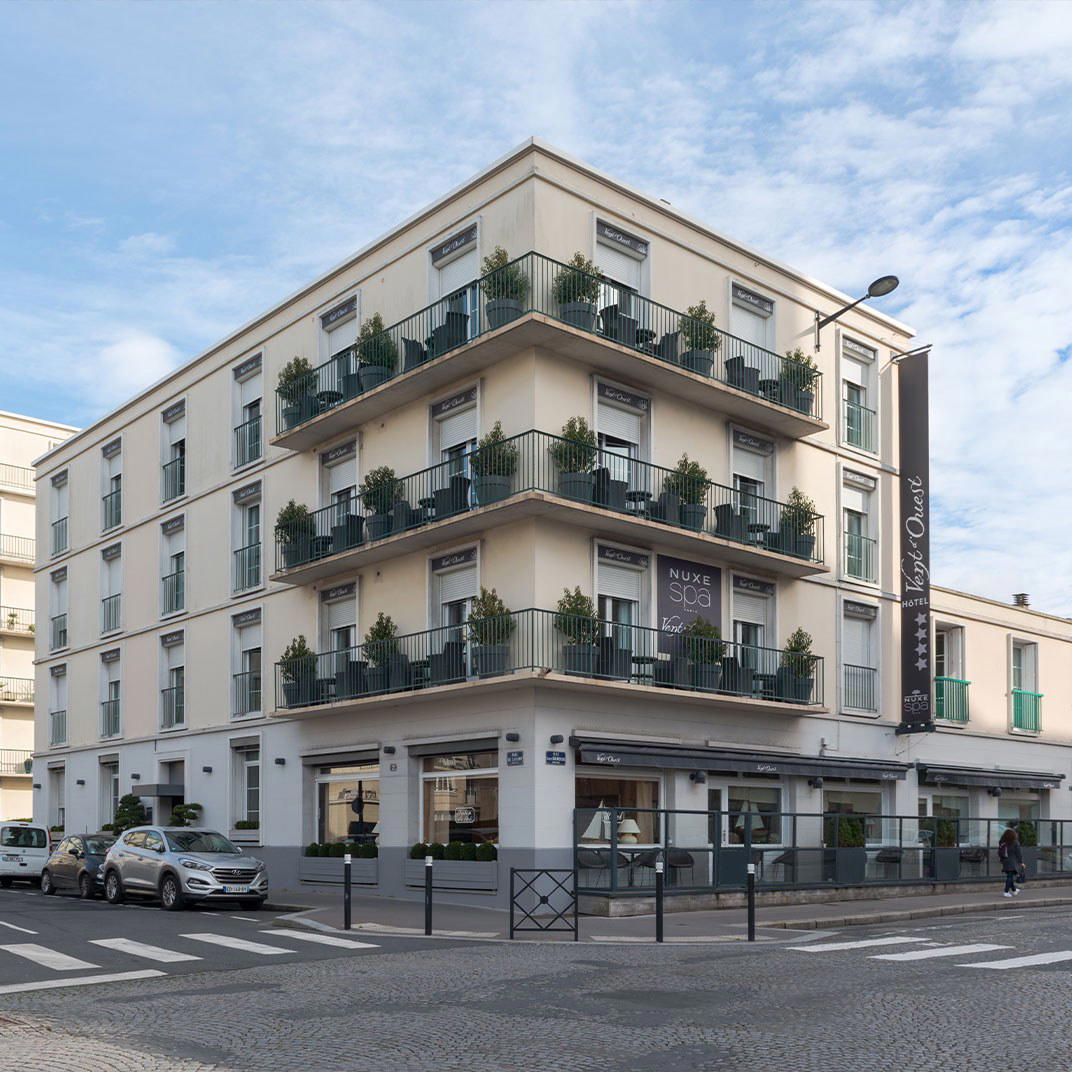
Hotels in Fécamp
Browse all →
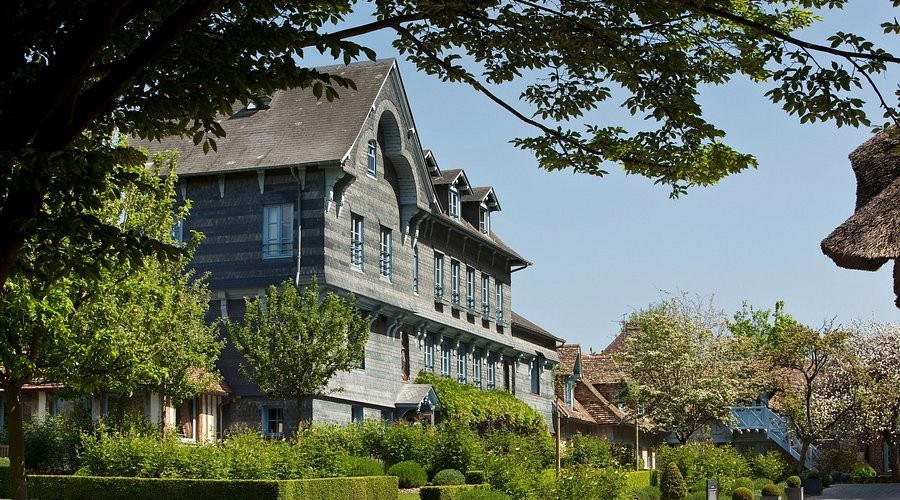
Wineries in Fécamp
Browse all →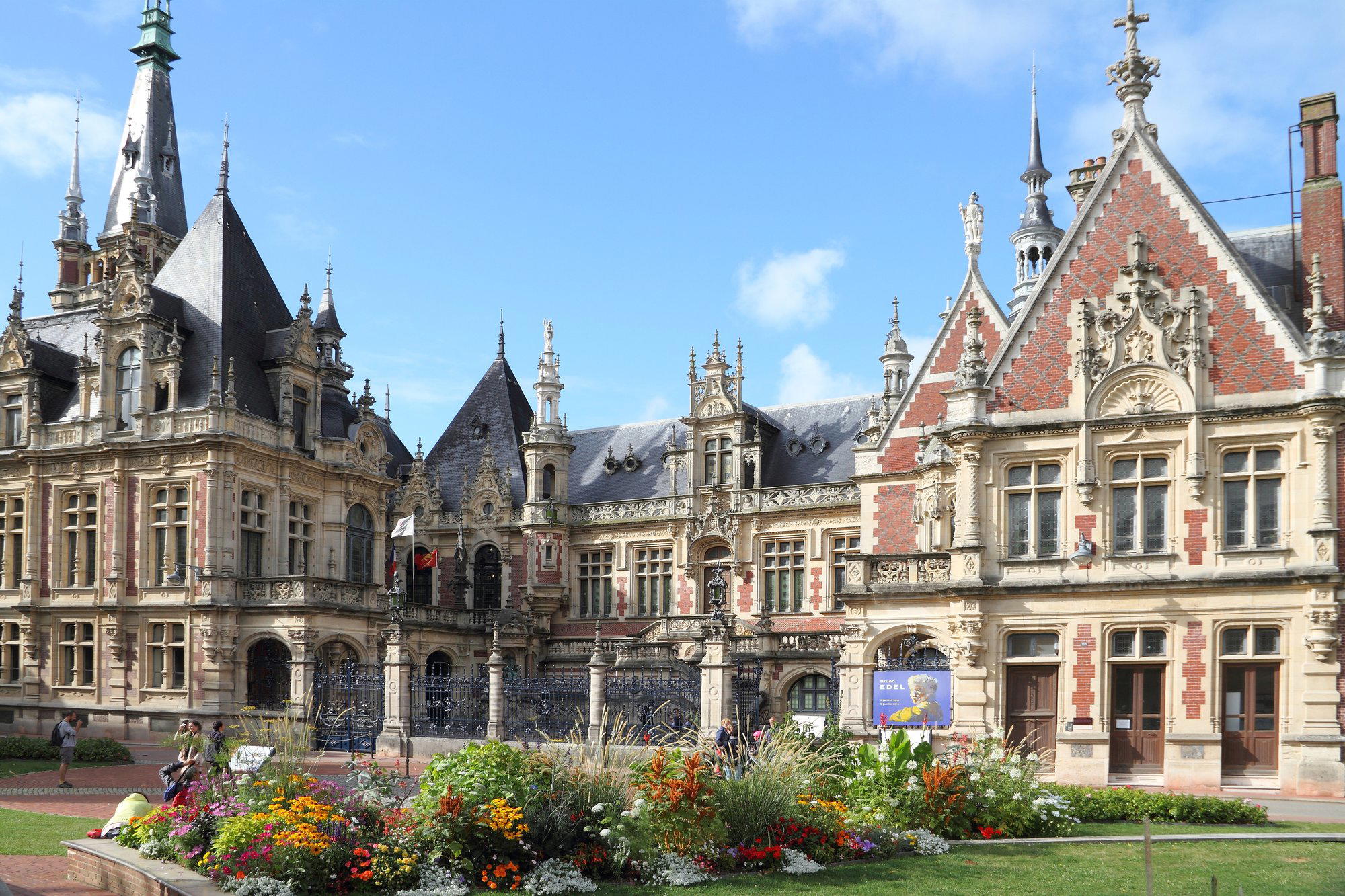
At a Glance
- Cozy
- Rustic
- Intimate
- Date Night
- Casual Hangout
- Waterfront
- Historic Building
- Local Sourcing
- Waterfront
Current opening hours
- Monday
- 12–1:30 PM
- Tuesday
- 12–1:30 PM, 7:30–9 PM
- Wednesday
- Closed
- Thursday
- 12–1:30 PM, 7–8 PM
- Friday
- 12–1:30 PM, 7:30–9 PM
- Saturday
- 12–1:30 PM, 7:30–9 PM
- Sunday
- Closed
Hours can change for holidays and private events. Last verified .
Warm, family-run atmosphere in a small 25-seat room facing the port, with welcoming service and comforting coastal vibes.