La Station occupies a grounded position in Deauville's mid-tier dining scene, set on Avenue de la République within reach of the Channel coast's shellfish, sole, and Norman dairy that define the Côte Fleurie's ingredient argument. In a town where proximity to serious raw material sets the baseline, this is a practical address for visitors interested in what the Norman larder actually tastes like.
Pearl is the En Primeur Club membership app — saves, bookings, and concierge access live there. Same editors, same standards.
- Address
- 22 Av. de la République, 14800 Deauville, France
- Phone
- +33250660442
- Directions
- Get directions
 Saves & bookings on Pearl
Where Normandy's Produce Finds the Plate
Avenue de la République runs parallel to the sea, and the architecture along it carries the particular self-assurance of a resort town that has never needed to explain itself. La Station sits at number 22, occupying a position in Deauville's dining fabric that is easier to understand once you know what surrounds it. This is a town with a concentrated restaurant scene for its size, a catchment of Parisian visitors with calibrated expectations, and a Norman larder that gives local kitchens strong raw material. The question any Deauville restaurant has to answer is what it does with that larder.
The Normandy Larder and Why It Sets the Terms
The ingredient argument for Normandy cooking is not sentimental. The bocage pastures that run inland from the Côte Fleurie produce particularly consistent dairy in France, and the Channel coastline between Honfleur and Cabourg yields shellfish, turbot, sole, and scallops that travel short distances to reach kitchen pass. That proximity matters in ways that translate directly to the plate: shellfish that has not spent two days in cold storage behaves differently, and cream that comes from grass-fed Norman cattle carries a fat content and flavour density that has no obvious substitute. Restaurants in this region that take sourcing seriously operate with a structural advantage that kitchens in Paris or Lyon have to work considerably harder to replicate.
It is worth placing this in national context. Some of France's most sourcing-focused restaurants have built reputations on the principle that the ingredient is the argument. Bras in Laguiole built its entire identity around the Aubrac plateau's plant life. Mirazur in Menton treats the Ligurian microclimate as a creative brief. Flocons de Sel in Megève draws its identity from Alpine altitude and seasonal precision. In Normandy, the equivalent logic is dairy, seafood, and apple, and any kitchen on the Côte Fleurie that ignores those pillars is working against its own geography.
La Station Within Deauville's Dining Tier
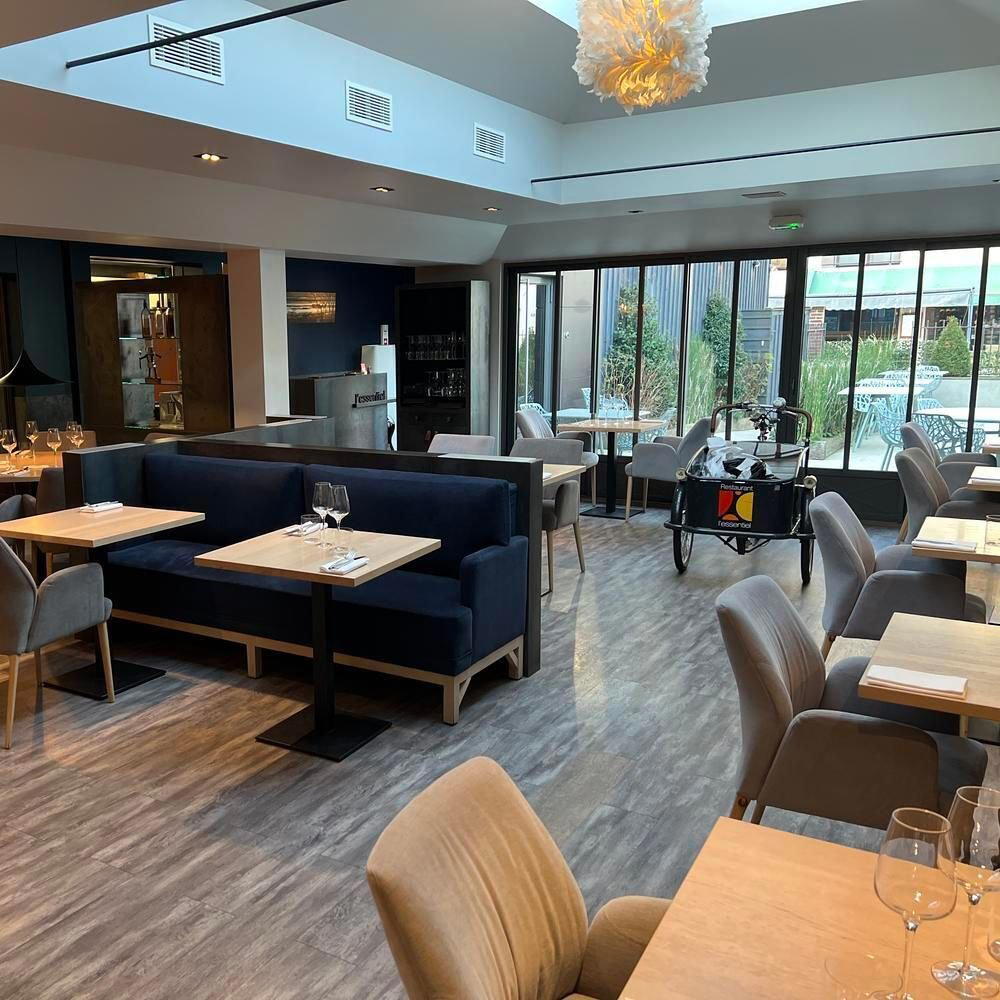
Deauville's restaurant scene has a clear internal structure. At the formal end, Maximin Hellio and L'Essentiel operate with modern cuisine formats and the pricing and expectation levels that follow. Addresses like Augusto Chez Laurent, Belle Epoque, and Côté Royal occupy different registers, from brasserie classicism to more casual neighbourhood formats. La Station, positioned on Avenue de la République, sits in the mid-tier of this map, where the proposition is not elaborate tasting menus but accessible, ingredient-led plates for a clientele that knows the difference between a properly sourced sole meunière and a mediocre one.
That mid-tier is where Normandy's larder advantage matters most. At the highest technical level, sourcing quality becomes table stakes, every kitchen competing in that bracket sources well, or claims to. At the mid-tier, sourcing quality is more often the differentiator. A restaurant that treats its Norman seafood and dairy seriously at this price point delivers disproportionate value relative to peers in other French cities operating in a similar bracket. Visitors arriving from Paris for a weekend on the Côte Fleurie understand this instinctively; locals know it from experience.
What the Address Tells You
22 Avenue de la République is not a dining-district address in the way that Deauville's beachfront or the streets around the Normandy Hotel might be. It is a working street, which in a town of Deauville's scale means it is minutes on foot from the central promenade and the casino. For a restaurant focused on serving food rather than on selling a view, that is a reasonable trade. Kitchens on the premium seafront blocks pay for the location in rent and pass it through in margins; kitchens one block from the action tend to spend more on what goes on the plate. This pattern repeats across French resort towns, from Biarritz to Saint-Malo, and Deauville is not an exception.
Visitors planning a Deauville itinerary should approach the town's dining across at least two register levels: one formal meal at a upper-tier restaurant and one or two meals at mid-tier addresses where the Norman ingredient story is the primary draw. La Station belongs to that second category. The combination covers a useful range for a short stay without duplicating the same experience twice.
France's Sourcing-Forward Tradition and Where Normandy Fits
The French restaurant tradition has always contained a strand of kitchen that argues from geography first and technique second. The logic runs from the Lyonnais mères who built menus around market availability, through Michel Bras's gargouillou, through the contemporary generation of chefs who treat supplier relationships as credentials. Auberge de l'Ill in Illhaeusern built its multigenerational authority on Alsatian terroir. Troisgros moved its kitchen physically closer to its farmers. AM par Alexandre Mazzia in Marseille treats the Mediterranean coastline as primary creative material. Even internationally, restaurants like Le Bernardin in New York City built multi-decade reputations on the principle that the quality of the fish is the argument, not the technique applied to it.
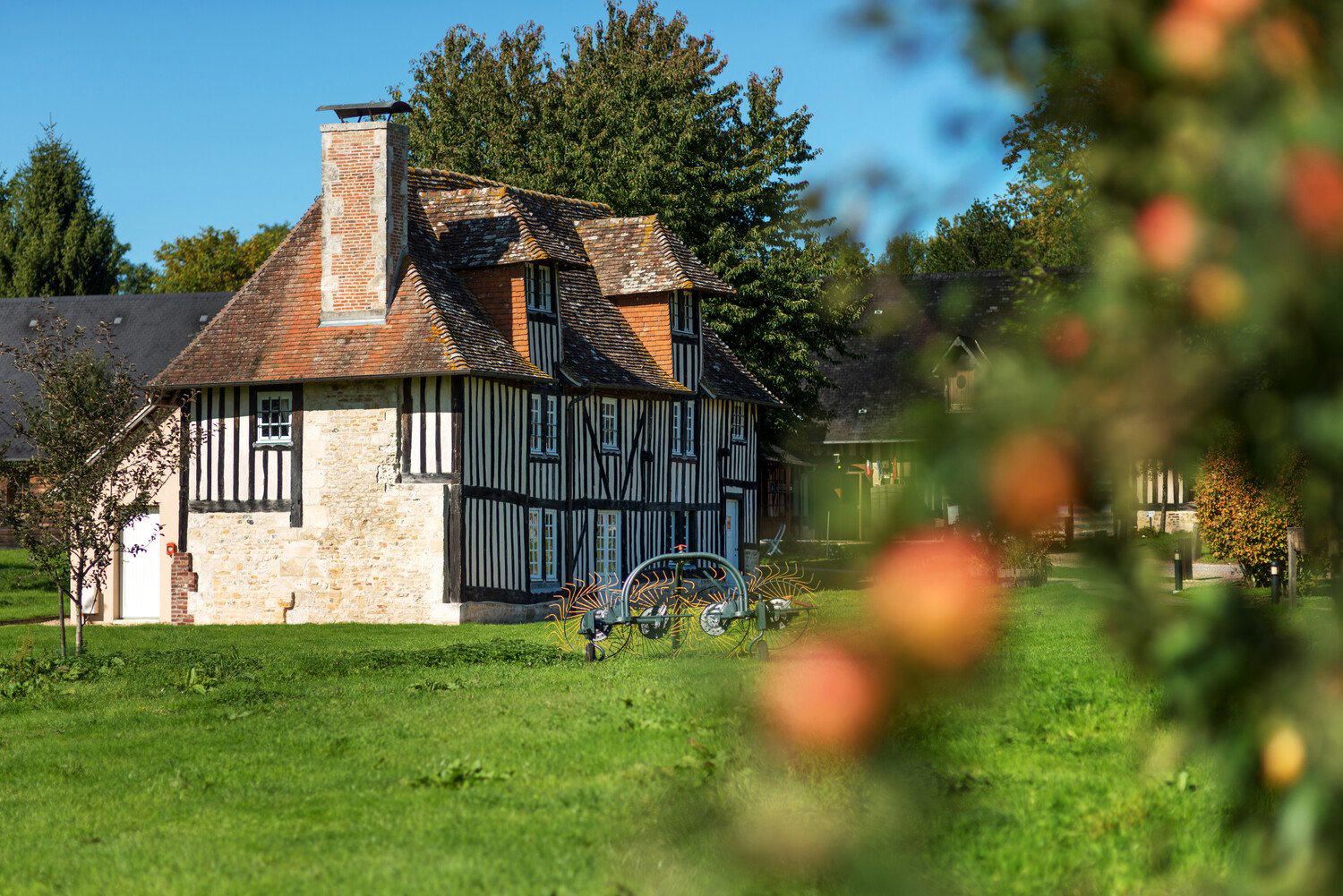
Normandy is a natural home for this kind of cooking because its agriculture is so legible. You can see what the food is made of: you can see the pastures from the road, buy the cider apples at a roadside stop, watch the fishing boats unload at Trouville across the bridge. That transparency between landscape and plate is not available everywhere, and it creates a baseline against which every restaurant in the region is implicitly measured. The restaurant, at its Avenue de la République address, operates inside that measure.
Planning a Visit
Deauville is a short drive from Caen and roughly two hours from Paris by road via the A13. The town's dining scene peaks on summer weekends and during the American Film Festival in September, when booking ahead becomes necessary for any address with limited covers. Outside those windows, the Côte Fleurie runs quieter and reservations at mid-tier restaurants are more freely available. For reference points across different price and format levels, addresses such as Assiette Champenoise in Reims and Au Crocodile in Strasbourg illustrate how France's regional restaurant scenes structure around anchor kitchens, with mid-tier addresses clustered around them. Deauville follows the same pattern, and the restaurant is one of the addresses in that supporting tier worth including in an itinerary.
Comparison Snapshot
Comparable venues nearby, for context on price, style, and recognition.
| Venue | Cuisine | Price | Notes |
|---|---|---|---|
| La StationThis venue — the venue you are viewing | Italian Pizza | $ | Not listed |
| Augusto Chez Laurent | Classic French Seafood | $$$ | Rue Principale Commerçante |
| Kyo Deauville | Japanese Sushi Bar | $$ | centre-ville |
| Le Comptoir et la Table | Classic French Brasserie | $$$ | Port |
| Deauville-La Touques Racecourse | French Brasserie | $$$ | Tourgeville |
| Belle Epoque | Classic French with Norman influences | $$$$ | Les Planches |
Continue exploring
More in Deauville
Restaurants in Deauville
Browse all →
Bars in Deauville
Browse all →
Hotels in Deauville
Browse all →
At a Glance
- Cozy
- Classic
- Casual Hangout
- Standalone
- Local Sourcing
Current opening hours
- Monday
- 12–3 PM, 7–11 PM
- Tuesday
- 12–3 PM, 7–11 PM
- Wednesday
- 12–3 PM, 7–11 PM
- Thursday
- 12–3 PM, 7–11 PM
- Friday
- 12–3 PM, 7–11 PM
- Saturday
- 12–3 PM, 7–11 PM
- Sunday
- 12–3 PM, 7–11 PM
Hours can change for holidays and private events. Last verified .
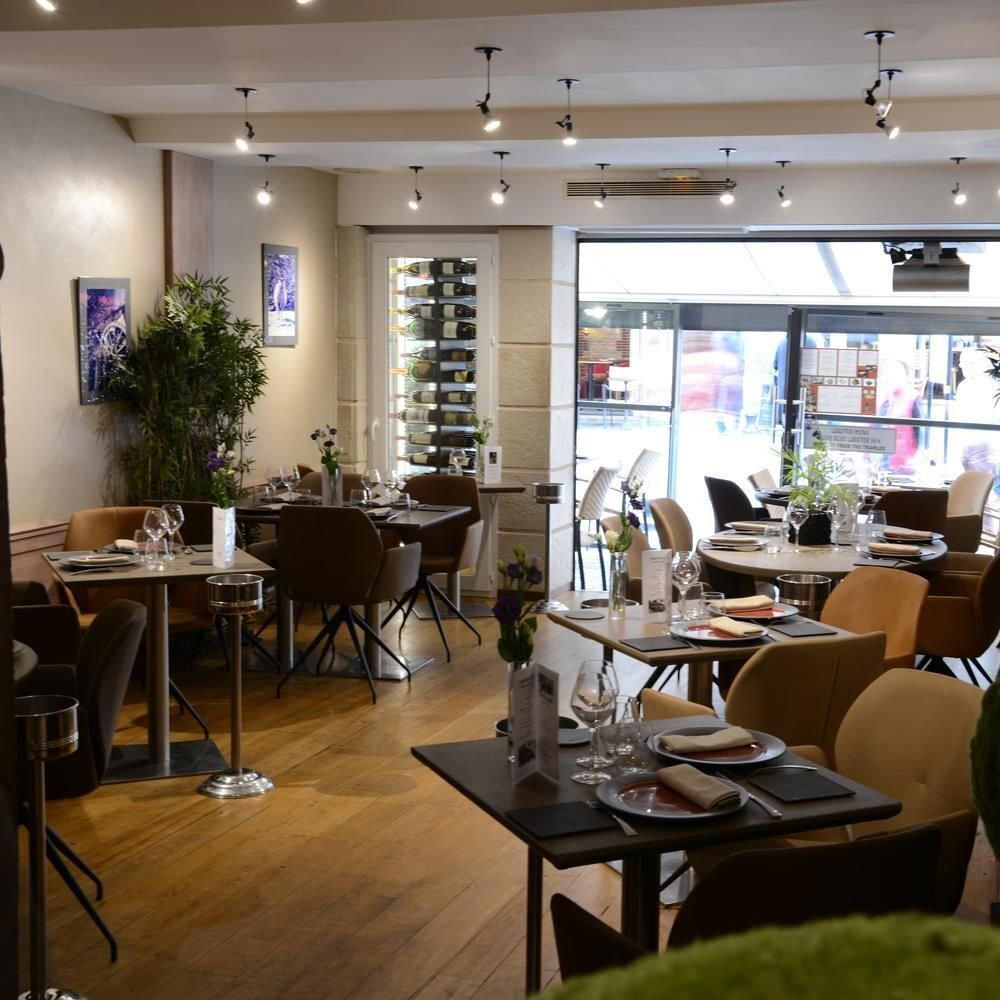
Casual bistro atmosphere with table service in a central location near the train station.