Château La Chenevière


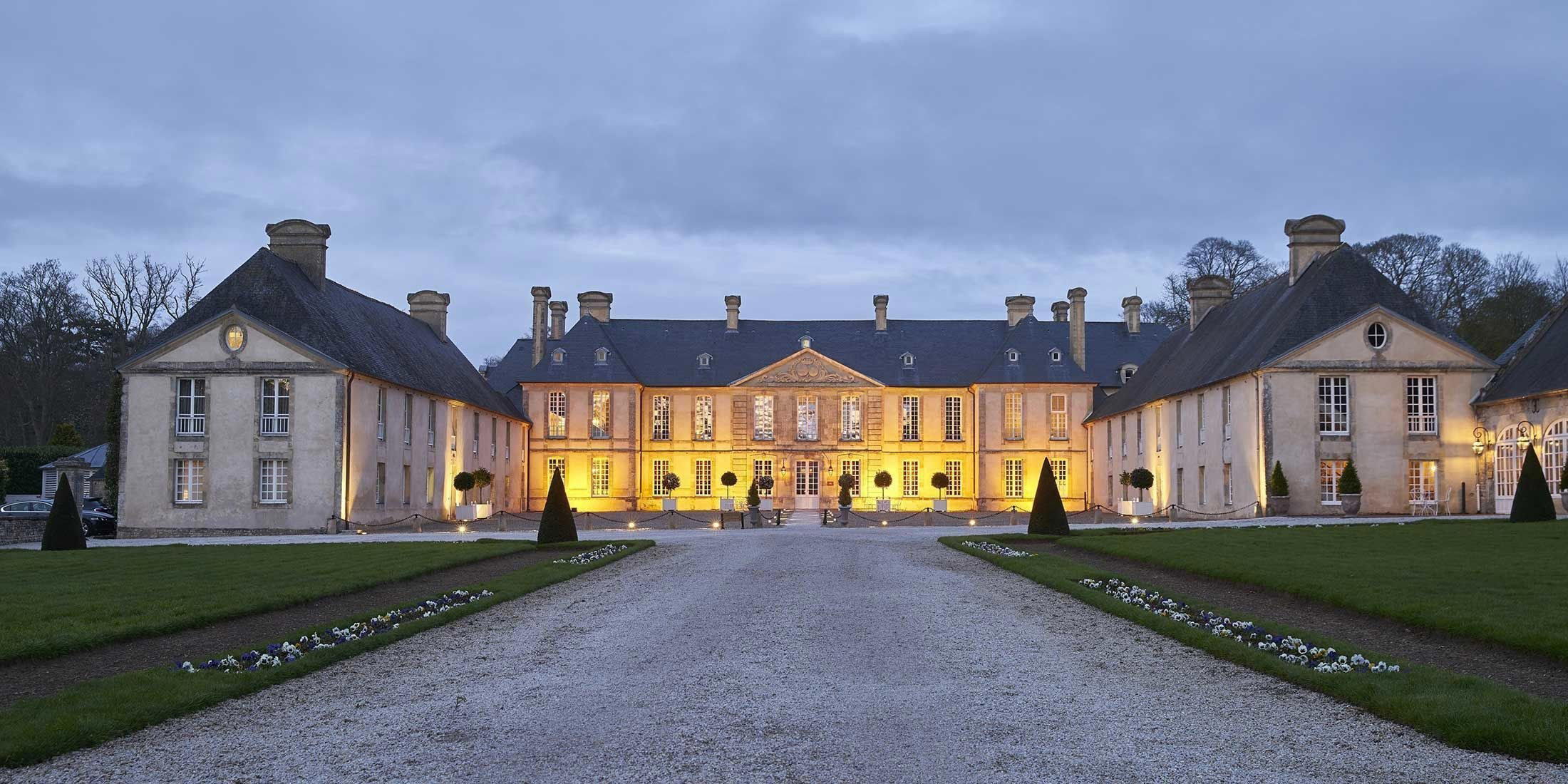
An 18th-century Norman château restored in 1988 and set near historic Bayeux, Château La Chenevière carries three centuries of layered history into its 29 individually decorated rooms. The property sits close to the D-Day landing beaches, placing it at a crossroads of countryside tranquillity and deeply significant historical terrain. The restaurant draws on Normandy's larder with gastronomic ambition befitting its setting.
Pearl is the En Primeur Club membership app — saves, bookings, and concierge access live there. Same editors, same standards.
- Address
- Château La Chénevière, Escures-Commes, 14520 Port-en-Bessin, France
- Phone
- +33231512525
- Website
- lacheneviere.com
- Directions
- Get directions
 Saves & bookings on Pearl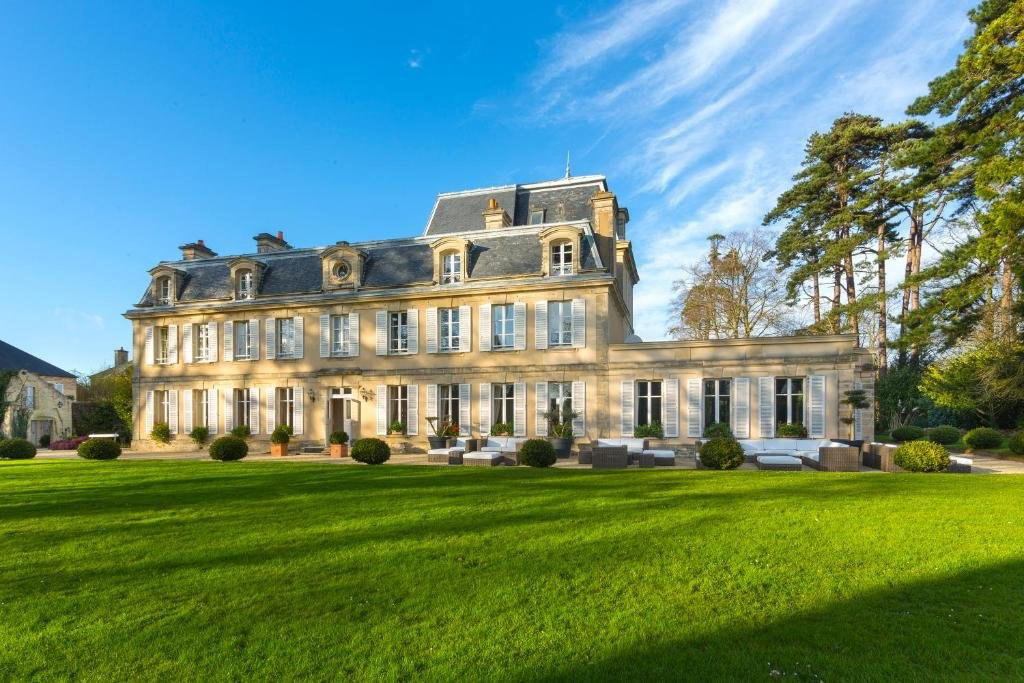
A Château Built by History, Not by Committee
The countryside approaching Port-en-Bessin moves in long green fields cut by hedgerows, the kind of landscape that looks unchanged across centuries until you register the subtle geometry of military cemeteries on the horizon. It is into this terrain that Château La Chenevière arrives: an 18th-century stone manor that has absorbed more of France's defining chapters than almost any comparable property in Normandy. The building's present incarnation as a hotel dates to its full restoration in 1988, but its walls predate that project by roughly two hundred and fifty years, and the layers are still legible.
This is the distinction that separates La Chenevière from the broader category of French château hotels. Many properties in that segment were built as statements of aristocratic leisure and have operated, with varying degrees of interruption, within a single tradition ever since. La Chenevière's biography is more complicated. It began as a hemp cultivation estate in the 18th century, the crop lending the property its name. By the 19th century the land had shifted to horse breeding, producing foals of noted quality. In the 20th century, the château was occupied sequentially by German forces during World War II and then by American forces following the D-Day landings of June 1944. Port-en-Bessin sits within the original Allied landing zone, and the history of that operation is woven into the physical fabric of this part of Normandy in a way that no hotel branding can fully contain or co-opt. La Chenevière does not market itself as a war-history destination, but the context is inescapable for anyone arriving from Bayeux or the beach memorials, and it gives the property a gravity that purely aesthetic château retreats cannot replicate.
The Architecture of Accumulation
French 18th-century rural manor architecture tends toward a particular grammar: symmetrical stone façades, steep slate rooflines, proportions that signal permanence without the theatrical scale of the grand Loire châteaux. La Chenevière fits that tradition and benefits from it. The surrounding parkland and gardens frame the building without overwhelming it, and the heated outdoor pool, open during summer months, is positioned to avoid the visual dissonance that modern amenity installations often introduce into historic properties.
Inside, the 28 rooms have been designed individually rather than according to a repeating template, which is the right approach for a building whose spatial logic was never intended to accommodate a standardized hospitality product. Each room negotiates the same core tension that defines high-quality château hotel conversion: how to deliver the warmth, insulation, and connectivity of contemporary accommodation within walls that were built for a different century's notion of comfort. At La Chenevière, the stated approach prioritises modern comfort paired with traditional luxury rather than choosing one at the expense of the other. The result is a property that sits in the design-led, historically grounded tier of French château hotels, closer in spirit to Château du Grand-Lucé in Le Grand-Lucé or Domaine Les Crayères in Reims than to the internationally branded luxury circuit represented by Cheval Blanc Paris or Four Seasons Megève.
Normandy's Table
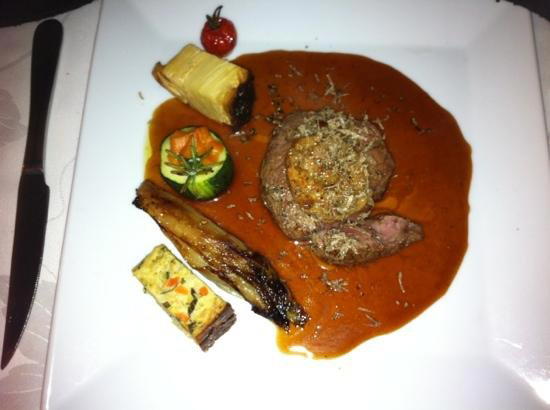
Normandy's gastronomic identity is among the more coherent of any French region: dairy at a standard that has defined the national benchmark for cream and butter, apple orchards that produce Calvados and cider of genuine complexity, and a coastline at Port-en-Bessin that supplies some of France's most prized seafood, including scallops and sole with an international following. The restaurant at La Chenevière draws on this regional larder with gastronomic ambition. The property's kitchen reflects the cuisine of Normandy, working with ingredients from the region and nearby coast. For comparable French château restaurant ambitions set against regional produce, the model has precedents at properties such as Baumanière Les Baux-de-Provence in Provence and Château Lafaurie-Peyraguey in the Sauternes, where the kitchen and the land operate in deliberate proximity.
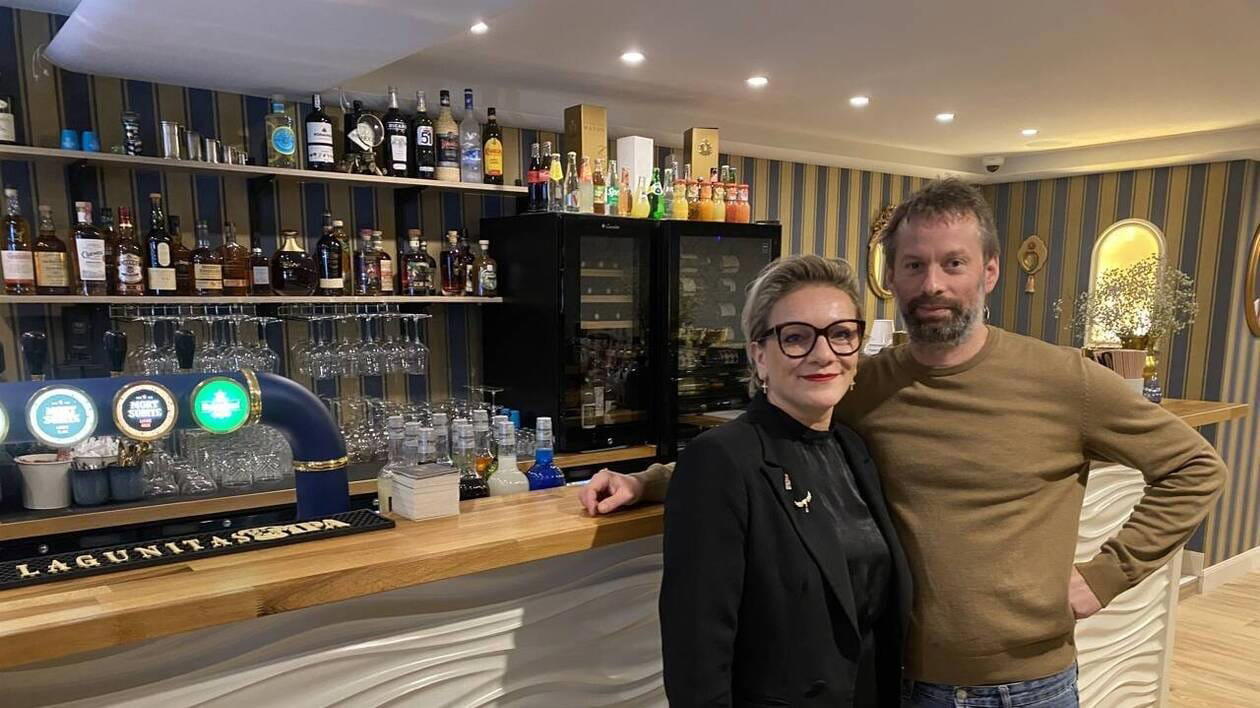
The bar, described as inviting rather than destination-oriented, rounds out the public space offering. This is consistent with the property's overall register: a house hotel where the emphasis falls on the full residential experience rather than individual venue moments. Guests who arrive expecting the programmatic intensity of a city property like Aman New York or Cheval Blanc Courchevel will need to recalibrate. The pace here is set by the Normandy countryside, not by a concierge programming schedule.
Context and Competitors in the Region
The Normandy château hotel market is less concentrated than comparable circuits in Provence or the Loire Valley, which gives individual properties more breathing room but also less of the self-reinforcing prestige that dense luxury clusters generate. La Chenevière operates in that relative isolation with 29 rooms, a scale that keeps it in the boutique tier alongside Breton counterparts such as Castelbrac in Dinard. For guests mapping a longer France itinerary that combines historic estate stays, the property connects naturally to Château de Montcaud in Sabran, Château de la Gaude in Aix-en-Provence, or La Bastide de Gordes in the south, each of which operates in the same historically grounded luxury tier while serving a substantially different regional character.
Planning Your Stay
The property sits at Escures-Commes, outside Port-en-Bessin, in the Calvados department of Normandy. Bayeux, the closest major town and a significant historic destination in its own right, is a short drive away, as are the D-Day landing beaches at Omaha and Gold. Summer is the obvious peak season, when the heated outdoor pool is operational and the gardens read at their fullest, and demand for rooms in this part of Normandy rises sharply around the June D-Day anniversary commemorations. The hotel offers 28 rooms and a tennis court alongside the pool and restaurant. Guests who want a direct contrast between this kind of rooted, historically dense Normandy experience and the more architecturally contemporary register of Mediterranean luxury properties might subsequently consider La Réserve Ramatuelle or Hotel Du Cap-Eden-Roc in Cap d'Antibes as a southern counterpart on the same trip.
How It Stacks Up
Comparable venues nearby, for context on price, style, and recognition.
| Venue | Cuisine | Price | Awards | Notes |
|---|---|---|---|---|
| Château La ChenevièreThis venue — the venue you are viewing | 18th-century Normandy chateau blending historic charm with modern luxury | $$$$ | 5-Star | Not listed |
| Domaine Tarbouriech | 18th-century restored Folie blending historic charm with modern luxury | $$$$ | 5-Star | Marseillan |
| Villa-des-Prés | Contemporary Parisian luxury boutique hotel housed in a post-Haussmann 1911 apartment building, designed as a private mansion with character and discretion. | $$$$ | 5-Star | Saint-Germain-des-Prés |
| Au Chamois d'Or | Authentic alpine luxury chalet with traditional mountain architecture and refined contemporary comfort. | $$$$ | 5-Star | Alpe d'Huez |
| 5 Terres - MGallery | Historic 17th-century building with modern luxury comforts on Alsace wine route | $$$$ | 5-Star | Barr |
| Hotel Sax Paris | Urban Left Bank luxury hotel blending heritage neo-Gothic architecture with contemporary art and resort-style garden living. | $$$$ | 5-Star | 7th arrondissement (Left Bank) |
Recognition history
Dated appearances from independent guides and award organizations, with the underlying list record or original source where available.
Virtuoso Luxury Hotel Partner
Virtuoso
Michelin Selected
Michelin
Small Luxury Hotels of the World Member
Small Luxury Hotels of the World
Continue exploring
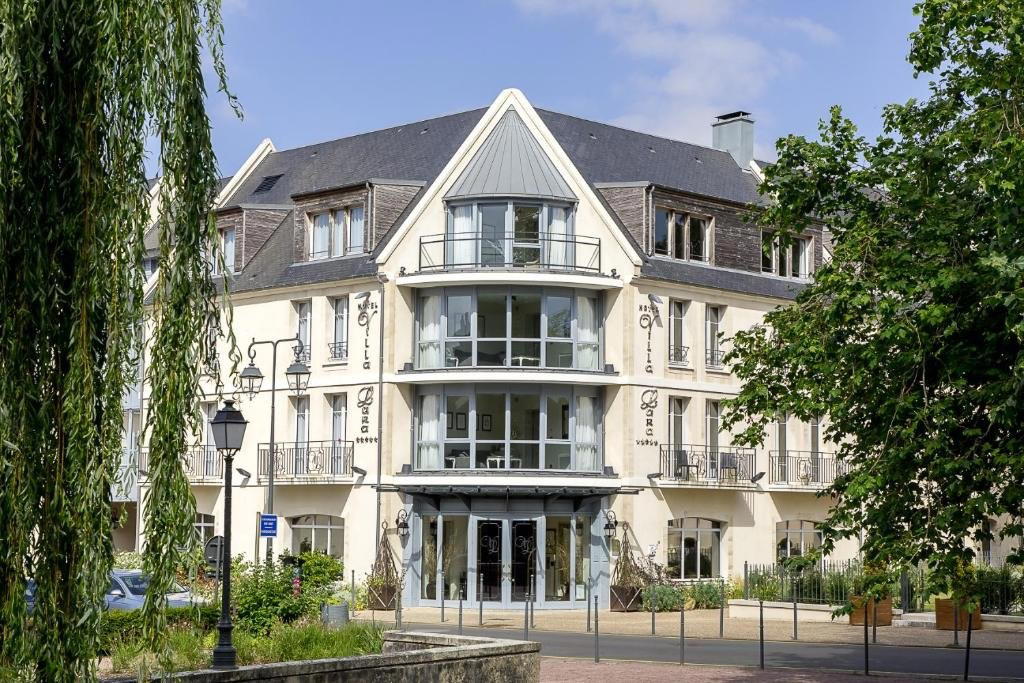
More in Port-en-Bessin
Hotels in Port-en-Bessin
Browse all →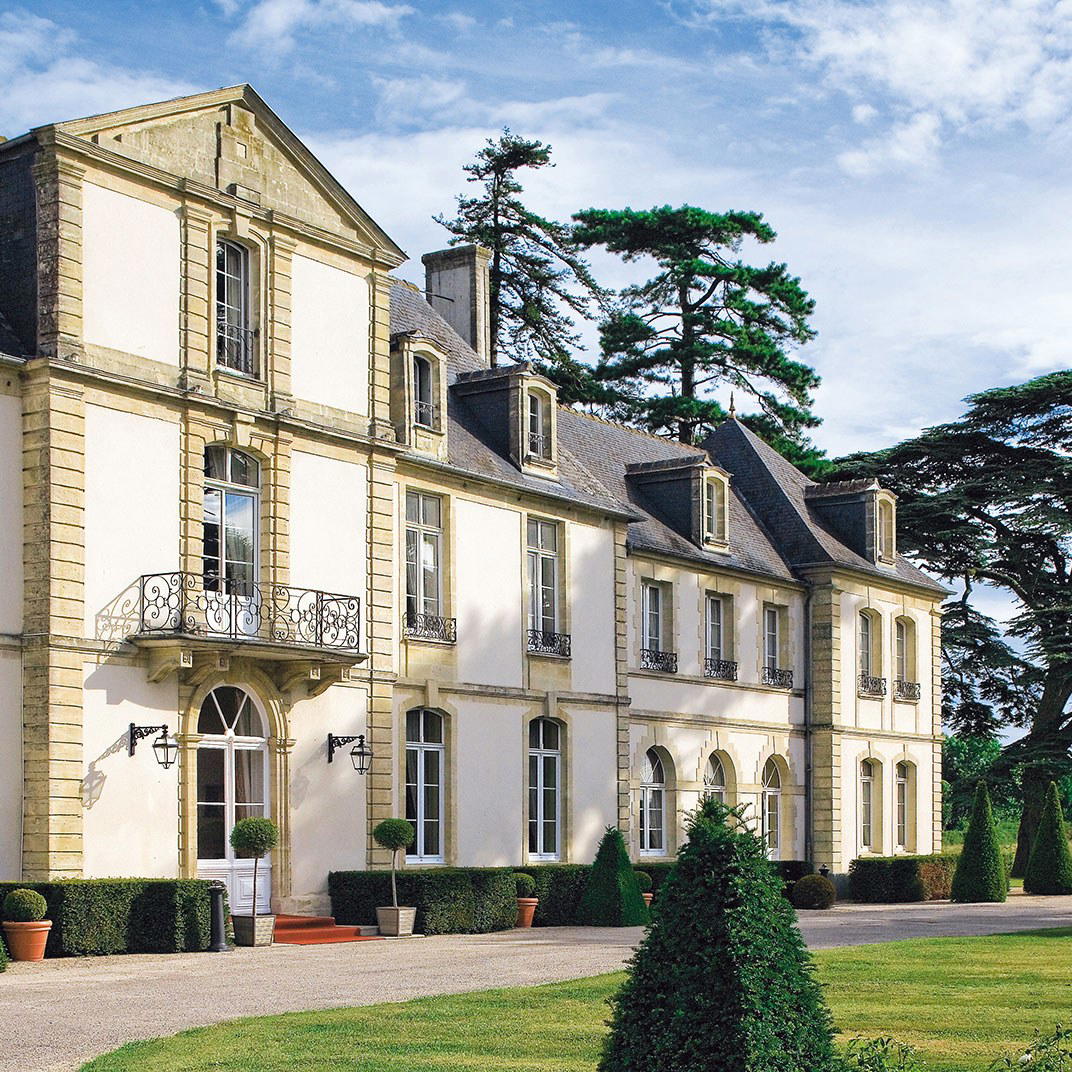
Bars in Port-en-Bessin
Browse all →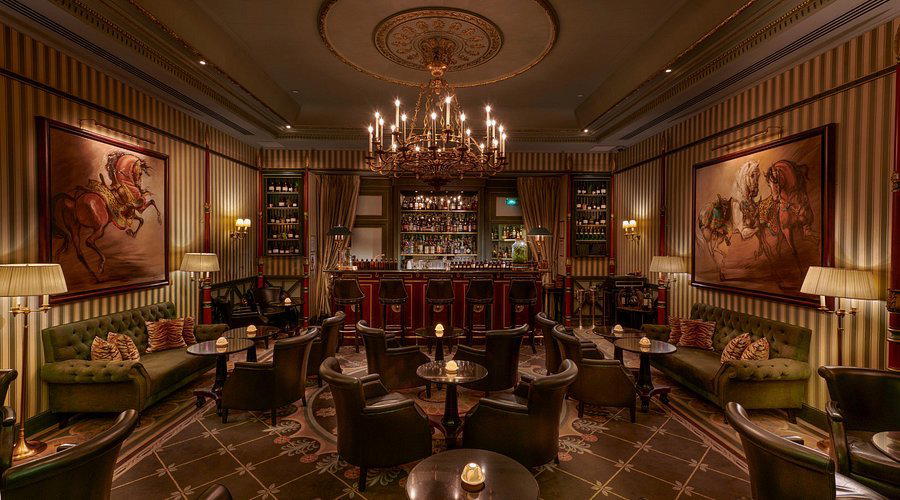
At a Glance
- Romantic
- Quiet
- Elegant
- Classic
- Scenic
- Sophisticated
- Ornate
- Romantic Getaway
- Anniversary
- Weekend Escape
- Garden
- Historic Building
- Panoramic View
- Wi Fi
- Pool
- Outdoor Pool
- Spa
- Fitness Center
- Room Service
- Concierge
- Restaurant
- Tennis Court
- Valet Parking
- Garden
- Wi Fi
- Pool
- Outdoor Pool
- Spa
- Fitness Center
- Room Service
- Concierge
- Restaurant
- Tennis Court
- Valet Parking
Current opening hours
- Monday
- Open 24 hours
- Tuesday
- Open 24 hours
- Wednesday
- Open 24 hours
- Thursday
- Open 24 hours
- Friday
- Open 24 hours
- Saturday
- Open 24 hours
- Sunday
- Open 24 hours
Hours can change for holidays and private events. Last verified .
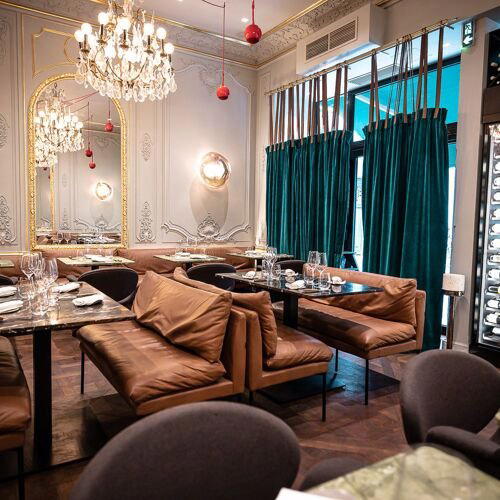
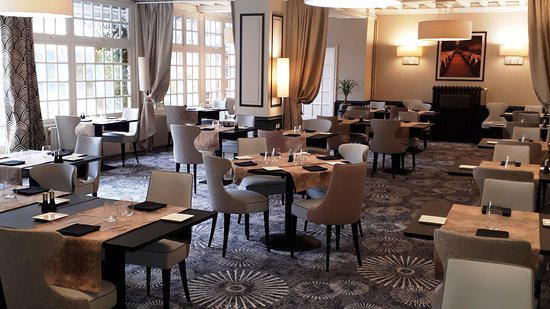
Intimate and refined with subtle lighting in clublike salons, harmonizing authentic antique furniture with contemporary fabrics amid a tranquil park setting.