Our verdict
Kyo Deauville occupies a quietly considered address on Rue Victor Hugo, bringing Japanese-inflected cooking to a Norman coastal town better known for its racetracks and Belle Époque boardwalk. In a dining scene dominated by classic brasserie formats and modern French tasting menus, Kyo represents a distinct cultural register, making it a point of reference for visitors looking beyond the region's conventional table.

Pearl is the En Primeur Club membership app, where members save venues, book tables and use the concierge.
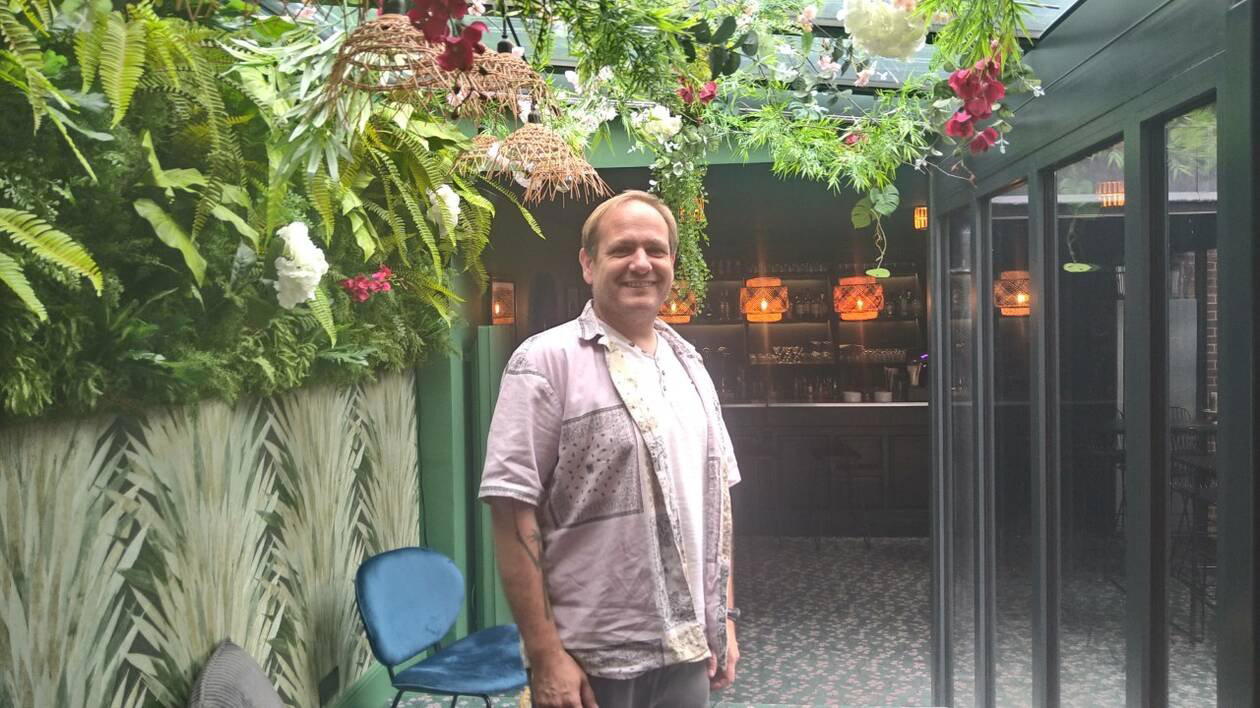
Where Norman Tradition Meets a Japanese Sensibility
Deauville's restaurant scene has long been shaped by two forces: the grand brasserie tradition of the Normandy coast, built on oysters, sole meunière, and Calvados-laced desserts, and the more recent arrival of modern French tasting-menu culture, represented locally by addresses like L'Essentiel and Maximin Hellio. Kyo Deauville operates in a third register, one that French provincial dining has been slow to accommodate: a Japanese culinary framework applied to a seaside Norman setting. On Rue Victor Hugo, a quiet residential artery that runs inland from the seafront boulevards, the address signals something deliberately apart from the main circuit of tourist tables.
The physical approach matters here. Rue Victor Hugo lacks the high-visibility footfall of the promenade or the casino district. Arriving on foot from the boardwalk takes roughly ten minutes through a neighbourhood where the pace drops and the architecture shifts from grand hotel facades to more modest residential scale. That separation from the centre is not incidental. Restaurants that position themselves off the main circuit in Deauville tend to rely on deliberate reservation traffic rather than walk-in volume, which shapes both the atmosphere inside and the format of service.
Japanese Cooking in a Norman Context
The cultural argument for Japanese cuisine in Normandy is more coherent than it might first appear. Normandy's larder, built around premium dairy, channel seafood, and orchard fruit, maps surprisingly well onto the Japanese kitchen's appetite for high-quality primary ingredients prepared with restraint. The same scallops that appear in a cream-forward Norman gratin can, in a different register, become the base for a preparation that foregrounds the ingredient rather than the sauce. That tension between richness and reduction is, in different ways, central to both traditions.
France has its own history with Japanese culinary influence, stretching back decades through the exchanges between French haute cuisine and Japanese chefs who trained in Paris and brought those techniques home. The reverse flow, Japanese chefs and Japanese-trained cooks bringing their frameworks to French towns and cities, is a more recent phenomenon, but one with established precedent in Paris and Lyon. In a smaller coastal town like Deauville, the format remains relatively uncommon, which is precisely what gives Kyo a distinct position in the local dining conversation alongside more conventional addresses like Augusto Chez Laurent, Belle Epoque, and Côté Royal.
Placing Kyo Within France's Broader Fine Dining Conversation
To understand what Kyo represents in Deauville, it helps to hold it against the wider French fine dining map. At the top of that map sit addresses like Alléno Paris au Pavillon Ledoyen, Mirazur in Menton, and Troisgros in Ouches, institutions whose influence extends well beyond their respective regions. Further along the register sit regionally important addresses such as Auberge de l'Ill in Illhaeusern, Bras in Laguiole, and Assiette Champenoise in Reims, each embedded in a specific terroir and culinary identity. AM par Alexandre Mazzia in Marseille and Au Crocodile in Strasbourg illustrate how strongly individual cities can anchor a restaurant's identity even when the cooking itself departs from local convention. The cross-cultural dining conversation has its international equivalents too: Le Bernardin in New York City has spent decades proving that French technique applied to seafood can define a city's fine dining vocabulary, while Atomix, also in New York, shows how Korean culinary language can operate at the highest formal register in a non-Korean context. Paul Bocuse's Auberge du Pont de Collonges remains the defining example of how deeply a single address can become inseparable from a regional culinary identity. Kyo is operating at a different scale and with different ambitions, but the cultural mechanism, a foreign culinary framework taking root in a specific French place, connects it to that broader pattern.
The international precedent for Japanese cooking in formal European settings is also well-established. Flocons de Sel in Megève demonstrates how a mountain alpine setting can accommodate cooking of serious ambition that draws from multiple cultural wells. Kyo operates in a comparable way, using the Norman coastal setting as its material context while drawing on a different culinary grammar.
Reading the Room: What Deauville's Dining Scene Tells You
Deauville operates on a seasonal rhythm that any visitor should factor into their planning. The town's population swells dramatically between June and September, when Parisian weekenders and international visitors arrive for the races, the American Film Festival in early September, and the beach. Restaurant availability across the town tightens significantly during these windows, and the more distinctive addresses fill earliest. The shoulder months, April through May and October, offer a quieter version of the town, with shorter booking lead times and a local clientele that tends to be more regular and less transient. For a restaurant like Kyo, which sits off the main tourist corridor, the shoulder season may actually deliver the more considered dining experience.
Visitors building a broader Deauville itinerary can use our full Deauville restaurants guide to map Kyo against the wider field, from seafood-focused brasseries to the modern French tasting-menu tier.
Planning Your Visit
Kyo Deauville is located at 96 Rue Victor Hugo, 14800 Deauville. The address sits within walking distance of the town centre but away from the highest-footfall stretches of the promenade and casino district, which makes advance reservations the more reliable approach, particularly during summer and the festival calendar. Given the limited publicly available data on current hours, pricing, and booking channels, checking directly with the restaurant before visiting is the practical course, especially for groups or visitors travelling specifically for the meal. Deauville itself is accessible by train from Paris Saint-Lazare in approximately two hours, with the station at Trouville-Deauville a short distance from the town centre.
Frequently asked questions
Where do I go for Kyo Deauville?
Kyo Deauville is located at 96 Rue Victor Hugo, 14800 Deauville, France, Deauville.
Is Kyo Deauville a good option for visitors looking for non-French dining in Normandy?
For visitors to Deauville seeking a departure from the region's brasserie and sole meunière canon, Kyo at 96 Rue Victor Hugo offers a Japanese-led kitchen that still engages directly with Norman produce rather than importing a template unchanged from another context. That alignment between local ingredients and Japanese technique gives it a regional coherence that sets it apart from generic international restaurants in coastal towns. It is among the few addresses in Deauville operating outside the dominant Norman tradition.
What do people recommend at Kyo Deauville?
Kyo sits on Rue Victor Hugo, Deauville's address for cross-cultural cooking that engages Normandy's core larder, dairy, shellfish, and coastal produce, through a Japanese culinary framework. Regulars point to dishes that draw directly on Norman ingredients handled with Japanese technique, which is the restaurant's distinguishing approach. Given Deauville's seasonal restaurant rhythm, visiting between June and September tends to yield the fullest kitchen output.
Can I walk in to Kyo Deauville?
Kyo Deauville is located at 96 Rue Victor Hugo, within walking distance of the town centre and away from the highest-footfall tourist corridors. Walk-in availability depends heavily on the season: Deauville's population swells significantly between June and September, compressing table availability across the town's better kitchens. Outside peak summer, your chances of an unbooked table improve considerably, but a reservation in advance remains the reliable approach.
What is Kyo Deauville known for?
Kyo is known for applying Japanese cooking sensibility to the Normandy larder, a combination that is more coherent than it might initially appear, given the regional affinity for premium dairy, charcuterie, and Atlantic shellfish. Within Deauville's dining scene, which is otherwise anchored by grand brasserie tradition and classic Norman fare, Kyo occupies a distinct position as the address for Japanese-inflected cooking on this stretch of the coast. The restaurant is at 96 Rue Victor Hugo, 14800 Deauville.
Price and Recognition
Comparable venues nearby, for context on price, style, and recognition.
| Venue | Cuisine | Price | Notes |
|---|---|---|---|
| Kyo DeauvilleThis venue (the venue you are viewing) | Japanese Sushi Bar | $20–30 | Not listed |
| Augusto Chez Laurent | Classic French Seafood | $30–50 | Rue Principale Commerçante, Classic French Seafood |
| La Station | Italian Pizza | $10–20 | Avenue de la République, Italian Pizza |
| Côté Royal | Norman Brasserie | $50–100 | Ville de Deauville, Norman Brasserie |
| Deauville-La Touques Racecourse | French Brasserie | Not listed | Tourgeville, French Brasserie |
| L'Etoile des Mers | French Seafood Bistro | $30–50 | center, French Seafood Bistro |
Continue exploring
More in Deauville
Restaurants in Deauville
All restaurants in Deauville →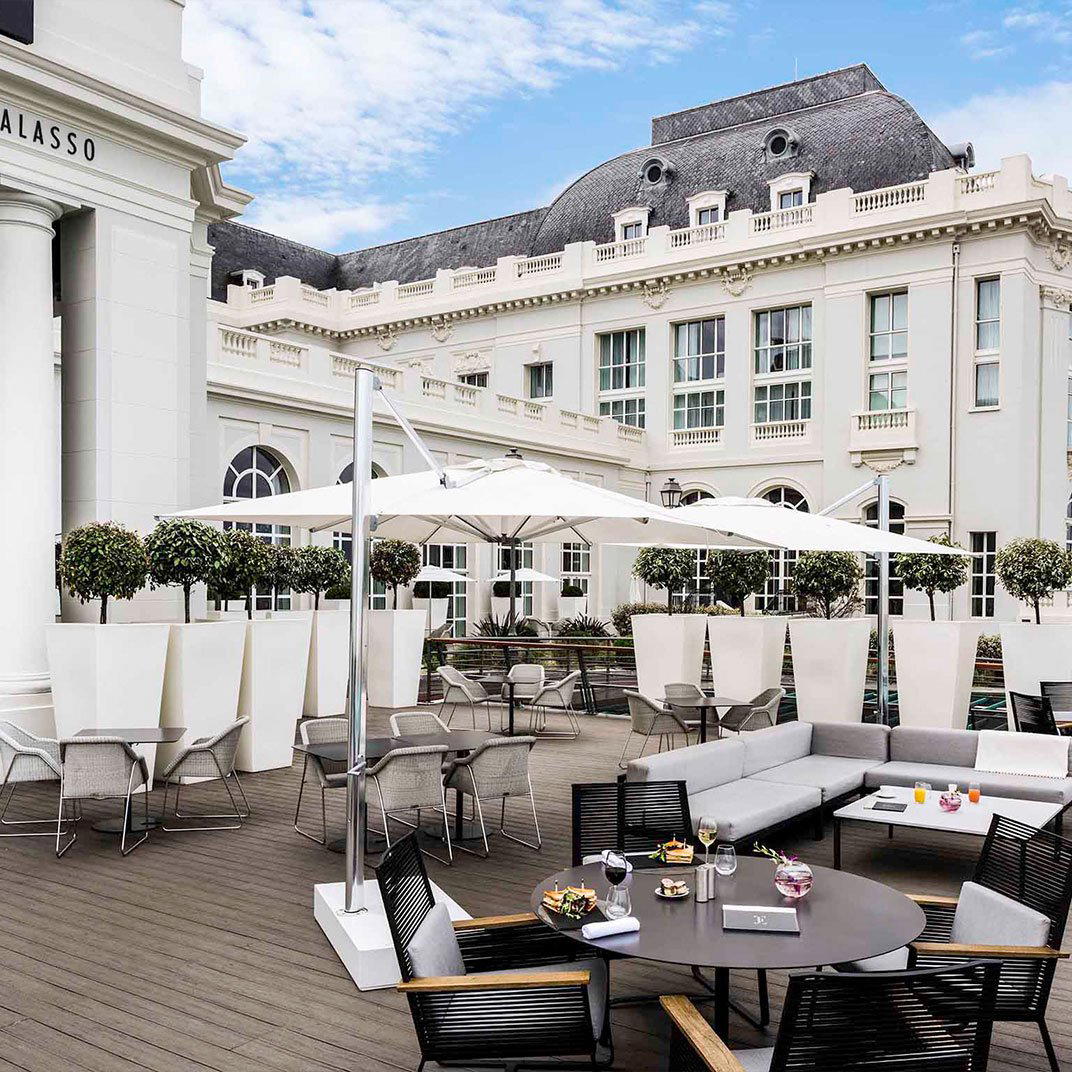
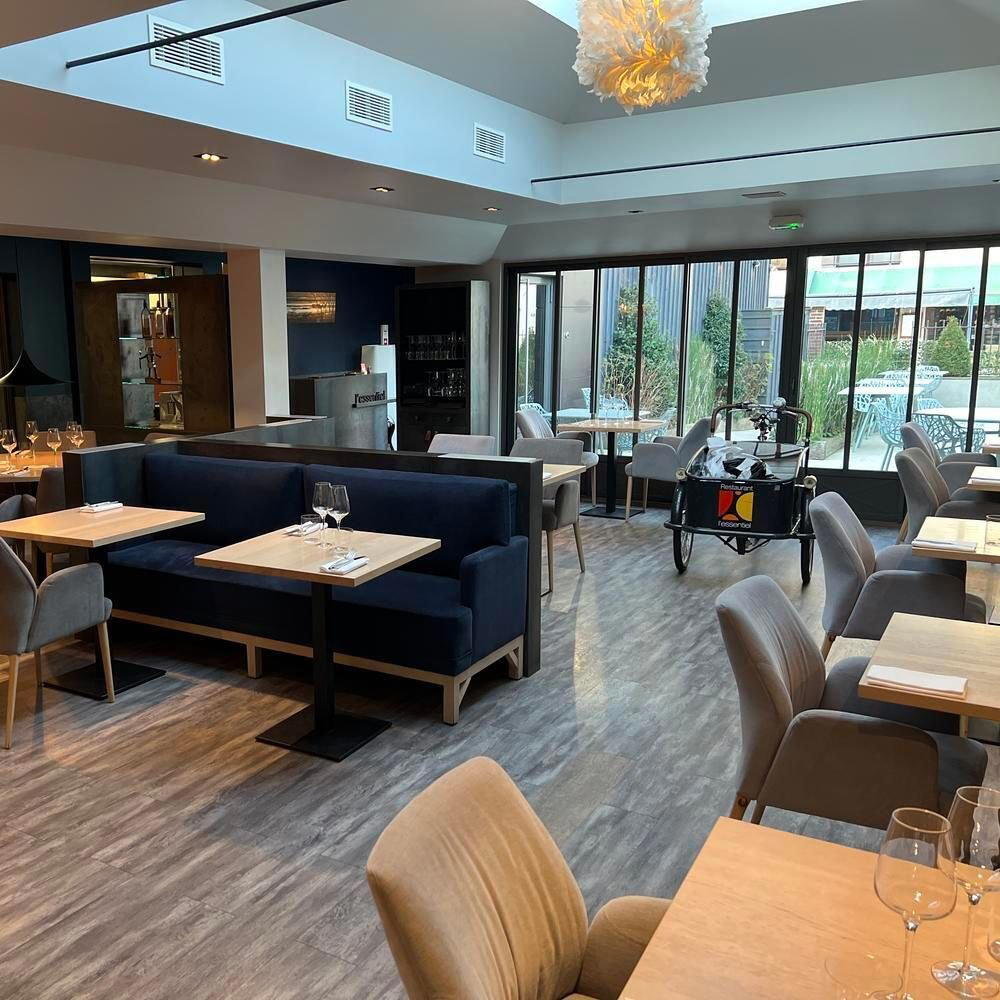
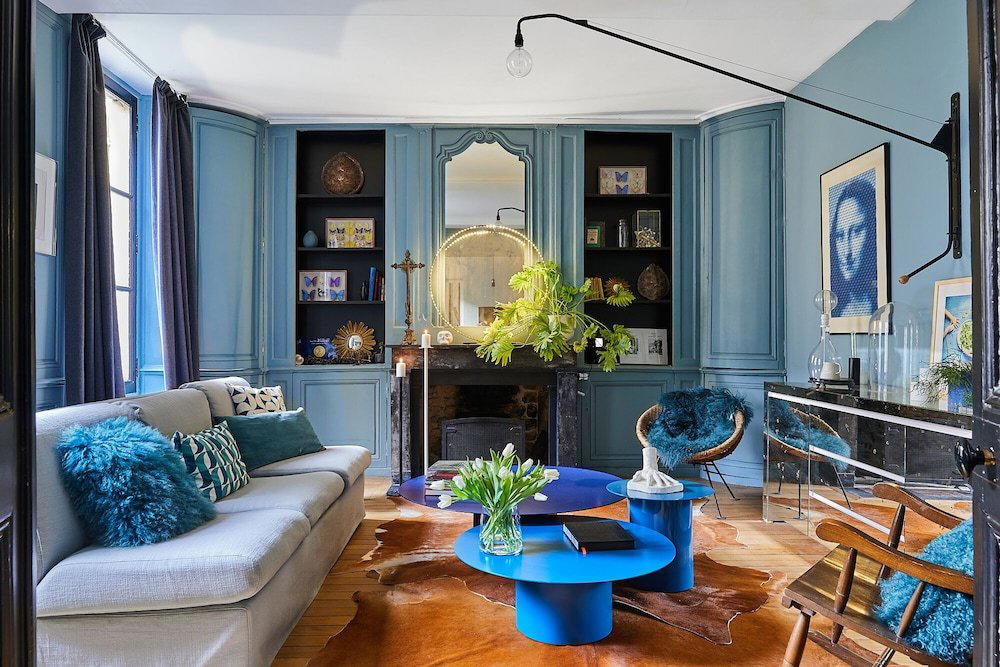
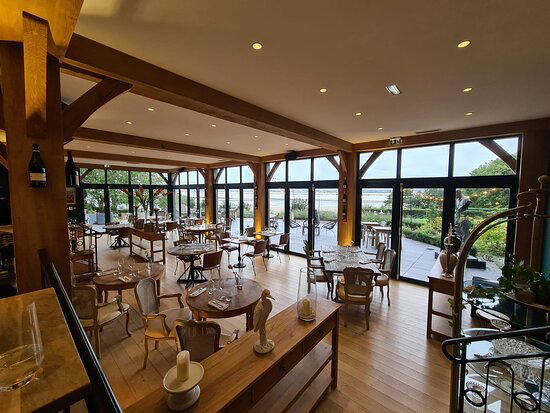
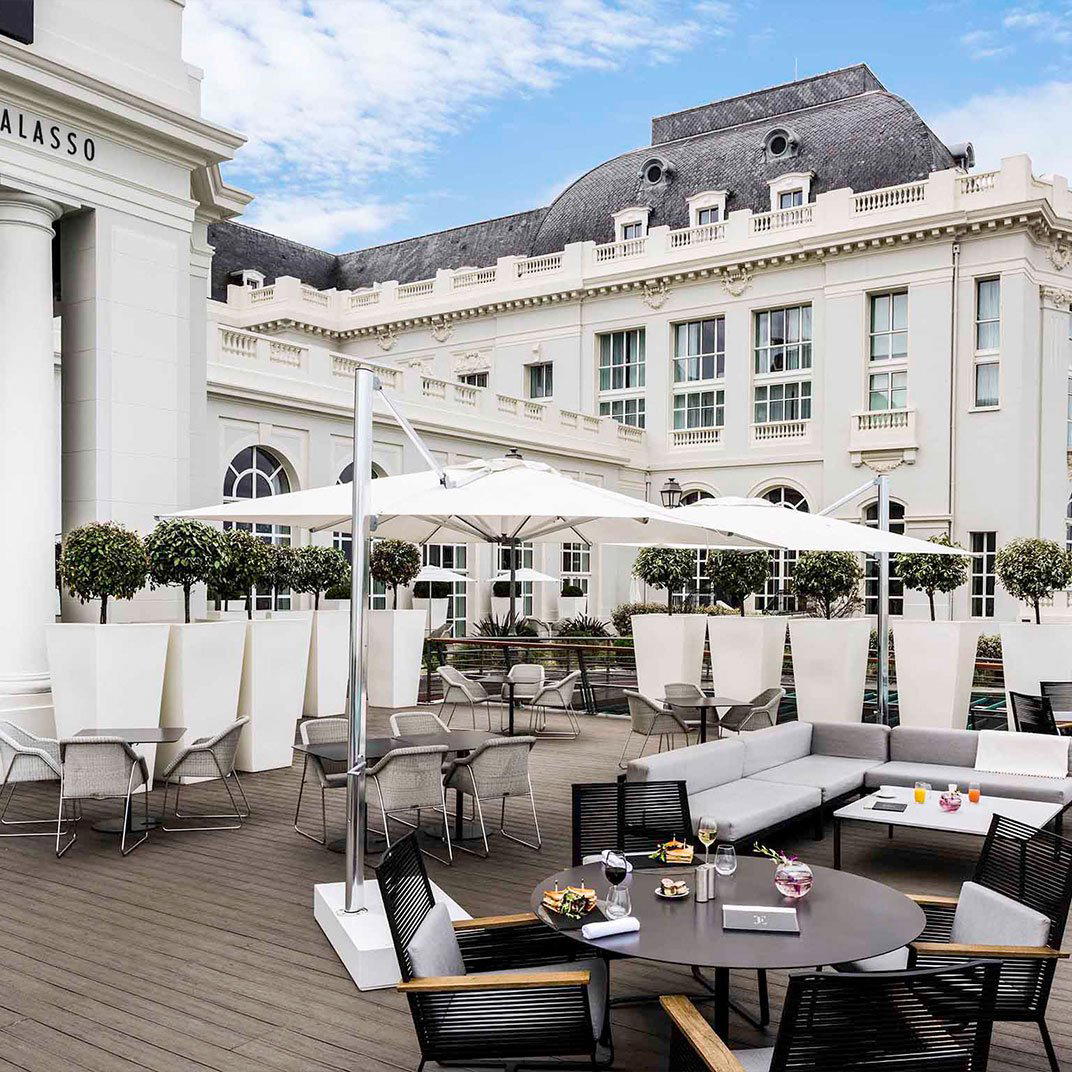
Bars in Deauville
All bars in Deauville →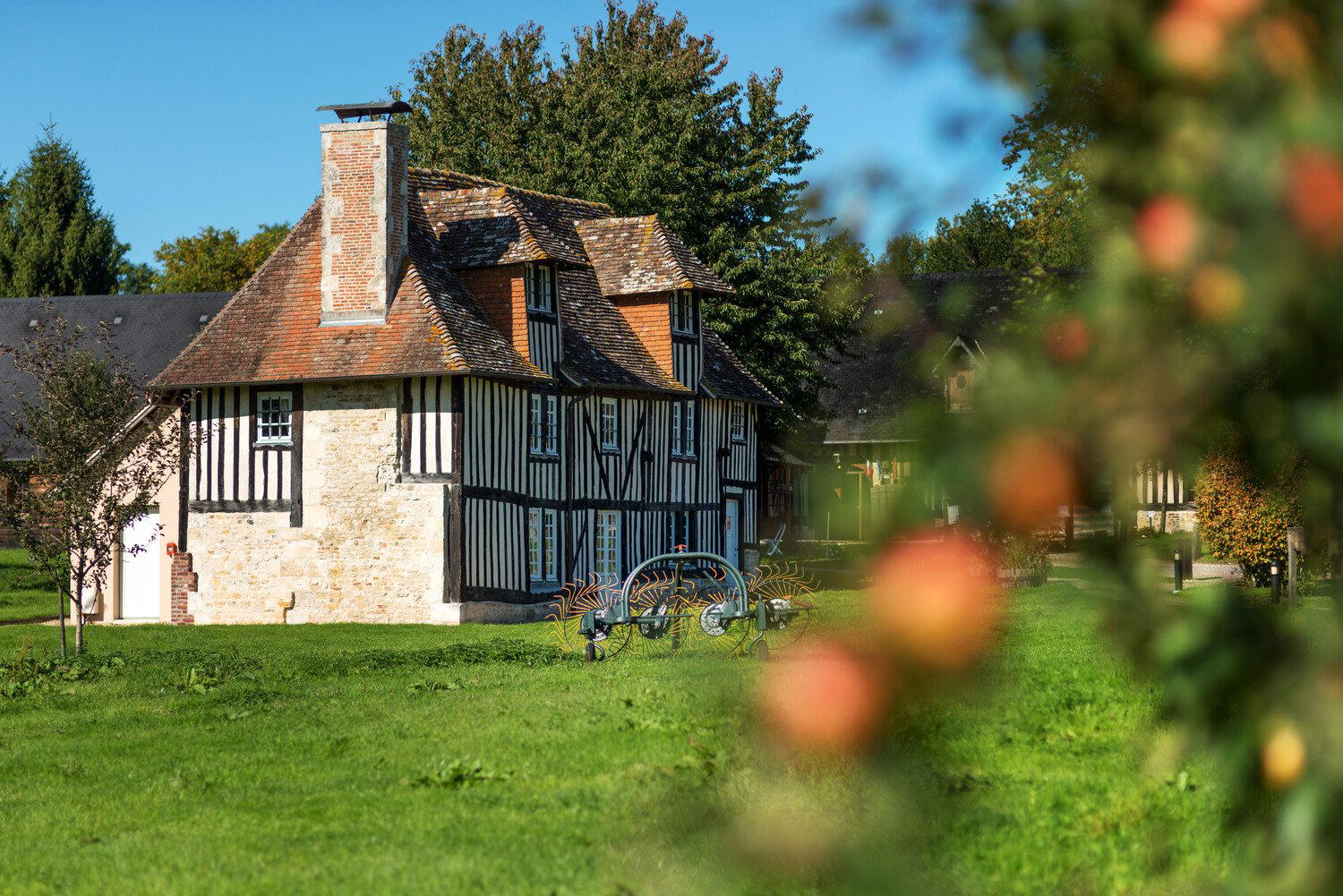
Details
- Modern
- Cozy
- Elegant
- Date Night
- Casual Hangout
- Rooftop
- Terrace
- Sake Program
- Craft Cocktails
- A La Carte
- Vegan Options
- Vegetarian Friendly
Current opening hours
- Monday
- Closed
- Tuesday
- 12–2 PM, 7–10 PM
- Wednesday
- Closed
- Thursday
- 12–2 PM, 7–10 PM
- Friday
- 12–2 PM, 7–10:45 PM
- Saturday
- 12–2:30 PM, 7–10:45 PM
- Sunday
- 12–2 PM, 7–10 PM
Hours can change for holidays and private events. Hours as of .
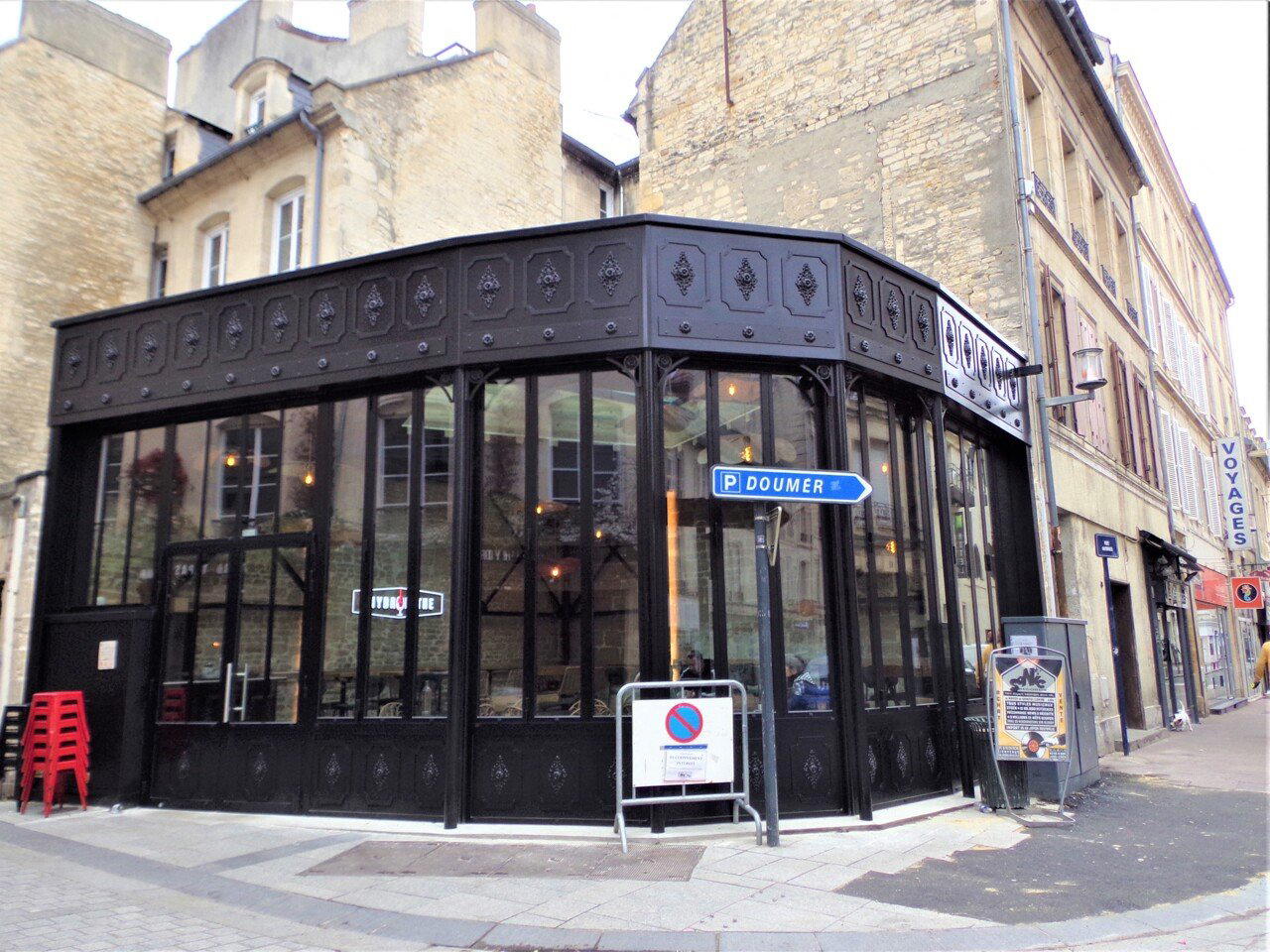
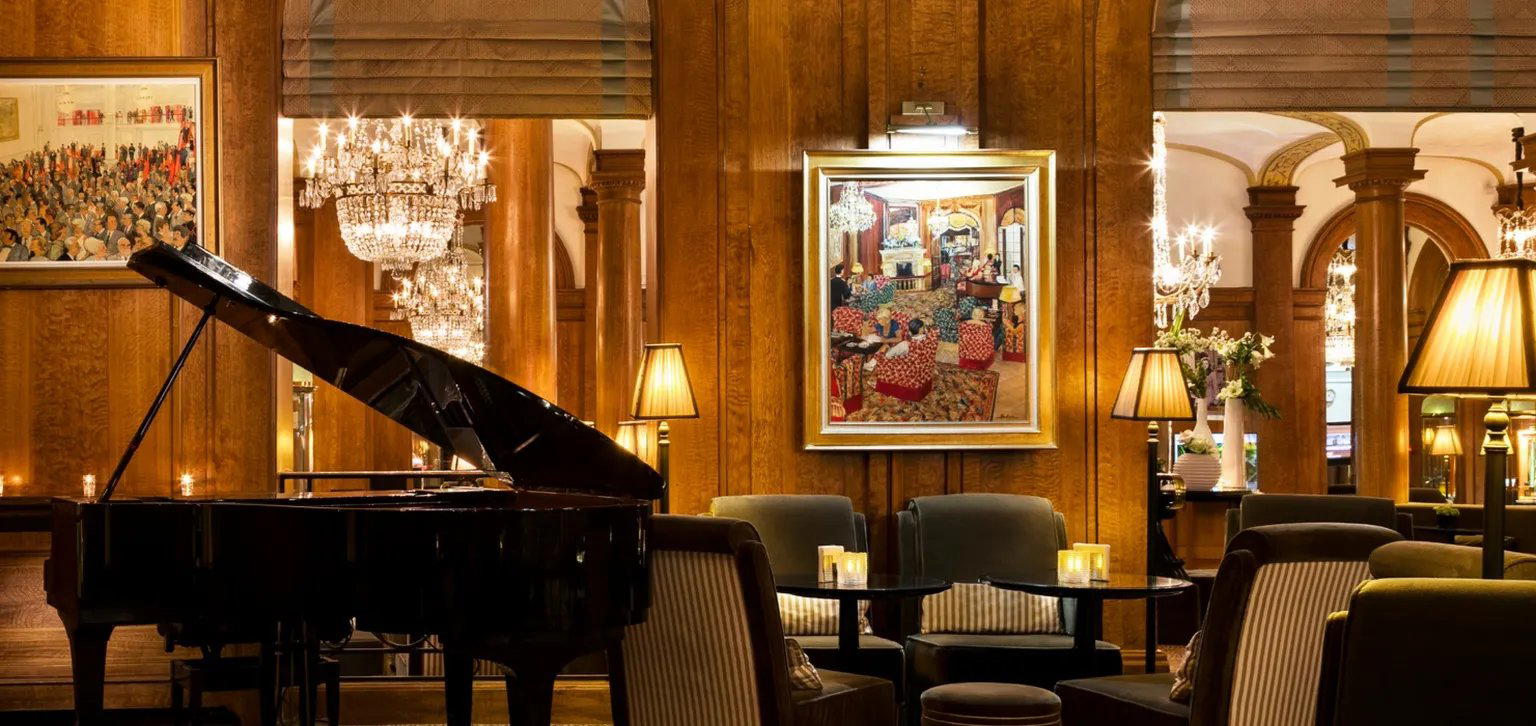
Serene and modern interior decorated with plants, cozy terrace, and surprising rooftop.