im Stadl
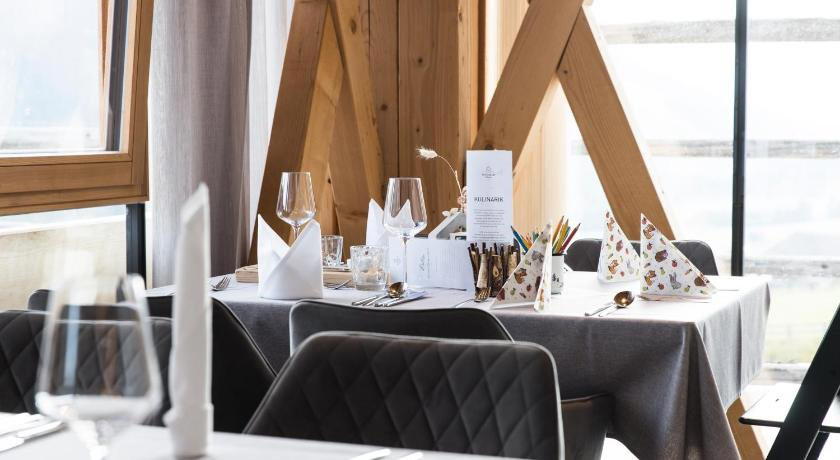
im Stadl sits in Nußdorf-Debant in Austria's East Tyrol, a region where the sourcing conversation is shaped by altitude, season, and proximity to some of the country's most closely managed alpine terrain. The restaurant occupies a traditional Stadl — a converted agricultural barn — and operates in a part of Austria where farm-to-table is less a marketing position than a structural reality of daily kitchen life.
Pearl is the En Primeur Club membership app — saves, bookings, and concierge access live there. Same editors, same standards.
- Address
- Toni Egger-Straße 28a, 9990 Nußdorf-Debant, Austria
- Phone
- +43485267727
- Website
- imstadl.at
- Directions
- Get directions
 Saves & bookings on Pearl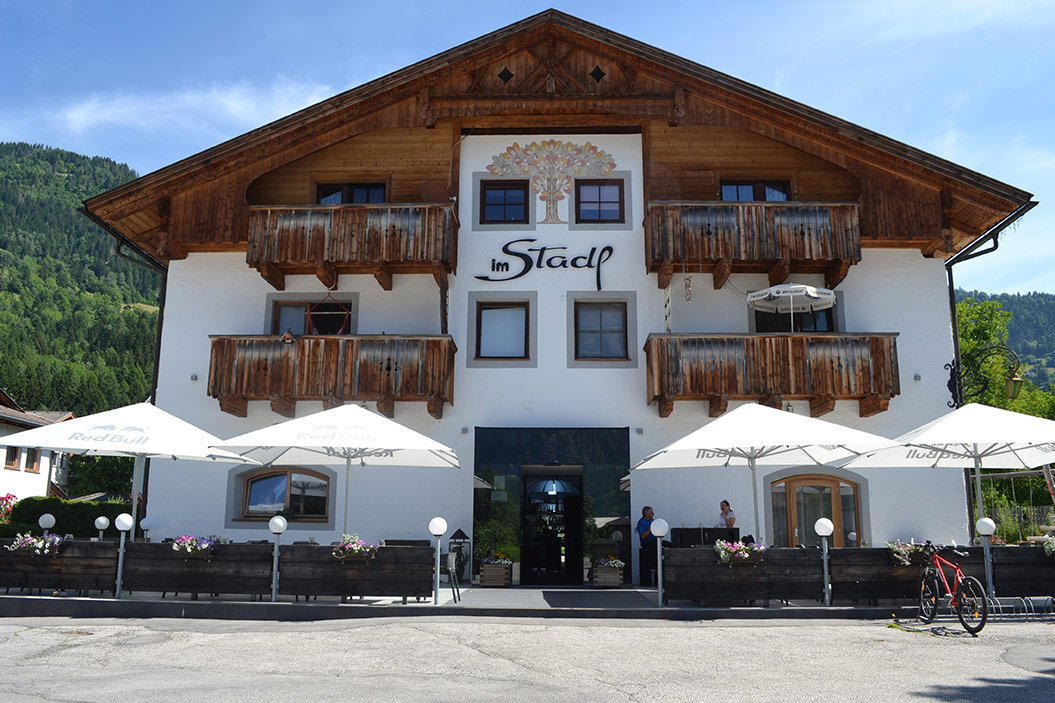
East Tyrol's Sourcing Geography and What It Means at the Table
Austria's restaurant scene has long split between the metropolitan polish of Vienna — where places like Steirereck im Stadtpark have turned Austrian produce into a fine-dining argument — and a quieter, more regionally embedded tradition that operates far from the awards circuit. East Tyrol sits firmly in the second category. The region is geographically isolated in ways that shape what ends up on a plate: bordered by the Hohe Tauern range to the north and connecting to Italy's South Tyrol to the south, it operates with a sourcing radius that is narrow by necessity and rich by consequence. Mountain dairy, slow-raised livestock, river fish, and foraged material from high-altitude terrain define what local kitchens can realistically build around across a compressed growing season.
im Stadl, on Toni Egger-Straße in Nußdorf-Debant, sits inside this tradition. The address places it in a small market town that serves as the commercial centre of the Isel Valley, approximately ten kilometres from Lienz, the regional capital. Arriving from Lienz, the shift from small-city infrastructure to agricultural valley is immediate, roadside farms, timber yards, and the Isel river corridor make the sourcing context visible before you reach the door. The converted barn format, Stadl in Austrian German simply means a farm storage building, signals an alignment with that rural character rather than a departure from it.
The Barn Format as a Dining Tradition
Converted agricultural structures have become a recognisable format across Austrian and German-speaking alpine dining. The appeal is partly atmospheric and partly structural: thick timber framing, natural insulation, and proportions designed for storage rather than hospitality create a room that reads differently from a purpose-built restaurant.
In East Tyrol specifically, the barn format carries additional weight. The region does not have the ski resort density of Arlberg or the cultural tourism pull of Salzburg, so restaurants here operate for a different audience mix: local regulars, hikers and cyclists working the Dolomites-adjacent trail network, and the smaller number of visitors who come specifically for the Hohe Tauern national park. That audience tends to respond to food that reflects the place rather than food that aspires to somewhere else, which is the implicit contract that a Stadl setting establishes from arrival.
Alpine Sourcing: What the Region Actually Produces
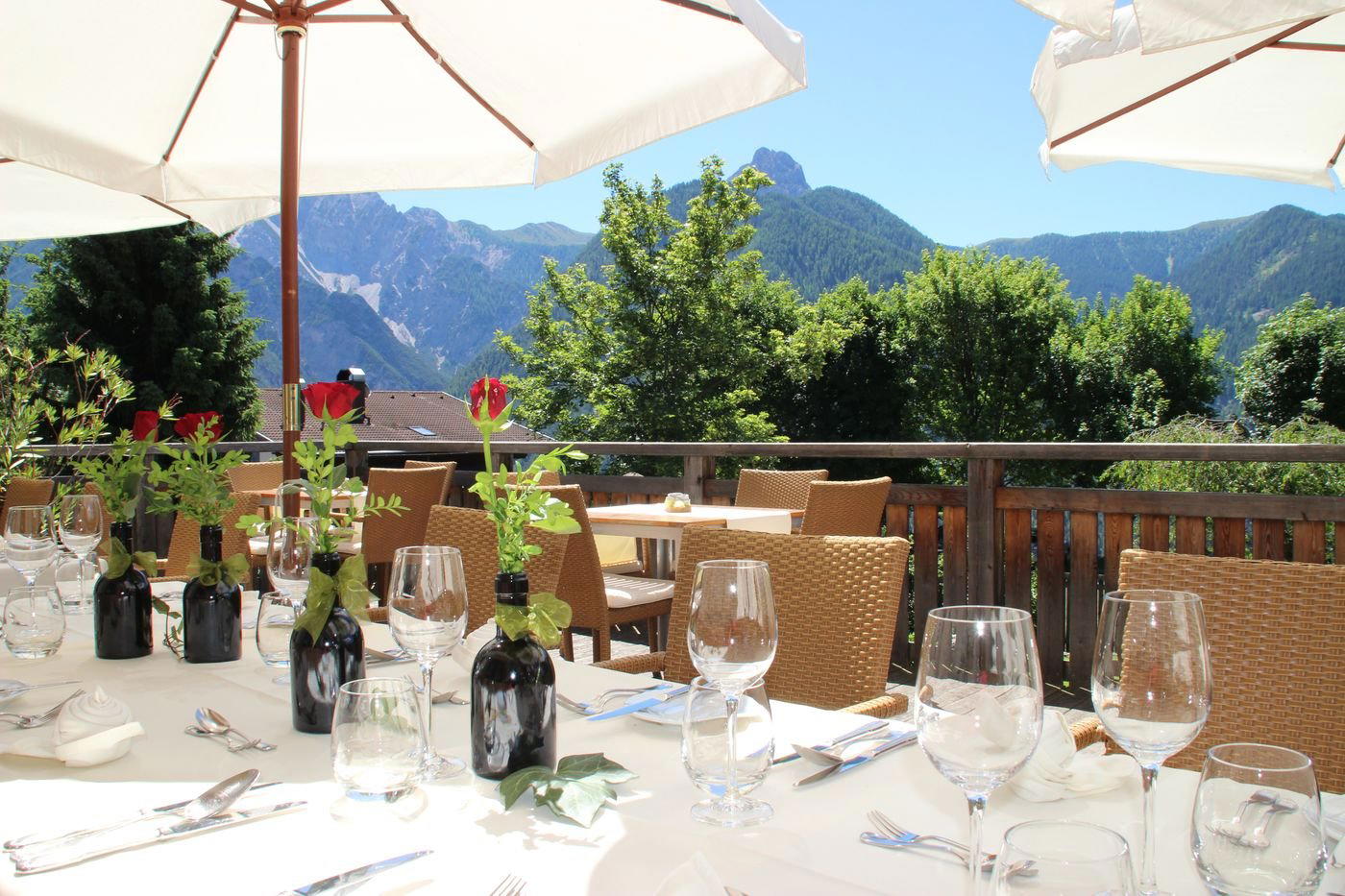
The ingredient story in East Tyrol is shaped by altitude and short summers. Pasture land above 1,000 metres produces milk with a fat and mineral character that distinguishes Tyrolean dairy from lowland equivalents, a distinction that matters when cheese, butter, and cream are structural elements of regional cooking rather than garnishes. Beef from high-altitude farms carries similar characteristics: slower growth, more exercise, different muscle density. The Isel and its tributaries support trout populations. Wild herbs and mushrooms from the surrounding terrain follow a compressed but intense season that runs from late spring through early autumn.
This is the sourcing geography that informs kitchens across the region, from farmhouse restaurants to the more ambitious addresses found in neighbouring Salzburg's orbit, such as Obauer in Werfen and Kräuterreich by Vitus Winkler in Sankt Veit im Pongau, both of which have built programmes explicitly around alpine botanical and agricultural material. In East Tyrol, the same material is available but the restaurant infrastructure to articulate it at the same level is thinner, which makes the venues that do engage seriously with local sourcing proportionally more significant within their area.
Where im Stadl Sits in the Regional Picture
Nußdorf-Debant does not carry the dining reputation of Lech, where Griggeler Stuba operates at the upper end of alpine gastronomy, or Ischgl, where Stüva serves a well-resourced ski tourism market. East Tyrol's restaurant scene is defined more by its functional relationship to local agricultural life than by its position within the awards or tourism economy. im Stadl operates in that register, a venue whose converted-barn setting and valley-town address place it closer to the working end of Austrian regional dining than to the destination fine-dining tier represented by places like Gourmetrestaurant Tannenhof in Sankt Anton am Arlberg or Ikarus in Salzburg.
That positioning is not a limitation, it reflects a different kind of authority. In regions where the supply chain is short and the agricultural calendar is visible from the dining room window, the question of what ends up on the plate is answered by geography and season rather than by a chef's sourcing philosophy articulated for a press release. The Tyrolean tradition of Wirtshauskultur, the inn-culture that blends eating, community, and regional produce into a format that is neither casual nor ceremonial, is the tradition im Stadl occupies, whatever its current kitchen programme looks like in detail.
For visitors approaching from Lienz or arriving via the Felbertauern road corridor, im Stadl functions as a locally embedded option in a town that lacks the restaurant density of larger alpine centres. The practical consideration for visitors is timing: East Tyrol's hospitality businesses follow an alpine seasonal pattern, with reduced operations or closures between the main summer hiking season and the winter shoulder period. Confirming opening dates and current hours directly with the venue before travelling is standard practice for this part of Austria.
For a broader orientation to dining in the valley and region, our full Nußdorf-Debant restaurants guide maps the options across price tiers and formats. Those with a wider appetite for Austrian regional cooking across different landscapes might also consider Ois in Neufelden, Schwarzer Adler in Hall in Tirol, or Atelier Fischer in Sankt Gilgen, each working a distinct regional tradition with a different relationship to local ingredients. For those curious about how alpine sourcing principles translate to international contexts, the contrast with destination restaurants like Le Bernardin in New York City or Atomix is instructive: at that level, provenance is a programme choice; in East Tyrol, it is closer to a constraint that the leading kitchens have learned to work with rather than around. The difference in how that constraint reads on the plate is one of the more honest arguments for eating in places like Nußdorf-Debant.
A Quick Peer Check
| Venue | Cuisine | Price | Awards |
|---|---|---|---|
| im StadlThis venue — the venue you are viewing | This venue | Not listed | Not listed |
| Steirereck im Stadtpark | Creative | €€€€ | Michelin 3 Star |
| Döllerer | Contemporary Austrian, Innovative | €€€€ | Michelin 2 Star |
| Ikarus | Modern European, Creative | €€€€ | Michelin 2 Star |
| Konstantin Filippou | Modern European, Modern Cuisine | €€€€ | Michelin 2 Star |
| Landhaus Bacher | Austrian, Classic Cuisine | €€€€ | Michelin 2 Star |
Continue exploring
More in Nußdorf-Debant
Restaurants in Nußdorf-Debant
Browse all →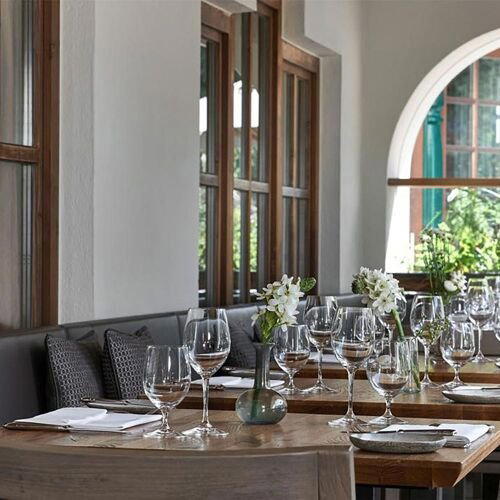
Bars in Nußdorf-Debant
Browse all →
Hotels in Nußdorf-Debant
Browse all →
Wineries in Nußdorf-Debant
Browse all →
At a Glance
- Rustic
- Cozy
- Special Occasion
- Date Night
- Standalone
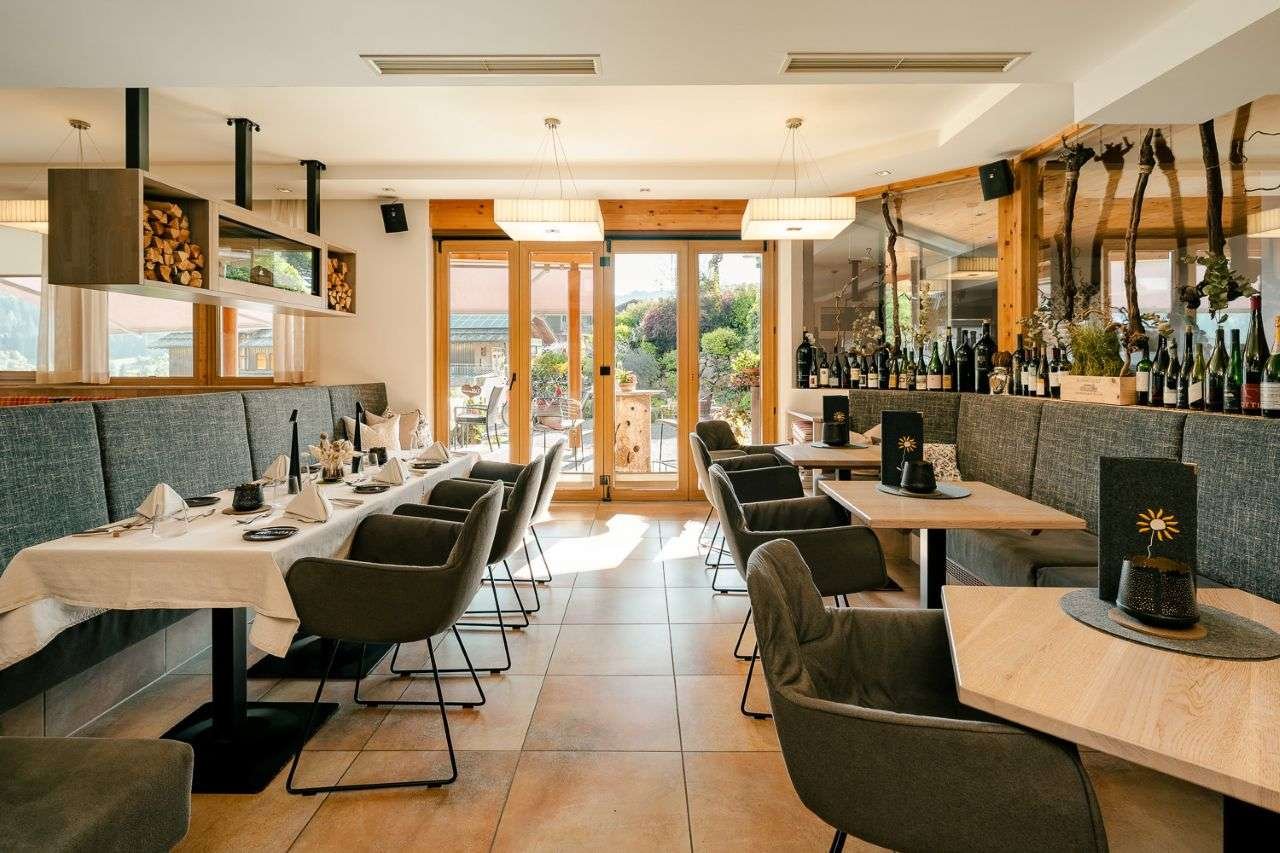
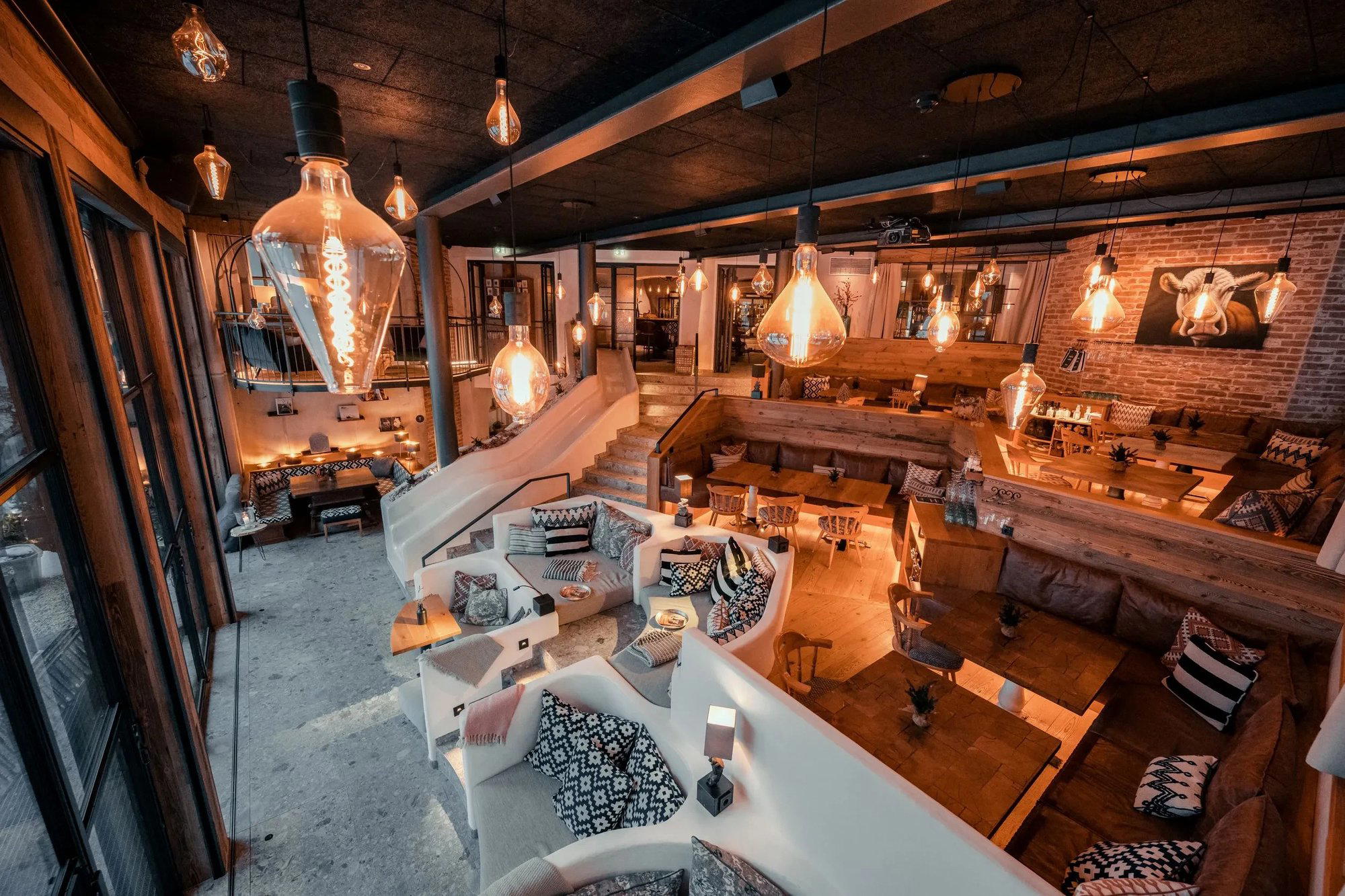
Cozy and rustic atmosphere with gepflegte Osttiroler Gastlichkeit, warm lighting, and a gemütliche ambiance praised by guests.