Doost & Amici - Flavorful Dishes of Iran to Italy
On Kennington Lane in south London, Doost & Amici brings together the culinary traditions of Iran and Italy under one roof, a combination that remains genuinely rare on the London dining scene. The name itself signals the premise: 'doost' means friend in Farsi, 'amici' in Italian, and the menu follows that dual logic throughout. For SE11, it represents one of the more architecturally interesting menus in the neighbourhood.
Pearl is the En Primeur Club membership app — saves, bookings, and concierge access live there. Same editors, same standards.
- Address
- 205, 209 Kennington Ln, London SE11 5QS, United Kingdom
- Phone
- +442037596985
- Website
- amici-london.com
- Directions
- Get directions
 Saves & bookings on Pearl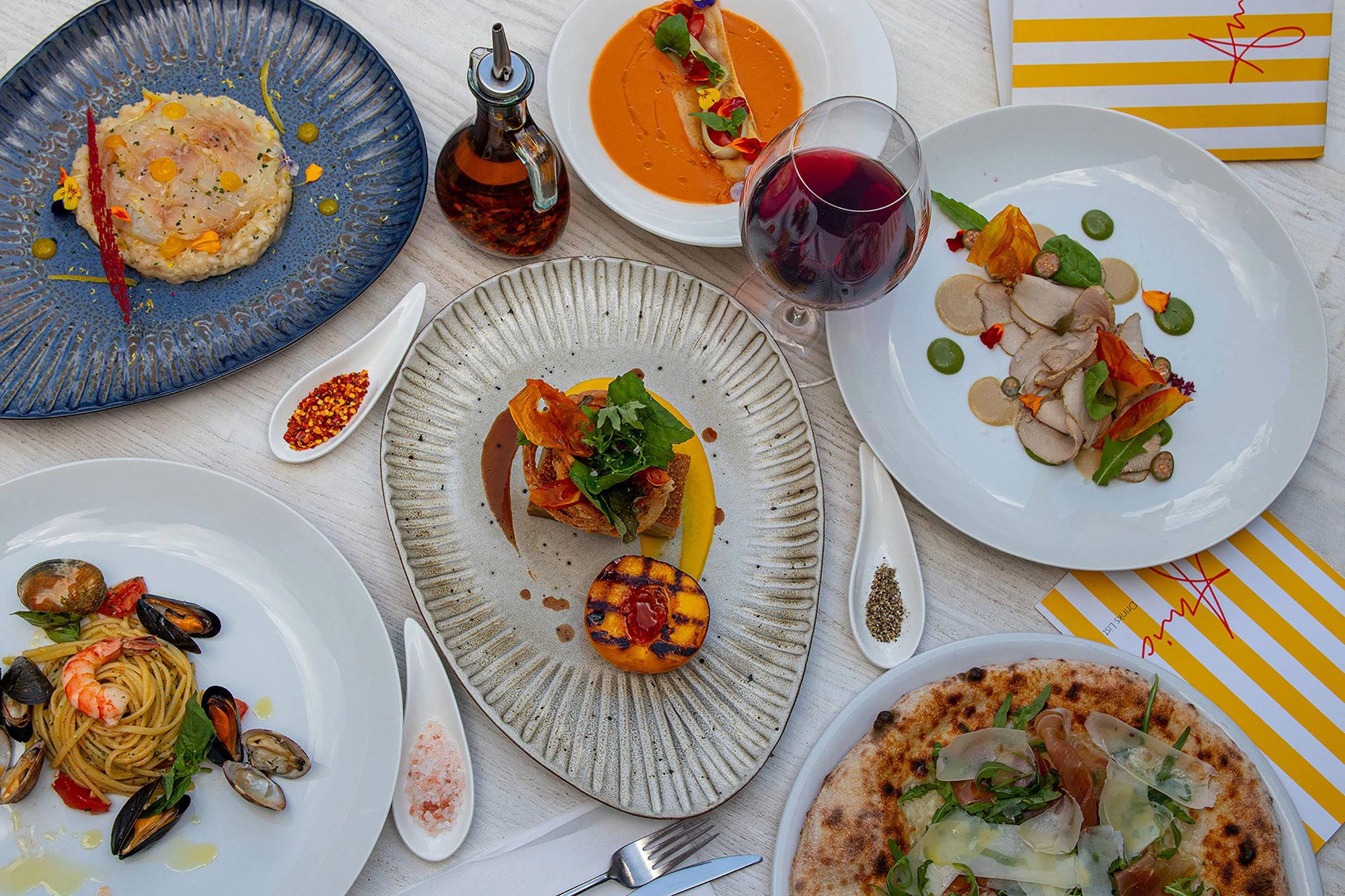
Where Kennington Meets the Question of What a Menu Can Do
Kennington and the surrounding SE11 corridor, long overshadowed by Brixton to the south and Waterloo to the north, has developed a quieter but increasingly confident food identity, one built less on destination restaurants than on independent operators willing to take format risks. Doost & Amici, at 205 to 209 Kennington Lane, sits in that context: a restaurant whose name alone announces a structural ambition that most London kitchens would sidestep entirely.
The pairing of Iranian and Italian cuisine is not a fusion exercise in the blurring sense. These are two culinary traditions with their own internal logic, Persian cooking shaped by saffron, dried limes, pomegranate, and slow-braised proteins; Italian cooking anchored in regional specificity, acidity, and restrained fat. The interest, on a menu that holds both, lies in how that contrast is managed: whether the two traditions run in parallel, or whether the kitchen attempts genuine crossover at the ingredient level.
The Architecture of a Dual-Tradition Menu
Menu architecture is among the more diagnostic tools a critic has. How a restaurant organises its food, which dishes lead, how sections are labelled, where the kitchen's confidence is concentrated, reveals more about culinary intent than any press note. At Doost & Amici, the structural decision to hold Iran and Italy as named reference points in the restaurant's own title commits the kitchen to a position. That is a harder editorial stance than simply calling the food 'Mediterranean' or 'Middle Eastern-influenced.'
Iranian cuisine operates on a fundamentally different flavour grammar than Italian. The Persian kitchen prizes slow cooking, aromatic layering through dried herbs and fermented agents, and a sweet-sour balance that Italian cooking reaches only occasionally, in agrodolce preparations or in the cooking of Sicily, where Arab culinary influence has historically been strongest. That Sicilian thread is one of the few places where the two traditions genuinely share ancestral ground, and any kitchen working across both cuisines has a natural bridge there.
Italian cooking, for its part, brings structural discipline: the logic of pasta as a vehicle for sauce, the primacy of regional identity, the restraint of letting a single good ingredient carry a dish. When that discipline is applied to Persian flavour profiles, saffron used to colour a risotto-style preparation, or dried lime worked into a braise that references both ghormeh sabzi and the slow ragù tradition, the result is either a compelling synthesis or a category error. The kitchen's choices on this question define whether Doost & Amici operates as a genuinely bicultural menu or a theme.
In London's broader context, few restaurants have attempted to hold Persian and Italian cooking as co-equal references rather than using one as a flavour accent for the other. The city has strong Persian restaurants, concentrated historically in the Kensington and Earl's Court areas, and its Italian dining has expanded well beyond the red-sauce trattoria tier, with serious regional Italian cooking now spread across multiple neighbourhoods. But the combination, as a stated menu premise, is rare enough to register as a genuine format experiment.
Kennington Lane and the SE11 Setting
The address itself carries meaning. Kennington Lane runs through a part of south London that functions differently from the neighbourhoods that tend to draw restaurant press. There is no single 'dining street' here in the way Exmouth Market or Bermondsey Street operate; instead, independent restaurants surface along residential stretches, serving a local population that has grown more food-aware as the area has gentrified incrementally. For a restaurant with an ambitious cross-cultural menu premise, this setting cuts both ways: it removes the pressure of destination-restaurant theatre, but it also means the room earns its audience through word of mouth and repeat visits rather than tourist or critic traffic.
CORE by Clare Smyth, Restaurant Gordon Ramsay, Sketch, The Lecture Room and Library, The Ledbury, and Dinner by Heston Blumenthal operate at the ££££ tier, with tasting menus, formal service structures, and institutional recognition behind them. Doost & Amici operates on different terms entirely, neighbourhood scale, independent ownership, and a menu premise that is interesting precisely because it has not been institutionally validated yet.
For readers who follow the broader UK fine dining circuit, from Waterside Inn in Bray and L'Enclume in Cartmel to Moor Hall in Aughton, Gidleigh Park in Chagford, Hand and Flowers in Marlow, hide and fox in Saltwood, Midsummer House in Cambridge, Opheem in Birmingham, Ynyshir Hall in Machynlleth, or Restaurant Andrew Fairlie in Auchterarder, Doost & Amici represents a different category of interest: not formal excellence, but format curiosity.
Comparable Options
Comparable venues nearby, for context on price, style, and recognition.
| Venue | Cuisine | Price | Notes |
|---|---|---|---|
| Doost & Amici - Flavorful Dishes of Iran to ItalyThis venue — the venue you are viewing | Persian-Italian Fusion | $$ | Not listed |
| Arcade Food Hall | Global Street Food & International Cuisines | $$ | Holborn |
| Twenty Eight Fifty | Modern European Wine Bar | $$ | Holborn |
| Incognico | Dining | Not listed | St Giles |
| London Bridge Rooftop | American Street Food Burgers | $$ | River Thames |
| Il Cucciolo | Traditional Italian Trattoria | $$ | St Giles |
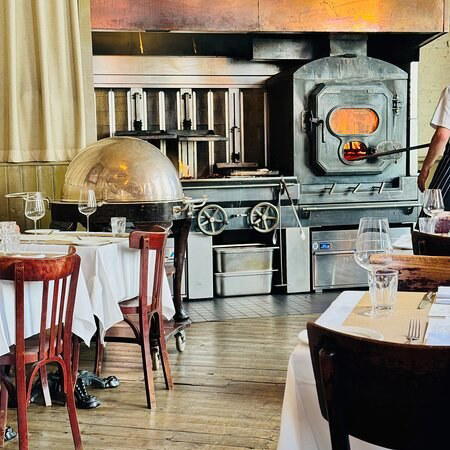
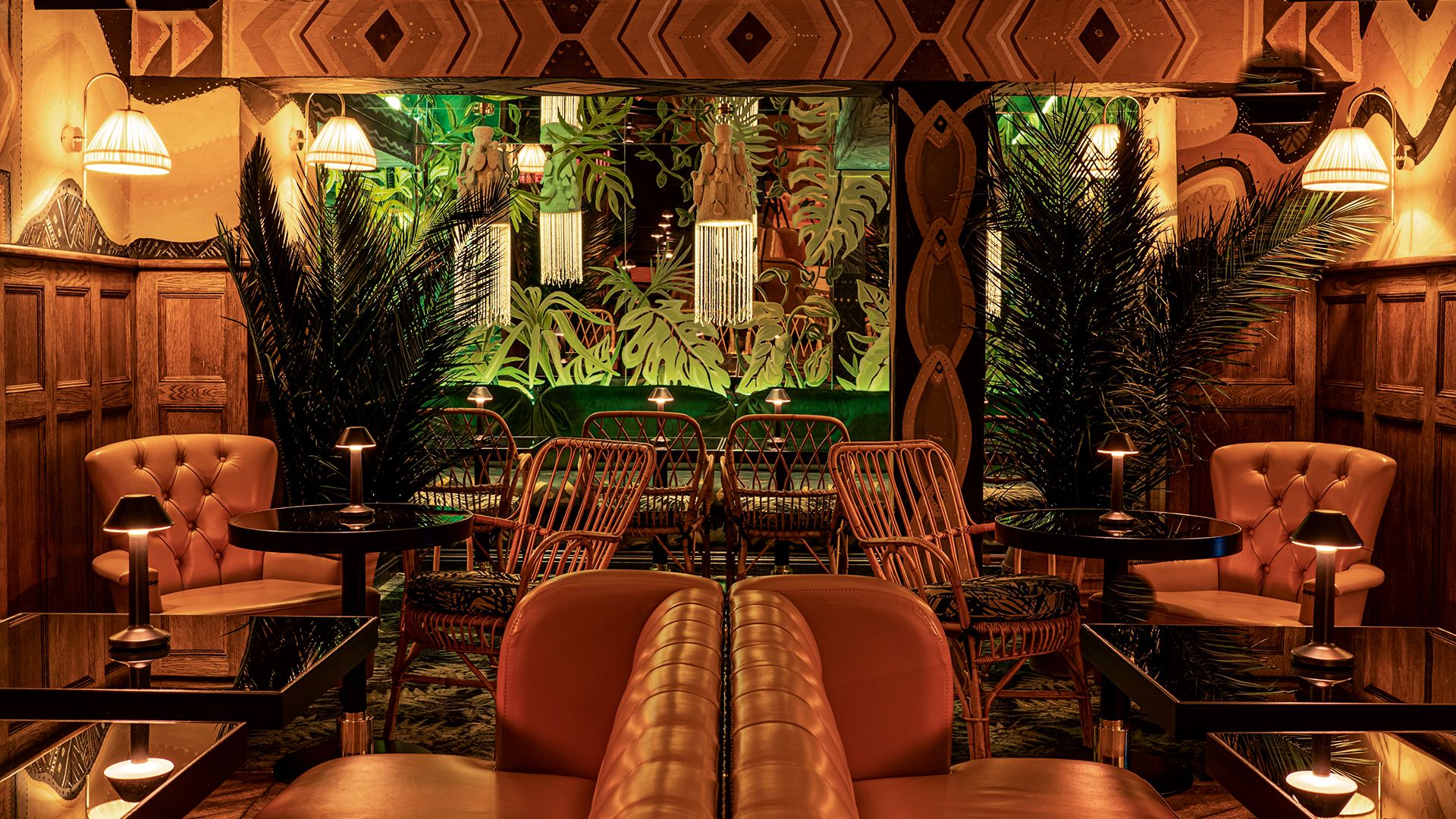
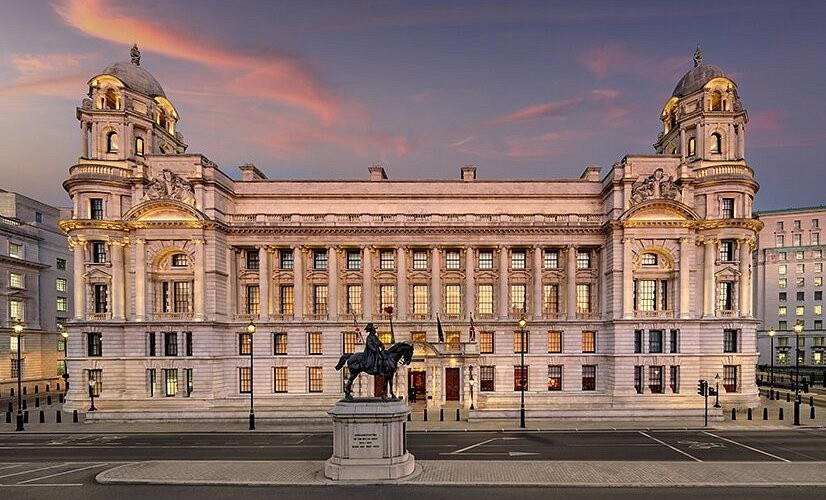
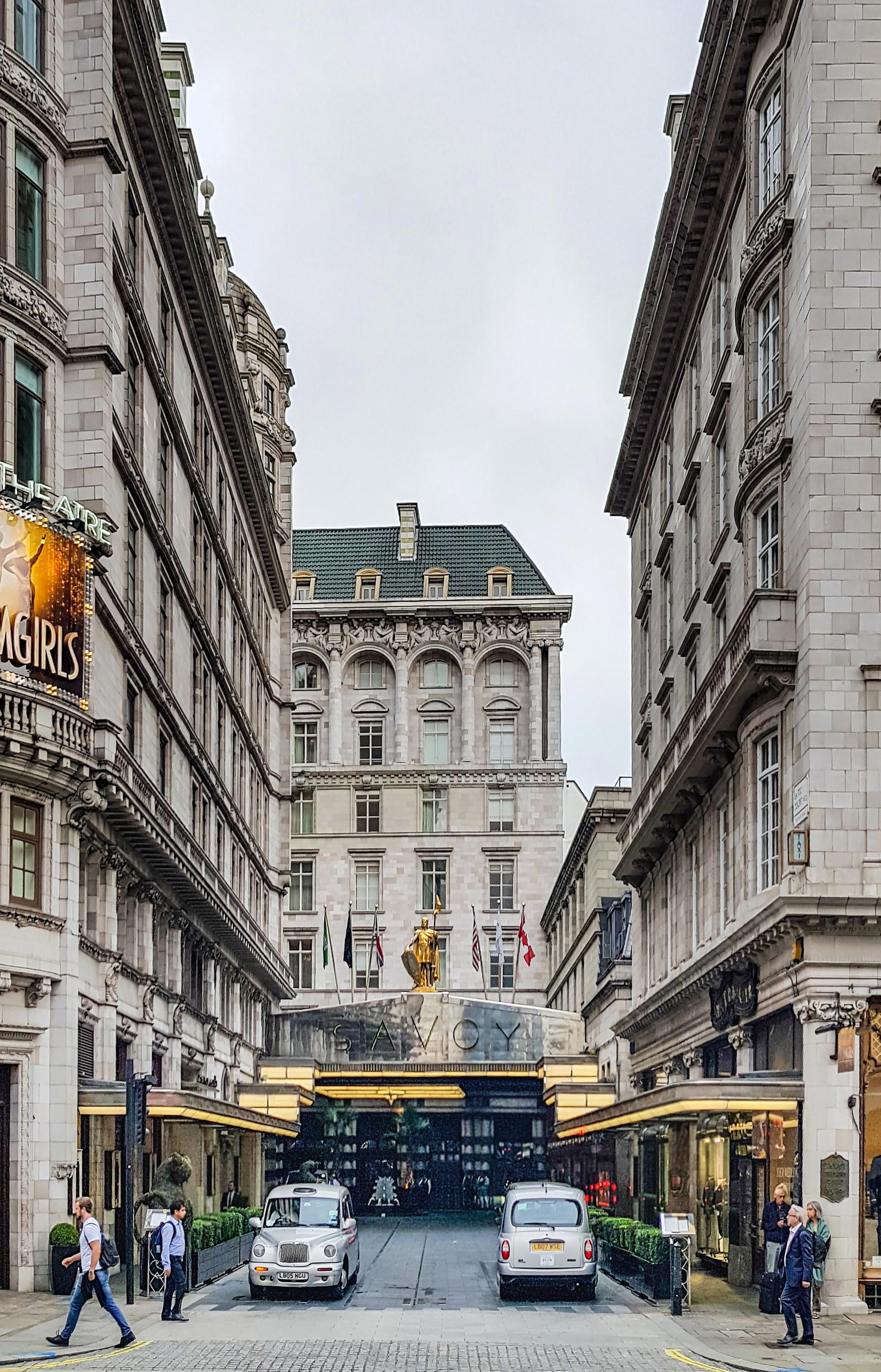

At a Glance
- Cozy
- Intimate
- Lively
- Group Dining
- Date Night
- Casual Hangout
- Courtyard
- Open Kitchen
- Craft Cocktails
- Garden
Current opening hours
- Monday
- Closed
- Tuesday
- Closed
- Wednesday
- 11:30 AM–3 PM, 5:30–10 PM
- Thursday
- 11:30 AM–3 PM, 5:30–10 PM
- Friday
- 11:30 AM–3 PM, 5:30–10 PM
- Saturday
- 9:30 AM–3 PM, 5:30–10 PM
- Sunday
- 9:30 AM–4 PM
Hours can change for holidays and private events. Last verified .
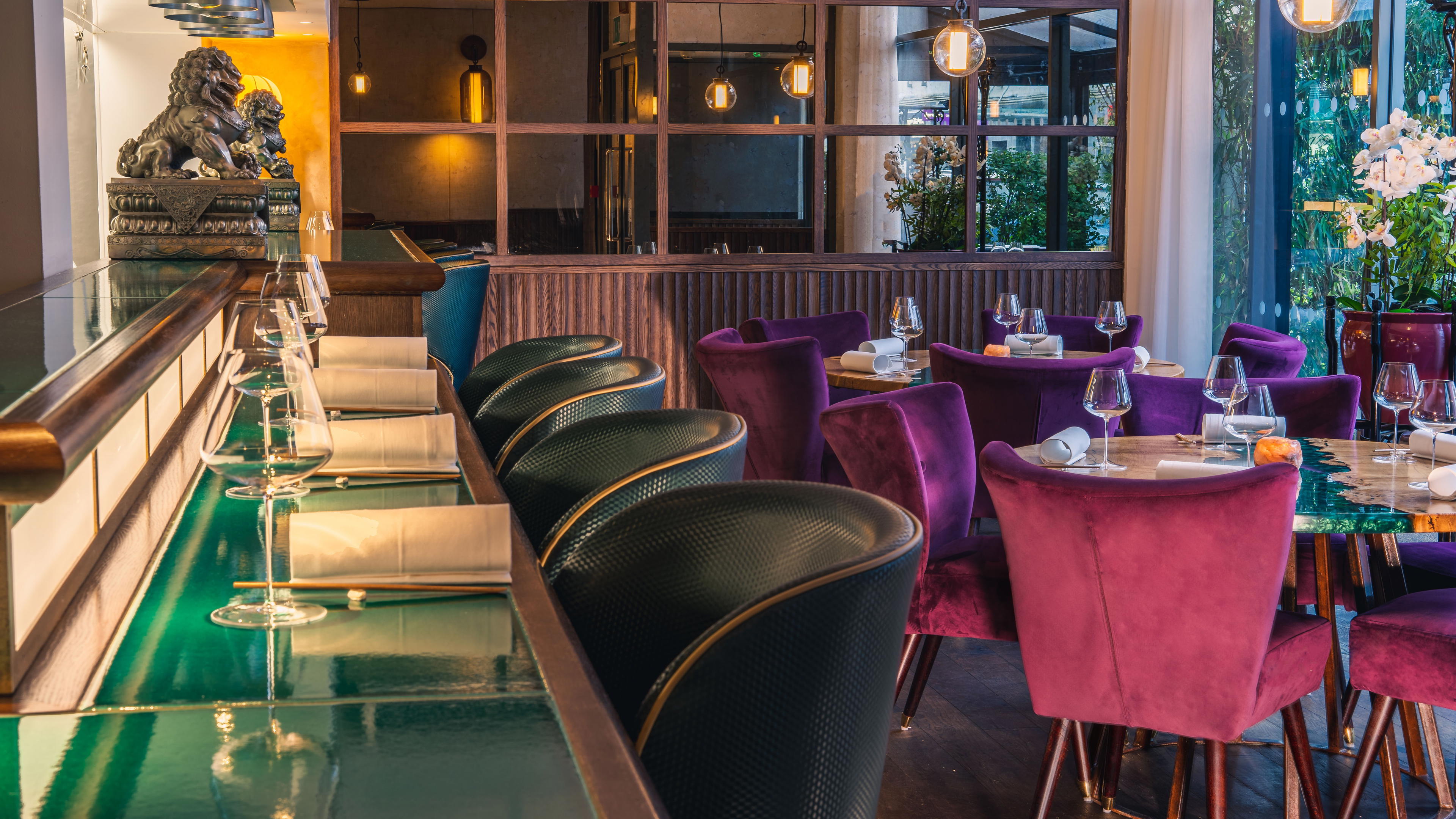
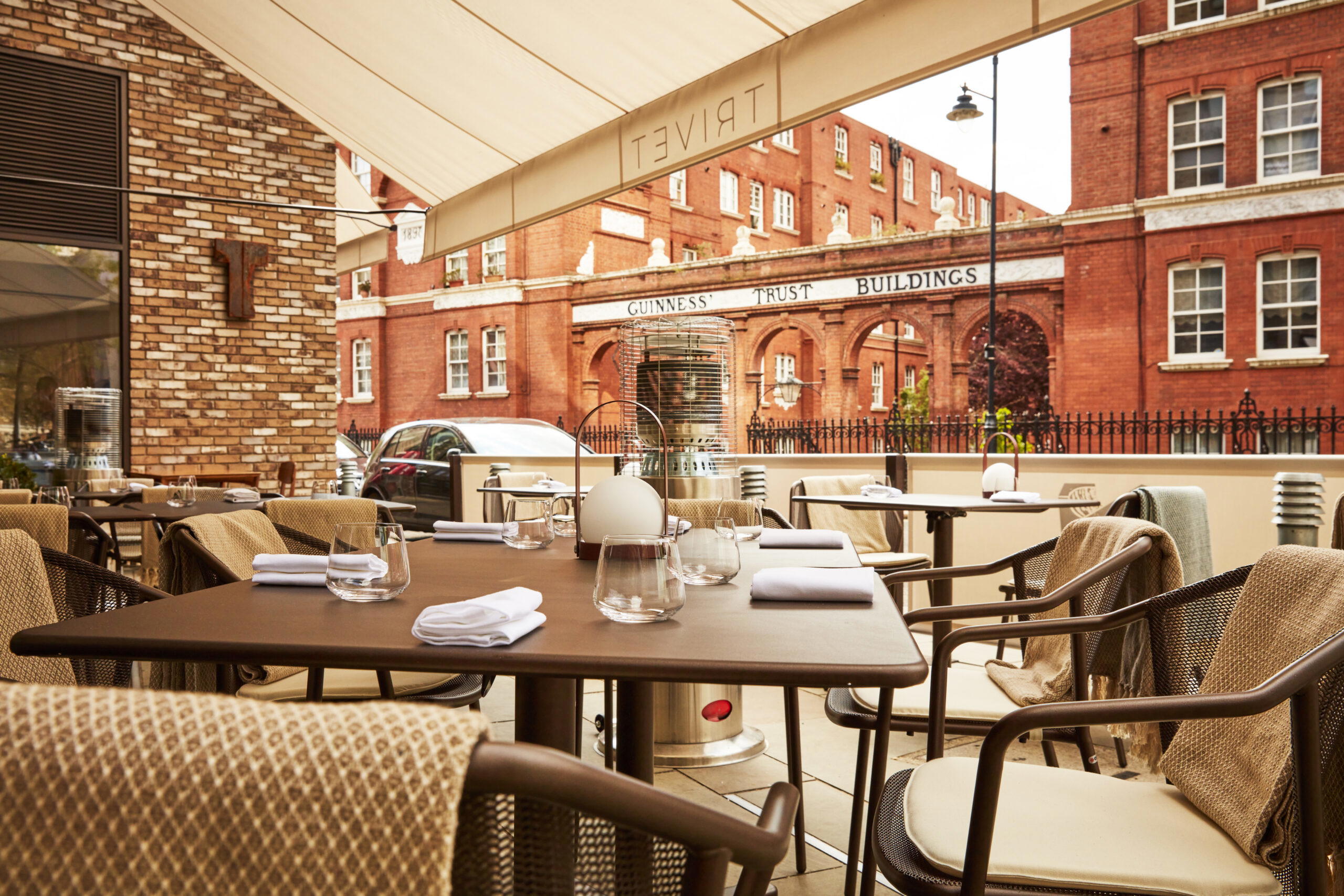
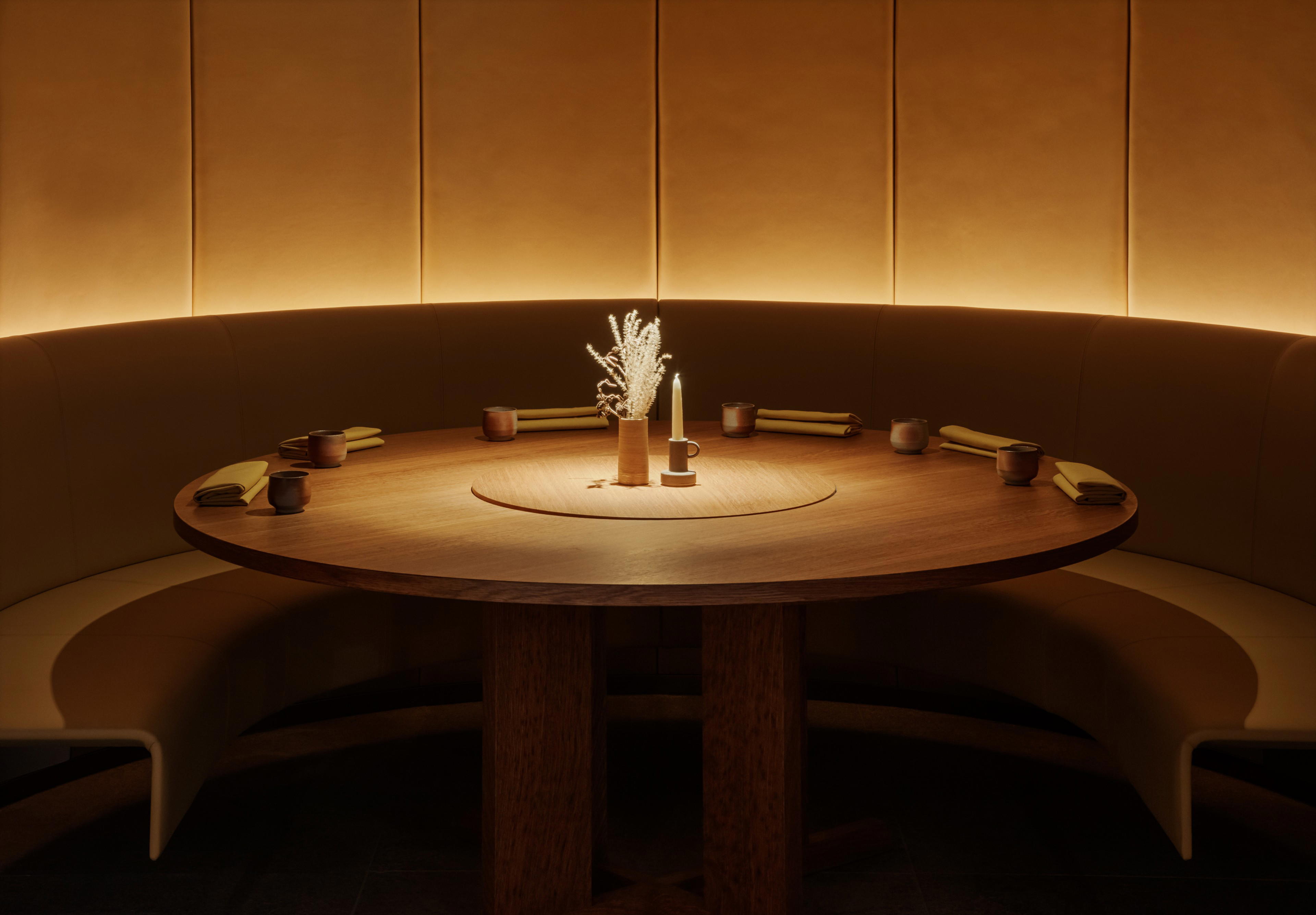
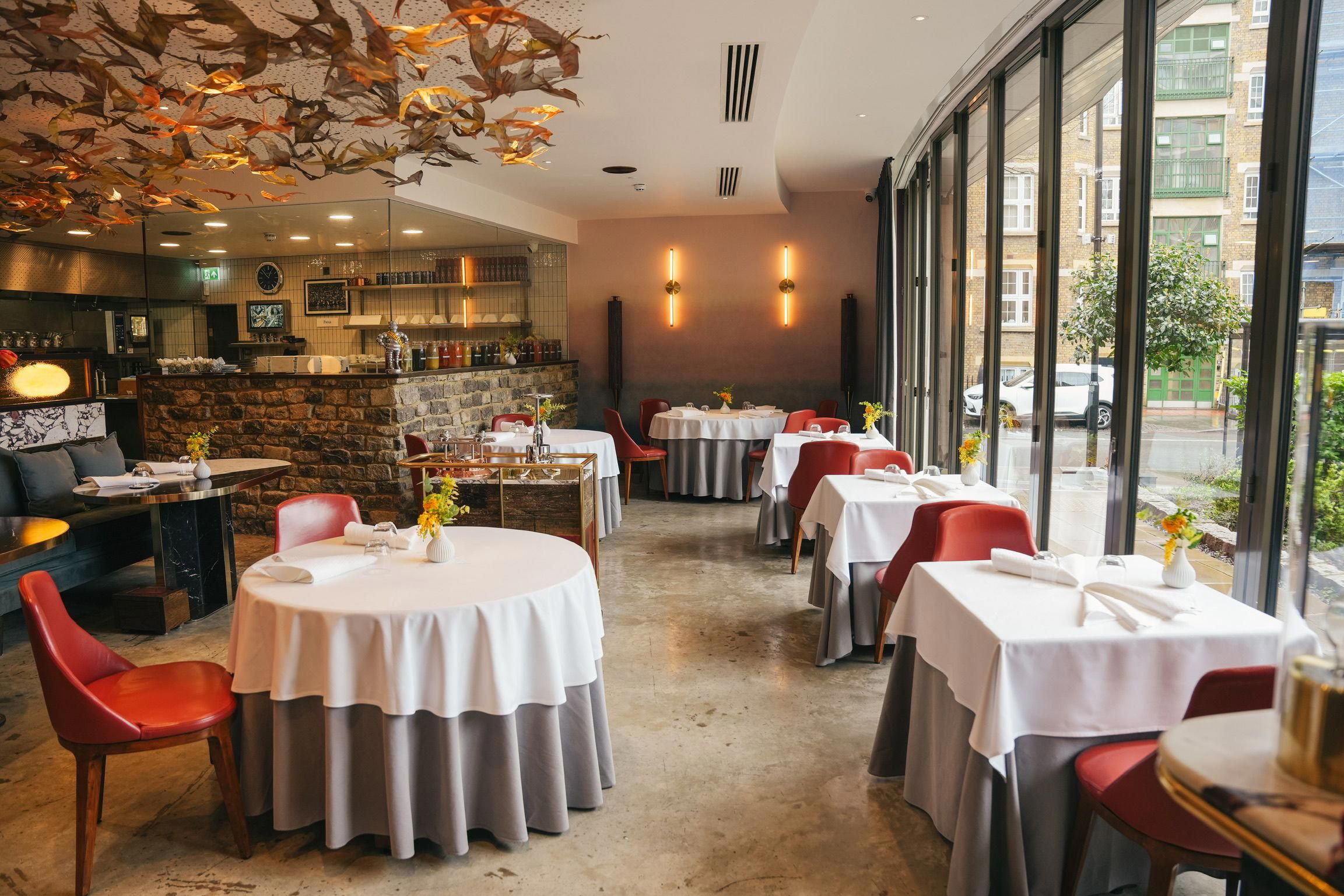
Warm, inviting atmosphere with candlelight glow, relaxed conversation hum, and soulful hospitality evoking a homey feel.