In a city built around Baroque grandeur and Austrian fine dining, Donna´s Thaiküche on Franz-Josef-Straße offers something the local restaurant scene rarely provides: a focused, uncompromising Thai kitchen operating far from the tourist circuit. The address places it within walking distance of the Altstadt, but the cooking logic pulls in a different direction entirely, toward Southeast Asian technique applied with the kind of ingredient discipline that Salzburg's alpine market culture makes possible.
Pearl is the En Primeur Club membership app — saves, bookings, and concierge access live there. Same editors, same standards.
- Address
- Franz-Josef-Straße 16B, 5020 Salzburg, Austria
- Phone
- +4369911985880
- Website
- thaikueche.at
- Directions
- Get directions
 Saves & bookings on Pearl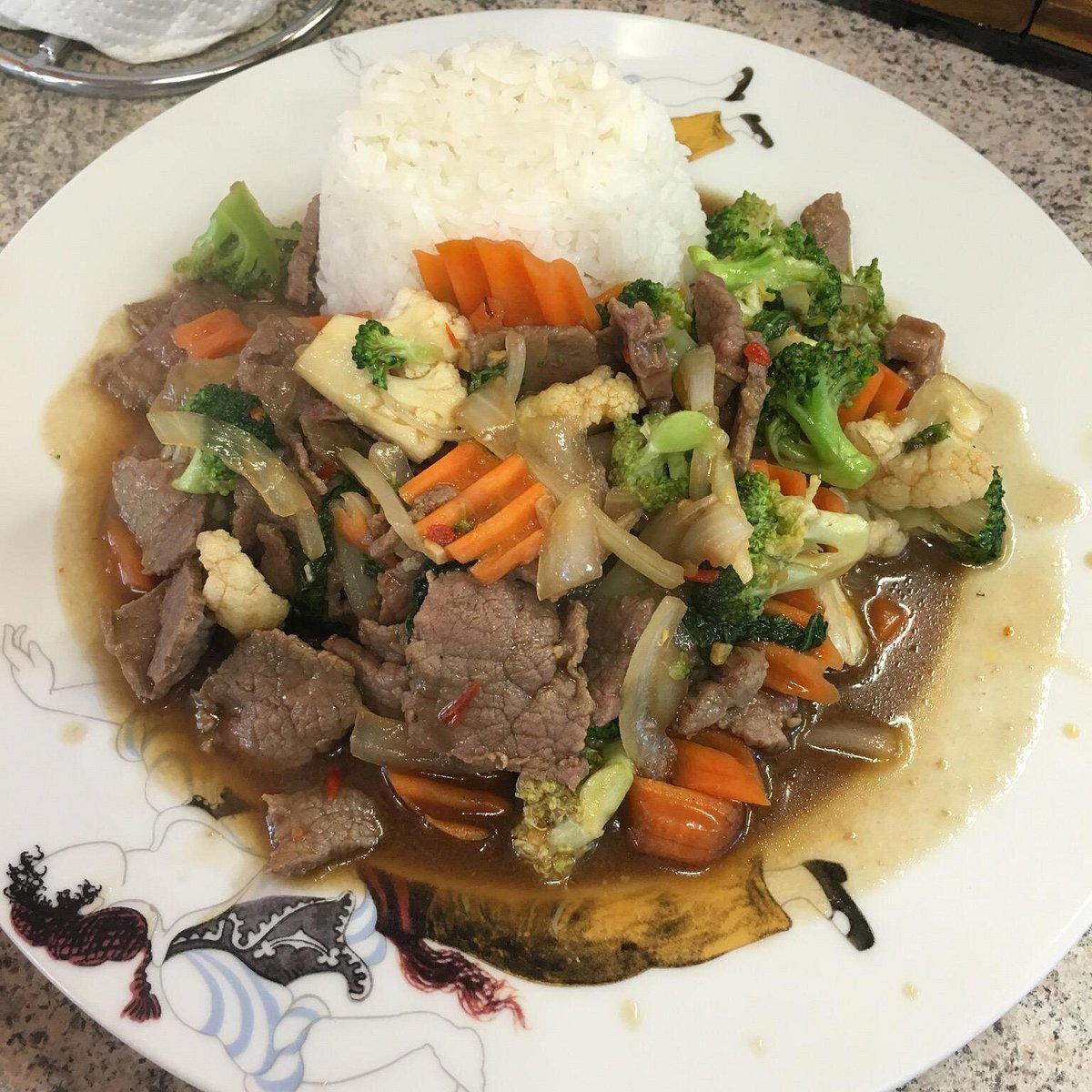
Thai Cooking in Alpine Context
Donna´s Thaiküche is an authentic Thai street food restaurant in Salzburg, Austria, at Franz-Josef-Straße 16B, 5020 Salzburg. Salzburg's dining identity is anchored in Austrian tradition. The restaurants that draw international attention here tend to be in the modern-European or creative-Austrian register: Ikarus rotates its guest-chef program through some of Europe's most decorated kitchens, Esszimmer applies contemporary technique to regional produce, and Pfefferschiff has long operated in the creative upper tier. Against that backdrop, a Thai kitchen on Franz-Josef-Straße represents a genuinely different proposition, not an anomaly to be explained away, but a category that functions by a separate logic entirely.
The broader pattern across European mid-sized cities is instructive. In places where the dominant culinary tradition is strong and well-funded, serious international cooking tends to occupy a quieter register. Instead, it carves out a loyal, repeat-visit audience that knows what it wants and returns for it. Donna´s Thaiküche fits that pattern. Franz-Josef-Straße 16B is not the address of a restaurant chasing visibility; it is the address of one that has found a specific audience and serves them consistently.
The Case for Southeast Asian Technique in Alpine Europe
Thai cuisine, applied seriously, is one of the more technically demanding cooking traditions in the world. The balance of sour, sweet, salty, and heat within a single dish requires a level of calibration that forgives little. What makes that challenge particularly interesting in a city like Salzburg is the ingredient question. Central Europe's alpine markets offer seasonal produce of considerable quality, summer herbs, autumn root vegetables, stone-fruit from the foothills, but the pantry foundations of Thai cooking (galangal, lemongrass, kaffir lime, fish sauce of the right grade, fresh Thai chillies) require sourcing discipline that most kitchens in this geography do not bother with.
The editorial angle worth examining here is not whether Thai food belongs in Salzburg, but whether the kitchen is making the right decisions about where to use local product and where to insist on the imported original. The restaurants that handle this intersection well tend to treat it as a principled position rather than a practical compromise. Across Europe, the Thai kitchens that attract serious attention operate on a similar axis: the technique and the flavour logic are non-negotiable, while the fresh seasonal element adapts to what the local market can credibly provide. That discipline separates the category from the generic Asian-fusion middle ground.
For broader context on how this kind of specialised cooking fits into Austria's wider restaurant scene, the approach taken at Steirereck im Stadtpark in Vienna, which treats Austrian ingredient specificity as an absolute, offers a useful counterpoint. At the other end of the country, Obauer in Werfen and Döllerer in Golling an der Salzach demonstrate how regional product can anchor a kitchen's entire identity. Donna´s Thaiküche is working from a different set of reference points, but the underlying question about ingredient integrity is the same.
Where It Sits in Salzburg's Dining Map
Franz-Josef-Straße runs parallel to the Salzach river and connects the Altstadt edge with the residential districts that most visitors do not reach. The address places Donna´s Thaiküche in a genuinely local neighbourhood context, away from the tourist-facing restaurant strip around Getreidegasse. That geography tends to self-select a particular kind of diner: the regulars who have made a deliberate choice rather than a walk-in decision based on proximity to the cathedral.
Within Salzburg's mid-market tier, this restaurant occupies space that Senns and The Glass Garden approach from different angles, both with a more experimental or creative-Austrian orientation. The Thai kitchen is not positioned as an alternative to the city's fine-dining circuit; it operates in a parallel register where the measure of quality is fidelity to a specific culinary tradition rather than innovation within the broader European fine-dining conversation. That is a meaningful distinction when choosing where to eat in a city where the starred and near-starred options are well-represented.
Internationally, the reference points for this kind of operation are restaurants like Lazy Bear in San Francisco, which built its reputation on a specific and consistent vision, or the discipline evident in technique-first kitchens like Le Bernardin in New York City, not in cuisine type, but in the underlying conviction that doing one thing with full commitment produces better results than covering more ground with less focus.
Seasonal Timing and the Alpine Calendar
Salzburg's restaurant year has two distinct peaks: the summer festival season, when the city's population effectively doubles around the Salzburger Festspiele, and the winter period when alpine tourism brings a different kind of visitor traffic. For a kitchen working with Southeast Asian flavours, both windows present different opportunities. Summer brings the local produce argument most clearly into focus, the fresh herb availability, the stone fruit, the market quality that alpine summers reliably deliver. Winter shifts the calculus toward the warming, aromatic register of Thai cooking, where galangal-heavy broths and slow-cooked preparations sit well against the cold.
Those extending their trip into the wider Alpine region will find further reference points at Kräuterreich by Vitus Winkler in Sankt Veit im Pongau, Ois in Neufelden, and further afield at Restaurant 141 by Joachim Jaud in Mieming, Gourmetrestaurant Tannenhof in Sankt Anton am Arlberg, Stüva in Ischgl, Schwarzer Adler in Hall in Tirol, and Landhaus Bacher in Mautern an der Donau, all operating in the serious Austrian register that makes the city's culinary region worth mapping carefully.
Planning Your Visit
The restaurant is located at Franz-Josef-Straße 16B, 5020 Salzburg. As with most neighbourhood restaurants of this type, verifying current hours and booking availability directly before visiting is advisable, particularly during the Festspiele season when the entire city's hospitality infrastructure operates under increased pressure. The restaurant is walk-in friendly and open Mon: 11 AM to 2 PM and 5 PM to 8:30 PM; Tue: 11 AM to 2 PM and 5 PM to 8:30 PM; Wed: 11 AM to 2 PM and 5 PM to 8:30 PM; Thu: 11 AM to 2 PM and 5 PM to 8:30 PM; Fri: 11 AM to 2 PM; Sat: closed; Sun: 12 PM to 8:30 PM.
Peers You’d Cross-Shop
Comparable venues nearby, for context on price, style, and recognition.
| Venue | Cuisine | Price | Notes |
|---|---|---|---|
| Donna´s ThaikücheThis venue — the venue you are viewing | Authentic Thai Street Food | $ | Not listed |
| Siam Thaiküche | Authentic Thai Street Food | $$ | Altmaxglan |
| my Indigo Europark | Asian Fusion Bowls & Healthy Fast Food | $$ | Taxham |
| The Heart of Joy | Vegetarian & Vegan Café | $$ | Neustadt |
| Balkan Grill Walter | Traditional Bosnian Grill | $ | Linke Altstadt |
| Rialto | Austrian Café with Ice Cream Specialties | $$ | Linke Altstadt |
At a Glance
- Casual
- Lively
- Casual Hangout
- Solo
- Standalone
Current opening hours
- Monday
- 11 AM–2 PM, 5–8:30 PM
- Tuesday
- 11 AM–2 PM, 5–8:30 PM
- Wednesday
- 11 AM–2 PM, 5–8:30 PM
- Thursday
- 11 AM–2 PM, 5–8:30 PM
- Friday
- 11 AM–2 PM
- Saturday
- Closed
- Sunday
- 12–8:30 PM
Hours can change for holidays and private events. Last verified .
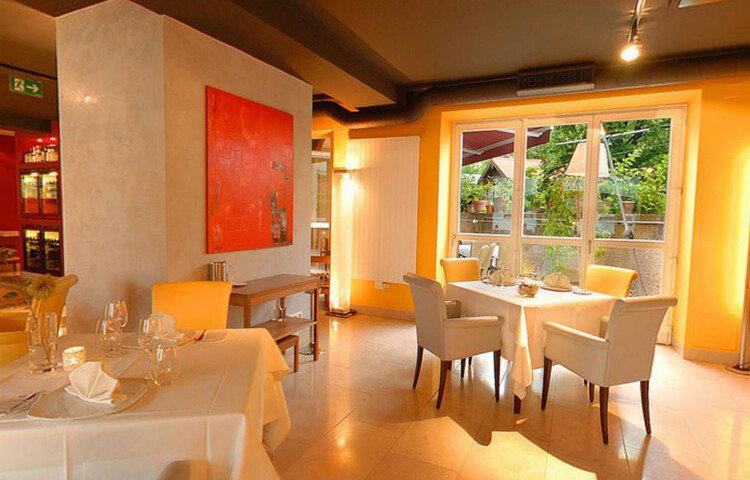
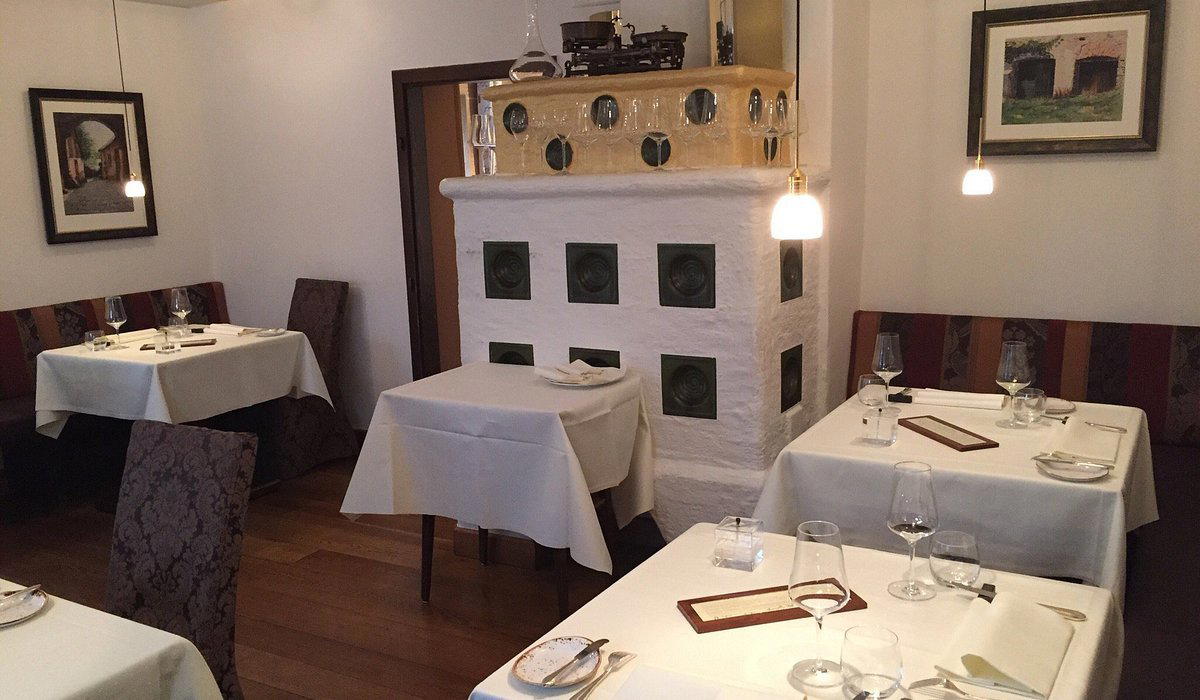
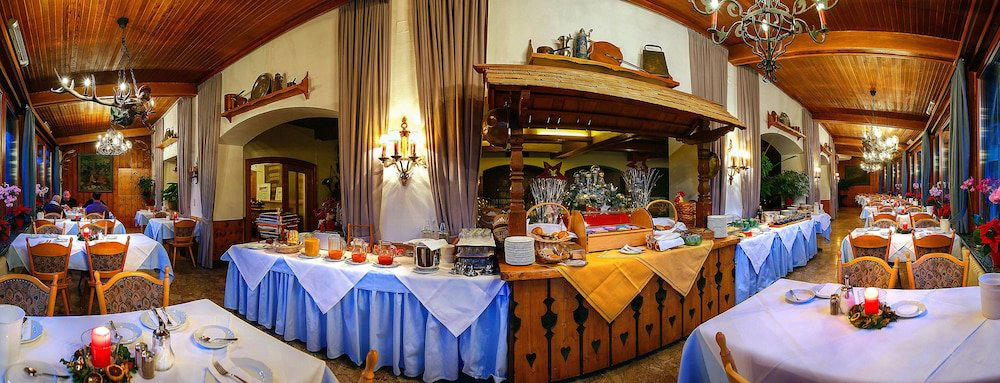
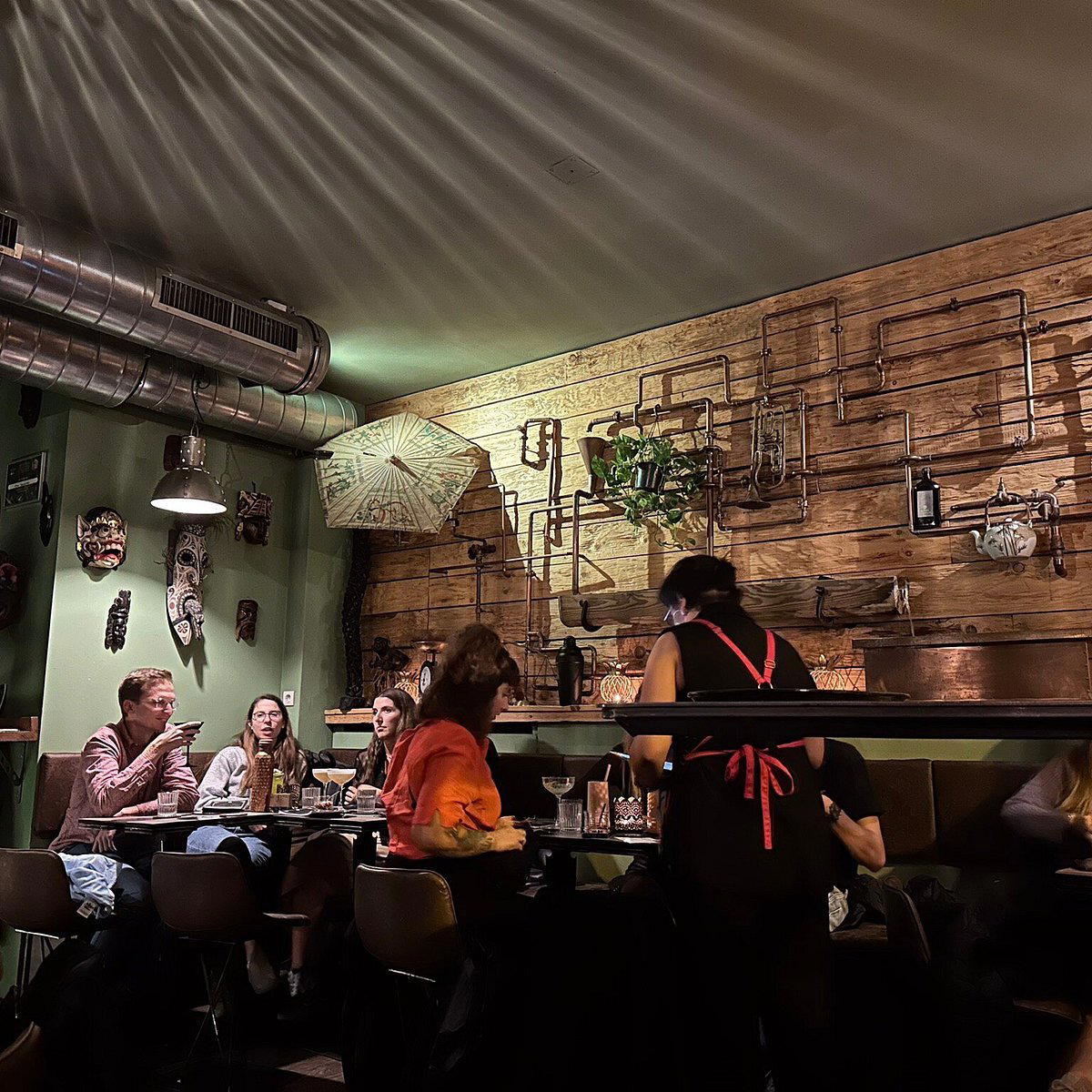
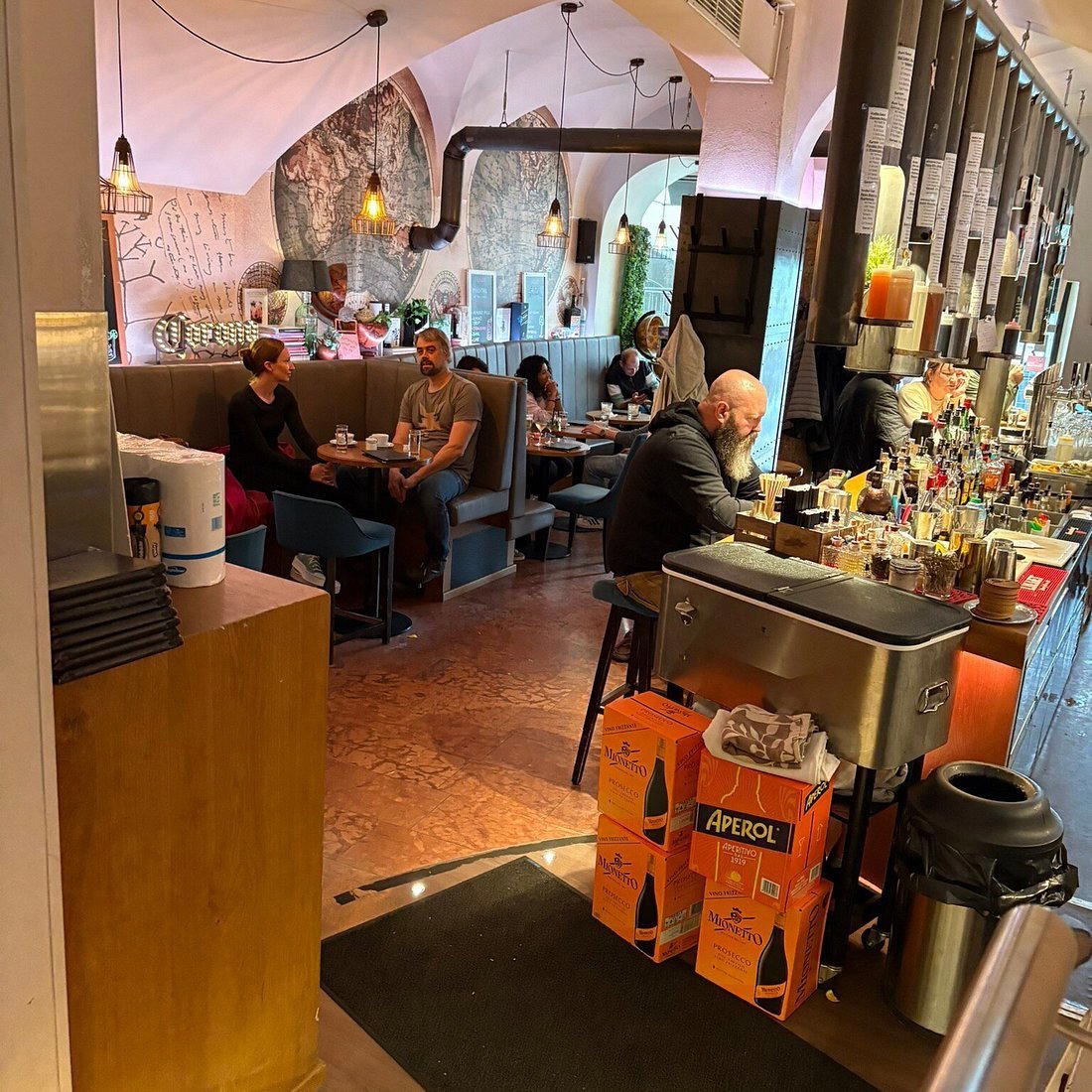
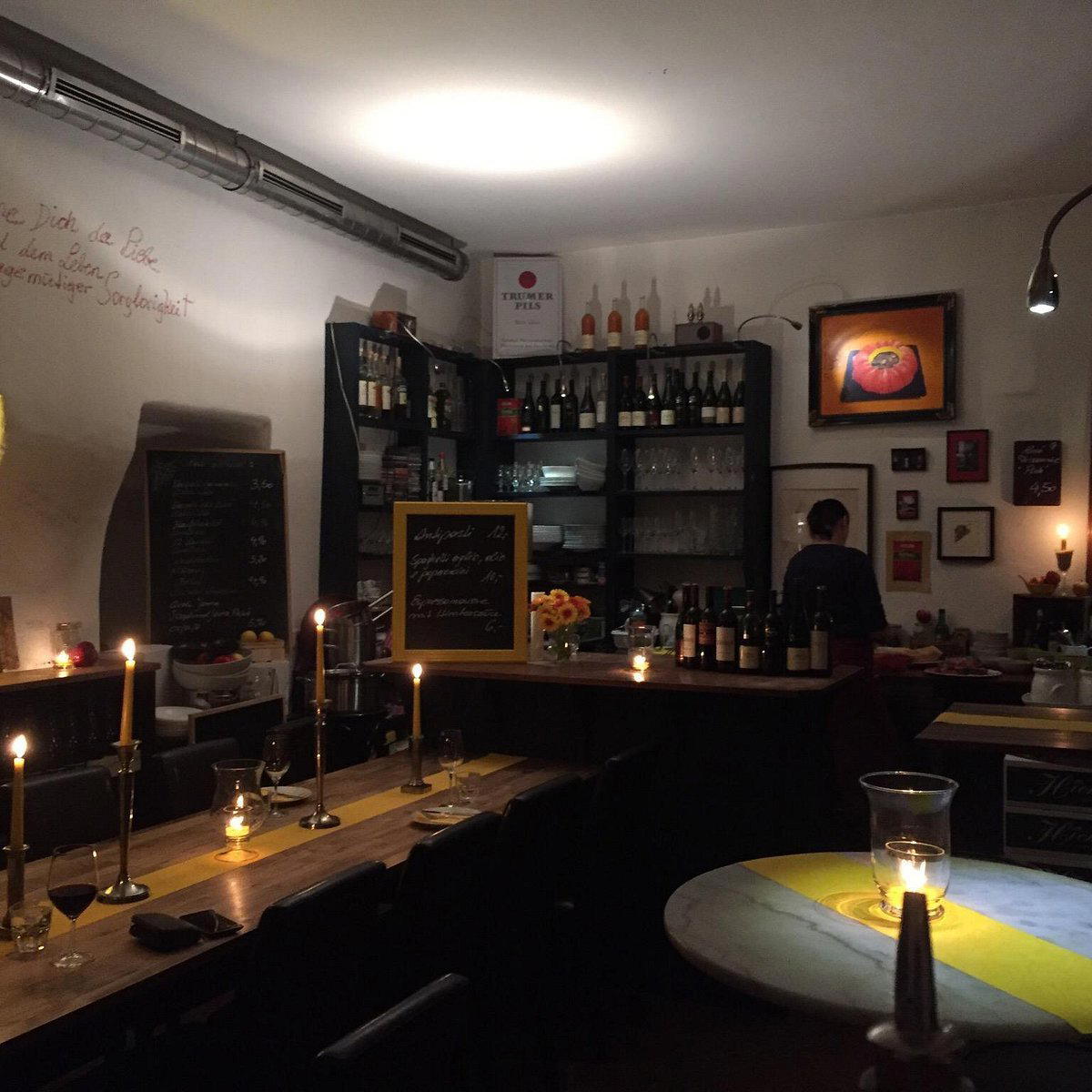
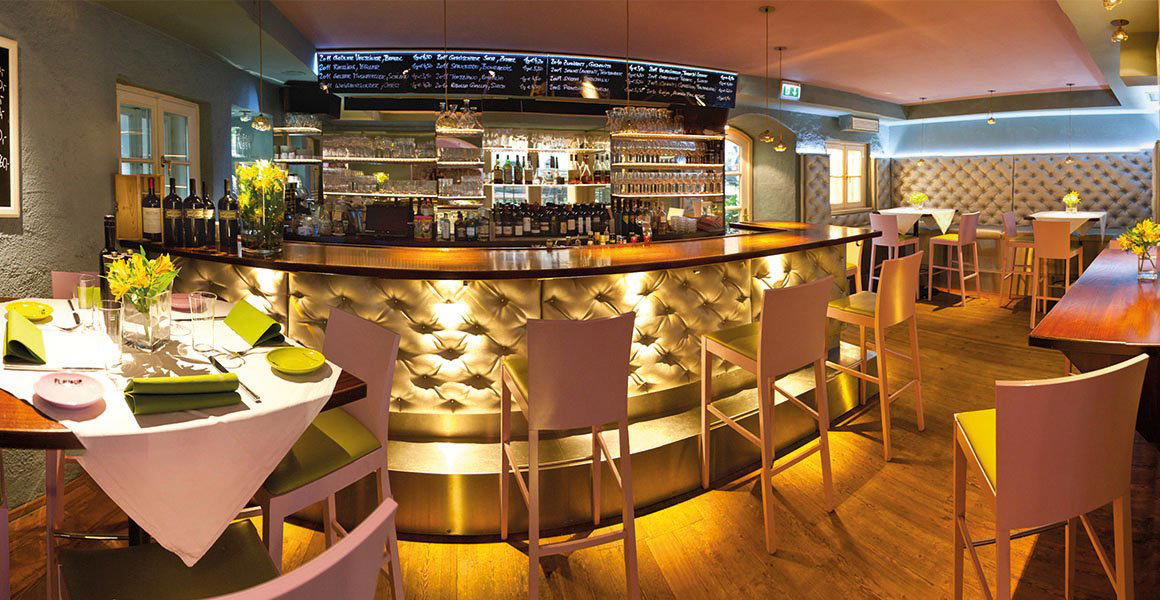
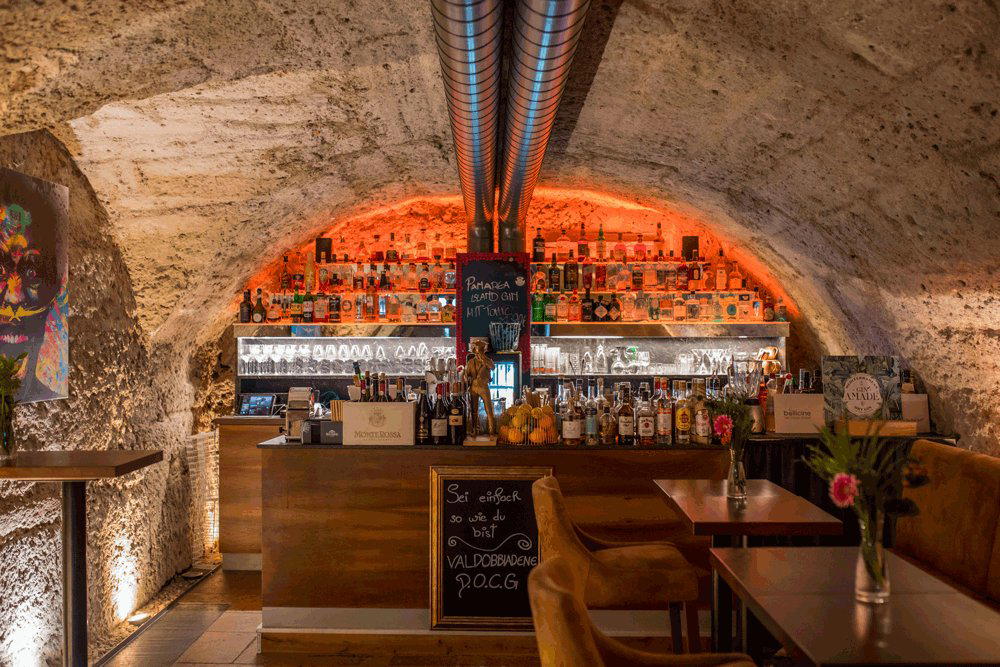
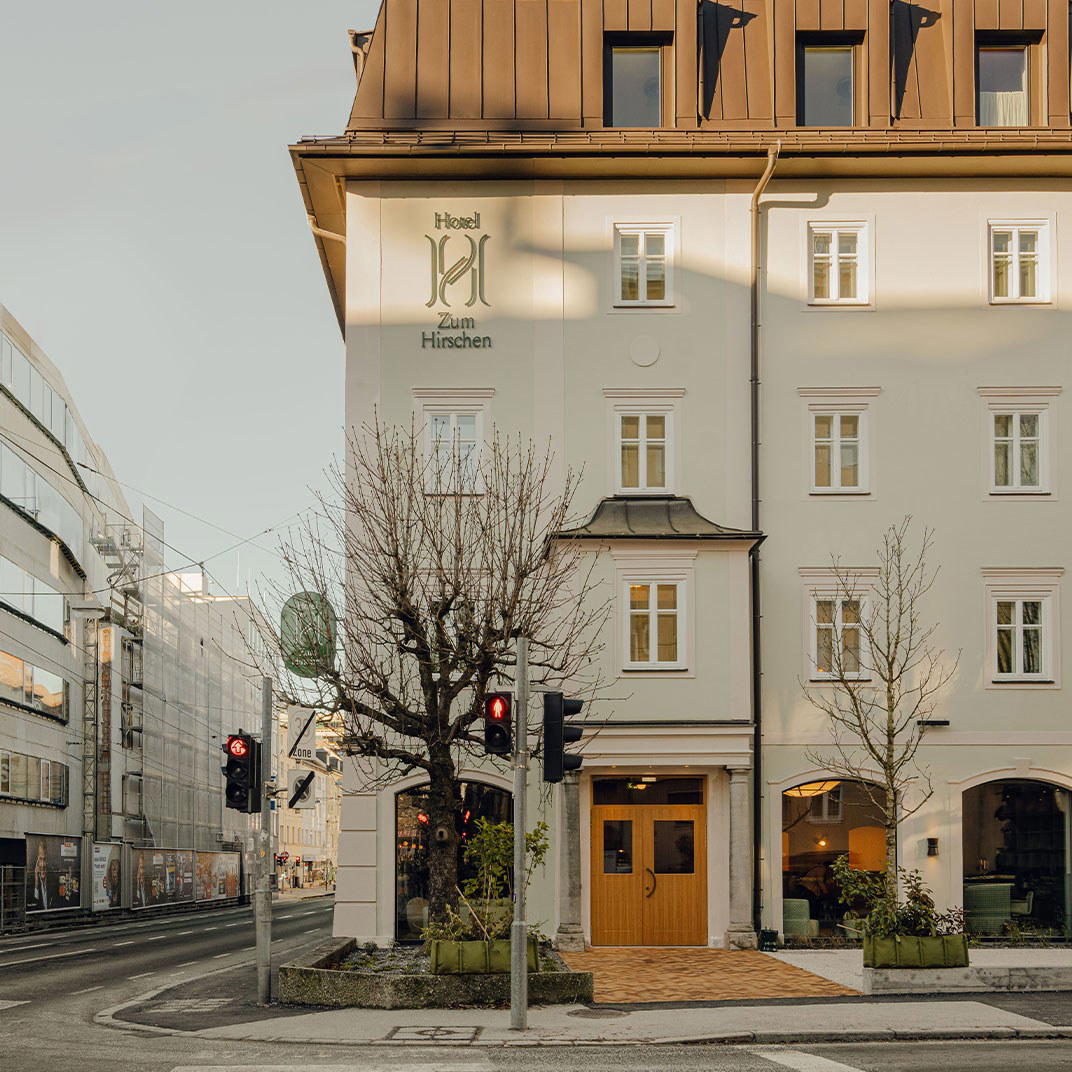
Casual street food atmosphere with outdoor seating in a quaint market setting; lively and informal.