Our verdict
Dom Funkcjonalny occupies a quiet address on Jakubowska 16 in Warsaw's Praga district, a neighbourhood where industrial repurposing and a serious local dining culture have developed in parallel. The venue sits in a part of the city increasingly associated with considered, ingredient-led cooking rather than tourist-facing formality. For visitors tracing Warsaw's emerging east-bank restaurant scene, it represents a practical and editorial point of interest.

Pearl is the En Primeur Club membership app — saves, bookings, and concierge access live there. Same editors, same standards.
- Address
- Jakubowska 16, 03-902 Warszawa, Poland
- Phone
- +48 600 230 303
- Hours
- Mon–Fri 9 AM–5 PMSat–Sun Closed
- Directions
- Get directions
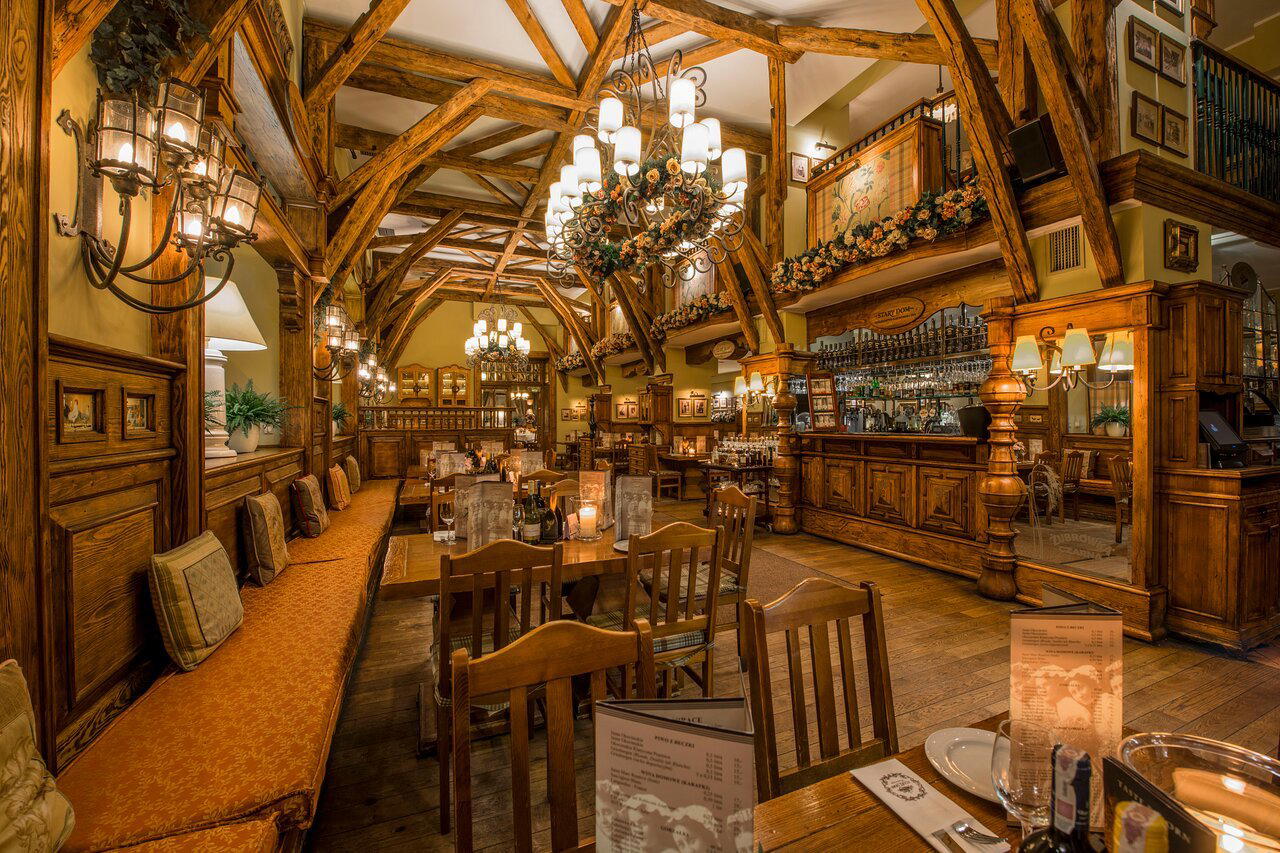
Praga's Quiet Side and the Logic of Where Dom Funkcjonalny Sits
Warsaw's right bank has spent the better part of a decade shedding its reputation as the city's overlooked quarter. Praga-Południe and the surrounding streets along the Vistula's east shore now draw the kind of independent operators who find central Warsaw's rents and expectations misaligned with their approach. Jakubowska 16, where Dom Funkcjonalny is addressed, sits in this broader current: a street-level entry point into a neighbourhood where the dining conversation has shifted from novelty to consistency. The area rewards visitors who arrive without the expectation of a polished hospitality circuit, and Dom Funkcjonalny's name, which translates loosely as 'Functional House,' suggests an ethos aligned with that setting.
Praga's restaurant corridor has developed in a way that mirrors patterns seen in other post-industrial European districts, from Łódź's Piotrkowska fringe to Berlin's Neukölln. Operators in these zones tend to lean into local supplier relationships and stripped-back formats precisely because the clientele that gravitates to them expects evidence of provenance over presentation. Whether Dom Funkcjonalny follows that model precisely, the address places it within a peer conversation that includes hub.praga (Modern Cuisine), one of the east bank's more established names in the modern cuisine bracket.
Ingredient Sourcing as Editorial Context in Warsaw's Current Scene
Poland's broader restaurant conversation in recent years has been increasingly shaped by sourcing: which chefs are working directly with Mazovian farms, which operations are pulling fish from Baltic day-boat suppliers, and which are threading traditional preservation techniques into contemporary menus. Warsaw's more considered restaurants tend to use these sourcing relationships as structural decisions rather than marketing points. You see it at alewino (Modern Polish, Traditional Cuisine), which anchors its approach in Polish regional produce, and at NUTA (Creative), where the creative format depends on seasonal specificity.
The Praga district's food culture has historically been more market-oriented than Śródmieście: proximity to the Różycki bazaar and the older working-class food traditions of the right bank gave this side of Warsaw a different baseline. Independent restaurants that open here are making a locational argument about what kind of dining they are building. That argument tends to favour shorter supply chains, direct producer contact, and menus that shift with what is available rather than what is consistent. For a visitor calibrating expectations, that context matters more than any individual dish description.
Across Poland's premium tier, the sourcing conversation has moved beyond organic certification into something more specific: altitude, breed, age of vine, name of fisherman. Bottiglieria 1881 Restaurant in Kraków and Arco by Paco Pérez in Gdańsk operate in formats where supplier relationships are part of the published identity of the restaurant. Warsaw's east bank scene is developing similar instincts, though at an earlier stage and in a register that is less formalized. Dom Funkcjonalny's Praga address places it in this developmental tier.
How Dom Funkcjonalny Fits Warsaw's Price and Format Tiers
Warsaw's restaurant market has stratified clearly over the past five years. The upper bracket, represented by operations like Rozbrat 20 (Modern European, Modern Cuisine) in the €€€ band, competes on tasting menu depth and wine program credentials. A middle tier, anchored by venues like Baken, draws on casual format and specialist produce focus. Dom Funkcjonalny's data record does not confirm a price tier, which itself is a signal: venues in Praga's current scene often operate outside the review infrastructure that generates that kind of documentation, either because they are newer, smaller, or deliberately positioned outside the formal recognition circuit.
That positioning is not a weakness in the context of what Praga is building. Some of Warsaw's most interesting eating is happening in formats that do not yet have the review density of their Śródmieście counterparts. For readers who have already worked through the city's established addresses and want to track where the scene is moving, the east bank addresses are the more productive area of inquiry. Our full Warsaw restaurants guide maps the full spread of the city's dining tiers.
Placing Dom Funkcjonalny in Poland's Wider Restaurant Conversation
Poland's dining circuit beyond Warsaw includes a number of operations that have developed strong sourcing narratives in very different geographic registers. Giewont in Kościelisko works within a mountain-ingredient framework specific to the Tatra region. Muga in Poznań has built a format that draws on Wielkopolska's agricultural base. Bar Przystań in Sopot and La Cucina Ristorante in Gdansk work in coastal registers where Baltic fish supply shapes the menu logic. OK Wine Bar in Wrocław and Nare Sushi in Skórzewo represent the format diversity of the country's smaller city scenes.
What these venues share is a willingness to be defined by something specific, whether geographic, technique-driven, or supplier-anchored, rather than by a general claim to quality. Dom Funkcjonalny's name implies a functionalist philosophy, which in a restaurant context usually means prioritizing what the kitchen can do with what is available over what the menu promises in the abstract. That is a productive editorial angle for a Praga address.
For international context, the kind of ingredient-first, low-formality format that defines Praga's emerging scene has parallels in how operations like Lazy Bear in San Francisco built credibility through sourcing transparency and format specificity before achieving broader recognition. The trajectory is not identical, but the underlying logic, letting provenance do the communicative work that décor and service formality would otherwise carry, is comparable. Le Bernardin in New York City represents the opposite end of the spectrum, where sourcing discipline operates inside a highly formalized service structure. Dom Funkcjonalny, by address and apparent format, sits closer to the former model.
For visitors also exploring Kraków, Ariel in Krakow provides a useful counterpoint in how a city's distinct cultural neighbourhood shapes a restaurant's identity, and Luneta & Lorneta Bistro Club in Ciekocinko shows how regional Polish venues are developing format sophistication outside the major urban centres.
Planning a Visit: What to Know Before You Go
Dom Funkcjonalny is addressed at Jakubowska 16 in Warsaw's 03-902 postcode, accessible from the city centre via the Śródmieście-Praga bridge corridor. Praga's dining scene is active on weekday evenings and weekend afternoons, with some operators running lunch formats tied to market availability. Given the neighbourhood's independent character, walk-in capacity at smaller venues tends to be limited; arriving with a reservation or early in service is the more reliable approach.
Frequently asked questions
Is Dom Funkcjonalny okay with children?
Praga-Południe's independent restaurant culture skews toward relaxed, locally rooted formats rather than formal dining rooms, which generally makes the neighbourhood accommodating to families. Dom Funkcjonalny's address at Jakubowska 16 places it within this east-bank tradition of accessible neighbourhood venues. Calling ahead is the practical approach when confirmed policy data is not in the public record.
What's the vibe at Dom Funkcjonalny?
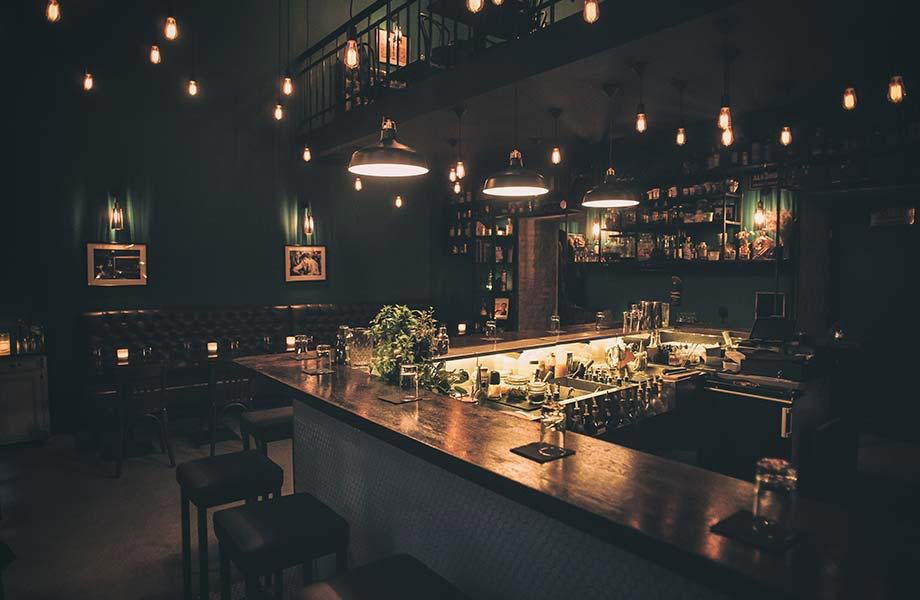
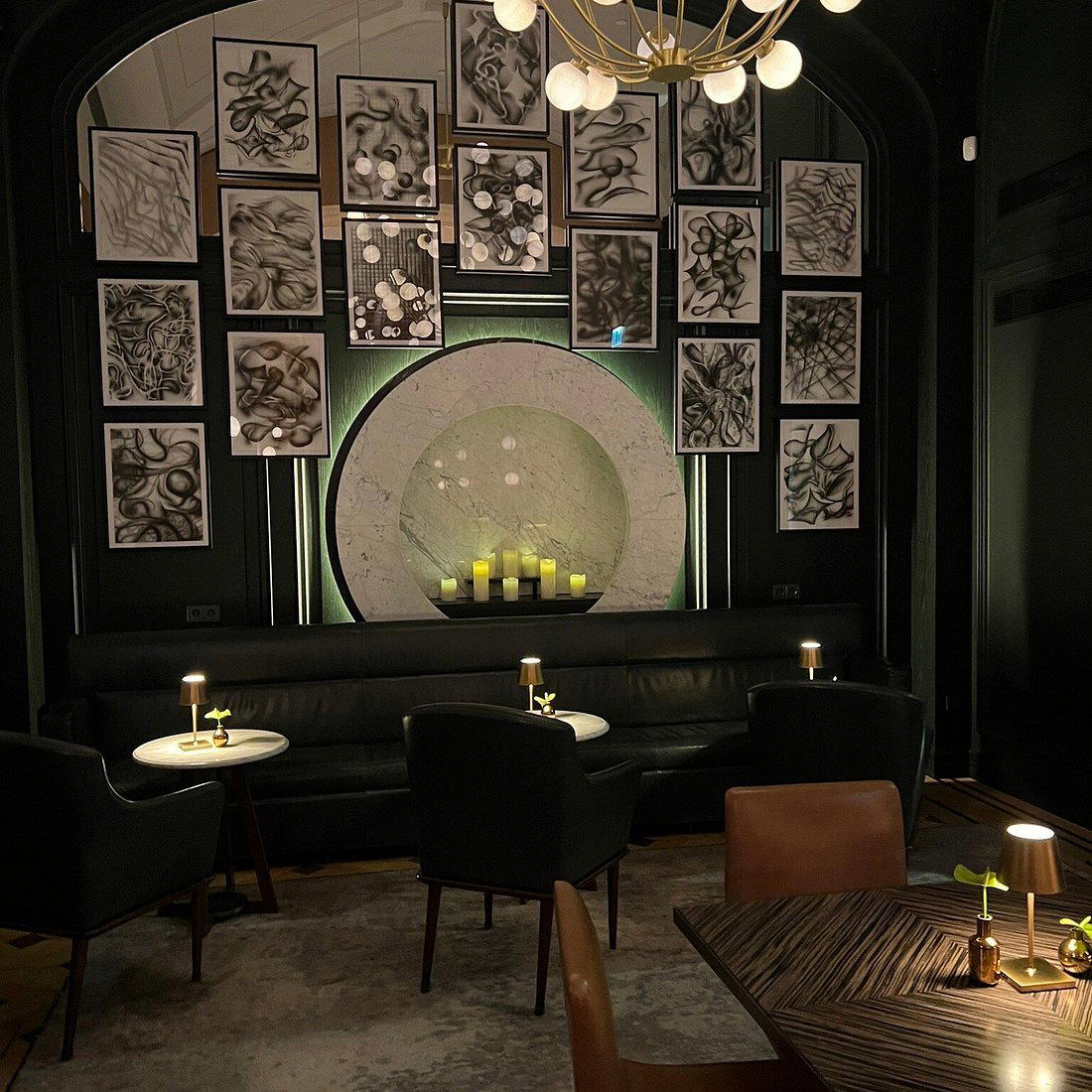
The Jakubowska 16 address in Praga-Południe positions Dom Funkcjonalny within Warsaw's right-bank independent scene, which has historically developed around stripped-back, locally oriented formats rather than the polished formality of central Warsaw. Expect a neighbourhood register rather than a destination-dining atmosphere. That positioning is consistent with how Praga's broader restaurant culture has evolved over the past decade.
Where exactly is Dom Funkcjonalny located in Warsaw, and how do I get there?
Dom Funkcjonalny is at Jakubowska 16 in the 03-902 postcode, within the Praga-Południe district on Warsaw's right bank. The venue is reachable from central Warsaw via the Śródmieście-Praga bridge corridor, with tram and bus connections serving the area. No website or phone number is currently listed publicly, so visiting in person or searching current local listings is the most reliable way to confirm access details.
What should I eat at Dom Funkcjonalny?
Warsaw's east-bank dining scene has been shaped by sourcing-led kitchens working with Mazovian producers, so asking staff what is current or market-driven tends to be the most productive approach at independent venues of this type. On arrival at Jakubowska 16, server recommendations are your most reliable guide.
Where exactly is Dom Funkcjonalny?
Dom Funkcjonalny is located at Jakubowska 16, 03-902 Warszawa, Poland, Warsaw.
How hard is it to get a table at Dom Funkcjonalny?
Within Warsaw's Praga-Południe independent scene, reservation demand varies considerably by format and day of week. More established east-bank addresses tend to fill Thursday through Saturday, so contacting the venue directly in advance is advisable if your schedule is fixed.
Comparable Venues
Comparable venues nearby, for context on price, style, and recognition.
| Venue | Cuisine | Price | Awards | Notes |
|---|---|---|---|---|
| Dom FunkcjonalnyThis venue — the venue you are viewing | Rotating international and plant-based cuisines | Not listed | Not listed | Not listed |
| Poke Bowl Chmielna | Hawaiian Poke Bowls | $10–20 | Not listed | Srodmiescie |
| Czerwony Wieprz | Traditional Polish Communist-Era Cuisine | $20–30 | Not listed | Mirow |
| Klonn | Contemporary Polish with European Influences | $50–100 | Star Wine List | Ujazdow |
| GOŚCINIEC Polskie Pierogi | Traditional Polish Pierogi | $10–20 | Not listed | Mariensztat |
| Stary Dom | Traditional Polish | Not listed | Michelin Plate | Krolikarnia |
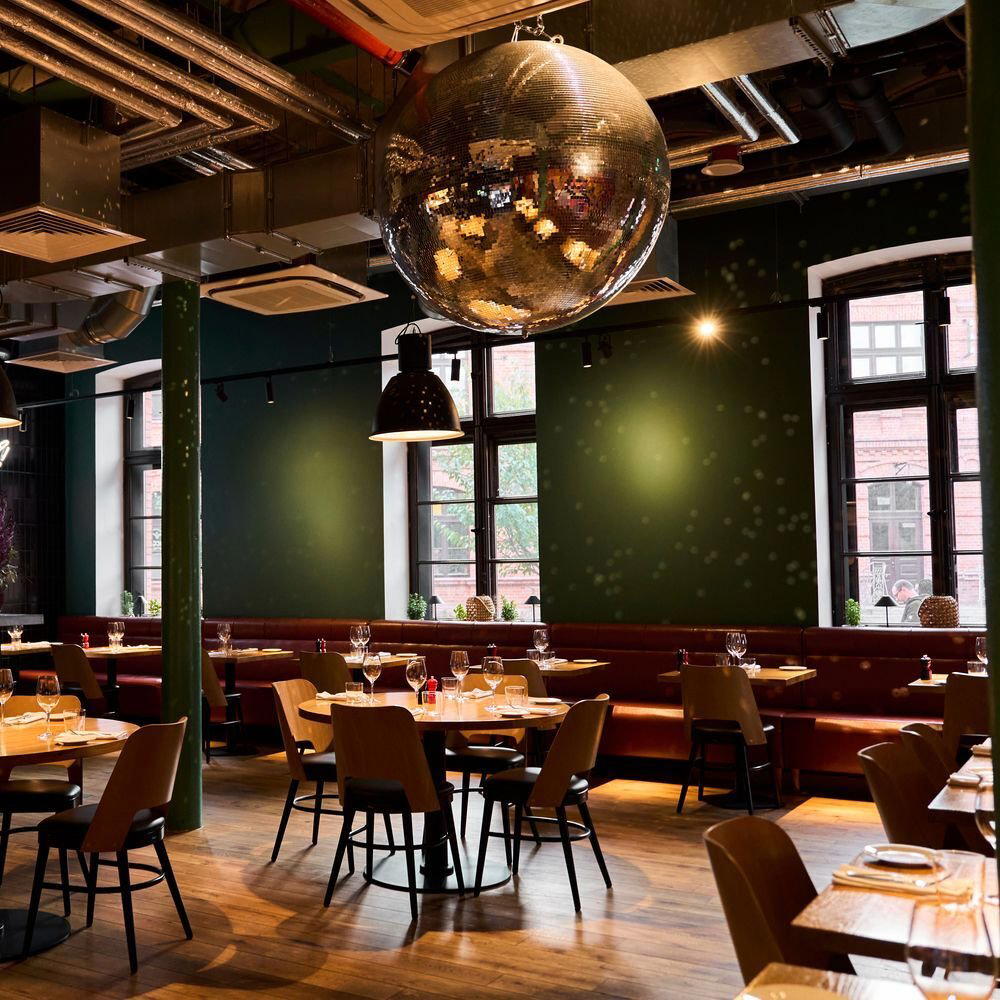
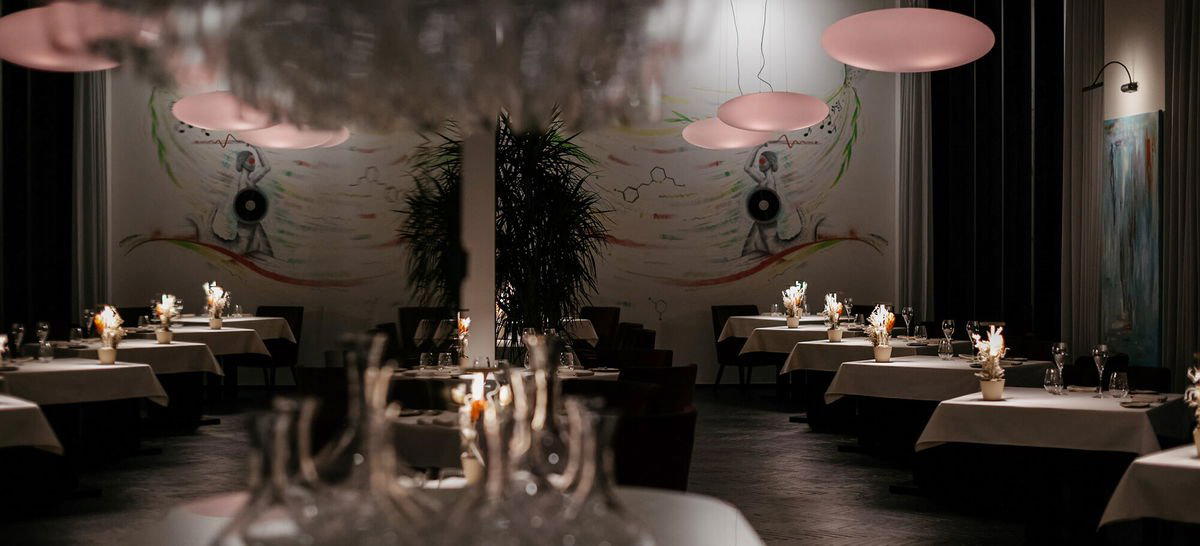
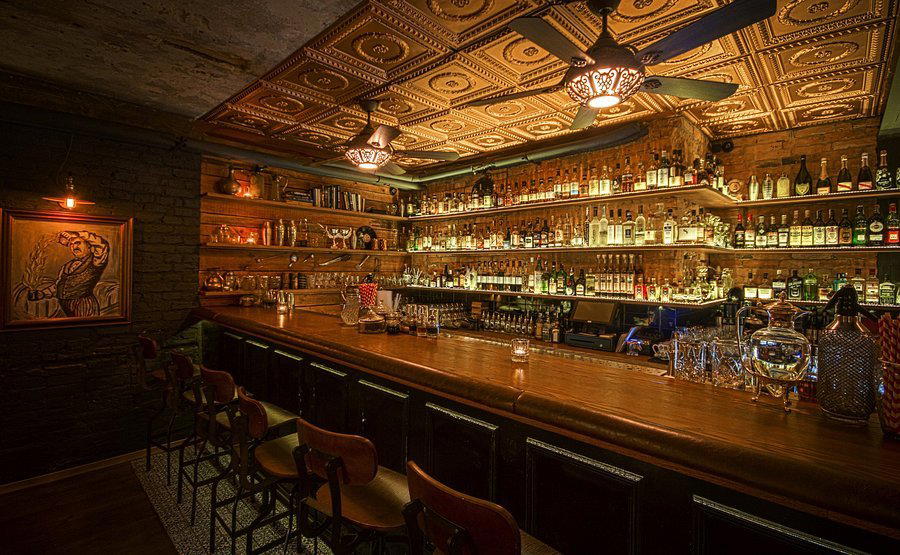
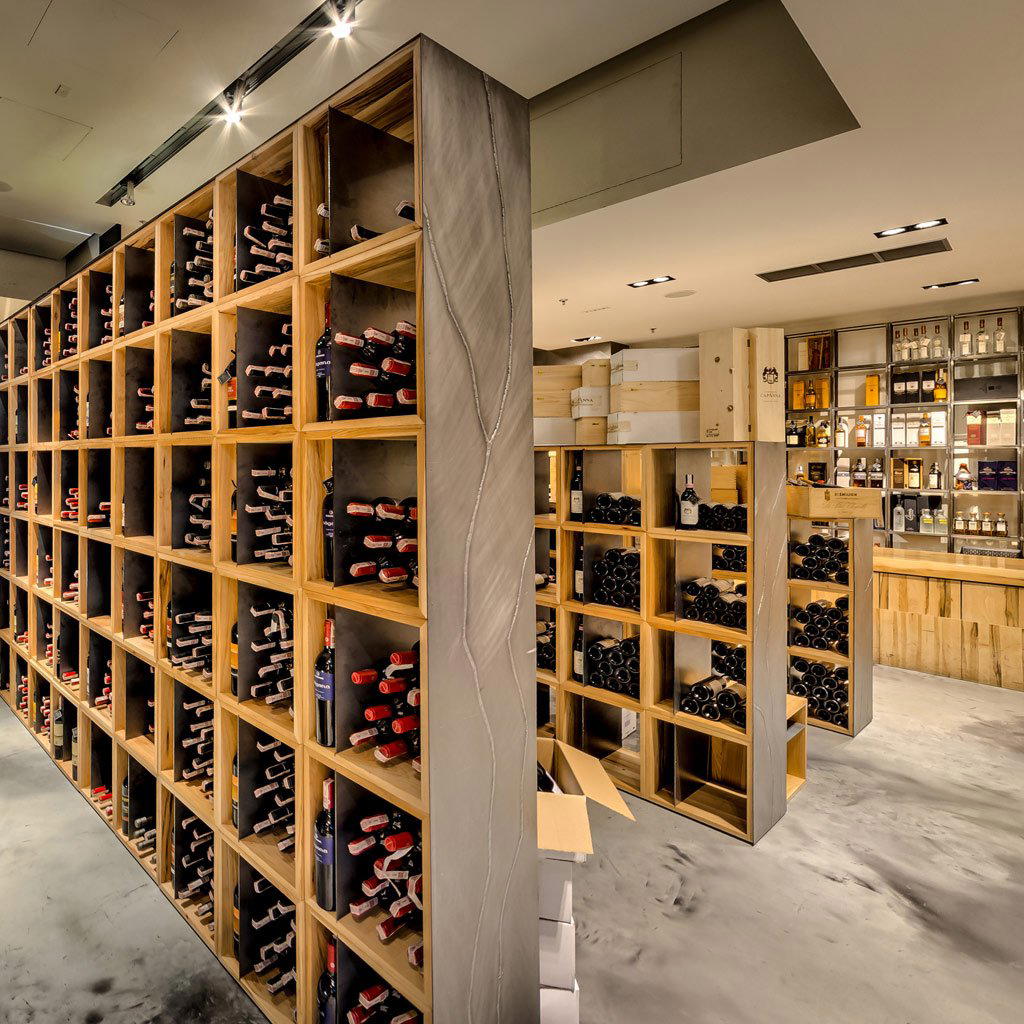
Details
- Modern
- Trendy
- Cozy
- Casual Hangout
- Garden
- Historic Building
- Organic
- Garden
- A La Carte
- Vegan Options
Current opening hours
- Monday
- 9 AM–5 PM
- Tuesday
- 9 AM–5 PM
- Wednesday
- 9 AM–5 PM
- Thursday
- 9 AM–5 PM
- Friday
- 9 AM–5 PM
- Saturday
- Closed
- Sunday
- Closed
Hours can change for holidays and private events. Last verified .
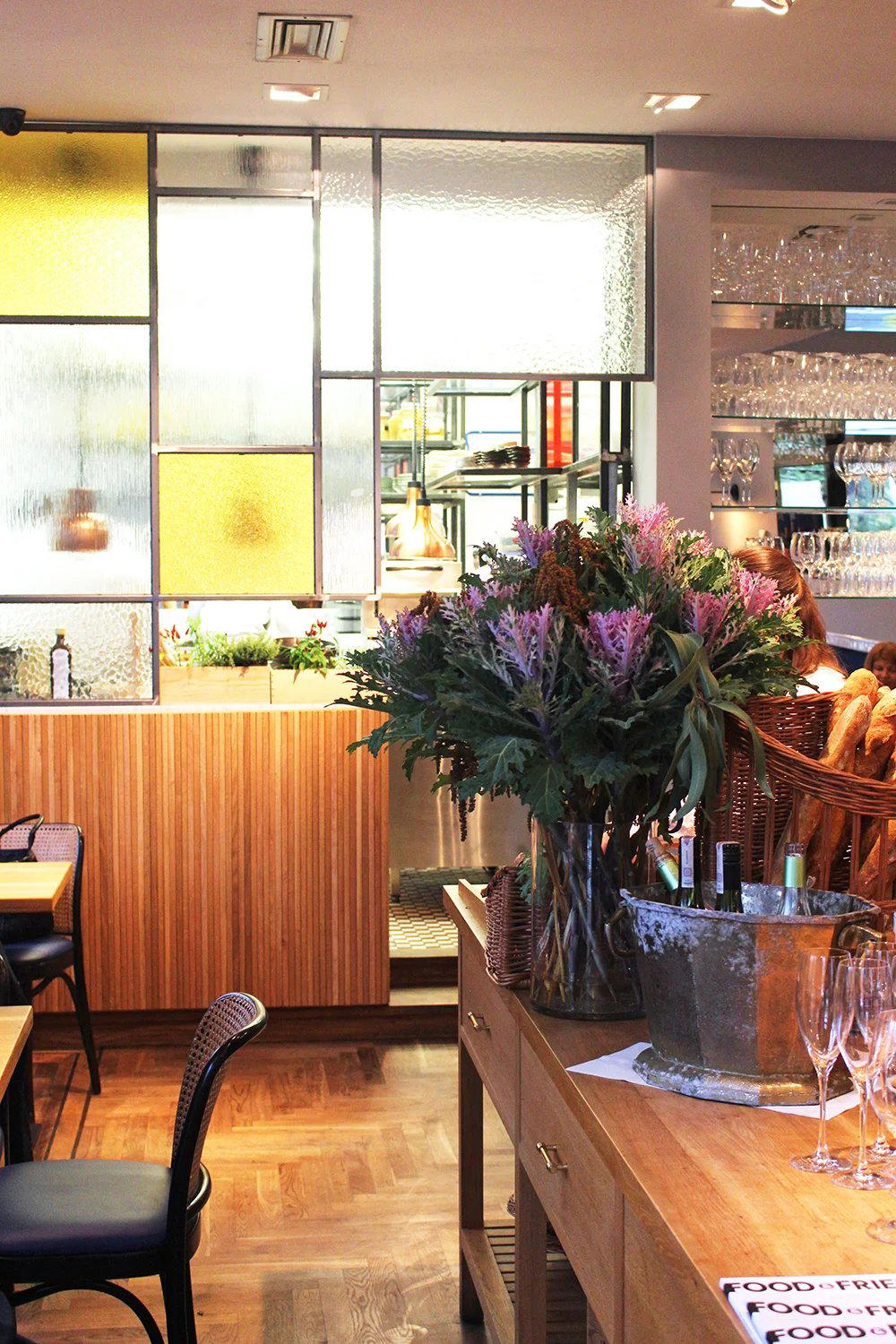
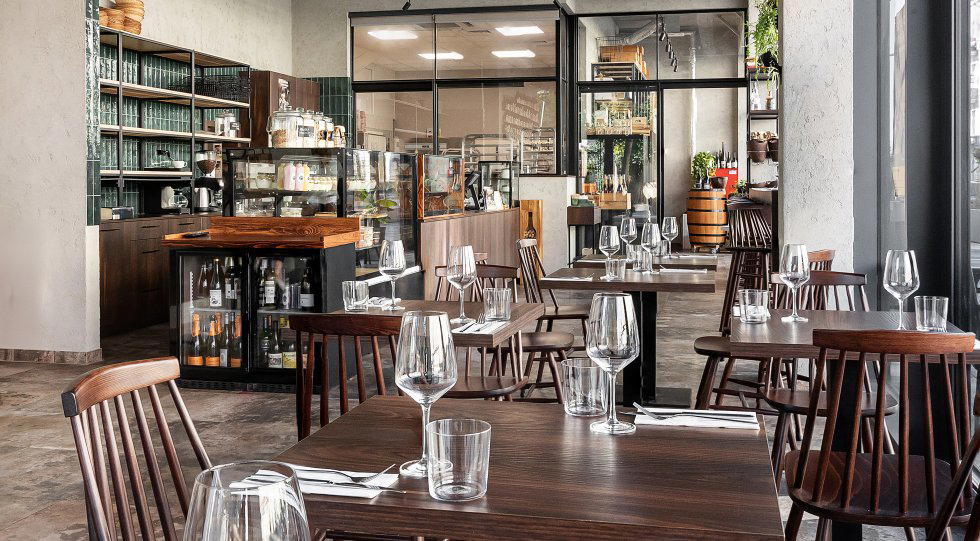
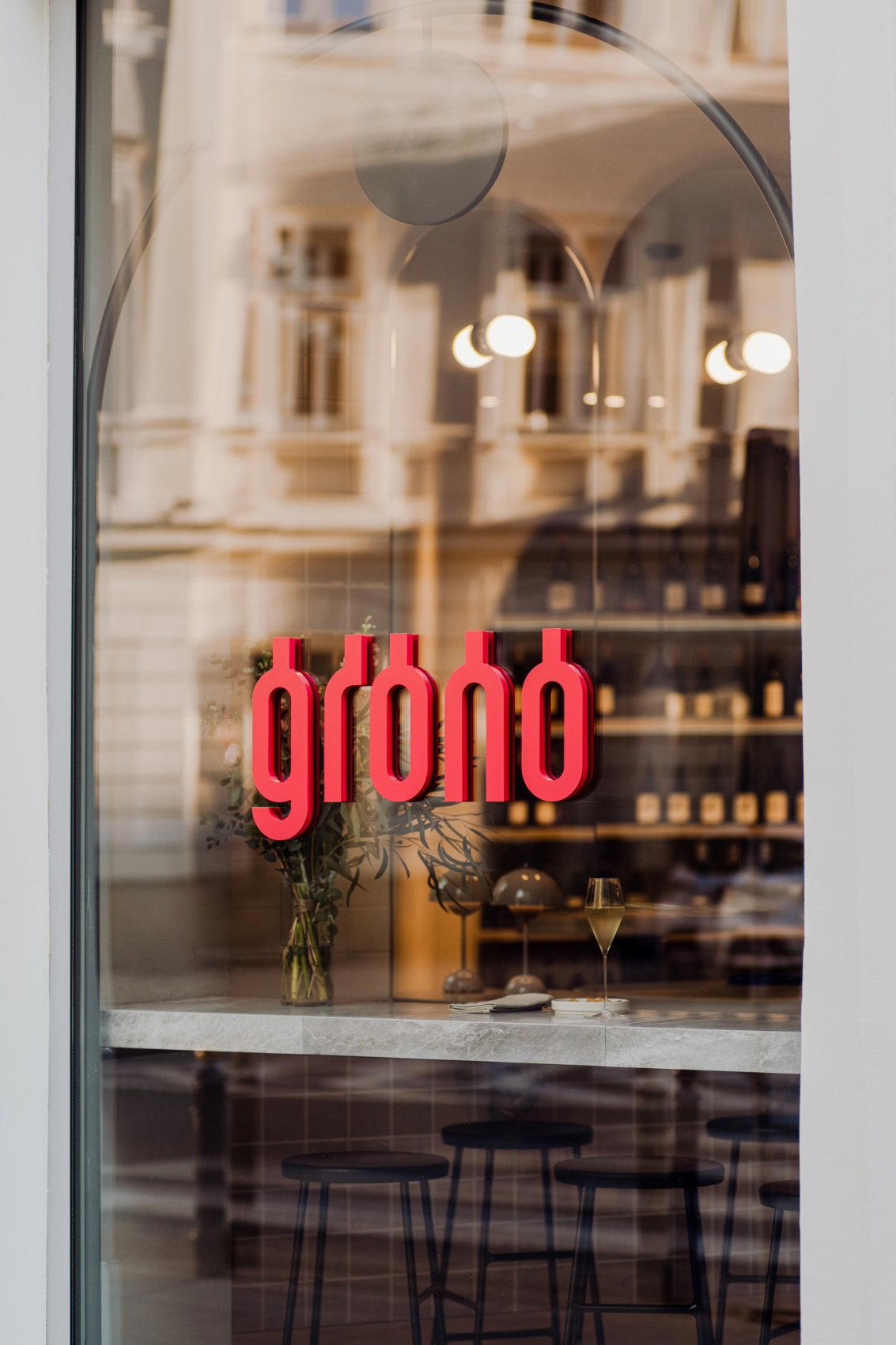
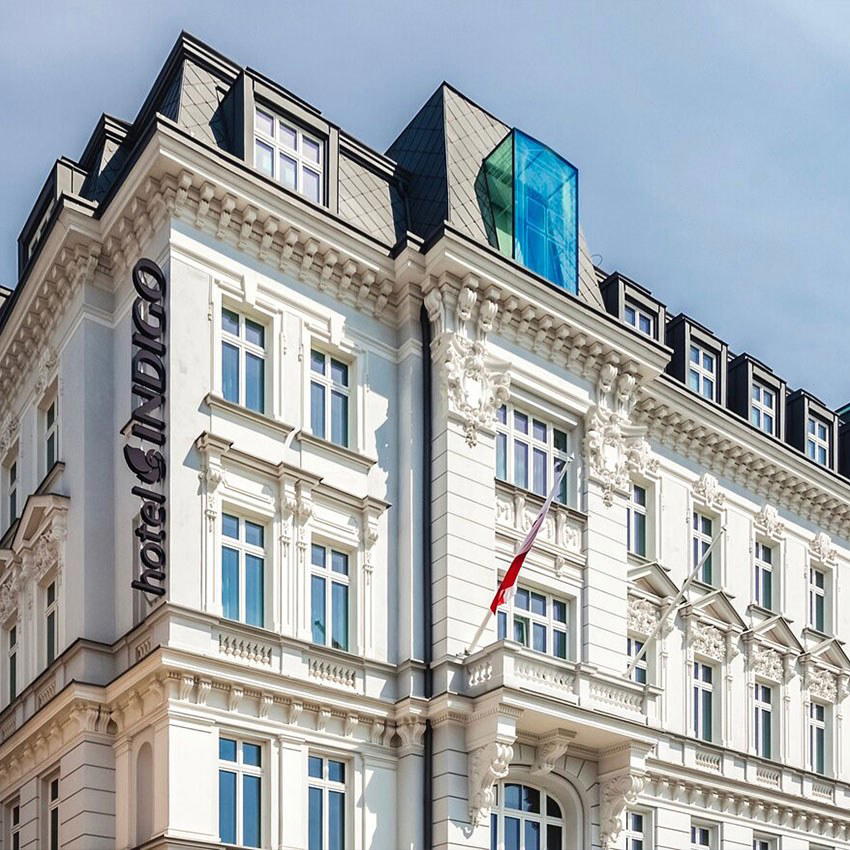
Trendy greenhouse-like atmosphere in a charming detached modernist house.