Our verdict
Czerwony Wieprz occupies a corner of Warsaw's Wola district where the city's communist-era canteen tradition meets a contemporary appetite for honest, ingredient-led Polish cooking. The address on Żelazna places it within walking distance of the redeveloping western city centre, making it a useful reference point for understanding how Warsaw's mid-market dining scene has evolved beyond the tourist trail.

Pearl is the En Primeur Club membership app — saves, bookings, and concierge access live there. Same editors, same standards.
- Address
- Żelazna 68, 00-866 Warszawa, Poland
- Phone
- +48 22 850 31 44
- Hours
- Mon 1–10 PMTue–Sat 12–11 PMSun 12–10 PM
- Website
- czerwonywieprz.pl
- Directions
- Get directions
The menu
What to order
- Polish duck a’la Czerwony Wieprz
- Roast duck with cherry sauce
Wola's Dining Scene and Where Czerwony Wieprz Sits Within It
Warsaw's Wola district has spent the better part of a decade repositioning itself. What was once a zone of post-industrial vacancy and communist-era housing blocks is now a corridor of new office towers, repurposed warehouses, and a dining scene that tracks working residents rather than hotel guests. Czerwony Wieprz, at Żelazna 68, sits within this current: a restaurant whose name (The Red Boar) carries an unmistakable nod to the Soviet-era state restaurant culture that once defined Polish public eating, yet whose existence today reflects how thoroughly that era's aesthetic has been reinterpreted by a younger Warsaw clientele.
That framing matters because it shapes what the room communicates before a single dish arrives. Polish restaurants in this price bracket have split into two recognisable groups over the past several years: those that treat traditional cuisine as a heritage object to be preserved intact, and those that use local produce and regional cooking logic as a platform for contemporary technique. Czerwony Wieprz has historically occupied a space where both impulses are present, the visual language of the old workers' canteen kept in deliberate tension with a cooking approach that owes at least as much to what has been happening across Warsaw's more overtly progressive dining rooms.
For context on that broader shift, venues like NUTA (Creative) and hub.praga (Modern Cuisine) represent Warsaw's more explicitly technique-forward end, where the distance from tradition is worn openly. Czerwony Wieprz operates at a different register: the nostalgia is part of the point, not something to be transcended.
The Intersection of Local Produce and Imported Method
Warsaw's more interesting dining addresses have increasingly framed themselves around a specific editorial idea: that Polish ingredients, when handled with precision borrowed from French, Nordic, or Japanese traditions, produce something neither purely nostalgic nor merely derivative. The logic runs through restaurants at multiple price points across the city. At Rozbrat 20 (Modern European, Modern Cuisine) in the €€€ bracket, that tension is resolved in favour of contemporary European form. At alewino (Modern Polish, Traditional Cuisine), the balance tilts back toward the regional and the recognisable.
Czerwony Wieprz enters this conversation from a specific angle. The name's reference to state-era dining is not merely decorative. Poland's communist-period restaurant culture had a coherent (if ideologically freighted) culinary grammar: pork-heavy, root-vegetable dense, built on stocks and preparations that take time. The contemporary question for any restaurant working in that idiom is how much of that grammar to retain and how much to rewrite. In Warsaw's current dining moment, that is less a nostalgic exercise than a genuine technique question, because the underlying ingredients, rye, wild mushroom, cured meats, fermented dairy, have attracted serious international attention precisely because they reward the kind of careful sourcing and restrained handling that defines the better Nordic and Central European kitchens.
This places Czerwony Wieprz in a conversation that extends well beyond Warsaw. Restaurants in Kraków, like Bottiglieria 1881 Restaurant, and in Poznań, like Muga, are working through similar questions about the relationship between Polish culinary heritage and international technique. Further afield, addresses like Arco by Paco Pérez in Gdańsk demonstrate how international method can anchor local-product programmes at the higher end of the market. Czerwony Wieprz draws on this broader pattern without sitting at its apex.
Atmosphere and the Politics of Décor
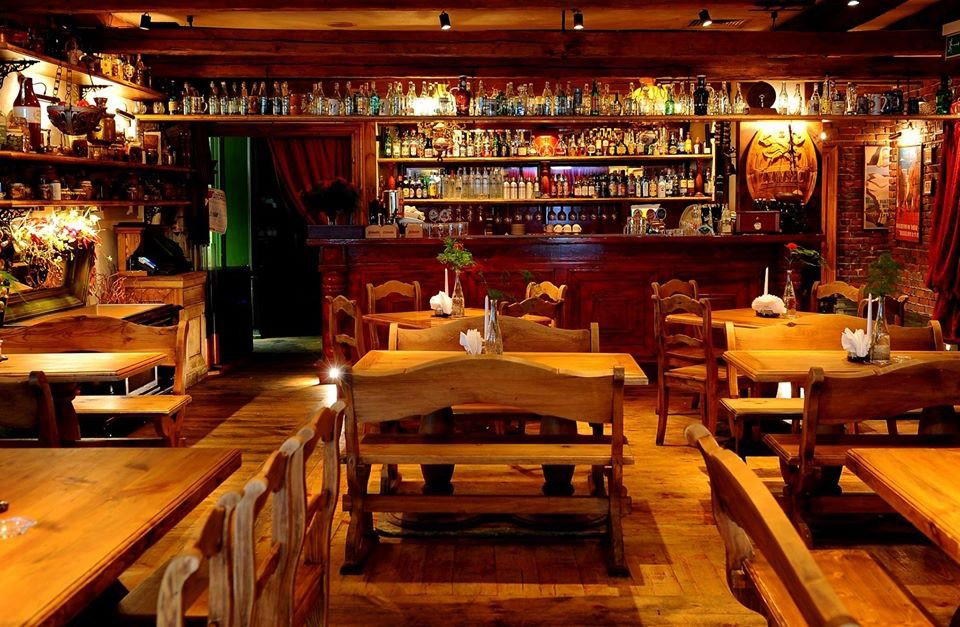
The atmospheric proposition of a restaurant that deliberately references communist-era design is more layered than it might first appear. For Polish diners of a certain generation, the visual codes, heavy furniture, enamel details, the specific palette of mid-century state catering, carry weight that is simultaneously ironic and affectionate. For younger Warsaw residents and for international visitors, the same aesthetic reads as period-specific design confidence rather than political statement. Both readings coexist, which is part of what makes the room function as a social space rather than a theme park.
This kind of atmospheric positioning has parallels in other European cities where post-communist dining culture has been consciously revisited, but Warsaw's version has particular density because the city's own destruction and reconstruction means that physical memory of the era is embedded in the urban fabric in ways that make the reference legible at street level. Arriving on Żelazna, which sits within a neighbourhood still visibly mid-transformation, the context arrives before you enter the door.
Placing Czerwony Wieprz in Warsaw's Mid-Market
Warsaw's mid-market dining tier has become competitive in ways it was not five years ago. The concentration of new residential and office development in Wola has created a local audience with both the appetite and the spending power to sustain restaurants that operate above canteen level but below the full tasting-menu bracket occupied by the city's handful of Michelin-adjacent addresses. Baken represents one version of what that tier looks like in Warsaw; the city's bistro and wine-bar formats, including addresses like OK Wine Bar in Wrocław as a regional comparison point, show the range of formats competing for similar audiences across Polish cities.
Czerwony Wieprz occupies the mid-market in Warsaw with a specific identity advantage: the name and concept carry immediate cultural legibility that newer openings lack. That recognisability is a meaningful asset in a city where dining out carries social signalling weight and where the ability to explain a restaurant choice quickly to a table of colleagues or friends has commercial value. See our full Warsaw restaurants guide for a broader picture of how the city's dining tiers map against each other.
For comparison outside the capital, Giewont in Kościelisko and Bar Przystań in Sopot illustrate how regional Polish dining addresses different audiences with different relationships to tradition and geography. Ariel in Krakow offers a Kraków-specific take on how heritage dining identity is maintained commercially. At the international technical end of the spectrum, the kind of precision brought to product-focused programmes at Le Bernardin in New York City or the collaborative format at Lazy Bear in San Francisco represents the outer coordinates of where ingredient-led cooking has travelled globally, providing a useful frame for assessing what Warsaw's own mid-tier restaurants are borrowing, filtering, and discarding from the international playbook.
Also worth noting in the Polish context: La Cucina Ristorante in Gdansk, Nare Sushi in Skórzewo, and Luneta & Lorneta Bistro Club in Ciekocinko each show how international formats are being absorbed into the Polish dining fabric at different scales and in different regional contexts.
Planning Your Visit
Czerwony Wieprz is located at Żelazna 68 in Warsaw's Wola district, accessible from the city centre by tram along the east-west axis or a short taxi or rideshare from the central train station. The area's ongoing development means the immediate street-level context is still shifting, and arriving with some tolerance for construction-adjacent surroundings is practical. Booking ahead is advisable for evening visits, particularly later in the week when the neighbourhood's office population tends to combine work dinners with the area's growing restaurant offer. Current contact details and hours are best confirmed directly or through Warsaw-focused booking platforms before your visit, as operational details were not available for verification at time of writing.
Frequently asked questions
Where exactly is Czerwony Wieprz?
Czerwony Wieprz is located at Żelazna 68, 00-866 Warszawa, Poland, Warsaw.
How does Czerwony Wieprz reflect Warsaw's communist-era dining heritage?
The name itself references the state-restaurant culture of Poland's communist period, and the visual identity at Żelazna 68 makes that reference explicit rather than incidental. For Warsaw diners, this carries a layered meaning — the communist canteen is simultaneously a source of culinary memory and political ambivalence, and a restaurant that occupies that territory deliberately is making an editorial choice, not just a décor decision. Within Warsaw's broader dining scene, few addresses engage that specific history as directly.
What do people recommend at Czerwony Wieprz?
The kitchen's reputation rests on Poland's pork-and-root-vegetable tradition, approached with enough contemporary framing to read as deliberate rather than nostalgic. Dishes rooted in that canon — slow-cooked cuts, fermented accompaniments, earthy seasonal produce — are what draw the neighbourhood following at the Żelazna 68 address. Warsaw diners who have moved through the city's newer openings tend to return here for cooking that commits to a clear Polish identity rather than hedging toward European fusion.
Should I book Czerwony Wieprz in advance?
In Warsaw's current dining market, restaurants with a defined identity and an established Wola following reliably fill Thursday through Saturday evenings. Czerwony Wieprz at Żelazna 68 sits in a district that has attracted significant new residential and office density, which has tightened weekend availability across mid-tier addresses. Booking a few days ahead for weekend visits is the practical approach; midweek tends to be more forgiving.
Nearby-ish Comparables
Comparable venues nearby, for context on price, style, and recognition.
| Venue | Cuisine | Price | Awards | Notes |
|---|---|---|---|---|
| Czerwony WieprzThis venue — the venue you are viewing | Traditional Polish Communist-Era Cuisine | $20–30 | Not listed | Not listed |
| Poke Bowl Chmielna | Hawaiian Poke Bowls | $10–20 | Not listed | Srodmiescie |
| The Eatery | Modern Polish Cuisine | $20–30 | Not listed | Ujazdow |
| Baken | Artisanal Bakery & Breakfast | $10–20 | Not listed | Srodmiescie |
| Bułkę przez Bibułkę | Polish Breakfast & Brunch Café | $10–20 | Not listed | Srodmiescie |
| Stary Dom | Traditional Polish | Not listed | Michelin Plate | Krolikarnia |


Details
- Rustic
- Cozy
- Well Known
- Group Dining
- Casual Hangout
- Celebration
- Historic Building
- Local Sourcing
- A La Carte
- Vegetarian Friendly
- Gluten Free Options
Current opening hours
- Monday
- 1–10 PM
- Tuesday
- 12–11 PM
- Wednesday
- 12–11 PM
- Thursday
- 12–11 PM
- Friday
- 12–11 PM
- Saturday
- 12–11 PM
- Sunday
- 12–10 PM
Hours can change for holidays and private events. Last verified .
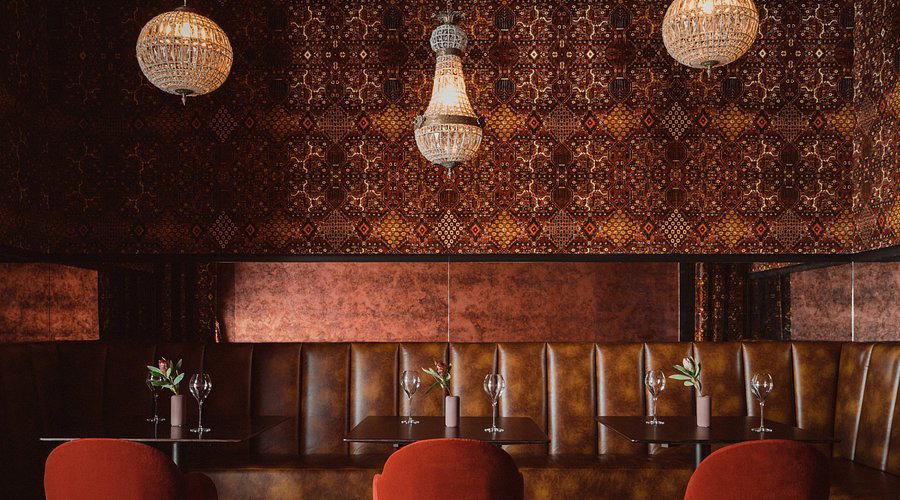
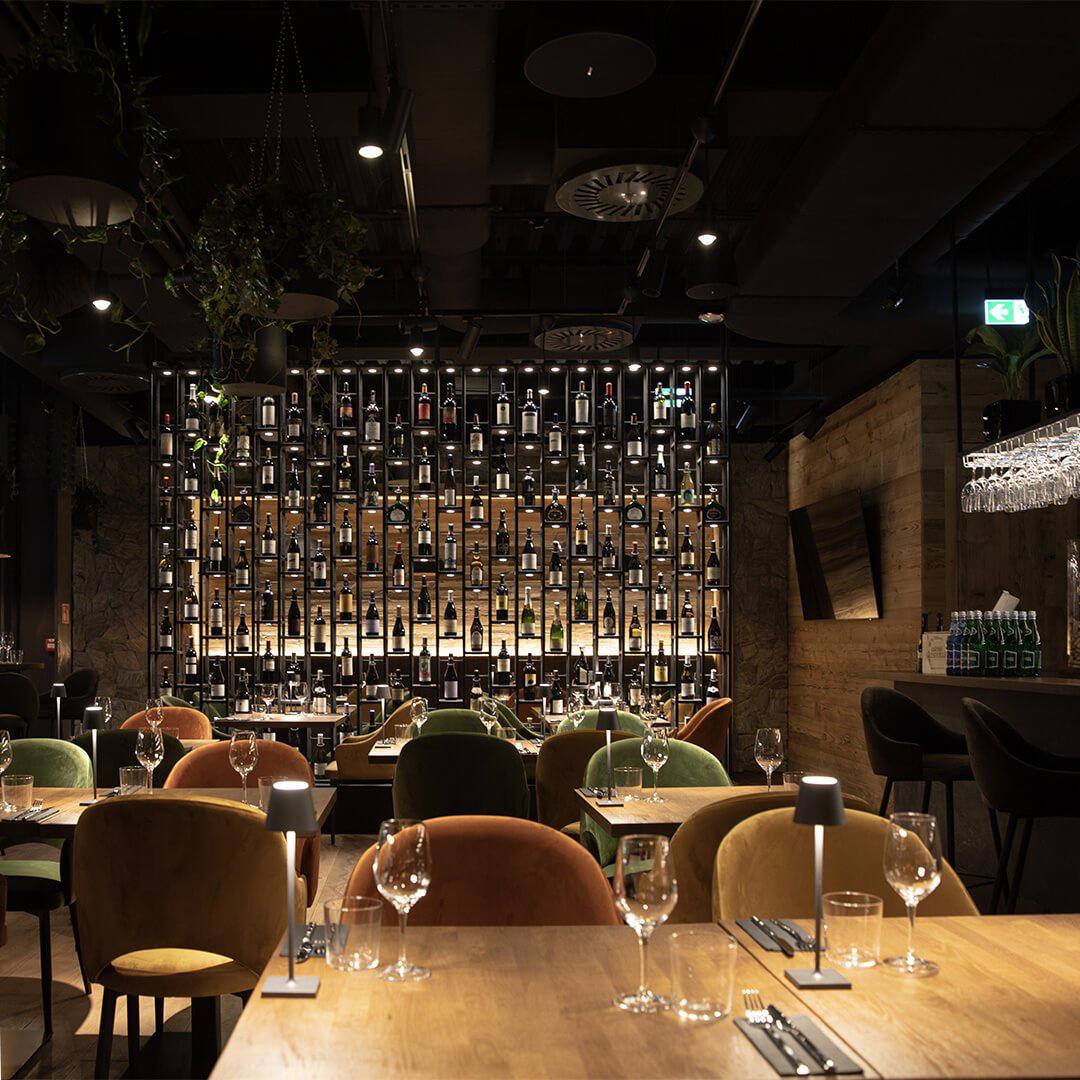
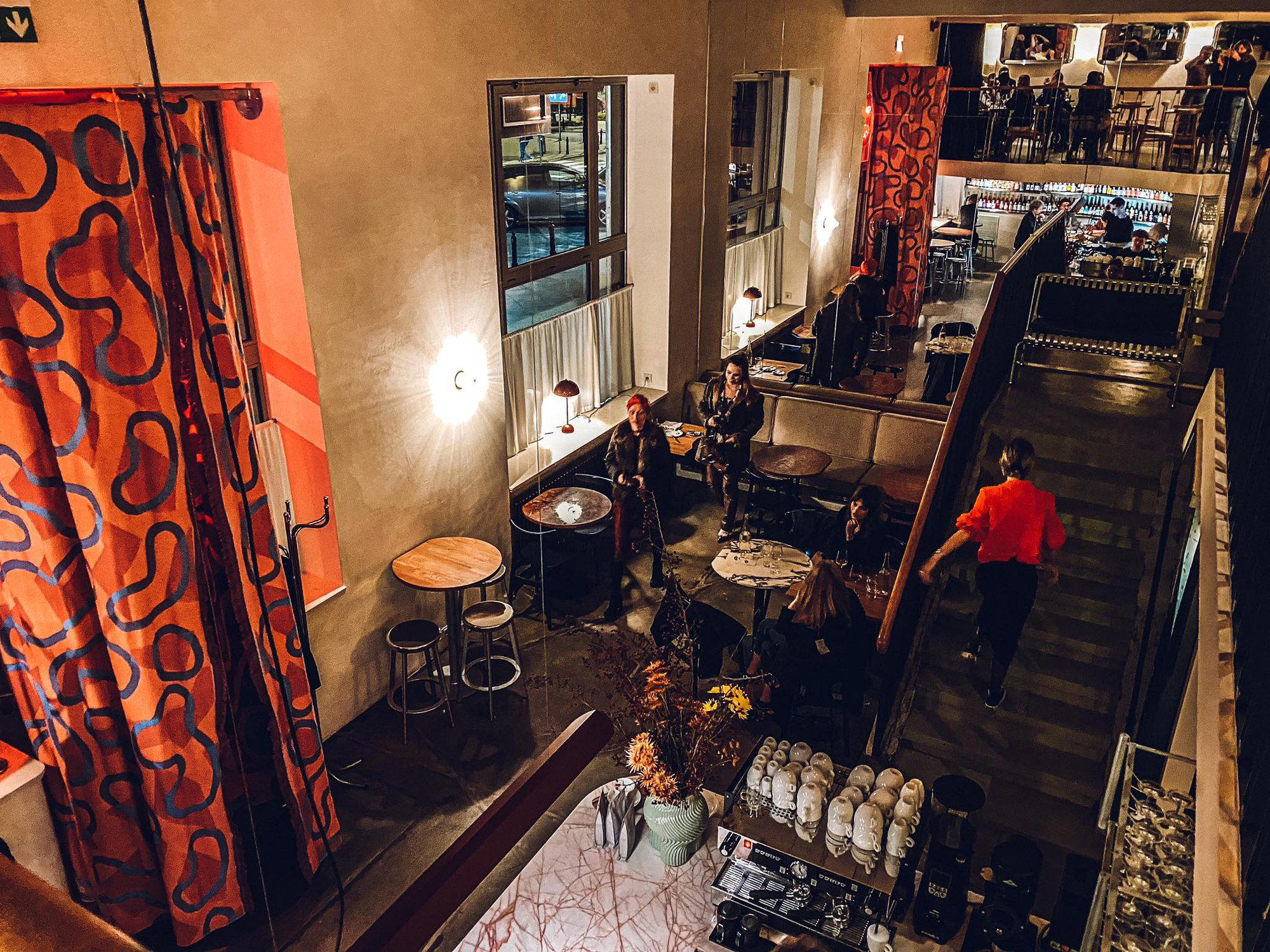
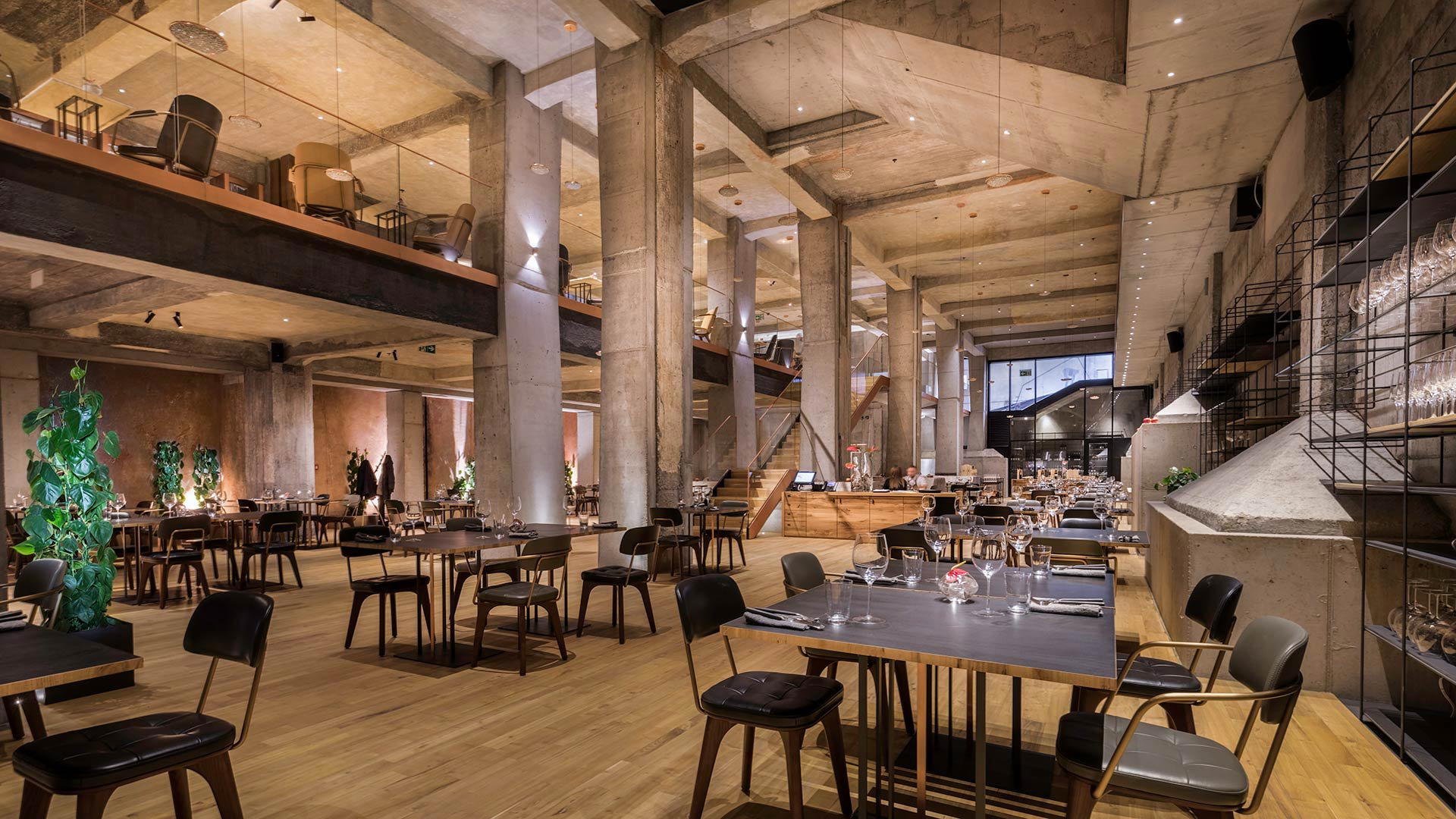
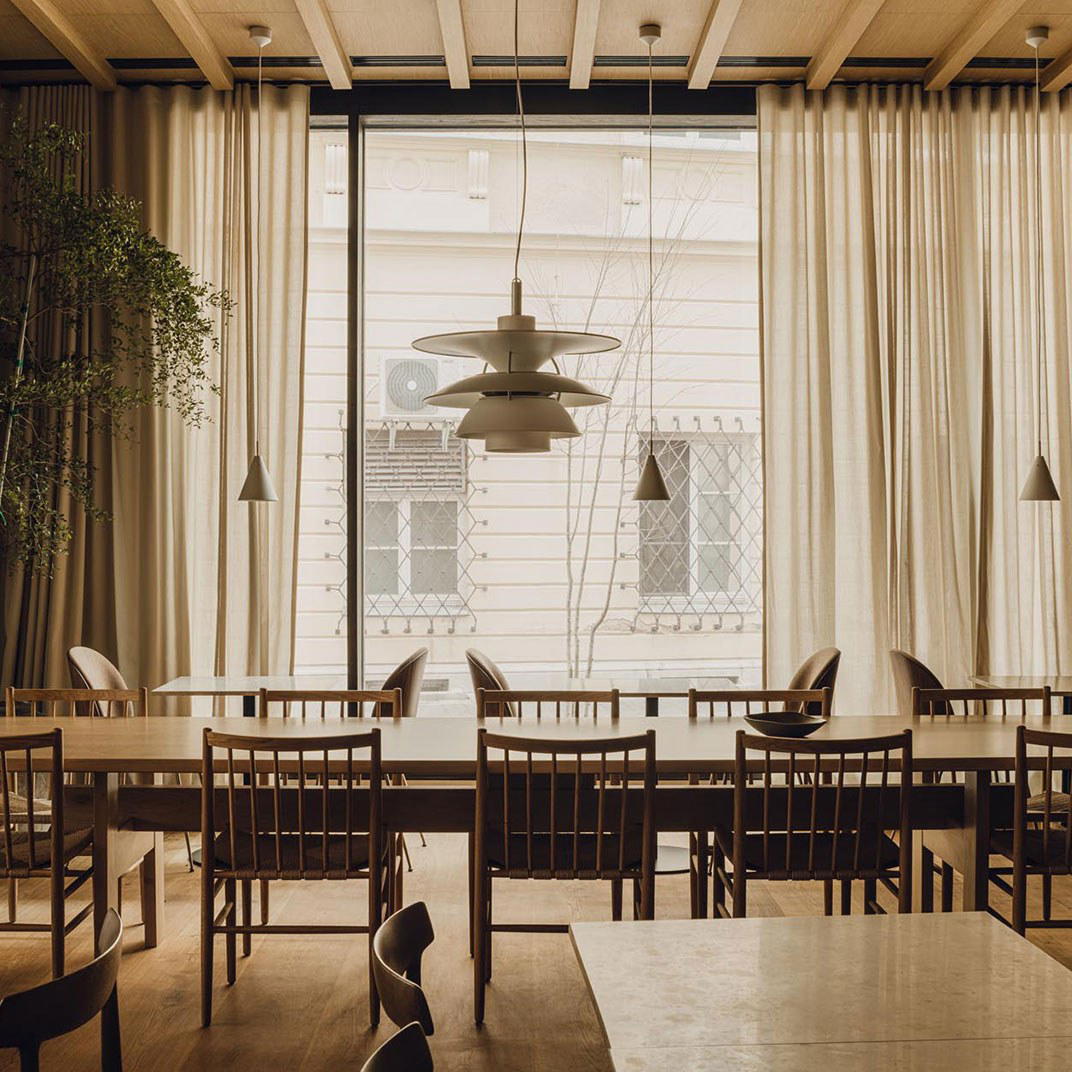
Rustic socialist theme with red banners, communist-era decorations, and playful retro atmosphere.