Our verdict
On Krakowskie Przedmieście, Warsaw's most ceremonial boulevard, GOŚCINIEC Polskie Pierogi occupies a position that places it squarely within the city's tradition of preserving dumpling culture against the tide of modernist Polish kitchens. The restaurant focuses on pierogi in their many regional forms, offering a reference point for visitors and locals seeking the dish in its less-reinvented state.

Pearl is the En Primeur Club membership app, where members save venues, book tables and use the concierge.
Warsaw's Royal Route and the Case for Staying Traditional
Krakowskie Przedmieście is not a street that rewards rushing. The boulevard connecting the Old Town to the university district has been Warsaw's civic spine for centuries, and in autumn and winter the foot traffic slows to a pace that invites detours. GOŚCINIEC Polskie Pierogi sits at number 29 on this stretch, in a city where the argument over what Polish food should look like in 2024 is very much unresolved. On one side: restaurants like NUTA (Creative) and hub.praga (Modern Cuisine), reframing Polish ingredients through contemporary technique. On the other: establishments that hold the position that some dishes do not need reframing. GOŚCINIEC sits firmly in the second camp.
That position is neither nostalgic nor accidental. Warsaw has lost and rebuilt itself so many times that preserving culinary forms carries a different weight here than in cities with uninterrupted food traditions. Pierogi, in particular, exist at the intersection of everyday nourishment and national symbolism, which is precisely why so many Warsaw kitchens treat them as a base to build from rather than a destination in themselves. A restaurant that treats them as the destination is, by that standard, making an editorial choice.
What Pierogi Mean in Warsaw's Current Dining Conversation
The broader Warsaw dining scene has split along a fault line that visitors can feel without needing to name it. The modernist tier, represented by venues like Rozbrat 20 (Modern European, Modern Cuisine) at the €€€ level, and alewino (Modern Polish, Traditional Cuisine) at €€, uses Polish produce as raw material for dishes that carry European fine-dining structure. The traditional tier uses the same produce to replicate and refine forms that predate that structure entirely. Pierogi belong to the second tradition, and the venues that specialise in them operate with a different logic: variety within the form rather than departure from it.
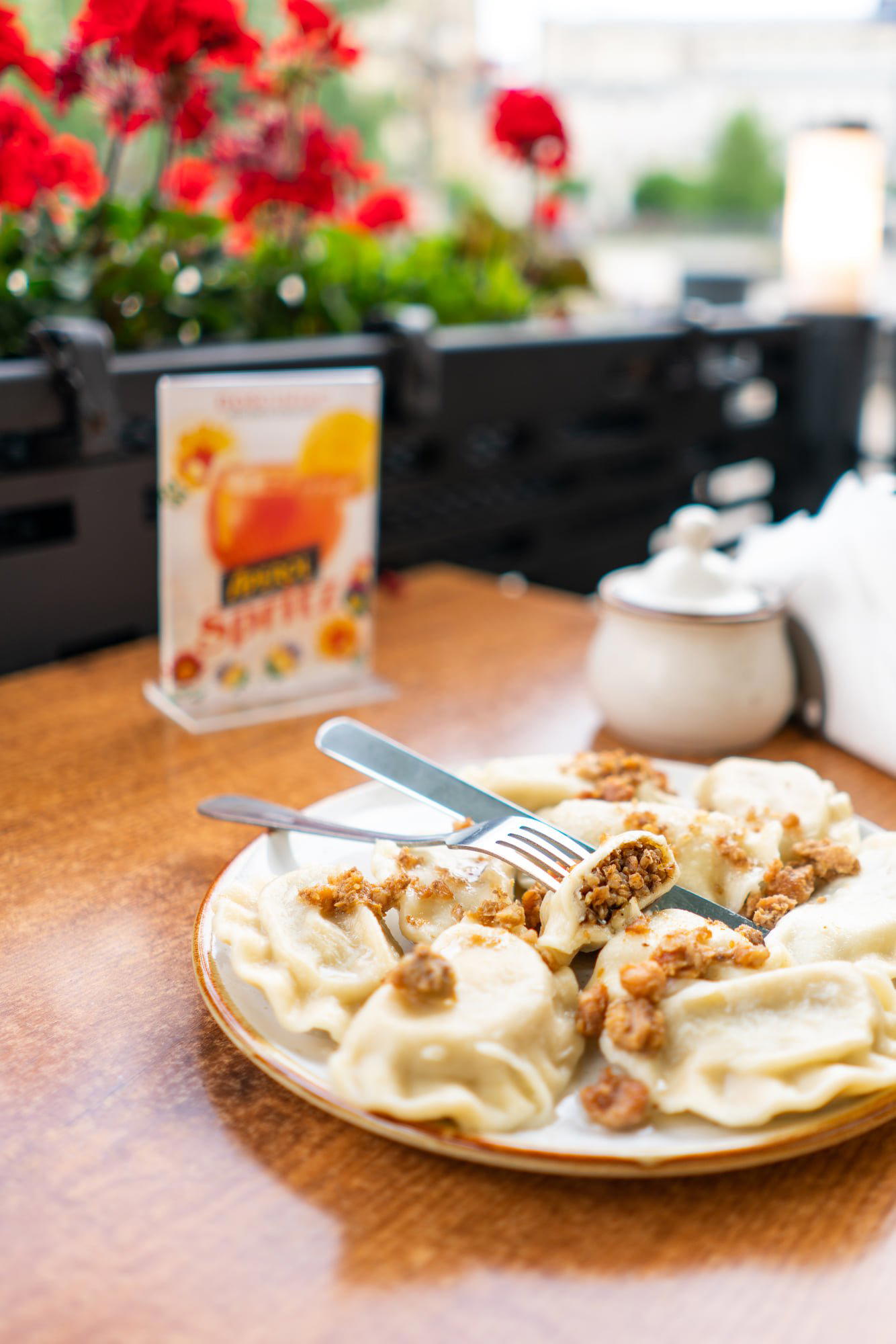
Across Poland, regional pierogi variations are substantial. Fillings shift from ruskie (potato and farmer's cheese) in the east to mushroom-and-sauerkraut in forested regions, to meat-filled versions associated with festive occasions. A specialist restaurant on a major Warsaw boulevard is positioned to serve that range to an audience that includes both international visitors and Polish diners who grew up eating only one or two regional styles. That educational function, rarely acknowledged in food criticism, is part of what makes the category worth taking seriously.
For context on how Polish food culture plays out beyond Warsaw, Bottiglieria 1881 Restaurant in Kraków and Giewont in Kościelisko show how regional traditions anchor fine dining outside the capital, while Muga in Poznań demonstrates how the western cities approach the same question of tradition versus modernity with a different set of references.
Planning the Visit: Booking, Timing, and the Royal Route Context
The editorial angle here is logistical, because on Krakowskie Przedmieście logistics matter. The boulevard is heavily touristed in summer, particularly from June through August when walking tours cluster around the presidential palace and the university gates. A pierogi specialist at this address will absorb a significant share of that foot traffic, which means arriving without a plan during peak season is a different proposition than arriving in October or November when the street empties back to its Varsovian rhythm.
Visitors planning a Warsaw trip in the autumn shoulder season will find Krakowskie Przedmieście considerably more navigable. The same applies to lunch versus dinner: the midday crowd on this boulevard skews toward tourists moving between Old Town and the university museum, while evening trade draws more from the Śródmieście residential and office population. Neither window is inherently superior, but they produce different atmospheres at the same address.
For visitors building a broader Warsaw itinerary, our full Warsaw restaurants guide maps the city's dining options across price points and neighbourhoods, and venues like Baken offer an entirely different reference point for understanding what Warsaw's mid-range food scene now encompasses.
The Address as Context
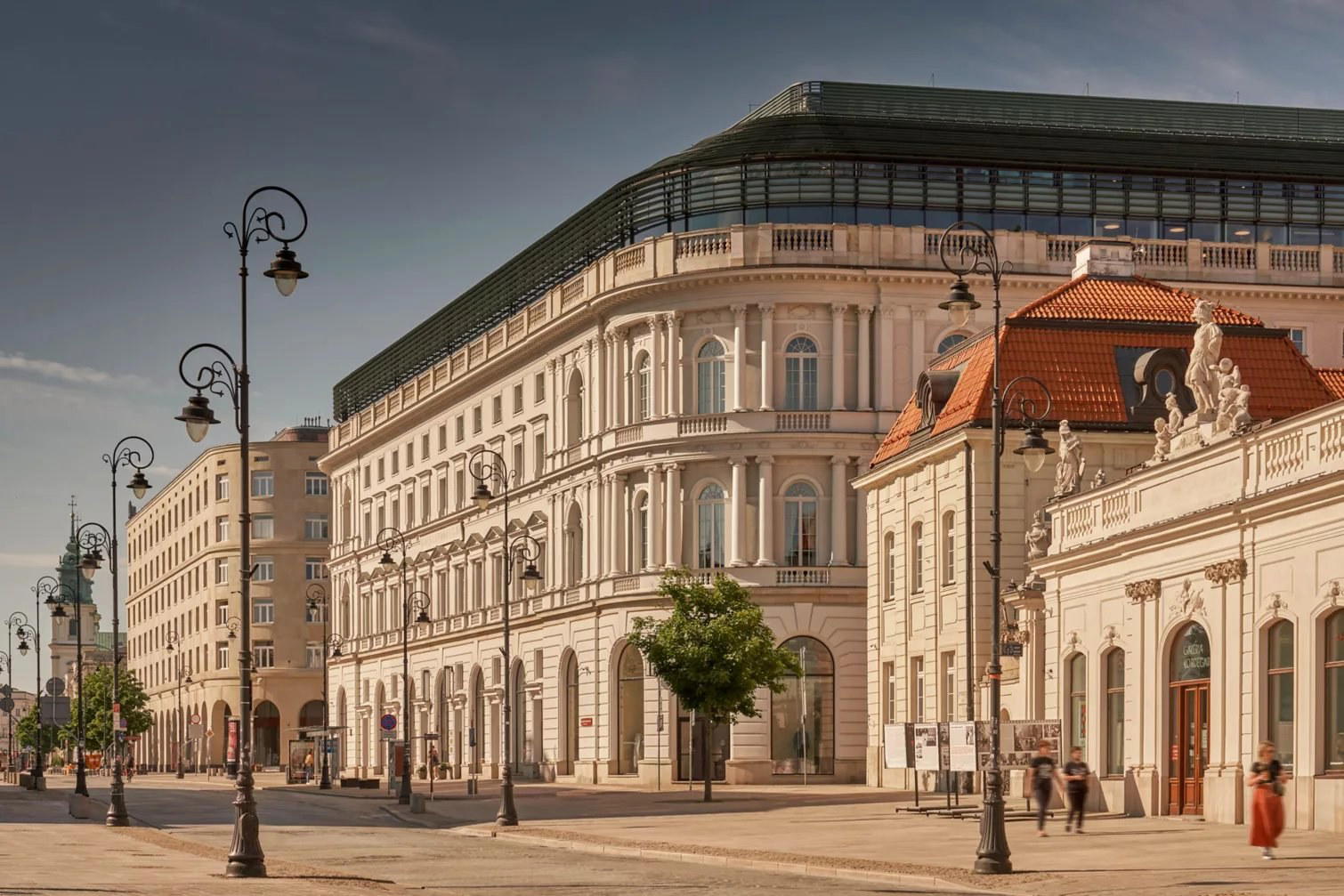
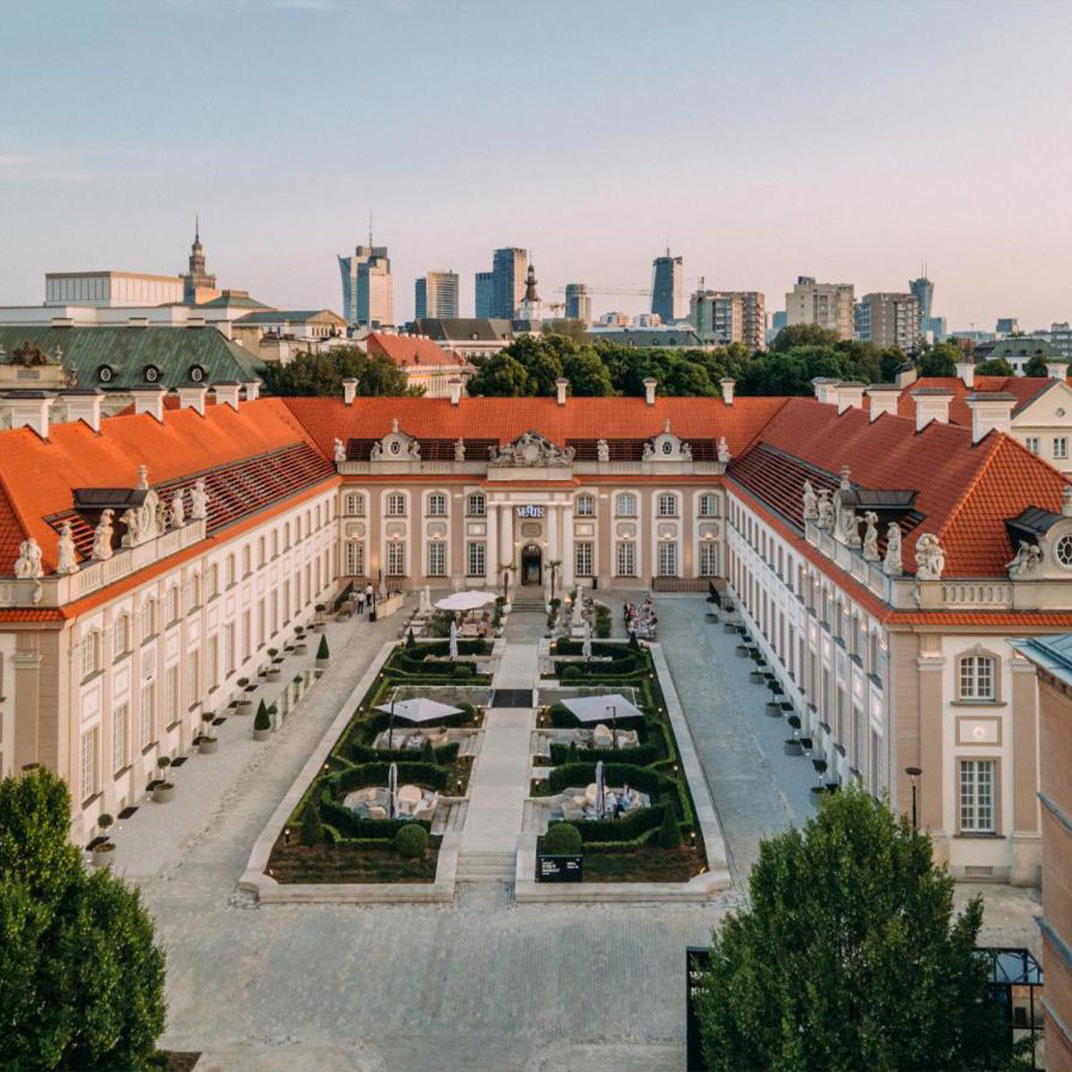
29 Krakowskie Przedmieście is not a discreet location. It places GOŚCINIEC within a corridor that includes major hotels, university buildings, and several of Warsaw's most-visited churches. That visibility works differently for a traditional Polish restaurant than it would for a modernist tasting menu operation. For the latter, a Royal Route address might register as incongruous. For a pierogi specialist, it makes geographic sense: the dish is legible to a broad international audience in a way that, say, a żurek or bigos specialist might not be, and the location converts foot traffic into covers in a way that a side-street venue cannot.
Across Poland more broadly, food tourism has matured to the point where cities beyond Warsaw are generating their own specialist restaurant cultures. Arco by Paco Pérez in Gdańsk and Kwestia Czasu in Białystok show how Polish cities are building dining identities that no longer depend on Warsaw as a reference point. Cudne Manowce in Olsztyn and Górnik in Krakow extend that picture further. For international visitors whose Polish dining reference points are limited to Warsaw, these venues are worth tracking.
On the international side, the contrast is instructive: the precision-driven tasting formats of Le Bernardin in New York City or Atomix in New York City represent one end of the spectrum of what a restaurant can be. A Warsaw pierogi specialist on a historic boulevard represents something close to the opposite end, and that distance is not a failing. It is the whole point.
Frequently asked questions
What's GOŚCINIEC Polskie Pierogi's location?
GOŚCINIEC Polskie Pierogi is located at Krakowskie Przedmieście 29, 00-071 Warszawa, Poland.
Is GOŚCINIEC Polskie Pierogi a good option for a sit-down meal near the Warsaw Old Town?
At 29 Krakowskie Przedmieście, the restaurant sits within walking distance of the Old Town and the University of Warsaw, making it a practical stop along the Royal Route corridor. Unlike the hotel restaurants and international chains that dominate this stretch of the boulevard, GOŚCINIEC is built around a single Polish dish rather than a broad menu designed to absorb tourist traffic. For travellers moving between the Old Town and the university district who want a focused, traditional Polish meal, the location and format align well.
What do people recommend at GOŚCINIEC Polskie Pierogi?
The venue's focus is Polish pierogi, the hand-formed dumplings that anchor traditional Warsaw dining. Given the address on Krakowskie Przedmieście, the kitchen draws heavily from the canon of regional fillings, expect ruskie (potato and cheese), meat, and seasonal variants. Specific current menu items are best confirmed directly at the restaurant.
Should I book GOŚCINIEC Polskie Pierogi in advance?
Krakowskie Przedmieście runs at high foot traffic from late spring through summer, and a well-positioned pierogi spot at number 29 will feel that pressure. Walk-ins are feasible outside peak tourist hours, but if you are visiting on a weekend afternoon in July or August, arriving early is the more reliable approach. Booking availability and contact details are best checked on arrival or via the venue directly.
What is GOŚCINIEC Polskie Pierogi known for?
The name says it plainly: Polish pierogi are the entire proposition here. The restaurant sits on Warsaw's most civic boulevard, where it functions as a dedicated counter to a dish that the broader Warsaw dining scene has either marginalised in favour of modernist tasting menus or sentimentalised into tourist shorthand. GOŚCINIEC holds the traditional line at a high-visibility address.
How does GOŚCINIEC Polskie Pierogi handle allergies?
Diners with serious dietary requirements should speak with staff directly before ordering.
Is eating at GOŚCINIEC Polskie Pierogi worth the cost?
Pierogi remain one of Warsaw's most affordable sit-down meals by category, and a restaurant on Krakowskie Przedmieście operating in this format is not pricing against the hotel dining rooms nearby. The value case rests on the dish itself: if traditional Polish dumplings prepared in a dedicated kitchen are what you are after, the cost-to-purpose ratio holds. Precise pricing should be confirmed at the venue.
How GOŚCINIEC Polskie Pierogi Warsaw compares with similar nearby venues.
| Venue | Cuisine | Price | Awards |
|---|---|---|---|
| GOŚCINIEC Polskie PierogiThis venue (the venue you are viewing) | Traditional Polish Pierogi | $10–20 | Not listed |
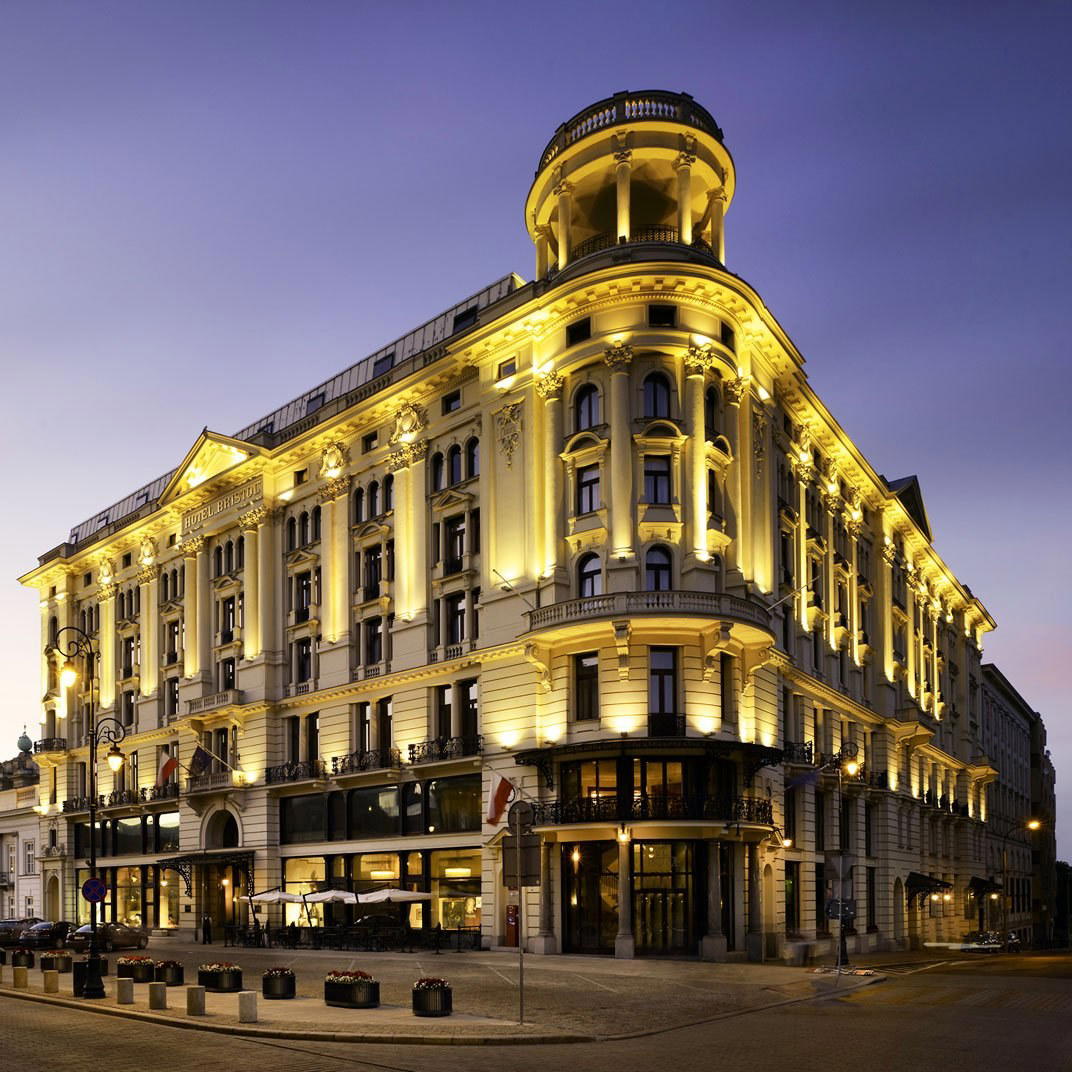
| Café Bristol | Not listed | $10–20 | Not listed |
| Epoka | Modern Historic Polish Fine Dining | $150–200 | Michelin Plate · La Liste Top Restaurants |
| Column Bar & Restaurant | Cocktail‑focused European & international restaurant in a historic Art Nouveau hotel bar | $30–50 | Not listed |
| Europejski Grill | Modern Polish Grill | Not listed | Michelin Plate |
| Marconi Restaurant | International cuisine with Italian and Polish influences | Not listed | Not listed |