

Michelin Plate · Star Wine List
Our verdict
Warsaw's dedicated seafood counter in the €€€ tier, Tuna sits on Elektryczna Street and holds consecutive Michelin Plate recognition for 2024 and 2025. Argentine chef Martin Gimenez Castro brings a South American perspective to Polish coastal produce, setting the restaurant apart from the city's predominantly meat-forward fine dining scene.

Pearl is the En Primeur Club membership app, where members save venues, book tables and use the concierge.
The menu
What to order
- Chili con tuna
- Tuna nduja
- Fish platter
- Tuna tartare
A Room Built Around the Sea
Warsaw is a landlocked capital, and that fact shapes how its restaurants approach seafood. Most treat fish and shellfish as a secondary menu tier, with the kitchen's real attention reserved for game, pork, or the kind of butter-heavy continental plates that define the city's €€€ dining scene. Tuna, on Elektryczna Street in the Powiśle district, inverts that hierarchy entirely. The address anchors itself to fish and seafood as a primary language, not an afterthought, which is a relatively rare position in a city where Rozbrat 20 and hub.praga define the dominant tone of upscale eating.
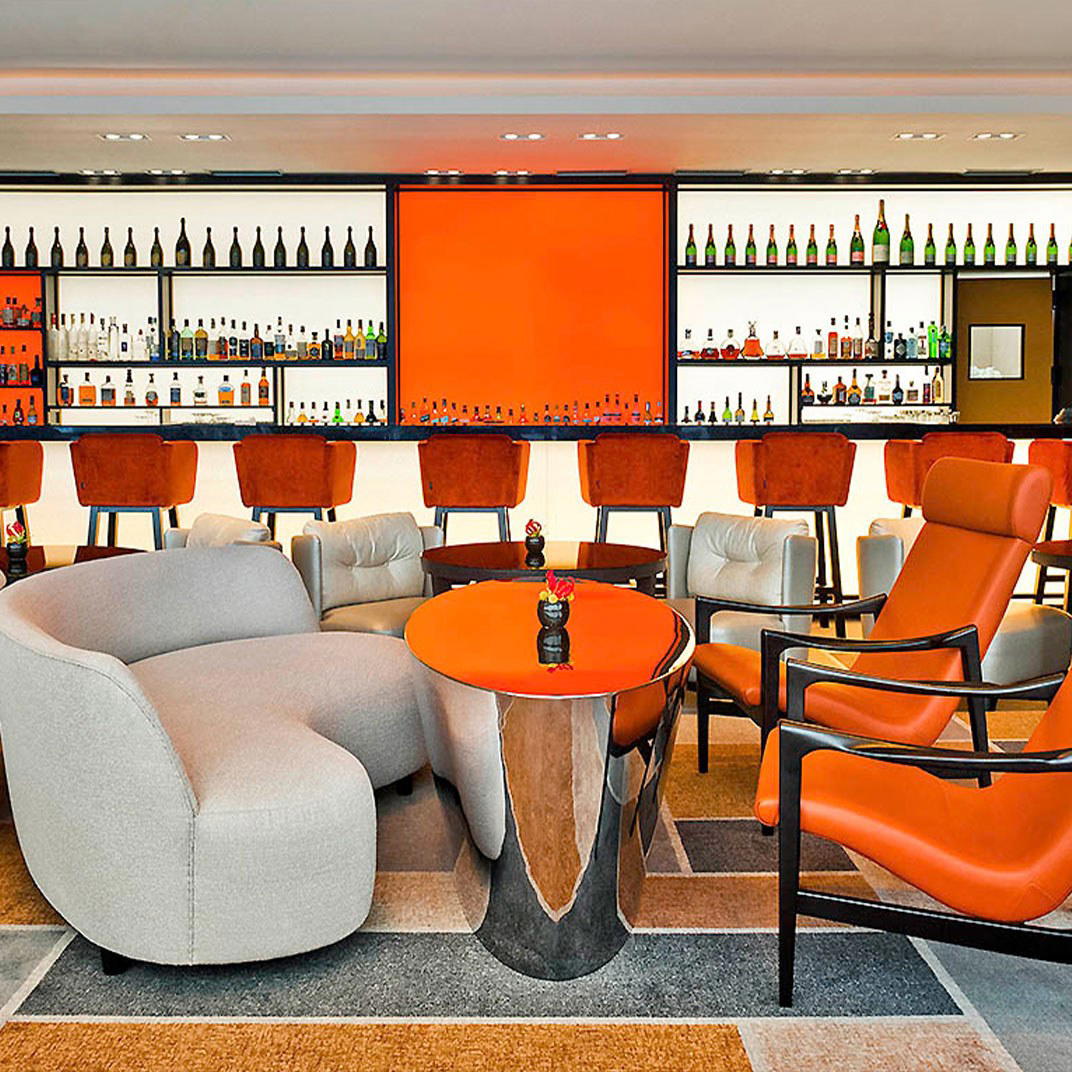
Powiśle has become one of Warsaw's more coherent dining neighbourhoods over the past decade, a stretch of low-rise streets between the Old Town escarpment and the Vistula riverbank where independent restaurants cluster at a density unusual for the city. The physical address on Elektryczna places Tuna inside that zone, close enough to the river that the maritime reference in the name reads as geographical logic as much as menu declaration. The building itself contributes a register that Warsaw's more formal dining rooms do not always achieve: an interior that reads compact and deliberate rather than grand, designed around the logic of a specialist counter rather than a hotel restaurant's broad brief.
Interior Logic: The Specialist Counter Model
In cities with deep seafood traditions, the specialist counter is an architectural type as much as a culinary category. Think of the oyster bar formats of Paris or the raw counters of coastal Spain, rooms where the seating arrangement and sightlines are calibrated specifically for the product on the menu. Warsaw has few rooms that operate within that typology. Tuna positions itself inside it, and the physical container communicates that specialisation before a single dish arrives.
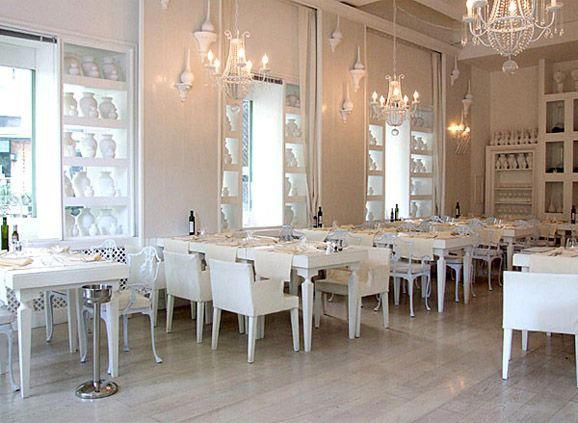
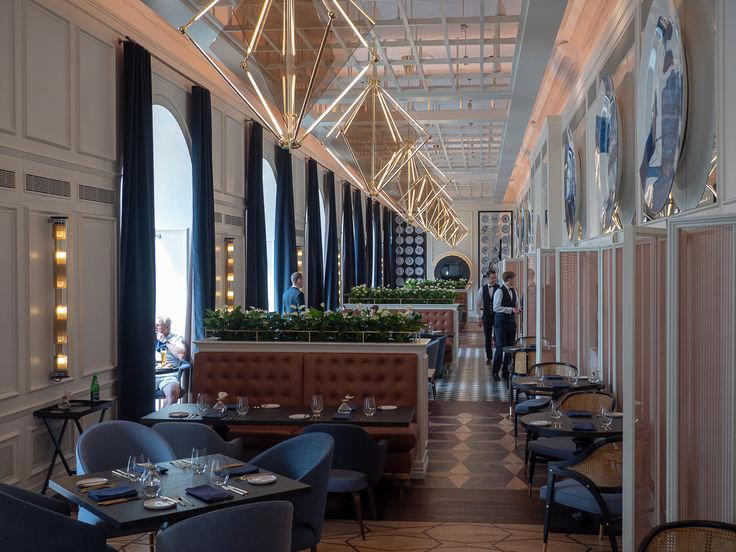
The room works through restraint. Rather than the voluminous dining halls that characterise Warsaw's grand-hotel dining or the deliberately exposed-brick industrial aesthetic that spread across the city's casual tier, the space reads as composed and specific. Seating is arranged to focus attention on the food rather than perform a social spectacle, which aligns the physical environment with the editorial tone of the menu. That discipline of space is harder to achieve than it looks, and in a market where NUTA and alewino each stake out distinct spatial identities, it matters that Tuna has a coherent one of its own.
The Argentine Perspective on Northern Seafood
Dedicated seafood restaurants at the €€€ price point tend to cluster around a few dominant models: the French brasserie de la mer format, the Mediterranean crudo-and-grill approach, or the Japanese-influenced raw-bar direction that has spread across European capitals since the mid-2010s. What Tuna introduces is a less expected reference point: Argentine chef Martin Gimenez Castro, who has been working in Poland for many years, brings a culinary background shaped by South American produce and technique to a northern European seafood context.
That cross-reference is more than biographical colour. Argentine coastal cooking draws heavily on the cold-water Patagonian fishery, a larder with some structural parallels to Northern European waters, and the culinary traditions around it tend toward directness and intensity of flavour rather than the butter-and-reduction vocabulary of French seafood kitchens. Applied to Polish sourcing contexts, that background produces a menu with its own internal logic rather than an imitation of established European models. For diners accustomed to the fish plates at Acquario in Wrocław or the seafood sections at Arco by Paco Pérez in Gdańsk, the sensibility at Tuna sits in a genuinely different register.
The Michelin Plate awarded in both 2024 and 2025 places Tuna within the tier of restaurants that Michelin's inspectors consider worth visiting for food quality, below star level but above the general recommendation pool. In Warsaw's current Michelin geography, that classification puts Tuna in a peer group that includes some of the city's most technically rigorous kitchens. Together, these signals suggest a kitchen operating with reliability at a price point where inconsistency is common.
Where Tuna Sits in Warsaw's Seafood Map
Warsaw's position as an inland capital means that dedicated seafood restaurants face a structural sourcing challenge that coastal cities do not. The Baltic fishery, Poland's primary domestic marine source, runs to Baltic herring, sprat, cod, and flounder, a relatively narrow larder compared to the Atlantic or Mediterranean coastlines. Premium seafood restaurants in the city generally supplement domestic sources with imported Atlantic and Mediterranean product, which affects both cost structure and the type of menu architecture possible.
At the €€€ price tier, Tuna prices itself above the casual fish-and-chips register and above the mid-market Polish restaurant norm. For context, alewino operates at €€ with a broadly Polish menu; Bar Rascal occupies the natural wine and tapas space at a similar level. Tuna's €€€ positioning sits alongside Rozbrat 20 in the city's fine dining mid-tier, though the seafood specialism narrows the competitive set considerably. Among dedicated seafood restaurants at this price level in Warsaw, Tuna has few direct peers, which is both an opportunity and a clarity signal for the city's dining audience.
Comparable dedicated seafood restaurants at Michelin-recognised level elsewhere in Poland include Gambero Rosso and Alici on the Amalfi Coast as international reference points, and domestically the seafood ambitions at Bottiglieria 1881 in Kraków or the coastal-adjacent approach at 1911 in Sopot offer different models for what a Polish fine-dining seafood kitchen can look like. Against that field, Tuna's Warsaw positioning is specific: a landlocked capital's most focused seafood address, operating with Argentine culinary direction and consecutive Michelin recognition.
Planning a Visit
Elektryczna Street sits within walkable distance of Warsaw's central hotel belt, making Tuna accessible without a taxi from most of the city's primary accommodation zones. Visitors using Warsaw's hotel options in the Śródmieście district will find the Powiśle neighbourhood a short journey on foot or by the city's tram network. The €€€ pricing category places a typical dinner for two at a level consistent with Warsaw's upper-tier restaurant spend, which runs considerably below comparable meals in Prague, Vienna, or Western European capitals at the same Michelin tier.
Given the Michelin Plate recognition and the 4.8 rating, a reservation is advisable rather than optional. Warsaw's better-regarded independent restaurants at this price level do fill, particularly on Thursday through Saturday evenings, and a specialist room with limited seating fills faster than a large-format brasserie. Booking ahead by at least several days is a reasonable baseline; weekend tables merit more lead time. For a broader map of where Tuna sits in the city's eating and drinking options, the full Warsaw restaurants guide covers the range from neighbourhood naturals like NUTA to the wider city picture, alongside Warsaw's bar scene, wineries, and experiences worth pairing with a dinner at a room of this calibre. If Poland's broader fine dining geography is part of a longer itinerary, Muga in Poznań and Giewont in Kościelisko represent the range of ambition the country's regional kitchen is currently producing.
Frequently asked questions
Do I need a reservation for Tuna?
Yes. At the €€€ price point with two consecutive Michelin Plate recognitions (2024 and 2025), Tuna occupies a narrow tier of upper-level independents in Warsaw where tables move quickly. Book in advance through the restaurant directly, particularly for weekend sittings.
The Short List
| Venue | Cuisine | Price | Awards | Notes |
|---|---|---|---|---|
| TunaThis venue (the venue you are viewing) | Creative Seafood | Not listed | Michelin Plate · Star Wine List | Not listed |
| Rozbrat 20 | Modern Polish Fine Dining | $100–150 | 1 Michelin Star · Star Wine List | Modern European, Modern Cuisine |
| alewino | Seasonal Polish Wine Bistro | $30–50 | Michelin Plate · Star Wine List | Modern Polish, Traditional Cuisine |
| Bez Gwiazdek | Modern Polish Regional | $200–300 | Michelin Plate · Star Wine List | Modern Polish, Modern Cuisine |
| Butchery & Wine | Modern Steakhouse | $50–100 | Michelin Plate · Star Wine List | Bistro, Meats and Grills |
| hub.praga | Modern Polish Fine Dining | $100–150 | 1 Michelin Star · Star Wine List | Modern Cuisine |
Recognition history
Dated appearances from independent guides and award organizations, with the underlying list record or original source where available.
Michelin Plate
Michelin
Star Wine List
Star Wine List
Full recognition history (4 entries)
Michelin Plate
Michelin
Michelin Plate
Michelin
Tuna
Featured Guides
Continue exploring
More in Warsaw
Restaurants in Warsaw
All restaurants in Warsaw →
Bars in Warsaw
All bars in Warsaw →
Details
- Elegant
- Modern
- Intimate
- Date Night
- Group Dining
- Casual Hangout
- Open Kitchen
- A La Carte
- Small Plates
Current opening hours
- Monday
- 5–10:30 PM
- Tuesday
- 5–10:30 PM
- Wednesday
- 5–10:30 PM
- Thursday
- 5–10:30 PM
- Friday
- 5–10:30 PM
- Saturday
- 2–10:30 PM
- Sunday
- Closed
Hours can change for holidays and private events. Hours as of .
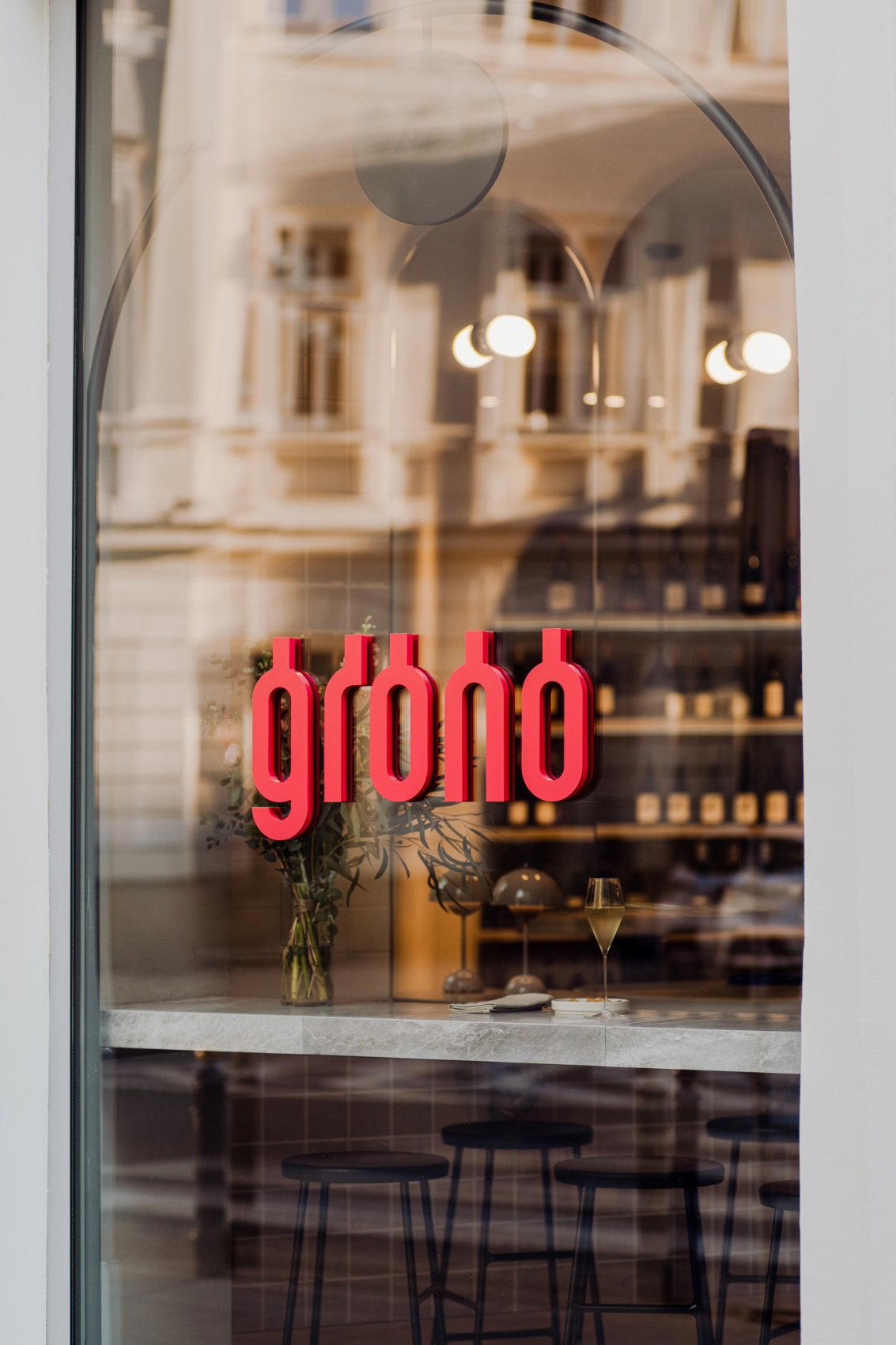
Elegant yet not overwhelming with a large comfy bar, intimate tables, and walls covered in hundreds of tiny metal scales evoking a fishy theme.