Google: 4.6 · 65 reviews
Stube Hermitage


Housed inside the Biohotel Hermitage in Madonna di Campiglio, Stube Hermitage holds a Michelin star (2024) and operates within an early twentieth-century wood-panelled stube. Chef Gennaro Balice runs four tasting menus spanning freshwater fish, alpine mountain ingredients, seafood, and vegetarian, making it one of the Dolomites' most format-disciplined fine dining rooms.
 Discover on Pearl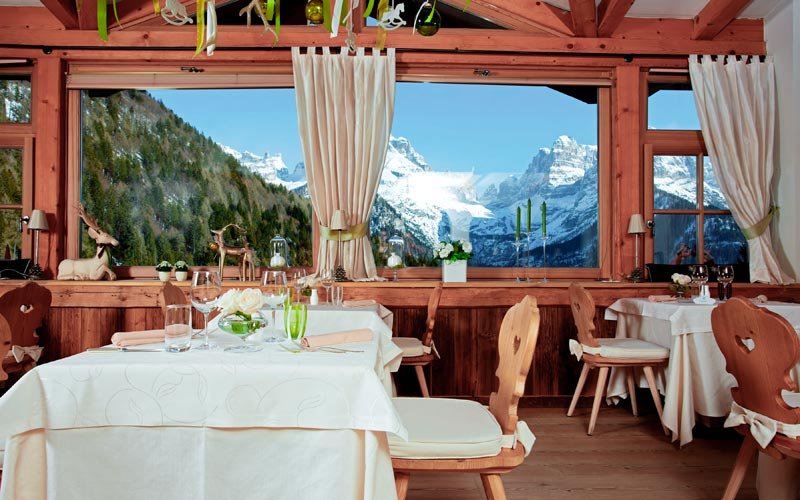
A Room That Sets the Terms
There is a particular kind of dining room in the Alpine arc that imposes its logic before a single dish arrives. The stube format, a wood-panelled interior originating in Tyrolean domestic architecture, was never designed for restaurants. Its low ceilings, close-grained timber walls, and compressed proportions create an enclosure that slows everything down: conversation drops to a measured register, and the outside world, whether ski runs or summer trails, ceases to press in. Stube Hermitage works within that tradition. Located inside the Biohotel Hermitage on Via Castelletto Inferiore, the room dates to the early twentieth century and seats a handful of tables. The physical container is not incidental to the meal; it is the first course.
Madonna di Campiglio's fine dining tier has become more concentrated in recent years. A small cluster of Michelin-recognised rooms now defines the upper bracket of the resort's restaurant scene: Il Gallo Cedrone and Dolomieu occupy the same €€€€ price tier, while Due Pini operates one tier below at €€€. Stube Hermitage sits inside that upper group, distinguished less by price point than by its tasting-menu architecture and the deliberate restraint of its physical scale. You are not dining in a hotel restaurant that happens to have fine food; you are dining in a specialist room that happens to sit inside a hotel.
The Ritual of the Tasting Menu
The most telling thing about how Stube Hermitage approaches dinner is the plurality of its menus. Where many starred rooms in mountain resorts anchor their offer to a single flagship tasting, here there are four distinct paths through the kitchen: a menu dedicated to freshwater fish, one built around high-altitude alpine ingredients such as roe deer, wild garlic, alpine butter, horseradish, and honey, a third given over to the sea, and a vegetarian menu that closes the sequence. This is a significant structural choice. It requires the kitchen to maintain four coherent ingredient narratives simultaneously rather than one, and it gives the diner a meaningful decision before the meal begins.
That decision is itself part of the ritual. In tasting-menu culture broadly, the diner has historically ceded control to the chef; the menu arrives and the evening proceeds on the kitchen's terms. The multi-path format here reintroduces an element of intention on the diner's side. Do you want to stay close to the mountains that surround you, following roe deer and alpine herbs through the courses? Do you want the counterintuitive move of eating from the sea at altitude, which in Italy has its own logic given the country's coastline breadth? Or do you want to trace the valley's water systems through its freshwater fish? The choice shapes not just what you eat but what kind of evening you construct.
Chef Gennaro Balice leads the kitchen. The cuisine is classified as Creative, which in the Italian starred context generally signals a willingness to move across regional and product boundaries rather than committing to a single territory. The four-menu structure reflects that orientation: the sea menu, in particular, represents a deliberate step outside the obvious Alpine frame. Italian fine dining has a long tradition of this kind of reach. Rooms like Osteria Francescana in Modena and Le Calandre in Rubano built their reputations partly on the refusal to be constrained by regional identity alone. At Stube Hermitage, the alpine menu anchors the offer in place, while the sea and freshwater menus open it outward.
How the Evening Moves
Service runs Tuesday through Sunday, with the kitchen taking its last orders between 7:45 PM and 9:00 PM. Monday is the weekly closure. The compressed service window is consistent with a small-room tasting format: the kitchen is not cycling through multiple seatings, and the pace of the evening reflects that. A stube interior with few tables and a menu structured around multiple courses does not lend itself to hurry, and the time frame is designed accordingly.
The cheese course is worth noting as a structural element. A selection described as fine, and not exclusively local, sits within the meal sequence. In tasting-menu terms, the cheese course often functions as a bridge between the savoury progression and dessert, but it is also a statement about range. Moving beyond local alpine cheeses to include broader selections signals that the kitchen is not confining itself to a purely regional narrative, which aligns with the Creative designation and the sea menu's logic. Italian fine dining has a handful of rooms where cheese selection itself carries critical weight. Enoteca Pinchiorri in Florence and Dal Pescatore in Runate both treat the cheese trolley as a serious chapter of the meal rather than an optional aside.
Placing It in the Wider Starred Alpine Context
The Dolomites and their resort towns represent a specific sub-category within Italy's starred dining scene. Altitude, seasonality, and the dual identity of ski and summer tourism all shape what kitchens can do and who they can attract. Atelier Moessmer Norbert Niederkofler in Brunico operates at the far end of the alpine-ingredient commitment, building a philosophy around mountain product exclusivity. Stube Hermitage takes a different position: the alpine menu is present and central, but the kitchen does not restrict itself to mountain provenance. That positioning places it closer to rooms like Quattro Passi in Marina del Cantone or Uliassi in Senigallia in spirit, places where a strong local identity coexists with a broader creative reach, than to kitchens that treat geographic constraint as the organising principle of everything on the plate.
2024 Michelin star positions Stube Hermitage within a peer set that includes rooms of considerably larger scale and urban address. Enrico Bartolini in Milan and Alléno Paris au Pavillon Ledoyen occupy the Creative category at higher star counts and larger operations. JAN in Munich offers a comparison point for Creative-classified starred rooms in a resort-adjacent European context. What distinguishes the Stube Hermitage position is the physical intimacy of the room: a few tables inside a century-old wooden enclosure is a deliberately constrained format, and the credential here carries more weight per square metre than in a larger room.
Planning the Visit
Stube Hermitage is located at Via Castelletto Inferiore, 69, within the Biohotel Hermitage. Dinner runs Tuesday through Sunday from 7:45 PM, with the kitchen closing at 9:00 PM, giving a service window that suits a single unhurried seating. The price range sits at €€€€. Given the few-table format and the Michelin recognition since 2024, the room books ahead; approaching the reservation well in advance is the practical approach, particularly during the ski season's peak weeks and the summer hiking season when Madonna di Campiglio sees its highest occupancy. Google reviews sit at 4.6 across 62 ratings, a consistent signal from a small but engaged dining public. For a broader orientation to eating and drinking in the resort, our full Madonna di Campiglio restaurants guide maps the full range from starred rooms to casual alpine dining. Related guides cover hotels, bars, wineries, and experiences in Madonna di Campiglio.
What to Eat at Stube Hermitage
The four tasting menus provide the framework for the entire kitchen's output. The alpine menu, built around ingredients including roe deer, wild garlic, alpine butter, horseradish, and honey, is the most direct expression of the restaurant's location and gives the fullest account of what the surrounding Dolomite terrain contributes to the plate. The freshwater fish menu tracks the valley's rivers and lakes through the courses. The sea menu represents the kitchen's deliberate move outside the Alpine frame, drawing on Italy's coastal traditions from an inland altitude. The vegetarian menu closes the sequence and reflects a category that has gained serious traction in Italian starred dining over the past decade. The cheese selection, sourced beyond local alpine producers, functions as a notable mid-course moment regardless of which menu you follow. Chef Gennaro Balice holds a Michelin star awarded in 2024, and the Creative classification across all four menus indicates a kitchen that treats the mountain context as one resource among several rather than as the ceiling of its ambition.
Compact Comparison
A quick look at comparable venues, using the data we have on file.
| Venue | Notes | Price |
|---|---|---|
| Stube Hermitage | This venue | €€€€ |
| Dolomieu | Contemporary, €€€€ | €€€€ |
| Il Gallo Cedrone | Creative, €€€€ | €€€€ |
| Due Pini | Contemporary, €€€ | €€€ |
Continue exploring
More in Madonna di Campiglio
Restaurants in Madonna di Campiglio
Browse all →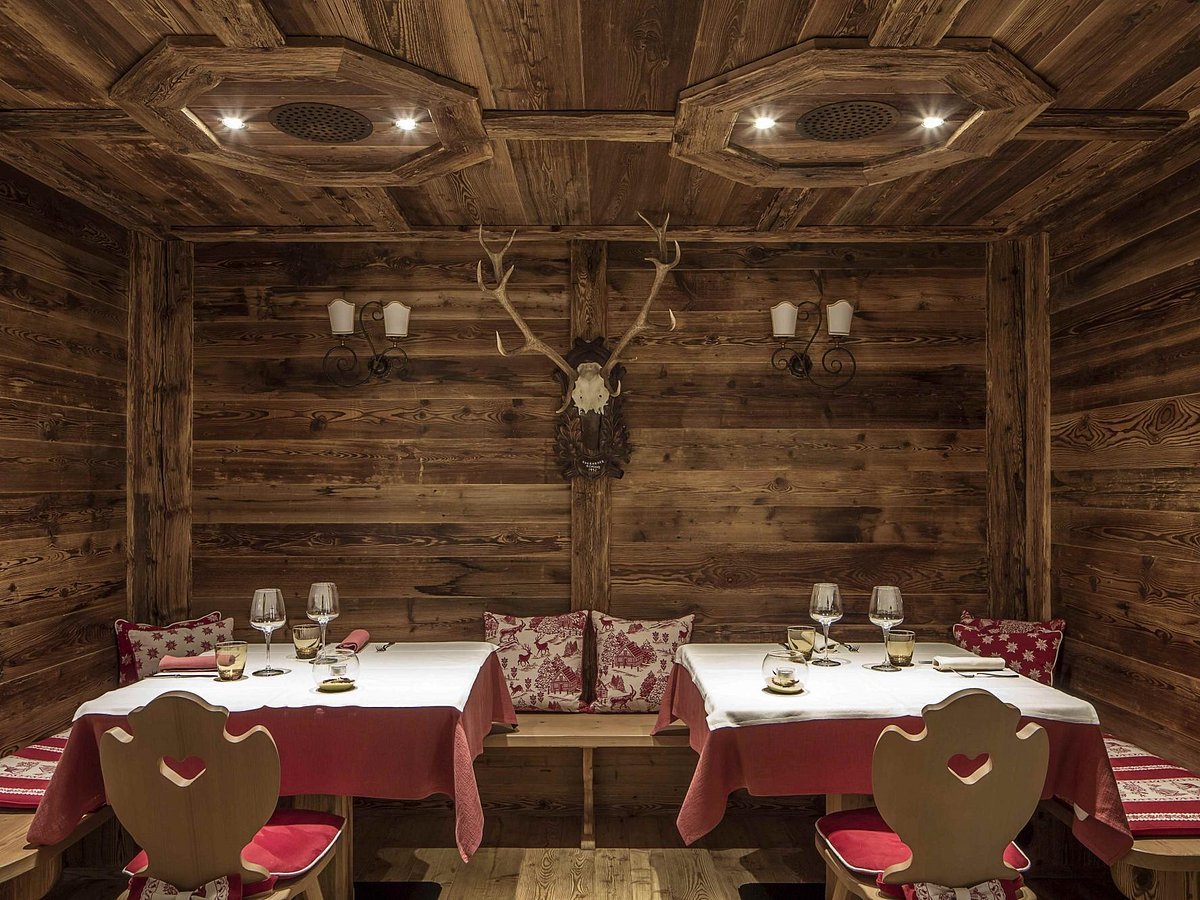
Hotels in Madonna di Campiglio
Browse all →
At a Glance
- Romantic
- Intimate
- Elegant
- Quiet
- Classic
- Sophisticated
- Date Night
- Special Occasion
- Celebration
- Hotel Restaurant
- Panoramic View
- Historic Building
- Private Dining
- Extensive Wine List
- Sommelier Led
- Local Sourcing
- Mountain
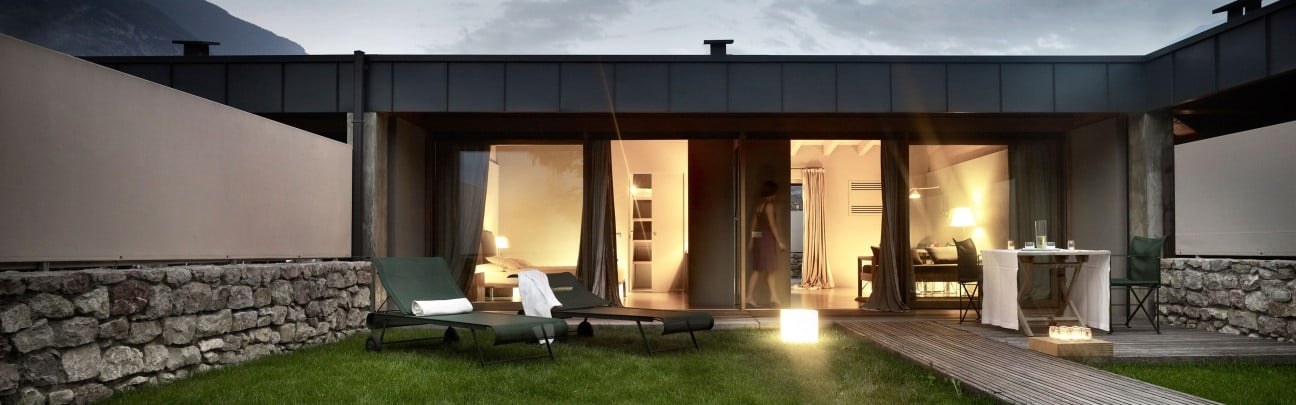
Warm, elegant wooden interior with refined simplicity; intimate atmosphere with few tables creating a romantic, peaceful setting enhanced by breathtaking mountain views.