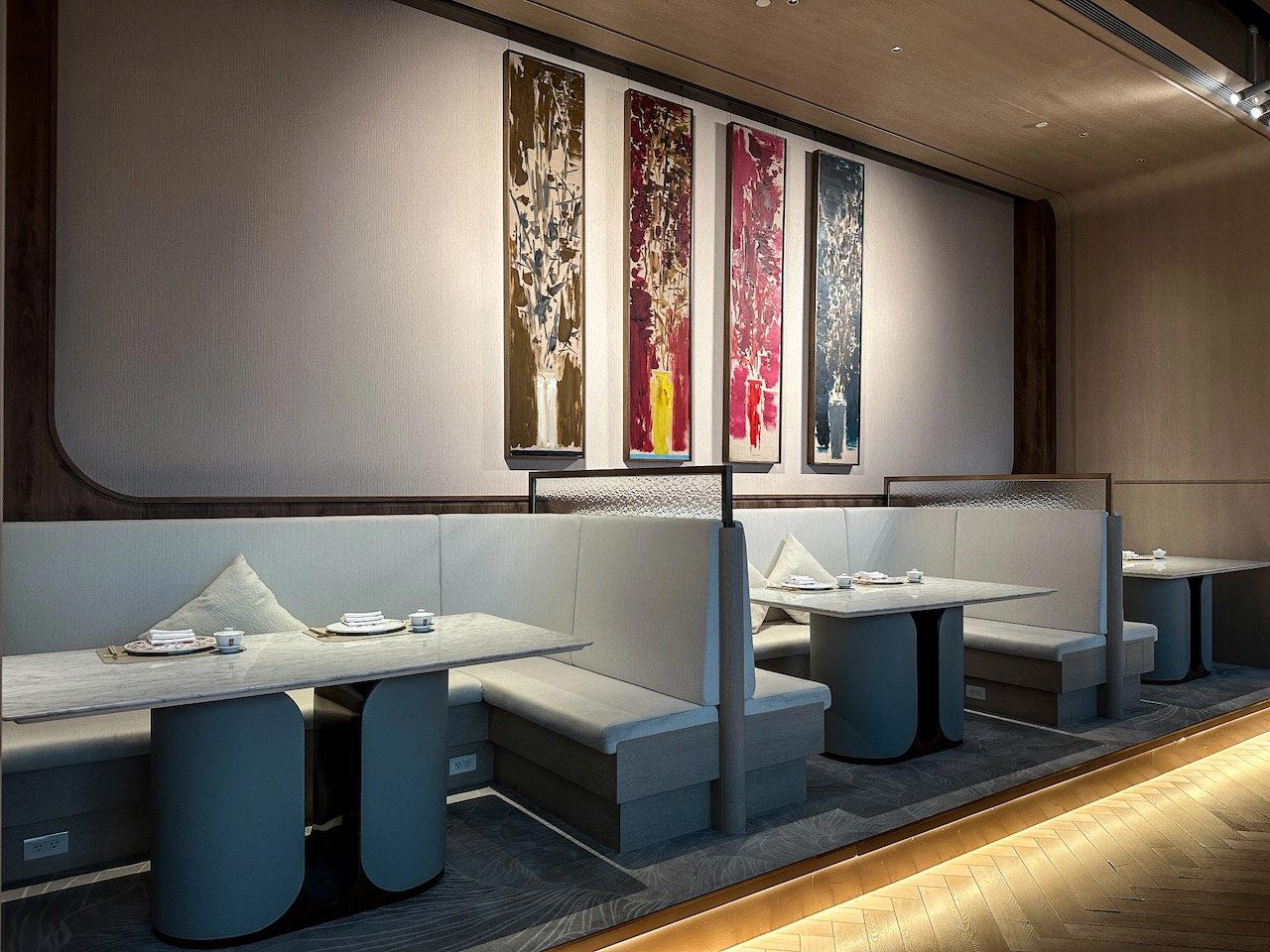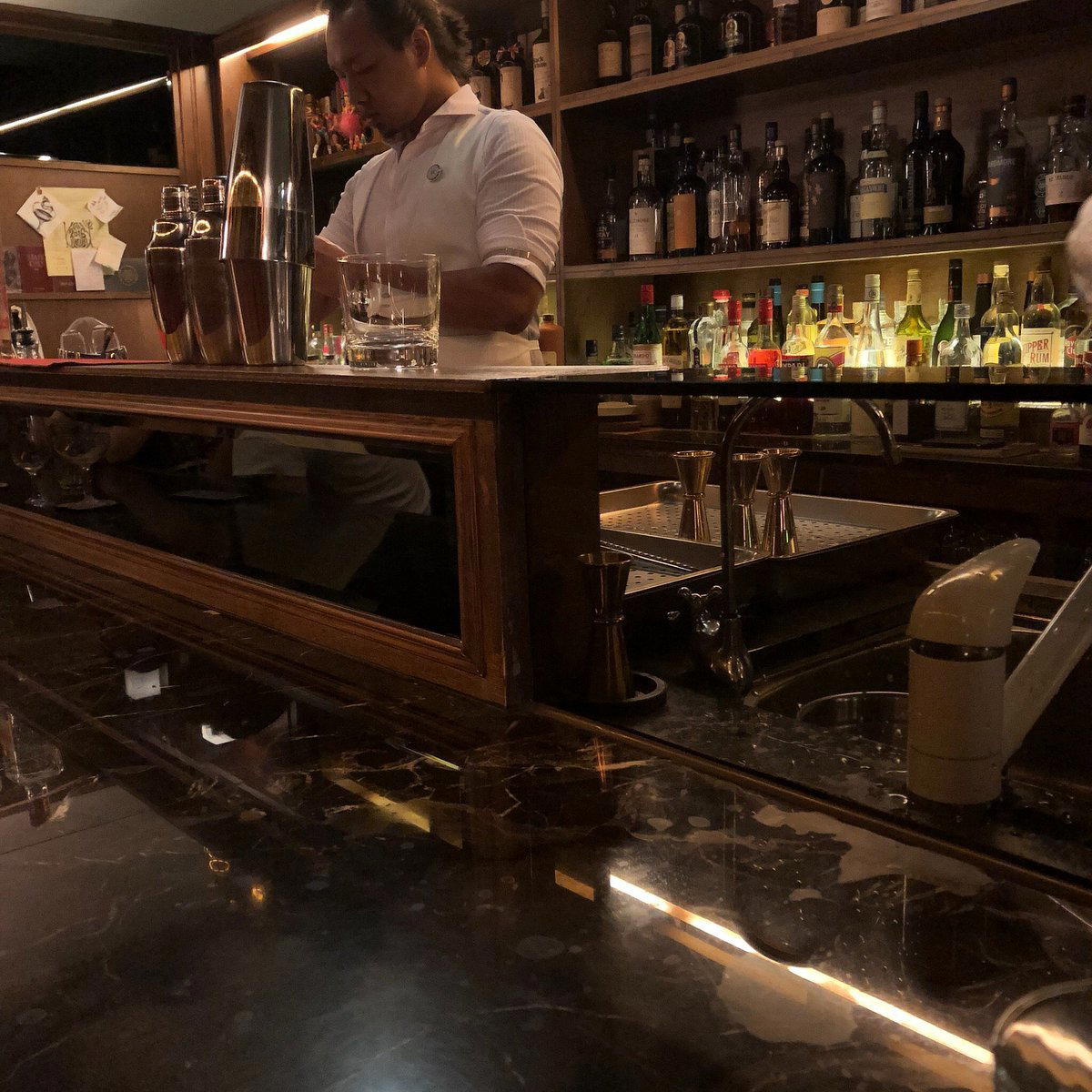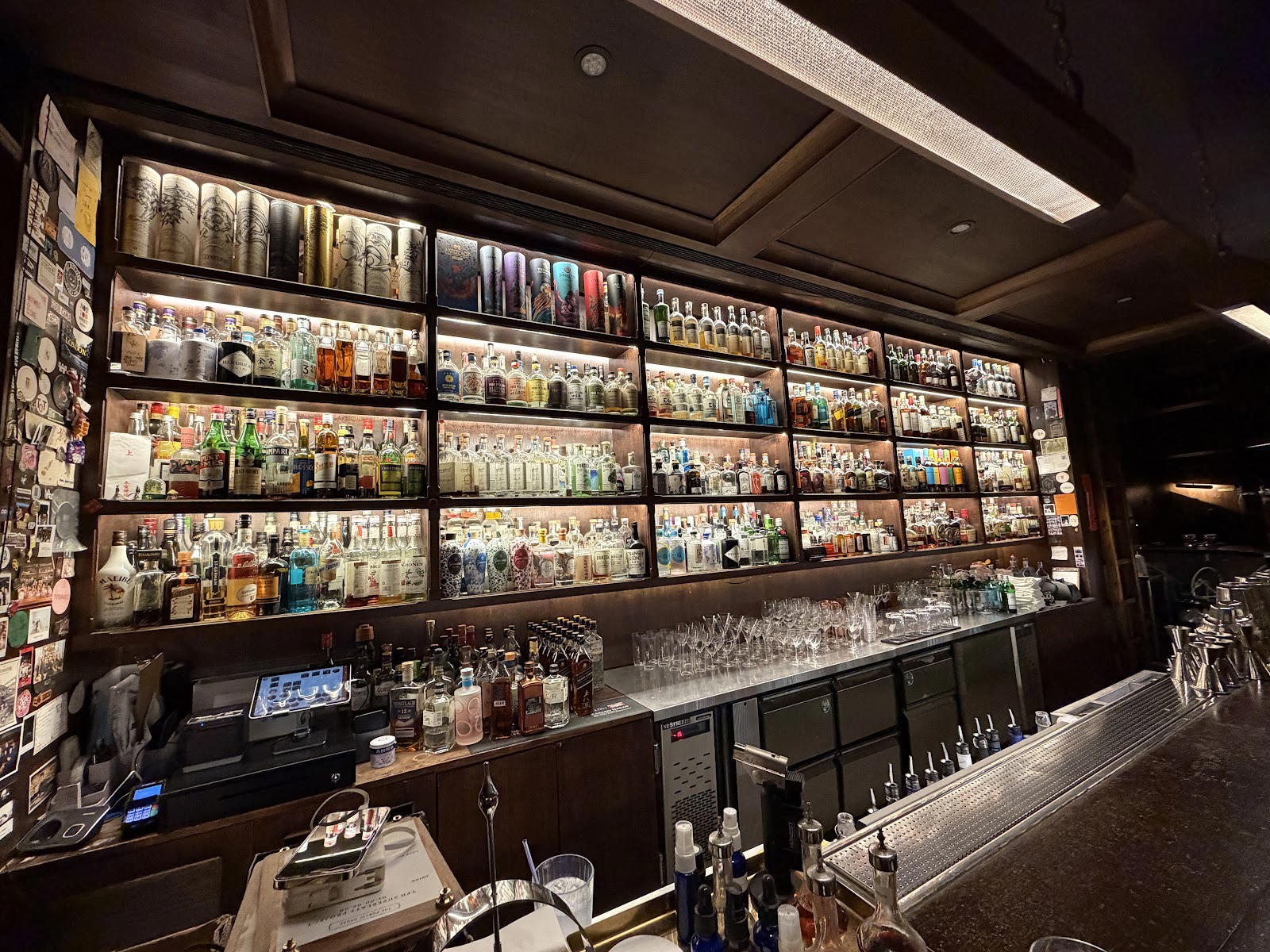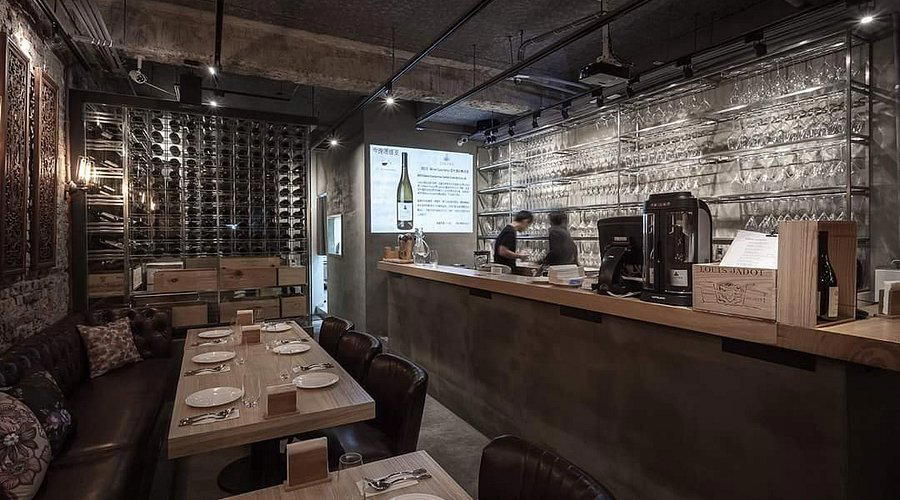
Gambero Rosso 1 Forchetta
Our verdict
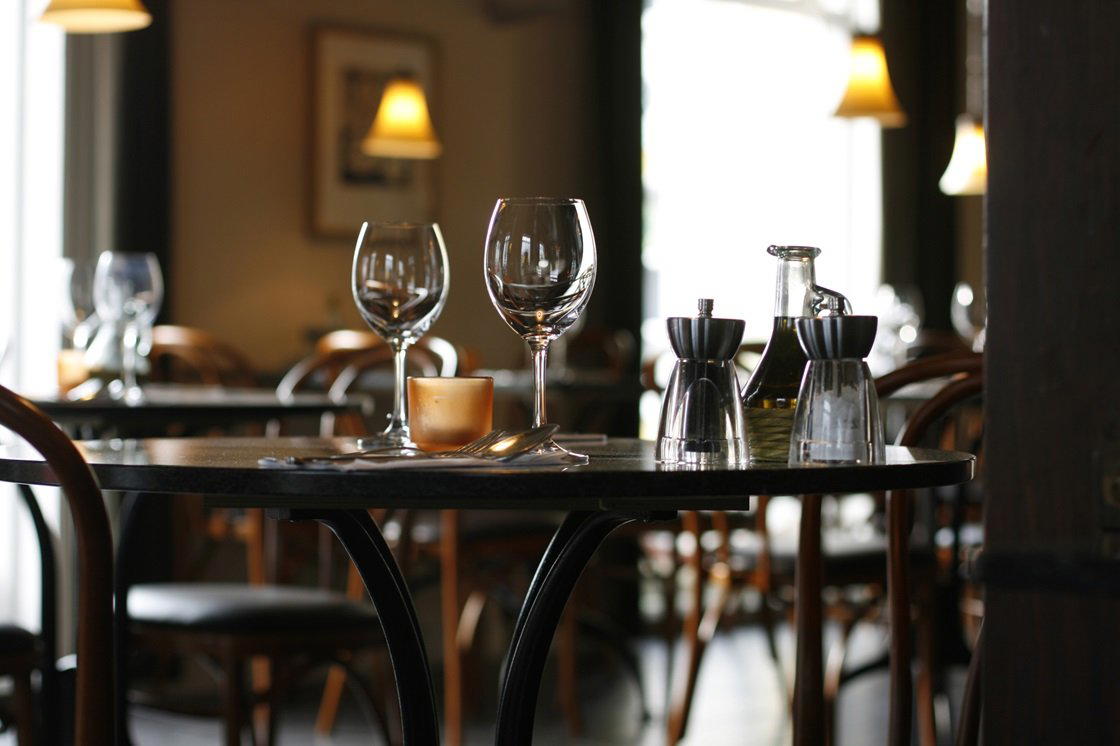
DiVino sits on a quiet lane in Taipei's Da'an District, where the city's European-leaning wine bar scene finds one of its more considered addresses. The setting trades the noise of Xinyi's restaurant corridor for residential calm, positioning it within a tier of Taipei venues where the bottle list carries as much editorial weight as the food program. Worth understanding before you book.

Pearl is the En Primeur Club membership app, where members save venues, book tables and use the concierge.

The menu
What to order
- Carbonara with guanciale and pecorino
- Pappardelle with rich tomato sauce
- Homemade gnocchi
- Affettati Divini cold cut platter
- Meatballs in tomato sauce
A Lane Address in Da'an, Where Quiet Signals Something
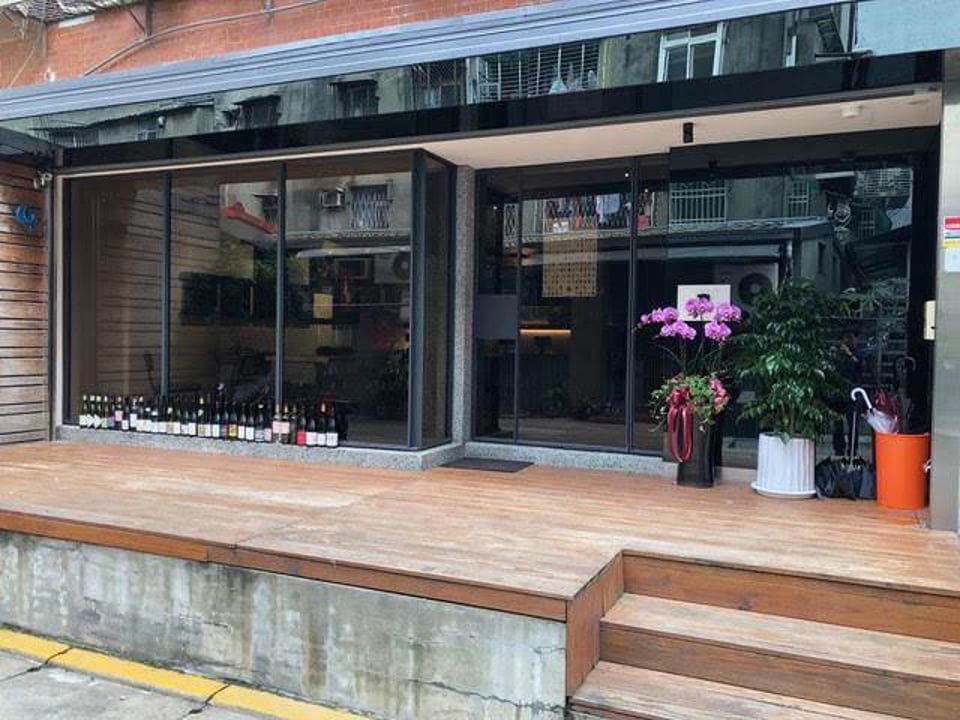
Taipei's Da'an District has developed a specific hospitality character over the past decade: residential streets interrupted by serious wine bars, chef-driven small plates, and Italian-inflected dining rooms that operate without the foot-traffic logic of Xinyi or Zhongshan. Lane 71 off Anhe Road Section 2 belongs to that pattern. The address is residential in texture, the kind of street where the ambient sound at the door is scooters two blocks away, not a crowd outside waiting. In cities like Taipei, where sensory overload is the default register of the dining scene, a lane address functions as a deliberate tonal choice before you've even sat down.
DiVino occupies that quiet in Da'an. The name signals European wine culture, and the positioning within the neighbourhood, away from the Michelin-corridored blocks where venues like logy and Taïrroir operate, suggests a room built around the bottle and the glass rather than the tasting menu format.
The European Wine Bar Tier in Taipei's Dining Ecosystem
To understand where DiVino sits, it helps to map Taipei's European dining tiers. At the high end, you have formalized French and contemporary European programs: L'Atelier de Joël Robuchon Taipei and Molino de Urdániz operate in the bracket where Michelin recognition and prix-fixe architecture define the experience. Below that tier, but not beneath it in seriousness, sits a layer of wine-forward venues where the glass program drives the visit and food operates in support rather than as the primary event.
That second tier is where Taipei's European wine bar culture has consolidated most interestingly. The city's affluent professional class has absorbed wine literacy at a rate that surprised observers of the regional dining scene even ten years ago. That shift created demand for spaces that match serious bottle lists with food serious enough to be ordered without apology, not a backdrop, but not the point either. DiVino's Da'an address places it in conversation with that demand.
For context on how other Taiwanese cities handle the relationship between wine culture and dining seriousness, JL Studio in Taichung and GEN in Kaohsiung both show how beverage programs have become structural elements of restaurant identity across the island, not just Taipei. Closer to traditional roots, Amei in Tainan illustrates the opposite pull, where local culinary heritage rather than European influence shapes the room's identity.
Atmosphere as the Primary Register
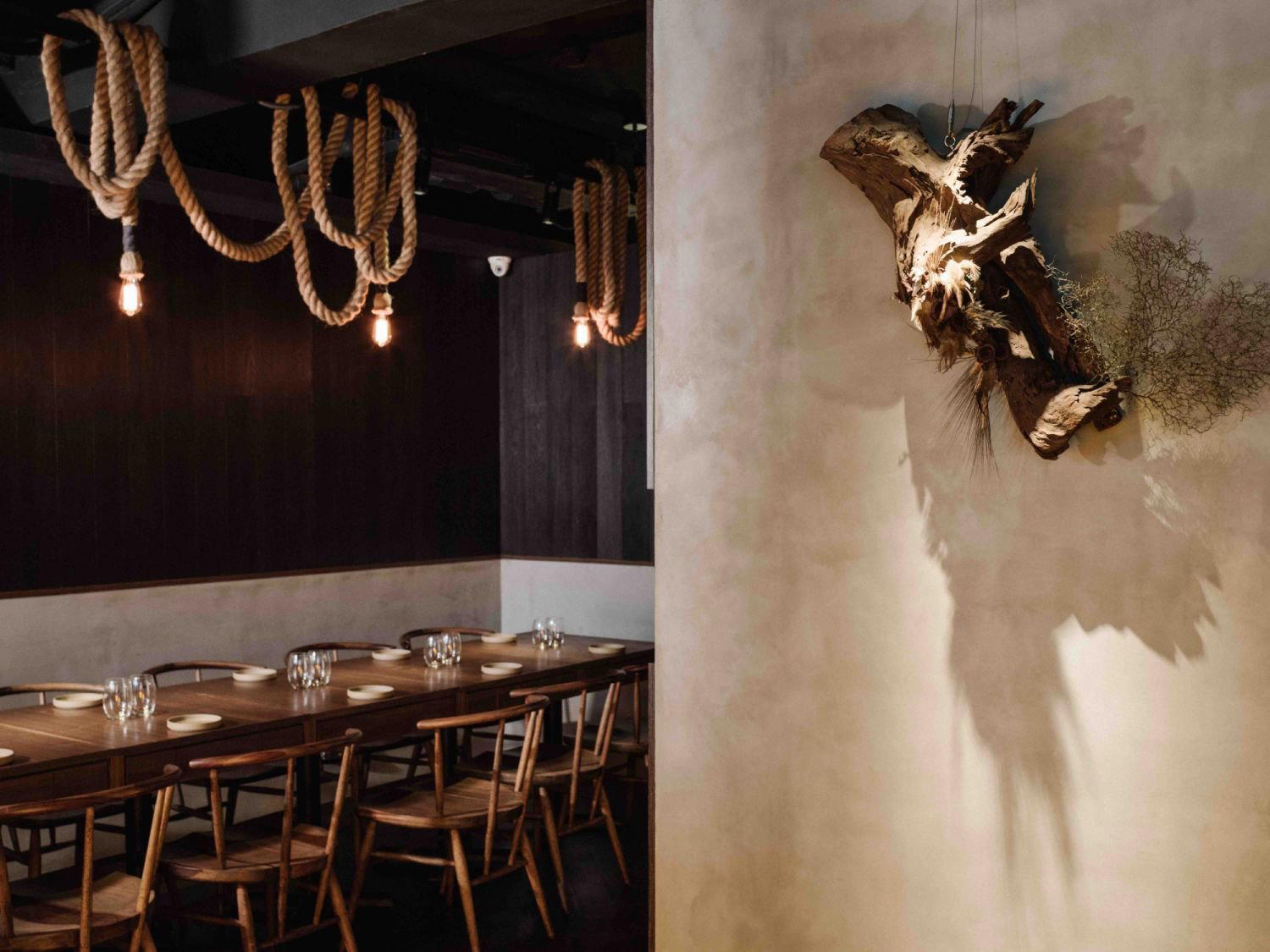
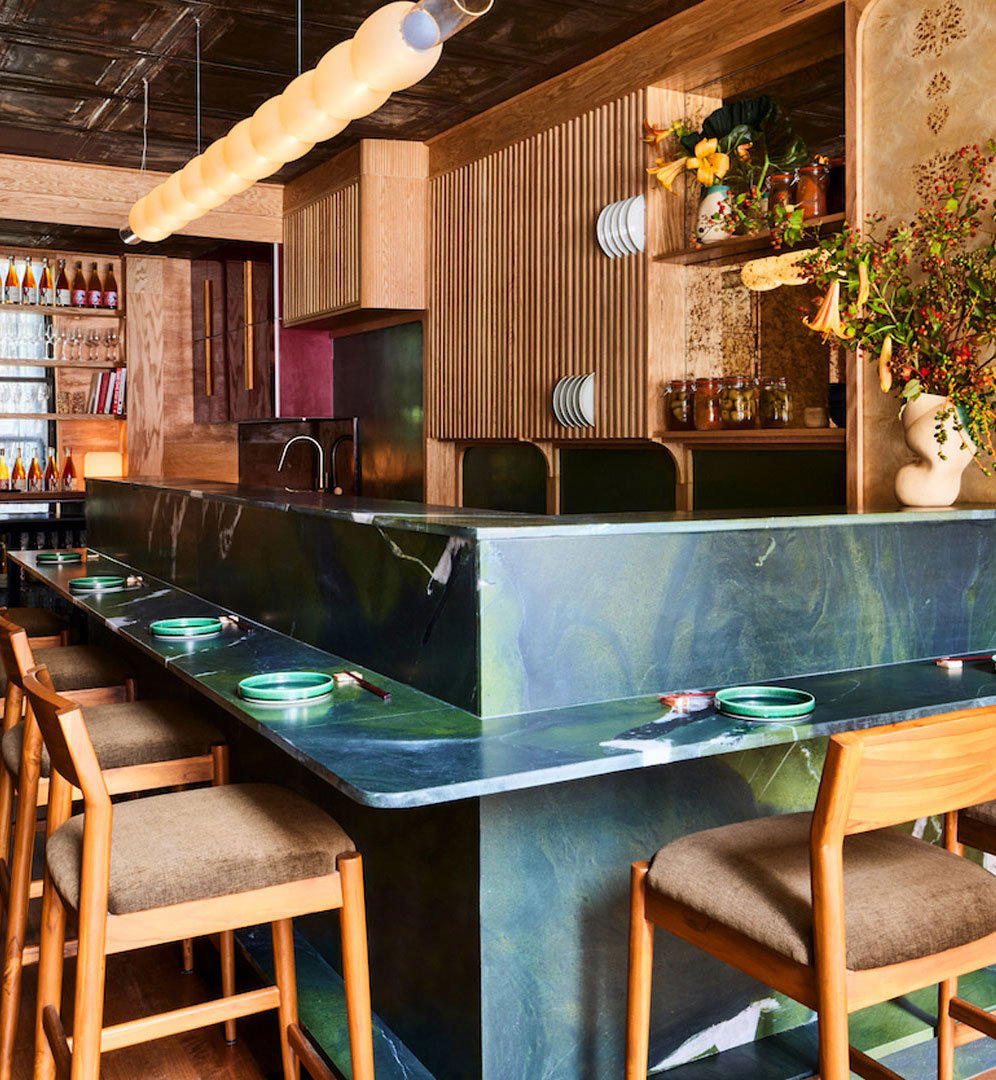
European wine bars in Taipei tend to resolve one of two ways atmospherically: they either mirror the Parisian zinc-bar model with deliberate nostalgia, or they take the warmth of that tradition and translate it through a Taiwanese spatial sensibility, lower ceilings, tighter tables, wood surfaces that absorb rather than amplify sound. The lane setting of DiVino's address suggests the latter is more likely than the former. Lane venues in Da'an don't lend themselves to theatrical scale; they reward intimacy and the kind of unhurried table time that a serious wine list demands.
That intimacy carries its own discipline. In rooms where the physical space is compressed, the quality of service and the intelligence of the wine program carry proportionally more weight. There's nowhere for a thin list to hide in a small room. This is the structural tension that makes Taipei's mid-tier wine bar scene worth following: the venues that survive the residential lane format tend to be the ones where whoever the bottles knew what they were doing.
For a different kind of sensory context within Taiwan's broader hospitality range, Volando Urai Spring Spa and Resort in Wulai District represents how the island handles atmosphere at a completely different register, nature-immersive rather than urban-intimate. The contrast is instructive: Taiwan's hospitality scene spans both extremes with unusual fluency.
What the Da'an Address Tells You About the Visit
Practically, getting to Anhe Road Section 2 from central Taipei is direct. The Da'an MRT station puts you within reasonable walking distance, and the neighbourhood is served by the city's taxi and ride-share network without difficulty. The lane itself requires paying attention to addresses rather than following crowd signals, there's no queue outside, no neon, no hostess at the pavement. That absence of visual noise is part of the proposition.
Similarly, reservation requirements vary by day and season; a European wine bar of this scale in a residential lane can fill on weeknight evenings with minimal external visibility, so checking ahead is the sensible move rather than assuming walk-in availability.
For broader orientation around where DiVino sits within Taipei's overall dining map, our full Taipei restaurants guide covers the city's key districts and how the dining character shifts between them. Da'an's quieter hospitality infrastructure reads differently from Zhongshan's wine-bar cluster or the high-end Cantonese tradition exemplified by Le Palais. Knowing which register you're entering shapes how you approach the evening.
Elsewhere across Taiwan, venues worth cross-referencing for their different approaches to serious dining include Bebu in Hsinchu County, Chi Yuan in New Taipei, Dongmen Rice Noodle Soup in Hsinchu City, Akame in Wutai Township, Shen Yen in Yilan, and Abura Yakiniku in Taichung City, each anchored to a different culinary tradition and regional identity that collectively illustrate how varied Taiwan's serious dining conversation has become.
For international reference points on how wine-focused dining rooms perform at the highest level, Le Bernardin in New York City and Lazy Bear in San Francisco both show how beverage programs can be architectural rather than supplementary, a standard that the better Taipei wine bars are increasingly measuring themselves against.
Frequently asked questions
How do I find DiVino?
DiVino is located at No. 15, Lane 71, Section 2, Anhe Rd, Da’an District, Taipei City, Taiwan 106, Taipei.
Is DiVino in Taipei suitable for a wine-focused evening without a full dinner?
DiVino's lane address in Da'an District and its European wine bar format suggest a venue structured around the glass rather than the full-table dining occasion. In Taipei's European wine bar tier, venues at this address type typically accommodate guests who arrive specifically for the list, with food playing a supporting role. That makes it a practical choice for a wine-led evening, though confirming current food service format directly with the venue is sensible before visiting.
What's the best thing to order at DiVino?
DiVino's identity is built around its wine selection rather than a single landmark dish, which puts the glass at the centre of any visit. The approach at this Da'an address follows the European wine bar model where food functions as accompaniment, meaning your order should begin with whoever is pouring and work backwards from there. Specific menu details are not published, so arriving with flexibility serves you better than a fixed agenda.
Should I book DiVino in advance?
Lane-address wine bars in Da'an with a serious European wine focus tend to operate on limited covers, and DiVino sits in a neighbourhood where walk-in competition is real on weekday evenings and weekends. Booking ahead is advisable, though reservation channels are not listed publicly. Contacting the venue directly through whatever current channel they maintain is the practical move before arriving at No. 15, Lane 71, Anhe Road Section 2.
What's the defining dish or idea at DiVino?
The defining idea at DiVino is the wine bar as primary destination rather than pre-dinner detour, a positioning that Taipei's Da'an District has been quietly developing across several venues over the past decade. The address on Anhe Road Section 2 signals this: residential lane locations in Da'an rarely anchor casual drop-in traffic, so the draw has to be specific. DiVino operates in that tier where the list does the talking.
Standing Among Peers
Comparable venues nearby, for context on price, style, and recognition.
| Venue | Cuisine | Price | Awards | Notes |
|---|---|---|---|---|
| DiVinoThis venue (the venue you are viewing) | Authentic Italian Trattoria | $30–50 | Gambero Rosso 1 Forchetta | Not listed |
| Domani 義式餐廳 | New Italy義式料理 | $30–50 | Not listed | 大安區 |
| 小倉屋鰻魚飯 大直店 | Kyushu-style Grilled Unagi | $20–30 | Not listed | Dazhi |
| 鼎泰豐 Din Tai Fung | Taiwanese Dim Sum | $10–20 | Not listed | Xinyi District |
| The Master Spicy Noodle (大師兄銷魂麵舖) | Modern Taiwanese Spicy Noodles | $10–20 | Not listed | Da'an District |
| Din Tai Fung Xinyi Branch | Shanghainese Soup Dumplings | $10–20 | Not listed | Fuzhu |
Recognition history
Dated appearances from independent guides and award organizations, with the underlying list record or original source where available.
Gambero Rosso 1 Forchetta
Gambero Rosso