TBD Izakaya
TBD Izakaya occupies a compact address on Bush Street in San Francisco's Financial District-adjacent corridor, where the izakaya format has quietly attracted a loyal following among the city's after-work dining crowd. The kitchen draws on Japanese pub-dining traditions in a city already shaped by serious Japanese culinary influence. It sits in a different register than the city's Michelin-tracked tasting counters, offering a more informal approach to ingredient-driven Japanese cooking.
Pearl is the En Primeur Club membership app — saves, bookings, and concierge access live there. Same editors, same standards.
- Address
- 431 Bush St, San Francisco, CA 94108
- Directions
- Get directions
 Saves & bookings on Pearl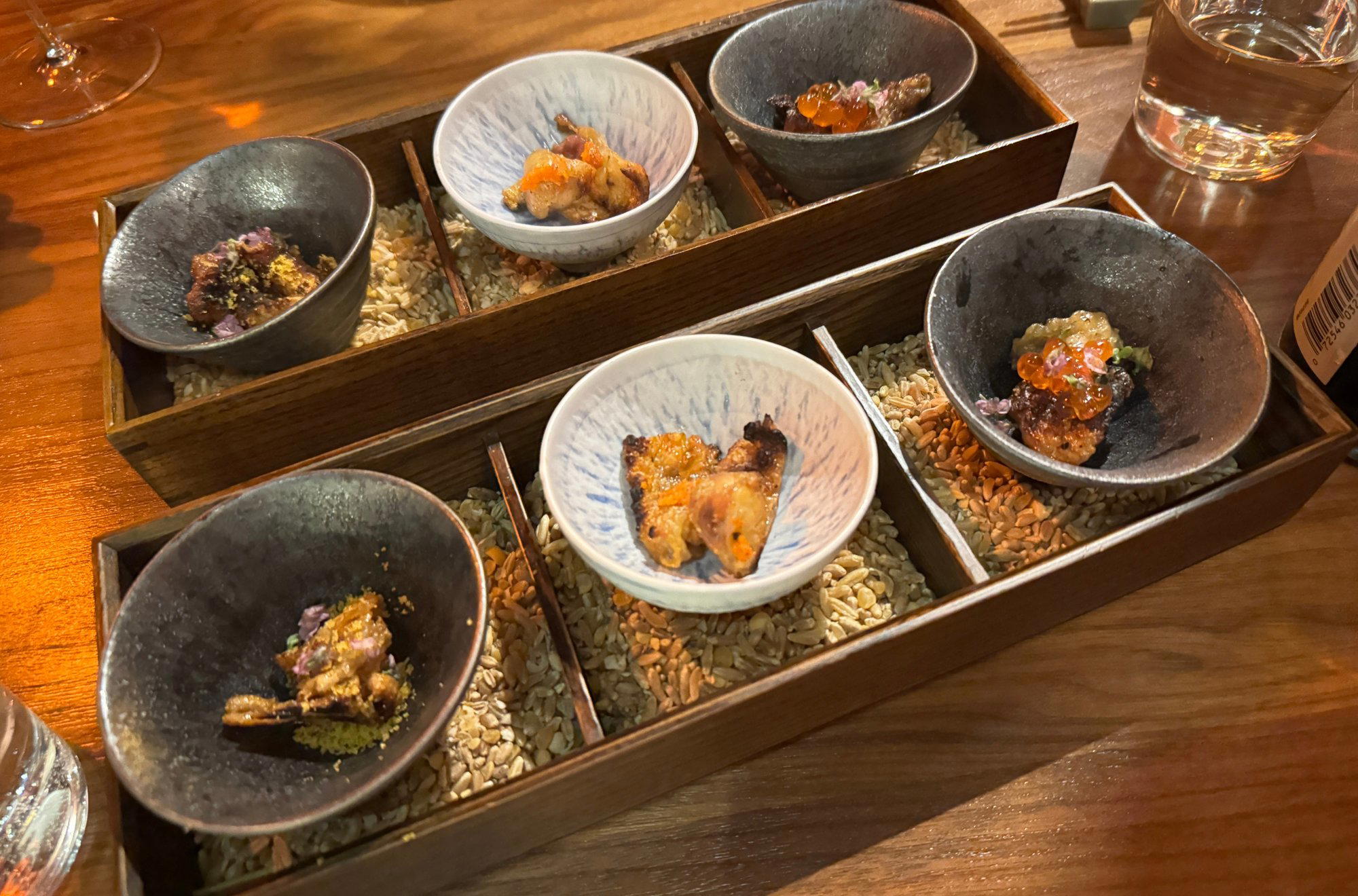
Izakaya in San Francisco: A Format With Deeper Roots Than It Appears
The izakaya format arrived in San Francisco well before the current wave of Japanese culinary attention, carried in by the same immigration patterns that made Japantown one of the oldest Japanese neighborhoods in the United States. What began as humble sake-and-small-plates drinking establishments in Japan evolved, across Pacific transplantation, into something more calibrated to the Bay Area's appetite for ingredient-conscious cooking. By the time San Francisco's dining scene began producing internationally recognized fine dining institutions, the izakaya had already embedded itself as a counterpoint: convivial rather than ceremonial, driven by what was seasonal and local rather than by fixed tasting formats.
TBD Izakaya at 431 Bush Street operates within that longer tradition. It is a modern Japanese izakaya in San Francisco with. Bush Street sits at the edge of the Financial District's drift toward the Tenderloin, a block arrangement that has historically supported neighborhood regulars alongside a commuter crowd. The izakaya format suits this geography: it rewards repeat visits, scales from a single order of small plates to a full evening of shared dishes, and does not demand the advance planning that defines San Francisco's leading reservation-required rooms.
Where the Ingredients Come From, and Why That Question Matters
San Francisco's position as a sourcing hub is not incidental to its restaurant culture. The Bay Area sits within reach of some of California's most productive agricultural zones: the Central Valley for produce, the Sonoma and Marin coasts for dairy and shellfish, the Sacramento Delta for rice and specialty crops. For Japanese cooking specifically, this geography creates a rare alignment. The flavor profiles that define izakaya menus, from fermented vegetables to grilled fish to soy-marinated proteins, map naturally onto ingredients that Northern California produces at high quality.
This sourcing depth is part of what distinguishes serious Japanese-format kitchens in San Francisco from those operating in cities with less direct agricultural access. Restaurants like Single Thread Farm in Healdsburg have demonstrated how tightly a Japanese-influenced tasting format can integrate with local farm relationships, though Single Thread operates in a different price tier and with a different level of structural formality. The izakaya model applies similar sourcing logic at a more accessible register: what arrives on the plate reflects what local producers are doing well in a given week.
Broader comparisons illustrate how ingredient provenance has become a defining editorial frame for American fine dining. Blue Hill at Stone Barns in Tarrytown built its entire identity around farm-to-table traceability at the high end. In San Francisco specifically, Saison has taken sourcing to a near-obsessive level within a progressive Californian framework. The izakaya format does not operate at that level of elaboration, but the underlying principle, that the quality and origin of raw ingredients determines the ceiling of what cooking can achieve, remains consistent across price tiers.
How TBD Izakaya Fits San Francisco's Current Dining Structure
San Francisco's restaurant ecosystem in the mid-2020s runs across a wide range of formats and price points, but the upper tier has consolidated around a recognizable set of tasting-menu destinations. Benu operates a French-Chinese tasting format that has held three Michelin stars for over a decade. Atelier Crenn pursues a poetic modern French identity that also sits at the three-star level. Lazy Bear runs a communal progressive American format with a fixed price and set seating times. Quince anchors contemporary Italian at the summit of the market. These venues require reservations months in advance and carry price points that make them occasion dining by definition.
The izakaya occupies a structurally different position. It is built for frequency rather than occasion, for groups that form organically rather than for planned celebrations, and for menus that shift with what the kitchen has rather than with what a printed tasting format requires. In a city where the gap between the Michelin tier and casual dining can feel wide, izakaya formats serve a genuine middle function: technically serious food in a format that does not require a ceremony to enter.
For context on how Japanese-influenced formats operate at the highest institutional level in American dining, Atomix in New York City provides a reference point for Korean-Japanese fine dining, while San Francisco's own Japanese culinary history offers a longer local lineage. The city's Japantown, established in the early twentieth century, remains one of three surviving Japantowns in the United States, giving San Francisco an unusual depth of Japanese food culture that extends well below the fine dining tier.
Planning a Visit: What to Know Before You Go
Bush Street is walkable from the Montgomery Street BART station, making TBD Izakaya accessible from across the Bay Area without requiring a car. The surrounding blocks include a mix of financial district lunch spots and evening destinations, with the venue positioned to serve both a post-work crowd and diners moving through the area before or after other evening plans.
Reservations are recommended, and the venue follows a smart casual dress code. Izakaya formats generally support walk-in dining more readily than tasting-menu rooms, though high-demand evenings in any city neighborhood can shift that calculus.
Internationally, 8 1/2 Otto e Mezzo Bombana in Hong Kong demonstrates how European fine dining formats adapt to Asian urban contexts, a comparison that runs in the opposite direction from what izakaya formats represent.
- dry-aged sashimi
- tuna wellington
- tsukune
- truffle agedashi tofu
- soufflé chawanmushi
- Hokkaido scallop crudos
- chicken karaage
A Tight Comparison
Comparable venues nearby, for context on price, style, and recognition.
| Venue | Cuisine | Price | Notes |
|---|---|---|---|
| TBD IzakayaThis venue — the venue you are viewing | Not listed | $$$$ | Not listed |
| Wako | Inner Richmond, Modern Japanese Omakase | $$$$ | Not listed |
| Nakama Sushi | Not listed | $$$ | Hayes Valley, Traditional Japanese Sushi & Omakase |
| Soba Dining Sora | Not listed | $$$ | Japantown, Traditional Japanese Soba Noodles |
| Roka Akor | Not listed | $$$$ | North Beach, Modern Japanese Robata Grill & Steakhouse |
| ICHI Sushi | Not listed | $$$ | Bernal Heights, Sustainable Japanese Sushi + Ni Bar |
Continue exploring
More in San Francisco
Restaurants in San Francisco
Browse all →
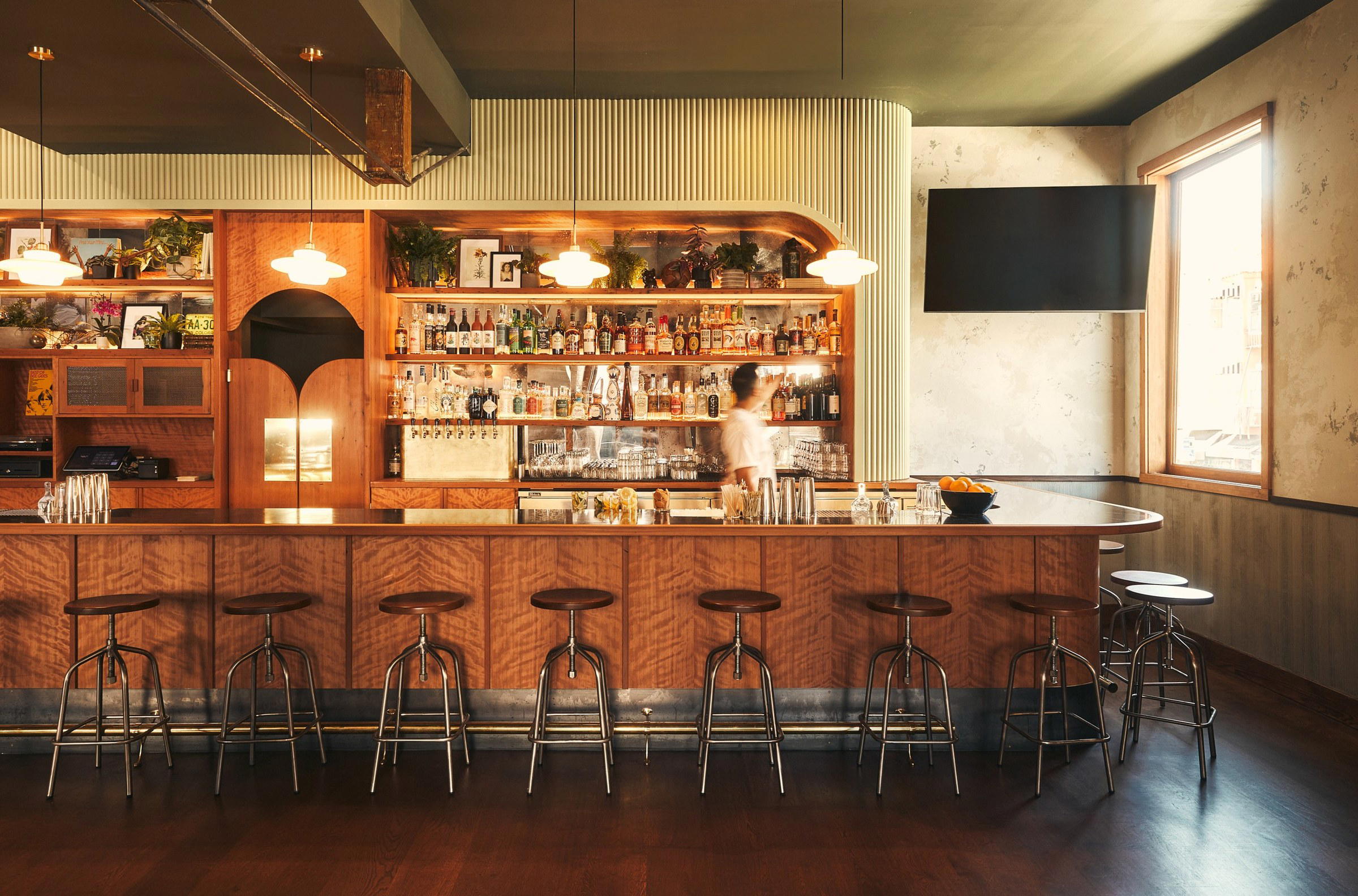
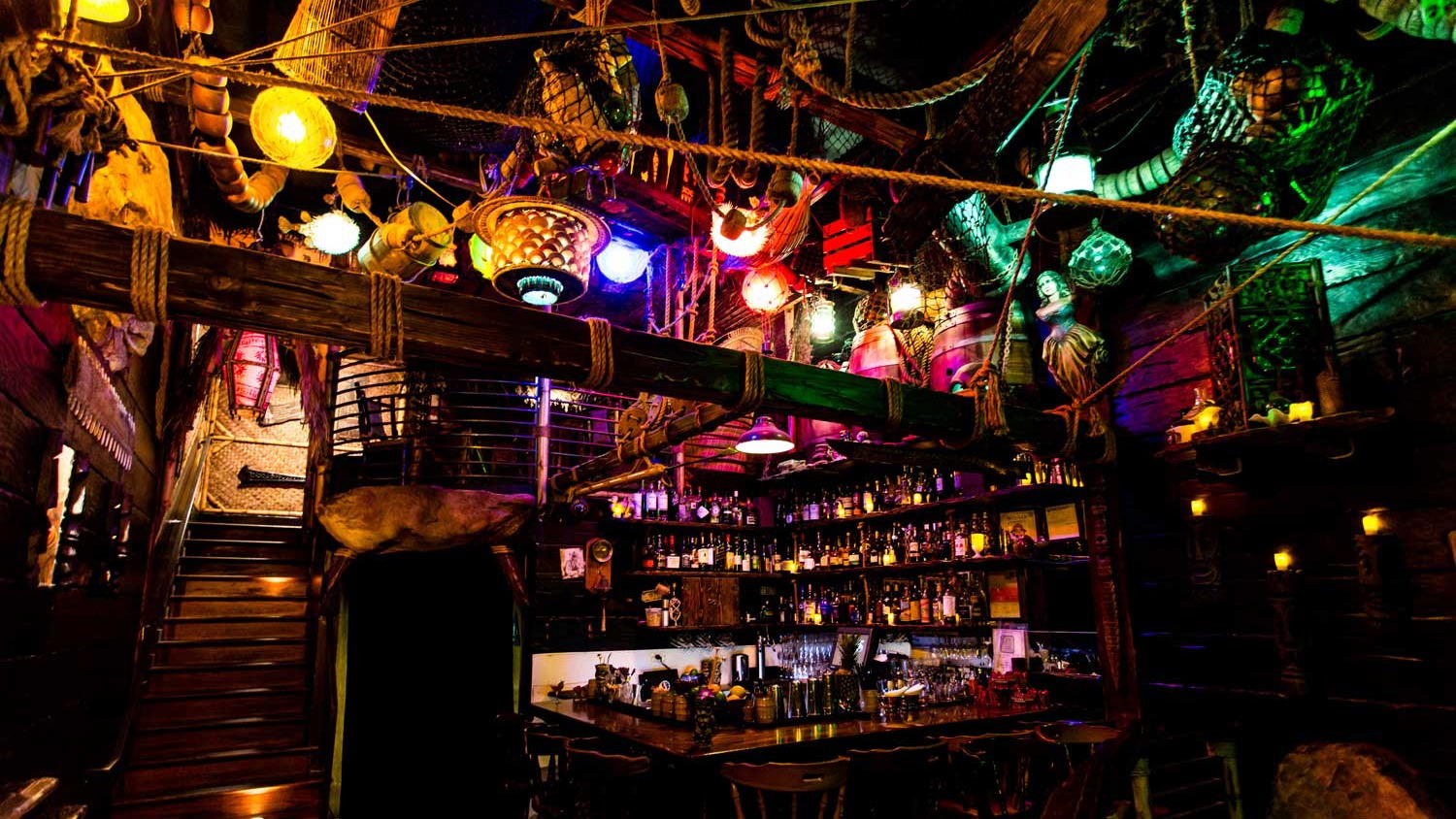
Bars in San Francisco
Browse all →
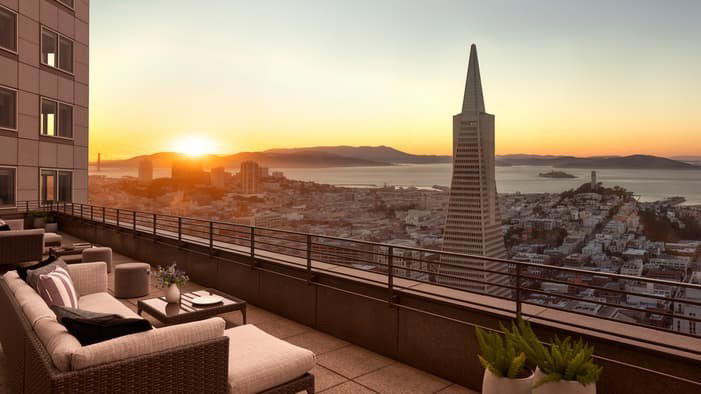
Hotels in San Francisco
Browse all →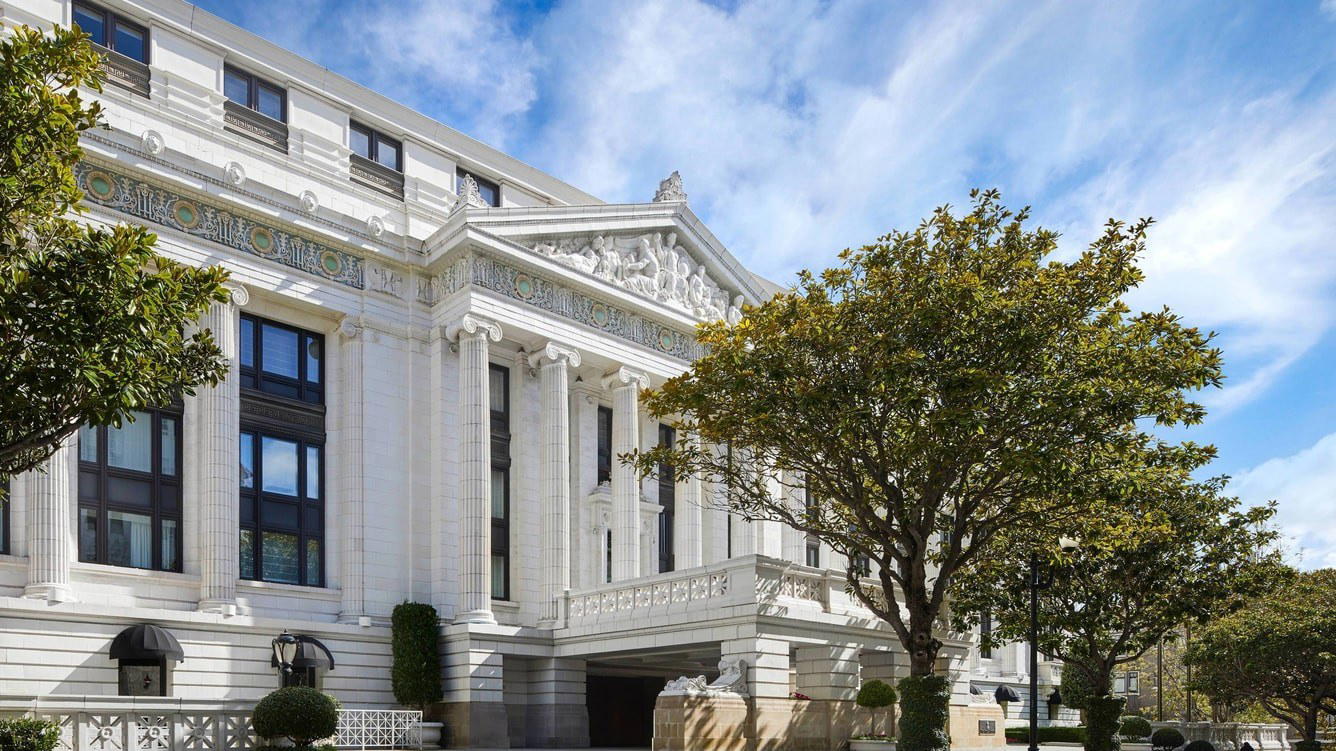
At a Glance
- Modern
- Elegant
- Trendy
- Date Night
- Special Occasion
- After Work
- Chefs Counter
- Open Kitchen
- Standalone
Modern, counter-focused izakaya with premium presentation and intimate dining experience.