Dining Hall (メインダイニング)
Dining Hall (メインダイニング) sits in Fujikawaguchiko, a resort town defined by its proximity to Mount Fuji and the agricultural rhythms of Yamanashi Prefecture. In a region where locally grown produce, freshwater fish from Lake Kawaguchi, and Koshu beef shape the food culture, a dining room at this address is positioned at the intersection of resort hospitality and mountain-prefecture ingredients. Visitors planning a meal here should expect a setting shaped by the landscape outside the window.
 Discover on Pearl
Pearl is the En Primeur Club membership app — saves, bookings, and concierge access live there. Same editors, same standards.
- Address
- Funatsu-5239-1 Fujikawaguchiko-machi, Minamitsuru-gun, Minamitsuru District, Yamanashi 401-0301, Japan
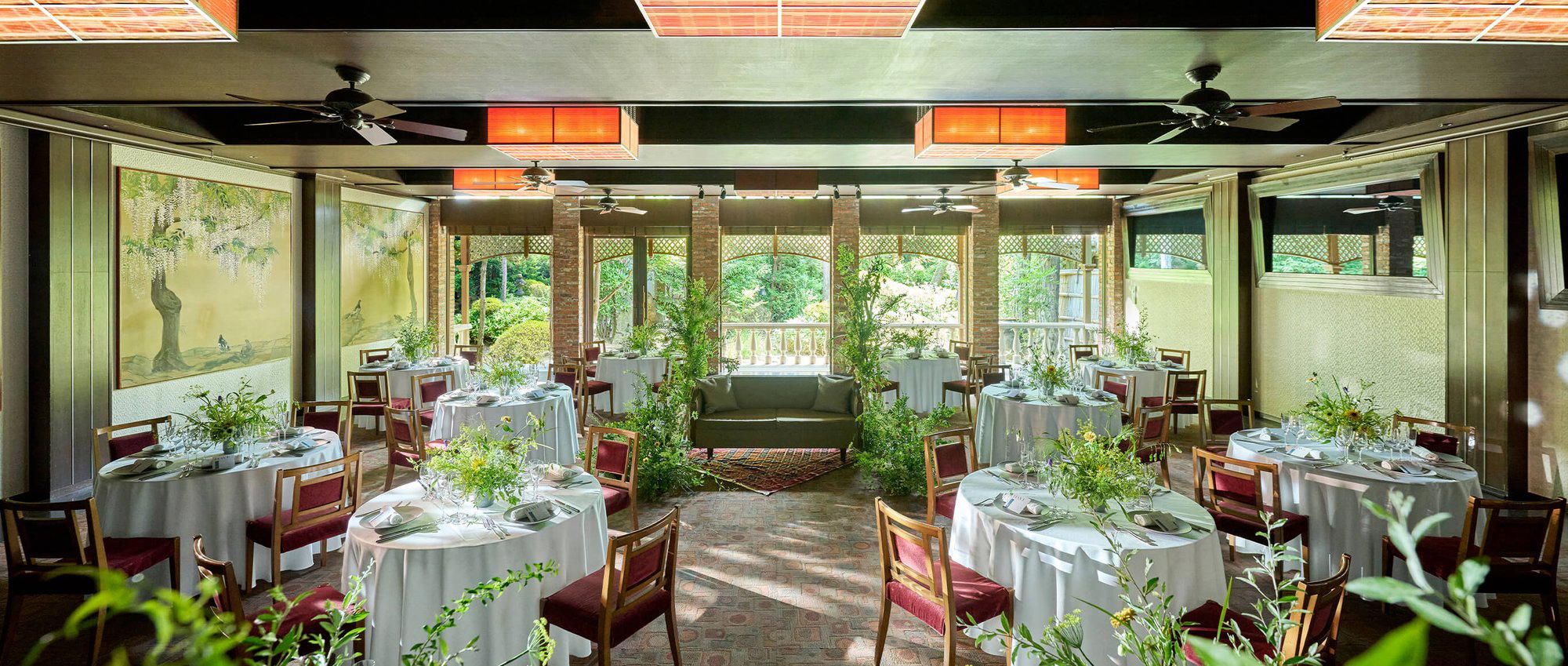
Where the Table Follows the Terrain
Fujikawaguchiko is not a city that competes with Tokyo or Kyoto for dining density. It competes on a different register entirely: the altitude, the lake, and the silhouette of Mount Fuji visible on clear mornings from almost anywhere in town. Restaurants and hotel dining rooms here are not trying to replicate the urban omakase experience you find at counters like Harutaka in Tokyo. They are doing something structurally different, anchoring the meal to a specific geography and using that geography as the primary editorial argument for why a dish tastes the way it does.
Dining Hall (メインダイニング), located at Funatsu on the shores of Lake Kawaguchi, operates within that logic. The address places it in Minamitsuru District, Yamanashi, a prefecture whose food identity is built around Koshu wine grapes, Hoto noodle tradition, local freshwater catches, and produce grown in cooler mountain conditions than you find in the lowland prefectures. Any kitchen working seriously in this environment has a sourcing argument built into its postcode.
The Sourcing Argument in Yamanashi
Yamanashi Prefecture sits roughly 1,000 meters above sea level in its refined zones, and the temperature differential from the coast is legible on the plate. Vegetables grown at altitude tend toward denser cell structure and more concentrated flavor compounds than their lowland equivalents. Daikon, burdock, mountain herbs, and cold-weather brassicas form the backbone of what serious kitchens in this region put in front of guests. The prefecture is also Japan's most productive wine-grape-growing region, and Koshu grape cultivation has shaped local agriculture for centuries, creating an understanding of soil and microclimate that carries over into vegetable and fruit farming.
Lake Kawaguchi itself contributes ayu (sweetfish) and carp to local menus seasonally, species that appear in restaurant dining rooms across the Fuji Five Lakes area. These are not pantry staples in Tokyo's top-tier kaiseki houses like Gion Sasaki in Kyoto or the produce-forward French kitchens represented by HAJIME in Osaka, where the sourcing network is broader and less geographically specific. In Fujikawaguchiko, the lake is not a decorative backdrop. It is a supply line.
Koshu beef, raised in the Yamanashi mountain valleys, occupies a different position in Japan's premium beef hierarchy than Wagyu from Miyazaki or Kobe. It is less internationally marketed, which means it tends to be more accessible within the prefecture itself and more likely to appear on hotel dining menus at prices that reflect local rather than export-premium valuation. A kitchen at a resort-adjacent address in Funatsu would have direct access to this supply without competing against the export market.
The Resort Dining Room as a Format
Across Japan's premium resort destinations, from Hakone to Kyoto's Higashiyama corridor to the Tohoku hot spring towns, hotel and resort dining rooms have developed a distinct format: multi-course meals built around regional ingredients, priced to align with accommodation spend, and designed to eliminate the logistical friction of leaving the property after a long day of travel or onsen use. This is not a compromise format. At its finest, as seen at properties in the Fuji Five Lakes area that take their kitchens seriously, it produces meals with a coherent sense of place that urban restaurants have to work much harder to manufacture.
The format is also honest about its context. Guests arriving in Fujikawaguchiko are not primarily there to eat. They are there for the mountain, the lake, the thermal baths, and the visual spectacle of Fuji at dawn. The dining room serves that experience rather than positioning itself in competition with it. This is a different editorial logic than the destination restaurants that function as the primary reason for travel, in the way that Goh in Fukuoka or akordu in Nara do.
Contextualizing the Fujikawaguchiko Dining Scene
Fujikawaguchiko's restaurant scene skews heavily toward hotel dining and mid-range independent restaurants serving regional specialties, particularly Hoto, a flat wheat noodle dish cooked in miso-based broth with pumpkin and root vegetables that functions as the prefecture's most recognizable dish. The town does not have the density of ambitious independent dining that you find in Japan's larger cities, and it is not trying to. What it offers is a coherent regional food culture with direct access to the ingredients that define it.
Visitors who approach dining in this town expecting the precision-instrument experience of a Tokyo omakase counter or the conceptual ambition of the French-influenced kitchens in Japan's major cities will recalibrate quickly. The dining rooms that work well here, and the better hotel restaurants are among them, are working at a different register, one where ingredient provenance and landscape coherence do more of the work than technical theatrics. You can read about the broader picture of what the town offers in our full Fujikawaguchiko restaurants guide.
For those interested in how Japan's regional dining rooms compare to the urban tier, the contrast is instructive. Kitchens like affetto akita in Akita, Ajidocoro in Yubari District, and aki nagao in Sapporo all demonstrate how Japan's non-metropolitan dining culture operates with its own logic, often prioritizing hyperlocal ingredient access over the technical ambition that drives coverage in international food media. Yamanashi fits that pattern, and Fujikawaguchiko's dining rooms are shaped by it.
Internationally, the parallel format of resort-adjacent dining built around landscape and provenance has produced some of the most compelling meals on record. The difference between a Fujikawaguchiko hotel dining room and a destination meal at Le Bernardin in New York City or Lazy Bear in San Francisco is not a quality judgment. It is a format judgment. The objectives are different, and the criteria for success are different.
Planning a Meal at Dining Hall
For reservations, contact the property directly through accommodation channels, as is standard for hotel dining rooms in Japan's resort areas. Guests should confirm reservation windows at check-in. Spring cherry blossom season and the late October foliage window are especially busy in the Fuji Five Lakes area.
In Context: Similar Options
Comparable venues nearby, for context on price, style, and recognition.
| Venue | Cuisine | Price | Awards |
|---|---|---|---|
| Dining Hall (メインダイニング)This venue — the venue you are viewing | |||
| HAJIME | French, Innovative | ¥¥¥¥ | Michelin 3 Star |
| Harutaka | Sushi | ¥¥¥¥ | Michelin 3 Star |
| L'Effervescence | French | ¥¥¥¥ | Michelin 3 Star |
| RyuGin | Kaiseki, Japanese | ¥¥¥¥ | Michelin 3 Star |
| Crony | Innovative, French | ¥¥¥¥ | Michelin 2 Star |
Continue exploring
More in Fujikawaguchiko
Restaurants in Fujikawaguchiko
Browse all →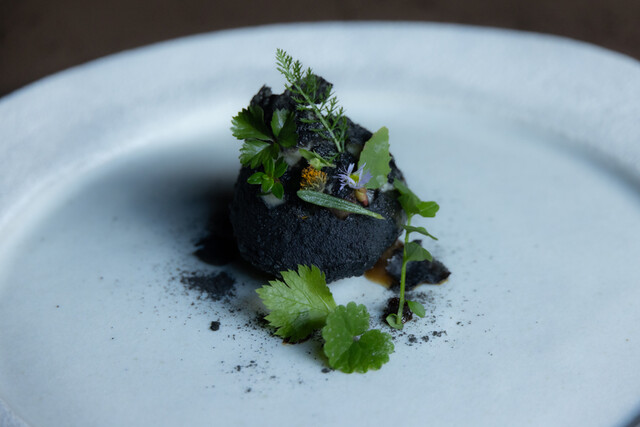
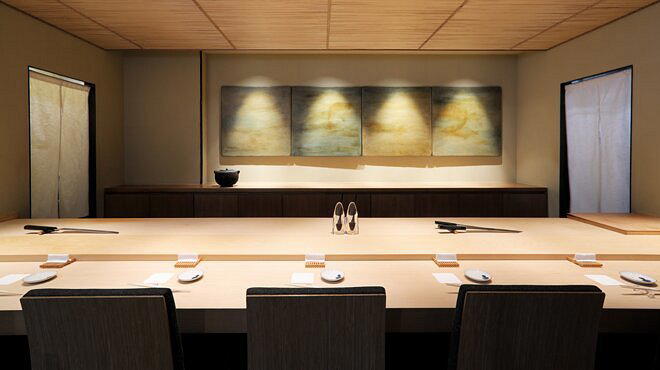
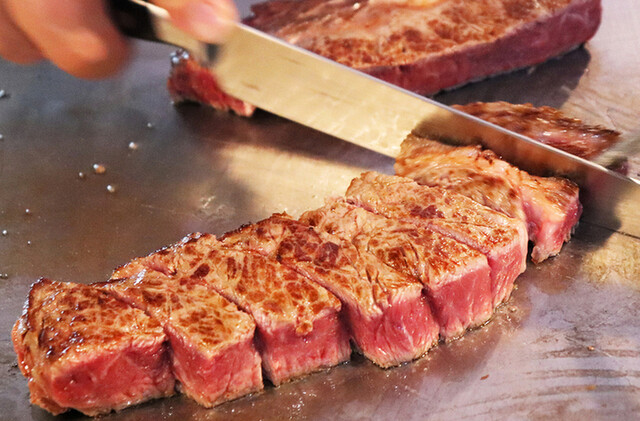
Hotels in Fujikawaguchiko
Browse all →
Wineries in Fujikawaguchiko
Browse all →
At a Glance
- Scenic
- Elegant
- Romantic
- Date Night
- Special Occasion
- Business Dinner
- Panoramic View
- Standalone
- Extensive Wine List
- Local Sourcing
- Mountain
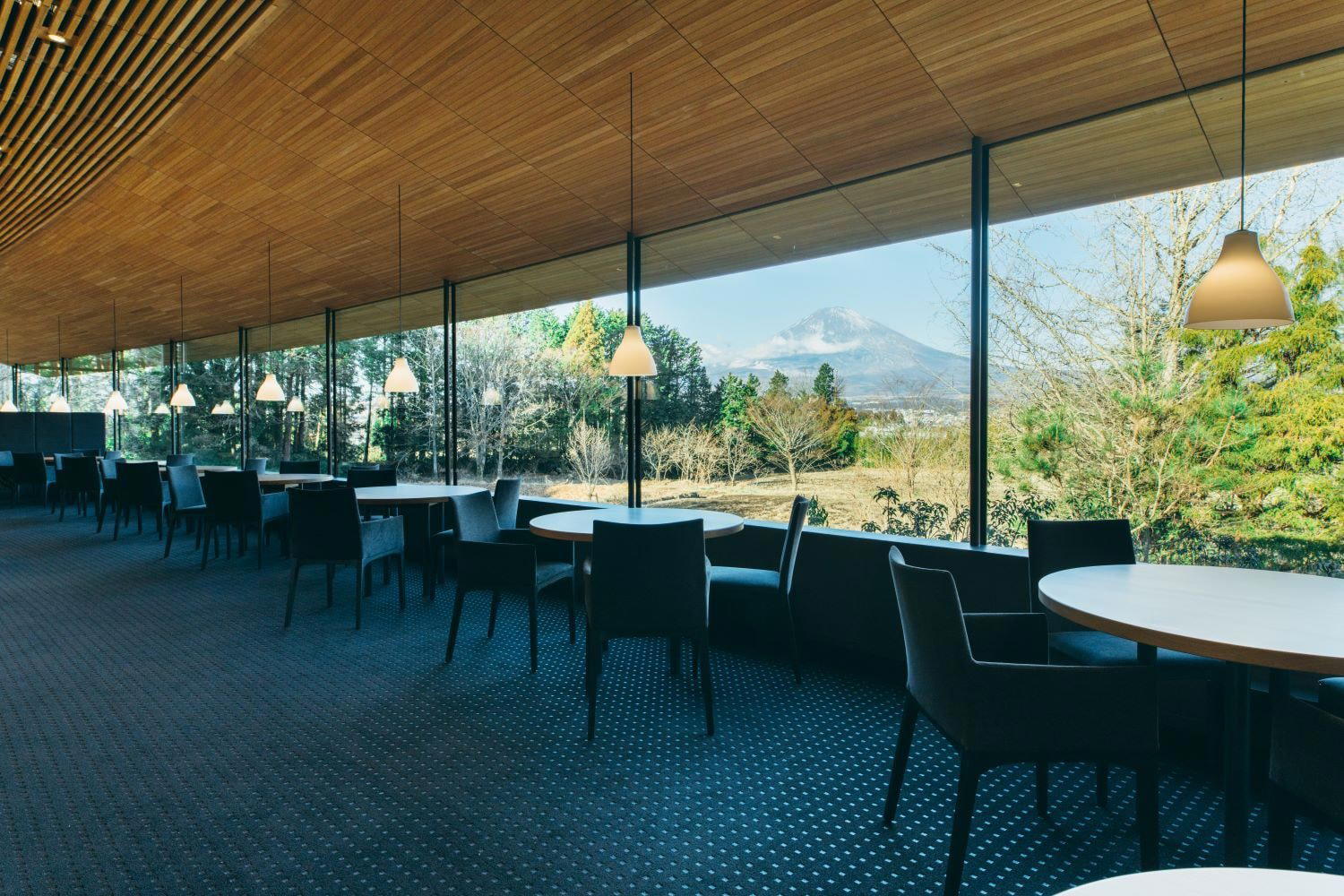
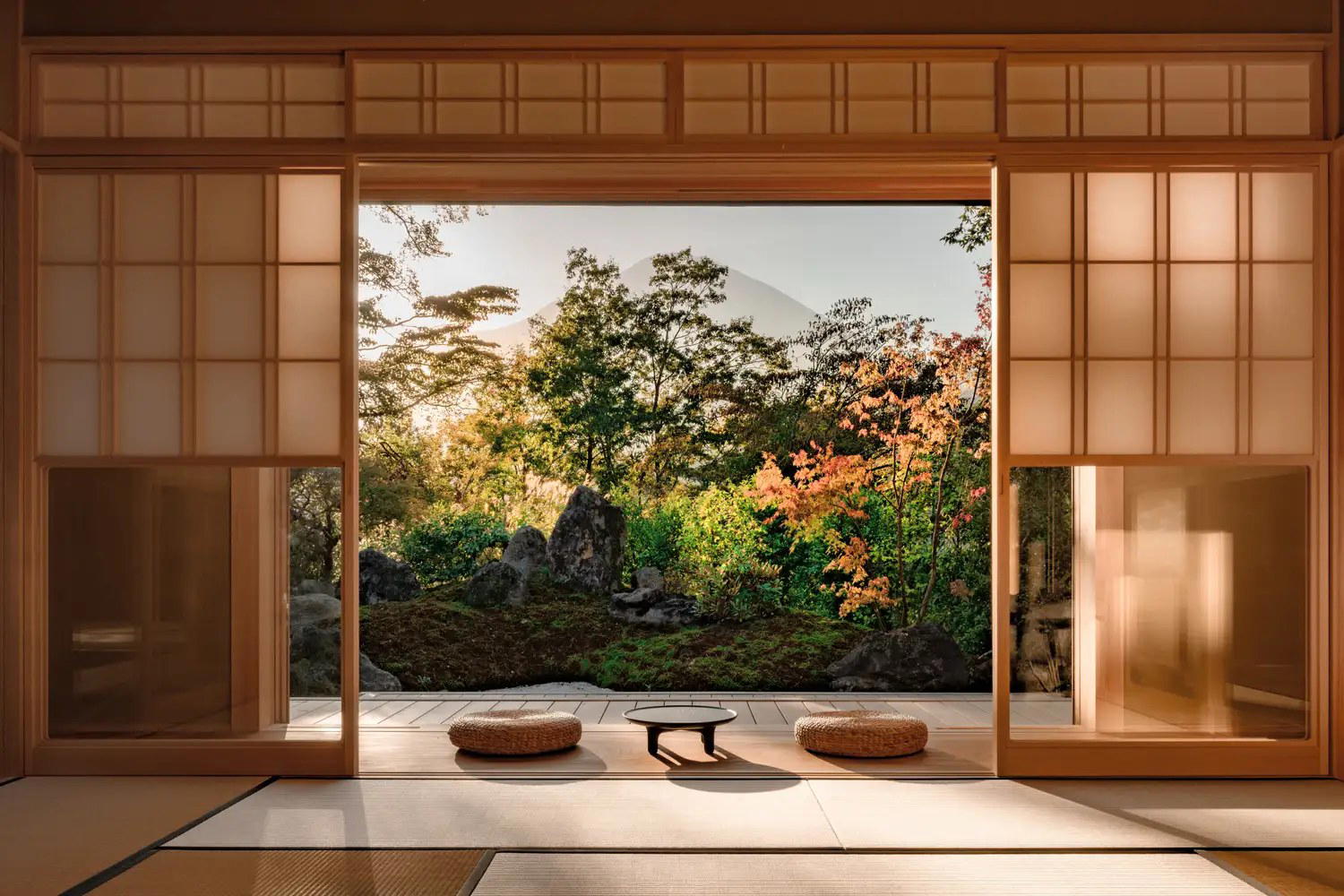
Modern, refined dining space with sophisticated lighting and elegant décor designed to showcase panoramic mountain vistas.