Dig Inn
Dig Inn on East 17th Street sits at the intersection of fast-casual format and farm-sourced conviction, placing it in a distinct tier of New York City's quick-service market. The Flatiron location draws a lunch crowd that skips the tasting-menu circuit in favor of grain bowls and seasonal vegetables built around regional agriculture. It occupies a niche that neither fine dining nor commodity fast food adequately serves.
Pearl is the En Primeur Club membership app — saves, bookings, and concierge access live there. Same editors, same standards.
- Address
- 17 E 17th St, New York, NY 10003
- Phone
- +1 212 253 7676
- Website
- diginn.com
- Directions
- Get directions
 Saves & bookings on Pearl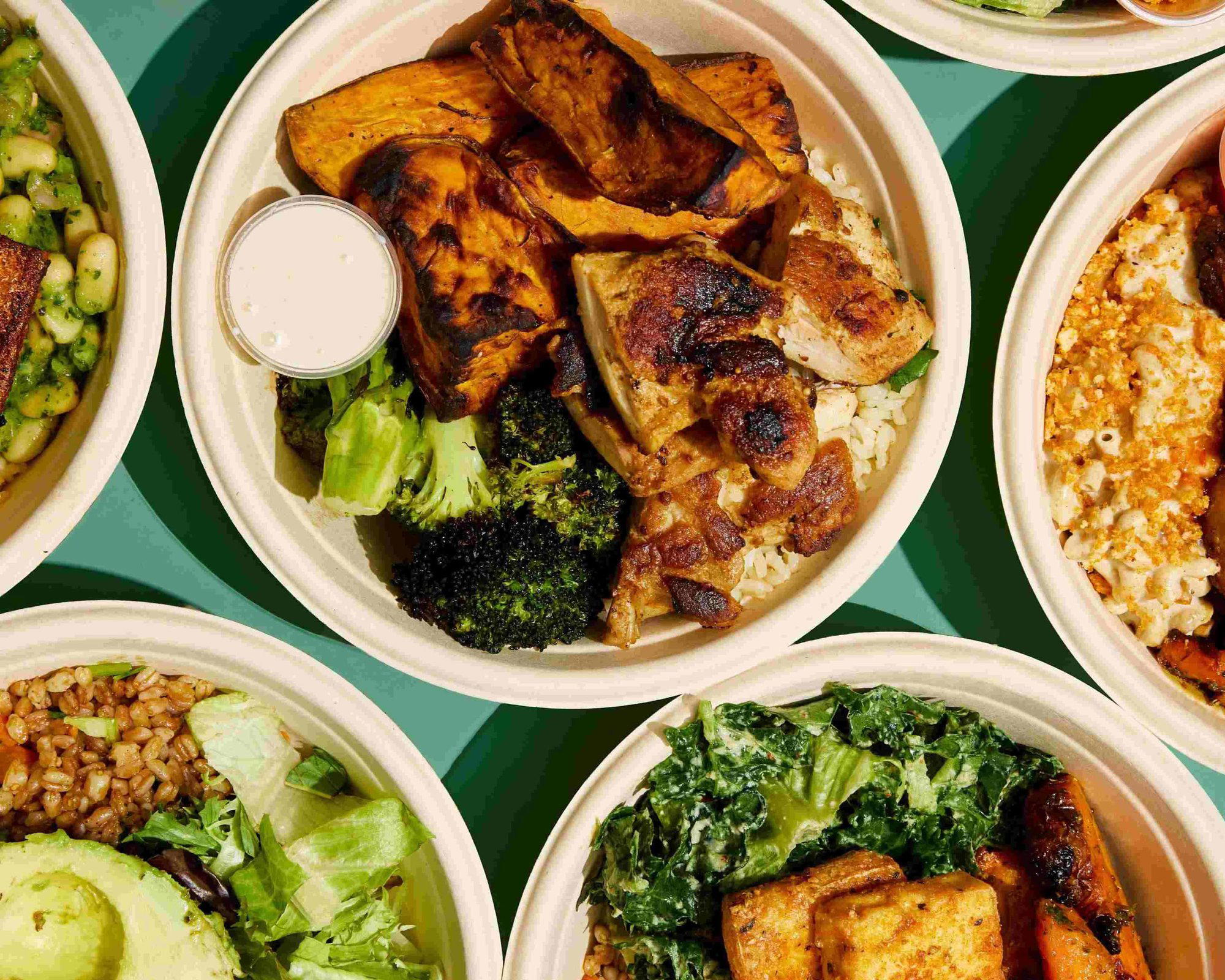
Where Flatiron's Midday Habits Meet the Farm-to-Counter Model
East 17th Street between Fifth Avenue and Union Square carries a particular rhythm at noon: office workers, students from the New School, and the general population of one of Manhattan's most transited neighborhoods converge on a block that has quietly become one of the city's more interesting tests of the fast-casual format. Dig Inn sits inside that pattern, occupying a counter-service model that positions itself against neither the $400-per-head omakase tier, where Masa and Per Se operate, nor the commodity sandwich chain. It is doing something structurally different: asking whether a fast-casual transaction can carry genuine agricultural provenance.
That question has been answered in various ways across American dining. Blue Hill at Stone Barns in Tarrytown answers it at the high end, with tasting menus built around its own farm. Single Thread Farm in Healdsburg does similarly. Dig Inn answers it at the accessible end, which is a more difficult editorial position to hold consistently, and a more consequential one for the city's actual food system, given the volume of covers served per day.
The Structure of a Meal Here
The format functions as an assembly line with editorial intention. A visit typically begins with a base selection, grains, greens, or a combination, followed by a protein, then a sequence of market sides that rotate seasonally. The tasting progression at a counter-service spot like this differs from the narrative arc of a Eleven Madison Park or Atomix multi-course meal, but it still has one: the diner moves from carbohydrate anchor to protein to vegetable complexity, building a plate that is, at its leading, a coherent argument for seasonal eating rather than a random accumulation of ingredients.
The vegetable sides are where Dig Inn earns greater attention from people who pay close attention to this category. Regional fast-casual operations that claim farm sourcing often reduce the vegetable to a garnish or afterthought; here the market sides are frequently one considered part of the plate. Roasted roots, braised greens, and grain salads with acid-forward dressings tend to hold their own against the protein rather than receding behind it. That is a meaningful distinction from the broader fast-casual category, where vegetables remain an obligation rather than a reason to visit.
Proteins rotate, and the sourcing claims, regional farms, traceable supply chains, are part of the brand's consistent communication. Whether any given visit delivers on that claim at the ingredient level is harder to verify from the counter, but the category commitment is sustained and legible across locations. The New York City market has seen this argument made and then quietly abandoned by a number of operators; the fact that it remains the operational spine here matters as a signal of intent.
Placing Dig Inn in the New York Fast-Casual Tier
New York's fast-casual market has split along two axes: speed-optimized commodity operations on one side, and mission-driven farm-sourced formats on the other. The restaurant belongs to the second cohort, sharing competitive space with a small number of operators who are attempting to run high-volume service without sacrificing supply-chain transparency. That peer group is smaller than it appears from the outside, many operators claim the positioning without the sourcing infrastructure to support it.
Restaurants that source seriously in New York often maintain relationships with farmers who also sell at Union Square; the proximity here is not incidental. It situates the restaurant inside a neighborhood ecology of food-aware consumers and accessible supply, which is a more favorable operating environment than most Manhattan zip codes can offer.
For context on how this model compares internationally, farm-to-counter formats have found expression in different cultural registers: Atelier Moessmer Norbert Niederkofler in Brunico takes a high-formality approach to regional-ingredient sourcing, while Dal Pescatore in Runate operates at the intersection of tradition and locality. The restaurant operates in none of those registers, it is resolutely accessible in price and format, but it is engaging with the same underlying question about whether provenance can be operationalized at scale.
Domestic comparisons are equally instructive. Lazy Bear in San Francisco built its reputation on sourcing discipline within a fine-dining frame. Smyth in Chicago does similarly. Frasca Food and Wine in Boulder and Providence in Los Angeles each address regional sourcing within full-service formats. The restaurant's contribution is to test whether the same sourcing logic survives compression into a counter-service, weekday-lunch format, a different kind of discipline, and a harder one to maintain as volume increases.
Planning a Visit
The East 17th Street location is positioned for walk-in service; counter-service formats at this price point and volume do not require advance reservations, and the queue during peak lunch hours moves at the pace typical of well-run fast-casual operations. The Flatiron neighborhood is served by multiple subway lines converging on 14th Street-Union Square, making the location accessible from most Manhattan neighborhoods and the outer boroughs without significant transit complexity. Le Bernardin end of the market. Those planning to combine a restaurant lunch with an evening at The Inn at Little Washington or Addison on a wider trip will find the contrast between price tiers instructive. Closer to home, Emeril's in New Orleans and The French Laundry in Napa represent the full-service, high-formality end of the farm-sourcing argument that restaurant is making in a compressed format.
Compact Comparison
Comparable venues nearby, for context on price, style, and recognition.
| Venue | Cuisine | Price | Notes |
|---|---|---|---|
| Dig InnThis venue — the venue you are viewing | Not listed | $$ | Not listed |
| Tipsy Scoop | Not listed | $$ | Murray Hill-Kips Bay, Boozy Ice Cream & Cocktail Barlour |
| Two Boots Pizza East Village | East Village, Cajun-Italian Fusion Pizza | $$ | Not listed |
| Joe Allen | Not listed | $$ | Hell's Kitchen, Classic American Brasserie |
| The Hideaway Seaport | Not listed | $$ | Financial District-Battery Park City, American Gastropub |
| Russ & Daughters Brooklyn | Not listed | $$ | Brooklyn Navy Yard, Jewish Deli Appetizing |
Continue exploring
More in New York City
Restaurants in New York City
Browse all →
Bars in New York City
Browse all →

Hotels in New York City
Browse all →






At a Glance
- Modern
- Minimalist
- Casual Hangout
- Open Kitchen
- Farm To Table
- Local Sourcing
Current opening hours
- Monday
- 11 AM–10 PM
- Tuesday
- 11 AM–10 PM
- Wednesday
- 11 AM–10 PM
- Thursday
- 11 AM–10 PM
- Friday
- 11 AM–10 PM
- Saturday
- 11 AM–10 PM
- Sunday
- 11 AM–10 PM
Hours can change for holidays and private events. Last verified .
Bright, modern fast-casual atmosphere focused on fresh, healthy ingredients with efficient counter service.