The Hideaway Seaport
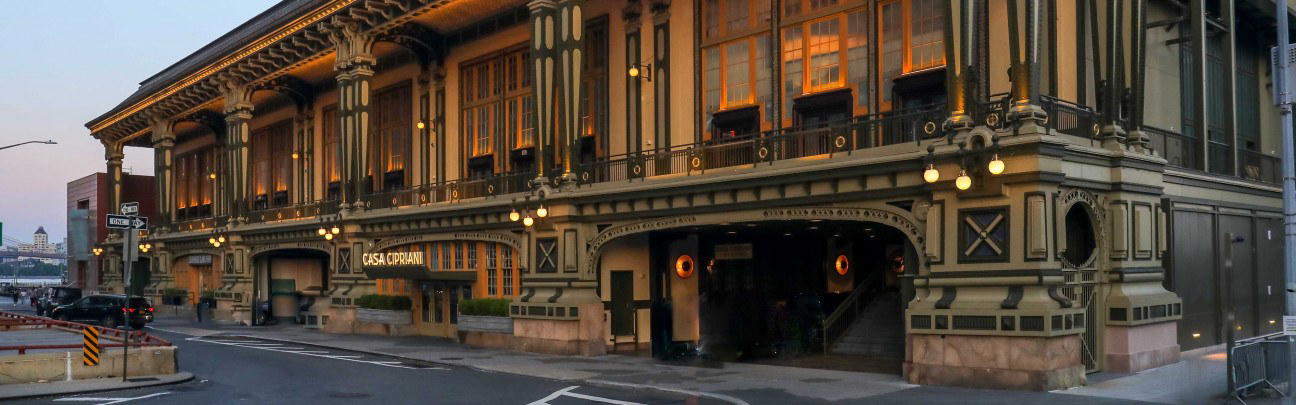
Located at 22 Peck Slip in the Seaport District, The Hideaway Seaport occupies a corner of Lower Manhattan where maritime history and contemporary dining intersect. The venue sits within a neighbourhood that has undergone significant reinvention over the past decade, drawing attention from those who track sustainability-conscious dining across New York City's broader restaurant scene.
Pearl is the En Primeur Club membership app — saves, bookings, and concierge access live there. Same editors, same standards.
- Address
- 22 Peck Slip, New York, NY 10038
- Phone
- +1 212 385 2222
- Directions
- Get directions
 Saves & bookings on Pearl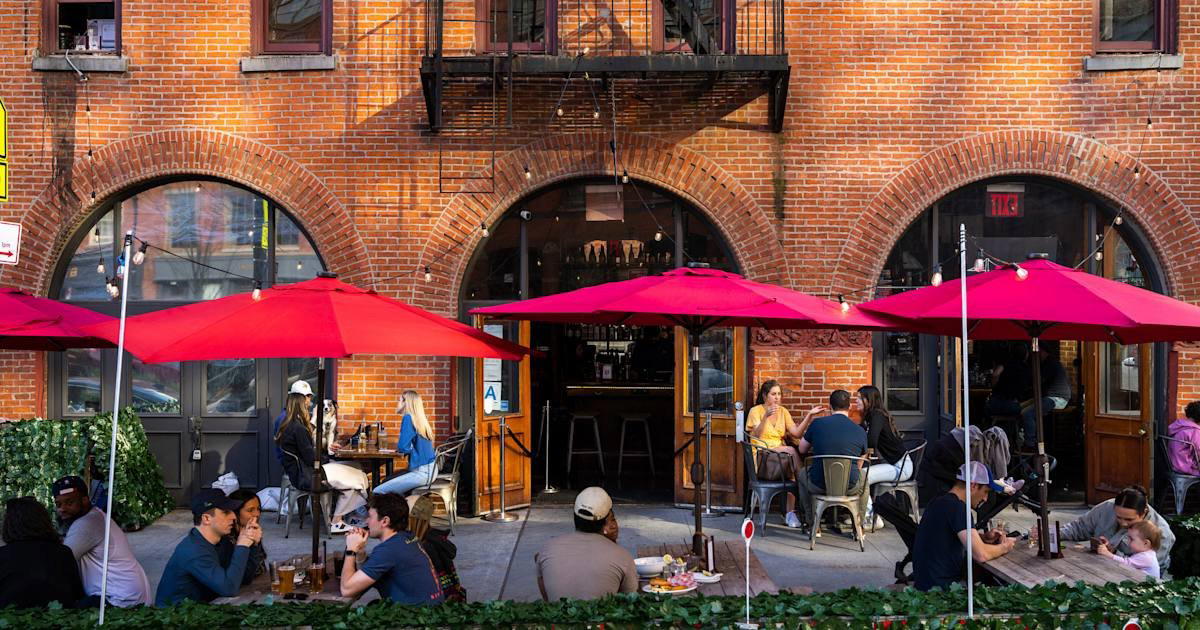
The Seaport District's Shifting Dining Identity
Lower Manhattan's Seaport District has never quite resolved its identity tension. For most of the twentieth century, Peck Slip and the surrounding blocks were working infrastructure: fish markets, chandleries, and the logistical machinery of a port city. The neighbourhood's pivot toward dining and hospitality has been uneven, with large-format tourist operations dominating the waterfront while smaller, more considered venues have had to work harder to distinguish themselves from the spectacle. The Hideaway Seaport, at 22 Peck Slip, is an American gastropub in Lower Manhattan's Seaport District.
That shift in Lower Manhattan dining mirrors a pattern visible across American port cities. In New York specifically, the question of what a waterfront restaurant owes its setting, historically, ecologically, symbolically, has grown more pointed as sustainability frameworks have moved from marketing language into genuine operational discipline. The venues that have earned critical respect in this conversation tend to share a set of commitments: ethical sourcing with traceable provenance, waste reduction built into kitchen structure rather than bolted on afterward, and a menu architecture that reflects what responsible procurement actually makes available rather than what a conventional market list would suggest.
Sustainability as Structural Commitment, Not Decoration
Across the American fine dining scene, the sustainability conversation has split into two distinct tracks. One track treats environmental consciousness as a branding layer: a line on the menu about local farms, a compost bin in the kitchen, a seasonal vegetable featured prominently in a dish that otherwise depends on commodity supply chains. The other track embeds sustainability into the operational architecture of the restaurant itself, where sourcing constraints shape the menu, relationships with producers drive procurement decisions, and waste reduction is measured rather than gestured at.
The latter approach has produced particularly discussed American dining experiences of the past decade. Blue Hill at Stone Barns in Tarrytown built its entire identity around an on-site farm, making the distance between field and plate a literal rather than figurative claim. Single Thread Farm in Healdsburg operates its own farm and inn in an integrated model that gives the kitchen direct control over a substantial portion of its ingredient sourcing. Smyth in Chicago has drawn attention for fermentation and preservation programs that extend the life of seasonal ingredients across calendar quarters. Even at the international level, restaurants like Atelier Moessmer Norbert Niederkofler in Brunico have made hyper-regional sourcing the defining editorial principle of their menus.
A venue at 22 Peck Slip, steps from the East River, inherits both an opportunity and an obligation in this conversation. The Seaport's history as a working port creates an obvious connection to questions of marine sustainability, where seafood comes from, how it is harvested, and what the long-term implications of procurement decisions are for fisheries. New York's position as a major seafood market means the sourcing choices made by serious operators here carry more weight than the same choices made in lower-volume markets.
Where The Hideaway Seaport Sits in New York's Dining Hierarchy
New York's premium dining scene has long been anchored in Midtown and the Upper West Side, with the critical mass of Michelin-starred and James Beard-recognised restaurants concentrated well north of the Seaport. Le Bernardin, which has held three Michelin stars for decades and remains the standard against which serious seafood-focused dining in New York is measured, operates from West 51st Street. Per Se, Eleven Madison Park, Atomix, and Masa all operate in the upper tier of Manhattan dining, with price points, reservation windows, and critical attention that reflect their position in a competitive and well-documented comparable set.
Lower Manhattan dining at a serious level is a smaller, more recent phenomenon. Venues that have chosen to operate south of Chambers Street are, in part, making a locational argument: that the neighbourhood itself has something to offer that justifies the departure from established dining geography. For a sustainability-framed operation, the Seaport's maritime heritage is a genuine asset rather than a backdrop, it connects the dining experience to a specific ecological and historical context that Midtown venues cannot replicate.
Across the United States, the restaurants that have built particularly durable sustainability reputations share a common trait: they earn the conversation through operational specificity rather than positioning. Providence in Los Angeles has been recognised for its seafood sourcing discipline over many years. Lazy Bear in San Francisco operates with a communal format that reduces waste through controlled portion architecture. The French Laundry in Napa maintains kitchen gardens that feed directly into service. Addison in San Diego has built sourcing relationships with regional farms that give its menus a distinctly Californian ecological character. In New Orleans, Emeril's represents an earlier generation of chef-driven restaurants that helped legitimise regional sourcing before it became an industry expectation. Frasca Food and Wine in Boulder and The Inn at Little Washington have each built supplier relationships that give their menus geographic specificity. Dal Pescatore in Runate offers an Italian model where family continuity and regional ingredient loyalty have sustained a restaurant across generations.
The Hideaway Seaport's position in this broader American conversation about sustainable dining practice is still being established. The venue's address in one of New York's historically significant maritime districts gives it a direct connection to the area's history.
Planning a Visit: What to Know Before You Go
The Seaport District is accessible from multiple subway lines, with Fulton Street station serving the 2, 3, 4, 5, A, C, J, and Z trains within comfortable walking distance of Peck Slip. The neighbourhood is at its most active on weekends, when foot traffic from the Seaport's public programming can make the surrounding streets congested. Visitors arriving specifically for a dining experience are better served by weekday evenings, when the area quiets considerably and the East River views are less competing for attention.
Reputation First
Comparable venues nearby, for context on price, style, and recognition.
| Venue | Cuisine | Price | Notes |
|---|---|---|---|
| The Hideaway SeaportThis venue — the venue you are viewing | American Gastropub | $$ | Not listed |
| Fanny | Classic American Deli | $$ | East Williamsburg |
| Festivál Cafe | Farm-to-Bar American Café | $$ | Upper East Side-Lenox Hill-Roosevelt Island |
| Lunchbox | American Burgers & Sandwiches | $$ | Westerleigh-Castleton Corners |
| The Good Fork Pub | Korean-Infused Gastropub | $$ | Carroll Gardens-Cobble Hill-Gowanus-Red Hook |
| Baby's All Right | American Gastropub | $$ | Williamsburg |
Continue exploring
More in New York City
Restaurants in New York City
Browse all →
Bars in New York City
Browse all →
Hotels in New York City
Browse all →






At a Glance
- Cozy
- Intimate
- Casual Hangout
- After Work
- Brunch
- Live Music
- Private Dining
- Craft Cocktails
- Beer Program
- Local Sourcing
- Waterfront
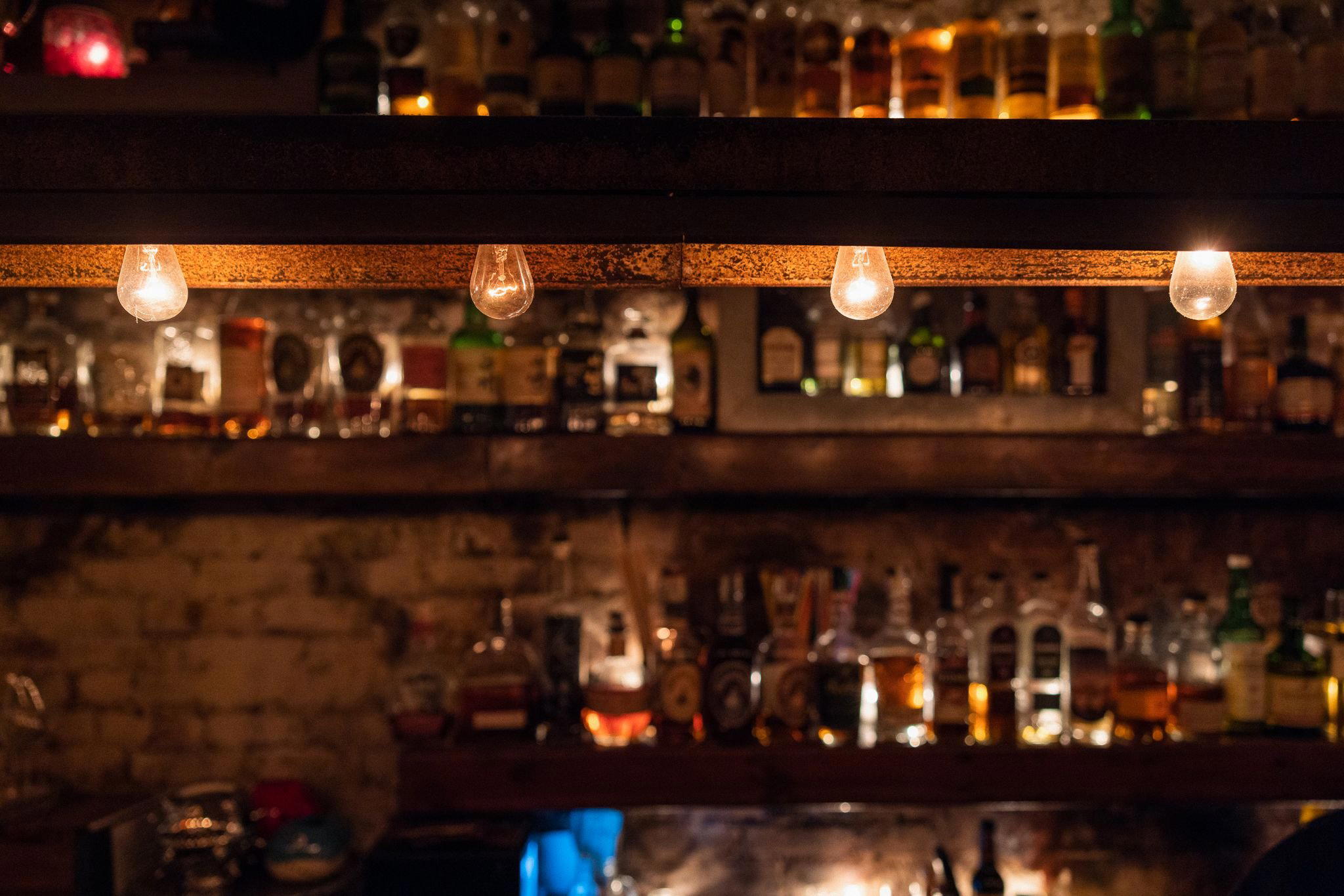
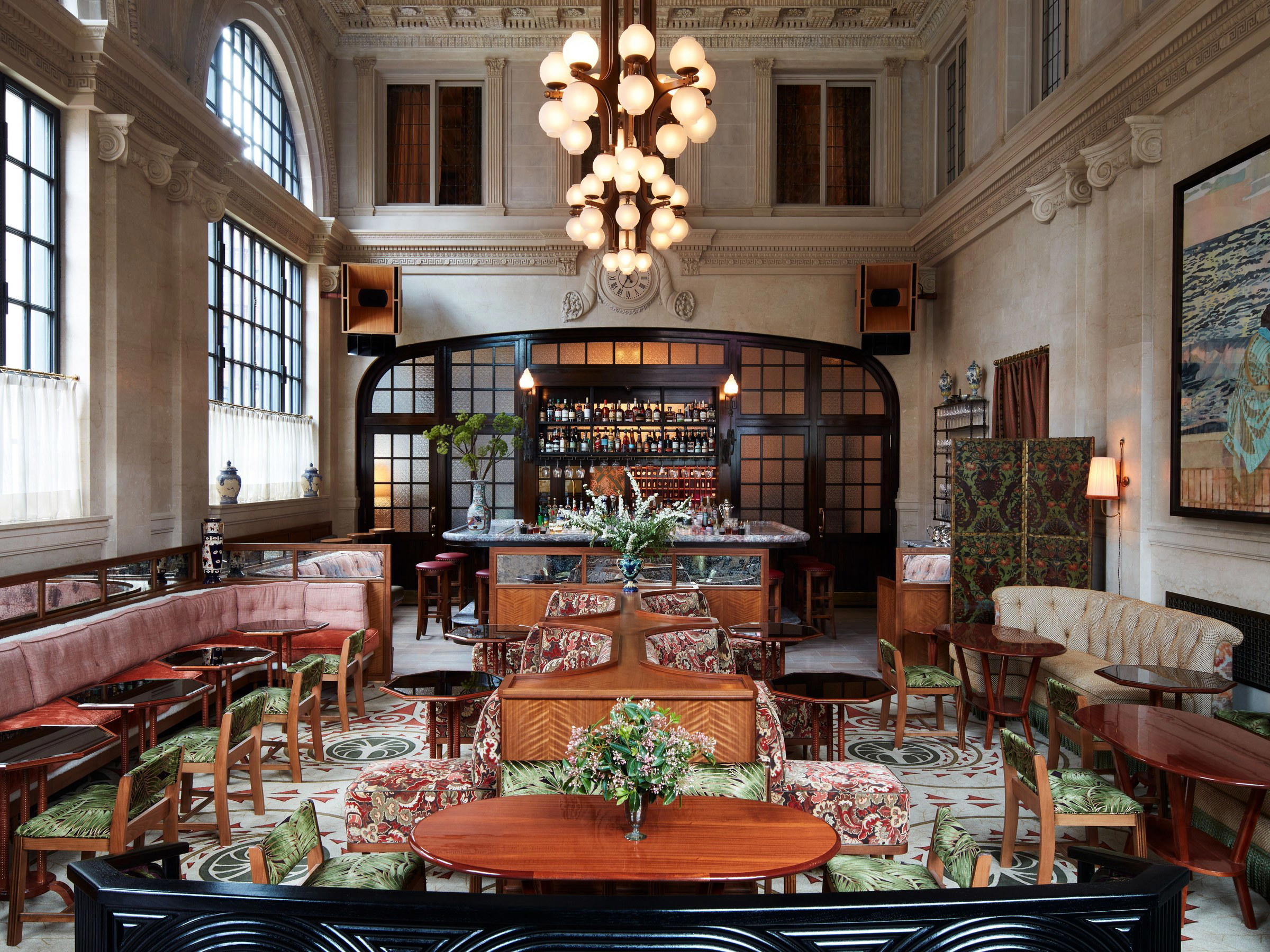
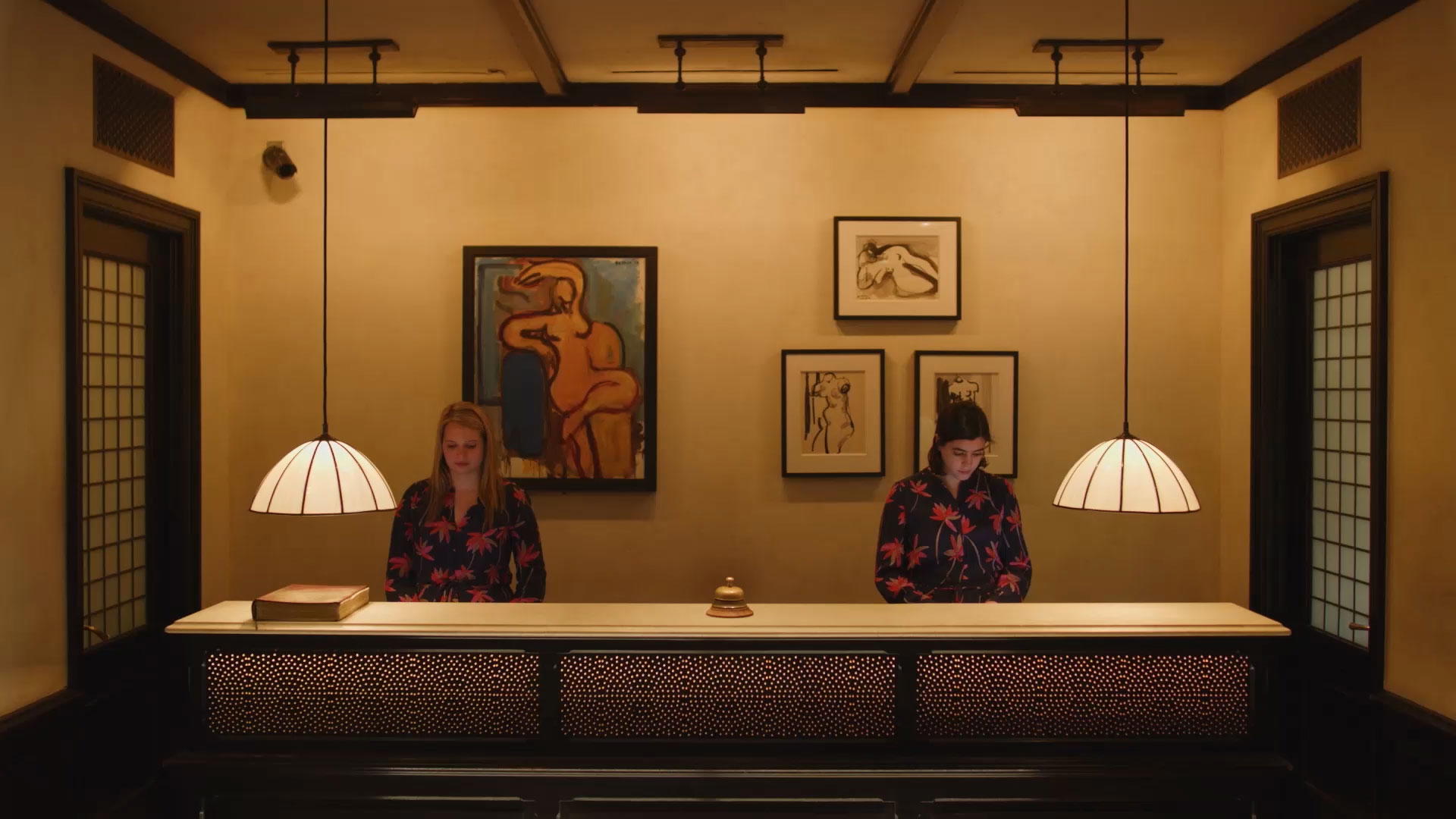
Warm and inviting upstairs dining room with a cozy, quaint downstairs bar, historic Seaport vibe, and friendly neighborhood atmosphere.