Joe Allen
Joe Allen has held its ground on West 46th Street since 1965, occupying a specific niche in the Theatre District that few restaurants manage to sustain across six decades: a room where Broadway insiders, tourists, and regulars share the same brick-walled space without obvious hierarchy. The American bistro format, direct food, a well-worn bar, and a dining room that fills early on show nights, remains its defining logic.
Pearl is the En Primeur Club membership app — saves, bookings, and concierge access live there. Same editors, same standards.
- Address
- 326 W 46th St, New York, NY 10036
- Phone
- +12125816464
- Website
- joeallenrestaurant.com
- Directions
- Get directions
 Saves & bookings on Pearl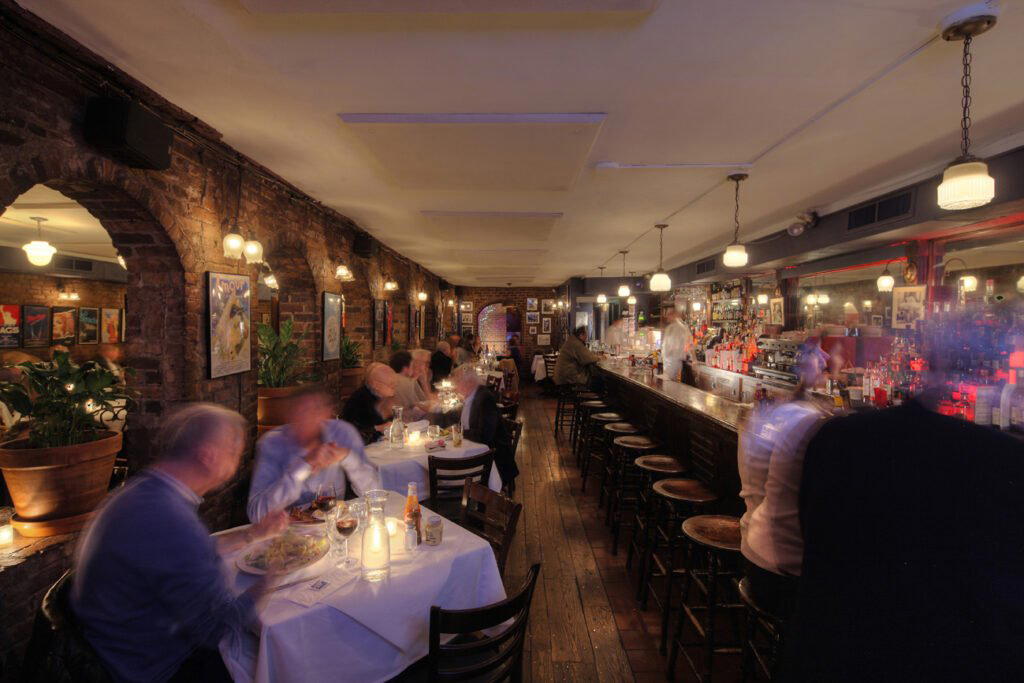
West 46th Street and the Theatre District's Dining Logic
The blocks between Eighth and Ninth Avenues on West 46th Street have functioned as a kind of annex to Broadway since the mid-twentieth century. Rehearsal spaces, union offices, and stage door exits cluster here, and the restaurants that survive do so by serving a specific kind of need: a room that works at 6pm before curtain and again after 11pm when casts clear out. Joe Allen, at 326 W 46th St, has operated on exactly that logic since 1965. That longevity in a neighbourhood where leases turn over aggressively is its own credential.
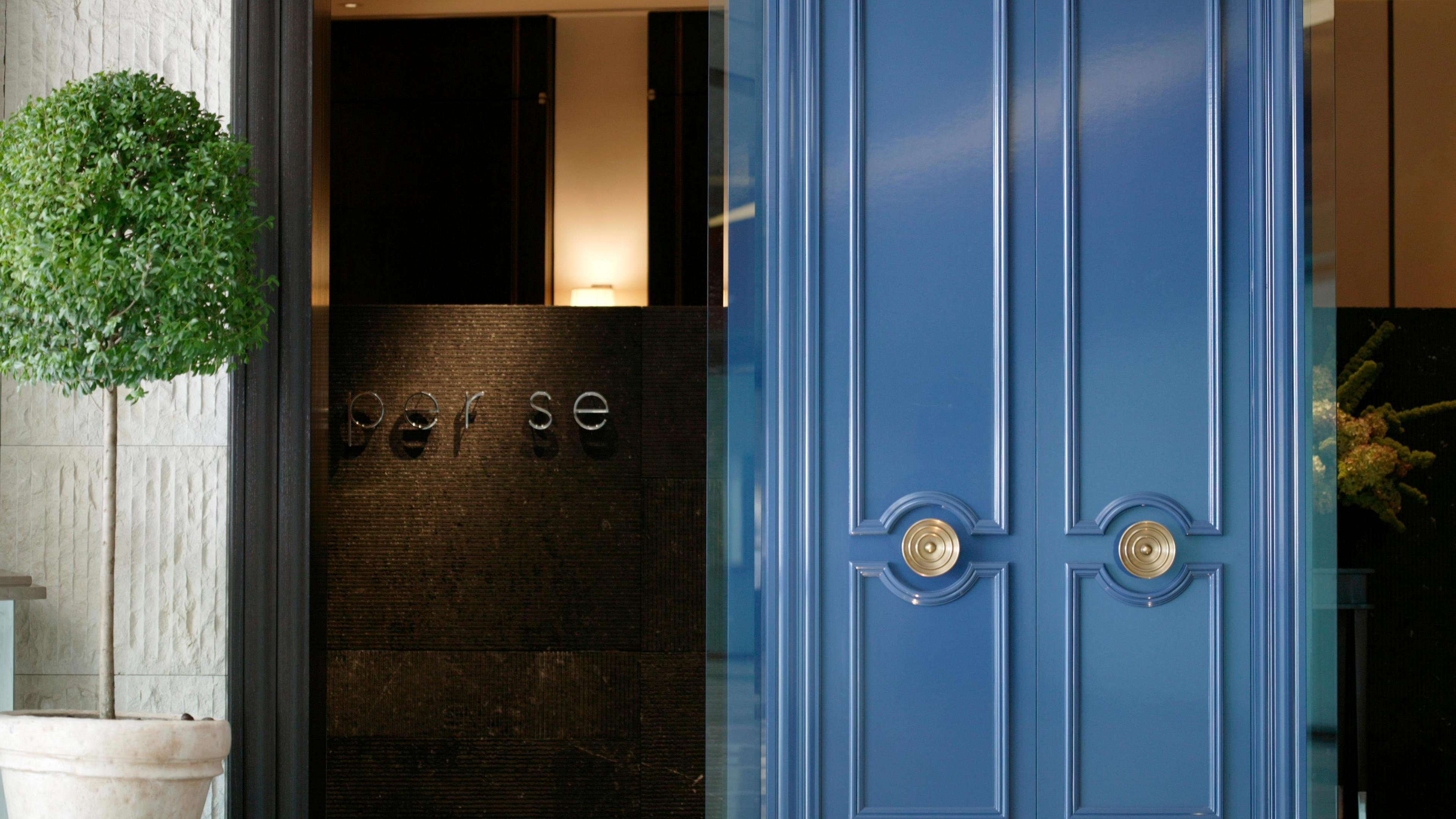
The Theatre District's dining tier has changed around it considerably. The corridor now contains everything from the prix-fixe formality of Per Se and the seafood precision of Le Bernardin to fast pre-theatre prix fixe operations built purely on turnover. Joe Allen sits in neither of those categories. It operates as an American bistro in the original sense: a room where the food is familiar enough not to require explanation and consistent enough to reward repetition. That positioning is rarer than it sounds in a city that tends to cycle concepts aggressively.
The Room as Cultural Document
Approaching the restaurant on a weeknight, the exposed brick exterior gives little away. Inside, the design has not chased renovation cycles. The walls carry Broadway show posters, with a particular focus on productions that closed quickly or flopped, a curatorial choice that signals a specific kind of theatrical insider humor rather than a generic celebration of the industry. The bar occupies a prominent position, and the noise level reflects a room built around conversation rather than theatrical silence.
American bistro as a format has deep roots in the idea that a dining room should function as a community gathering point before it functions as a showcase for technique. The long-running New York examples, a category that has thinned considerably since the 1990s, tend to share certain markers: a bar that pre-dates the kitchen's reputation, a menu that resists seasonal reinvention for its own sake, and a clientele that includes people who have been coming for twenty years sitting alongside first-timers. Joe Allen fits that description at each point.
For comparison, the Korean restaurants now defining New York's serious dining conversation, Atomix, Jungsik New York, operate at the opposite end of the format spectrum: tasting menus, controlled pacing, and a kitchen that leads. The restaurant's model inverts that relationship. The kitchen supports the room, not the other way around. That is a coherent philosophy, not a limitation.
American Bistro Cooking and What It Actually Means
The cultural roots of the American bistro sit somewhere between the post-war supper club and the French brasserie tradition that informed New York's mid-century restaurant culture. The format assumes that diners arrive with social purpose rather than gastronomic purpose, the food needs to be good enough not to distract from the conversation, and familiar enough to order without deliberation. Cheeseburgers, steaks, pastas, and salads recur across this category not from lack of ambition but from a correct reading of what the format demands.
This is a meaningful contrast to the destination-driven tasting menu format that defines the upper tier of American dining, venues like The French Laundry in Napa, Alinea in Chicago, or Blue Hill at Stone Barns in Tarrytown. Those rooms ask the diner to submit to a sequence. The American bistro asks the opposite: the sequence is yours, the pacing is yours, and the kitchen will meet you where you are. Internationally, the same logic appears at venues like Alain Ducasse's Louis XV in Monte Carlo and 8½ Otto e Mezzo Bombana in Hong Kong, though those rooms operate at considerably higher price points and formality levels.
What keeps the American bistro format honest is repetition. A room that serves the same dishes for decades gets judged by whether those dishes are consistently executed, not whether they are innovative. That is a harder standard than it appears. The theatre industry crowd that fills this room on show nights has, in many cases, been coming long enough to notice when something slips.
The Broader Context: Where Joe Allen Sits in New York's Dining Map
New York's restaurant culture in 2024 runs on two parallel tracks. The first is the high-investment tasting menu format, where venues like Masa operate at triple-digit per-person price points and require weeks of advance planning. The second is the neighbourhood bistro format, where the value proposition is accessibility, familiarity, and a room that functions as a social institution rather than a dining event. The restaurant belongs firmly to the second track.
That track runs across American cities in different forms. Emeril's in New Orleans, Lazy Bear in San Francisco, Providence in Los Angeles, Addison in San Diego, Single Thread Farm in Healdsburg, Bacchanalia in Atlanta, and The Inn at Little Washington all represent different American dining formats with their own positioning logic. The restaurant's position is specific: Theatre District, American bistro, six decades of continuous operation, no tasting menu, no dress code theatrics.
Planning a Visit
Recognition, Side-by-Side
Comparable venues nearby, for context on price, style, and recognition.
| Venue | Cuisine | Price | Notes |
|---|---|---|---|
| Joe AllenThis venue — the venue you are viewing | Classic American Brasserie | $$ | Not listed |
| FARM TO BURGER | Farm-to-Table American Burgers | $$ | Hell's Kitchen |
| Burgerology Midtown | Modern American Burgers | $$ | Chelsea-Hudson Yards |
| Emmy Squared - Midtown West | Detroit-Style Pizza | $$ | Upper West Side-Lincoln Square |
| Jack's Stir Brew | Organic Stir Brew Coffee & Vegan Bakery | $$ | West Village |
| Cowgirl | Southern Tex-Mex | $$ | West Village |
Continue exploring
More in New York City
Restaurants in New York City
Browse all →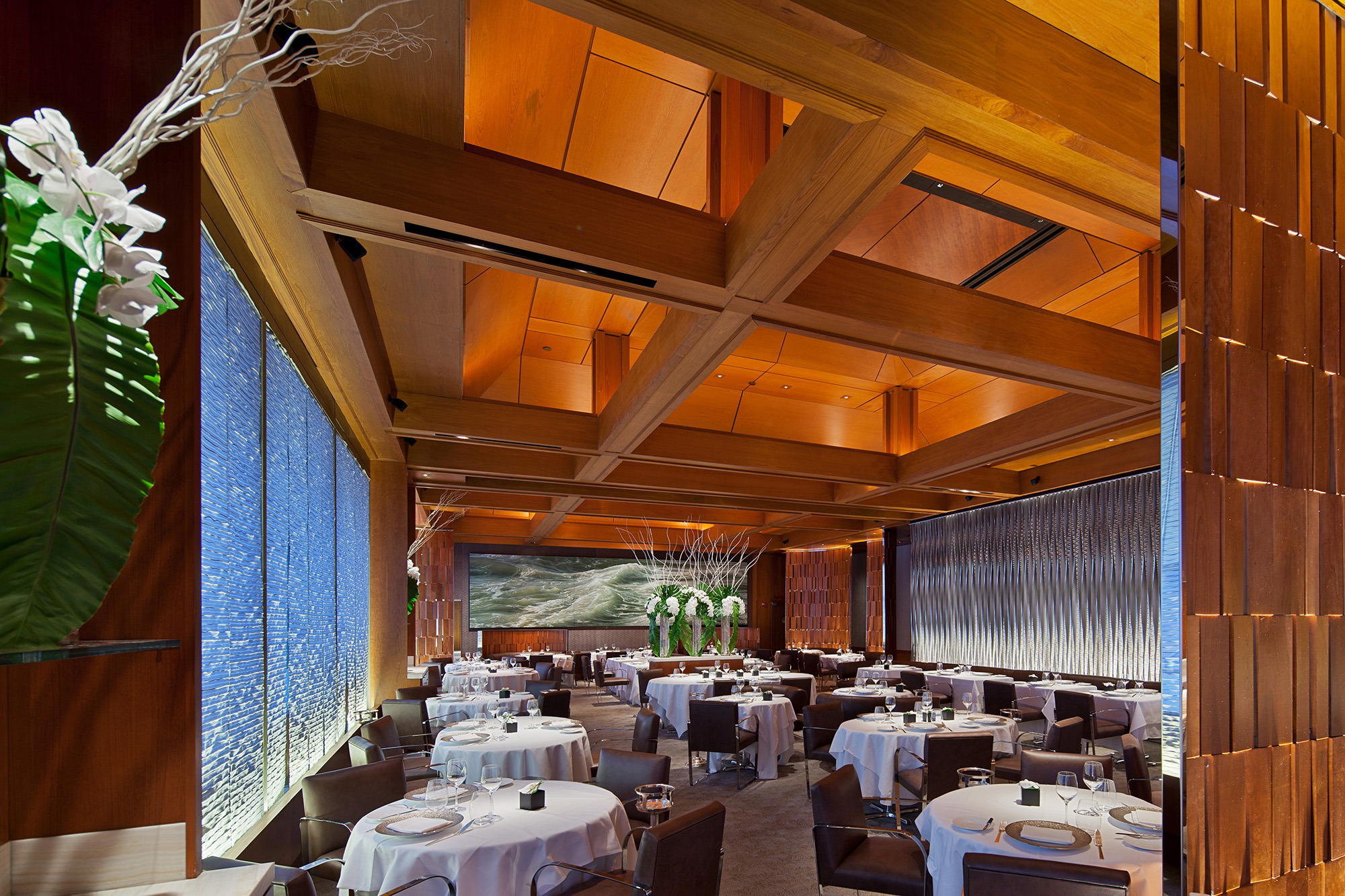
Bars in New York City
Browse all →
Hotels in New York City
Browse all →





At a Glance
- Classic
- Cozy
- Well Known
- Business Dinner
- Group Dining
- After Work
- Special Occasion
- Historic Building
- Extensive Wine List
Current opening hours
- Monday
- Closed
- Tuesday
- 4:30–11:30 PM
- Wednesday
- 11:30 AM–11:30 PM
- Thursday
- 12–11:30 PM
- Friday
- 12–11:30 PM
- Saturday
- 11:30 AM–11:30 PM
- Sunday
- 11:30 AM–10:30 PM
Hours can change for holidays and private events. Last verified .
Casual yet professional with a warm, comfortable atmosphere featuring dark wood paneling, brick walls, and theater memorabilia.