DiFranco's
On Lincoln Street in Denver's Capitol Hill corridor, DiFranco's occupies a position in a neighborhood that rewards those who pay attention to sourcing and seasonality over spectacle. The kitchen's orientation toward ethical, locally grounded cooking places it in a growing cohort of Denver restaurants rethinking what neighborhood dining can mean when environmental accountability is part of the operating logic.
Pearl is the En Primeur Club membership app — saves, bookings, and concierge access live there. Same editors, same standards.
- Address
- 955 Lincoln St D, Denver, CO 80203
- Phone
- +17202531244
- Website
- difrancos.com
- Directions
- Get directions
 Saves & bookings on Pearl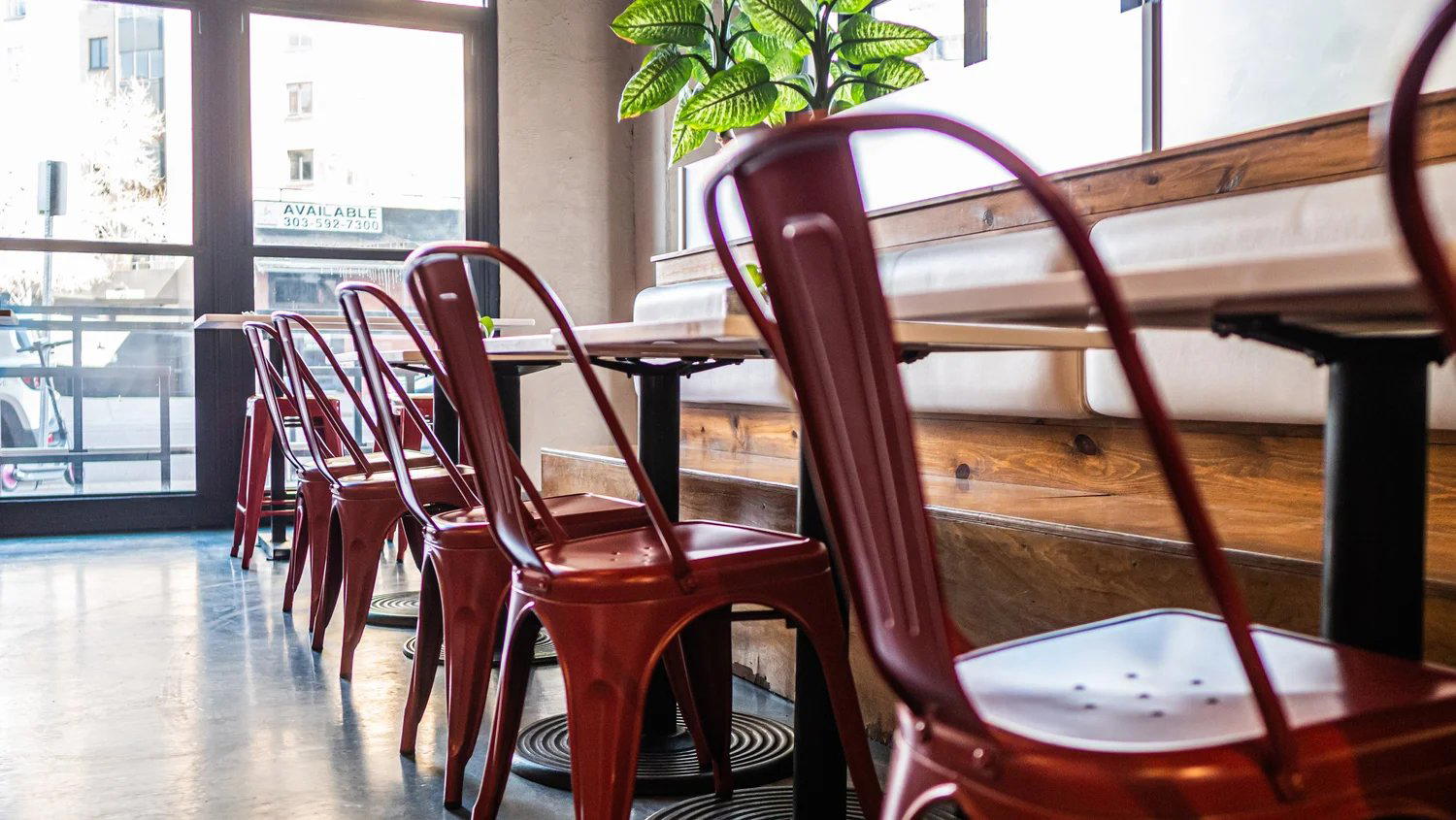
Capitol Hill and the New Calculus of Neighborhood Restaurants
Denver's Capitol Hill corridor has never been the address that draws out-of-town reservation hunters. That's precisely why it matters. While RiNo collects the press cycles and LoDo absorbs the expense-account dinners, Capitol Hill has quietly become the part of the city where restaurants operate closer to the bone: tighter margins, more direct supplier relationships, and a customer base that tends to return weekly rather than annually. DiFranco's, at 955 Lincoln Street, sits inside that pattern.
The block itself sets expectations. Lincoln Street in this stretch runs through a mixed-use neighborhood where residential buildings, small offices, and independent storefronts share the same few hundred meters. There's no valet line, no velvet rope logic. What you find instead is a kind of operational honesty that has become harder to locate in Denver's more heavily trafficked dining districts.
Sustainability as Operating Logic, Not Marketing
Across American dining, the language of sustainability has become so ubiquitous that it risks meaning nothing. The more useful distinction is between restaurants that use sustainability as a positioning statement and those that build it into the operational structure of the kitchen. The latter category is smaller and tends to show up in neighborhoods where rents don't require the kind of volume that makes careful sourcing difficult to maintain.
Denver has developed a credible tier of restaurants working in this mode. Brutø has built a reputation around fermentation and zero-waste technique at the premium end. The Wolf's Tailor operates at a similar price point with a strong emphasis on seasonal and local sourcing within its New American framework. Annette has made Colorado provenance a central part of its identity at a more accessible price tier. DiFranco's, on Lincoln Street, belongs to this same broader current: a kitchen oriented toward accountability in sourcing rather than theater in presentation.
The ethical sourcing story is not distinctive to Denver. Nationally, restaurants like Blue Hill at Stone Barns in Tarrytown and Single Thread Farm in Healdsburg have made farm-to-table a fully integrated production model rather than a menu footnote. At the fine dining level, Atelier Moessmer Norbert Niederkofler in Brunico has made Alpine regional sourcing the entire premise of a three-Michelin-star program. These are the anchoring references for what genuine environmental commitment looks like at scale. DiFranco's operates in a different register, closer to the neighborhood end of that spectrum, where the commitment expresses itself through supplier relationships and kitchen discipline rather than tasting menu architecture.
Where DiFranco's Sits in the Denver Market
Denver's restaurant market has stratified sharply over the past decade. At the leading end, tasting menu formats at places like Beckon command prices that put them in national conversation alongside Smyth in Chicago or Atomix in New York City. In the mid-range, a set of well-regarded neighborhood restaurants serve a repeat-visit customer rather than a destination-dining one. Alma Fonda Fina and Tavernetta both operate in this register, holding loyal local followings without the awards machinery of the city's highest-profile rooms.
The restaurant occupies neighborhood-dining territory in a part of the city where that positioning is a genuine operating advantage. The Capitol Hill customer base tends to prioritize consistency and value over novelty, which means a kitchen oriented toward ethical sourcing has an audience that appreciates it without requiring it to be dramatized. This is a different dynamic from the high-profile sustainability restaurants that need their environmental commitments to be legible and communicable to first-time visitors.
The Broader Sustainability Tier: What It Demands of a Kitchen
Running a kitchen with genuine sourcing accountability at a neighborhood price point is operationally demanding in ways that are easy to underestimate. Supplier relationships require maintenance. Seasonal menus require retraining front-of-house staff as dishes change. Waste reduction programs require kitchen discipline that doesn't generate labor savings in the short term. The restaurants that sustain this over years tend to have owners and kitchen leadership with clear operational convictions rather than marketing ambitions.
Nationally, the restaurants that have made this model work at the fine dining tier, from Le Bernardin in New York City with its seafood sustainability commitments to Providence in Los Angeles with its Marine Stewardship Council certification, demonstrate that sourcing ethics can coexist with high execution standards. At the more accessible end, Emeril's in New Orleans and Addison in San Diego show different configurations of the same underlying commitment. The French Laundry in Napa and Lazy Bear in San Francisco have each integrated garden programs and hyper-local sourcing into formats that are now defining references for the California model. The Inn at Little Washington has pursued similar commitments in a different geographic context. What connects all of these is that the sourcing logic is embedded in kitchen operations, not appended to them.
For a Capitol Hill restaurant working at a neighborhood price point, the challenge is doing a version of this without the resources that fine dining margins provide. That is, in a sense, the more interesting test of whether the commitment is real.
Timing, Access, and Practical Considerations
Capitol Hill restaurants in this format tend to draw a local-heavy crowd on weeknights and a broader mix on weekends. The neighborhood's residential density means walk-in traffic is a genuine factor, particularly at lunch and early dinner.
Know Before You Go
- Address: 955 Lincoln St D, Denver, CO 80203
- Neighborhood: Capitol Hill, Denver
- Hours: Mon-Sun 10:30 AM-9 PM
- Reservations: Walk-ins welcome
- Price range: About $12 per person
- Parking: Street parking is available nearby
How It Stacks Up
Comparable venues nearby, for context on price, style, and recognition.
| Venue | Cuisine | Price | Notes |
|---|---|---|---|
| DiFranco'sThis venue — the venue you are viewing | Fresh Italian Trattoria | $ | Not listed |
| Whit's End | Italian-French Comfort Food | $$ | Whittier |
| Osteria Marco | Rustic Italian Trattoria | $$ | LoDo |
| Kaos Pizzeria | Traditional Neapolitan Pizza | $$ | Platt Park |
| Panzano | Contemporary Northern Italian | $$$ | Central Business District |
| Rush Bowls - Denver Highlands | Acai Bowls | $ | Highland |
Continue exploring
More in Denver
Restaurants in Denver
Browse all →
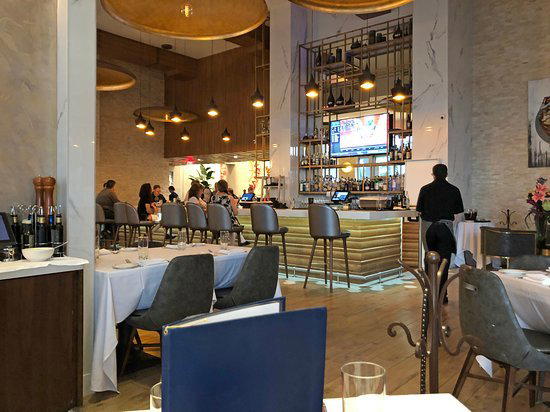
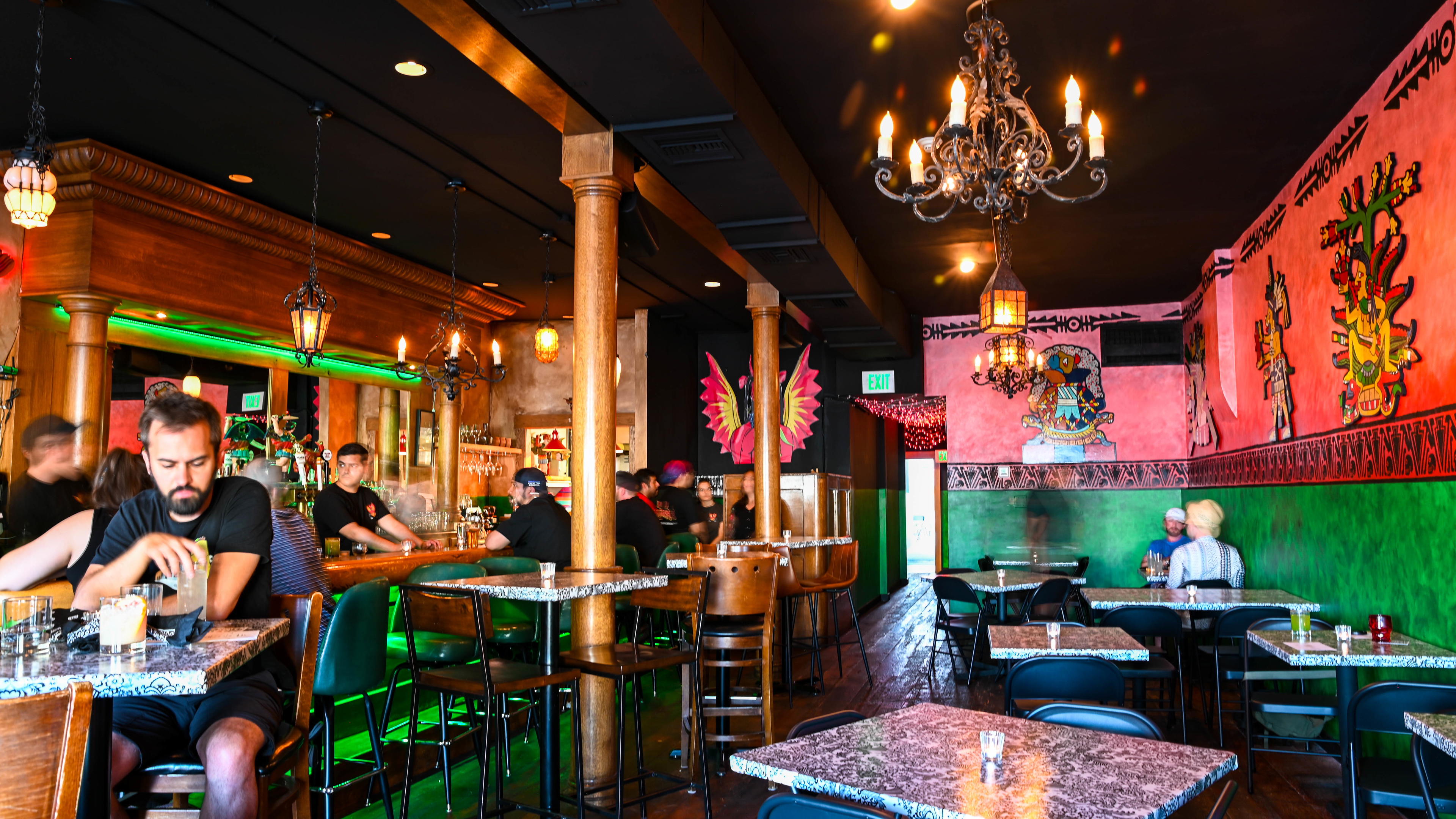
Bars in Denver
Browse all →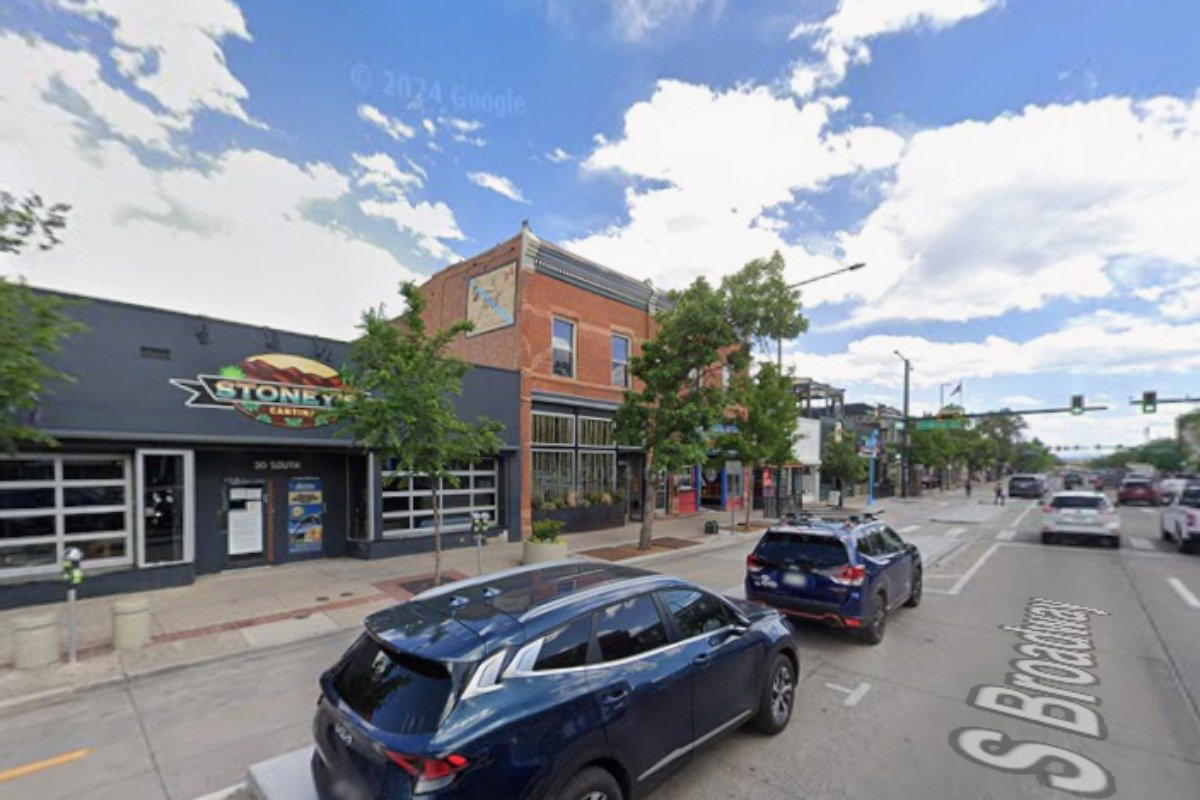
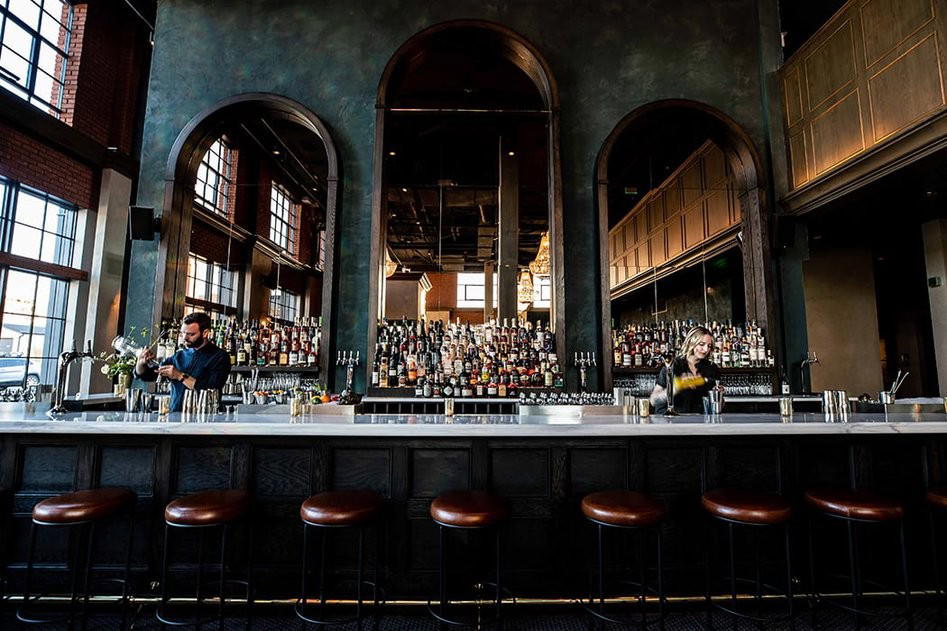
Hotels in Denver
Browse all →

At a Glance
- Cozy
- Rustic
- Casual Hangout
- Group Dining
- Open Kitchen
- Standalone
- Beer Program
- Farm To Table
- Organic
- Local Sourcing
Current opening hours
- Monday
- 10:30 AM–9 PM
- Tuesday
- 10:30 AM–9 PM
- Wednesday
- 10:30 AM–9 PM
- Thursday
- 10:30 AM–9 PM
- Friday
- 10:30 AM–9 PM
- Saturday
- 10:30 AM–9 PM
- Sunday
- 10:30 AM–9 PM
Hours can change for holidays and private events. Last verified .
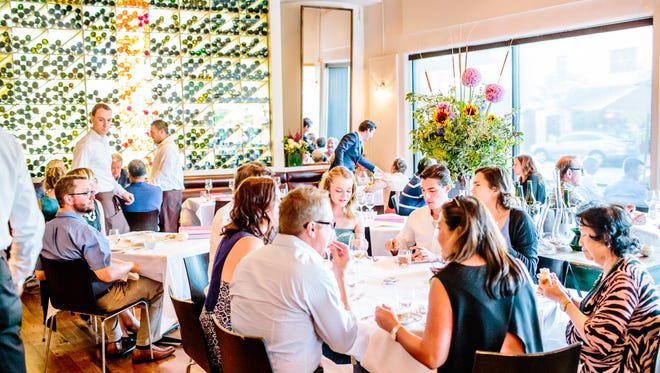
Warm and inviting with a mix of old-school Italian deli aesthetic and contemporary design elements, featuring beetle kill pine accents and an open kitchen view.