Die Vegane Fleischerei occupies a provocative position in Munich's dining scene: a plant-based concept operating under the name 'The Vegan Butcher' on Frauenstraße in the Glockenbachviertel quarter. The name signals the central tension the kitchen works with, meat-free cooking that takes its cues from the craft and precision of traditional butchery, translated into vegetables, legumes, and fermented proteins.
Pearl is the En Primeur Club membership app — saves, bookings, and concierge access live there. Same editors, same standards.
- Address
- Frauenstraße 11, 80469 München, Germany
- Website
- vegane-fleischerei.de
- Directions
- Get directions
 Saves & bookings on Pearl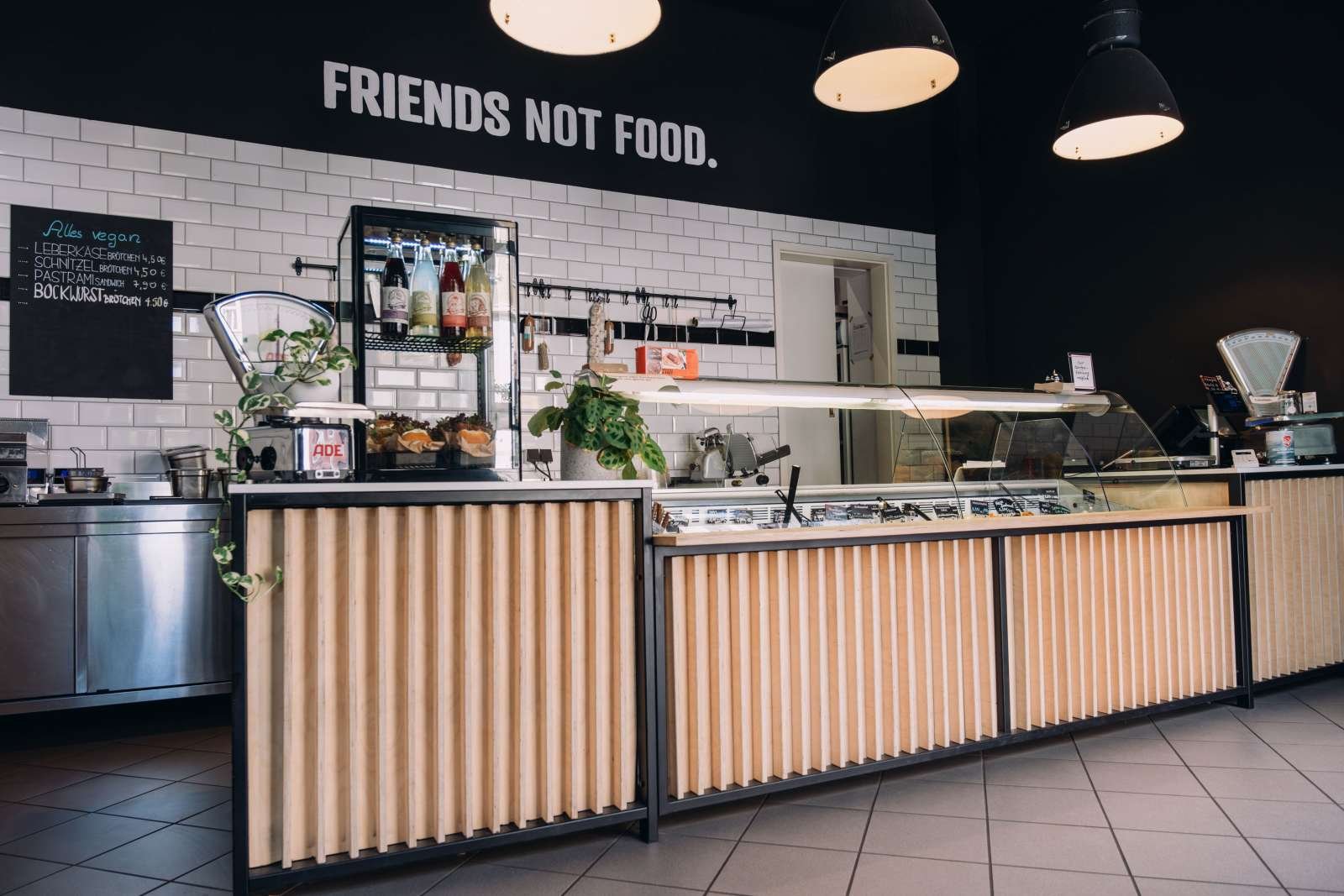
Munich's Plant-Based Scene and Where Die Vegane Fleischerei Sits Within It
Germany's relationship with meat-free dining has shifted considerably over the past decade. Cities like Berlin were early adopters of the vegan restaurant format, building a dense ecosystem of casual cafes and activist-coded spaces in the mid-2010s. Munich came to the conversation later and with a different register: a city shaped by beer halls, Weisswurst traditions, and a conservative culinary identity that made the plant-based pivot more pointed when it arrived. That context matters when reading Die Vegane Fleischerei's premise. Opening a vegan establishment here, in the Isarvorstadt area near Frauenstraße, and naming it 'The Vegan Butcher' is not a neutral act. It is a deliberate engagement with the city's food culture, and a signal that the kitchen is working with, rather than simply against, that legacy.
Munich's higher-end dining tier has remained anchored in classical technique. Venues like Tantris and Atelier define the leading bracket through French-influenced tasting menus. Tohru in der Schreiberei represents the city's more experimental thread, blending German and Japanese frameworks. Across that field, dedicated plant-based cooking, particularly at mid-to-upper price points, remains sparse. Die Vegane Fleischerei occupies territory that few in Munich have chosen to claim.
The Concept: Butchery Logic Applied to Plants
The name 'Vegane Fleischerei' is doing significant work. In German culinary vocabulary, a Fleischerei is a butcher's shop, a place defined by craft, precision, and an intimate understanding of the ingredient's physical properties. Applying that label to a plant-based concept signals an ambition to treat vegetables, fermented products, and legumes with the same structural seriousness that a butcher applies to cuts of meat. This is a broader European trend that has gained momentum since operations like Silo in London and Nolla in Helsinki began demonstrating that zero-waste, technique-driven plant-based kitchens could occupy the same critical conversation as protein-led fine dining. The restaurant's positioning in Munich reflects that same impulse at a local scale.
The evolution from novelty to credibility is the defining arc for plant-based restaurants in German-speaking cities. Early vegan establishments often relied on substitution logic, replacing meat with plant proteins that mimicked the original. The more recent wave, of which the restaurant appears to be part, operates differently: the plant ingredient is the starting point, not a replacement for something else. The name itself is a clear declaration of intent.
Frauenstraße and the Glockenbachviertel Context
Address at Frauenstraße 11 places the restaurant in Munich's Glockenbachviertel and Isarvorstadt zone, a neighbourhood that has functioned as the city's most progressive dining corridor for the past fifteen years. This is where independent operators cluster, where format experimentation is more common, and where a concept carrying a deliberately provocative name reads as fluent rather than jarring. The area supports a dining public that is relatively open to unconventional formats, which gives the kitchen the right audience for what the concept is attempting.
Where This Sits in Germany's Wider Fine Dining Conversation
Plant-based cooking at the serious end of the German market is still a small subset of total fine dining output. The country's most-decorated kitchens, Schwarzwaldstube in Baiersbronn, Aqua in Wolfsburg, Vendôme in Bergisch Gladbach, Victor's Fine Dining by Christian Bau in Perl, and Waldhotel Sonnora in Dreis, operate in a product-driven classical mode where meat, fish, and luxury ingredients remain central. The creative independents, including ES:SENZ in Grassau, Schanz in Piesport, and Bagatelle in Trier, work within recognisable European fine dining frameworks. CODA Dessert Dining in Berlin is among the few German operations to have built a serious critical reputation around a fundamentally unconventional structural premise. The restaurant is attempting something comparable in Munich.
Munich's own decorated tier, JAN and Alois - Dallmayr Fine Dining among them, does not include a plant-forward specialist. That gap is precisely what gives the restaurant its relevance in the city's dining conversation, independent of any specific award recognition it may or may not carry.
Internationally, the plant-based fine dining category has seen credibility built through specific anchors: Le Bernardin in New York City expanded its vegetable tasting menu options as a signal of broader market direction, and format-driven independents like Lazy Bear in San Francisco and Restaurant Haerlin in Hamburg demonstrate that non-conventional formats can sustain long-term critical attention. The German plant-based category is building toward the same conclusion, if more slowly.
The Evolution Framing: From Counterculture to Craft
The trajectory of vegan restaurant culture in Germany tracks from a position of ideological opposition in the 2010s toward a position of craft-led confidence in the 2020s. The earlier wave defined itself against mainstream food culture. The current wave is more interested in demonstrating technical parity, showing that plant-based cooking can meet the same standards of precision, depth, and ingredient fidelity that the broader fine dining world expects. The restaurant's name captures that shift exactly: the reference to butchery is not ironic distance from meat culture, it is a claim to the same level of craft.
That evolution is ongoing, and Munich is a harder city in which to press it than Berlin or Hamburg. The conservative food culture here means that credibility must be built slowly, through consistent execution rather than cultural momentum. What the restaurant represents, at this stage, is that claim entering the Munich market with a specific address and a clear premise. Whether the execution matches the ambition is a question for those who have sat at the table.
Know Before You Go
| Address | Frauenstraße 11, 80469 München, Germany |
|---|---|
| Neighbourhood | Glockenbachviertel / Isarvorstadt |
| Concept | Plant-based kitchen operating under a butchery-referencing name |
| Price Range | About $15 per person |
| Hours | Mon to Sat, 11:30 AM to 6 PM; Sunday closed |
| Reservations | Walk-ins are welcome |
| Website | Frauenstraße 11, 80469 München, Germany |
Comparable Venues
Comparable venues nearby, for context on price, style, and recognition.
| Venue | Cuisine | Price | Notes |
|---|---|---|---|
| Die Vegane FleischereiThis venue — the venue you are viewing | Vegan Bavarian Butcher | $$ | Not listed |
| Lyfe | Organic Superfood Bowls & Smoothies | $$ | Altstadt |
| Zum Franziskaner | Traditional Bavarian | $$ | Lehel |
| Taklamakan | Uyghur (Xinjiang) | $$ | Altstadt |
| Münchner Stubn | Traditional Bavarian Gastropub | $$ | Theresienwiese |
| Leib und Seele | Traditional Bavarian | $$ | Lehel |
At a Glance
- Rustic
- Cozy
- Trendy
- Casual Hangout
- Open Kitchen
Current opening hours
- Monday
- 11:30 AM–6 PM
- Tuesday
- 11:30 AM–6 PM
- Wednesday
- 11:30 AM–6 PM
- Thursday
- 11:30 AM–6 PM
- Friday
- 11:30 AM–6 PM
- Saturday
- 11:30 AM–6 PM
- Sunday
- Closed
Hours can change for holidays and private events. Last verified .
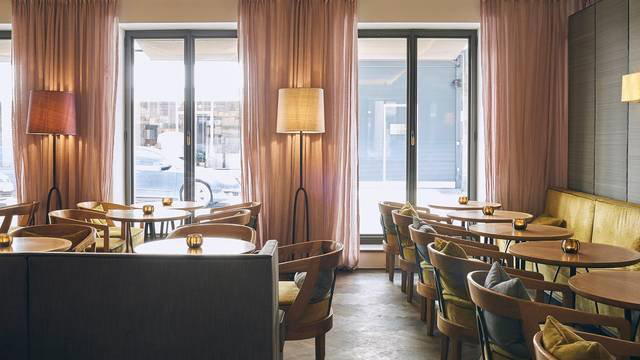
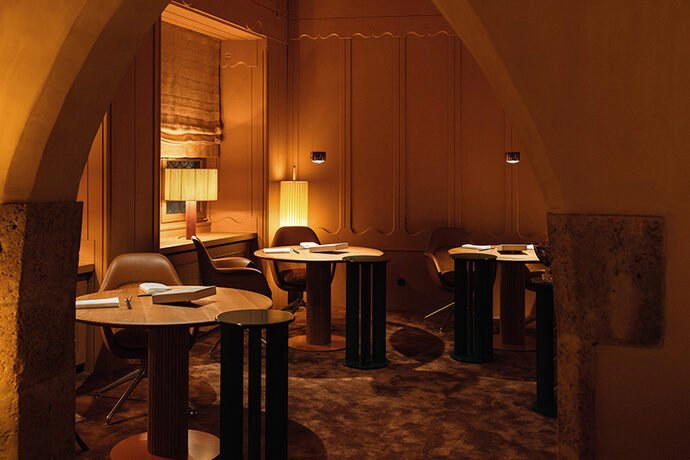
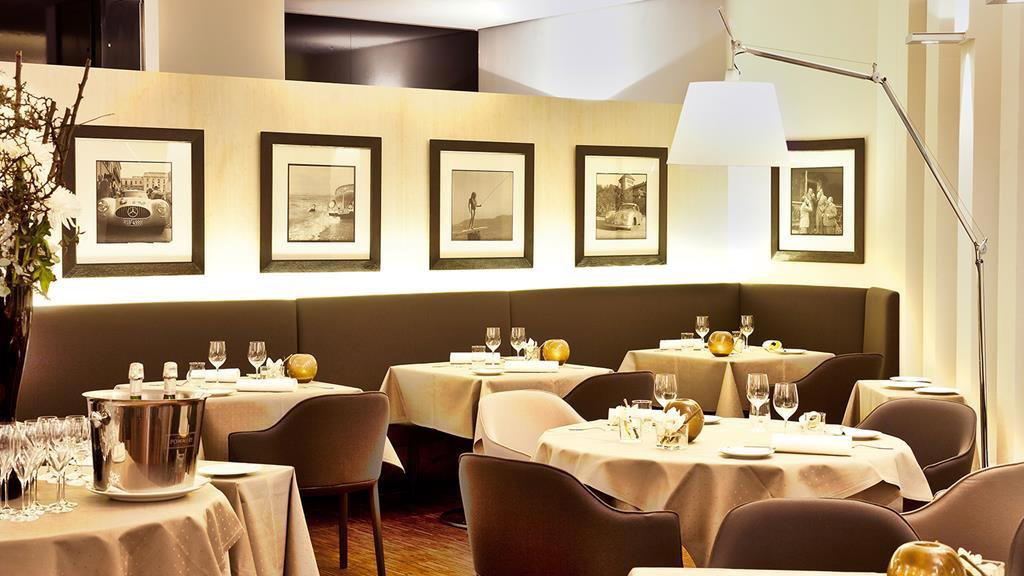
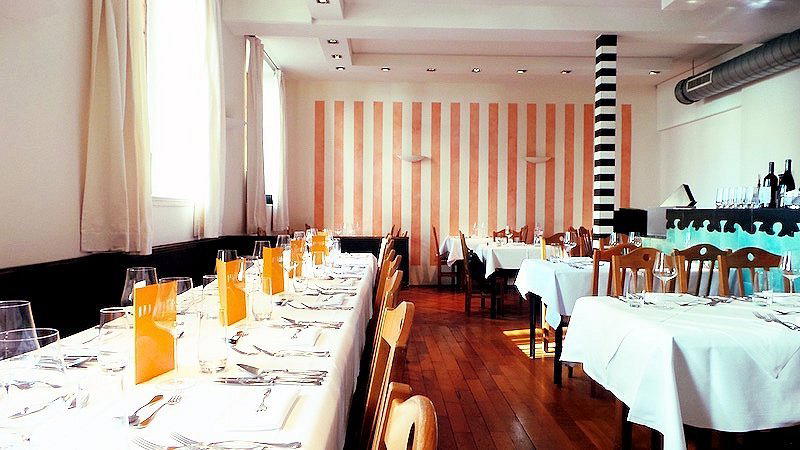
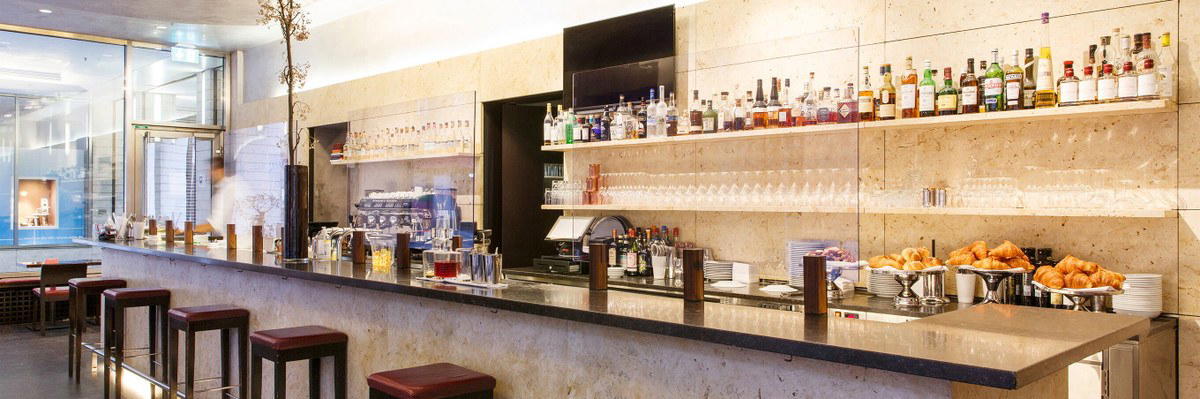
Casual bistro seating reminiscent of a traditional German butcher shop with a fresh counter of vegan meats, cheeses, and prepared snacks.