In the Lower Austrian village of Obersdorf, Die Schmauserei at Hauptstraße 56 occupies the kind of address where regional cooking traditions run deep. A candidate for readers tracing Austria's rural dining circuit beyond the Michelin-starred tier.
Pearl is the En Primeur Club membership app — saves, bookings, and concierge access live there. Same editors, same standards.
- Address
- Hauptstraße 56, 2120, Austria
- Phone
- +43224582428
- Website
- die-schmauserei.at
- Directions
- Get directions
 Saves & bookings on Pearl
Where Austrian Rural Dining Takes Its Own Pace
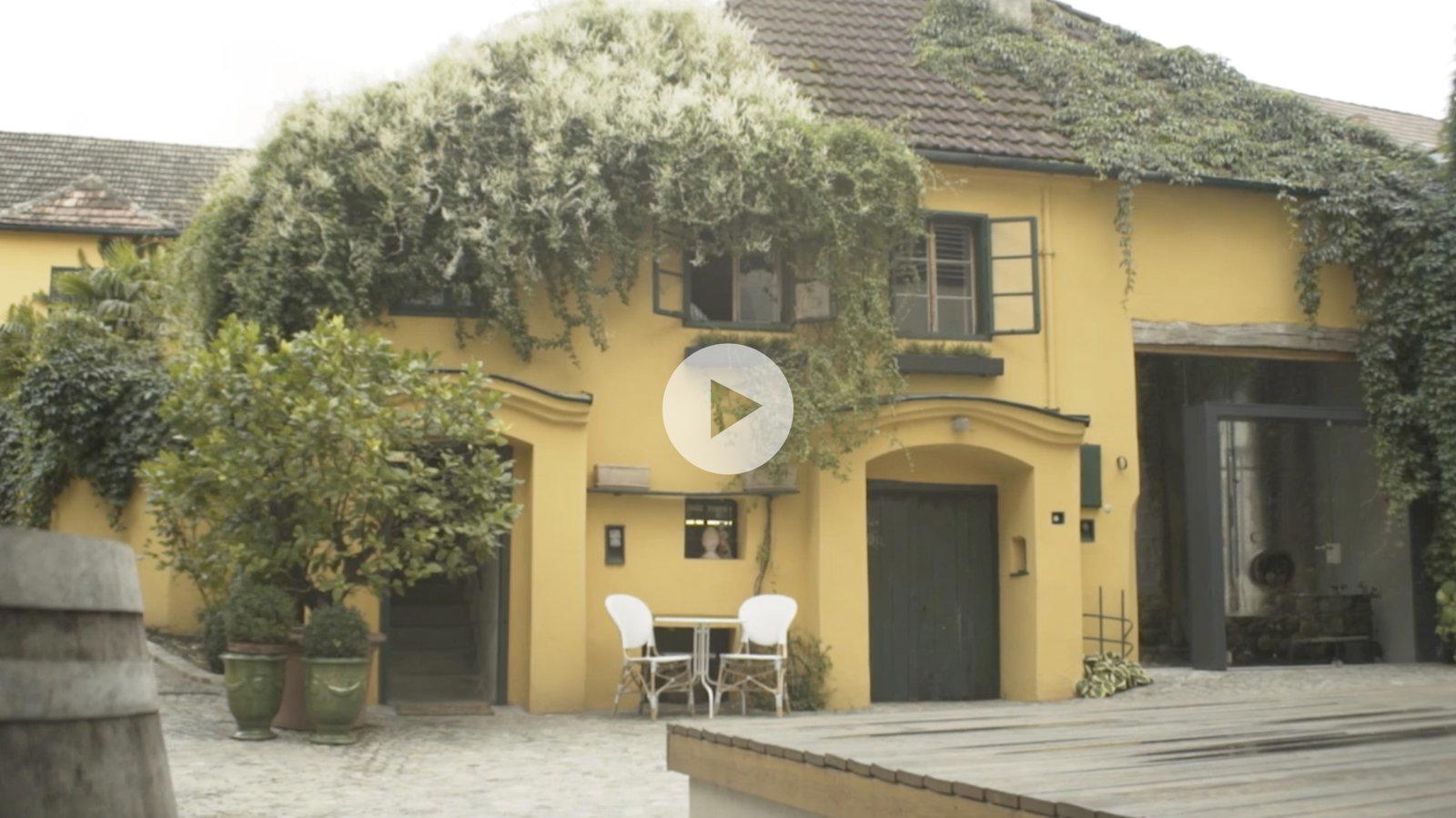
Approach Obersdorf along the flat agricultural corridors of Lower Austria and the village gives little away. The Hauptstraße runs through quietly, lined with the kind of buildings that have housed local commerce across multiple generations. Die Schmauserei sits at number 56 in that fabric, not announced by a marquee or a doorman, but by a lit window and a room that fills up because the locals already know what is happening inside.
This is the register in which much of Austria's most serious regional cooking operates. The country's rural dining culture has always run on a different logic from its urban fine-dining tier. Where Steirereck im Stadtpark in Vienna operates at the level of national culinary institution, and where places like Döllerer in Golling an der Salzach or Landhaus Bacher in Mautern an der Donau have built international reputations around contemporary Austrian technique, the Wirtshaus tradition that Obersdorf represents answers to a different set of values: consistency over innovation, provenance over presentation, and a kitchen calendar that moves with the agricultural year rather than against it.
Ingredient Sourcing as the Starting Point
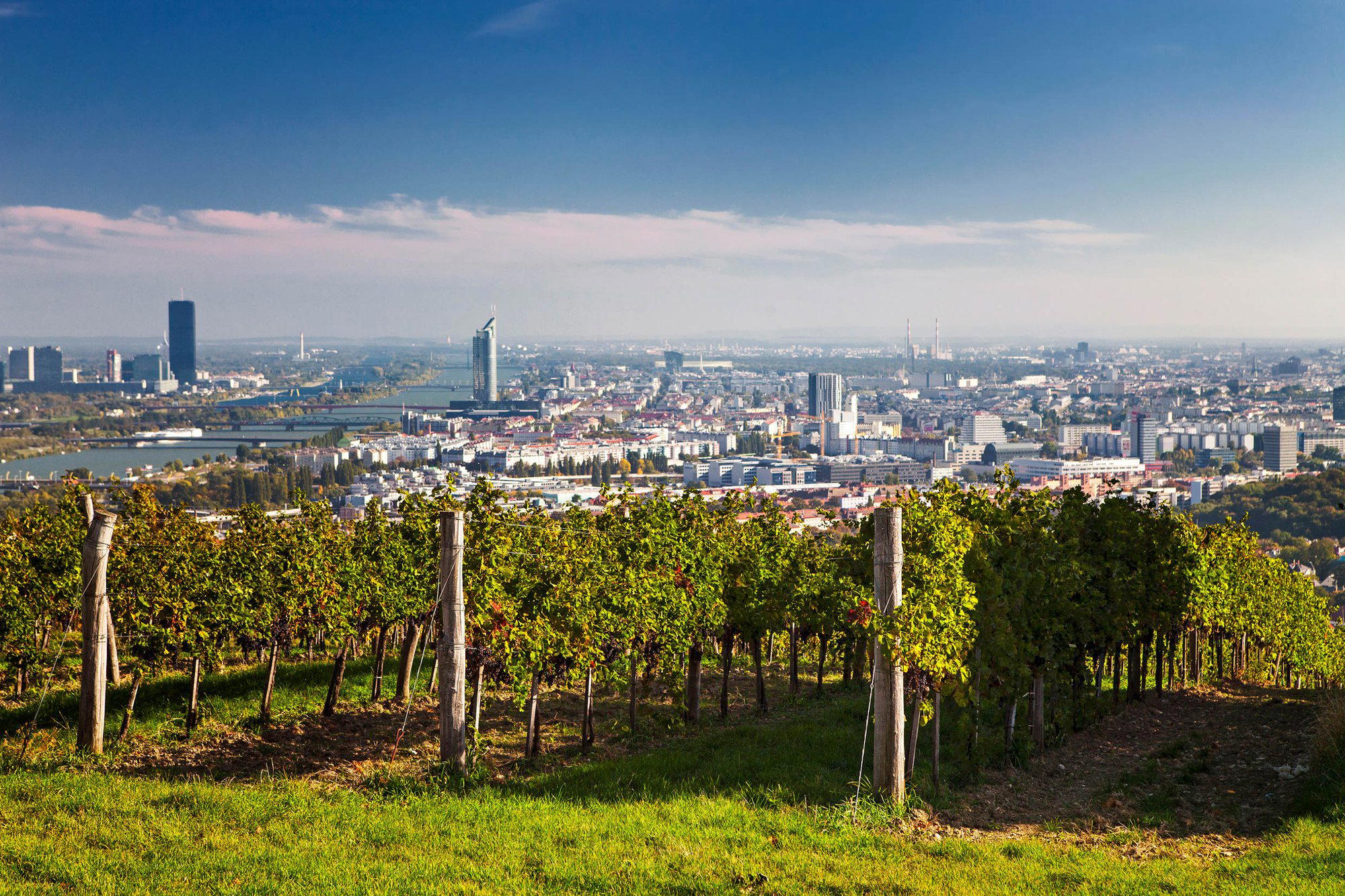
The Lower Austrian agricultural zone that surrounds Obersdorf is part of the Weinviertel's broader food-producing corridor, a stretch of country where cereal farming, market gardening, and livestock rearing have long supplied both local tables and the wholesale markets of Vienna. Restaurants operating in this context, when they take their sourcing seriously, have access to ingredients at a proximity that urban kitchens pay a premium to replicate. The logic is structural: shorter supply chains, relationships with specific farmers rather than distributors, and a kitchen rhythm tied to what is actually available rather than what the menu demands.
Across Austria's rural dining circuit, this sourcing proximity has become the primary differentiator between Gasthäuser that simply serve regional food and those that use regional food as a genuine editorial position. The comparison is instructive: Obauer in Werfen built its reputation partly on the disciplined use of Salzburg region producers; Taubenkobel in Schützen am Gebirge has made Burgenland's wine and farm culture central to its identity. In Lower Austria's more modest village establishments, that same principle operates without the tasting menu format or the wine list architecture, but the underlying commitment to place-based ingredients can be just as specific.
Die Schmauserei's address in Obersdorf positions it squarely within reach of this producing region. What the kitchen does with that proximity is the operative question.
Austria's Village Restaurant Tier in Context
Austria has a more developed culture of serious village-level cooking than most of its neighbours. The Gasthaus and Wirtshaus formats carry genuine culinary dignity here in a way that does not always translate across the border into Germany or Switzerland. Part of this is historical: the Habsburg provisioning culture created dense networks of regional cuisine that were never fully homogenised by industrialisation. Part of it is contemporary market reality: Austrian diners at all income levels expect seasonal, regionally coherent food in modest settings, which keeps the quality floor relatively high.
Within that context, Lower Austria's village restaurants occupy a specific niche. They are not alpine resorts cooking for international ski tourism, as you find at Gourmetrestaurant Tannenhof in Sankt Anton am Arlberg or Stüva in Ischgl. They are not herb-driven destination restaurants drawing on specific alpine terroir, as with Kräuterreich by Vitus Winkler in Sankt Veit im Pongau. And they operate at a different scale and register from the formally progressive end of Austrian cooking represented by Ikarus in Salzburg or Atelier Fischer in Sankt Gilgen.
What Lower Austrian village restaurants do is hold the centre of the tradition: Tafelspitz, Zwiebelrostbraten, game preparations in autumn, fresh water fish from regional rivers, dairy from nearby farms. The cooking is not conservative in a defensive sense, but it is anchored. Seasonality is not a marketing concept but a functional constraint that shapes what gets cooked in any given week. That discipline, applied consistently, is what separates stronger examples from this tier from the mediocre.
Planning a Visit to Obersdorf
Obersdorf in Lower Austria sits within the Weinviertel district, placing it within a direct drive of Vienna for day or evening excursions. The village itself is small enough that the Hauptstraße is easily navigable on foot once you arrive. For venues in this category across Austria, booking ahead is advisable, particularly on weekends and during the autumn game season when regional restaurants in this price tier tend to fill from local demand before visitors arrive.
Readers building a broader Lower Austrian or rural Austrian dining itinerary might also consider Ois in Neufelden, Thaller - Gasthaus in Sankt Veit am Vogau, or Schwarzer Adler in Hall in Tirol as part of the same circuit. For context on how the rural Austrian tradition compares with destination-format restaurants operating at a global reference point, Le Bernardin in New York City and Lazy Bear in San Francisco offer a useful contrast in how sourcing-led cooking translates across entirely different formats and price brackets. The alpine and western Austrian tiers are well covered by Griggeler Stuba in Lech and Restaurant 141 by Joachim Jaud in Mieming for those extending their itinerary westward.
At-a-Glance Comparison
Comparable venues nearby, for context on price, style, and recognition.
| Venue | Cuisine | Price | Notes |
|---|---|---|---|
| Die SchmausereiThis venue — the venue you are viewing | Modern Central European with Seasonal Austrian Flavors | $$$ | Not listed |
| Landgasthaus Böhm | Traditional Austrian Regional | $$$ | Weinzierl |
| DER WEBER | Regional Austrian Natural Cuisine | $$$ | Bad Schönau |
| Gugumuck Bistro & Gartenbar | Viennese Escargot Farm-to-Table Bistro | $$$ | Per Albin Hansson Siedlung |
| Thomas im Johanneshof | Seasonal Austrian Fine Dining | $$$ | Tattendorf |
| Genusswirtschaft | Modern Austrian Fine Dining | $$$ | Weinviertel |
Continue exploring
More in Obersdorf
Restaurants in Obersdorf
Browse all →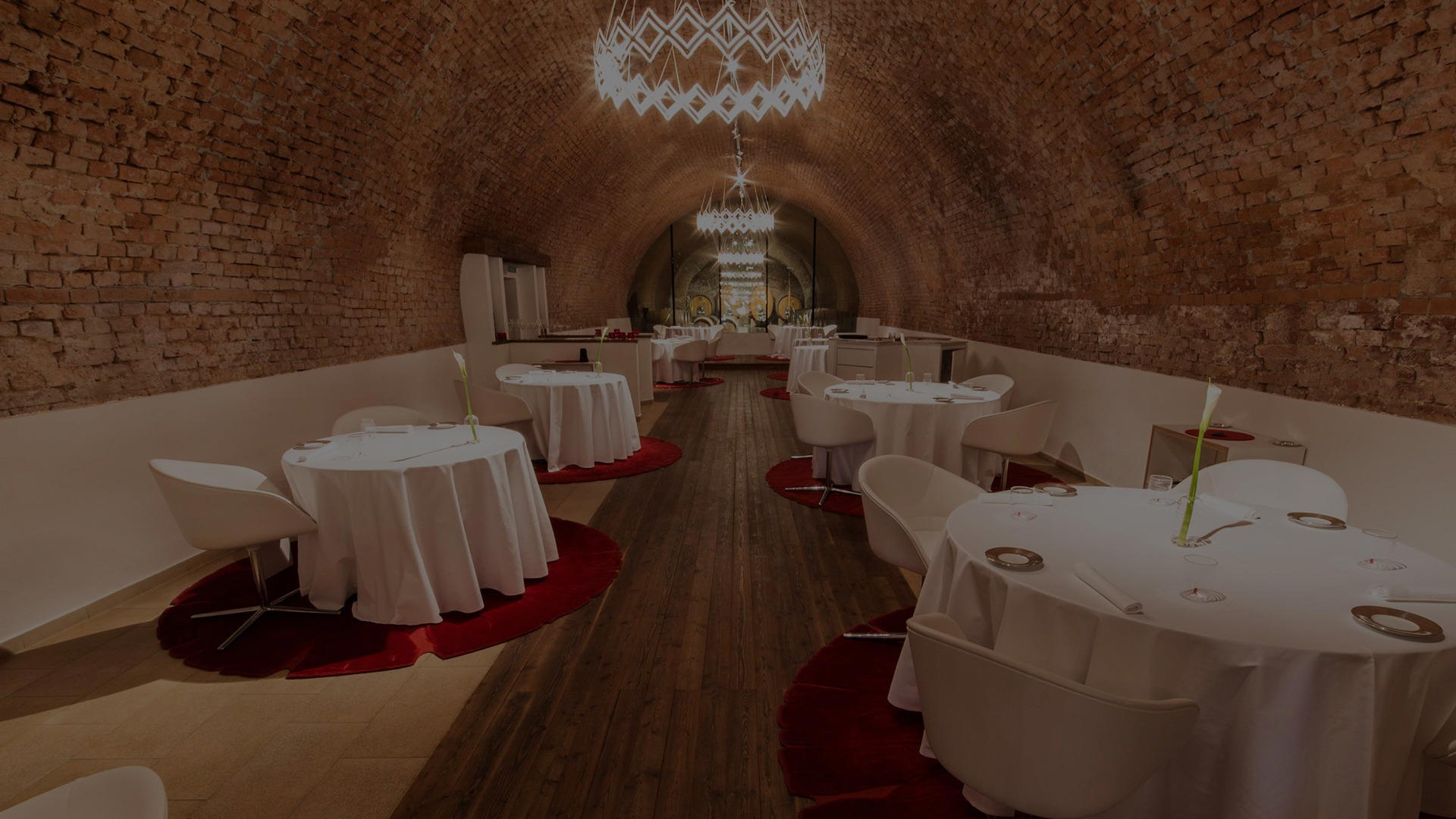
Bars in Obersdorf
Browse all →
Hotels in Obersdorf
Browse all →


At a Glance
- Cozy
- Elegant
- Rustic
- Date Night
- Special Occasion
- Open Kitchen
- Extensive Wine List
- Local Sourcing
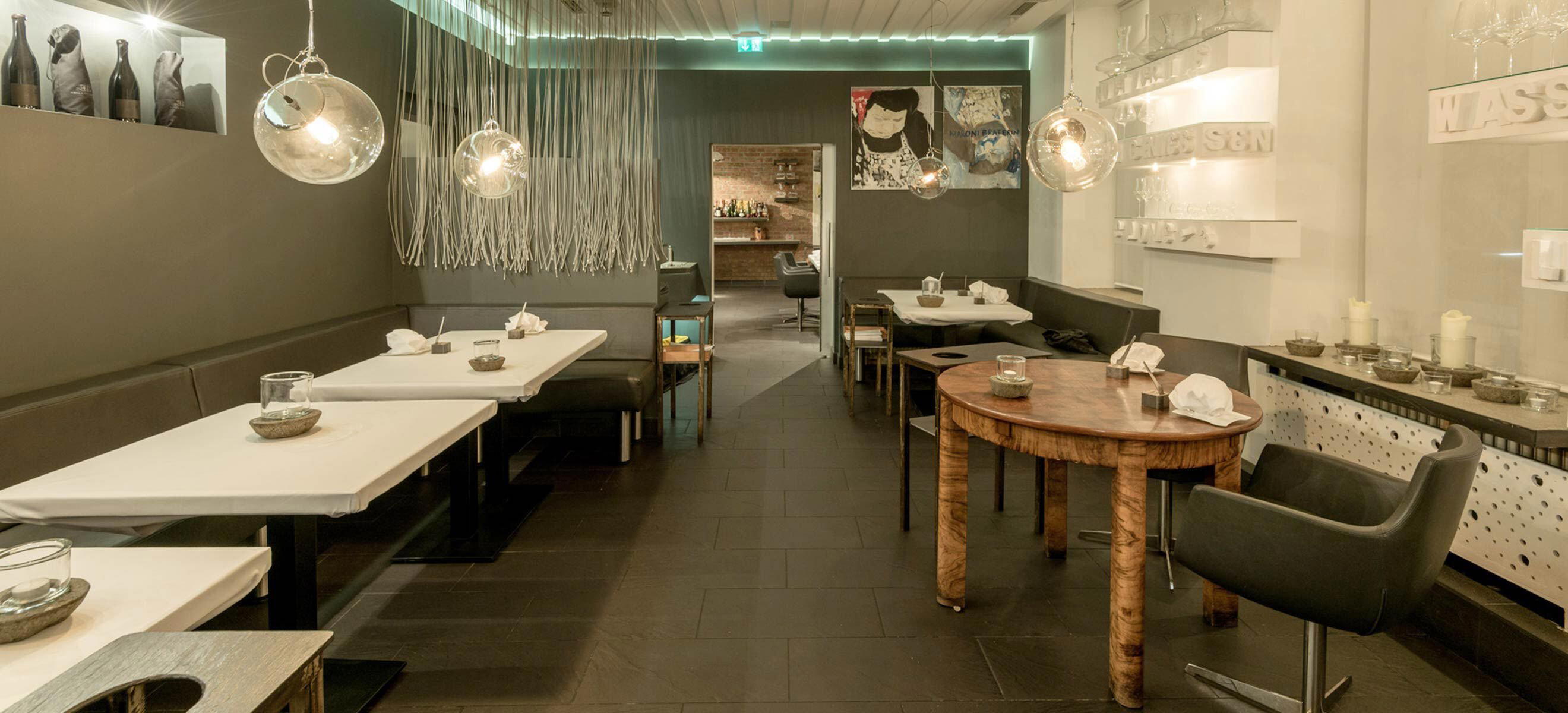
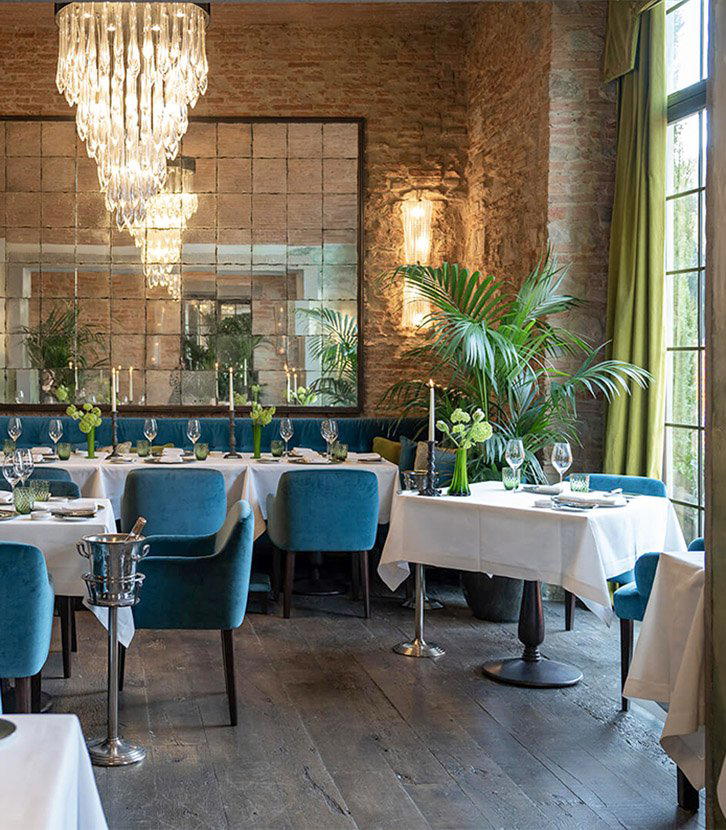
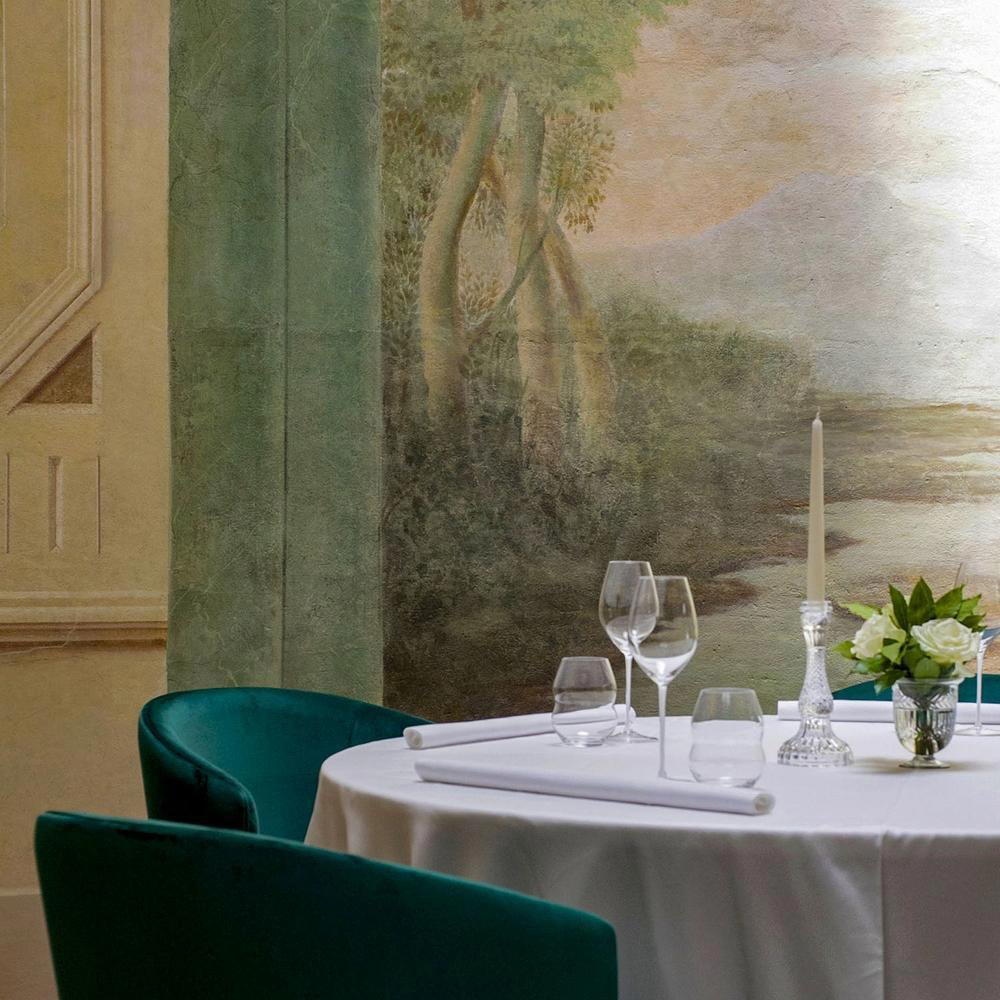
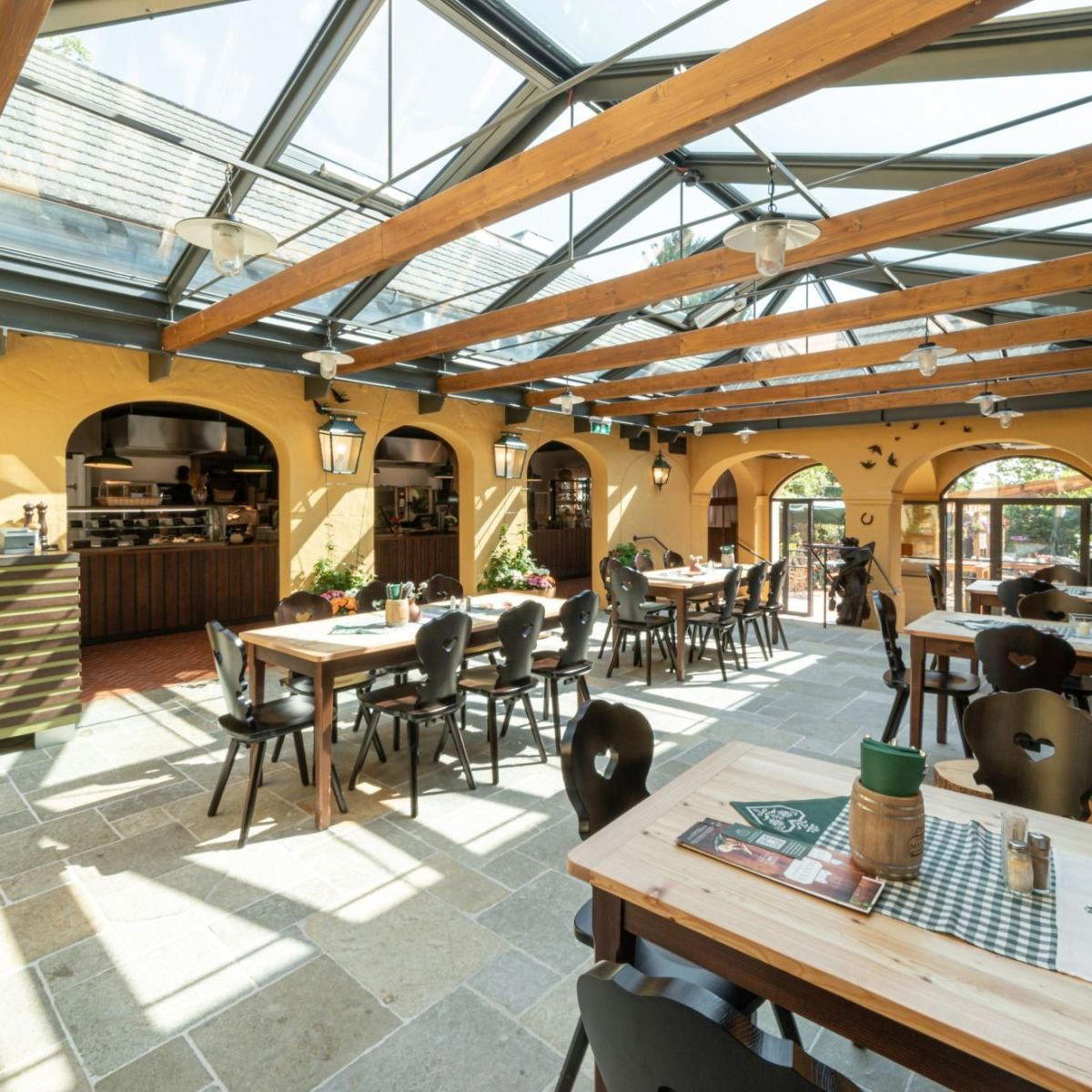
Bright and beautiful atmosphere with a focus on fresh, seasonal cooking.