Denko Asian Eatery
Denko Asian Eatery on Convention Blvd brings a focused Asian dining perspective to San Juan's increasingly plural restaurant scene. Positioned in a city where Caribbean technique increasingly overlaps with pan-Asian influences, Denko occupies a category that remains relatively sparse on the island. For visitors mapping Puerto Rico's broader dining geography, it reads as a distinct counterpoint to the seafood-and-Creole axis that defines most of San Juan's dining conversation.
Pearl is the En Primeur Club membership app — saves, bookings, and concierge access live there. Same editors, same standards.
- Address
- 250 Convention Blvd, San Juan, 00907, Puerto Rico
- Phone
- +17879793888
- Website
- denkopr.com
- Directions
- Get directions
 Saves & bookings on Pearl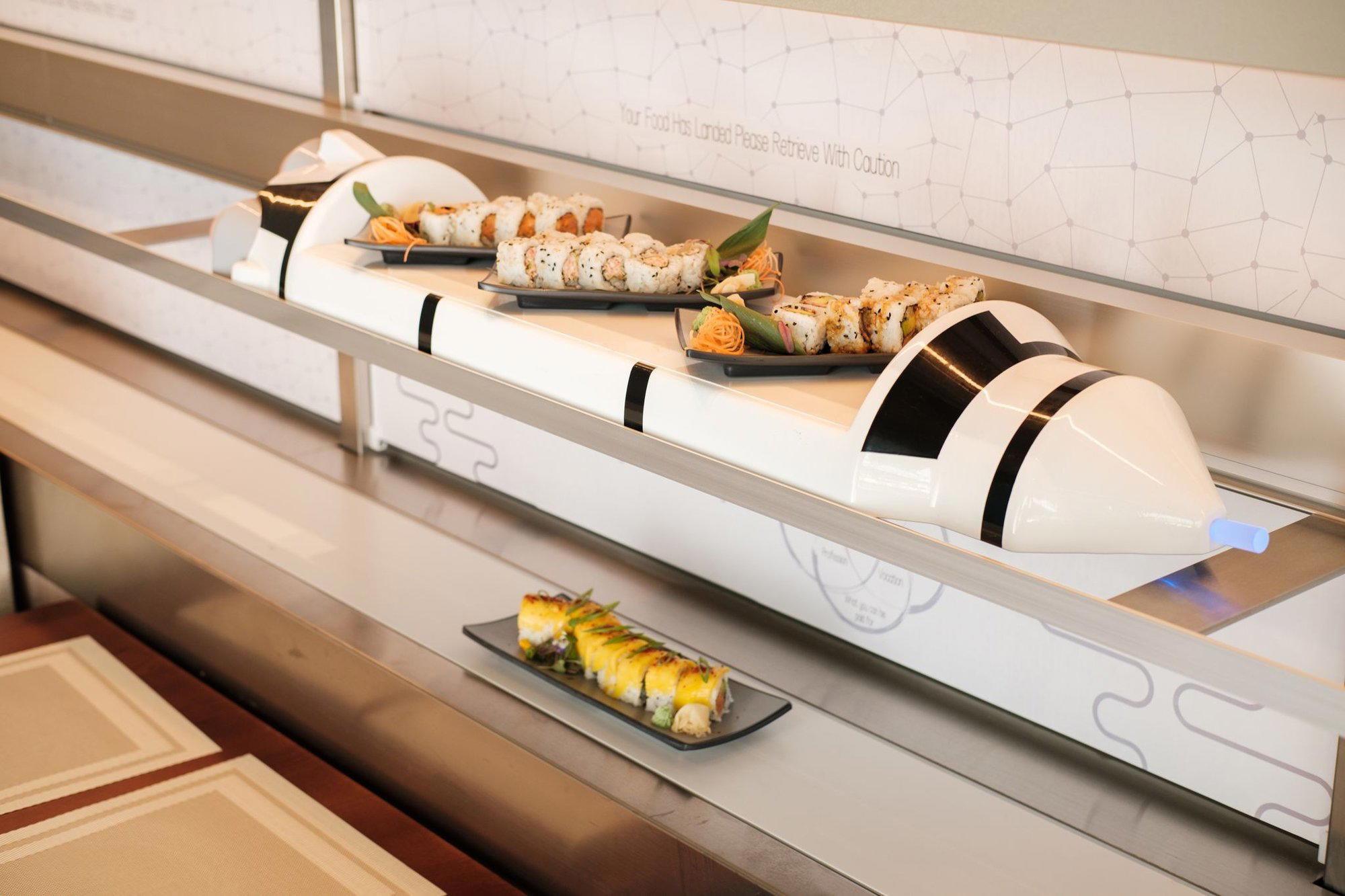
Asian Cooking in a Caribbean Capital
San Juan's dining scene has long been defined by its Atlantic-facing identity: fried plantains, fresh catch from local waters, and the slow-cooked traditions of Puerto Rican Creole cooking. That conversation remains the dominant one. But a quieter parallel track has been developing along the city's commercial corridors, where pan-Asian formats have begun to fill a gap that neither the old-guard hotel dining rooms nor the nuevo Latino wave addressed. Denko Asian Eatery, at 250 Convention Blvd in San Juan, sits inside that shift.
The Convention Boulevard address positions Denko at a functional crossroads: close enough to the hotel cluster around the Convention Center to draw business travelers and conference groups, but not so embedded in the tourist circuit that it operates purely on footfall. That middle ground tends to produce a different kind of restaurant than the beachfront or Old San Juan formats, one where the regular clientele shapes the menu's evolution more than seasonal visitor patterns do. For a pan-Asian kitchen on a Caribbean island, that distinction matters: it affects what ingredients make it onto the menu, how sourcing relationships develop, and whether the cooking moves toward local adaptation or faithful reproduction.
Sourcing at the Intersection of Two Food Systems
The editorial question worth asking about any Asian kitchen operating in Puerto Rico is direct: where does the product come from, and what compromises or creative decisions does that geography impose? The island's agricultural sector produces notable tropical fruit, root vegetables, and some of the Caribbean's better seafood, but the pantry required for credible East or Southeast Asian cooking demands imports: specific soy varieties, precise cuts of pork, fermented pastes with protected regional identities, rice cultivars with particular starch profiles.
That supply tension is not distinctive to San Juan. Asian restaurants in Miami, New York, and Los Angeles have each navigated the same question at different scales. What distinguishes island-based operations is that the sourcing calculus becomes more visible: freight costs are real, cold-chain reliability varies, and the gap between a dish made with the intended ingredient and one made with the available substitute is harder to paper over when the kitchen cannot simply switch suppliers. The better Asian kitchens in Puerto Rico tend to resolve this by leaning into the island's own strengths, pairing imported pantry staples with local seafood or tropical produce in ways that produce something genuinely Caribbean-inflected rather than a diluted copy of a mainland original.
Whether Denko's kitchen operates with that philosophy or pursues a more replication-oriented approach, the Convention Blvd location and its proximity to San Juan's hotel infrastructure suggests a menu that needs to function across a wide range of familiarity levels, from guests encountering the cuisine for the first time to those with direct experience of the source traditions. That range tends to push kitchens toward accessibility without abandoning depth entirely, a balance that defines much of the mid-tier Asian dining category across the Caribbean.
Where Denko Sits in San Juan's Broader Dining Map
San Juan's upper tier is occupied by a small cluster of technically ambitious kitchens. 1919 Restaurant anchors the Modern American end of that bracket, while Areyto Modern Cuisine by Chef Jason González represents the island's serious contemporary Creole conversation. Asian dining occupies a different register in the city's hierarchy, rarely competing for the same critical attention but increasingly relevant to the full picture of where San Juan eats. ARYA offers another data point in that Asian-in-San Juan category, and the two are worth considering as a pair rather than in isolation.
For context on how Caribbean island restaurants handle Asian-influenced cooking more broadly, the comparison extends beyond San Juan's city limits. COA in Dorado demonstrates how a coastal Puerto Rico setting can frame Asian-leaning menus with local seafood at the center. Da Bowls in Aguadilla takes a lighter, bowl-format approach that reflects a different end of the pan-Asian spectrum. These are not direct competitors to Denko, but they sketch the range of what Asian-influenced dining looks like when it adapts to Puerto Rico's ingredient reality and diner base.
Against San Juan's seafood-forward restaurants like AQA Oceanfront and Amor y Sal, Denko offers a categorical alternative rather than a direct substitute. The decision to eat at an Asian eatery in San Juan is already a deliberate one; the city's default culinary gravity pulls elsewhere. That means guests arriving at Denko are generally there with intent, which tends to produce a different dining room atmosphere than destination restaurants that depend on first-time visitors making spontaneous choices.
The Wider Puerto Rico Table
Puerto Rico's restaurant culture outside San Juan is worth understanding for any visitor planning a multi-day itinerary. Paros Restaurant represents the island's Mediterranean-inflected strand, while the western coast produces kitchens with their own distinct character, from Estela Restaurant in Rincon to Kaplash in Anasco. The south coast offers La Parguera, and the interior has its own fishing-village traditions at Lago Dos Bocas in Arecibo. Charco Azul in Vega Baja and Brazo Gitano Franco in Mayaguez extend the map further west. Against this geography, San Juan's Asian dining options, Denko among them, represent a specific urban layer that the island's smaller towns generally do not replicate. El Dorado in Playita adds another regional data point worth considering for the full island picture.
For anyone mapping San Juan's dining range in full, our San Juan restaurants guide covers the breadth of the city's current offer, from hotel dining rooms to neighborhood kitchens. For international reference points on what high-level cooking looks like in technical terms, Le Bernardin in New York City and Lazy Bear in San Francisco represent the kind of precision-focused formats that calibrate expectations at the summit of the market.
Planning a Visit
Denko Asian Eatery is at 250 Convention Blvd, San Juan 00907, Puerto Rico, in a corridor that connects the Convention Center district to Miramar. Current hours and menu pricing are listed separately.
Recognition, Side-by-Side
Comparable venues nearby, for context on price, style, and recognition.
| Venue | Cuisine | Price | Notes |
|---|---|---|---|
| Denko Asian EateryThis venue — the venue you are viewing | Asian Fusion | $$ | Not listed |
| TORU | Modern Asian Fusion | $$$ | Montehiedra |
| PROLE Cocina & Barra | Contemporary Fusion with Global Influences | $$$ | Miramar |
| Miramar House Latin Cuisine | Modern Puerto Rican Latin Cuisine | $$$ | Miramar |
| SOCIAL | Modern Puerto Rican International | $$$ | Condado |
| Paulina Escanes - Condado | Contemporary Mexican Fusion | $$$ | Condado |

At a Glance
- Modern
- Trendy
- Casual Hangout
- Group Dining
- Open Kitchen
- Craft Cocktails
Current opening hours
- Monday
- 12–10 PM
- Tuesday
- 12–10 PM
- Wednesday
- 12–10 PM
- Thursday
- 12–10 PM
- Friday
- 12–11 PM
- Saturday
- 12–11 PM
- Sunday
- 12–10 PM
Hours can change for holidays and private events. Last verified .
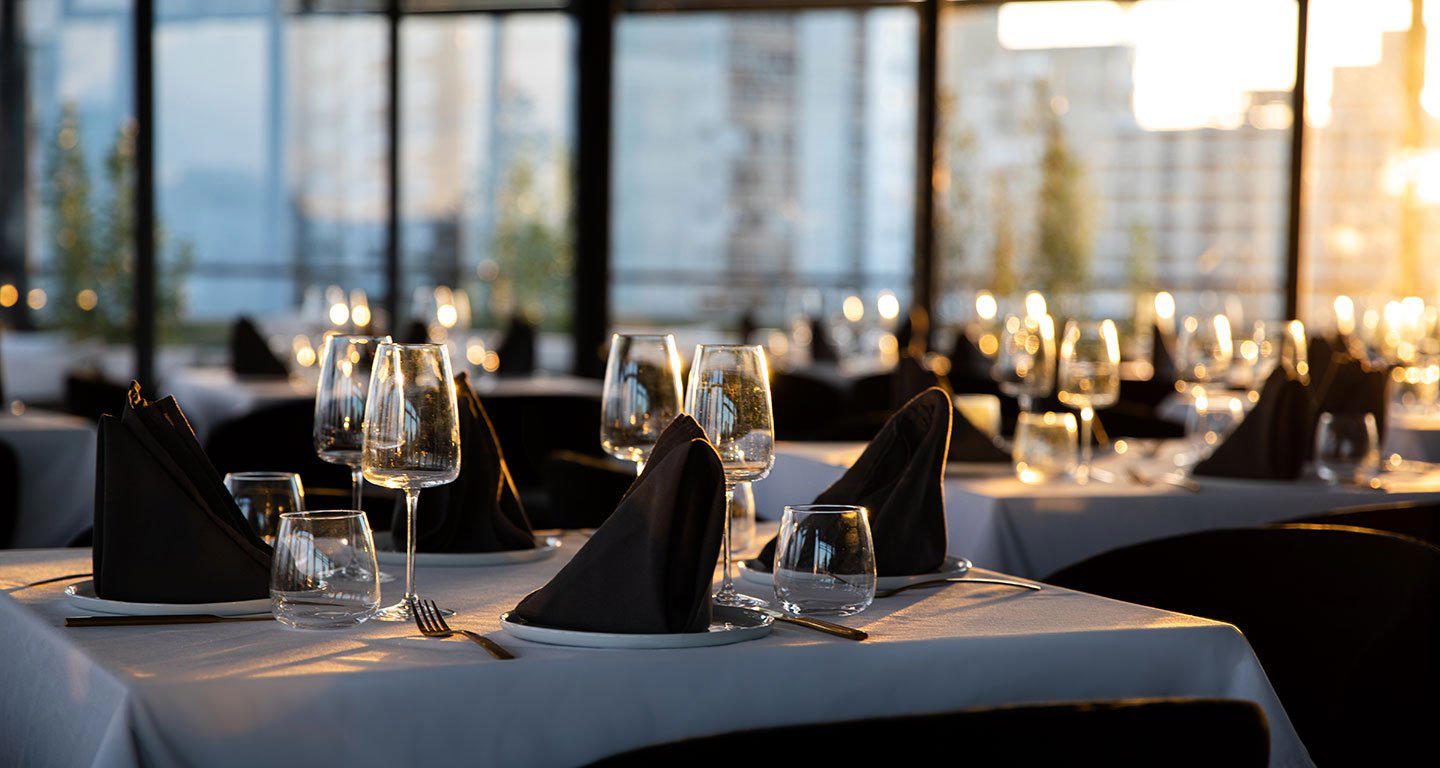
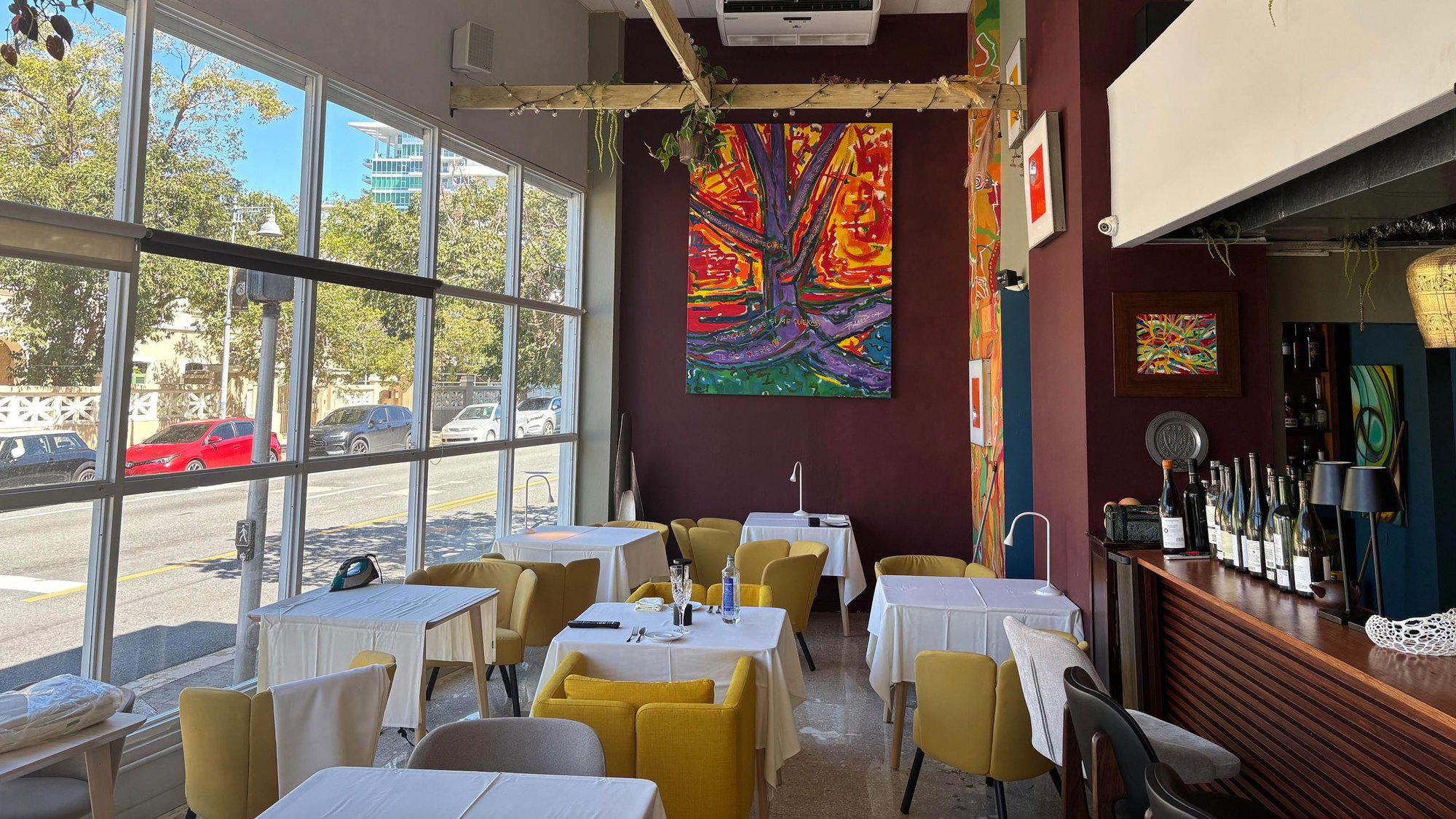
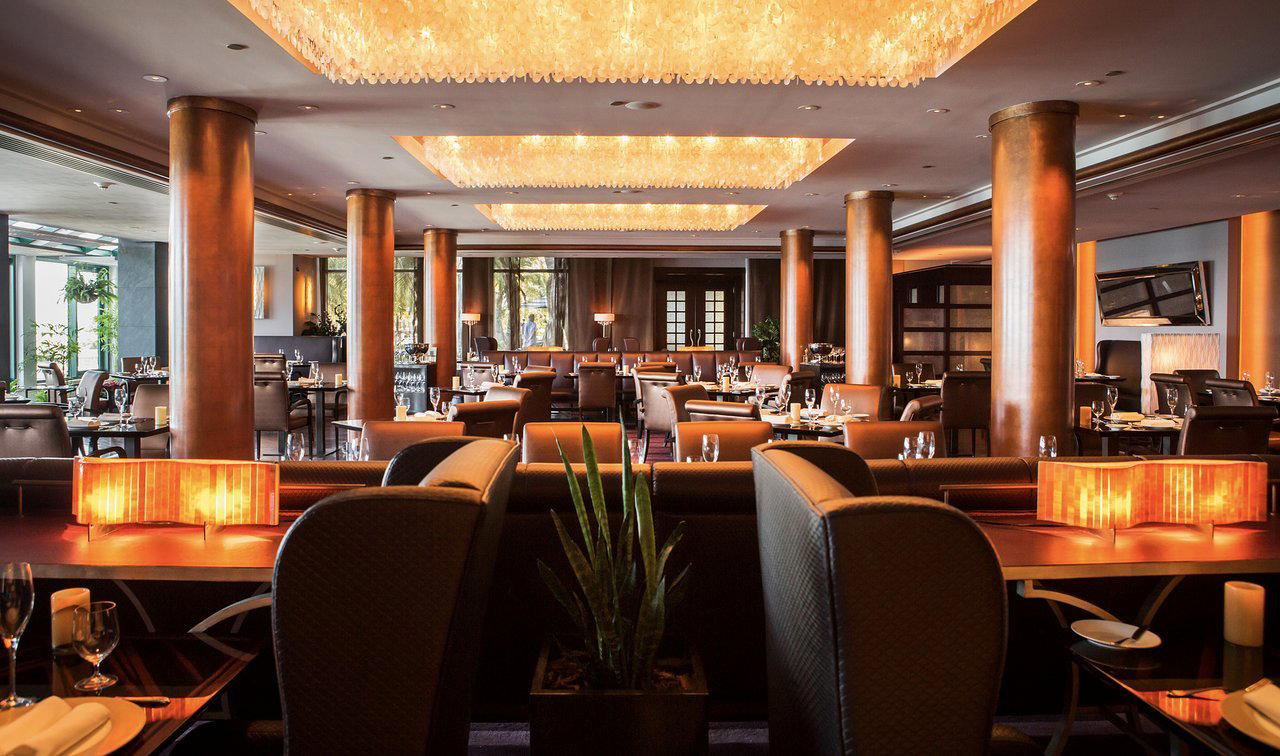
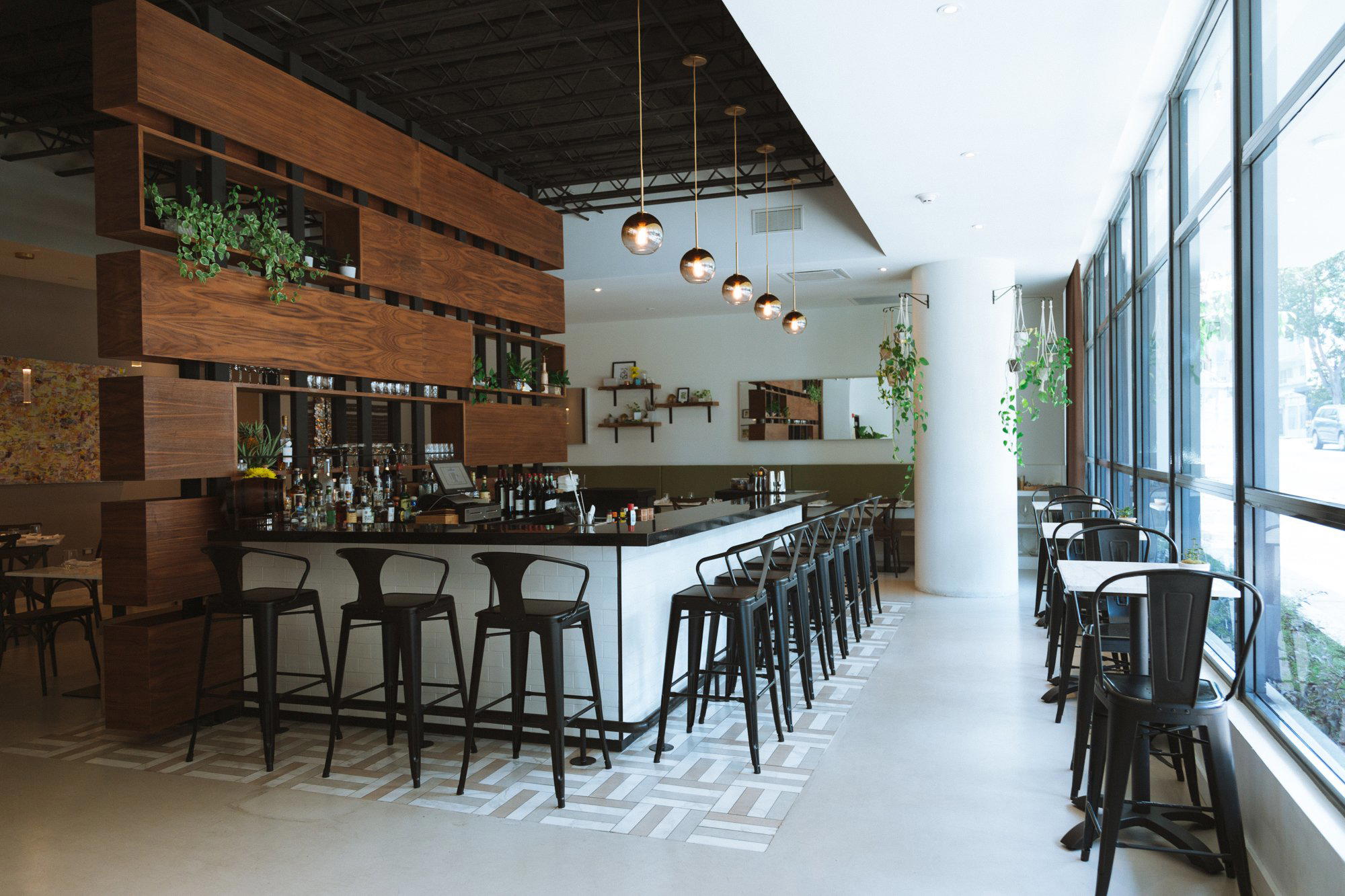
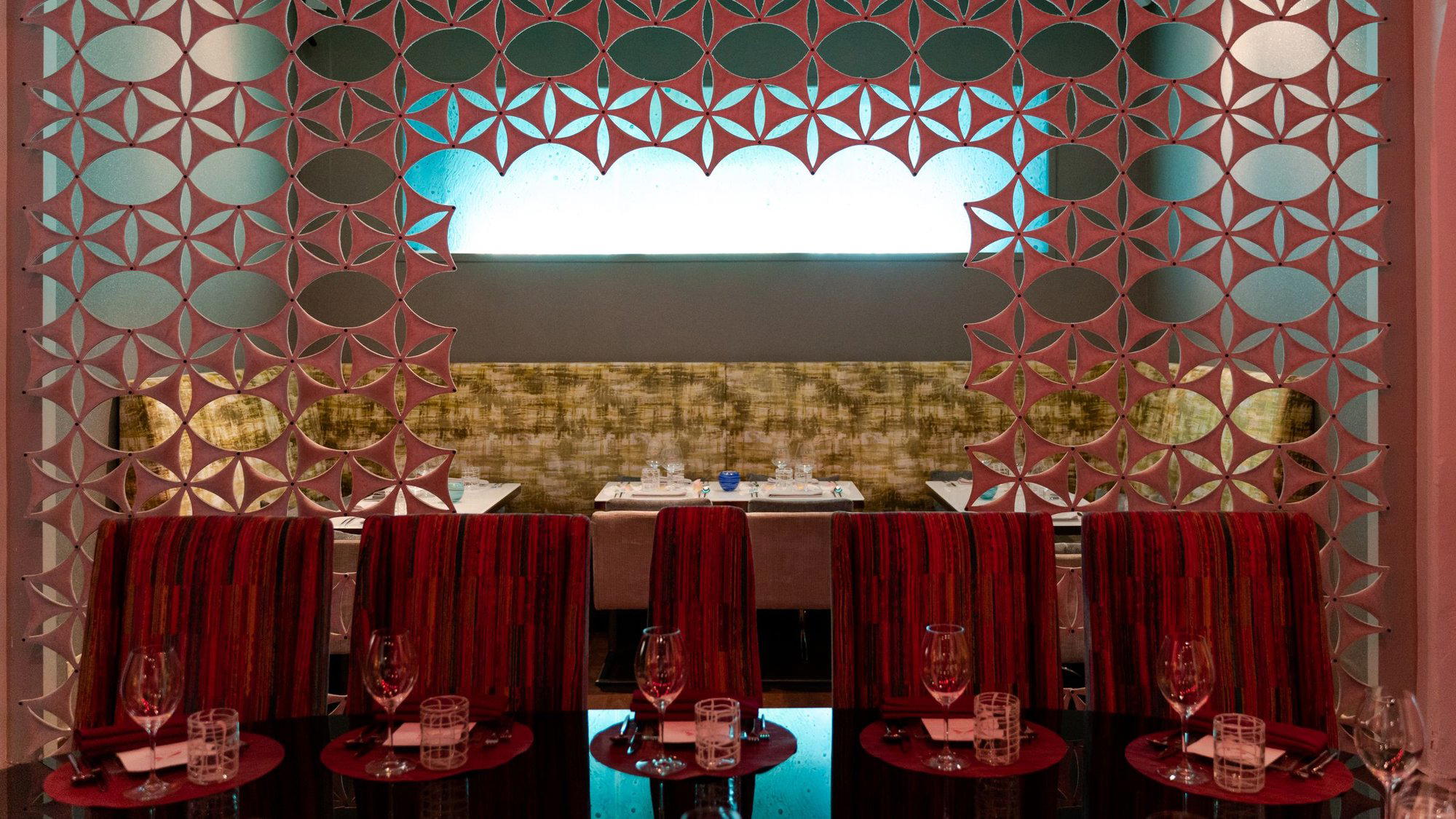
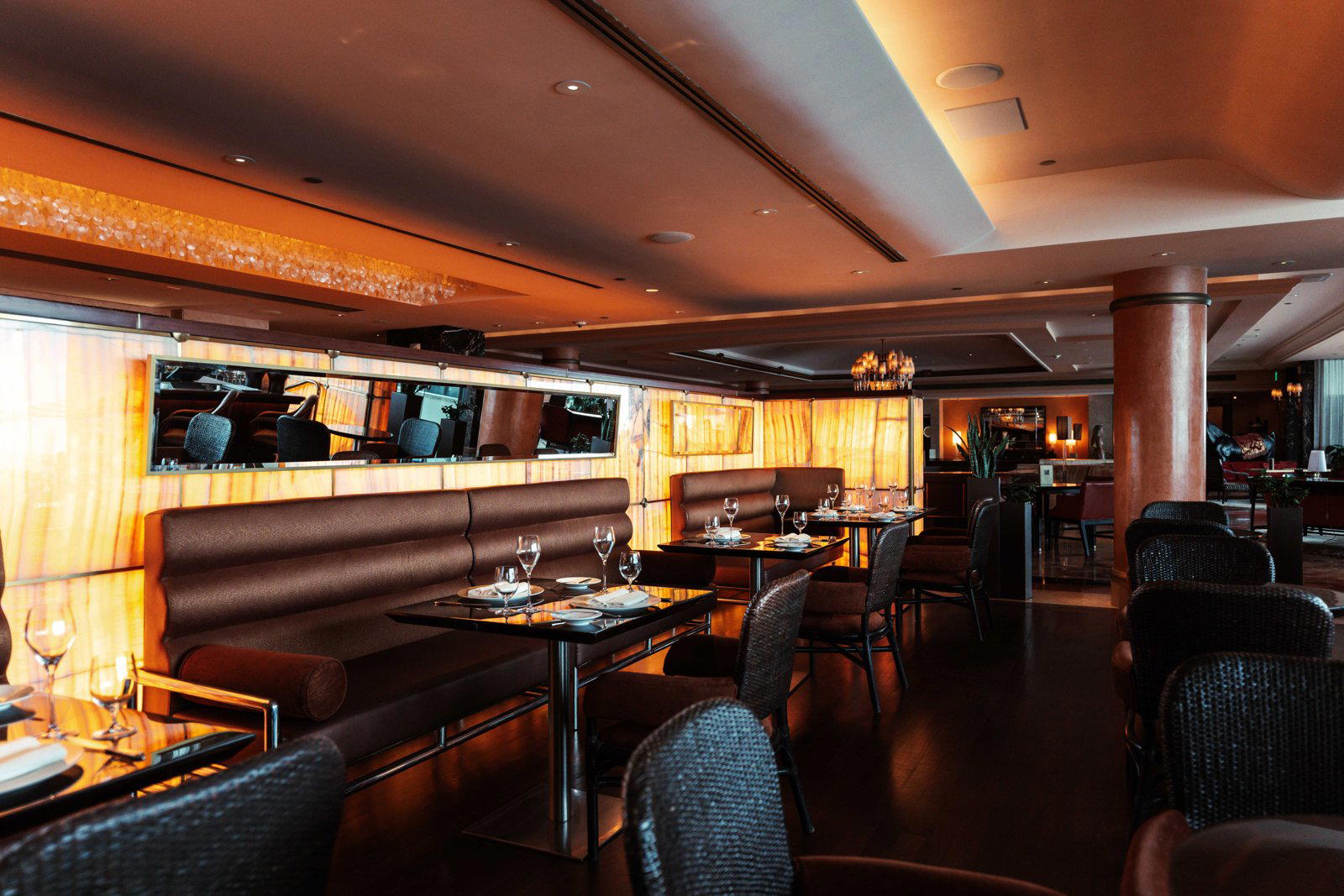
Modern and trendy atmosphere with fusion Asian flavors in a convention district setting.