Our verdict
Positioned inside K11 MUSEA's cultural complex on Victoria Dockside, Deng G brings a considered approach to Cantonese cooking under chef Deng Huadong. The restaurant has climbed steadily through Opinionated About Dining's Asia rankings, reaching #167 in 2025 after entering the Highly Recommended tier in 2023. Lunch and dinner service runs seven days a week, making it one of Tsim Sha Tsui's more consistent fine-dining options.

Pearl is the En Primeur Club membership app, where members save venues, book tables and use the concierge.
The menu
What to order
- Appealing chicken
- Mala beef cubes
- Dan dan noodles
Victoria Dockside and the New Cantonese Setting
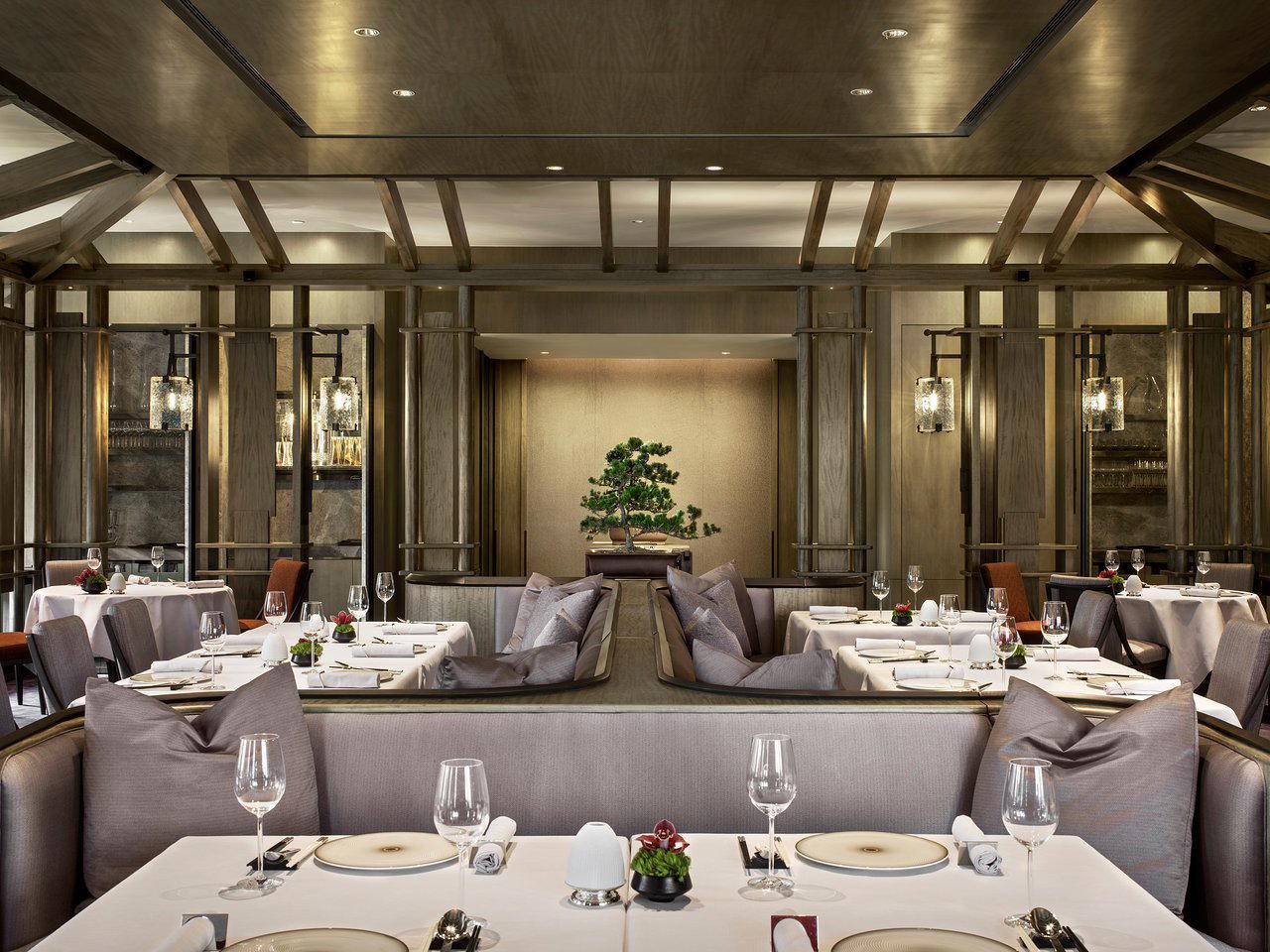
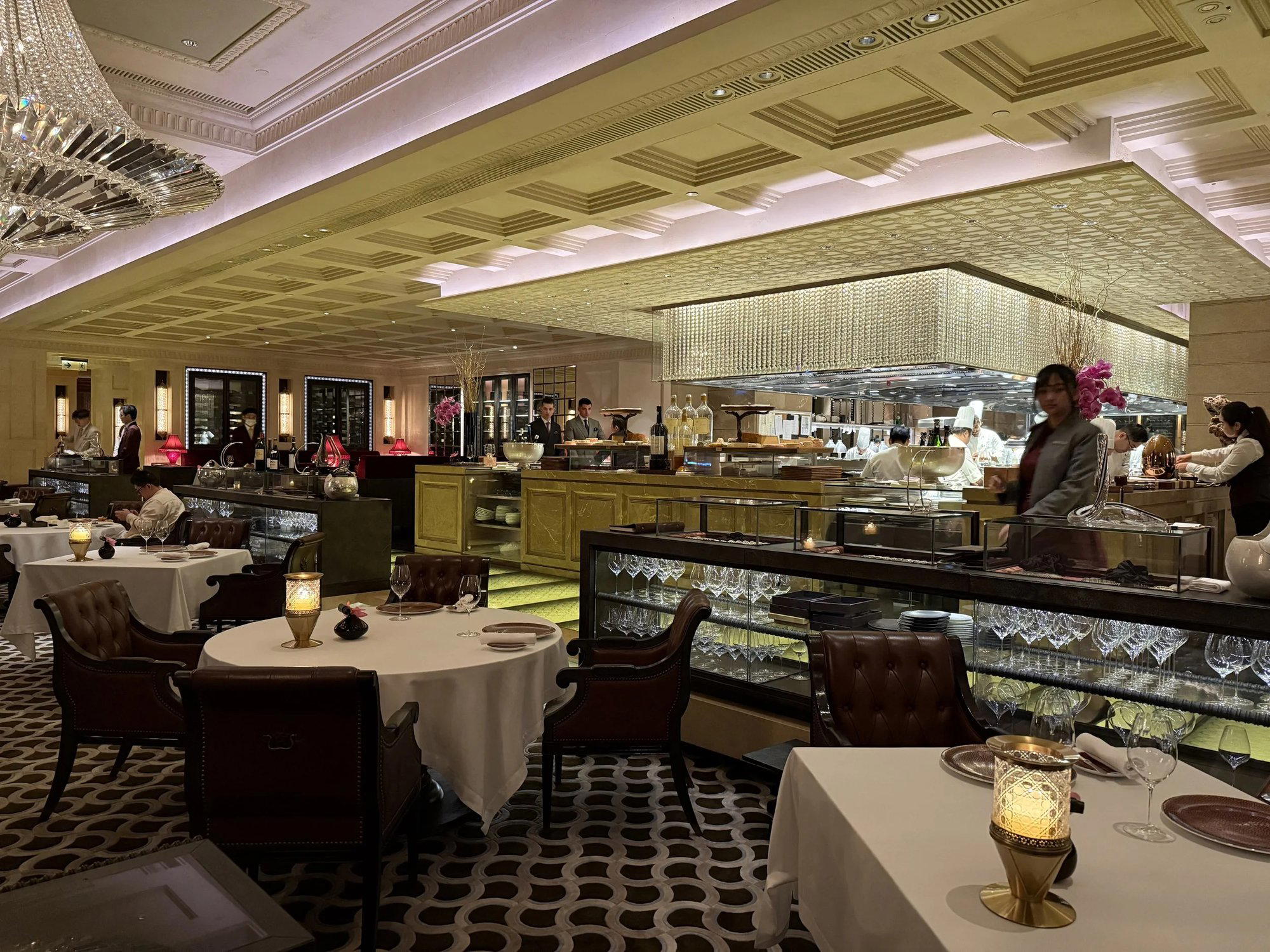
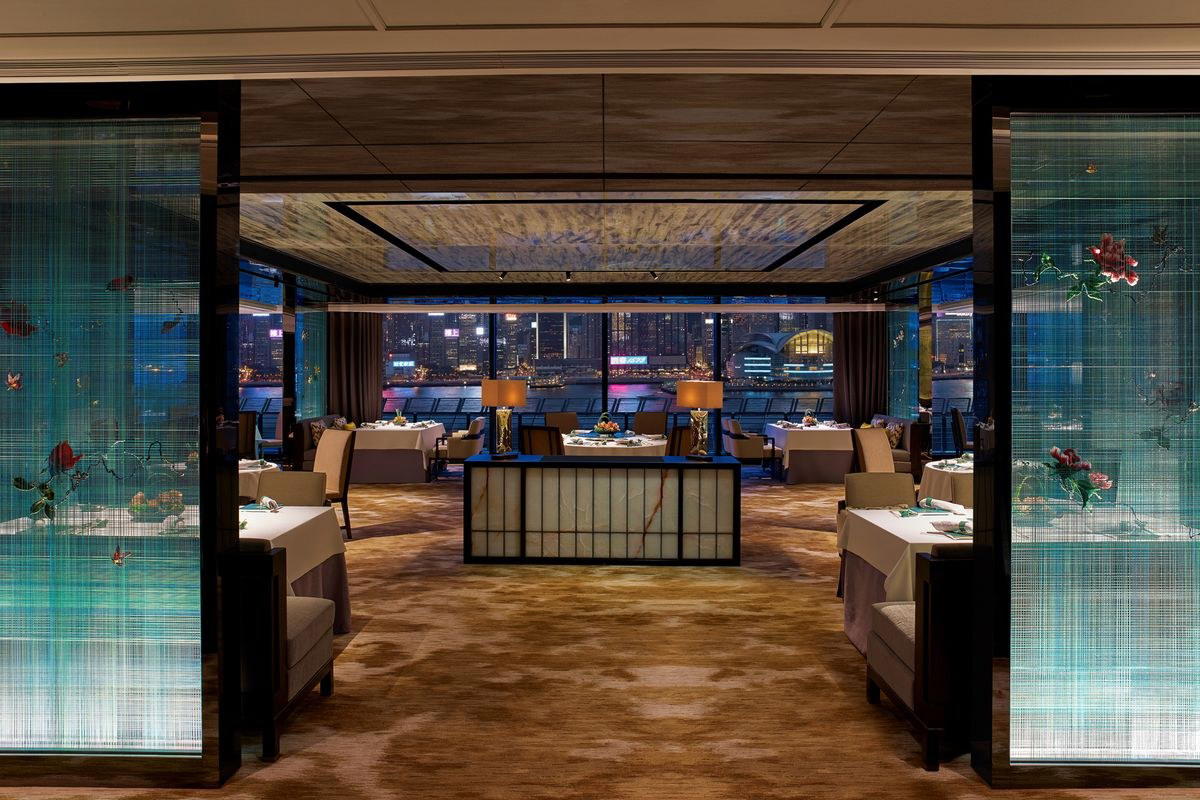
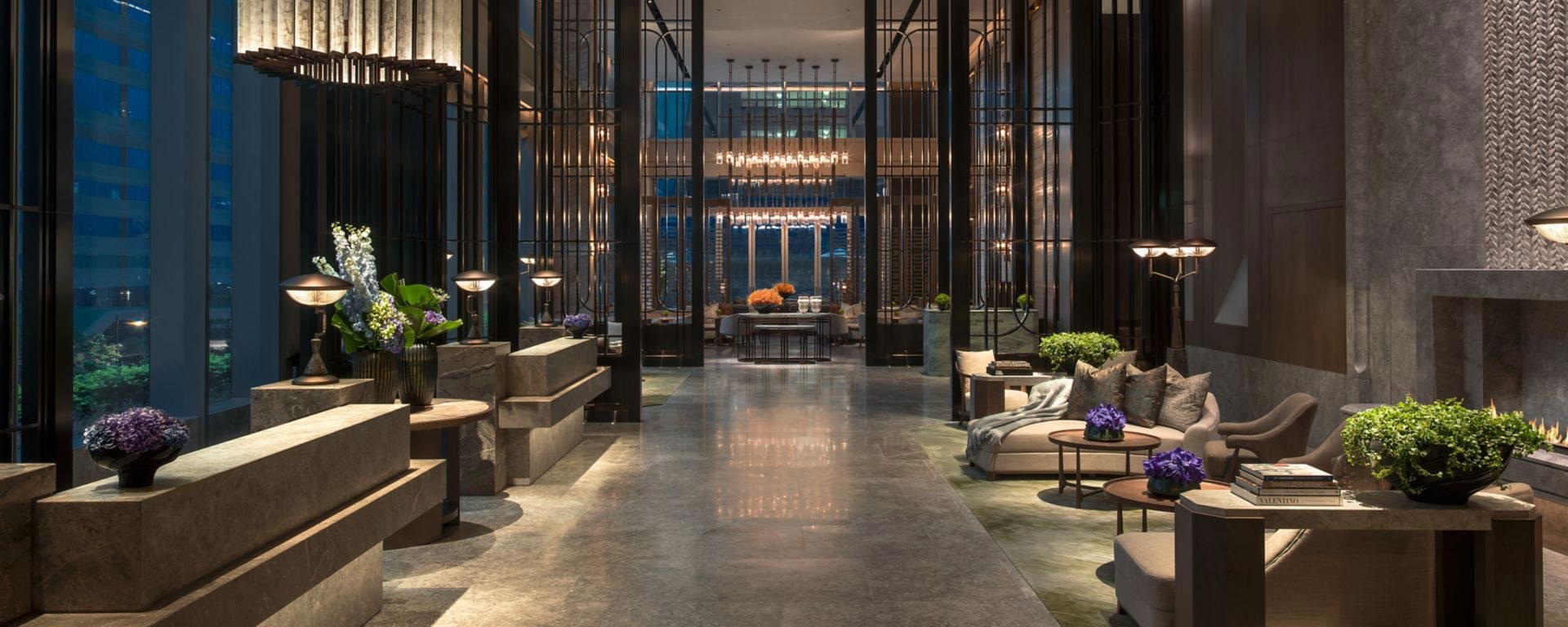
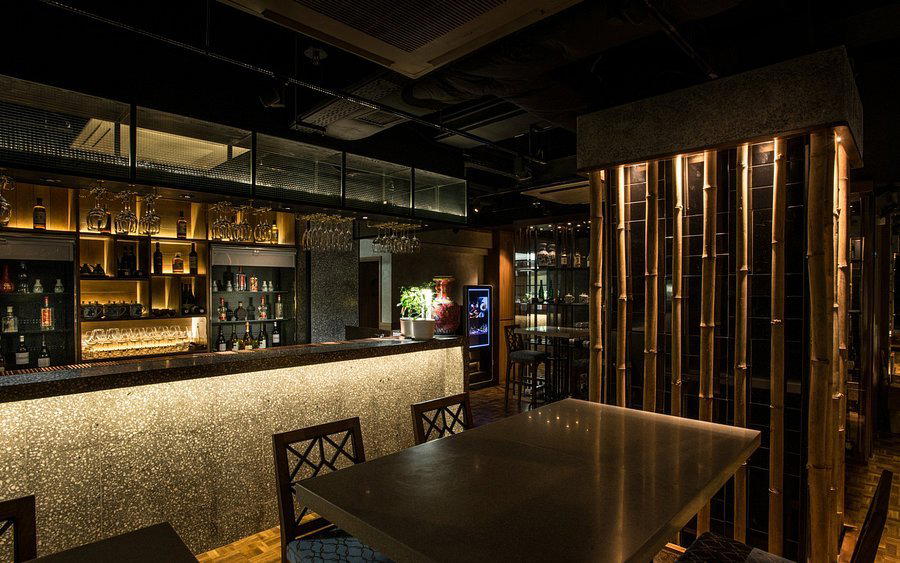
The approach to Deng G frames the meal before you sit down. K11 MUSEA, the arts-commerce complex anchoring Victoria Dockside on Salisbury Road, was conceived as a cultural institution with retail attached rather than the reverse. On the fourth floor, at shops 412–413, the space carries that logic through: it reads as a considered dining room rather than a mall restaurant filling square footage. Floor-to-ceiling harbour views and the low density of the surrounding floors mean the noise profile stays contained, which matters in a city where Cantonese restaurants at this tier often run loud and quick-turn. The physical context places Deng G in a category of fine-dining addresses that use their building's cultural credentials as part of the offer, a positioning that a number of post-2018 Tsim Sha Tsui openings have adopted as the neighbourhood's character shifted from legacy hotel dining toward mixed-use cultural developments.
Where Deng G Sits in Hong Kong's Cantonese Tier
Hong Kong's Cantonese fine-dining field is dense and historically self-referential. The benchmark addresses Lung King Heen, T'ang Court, Lai Ching Heen, carry Michelin recognition and decades of institutional reputation. Deng G operates in a different register: it has built its credibility through the Opinionated About Dining rankings, which draw on a network of frequent travellers and local experts rather than anonymous inspector visits. Ranking at #167 in Asia for 2025, up from #229 in 2024 and a Highly Recommended listing in 2023, the trajectory is consistent and upward. That kind of three-year arc in OAD's system is a more meaningful signal than a static placement, because the rankings weight recency and accumulation of votes. Chef Deng Huadong's name anchors the project, the restaurant's identity is built around a named culinary voice rather than a hotel F&B department, which places it closer to the chef-driven tier than the institutional tier. Across the broader Cantonese fine-dining circuit, comparable positioning appears at Rùn in Hong Kong and at addresses like Chef Tam's Seasons in Macau, where individual culinary identity drives the programme. See our full Hong Kong restaurants guide for a wider mapping of the city's dining tiers.
Cantonese Cooking and the Sustainability Argument
Cantonese cuisine has a structural case to make on sustainability that often goes unremarked in Western food commentary. The tradition's emphasis on ingredient quality over transformation, whole fish cooked to order, seasonal vegetables prepared with minimal intervention, stocks built from bones and offcuts, sits closer to a low-waste kitchen philosophy than most European fine-dining formats. The pressure to source well is baked into the cooking logic: a steamed fish reveals the ingredient rather than masking it, so the quality of sourcing is directly legible on the plate. This is worth stating plainly because sustainability in fine dining is often presented as a contemporary addition, an ethical overlay applied to existing technique. In classical Cantonese cooking, the relationship is reversed: restraint in technique is the tradition, and sourcing quality is the non-negotiable premise. Restaurants working in this tradition, whether in Hong Kong, at Jade Dragon in Macau, at Le Palais in Taipei, or at Summer Pavilion in Singapore, inherit a framework that already prizes seasonal availability and whole-ingredient use. The interesting editorial question at Deng G is how explicitly that framework is foregrounded versus left as assumed background. Without verified menu documentation, the answer can't be stated with precision. What can be said is that a chef-named Cantonese restaurant at this tier, competing on OAD's network where regular eaters are the raters, has a direct incentive to let sourcing standards show, because that audience notices.
The Tsim Sha Tsui Cantonese Context
Tsim Sha Tsui's relationship with Cantonese fine dining has always been complicated by the neighbourhood's dual identity as a tourist hub and a legitimate residential and business district. Legacy addresses like Forum built their reputations partly on that duality, serving both visiting business diners and local regulars who expected the same standards on every visit. The neighbourhood's newer fine-dining entrants, particularly those inside the K11 and Harbour City complexes, operate with a different baseline assumption: the cultural and retail infrastructure does some of the location credibility work, and the dining room competes less on heritage and more on programme. Deng G's address at K11 MUSEA places it in that newer cohort, alongside other post-2015 openings that have shifted Tsim Sha Tsui's fine-dining character away from exclusively hotel-anchored restaurants. For readers mapping the broader regional Cantonese circuit, the comparison set extends to 102 House and Bao Li Xuan in Shanghai, Canton 8 (Huangpu), and Imperial Treasure Fine Chinese Cuisine in Guangzhou, a set that illustrates how Cantonese cooking has been reframed across different mainland and regional markets, each with distinct expectations around format, sourcing, and price.
Planning a Visit
Deng G runs split service seven days a week: lunch from noon to 2:30 pm and dinner from 6:00 to 10:30 pm. The consistency of that schedule across every day of the week is operationally notable at this tier, where many comparable restaurants close on Mondays or limit Sunday lunch. K11 MUSEA is directly accessible from East Tsim Sha Tsui MTR station via the mall's lower-level connection, which makes arrival direct without needing street navigation along Salisbury Road. For visitors combining the meal with other Hong Kong stays, our full Hong Kong hotels guide covers the Tsim Sha Tsui and Kowloon-side options. Those with time to build a broader evening around the visit will find our Hong Kong bars guide and experiences guide useful for programming around the dinner slot. Wine-focused travellers can reference our Hong Kong wineries guide for context on the territory's retail and tasting room offer.
Frequently asked questions
Is Deng G child-friendly?
Deng G operates within K11 MUSEA on Salisbury Road, a mixed arts-and-retail complex with broad public facilities, which makes the surrounding environment accessible for families. The restaurant itself is a Cantonese fine-dining address ranked #167 in OAD's Top Restaurants in Asia 2025, so the dining room leans toward a considered, quieter atmosphere rather than a casual family format. Families with older children comfortable at formal tables will find it a reasonable fit; toddlers and very young children would likely feel out of place.
How would you describe the vibe at Deng G?
Deng G sits inside K11 MUSEA's fourth floor, where the broader complex's art-forward design sets a particular tone before you reach the dining room. As a Cantonese fine-dining room with consecutive OAD Asia rankings since 2023, climbing from Highly Recommended to #167 by 2025, the room draws a clientele that takes the food seriously. Expect composed service pacing, deliberate presentation, and a crowd that spans Hong Kong regulars and well-travelled visitors using Tsim Sha Tsui's harbour-facing dining corridor as a destination.
What kind of recognition has Deng G received?
Deng G has received recognition including: Opinionated About Dining Top Restaurants in Asia Ranked #167 (2025); Opinionated About Dining Top Restaurants in Asia Ranked #229 (2024); Opinionated About Dining Top Restaurants in Asia Highly Recommended (2023).
What do regulars order at Deng G?
What the OAD ranking history does signal, moving from Highly Recommended in 2023 to a numbered position of #167 across all of Asia by 2025, is that the kitchen under Deng Huadong has built a consistent case around classical Cantonese technique. Regulars at this tier of Hong Kong Cantonese dining typically anchor their orders around seasonal ingredient-led courses, so asking the front-of-house for the kitchen's current focus is the reliable approach.
What style of cooking does Deng G do?
What are Deng G's hours?
Hours at Deng G: Hours: Monday 12–2:30 pm, 6–10:30 pm Tuesday 12–2:30 pm, 6–10:30 pm Wednesday 12–2:30 pm, 6–10:30 pm Thursday 12–2:30 pm, 6–10:30 pm Friday 12–2:30 pm, 6–10:30 pm Saturday 12–2:30 pm, 6–10:30 pm Sunday 12–2:30 pm, 6–10:30 pm.
What's the address for Deng G?
Deng G is located at Shop 412-413, 4/F, Swatch K11 MUSEA Victoria Dockside, 18 Salisbury Rd, Tsim Sha Tsui, Hong Kong, Hong Kong.
Cuisine and Credentials
A short peer table to compare basics side-by-side.
| Venue | Cuisine | Price | Awards | Notes |
|---|---|---|---|---|
| Deng GThis venue (the venue you are viewing) | Modern Sichuan Cuisine | $50–100 | Not listed | Not listed |
| 8 1/2 Otto e Mezzo Bombana (Hong Kong) | 3 Michelin-Star Italian Fine Dining | $200–300 | 3 Michelin Stars · World's 50 Best #94 | Italian |
| Ta Vie | Modern French-Japanese Fine Dining | $300–500 | 3 Michelin Stars · World's 50 Best #68 | Japanese - French, Innovative |
| Caprice | Contemporary French Fine Dining | $200–300 | 3 Michelin Stars · World's 50 Best #35 | French, French Contemporary |
| Feuille | Modern Vegetable-Forward French | $200–300 | 1 Michelin Star · World's 50 Best #93 | French Contemporary |
| Neighborhood | Modern French with Asian Influences | $50–100 | 1 Michelin Star · World's 50 Best #24 | International, European Contemporary |
Recognition history
Dated appearances from independent guides and award organizations, with the underlying list record or original source where available.
Opinionated About Dining Top Restaurants in Asia Ranked #167
Opinionated About Dining
Full recognition history (3 entries)
Opinionated About Dining Top Restaurants in Asia Ranked #229
Opinionated About Dining
Opinionated About Dining Top Restaurants in Asia Highly Recommended
Opinionated About Dining