Den Lille Fede
Den Lille Fede occupies a quietly considered address on Store Kongensgade in central Copenhagen, operating within a city that has made sustainability and local sourcing central to its dining identity. The venue sits in a neighbourhood that rewards careful exploration, placing it alongside Copenhagen's broader conversation about what responsible, ingredient-driven cooking looks like at street level rather than in the fine-dining tier.
Pearl is the En Primeur Club membership app — saves, bookings, and concierge access live there. Same editors, same standards.
- Address
- Store Kongensgade 17, 1264 København, Denmark
- Phone
- +4533337002
- Website
- denlillefede.com
- Directions
- Get directions
 Saves & bookings on Pearl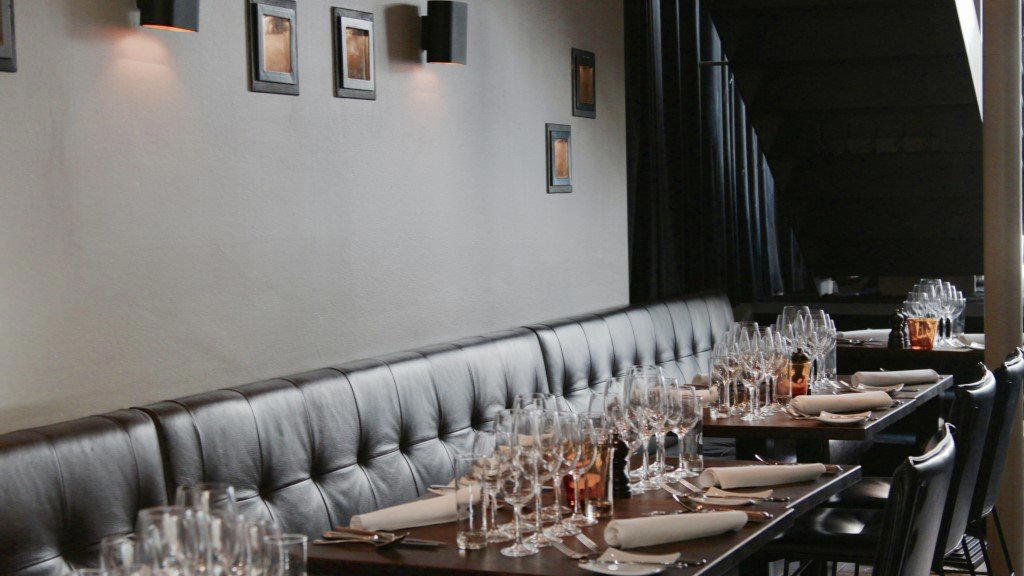
Store Kongensgade and the Ethics of Everyday Eating
Store Kongensgade runs through one of Copenhagen's more composed residential and commercial corridors, connecting the area around Kongens Nytorv with the quieter streets approaching Frederiksstaden. It is not a strip built around restaurant tourism. The addresses here tend to attract a local clientele that walks past on the way to somewhere else and then stops — a dynamic that shapes how the better neighbourhood spots in Copenhagen operate. They do not perform for the destination diner in the same register as the city's trophy-table addresses. They absorb the cadence of the street.
Den Lille Fede sits at number 17 on that street. The name translates roughly as 'the little fat one,' a phrase with the kind of self-aware informality that signals intent. In a city where the high-end dining conversation is dominated by institutions like Geranium, Noma, and Alchemist, and where the New Nordic vocabulary has been refined to a near-academic discipline, the neighbourhood spot that operates without that apparatus occupies a different but no less considered position.
Copenhagen's Sustainability Conversation at Street Level
Danish dining's relationship with environmental responsibility is not a recent marketing pivot. The frameworks that Noma and its alumni network helped establish over two decades — short supply chains, foraged and fermented ingredients, minimal intervention with raw material, have filtered down through the city's food culture in ways that affect kitchens well below the Michelin tier. Copenhagen's position as one of Europe's most consistent performers on food sustainability indices is the result of structural commitment: producer relationships, waste protocols, and sourcing standards that have become baseline expectations rather than differentiators in serious kitchens.
At the neighbourhood level, that means the sustainability story is less about dramatic provenance theatre and more about operational discipline. Which farms supply the produce. Whether the menu adapts to what is available rather than imposing a fixed repertoire on unwilling seasonal material. How a kitchen handles the less glamorous parts of an animal or vegetable. These are the questions that define whether a venue's environmental claims have substance behind them or are simply performing the aesthetic of the movement.
Den Lille Fede's address and format place it in the category of venues where those operational questions matter more than the marketing ones. The name itself suggests an attitude toward fat, richness, and the parts of ingredients that more squeamish kitchens discard, the kind of nose-to-tail, root-to-tip philosophy that has become central to Copenhagen's credibility as a food city. Across Scandinavia, from venues like Henne Kirkeby Kro in Henne to Tri in Agger, the commitment to place-specific, low-waste cooking has produced a regionalism that resists easy replication elsewhere.
Where Den Lille Fede Sits in Copenhagen's Dining Structure
Copenhagen's restaurant hierarchy is well-documented. At the leading, a cluster of destination restaurants draws international visitors specifically for multi-course tasting menus, Koan with its New Nordic and kaiseki synthesis, Kadeau with its Bornholm-rooted seasonal programme. Below that tier, a mid-level of neighbourhood and bistro-format restaurants serves the city's own residents, and this is the category that most accurately reflects the health of a food culture over time. Trophy tables are a reliable indicator of culinary ambition; the everyday places are a better measure of how that ambition has distributed itself.
Store Kongensgade 17 is not a destination address in the sense that Jordnær in Gentofte or Frederikshøj in Aarhus function as destination addresses. It is a neighbourhood address that operates on neighbourhood terms, which in Copenhagen means a more competitive standard than the phrase 'neighbourhood restaurant' implies in most other European capitals. The city's density of serious cooking at every price point is one of its defining characteristics, and Store Kongensgade sits within walking distance of enough quality that a venue there has to earn its regulars rather than simply be convenient.
For travellers looking to understand Copenhagen's dining character beyond the reservation-required institutions, venues at this level, local, considered, operating without the infrastructure of a PR campaign or a Michelin plate, are where the city's food culture actually lives. For further context on where Den Lille Fede sits within the wider Copenhagen restaurant ecosystem, the EP Club Copenhagen guide maps the full range from tasting-menu destinations to neighbourhood staples.
The Sustainability Frame in Practice
Across Denmark's serious restaurant sector, the venues that have built the most durable reputations on sustainability grounds share a few characteristics. They tend to work with a small number of producers over long periods rather than sourcing opportunistically. They build menus around what those producers can supply at a given point in the season rather than around a fixed dish identity. And they treat waste reduction as a kitchen discipline rather than a talking point, which means that the parts of an ingredient that don't reach the plate in one form appear in stock, ferment, or preparation for the next service.
This is the operating context that gives a name like Den Lille Fede a specific resonance. The suggestion of richness, of using the whole animal, of not being precious about fat and collagen and the less photogenic cuts, positions the venue within a tradition that runs from Copenhagen's neighbourhood bistros through to internationally discussed kitchens like Dragsholm Slot Gourmet and Frederiksminde. Beyond Denmark, the same commitment to ethical sourcing and low-waste discipline connects to venues like Lazy Bear in San Francisco and, in a different register, Le Bernardin in New York City, where sustainability frameworks have become embedded in procurement at the highest level.
What distinguishes the Copenhagen version of this story is the degree to which it operates as a civic norm rather than an individual brand position. The producers, the markets, the seasonal frameworks, these are shared infrastructure. A venue on Store Kongensgade benefits from the same supply ecosystem that serves much larger operations, and that access is part of what makes Copenhagen's neighbourhood dining tier coherent in a way that is difficult to find in most other European cities. Further afield, venues like LYST in Vejle, Syttende in Sønderborg, Ti Trin Ned in Fredericia, and Pearl by Paul Proffitt in Kruså demonstrate how that sourcing discipline has spread across Denmark's regions.
Know Before You Go
Address: Store Kongensgade 17, 1264 København, Denmark
Neighbourhood: Central Copenhagen, between Kongens Nytorv and Frederiksstaden
How Den Lille Fede Copenhagen compares with similar nearby venues.
| Venue | Cuisine | Price |
|---|---|---|
| Gasoline Grill | Hamburgers | Not listed |
| Pluto | Classic Cuisine | €€ |
| Koefoed | Modern Cuisine | € |
| Slurp Ramen Joint | Ramen | Not listed |
Continue exploring
More in Copenhagen
Restaurants in Copenhagen
Browse all →
Bars in Copenhagen
Browse all →
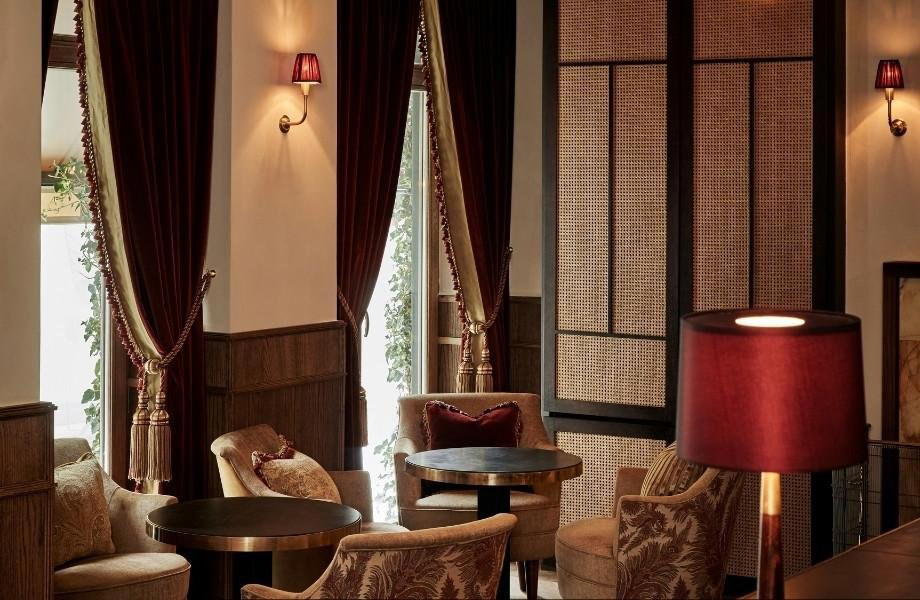
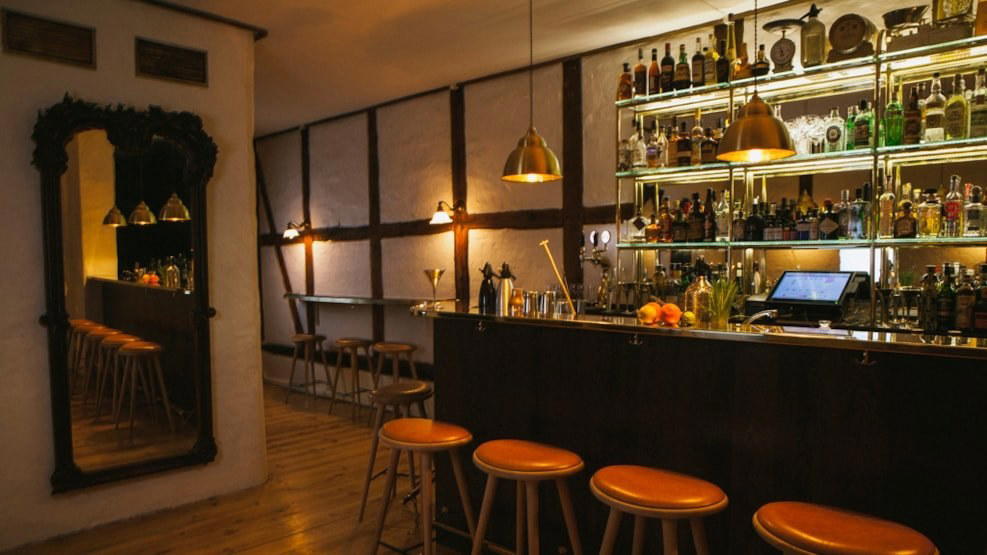
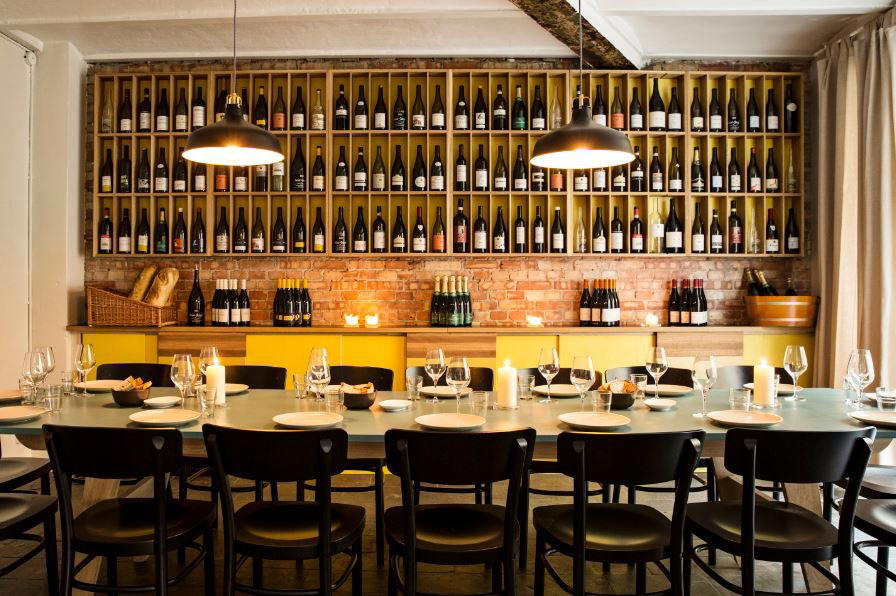
Hotels in Copenhagen
Browse all →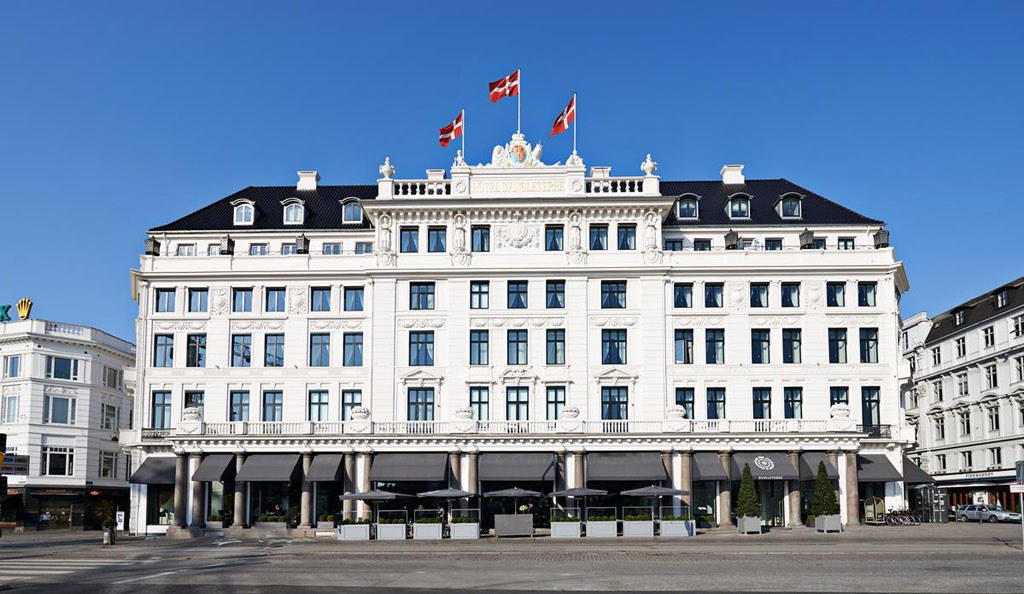

At a Glance
- Romantic
- Cozy
- Intimate
- Date Night
- Special Occasion
- Historic Building
- Extensive Wine List
Current opening hours
- Monday
- 5:30–10 PM
- Tuesday
- 5:30–10 PM
- Wednesday
- 5:30–10 PM
- Thursday
- 5:30–10 PM
- Friday
- 5:30–10 PM
- Saturday
- 5:30–10 PM
- Sunday
- Closed
Hours can change for holidays and private events. Last verified .
Cozy and romantic with a relaxed, unformal atmosphere that stimulates the senses through taste and presentation.
Know Before You Go
- Getting there
- Store Kongensgade 17, 1264 København, Denmark