Lumskebugten

On Esplanaden, a short walk from the waterfront fortifications of Kastellet, Lumskebugten occupies a corner of Copenhagen's dining scene that sits apart from the city's internationally celebrated tasting-menu circuit. The restaurant has built a reputation rooted in Danish classical cooking traditions, drawing a loyal local following and consistent critical attention. Booking ahead is advisable; this is not a walk-in proposition.
Pearl is the En Primeur Club membership app — saves, bookings, and concierge access live there. Same editors, same standards.
- Address
- Esplanaden 21, 1263 København, Denmark
- Phone
- +4533156029
- Website
- lumskebugten.dk
- Directions
- Get directions
 Saves & bookings on Pearl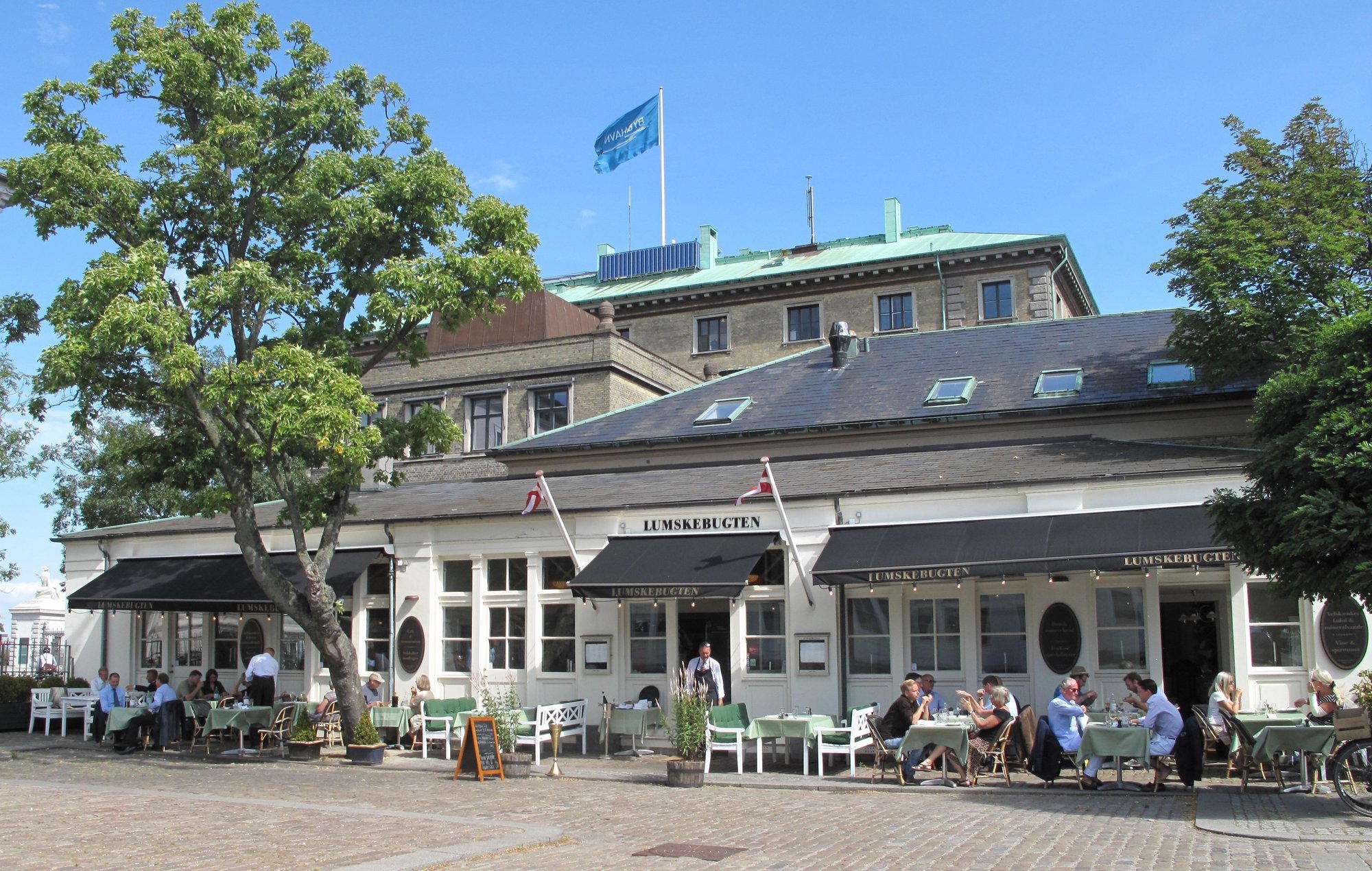
A Different Frequency on Copenhagen's Esplanaden
Copenhagen's restaurant conversation tends to orbit a small cluster of addresses: the creative extremity of Alchemist, the precision-driven New Nordic canon of Geranium, the cultural weight of Noma. These are the addresses that dominate international coverage and anchor most first-time itineraries. Lumskebugten, on Esplanaden 21, occupies a different register entirely. It sits in a quieter neighbourhood corridor between the harbour's edge and the moat of Kastellet, operating at a frequency closer to what Copenhagen locals have prized for decades: a commitment to Danish classical cooking without the theatrical scaffolding of a multi-course concept menu.
That positioning is not accidental. The broader Danish dining scene has long supported two parallel traditions — one exported globally through the New Nordic movement, and one that remained largely domestic, tied to seasonal produce, preserved techniques, and a kitchen vocabulary that predates the post-Noma era. Lumskebugten belongs to that second tradition, and its continued relevance in a city that has added ambitious addresses at a steady pace is the clearest evidence that classical Danish cooking retains genuine appetite among Copenhagen diners.
What the Room Communicates
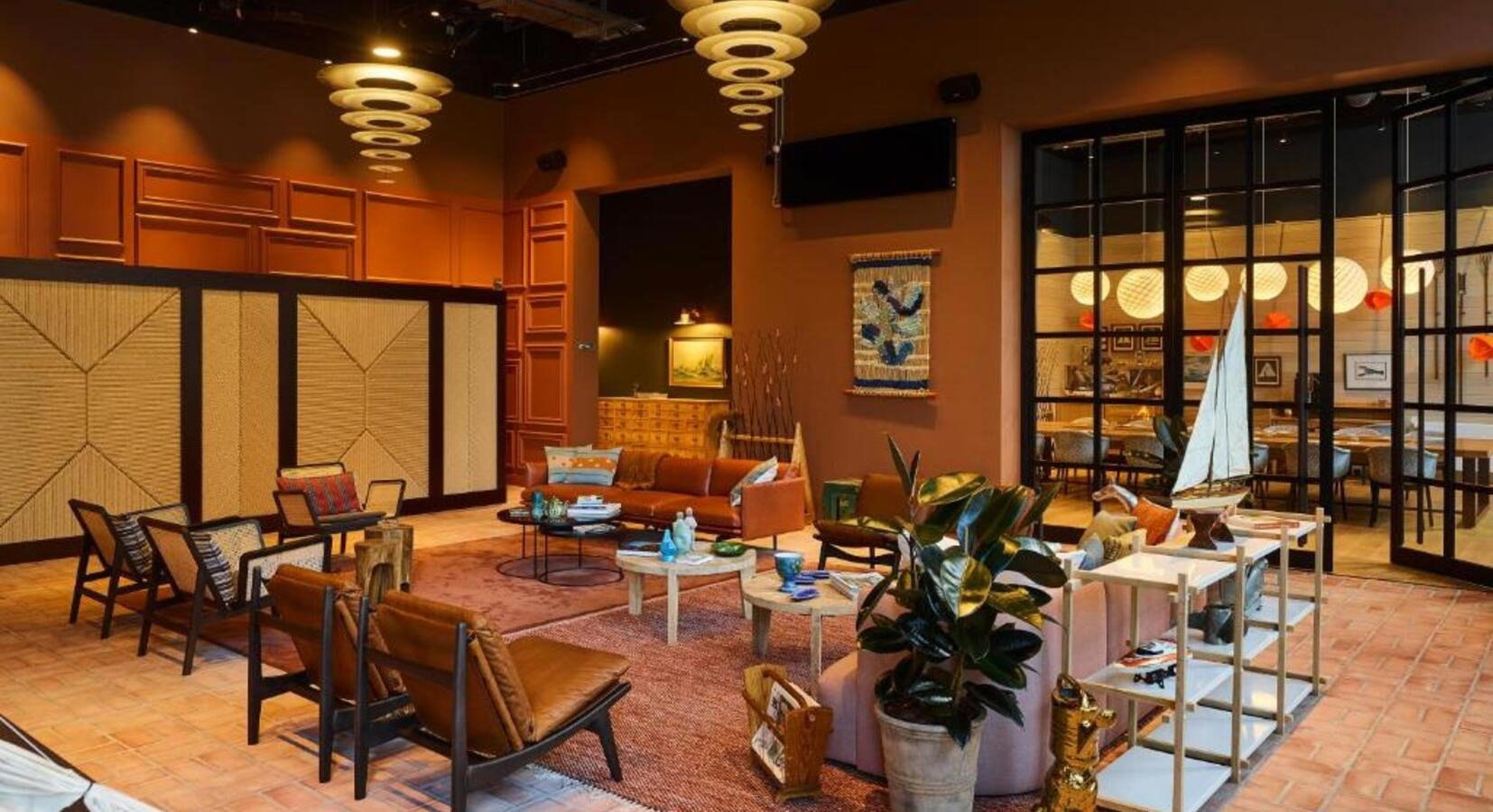
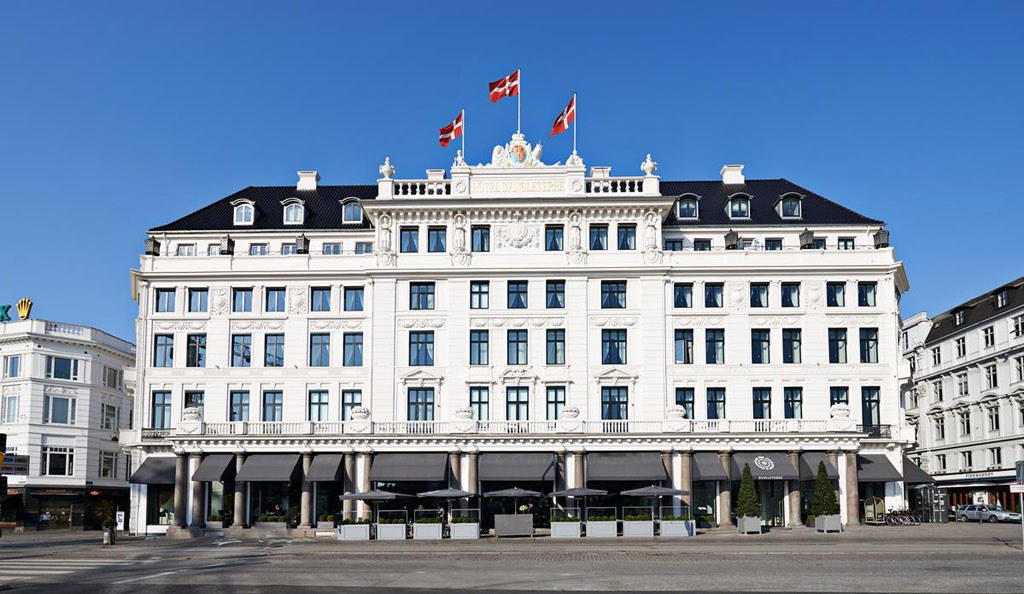
The physical setting matters here in ways that go beyond aesthetics. Esplanaden is one of Copenhagen's more composed streets: wide pavements, 19th-century building stock, proximity to the Design Museum and the green expanse running toward Kastellet. The restaurant's exterior signals restraint before a guest crosses the threshold. Inside, the room reads as a deliberate rejection of the converted-warehouse industrial aesthetic that characterises many of the city's more progressive addresses. The furniture, lighting, and spatial arrangement communicate that this is a place for sustained, unhurried meals — the kind where the conversation at the table is expected to last as long as the food service does.
The comparison is less to Koan or Kadeau, which work within identifiably contemporary tasting-menu frameworks, and more to the senior tier of Copenhagen's established dining rooms, places that have built their reputations across decades rather than award cycles.
The Booking Reality
Planning a visit to Lumskebugten requires more advance organisation than its relatively low international profile might suggest. Copenhagen's established mid-to-upper dining tier runs at consistent capacity through most of the year, with the summer months, when the city draws significant visitor volume and Danes themselves take to longer evening meals, creating the tightest windows. For tables at a restaurant with this level of standing, reserving two to four weeks ahead for weekday sittings and longer for Friday and Saturday is a reasonable baseline. The restaurant's address on Esplanaden gives it a practical advantage for visitors staying near Nyhavn, the waterfront hotel district, or around Bredgade: it is walkable from most of central Copenhagen's hotel stock without requiring a taxi or metro connection.
The logistical picture for Copenhagen dining at this level is worth contextualising. The city's most internationally prominent addresses, the multi-course tasting menus at Geranium, the structured theatre of Alchemist, often require months of planning and prepayment systems that function more like ticket purchases than traditional reservations. Lumskebugten sits below that threshold of logistical complexity, which is part of its value in a city where the friction of booking a serious meal can itself become a planning obstacle. This is a restaurant where the effort of securing a table is commensurate with the experience: meaningful, but not an exercise in perseverance.
For visitors building a broader Denmark itinerary, the surrounding region offers its own tier of serious dining worth the additional travel. Jordnær in Gentofte sits just north of the city and operates at a distinctly different ambition level. Further afield, Henne Kirkeby Kro in Henne and Dragsholm Slot Gourmet in Hørve represent the rural Danish dining tradition, while Frederikshøj in Aarhus, Alimentum in Aalborg, ARO in Odense, LYST in Vejle, MOTA in Nykøbing Sjælland, Domæne in Herning, and Frederiksminde in Præstø each anchor their own regional food scenes. Copenhagen's full restaurant offer, context for all of this, is covered in our full Copenhagen restaurants guide.
The Classical Danish Tradition in Context
Understanding what Lumskebugten represents requires some context about how Danish culinary identity split over the past two decades. The New Nordic movement, codified around 2004 and carried globally by a generation of chefs and the international press attention that followed, refined foraged ingredients, preservation techniques, and a stark aesthetic into an exportable fine-dining grammar. Internationally, that movement became synonymous with Danish cooking. Domestically, it coexisted with an older tradition of bourgeois Danish cuisine: game cookery, fish preparations rooted in centuries of North Sea and Baltic fishing culture, root vegetables handled with classical European technique.
Lumskebugten sits within that older, domestic tradition. The comparison that travels furthest is to the category of long-established European dining rooms, not unlike what Le Bernardin in New York City represents for classical French seafood technique, or what Atomix in New York City represents for the sustained, serious application of a culinary identity over time, but grounded in specifically Danish seasonal rhythms and ingredient sources. The result is a kitchen that reads as culturally rooted rather than internationally oriented, which in Copenhagen's current dining climate is itself a position.
Know Before You Go
- Address: Esplanaden 21, 1263 København, Denmark
- Neighbourhood: Esplanaden / Kastellet corridor, central Copenhagen, walkable from Nyhavn and Bredgade hotels
- Booking: Advance reservation advised; two to four weeks minimum for weekday sittings, longer for weekends and summer months
- Leading timing: Summer evenings extend daylight along Esplanaden significantly, making the walk to and from the restaurant part of the experience; autumn through winter brings the denser, preserved-ingredient menu vocabulary most associated with classical Danish cooking
- Getting there: Central location makes it accessible on foot from most of Copenhagen's main hotel districts; bus and metro connections available from further afield
How Lumskebugten Copenhagen compares with similar nearby venues.
| Venue | Cuisine | Price | Awards |
|---|---|---|---|
| Lumskebugten | Not listed | Not listed | White Guide Denmark Restaurants - Masters Level (2026) |
| The Pescatarian | Creative | €€ | Not listed |
| Bistro Boheme | Bistro | Not listed | Not listed |
Recognition history
Dated appearances from independent guides and award organizations, with the underlying list record or original source where available.
White Guide Denmark Restaurants - Masters Level
White Guide
Continue exploring
More in Copenhagen
Restaurants in Copenhagen
Browse all →
Bars in Copenhagen
Browse all →
Hotels in Copenhagen
Browse all →

At a Glance
- Classic
- Elegant
- Cozy
- Historic
- Business Dinner
- Special Occasion
- Waterfront
- Historic Building
- Extensive Wine List
- Local Sourcing
- Waterfront
Current opening hours
- Monday
- 11:30 AM–3 PM
- Tuesday
- 11:30 AM–3 PM
- Wednesday
- 11:30 AM–3 PM, 6–8:30 PM
- Thursday
- 11:30 AM–3 PM, 6–8:30 PM
- Friday
- 11:30 AM–3 PM, 6–8:30 PM
- Saturday
- 11:30 AM–3 PM, 6–8:30 PM
- Sunday
- Closed
Hours can change for holidays and private events. Last verified .
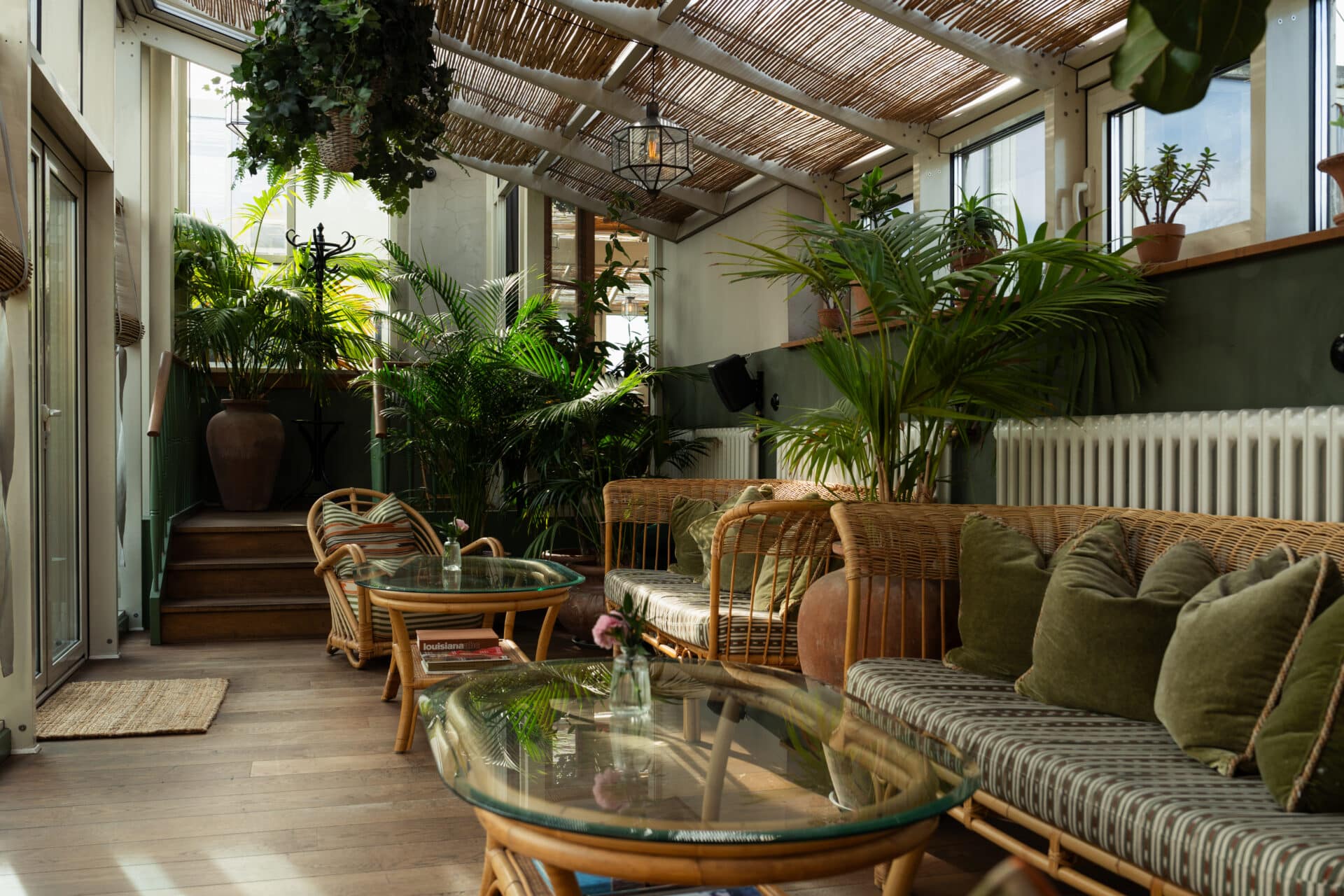
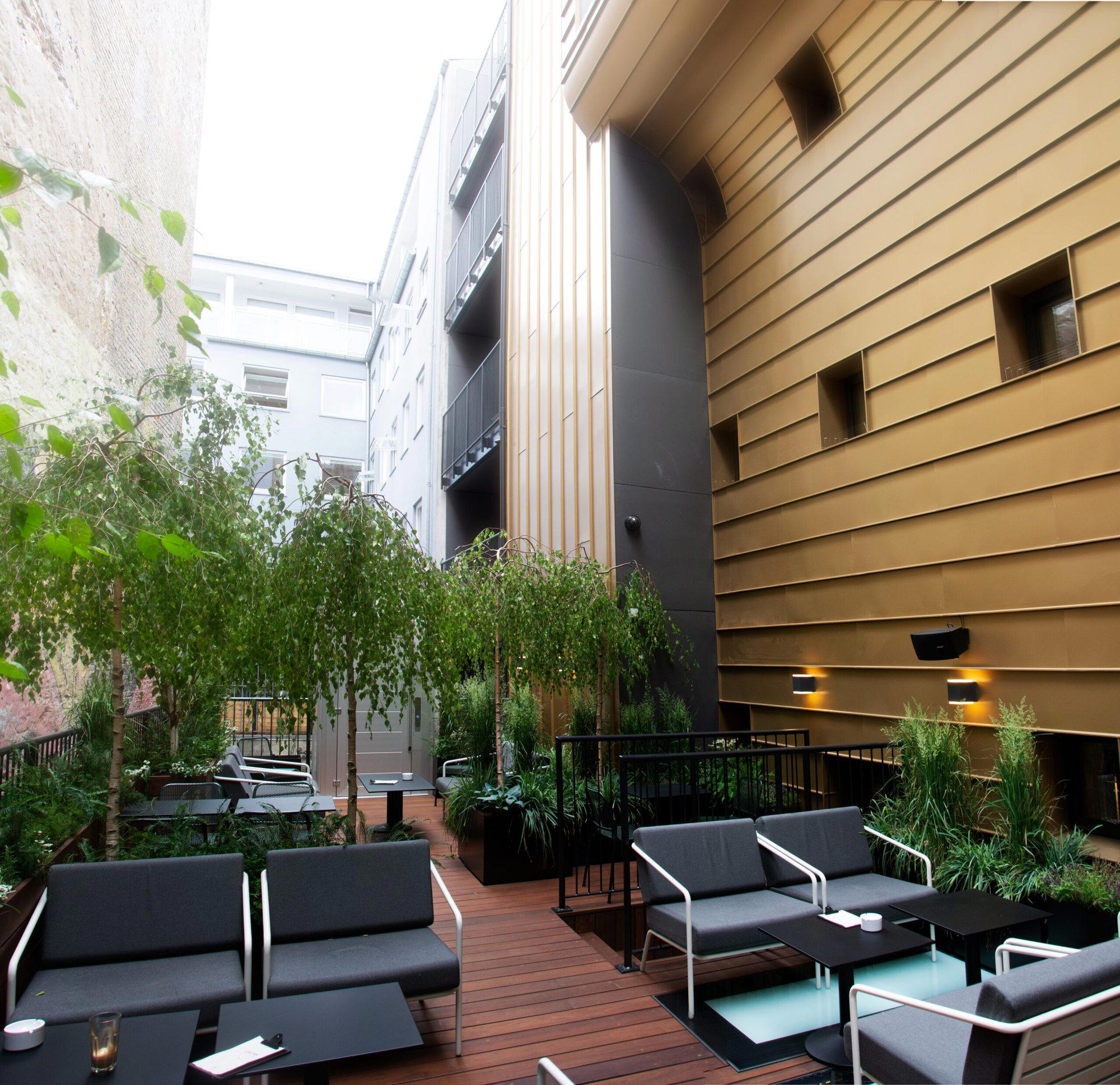
Elegantly cozy dining room with maritime decor, historic charm, and abundant natural daylight creating a warm, civilized atmosphere.
Know Before You Go
- Getting there
- Esplanaden 21, 1263 København, Denmark