Dem Restaurant
Dem Restaurant occupies a quiet corner of Crystal Palace at 11 Central Hill, SE19, placing it firmly outside the central London circuit where most destination dining conversation happens. That address is itself a statement about where neighbourhood restaurants in south London are heading, away from postcode prestige and toward a more local, community-rooted model of serious cooking.
Pearl is the En Primeur Club membership app — saves, bookings, and concierge access live there. Same editors, same standards.
- Address
- 11 Central Hill, London SE19 1BG, United Kingdom
- Phone
- +442087611664
- Website
- demrestaurant.co.uk
- Directions
- Get directions
 Saves & bookings on Pearl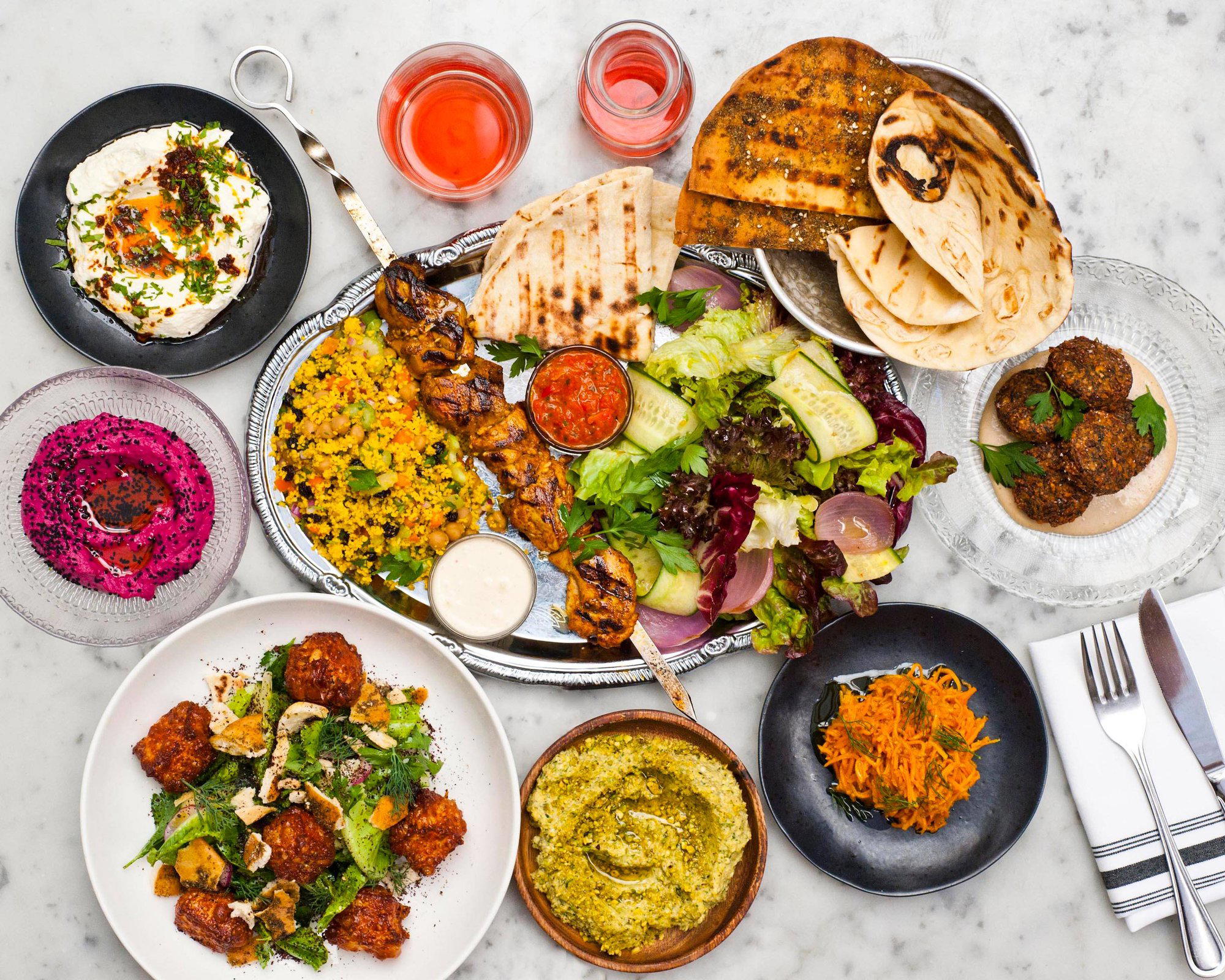
South London's Shifting Dining Geography
For most of the past two decades, London's serious restaurant conversation has been anchored north of the river and inside Zone 1. The Michelin corridors ran through Mayfair, Chelsea, and Notting Hill, where CORE by Clare Smyth, Restaurant Gordon Ramsay, and The Ledbury defined the upper tier. That geography has been shifting. Neighbourhoods that were once considered too far from the centre to support destination dining have gradually built the kind of regular, informed local clientele that sustains ambitious cooking. Crystal Palace, where Dem Restaurant sits at 11 Central Hill, SE19, represents one node in that southward drift.
The SE19 postcode does not carry the same cultural shorthand as SW3 or W11. It does not benefit from the proximity effects that allow a restaurant like Sketch's Lecture Room and Library or Dinner by Heston Blumenthal to draw from hotel guests and international visitors. What it does have is a dense, increasingly food-literate residential population willing to spend seriously on cooking that does not require a cab to Mayfair. That local loyalty is precisely the economic model that neighbourhood restaurants in outer London have been testing for the better part of a decade.
The Evolution of the Neighbourhood Restaurant in Outer London
The category of outer-London neighbourhood restaurant has gone through at least two distinct phases in recent years. The first phase was defined by informality as a virtue in itself: stripped-back rooms, natural wine lists, and a programmatic rejection of the fine-dining codes that governed the centre. The second phase, which is where the more interesting operators now sit, has moved past that reaction. The emphasis has shifted toward cooking that is genuinely ambitious in technique and sourcing, housed in rooms that are comfortable rather than deliberately austere, without requiring the infrastructure costs of a central London address.
Dem Restaurant's position at 11 Central Hill places it within that second wave. Crystal Palace has developed a cluster of food-focused businesses over the past several years, and the area's dining identity has evolved from a secondary consideration to a primary draw for residents across the surrounding postcodes. Restaurants in this part of south London increasingly price and position against each other and against comparable neighbourhood operations in Peckham, Herne Hill, and Brixton, rather than against the central London establishments they once deferred to by default.
This matters because it changes the way a restaurant like Dem operates. The competitive reference set is not Waterside Inn in Bray or Le Manoir aux Quat'Saisons in Oxford. It is the growing number of south London rooms that have demonstrated, over the past five to seven years, that serious cooking does not require a W1 address. That comparison set also includes acclaimed operations further afield that have proven the neighbourhood model works at the highest level: L'Enclume in Cartmel, Moor Hall in Aughton, and Hand and Flowers in Marlow all built national reputations from addresses that, on paper, should have made sustained success difficult.
What Central Hill Signals About Dem's Direction
A restaurant's address communicates something about its intended relationship with its audience. Central Hill runs through one of Crystal Palace's quieter residential stretches, and a restaurant that has chosen that location rather than a higher-footfall strip has made a deliberate decision about who it wants to serve. The south London neighbourhood model, when it works, trades on repeat business and word-of-mouth rather than tourist capture or passing trade. That is a harder commercial model to sustain in the short term, and a more durable one over a longer arc.
The trajectory of comparable outer-London operations suggests that the restaurants which have lasted and built reputations in these postcodes are those that committed to a consistent point of view rather than chasing trends imported from the centre. Hide and Fox in Saltwood, Gidleigh Park in Chagford, and Midsummer House in Cambridge each built durable identities in part because their locations forced a clarity of purpose that central addresses, with their higher passing-trade cushion, do not always demand.
The broader UK picture points in the same direction. Operations like Opheem in Birmingham and Restaurant Andrew Fairlie in Auchterarder have demonstrated that geographic distance from London does not preclude serious critical recognition. For international context, the model of building a high-reputation restaurant outside the obvious urban centre has precedent at restaurants like Le Bernardin in New York City and Atomix in New York City, both of which operate within densely competitive urban environments where location decisions carry genuine strategic weight.
Reading the Room at SE19
For a reader planning a visit to Dem Restaurant, the practical reality is that Crystal Palace is most efficiently reached via the Overground or by direct bus routes from Brixton and Streatham. The area's dining scene is compact enough that an evening at Dem fits naturally into a neighbourhood exploration rather than requiring the dedicated logistics of a central London reservation. That accessibility is part of what the south London neighbourhood model offers: serious cooking within a context that feels genuinely local rather than performatively destination-driven.
For those building a broader London itinerary that includes both central and outer dining, our full London restaurants guide maps the city's current range across price points and postcodes. The guide covers the full spread from central London addresses through to the neighbourhood operations in south and east London.
Know Before You Go
- Address: 11 Central Hill, London SE19 1BG
- Area: Crystal Palace, south London
- Getting There: Crystal Palace Overground station is one direct rail option; bus routes connect via Brixton and Streatham
- Price Range: About $25 per person
- Booking: Recommended
- Hours: Mon to Sun, 12 to 11 PM
Comparable Options
Comparable venues nearby, for context on price, style, and recognition.
| Venue | Cuisine | Price | Notes |
|---|---|---|---|
| Dem RestaurantThis venue — the venue you are viewing | Traditional Turkish Mezze & Grill | $$ | Not listed |
| Yosma Express | Turkish Mediterranean | $$ | Mayfair |
| Hazev | Anatolian Turkish | $$$ | Canary Wharf |
| Thai Crystal | Authentic Thai | $$ | Gipsy Hill |
| Emilia's Crafted Pasta | Crafted Italian Pasta | $$ | Wapping |
| Cellarium Cafe & Terrace | British Cafe | $$ | Westminster |

At a Glance
- Lively
- Cozy
- Group Dining
- Family
- Casual Hangout
- Open Kitchen
- Extensive Wine List
Current opening hours
- Monday
- 12–11 PM
- Tuesday
- 12–11 PM
- Wednesday
- 12–11 PM
- Thursday
- 12–11 PM
- Friday
- 12–11 PM
- Saturday
- 12–11 PM
- Sunday
- 12–11 PM
Hours can change for holidays and private events. Last verified .
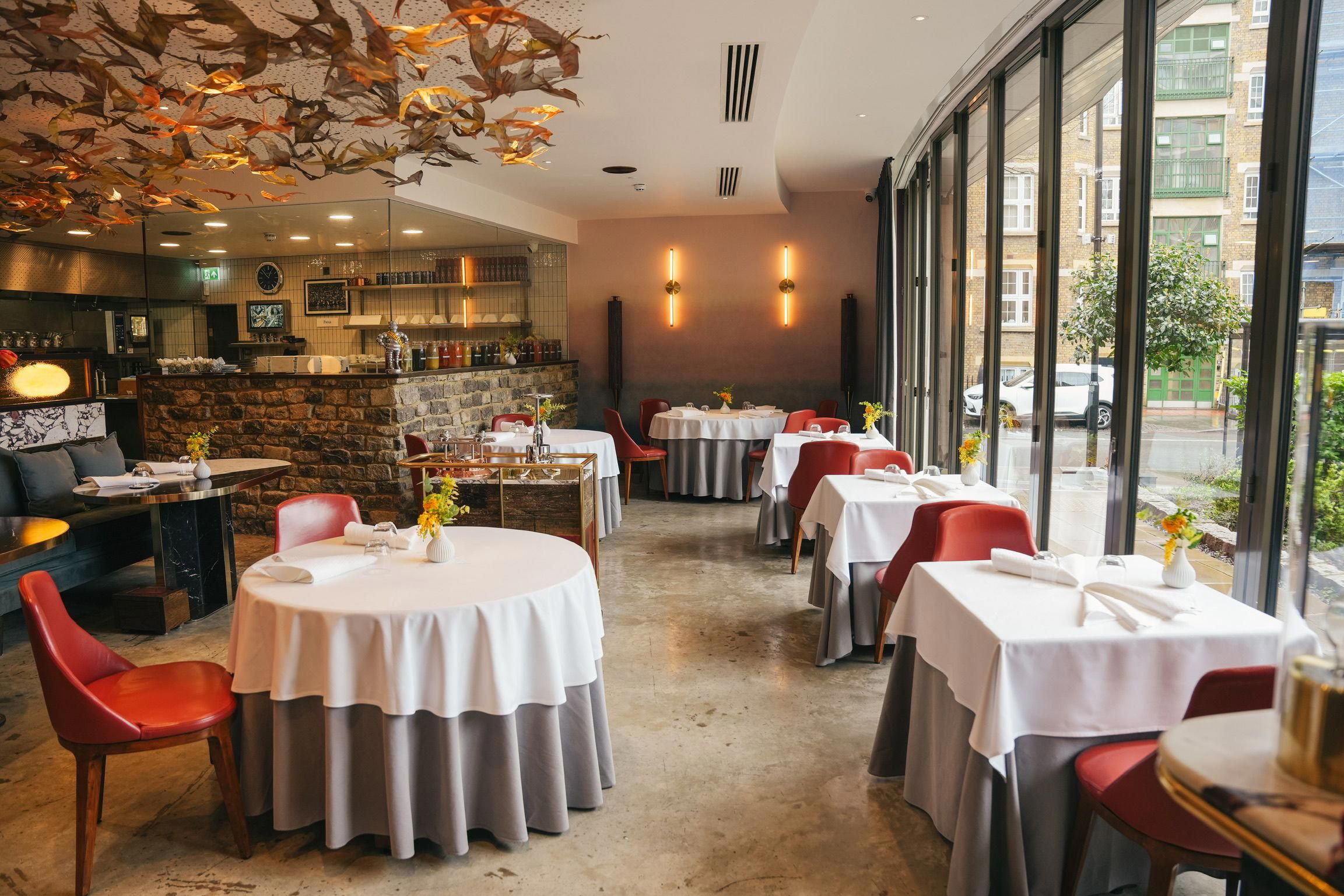
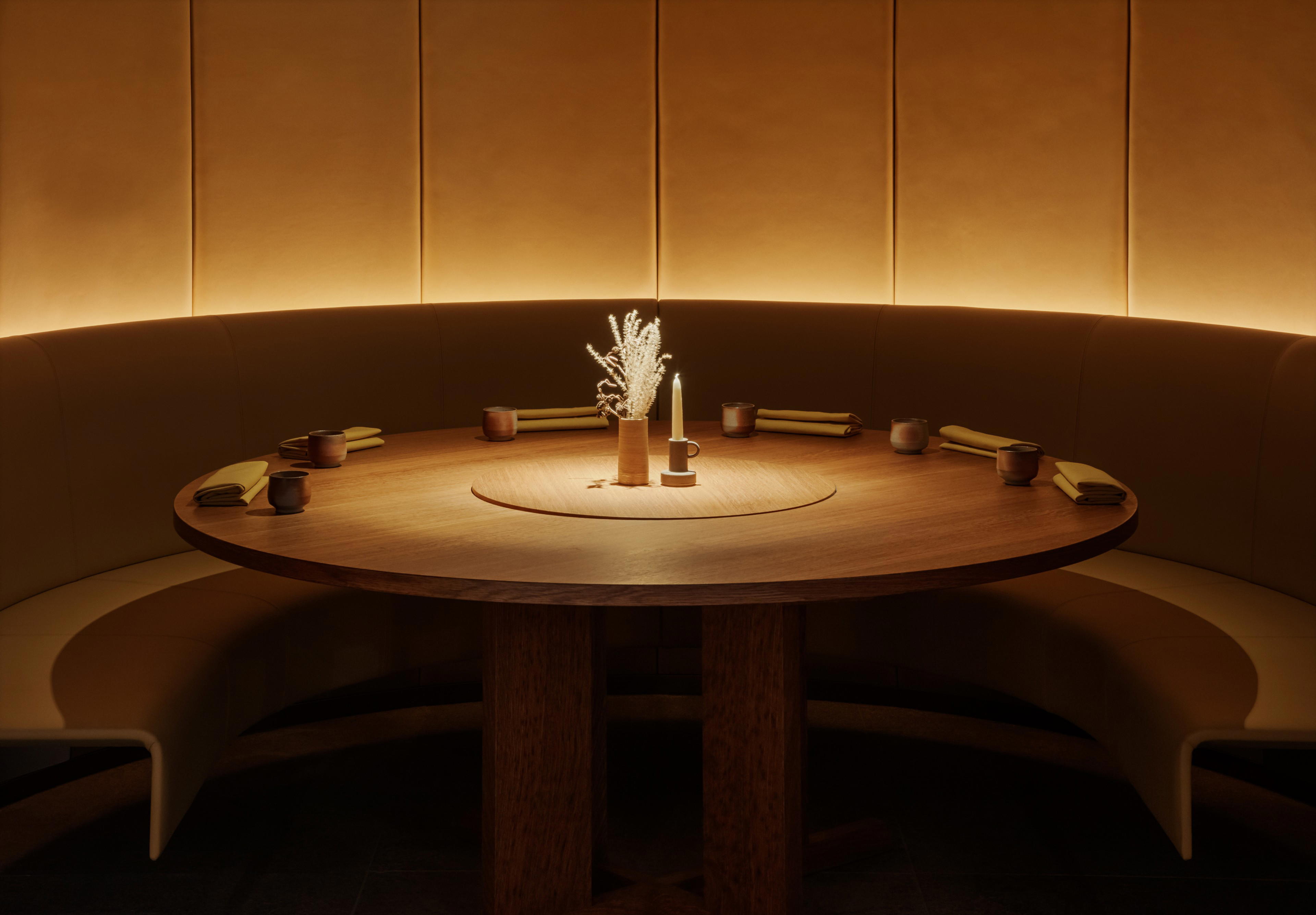
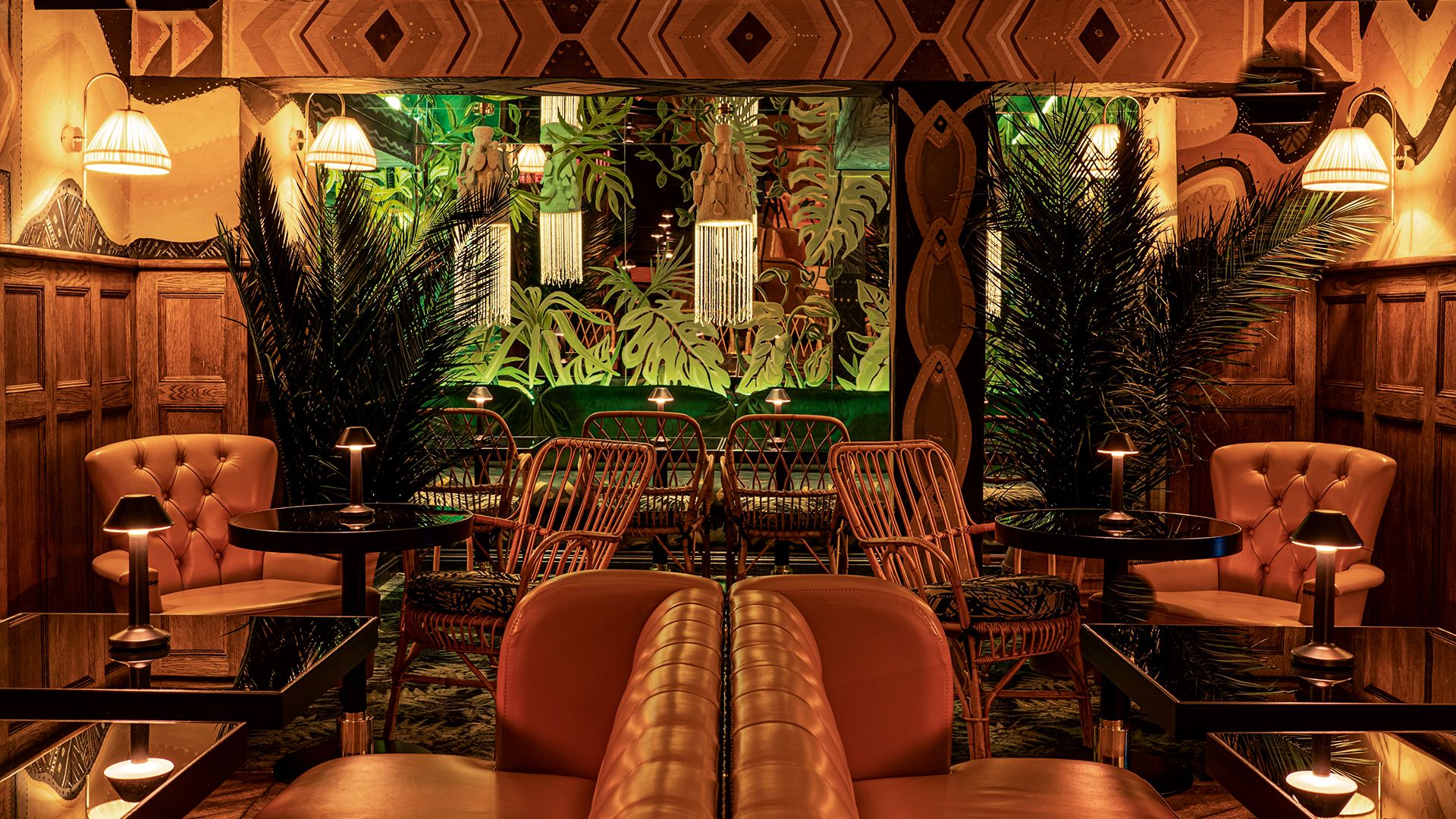
Lively and welcoming atmosphere with a focus on family-style Turkish hospitality.