Ragazza
Our verdict
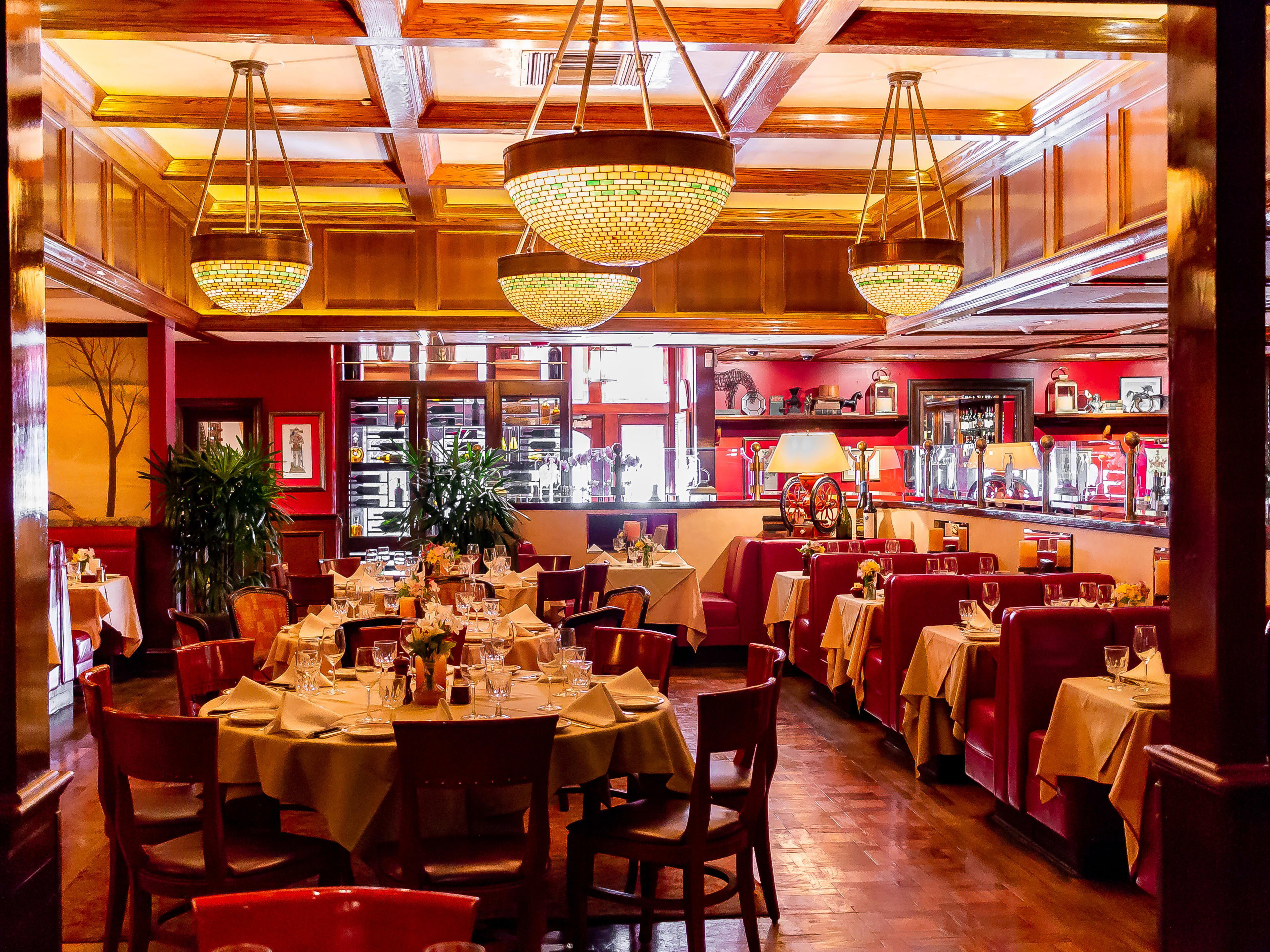
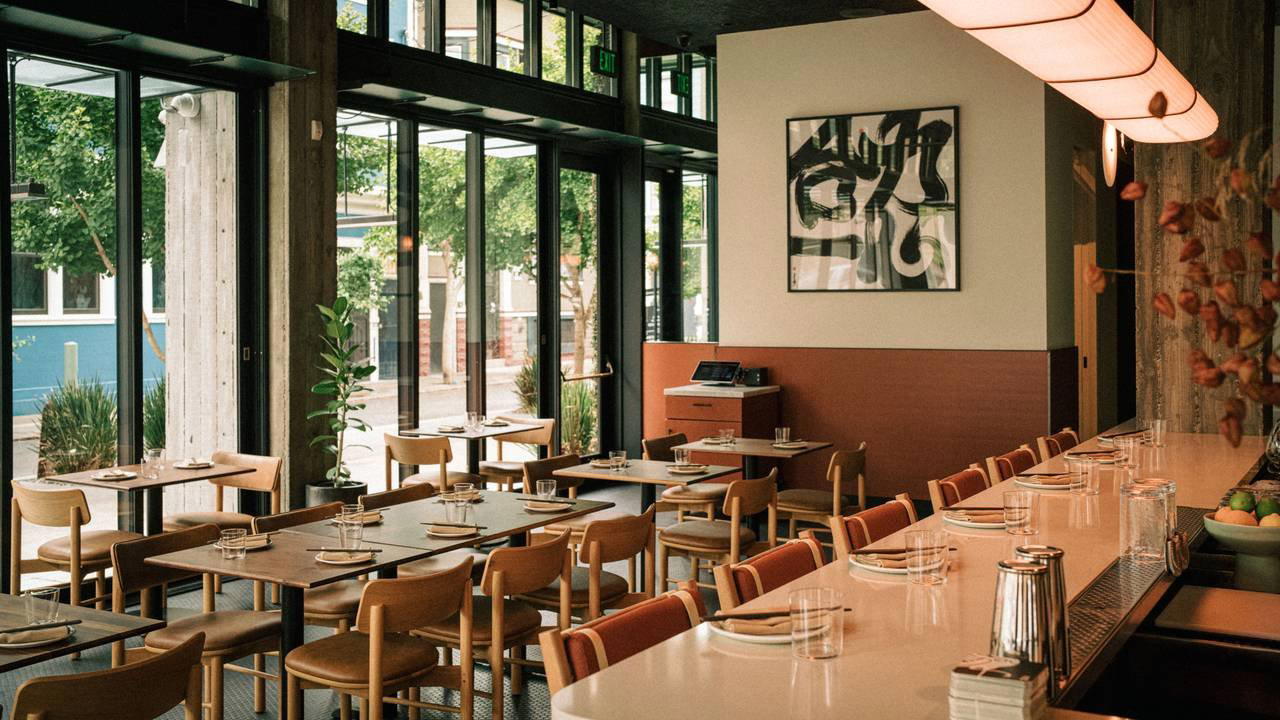
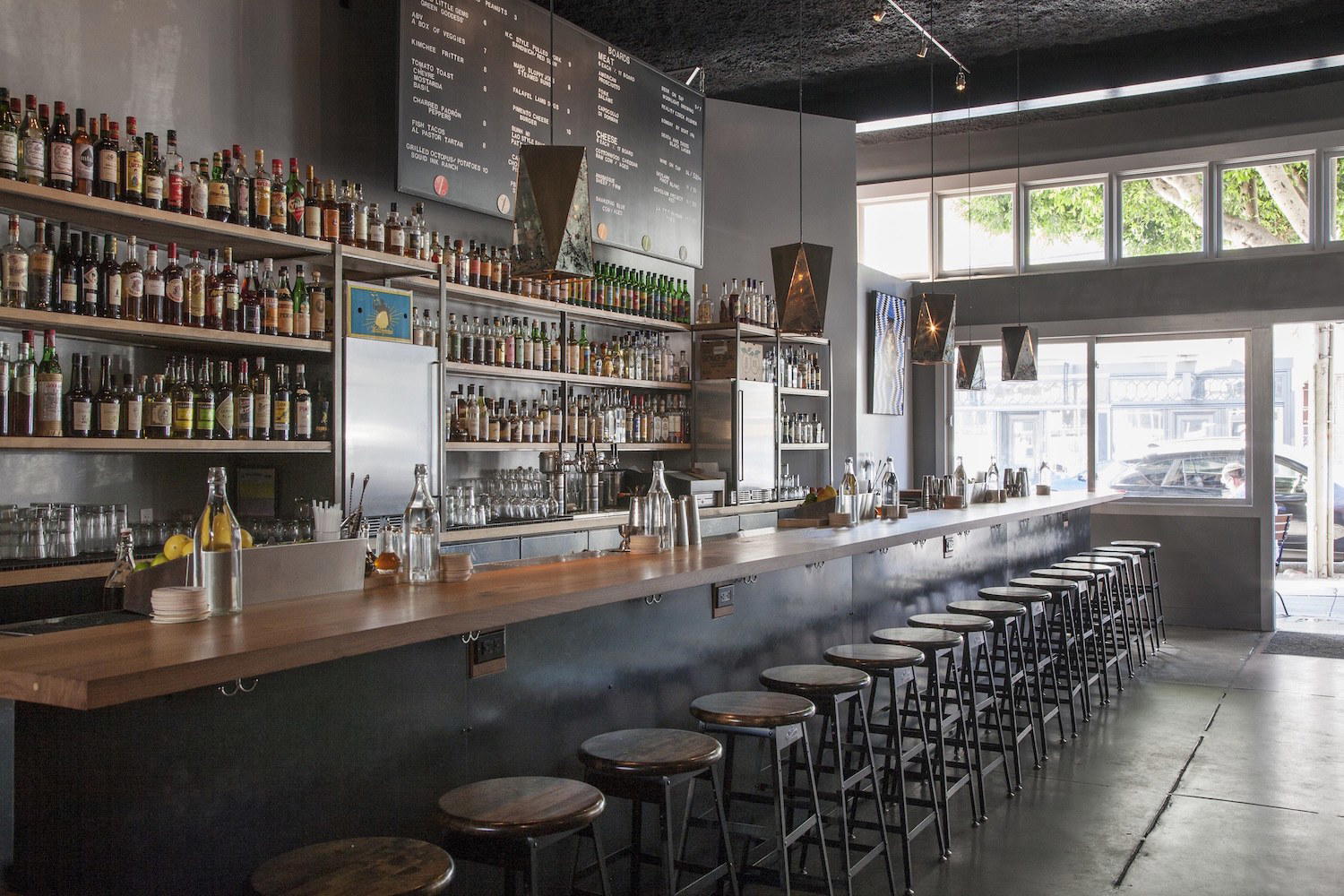
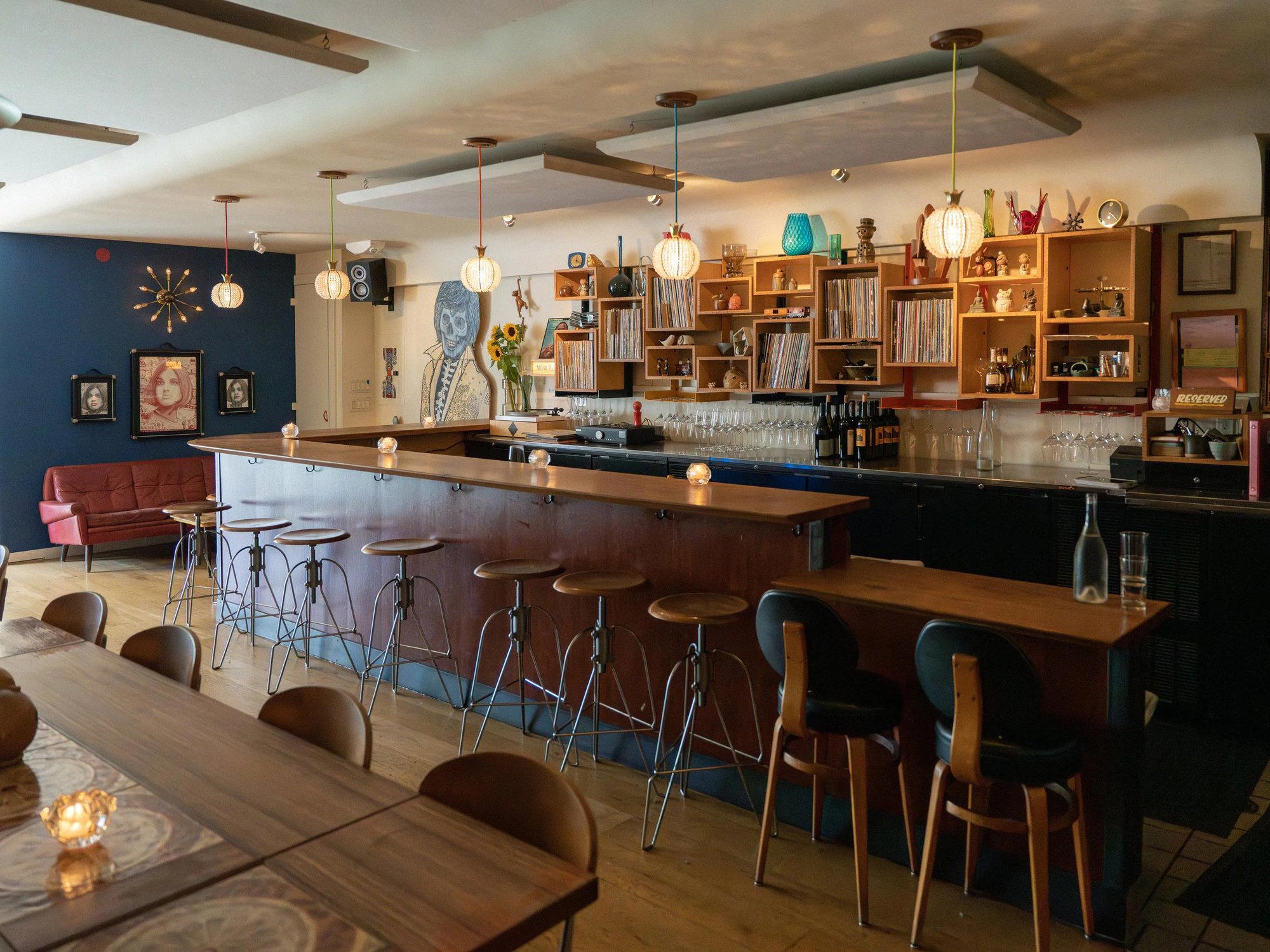
Ragazza on Divisadero Street occupies the casual end of San Francisco's Italian canon, where wood-fired technique and neighborhood familiarity matter more than ceremony. It sits in a city that has long used the Italian-American tradition as a testing ground for local ingredient sourcing and daily-menu discipline. A reliable address for the Western Addition dining corridor.

The menu
What to order
- Margherita Pizza
- Bianca Pizza
- Fried Arancini
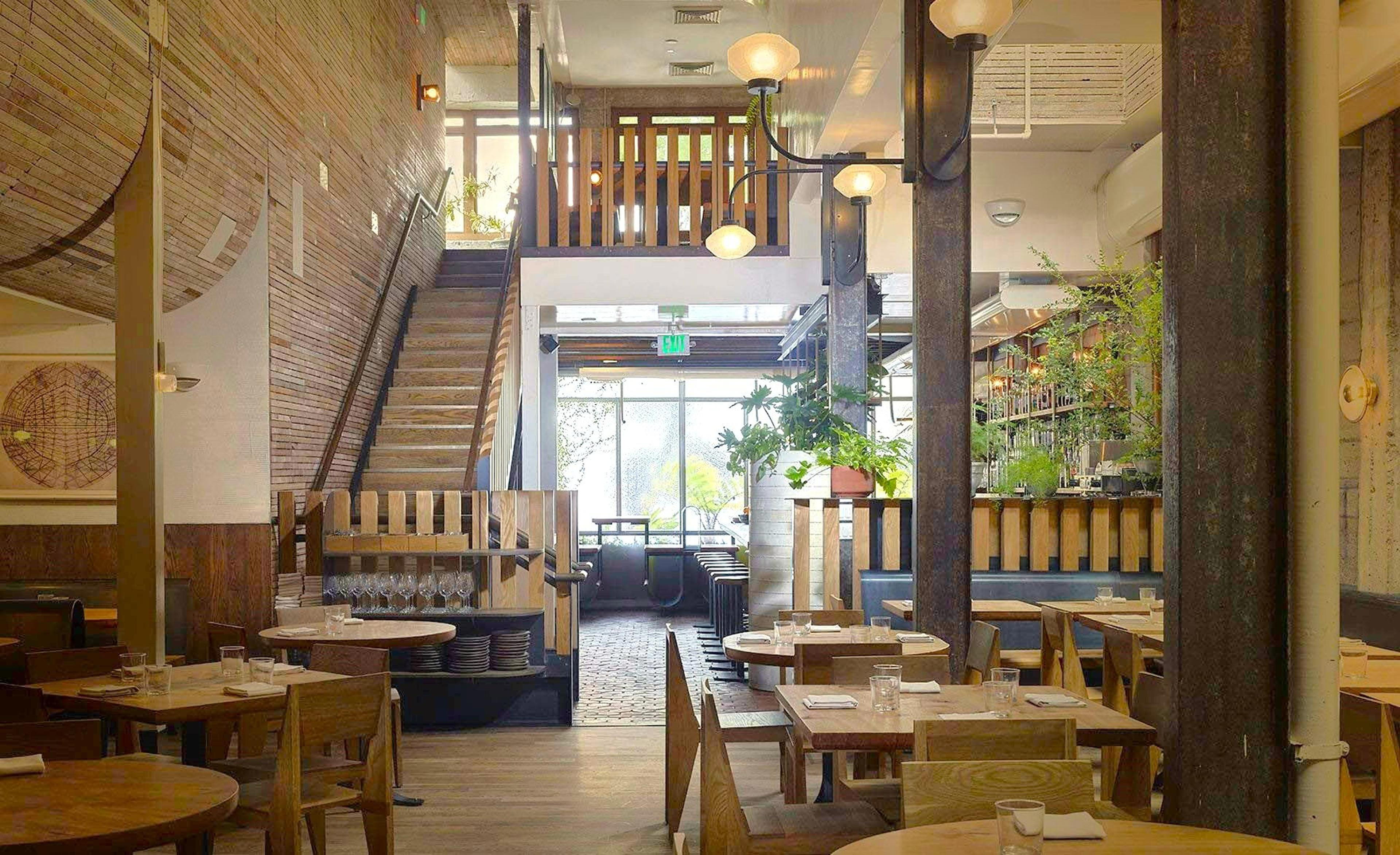
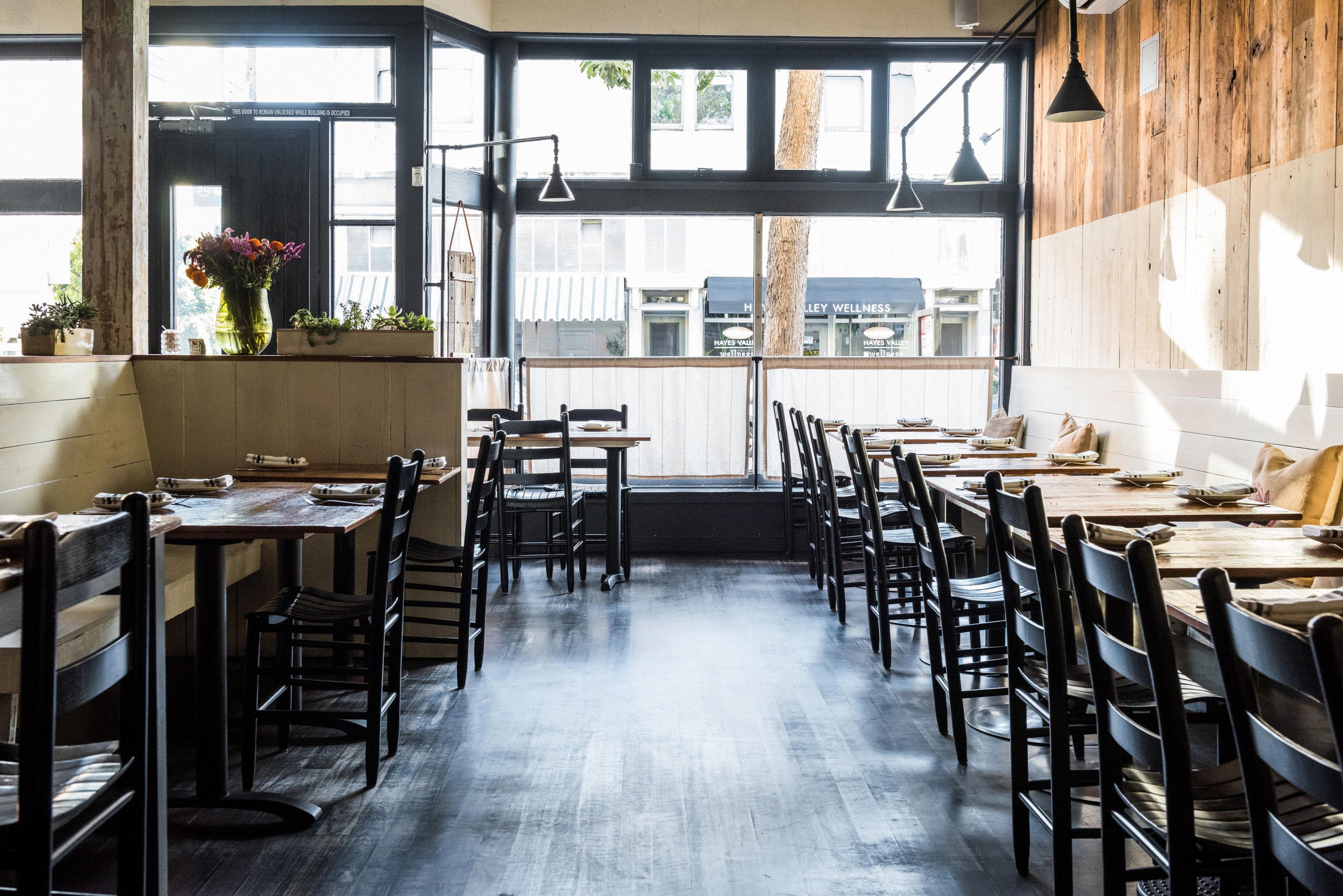
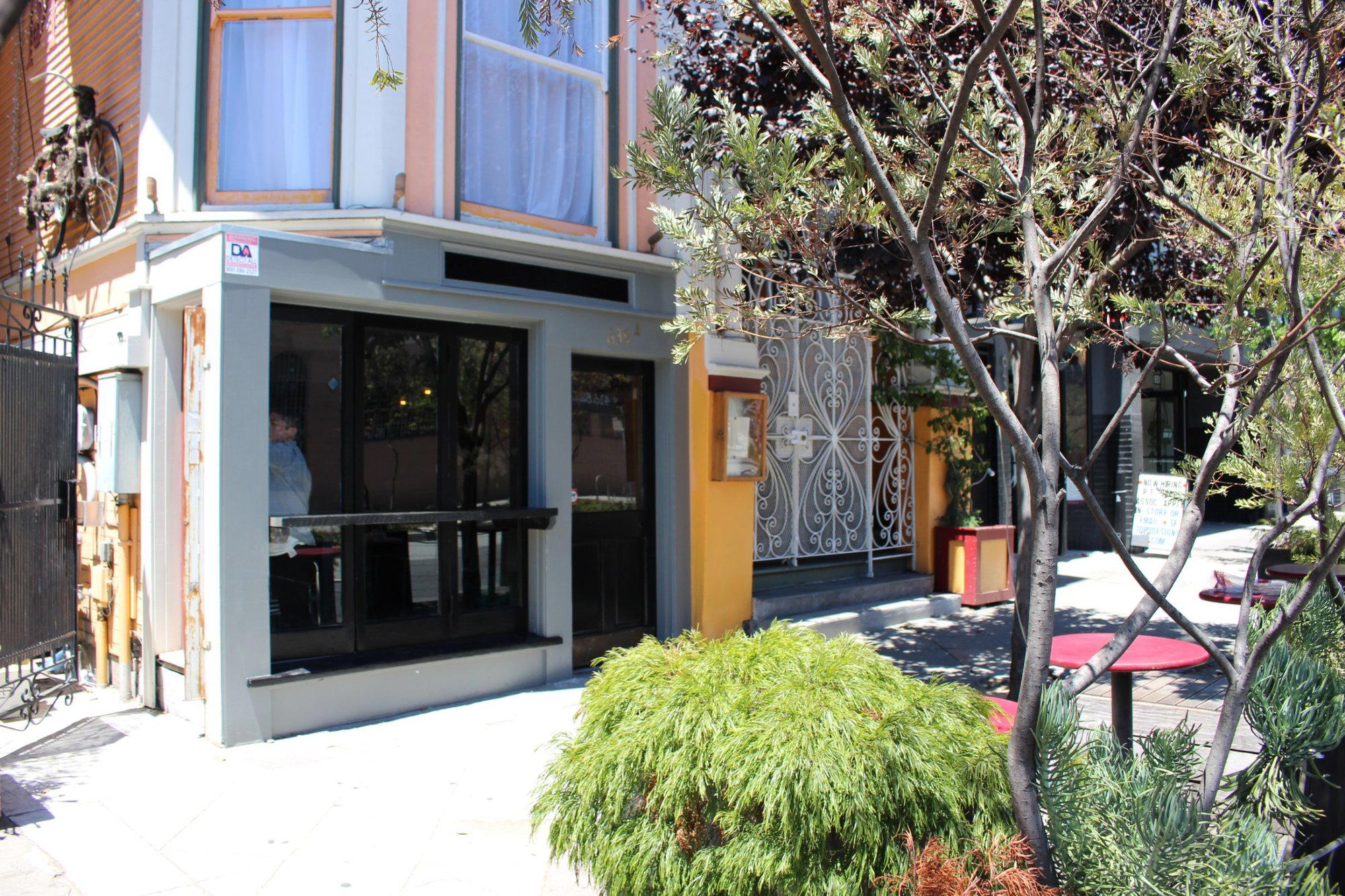
Divisadero Street does not announce itself the way the Embarcadero or Hayes Valley does. It builds its case block by block, through hardware stores giving way to wine bars, coffee roasters sitting beside taquerias, and a string of neighborhood restaurants that serve the surrounding Western Addition and Nopa residents rather than tourists arriving with reservations made months in advance. Ragazza, at 311 Divisadero, reads exactly like that street: purposeful, without ceremony, oriented toward the people who live within walking distance.
Divisadero and the Nopa Dining Corridor
The stretch of Divisadero between Oak and Haight has accumulated a density of independent restaurants that makes it one of San Francisco's more coherent neighborhood dining corridors. It does not belong to the tasting-menu tier occupied by Lazy Bear, Atelier Crenn, or Benu, all of which price at the $$$$ ceiling and require planning well in advance. Nor does it position against the white-tablecloth Italian tradition represented by Quince in the Financial District. Divisadero's restaurants, Ragazza among them, occupy a different function: they are the places a neighborhood returns to weekly, not the destinations a visitor books for a special occasion.
That distinction matters for understanding what Ragazza is and what it is not. San Francisco has a long Italian-American heritage, running from the North Beach trattorias established by immigrant communities in the late nineteenth and early twentieth centuries through to the modern Cal-Italian hybrids that treat the peninsula's produce as the real subject and pasta as the vehicle. Ragazza operates in the latter tradition, where the wood-fired oven is a tool for coaxing flavor from local ingredients rather than a theatrical centerpiece. See our full San Francisco restaurants guide for broader context on how the city's dining tiers distribute across neighborhoods.
The Wood-Fired Tradition in a California Context
Italian-American cooking in Northern California has always been shaped by what the Central Valley and Bay Area farms can supply rather than by strict regional fidelity to any particular Italian province. The wood-fired oven format, common to Neapolitan pizza tradition, arrived in California and was quickly adapted to seasonal thinking: toppings shift with what is available, and the crust functions as a canvas for produce-forward combinations that would look foreign in Naples but make sense in a city with weekly farmers' markets within cycling distance of nearly every neighborhood.
That approach places Ragazza in a specific local genealogy, the same one that refined California-style pizza from a perceived novelty in the 1980s, when chefs at Chez Panisse and its orbit began treating pizza as a serious format, to a mainstream category that now spans everything from fast-casual chains to fine-dining tasting menus that include a pizza course. The interesting thing about Divisadero is that it has largely resisted that upscaling impulse. The neighborhood's pizza and pasta addresses remain in the mid-register, which is where the daily-meal function of Italian cooking is most honestly expressed.
Compare this to the Italian tradition at its formal register: Frasca Food and Wine in Boulder applies Friuli-Venezia Giulia specificity to a tasting-menu format, while The French Laundry in Napa treats Italian-adjacent techniques as part of a broader fine-dining architecture. Ragazza operates at neither register. Its frame of reference is the neighborhood trattoria, not the chef's table.
What the Menu Signals
Wood-fired pizza at this price point in San Francisco typically runs alongside a short list of antipasti and a pasta or two, the format that allows a kitchen to operate efficiently with a small team and keep the focus on the oven's output. The cultural logic here draws from the Roman and Neapolitan traditions in which the pizza itself is the meal, not a preamble to it, and where the quality of the dough, the char on the crust, and the sourcing of the mozzarella carry more argumentative weight than the number of courses.
California has added one layer to that tradition: the seasonal topping rotation. Where a Neapolitan purist might argue that the Margherita and the Marinara are sufficient expressions of the form, California pizza culture insists on responding to what is growing within a few hundred miles. That impulse shows up consistently across the Divisadero corridor and is one of the reasons the neighborhood's Italian addresses feel distinct from their counterparts in, say, the Financial District or the Sunset, where the culinary traditions of other immigrant communities exert stronger gravitational pull.
For readers who want to understand how the Italian format scales up in the Bay Area and beyond, properties like Single Thread Farm in Healdsburg demonstrate what happens when local-sourcing discipline meets a $$$$ price point and a kaiseki-influenced multi-course structure. At the opposite end of the ambition register, Ragazza represents the case for restraint: a room, an oven, dough made daily, and whatever is seasonal.
San Francisco's restaurant map sorts into clusters by both geography and price register. The Michelin-tracked $$$$ tier, Saison, Benu, Atelier Crenn, Lazy Bear, operates mostly in SoMa, Hayes Valley, and the Financial District. The mid-register independent scene distributes across the Mission, Nopa, and the Richmond, with Divisadero as one of its main corridors. Ragazza belongs to that second geography and that second price tier.
The comparison to peers in other American cities is instructive. Smyth in Chicago, Providence in Los Angeles, and Addison in San Diego all operate at the fine-dining register where price, ceremony, and tasting-menu format define the experience. Le Bernardin in New York City, Atomix in New York City, Blue Hill at Stone Barns in Tarrytown, The Inn at Little Washington, and Emeril's in New Orleans all anchor their respective cities' premium tiers. Ragazza is not in conversation with that group.
That is not a compromise. It is a different argument about what restaurants are for. And Divisadero, as a street, makes that argument consistently. Atelier Moessmer Norbert Niederkofler in Brunico makes the case for Italian Alpine ingredients at a $$$$ register; Ragazza makes the case for the same impulse, local, seasonal, fire-cooked, at a register accessible enough to support a mid-week dinner habit.
Know Before You Go
Address: 311 Divisadero St, San Francisco, CA 94117
Neighborhood: Divisadero / Western Addition (Nopa corridor)
Price range: Not confirmed, check current listings before visiting
Booking: Walk-in friendly by neighborhood-restaurant convention, but confirmation recommended for weekend evenings
Getting there: Divisadero Street is served by the 24-Divisadero Muni bus; street parking exists but is competitive on weekends
Leading for: Neighborhood dinners, wood-fired pizza in a casual setting, weeknight meals without ceremony
Frequently asked questions
What part of town is Ragazza in?
Ragazza is located at 311 Divisadero St, San Francisco, CA 94117, San Francisco.
How does Ragazza compare to other wood-fired pizza spots in San Francisco's Nopa neighborhood?
The stretch of Divisadero anchored by Nopa restaurant has drawn independent operators working in the same mid-range, ingredient-led register for over a decade, making direct comparisons within the corridor a matter of format differences rather than quality tiers. Ragazza's positioning centers on wood-fired pizza in the Cal-Italian mode, which keeps it distinct from the broader New American menus at some neighbors. For San Francisco diners mapping the neighborhood, the address at 311 Divisadero places it within walking distance of the core Nopa cluster.
What's the best thing to order at Ragazza?
The kitchen at Ragazza is organized around wood-fired pizza, which means the pies are where the focus lands. San Francisco's Cal-Italian tradition draws heavily on Central Valley and Bay Area farm supply, so toppings tend to reflect what's seasonal rather than what's canonical. If the menu follows the standard format for this price register on Divisadero, expect a short antipasti list alongside the pizzas, order from both to get a complete read on the kitchen.
Should I book Ragazza in advance?
Ragazza operates at a different booking register than San Francisco's tasting-menu tier, addresses like Lazy Bear or Benu require weeks of lead time, but Divisadero's neighborhood pizzerias typically fill on shorter notice. That said, the corridor between Oak and Haight draws consistent local traffic, so a same-week reservation or an off-peak arrival on a weekday evening is a reasonable approach. Checking directly with the restaurant at 311 Divisadero St is the most reliable way to confirm current wait times.
At a Glance
| Venue | Cuisine | Price | Awards | Notes |
|---|---|---|---|---|
| RagazzaThis venue (the venue you are viewing) | Neapolitan Pizza and Italian | Not listed | Not listed | Not listed |
| Lazy Bear | Modern American Tasting Menu | Not listed | 2 Michelin Stars · World's 50 Best #25 | Progressive American, Contemporary |
| Atelier Crenn | Contemporary French Fine Dining | $300–500 | 3 Michelin Stars · World's 50 Best #44 | Modern French, Contemporary |
| Benu | Modern Asian Fusion Fine Dining | $150–200 | 3 Michelin Stars · World's 50 Best #33 | French - Chinese, Asian |
| Quince | Contemporary Californian | $300–500 | 3 Michelin Stars · World's 50 Best #48 | Italian, Contemporary |
| Saison | Modern Fire-Forward Fine Dining | $300–500 | 2 Michelin Stars · World's 50 Best #22 | Progressive American, Californian |