Acquolina
Acquolina sits on Stockton Street in San Francisco's North Beach, positioning itself within the city's Italian dining tradition at one of its most storied intersections. The address places it steps from the neighbourhood's historic produce markets and delicatessens, where ingredient sourcing has long shaped the table. For a city that treats provenance as a serious editorial subject, Acquolina enters a conversation already defined by particularly supply-chain-conscious kitchens in the country.
Pearl is the En Primeur Club membership app — saves, bookings, and concierge access live there. Same editors, same standards.
- Address
- 1600 Stockton St, San Francisco, CA 94133
- Phone
- +14157810331
- Website
- acquolina.us
- Directions
- Get directions
 Saves & bookings on Pearl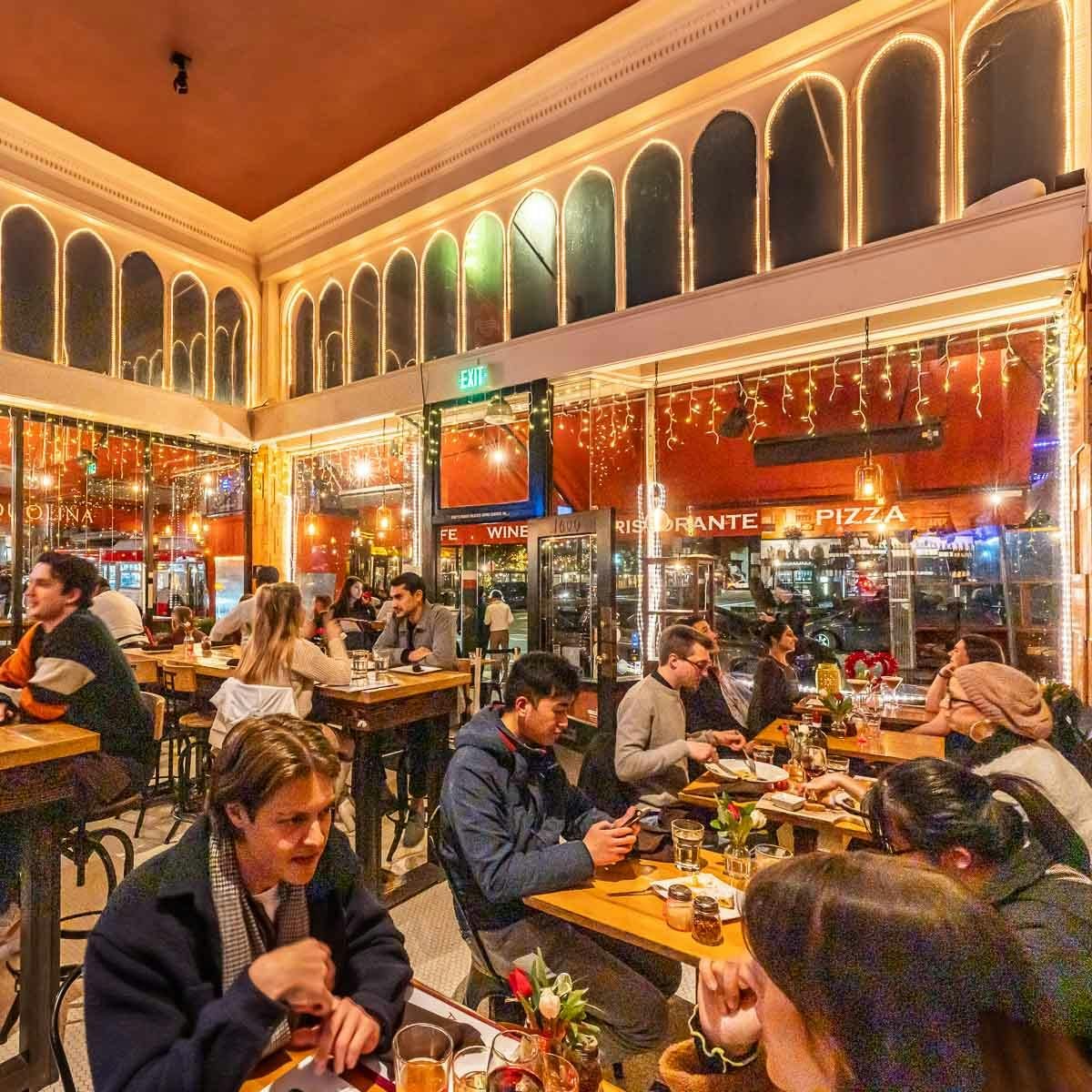
North Beach and the Italian Table: Where Acquolina Sits
San Francisco's North Beach has carried an Italian dining identity for well over a century, built first on immigrant grocery culture and later on the kind of neighbourhood trattorias that treated produce sourcing as a given rather than a marketing angle. The address at 1600 Stockton Street places Acquolina at among the more historically loaded corners of that tradition, a block where the street-level commerce has long run between produce stalls, salumerias, and family restaurants oriented around what arrived fresh that morning. In a city where the farm-to-table conversation has become almost ambient across the entire restaurant industry, North Beach retains a more grounded, less performative relationship with ingredients, one that predates the terminology by decades.
That neighbourhood context matters when assessing any Italian restaurant that opens here. The area imposes a certain standard of expectation, not because of formal critical pressure but because the regulars who have been eating in these blocks for years carry long institutional memory. A kitchen on Stockton Street is not operating in a neutral environment.
San Francisco's Italian Tier and What It Demands
Italian dining in San Francisco occupies an unusually wide price and ambition spectrum. At one end sit the red-sauce neighbourhood places, operating largely unchanged for decades. At the other end sits Quince, Michael Tusk's three-Michelin-starred room on Pacific Avenue, which has spent years placing northern Italian tradition inside a rigorous contemporary fine-dining format, with sourcing credits detailed to individual farms. Acquolina operates as an Authentic Tuscan Italian Trattoria with a casual dress code and a walk-in-friendly policy.
What the address does confirm is that any Italian restaurant on this block of Stockton is operating in proximity to some of San Francisco's most ingredient-aware dining culture. The Ferry Building Marketplace, roughly two miles south, has functioned since 2003 as the city's most visible platform for small-producer relationships, and the chefs who built reputations around it, including those now at Saison and Lazy Bear, shifted the baseline expectation for sourcing transparency across the entire San Francisco dining market. Italian kitchens in the city have not been immune to that pressure.
Ingredient Sourcing as the Defining Question
One important editorial question for any Italian restaurant in Northern California is not whether it sources well, but how specifically it engages with the regional supply chain that runs from the Central Valley farms through the Bay Area produce networks. Northern California gives Italian cooking an unusual advantage: the growing conditions in the Sacramento and San Joaquin valleys produce tomatoes, alliums, stone fruit, and brassicas that compare seriously with their Italian counterparts, and the proximity of the Pacific means fish and shellfish arrive at a freshness level that changes what is possible in the kitchen.
For comparison, Single Thread Farm in Healdsburg has made the farm-to-counter relationship structurally central, operating its own farm as a literal extension of the kitchen program. Blue Hill at Stone Barns in Tarrytown built an entire format around that model. These represent one end of the sourcing-integration spectrum. Most Italian restaurants in San Francisco sit somewhere more conventional, working with established produce distributors and supplementing with direct farm relationships where possible.
The Broader San Francisco Fine Dining Conversation
San Francisco's upper dining tier has contracted and concentrated over the past several years. Restaurants like Atelier Crenn and Benu represent the city's most formally recognized kitchens, both operating at price points and booking lead times that place them in a national comparable set alongside Le Bernardin in New York City, Alinea in Chicago, and The French Laundry in Napa. Italian-focused restaurants occupy a different position in that hierarchy: the cuisine's conventions, its emphasis on restraint, repetition, and quality of base ingredient over technique display, tend to resist the kind of format innovation that drives formal award recognition in the contemporary American system.
That is not a weakness. Restaurants like Providence in Los Angeles and Addison in San Diego have shown that California fine dining can hold serious critical standing without chasing particularly avant-garde formats. A well-executed Italian table in a historically resonant neighbourhood carries its own authority, provided the kitchen honours the sourcing logic that the cuisine demands. Pasta made from stone-milled flour, olive oil sourced from a named California producer, fish from day-boat operations: these specifics are the currency of credibility in this category.
North Beach Location and the Practical Frame
The 1600 Stockton Street address sits at the Columbus Avenue intersection, placing Acquolina within easy walking distance of Washington Square Park and the broader North Beach restaurant cluster that includes some of the city's oldest continuously operating Italian establishments. The neighbourhood is accessible by multiple Muni lines, and parking in the immediate area is limited, as it is throughout most of central San Francisco. For visitors approaching from the Embarcadero or Financial District, the walk north through the neighbourhood is itself a part of the meal's context, passing the retail layer of Italian food culture that gives the evening a geographic coherence.
Comparable Italian programs with fuller available data include Quince, which publishes its sourcing relationships in detail. For Italian seafood comparisons at the highest international level, 8 1/2 Otto e Mezzo Bombana in Hong Kong represents the Italian fine-dining model deployed in a different Pacific context. Regionally, Bacchanalia in Atlanta and Emeril's in New Orleans illustrate how American restaurants have approached classical European frameworks with regional ingredient logic, a parallel worth understanding when evaluating an Italian address in Northern California. The Inn at Little Washington and Atomix in New York City represent the formal tasting-menu end of American fine dining, useful reference points for understanding where ingredient-sourcing narratives sit across the broader national scene.
Reputation First
Comparable venues nearby, for context on price, style, and recognition.
| Venue | Cuisine | Price | Notes |
|---|---|---|---|
| AcquolinaThis venue — the venue you are viewing | Authentic Tuscan Italian Trattoria | $$ | Not listed |
| Cafe Zoetrope | Authentic Italian Trattoria | $$ | Chinatown |
| Piccolo Forno | Authentic Italian Trattoria | $$ | North Beach |
| The Italian Homemade Company | Homemade Italian Pasta | $$ | North Beach |
| Bruno's | Italian Pizza and Grill | $$ | Financial District/South Beach |
| Spiazzo | Authentic Italian Pizza & Pasta | $$ | West of Twin Peaks |
Continue exploring
More in San Francisco
Restaurants in San Francisco
Browse all →
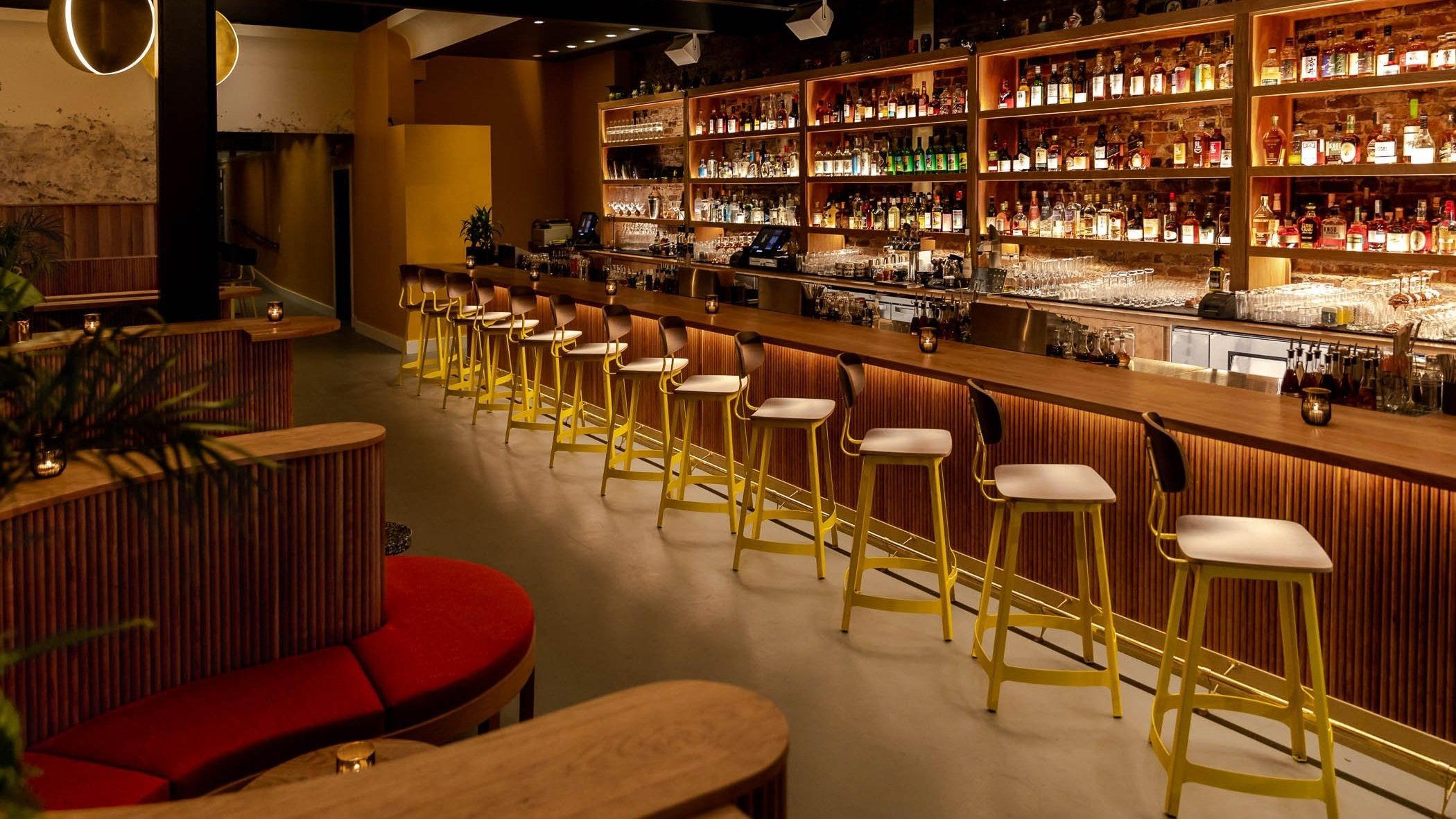
Bars in San Francisco
Browse all →
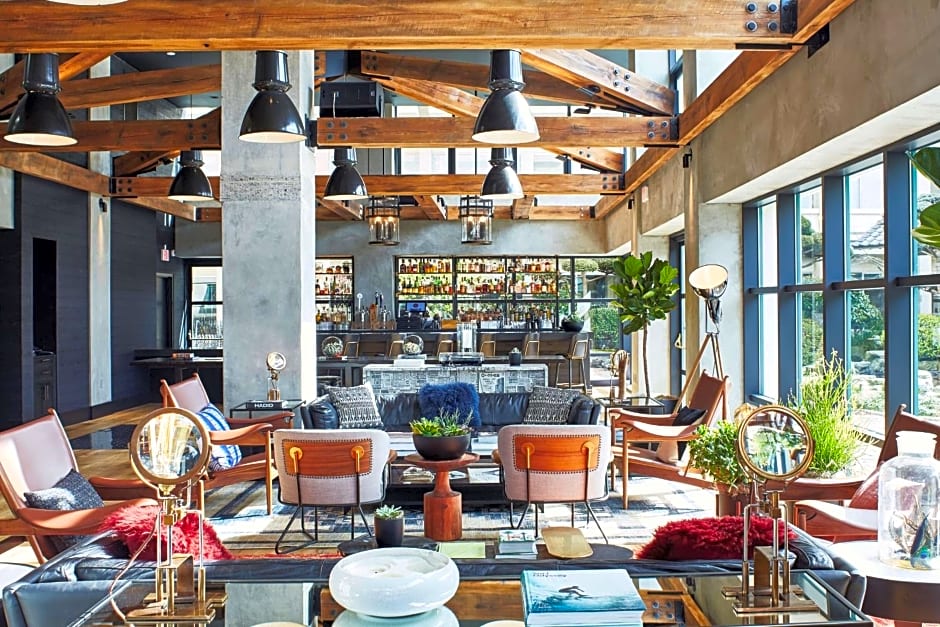
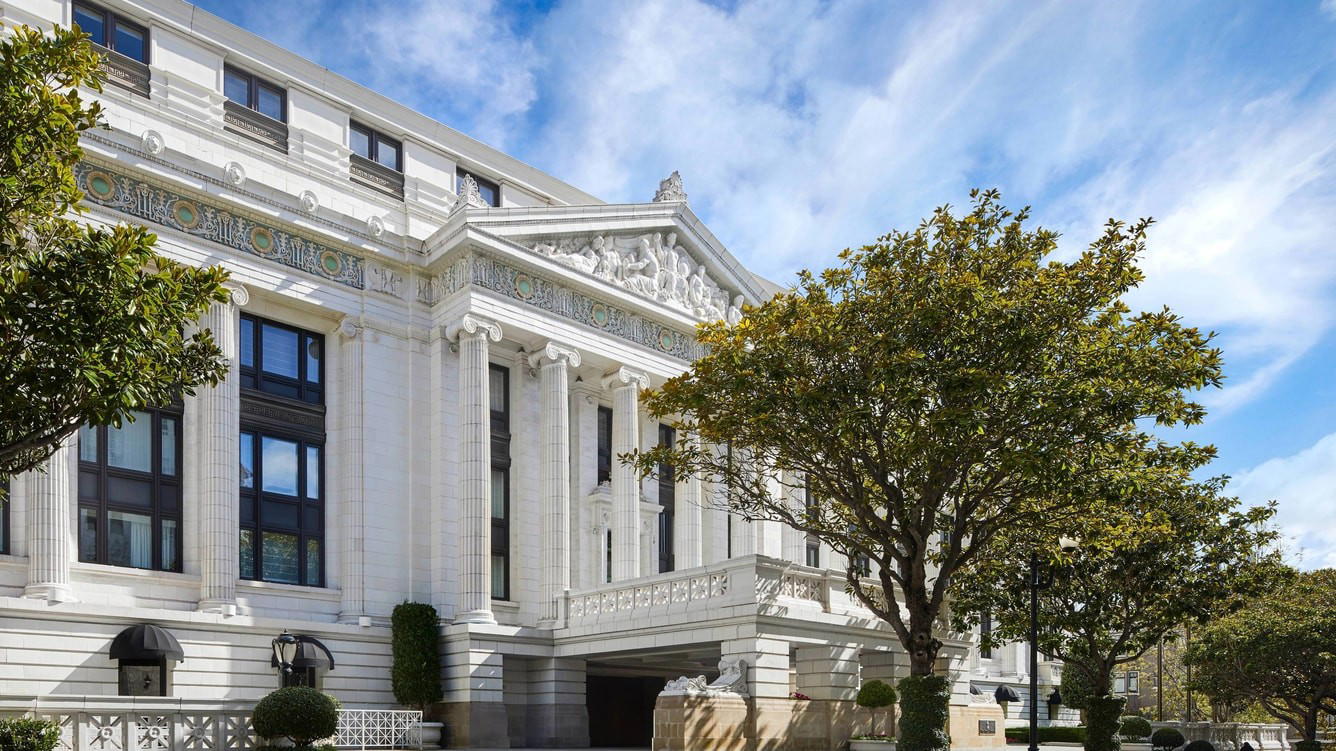
Hotels in San Francisco
Browse all →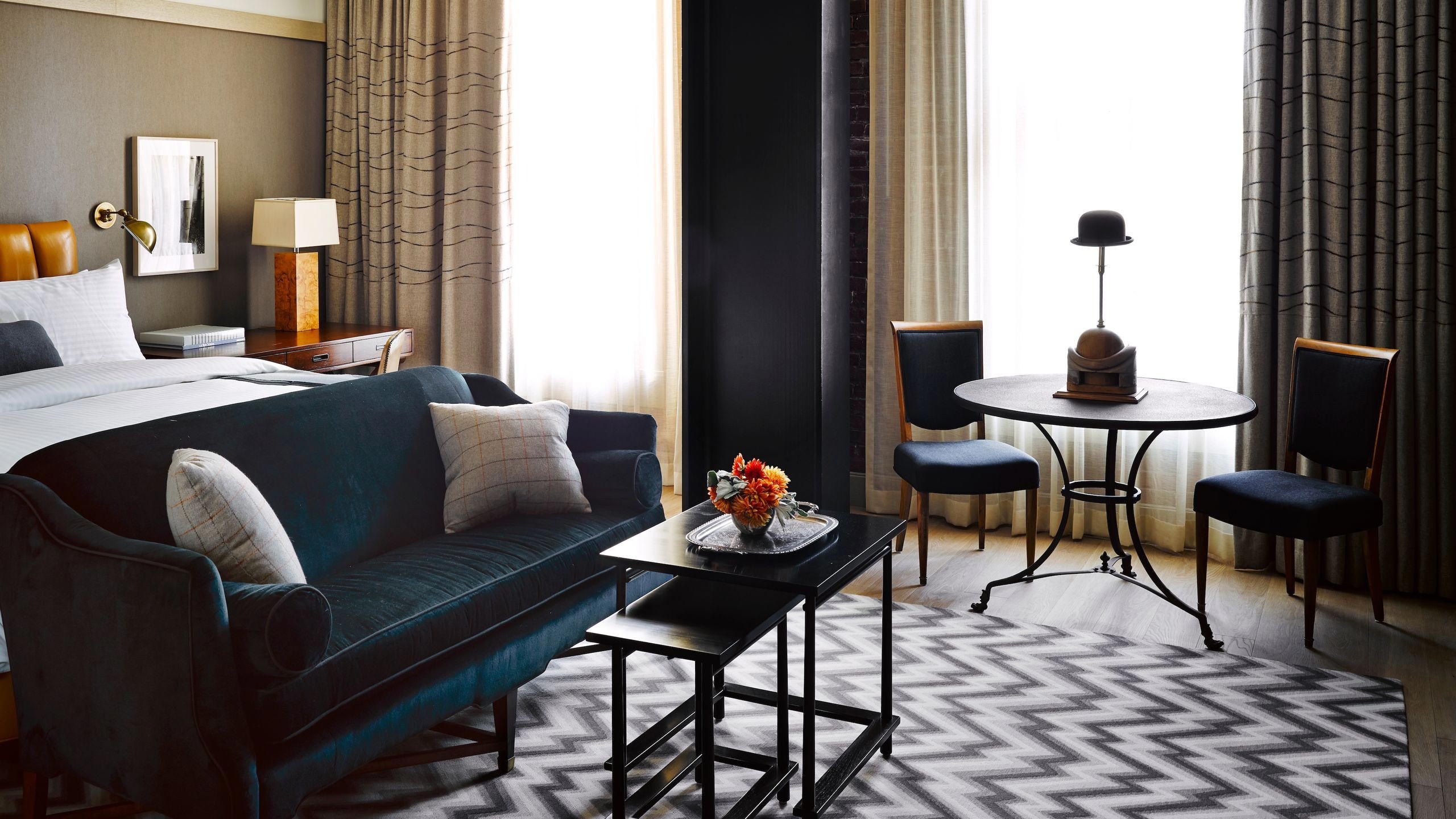
At a Glance
- Lively
- Rustic
- Classic
- Energetic
- Casual Hangout
- Group Dining
- Family
- Date Night
- Standalone
- Open Kitchen
- Extensive Wine List
- Local Sourcing
Current opening hours
- Monday
- 12–10 PM
- Tuesday
- 12–10 PM
- Wednesday
- 12–10 PM
- Thursday
- 12–10 PM
- Friday
- 12–10:30 PM
- Saturday
- 12–10:30 PM
- Sunday
- 12–9:30 PM
Hours can change for holidays and private events. Last verified .