Google: 4.5 · 284 reviews
de:ja

de:ja earned its first Michelin star in 2025, placing Chef Jockl Kaiser's creative kitchen firmly on Strasbourg's fine dining map. Scandi-influenced interiors set the tone for a menu driven by fermentation, plant-forward cooking, and natural wines, with dishes titled in haiku rather than conventional descriptions. Bookings are taken online only, and the €€€€ price point reflects a serious tasting programme.
 Discover on Pearl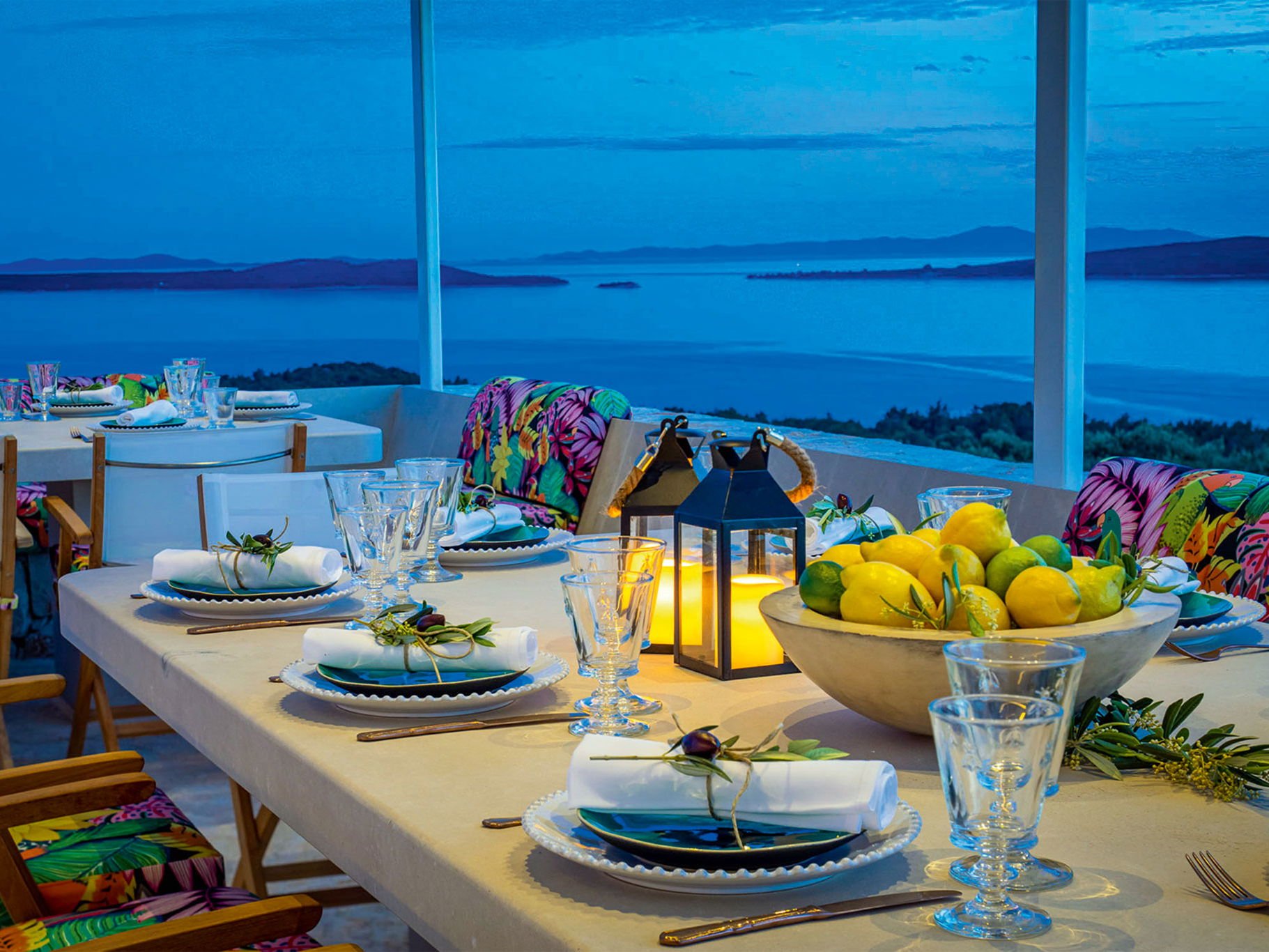
Where Strasbourg's Creative Fine Dining Has Arrived
Strasbourg's fine dining scene has long been anchored by Alsatian classicism: choucroute, foie gras, Riesling reductions, and the regional confidence that comes from sitting at the crossroads of French and German culinary tradition. That tradition runs deep, and restaurants like Au Crocodile and Auberge de l'Ill in Illhaeusern have kept it internationally credible for decades. But a smaller, younger tier has been forming alongside it: creative kitchens that draw from fermentation, plant-forward cooking, and technique traditions further north and east, without anchoring themselves to Alsatian heritage as the primary frame of reference. de:ja, which received its first Michelin star in 2025, belongs to that emerging cohort.
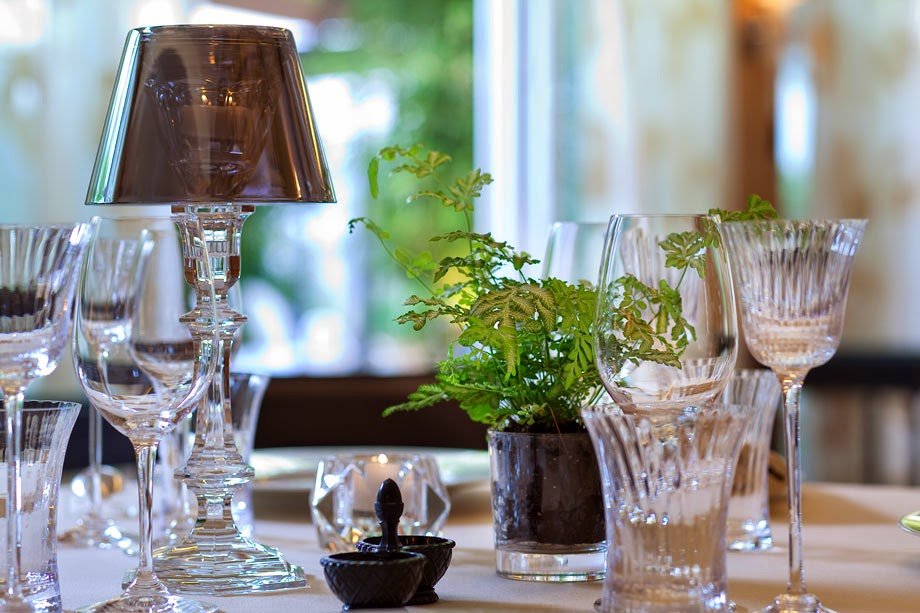
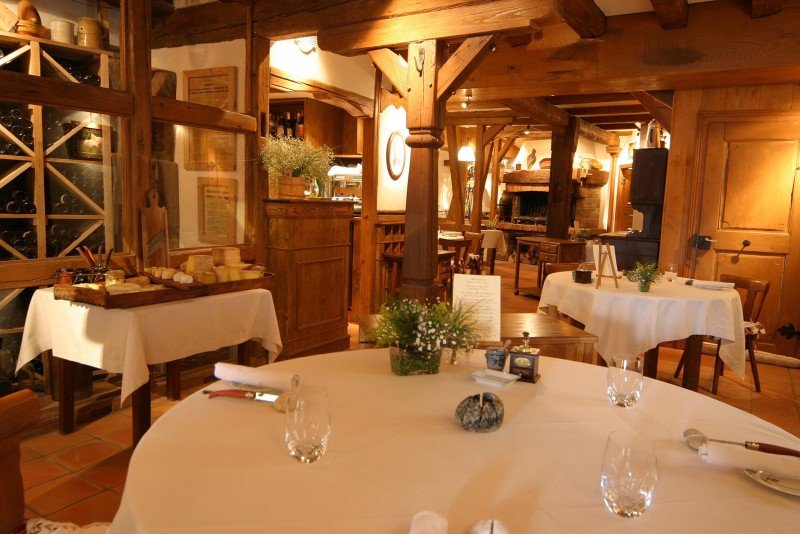
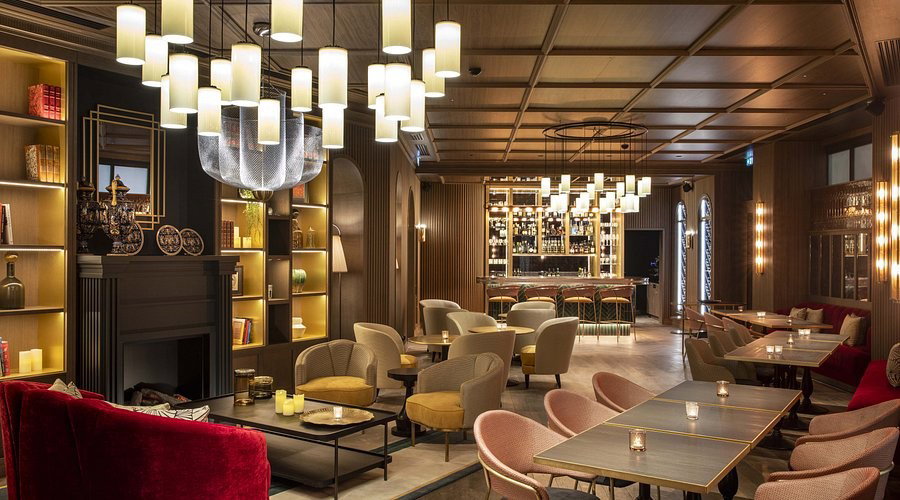
The address on Rue Schimper places de:ja in the quieter residential fabric of Strasbourg rather than the tourist density of the Grande Île, which itself says something about the restaurant's positioning. Diners are coming for the cooking, not the postcard backdrop. The interior reinforces this: Scandi-influenced design, spare and considered, with an atmosphere that reads as focused without being cold. It is the kind of room that signals the kitchen is the point.
A 2025 Michelin Star and What It Actually Means
A first Michelin star, particularly in 2025's inspection cycle, carries specific weight. The Guide's current vocabulary for creative fine dining rewards technical precision, ingredient sourcing with a discernible logic, and a coherent point of view — not novelty for its own sake. de:ja's recognition sits in that context. The kitchen, under Chef Jockl Kaiser, works with precise cooking times, intensely flavoured sauces and reductions, and combinations described by inspectors as bold but coherent. That last qualifier matters: ambition in creative cooking is common; ambition that resolves into dishes that actually work is considerably rarer.
Among Strasbourg's starred addresses, de:ja occupies a distinct position. 1741 and Au Crocodile both hold one star and operate at the same €€€€ price tier, but their culinary identities are rooted in the regional and the classical respectively. de:ja pulls in a different direction, toward extractions, fermentations, and plant-forward plating — a vocabulary closer to what northern European creative kitchens have been developing over the past decade. Think of the broader movement that has produced restaurants like Bras in Laguiole or, at a different scale, the plant-intelligence approach of Arpège in Paris , de:ja's register is in that wider European conversation, even if the specific execution is its own.
The Menu's Vocabulary: Fermentation, Plants, Haiku
The decision to title dishes in haiku rather than conventional menu language is not decorative. It is a structural choice that refuses to front-load expectation. A haiku cannot describe a sauce reduction or a fermentation process; it can only suggest a mood or an image. For a kitchen working with extractions and fermentations , techniques that produce flavours without obvious visual cues , this framing asks the diner to encounter the plate on its own terms. The parallel in French creative fine dining is not especially common, though Mirazur in Menton has used similar conceptual frameworks around biodynamic calendars to shape how menus are read and experienced.
The culinary ethos that Michelin's inspectors identify , creativity, extractions, fermentations, plants to the fore, a concern for animal welfare, a natural wine list , forms a recognisable cluster. These elements tend to travel together in contemporary fine dining because they share a philosophical origin: a prioritisation of what ingredients do under careful treatment over what classical technique imposes upon them. Animal welfare concerns, for instance, are not simply ethical positioning; they tend to correlate with sourcing practices that also produce better flavour. Fermentation and extraction amplify ingredient character rather than obscuring it under butter or cream. The approach is coherent as a system, not just a list of features.
Natural wine list is a logical extension of this framework. Strasbourg and Alsace have a complicated relationship with natural wine , the region's producers span the full spectrum from highly conventional to biodynamic, and there is serious quality on both ends. A list built around natural producers in this context is not a statement against Alsatian wine; it is a curation toward producers whose methods align with the kitchen's sourcing logic. For diners interested in the Alsace producer conversation, our full Strasbourg wineries guide covers the regional context in more depth.
How de:ja Sits in Strasbourg's Broader Scene
At €€€€, de:ja prices at the leading of Strasbourg's restaurant market, alongside 1741 and Au Crocodile, and well above the city's mid-range creative addresses like Les Funambules and Umami. The question for a diner choosing at this price tier is not simply what the food costs but what the money is buying. At de:ja, it is buying a tasting-format creative programme with Michelin-verified technical execution, a natural wine programme, and an aesthetic that is more northern European in its restraint than the richer, more sauce-forward Alsatian tradition. For diners who want the regional canon , the classics of Alsace, the grand winstubs, the choucroute royale , Au Coin des Pucelles provides that at a considerably lower price point. The two options are not competing for the same diner.
Within the wider French creative fine dining conversation, de:ja's peer set extends beyond Strasbourg. The fermentation-and-extraction approach connects it to kitchens like Flocons de Sel in Megève or, at greater ambition, Troisgros in Ouches, where the commitment to ingredient-first cooking has been sustained across multiple decades. Internationally, Cocina Hermanos Torres in Barcelona works in adjacent territory , creative menus with strong produce logic and serious technique. de:ja is at an earlier stage of that trajectory, but the 2025 star is the first external validation that the kitchen has the foundations to build from.
Google reviews sit at 4.6 across 264 ratings , a strong composite at this price tier, where diner expectations are high and the gap between ambition and execution is quickly noticed. The number of reviews also indicates a venue that has been operating with meaningful throughput, not just a small cluster of enthusiasts.
Practical Notes for Planning a Visit
de:ja operates at 1 Rue Schimper in Strasbourg's 67000 postcode, within reachable distance of the city centre on foot or by tram. Bookings are taken online only, with no phone reservations , a policy increasingly common among tasting-format restaurants that need to manage covers precisely. At a Michelin-starred creative restaurant in a city with limited starred supply, booking ahead is the baseline expectation; the online-only format means availability is leading checked directly through the restaurant's booking system rather than third-party platforms. The price range of €€€€ places de:ja at the upper end of the Strasbourg market, appropriate for a tasting programme of this scope. Strasbourg is accessible by TGV from Paris in under two hours and twenty minutes, which makes it a realistic destination for a dedicated dining trip rather than only an extension of a longer Alsace itinerary. For full city planning context, see our Strasbourg restaurants guide, our hotels guide, our bars guide, and our experiences guide. For comparable creative fine dining in France at the higher end of the reputation spectrum, Alléno Paris au Pavillon Ledoyen represents the ceiling of the extractions and transformation approach in the French context.
Where It Fits
A quick snapshot of similar venues for side-by-side context.
| Venue | Cuisine | Awards | Notes |
|---|---|---|---|
| de:ja | Creative | Michelin 1 Star | This venue |
| Au Crocodile | French - Alsatian, Modern Cuisine | Michelin 1 Star | French - Alsatian, Modern Cuisine, €€€€ |
| Colbert | French Brasserie, Modern Cuisine | French Brasserie, Modern Cuisine, €€€ | |
| Ondine | Seafood, Modern Cuisine | Seafood, Modern Cuisine, €€€ | |
| 1741 | Modern Cuisine | Michelin 1 Star | Modern Cuisine, €€€€ |
| Au Pont Corbeau | Alsatian | Alsatian, €€ |
Continue exploring
More in Strasbourg
Restaurants in Strasbourg
Browse all →
Bars in Strasbourg
Browse all →
Hotels in Strasbourg
Browse all →
At a Glance
- Intimate
- Modern
- Minimalist
- Cozy
- Elegant
- Date Night
- Special Occasion
- Open Kitchen
- Natural Wine
- Local Sourcing
Soft, intimate atmosphere with white walls, natural materials, wooden tables, and a calm, épurée decor enhanced by an open kitchen.