Deem Saam - Passion for Dimsum brings the unhurried ritual of Cantonese dim sum to Summarecon Serpong, one of Tangerang's most active commercial districts. The name signals intent: this is not a casual stop but a deliberate engagement with a centuries-old format of shared, sequential small plates. For residents of Greater Jakarta's western suburbs, it fills a specific gap in a dining scene otherwise dominated by steakhouses and Western casual concepts.
Pearl is the En Primeur Club membership app — saves, bookings, and concierge access live there. Same editors, same standards.
- Address
- Ruko North Goldfinch, Summarecon Serpong RNG no 8&9, Cihuni, Pagedangan, Tangerang Regency, Banten 15332, Indonesia
- Phone
- +628982488181
- Website
- deemsaam.com
- Directions
- Get directions
 Saves & bookings on Pearl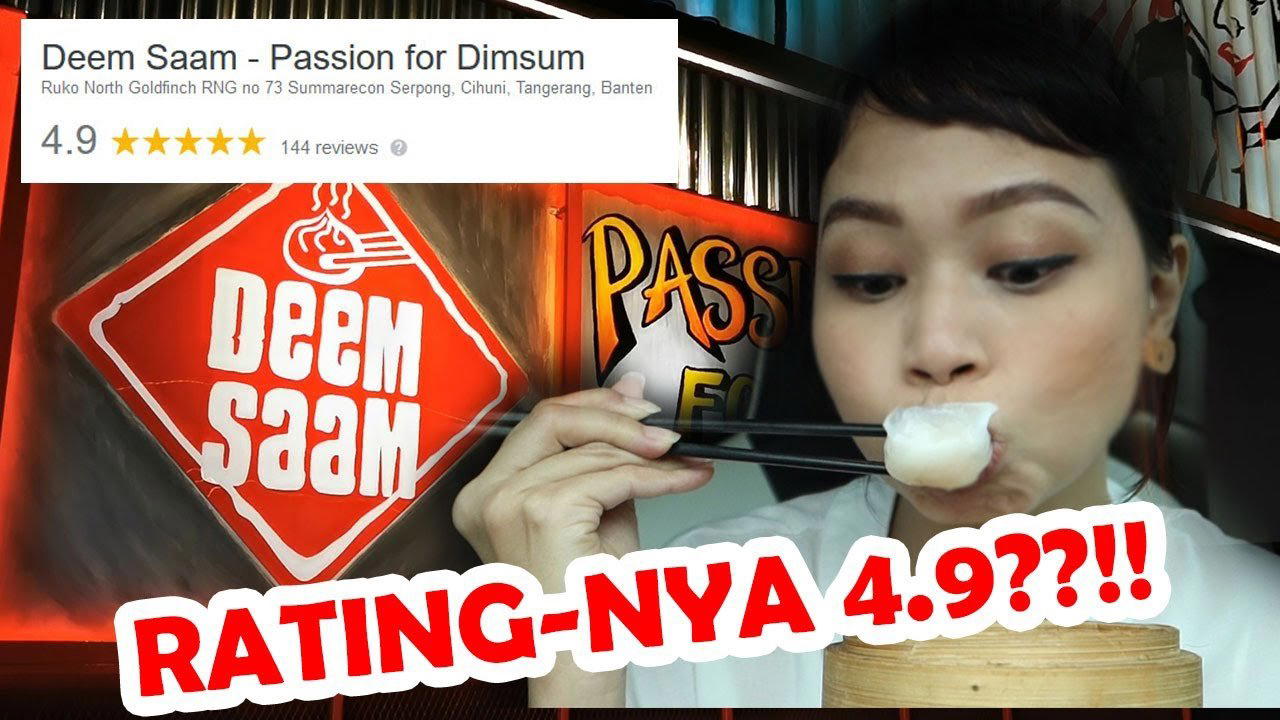
The Ritual Before the Food
There is a specific grammar to a dim sum meal that sets it apart from almost every other Chinese dining format. Dishes arrive not as a single composed plate but in an accumulating sequence of bamboo steamers and small plates, designed to be shared, rotated, and discussed. The pace is social by design. Tea arrives first, poured and repoured throughout the meal as a kind of edible punctuation. At Deem Saam - Passion for Dimsum, located in the Ruko North Goldfinch strip within Summarecon Serpong, that structure is the organising principle rather than an afterthought.
Summarecon Serpong is one of the more commercially developed planned townships in Tangerang Regency, home to a range of dining formats from fast casual to mid-market sit-down. The dim sum category in this corridor sits at an interesting intersection: familiar enough for family weekend dining, but specific enough that execution quality separates one venue from another quickly. Where something like Hwang Fu Dimsum represents another interpretation of this format in the Tangerang market, Deem Saam's name and framing suggest a more deliberate positioning around craft and care in the category.
What Dim Sum as a Format Demands
Yum cha, the Cantonese practice from which modern dim sum culture descends, was originally a teahouse tradition. Small bites accompanied tea; the food was secondary to conversation and community. Over time, the bites became the point, and the format spread across Southeast Asia with significant regional adaptation. In Indonesia's Chinese-Indonesian communities, dim sum has been embedded in weekend dining culture for generations, with har gow, siu mai, and char siu bao functioning as touchstones against which every kitchen is measured.
The technical demands are real. Har gow wrappers must be thin enough to see the prawn through but sturdy enough to hold without splitting. Siu mai skins should have a specific translucency. Turnip cake needs a balance of grated radish density and crisp exterior. These are not dishes that hide inconsistency well. A kitchen that takes the category seriously, as the word "passion" in the venue's name implies, is setting itself up against a precise standard.
This is what makes dim sum venues worth separating from the broader Chinese restaurant category. The format is not a genre of food so much as a genre of dining behaviour. You order by passing around small plates, you share without portioning, and the meal extends as long as new steamers keep arriving. For the Tangerang dining public accustomed to formats like the steakhouse at Butler's Steak or the burger casual of Five Monkeys Burger, dim sum demands a different mode of participation entirely.
Tangerang's Dining Geography
Greater Jakarta's satellite cities have developed distinct dining personalities over the past decade. Tangerang, particularly its Serpong and Gading corridors, has grown a mid-market restaurant cluster that serves the professional and upper-middle residential base of the townships. Italian concepts like Bianco Sapori D'Italia and institutional formats like IKEA Restaurant Alam Sutera share the market with a growing number of Asian cuisine specialists. The Chinese-Indonesian dining segment, which includes the dim sum format, draws from a population base with deep historical ties to Cantonese food culture.
Dim sum specifically tends to skew toward weekend morning and midday dining, a pattern that mirrors its Hong Kong and Guangdong origins where yum cha was a Sunday family occasion. For a venue in a residential township like Summarecon Serpong, this timing works in its favour: the captive residential population is most available precisely when dim sum is most appropriate. Compare this to the lunch and dinner competition where every format competes simultaneously, and the morning-to-noon window represents a relative opportunity.
For a broader orientation to the Tangerang dining scene across all formats and price points, the full Tangerang restaurants guide provides a mapped overview. Within Indonesia more broadly, the editorial depth goes further: August in Jakarta represents the fine dining register of the capital, while Bali holds several of the country's most internationally discussed restaurants, including Locavore NXT in Ubud, Sarong Bali in Canggu, Moksa in Bali, Rumari in Jimbaran, Cuca Restaurant in Badung, and Jungle Fish Bali in Gianyar. For traditional Indonesian cooking in a different register, Kahyangan in Gondangdia and CARANO Masakan Padang in Bekasi anchor the archipelago's own culinary traditions. The health-conscious casual end has its own reference points in Cafe Organic Canggu. At the global end of the spectrum, Le Bernardin in New York City and Lazy Bear in San Francisco illustrate what the ritualistic tasting format looks like at its most codified.
Planning Your Visit
Deem Saam - Passion for Dimsum is located at Ruko North Goldfinch, Summarecon Serpong RNG no 8 and 9, in Cihuni, Pagedangan, Tangerang Regency. The Summarecon Serpong complex is accessible by private vehicle from central Tangerang or from BSD City nearby; the township has its own internal road network and parking is available within the commercial cluster. As with most dim sum formats, the practical advice is to arrive during the morning or midday window rather than pushing toward the dinner hour, when the kitchen's rhythm and the social format both align leading with the tradition the venue is built around.
Deem Saam - Passion for Dimsum is walk-in friendly, with casual dress and a price tier of 2, averaging about US$10 per person. The venue is walk-in friendly, and weekend mornings can fill quickly with family groups.
Style and Standing
Comparable venues nearby, for context on price, style, and recognition.
| Venue | Cuisine | Price | Notes |
|---|---|---|---|
| Deem Saam - Passion for DimsumThis venue — the venue you are viewing | Passion for Dimsum | $$ | Not listed |
| Hwang Fu Dimsum | Chinese Dim Sum | $$ | BSD City |
| Imperial Kitchen & Dimsum | Chinese Dim Sum | $$ | Tangerang |
| Shaburi & Kintan Buffet Supermal Karawaci | Japanese Shabu-Shabu & Korean BBQ Buffet | $$ | Karawaci |
| Pepper Lunch | Japanese DIY Teppanyaki Steakhouse | $$ | BSD City |
| Marugame Udon | Japanese Udon Noodles | $$ | Gading Serpong |
Continue exploring
More in Tangerang
Restaurants in Tangerang
Browse all →
Bars in Tangerang
Browse all →
At a Glance
- Casual Hangout
- Family
Casual dining spot with nothing special about the place but delicious food.