Imperial Kitchen & Dimsum sits inside Terminal 2 of Soekarno-Hatta International Airport, making it one of the few dedicated dim sum destinations in the Tangerang airport corridor. The format draws on Cantonese dim sum tradition, positioning it as a practical but culturally grounded option for travellers transiting through one of Southeast Asia's busiest hubs.
Pearl is the En Primeur Club membership app — saves, bookings, and concierge access live there. Same editors, same standards.
- Address
- Terminal 2 (Soekarno Hatta International Airport), Tangerang, Banten 15126
 Saves & bookings on Pearl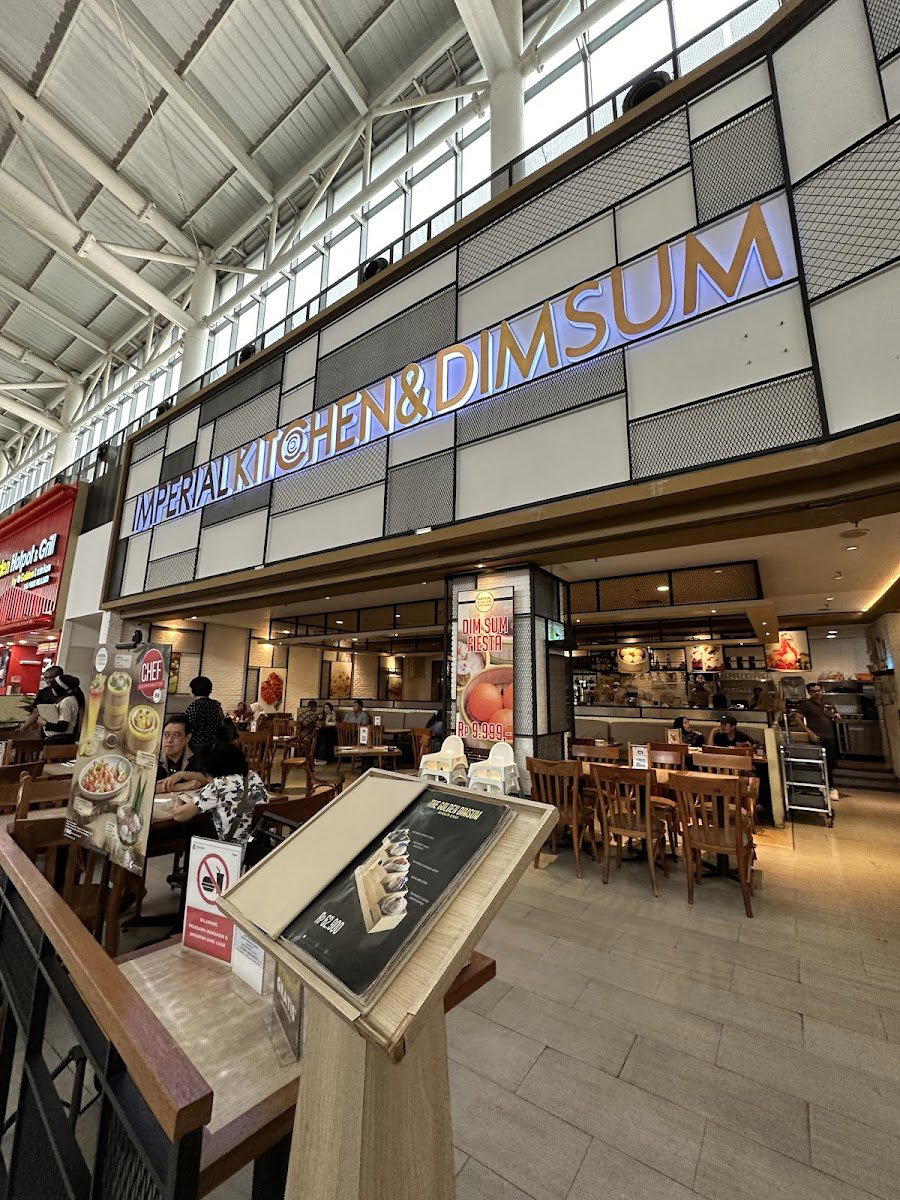
Dim Sum at 30,000 Feet of Transit: The Cultural Argument for Airport Cantonese
There is a particular discipline required to take dim sum seriously in an airport. The format, which originated in the teahouses of Guangdong province and spread across Southeast Asia through waves of Chinese migration, depends on a rhythm that is almost the opposite of transit dining: unhurried, communal, ordered in rounds, consumed with tea that is replenished without being asked. Airports, by design, work against all of that. Imperial Kitchen & Dimsum, positioned inside Terminal 2 of Soekarno-Hatta International Airport in Tangerang, attempts to hold that tradition inside a space defined by departure boards and rolling luggage.
That tension defines the dining proposition here. Soekarno-Hatta handles well over 60 million passengers annually, and its food and beverage offer has expanded accordingly, covering everything from local Indonesian staples to fast-casual international formats. Within that mix, a dedicated dim sum kitchen occupies a specific cultural niche, one that speaks directly to the significant Chinese-Indonesian population that moves through this terminal, as well as to regional travellers from Singapore, Malaysia, and Hong Kong for whom Cantonese dim sum is a reference cuisine rather than an exotic one.
The Cantonese Tradition Behind the Format
Dim sum's full name in Cantonese, yum cha, translates loosely as "drinking tea," which signals that the food was always secondary to the social ritual. The dishes, small plates of dumplings, buns, rolls, and steamed preparations, evolved as accompaniments to extended tea sessions in Guangdong teahouses. When Cantonese migrants moved through Southeast Asia in the nineteenth and twentieth centuries, they carried the format with them, adapting it to local ingredients and preferences while preserving the core structure: multiple small dishes shared across a table, consumed slowly over tea.
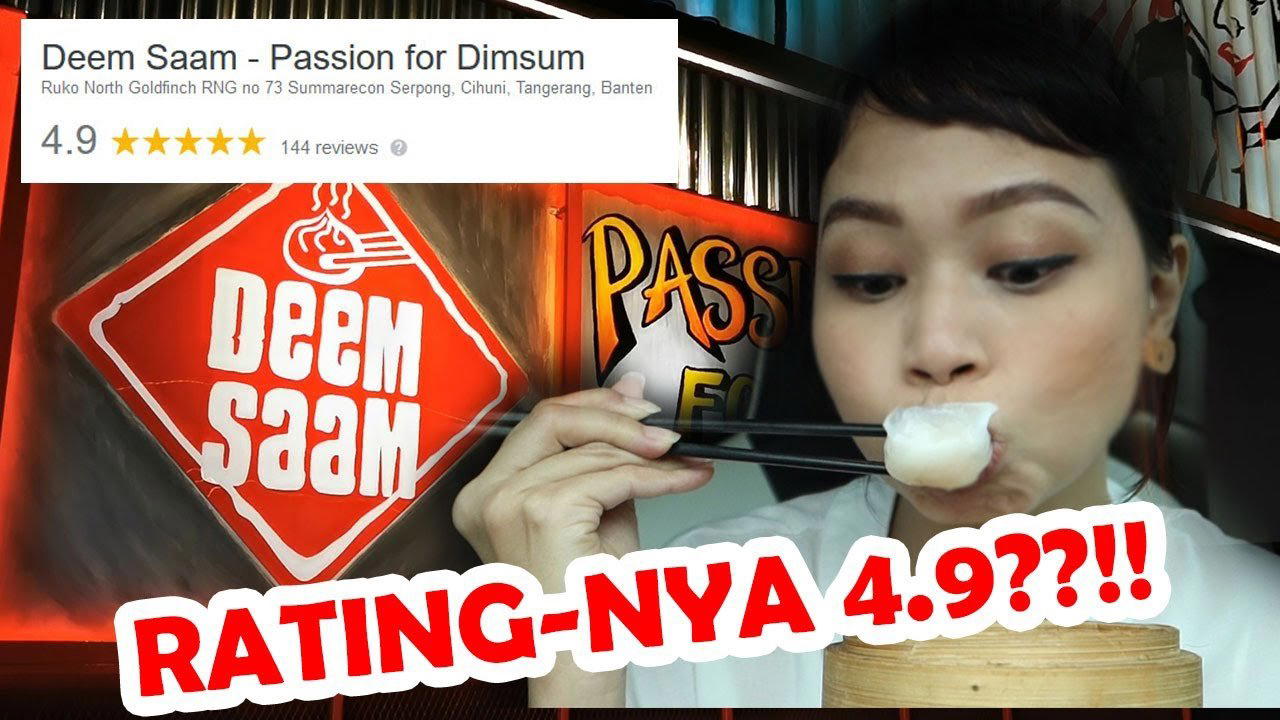
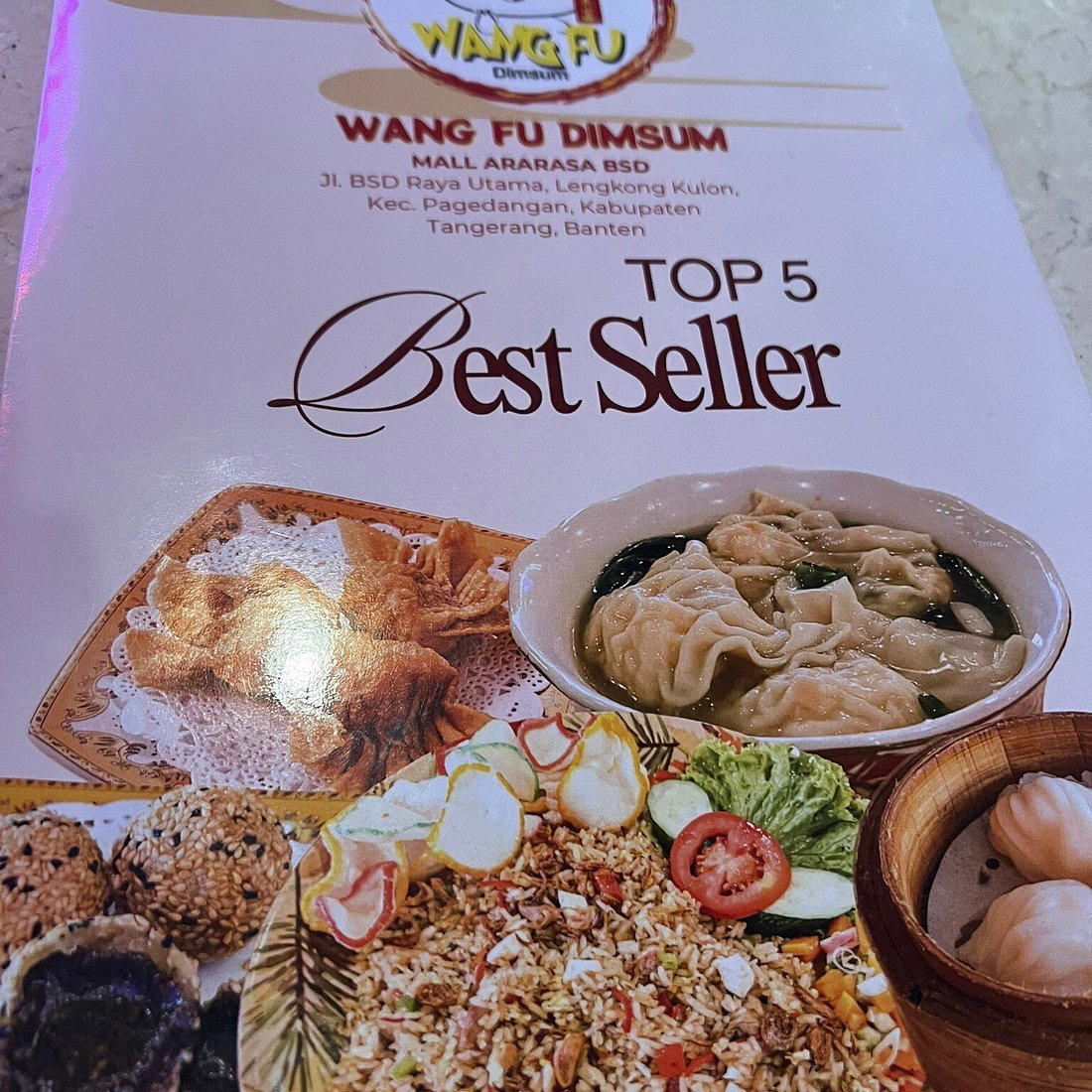
In Indonesian cities, that tradition has found particularly strong roots in the Chinese-Indonesian community. Jakarta's Chinatown in Glodok and the broader Greater Jakarta area have sustained Cantonese dim sum culture for generations, producing a local dining vocabulary that includes both traditional Cantonese preparations and hybrid forms that incorporate Indonesian flavours. Tangerang, directly adjacent to Jakarta and home to a substantial Chinese-Indonesian population, sits inside that cultural geography. A dim sum restaurant operating here is not importing an exotic format; it is serving a cuisine with deep local meaning. Comparable dedicated dim sum operations in the Tangerang area include Hwang Fu Dimsum and Deem Saam - Passion for Dimsum, both of which operate outside the airport and draw a predominantly local clientele.
The Airport Context and What It Changes
Operating inside Terminal 2 of Soekarno-Hatta reshapes the dim sum format in ways that are worth being clear-eyed about. The communal, open-ended nature of traditional yum cha is compressed by check-in times and boarding calls. The tea ritual that anchors the experience in a traditional setting becomes a background note rather than the main event. What remains is the food itself, and the question for any airport dim sum kitchen is whether the product holds up when the surrounding ritual is stripped away.
Terminal 2 at Soekarno-Hatta serves a mix of domestic and international routes, and dining options within the terminal have historically been uneven in quality relative to the volume of passengers. A kitchen committed to Cantonese dim sum, with its specific technical requirements around steaming temperatures, dumpling skin thickness, and filling ratios, represents a more focused culinary operation than the generic airport food court model. Whether that focus translates consistently into the product is something each visitor will assess individually, but the intent to operate a category-specific kitchen rather than a broad-spectrum diner is itself a meaningful signal.
Imperial Kitchen & Dimsum operates in a different segment, airport transit rather than destination dining, but the broader pattern of Chinese cuisine holding serious ground in the Indonesian restaurant market applies equally.
Where It Sits Among Tangerang's Dining Options
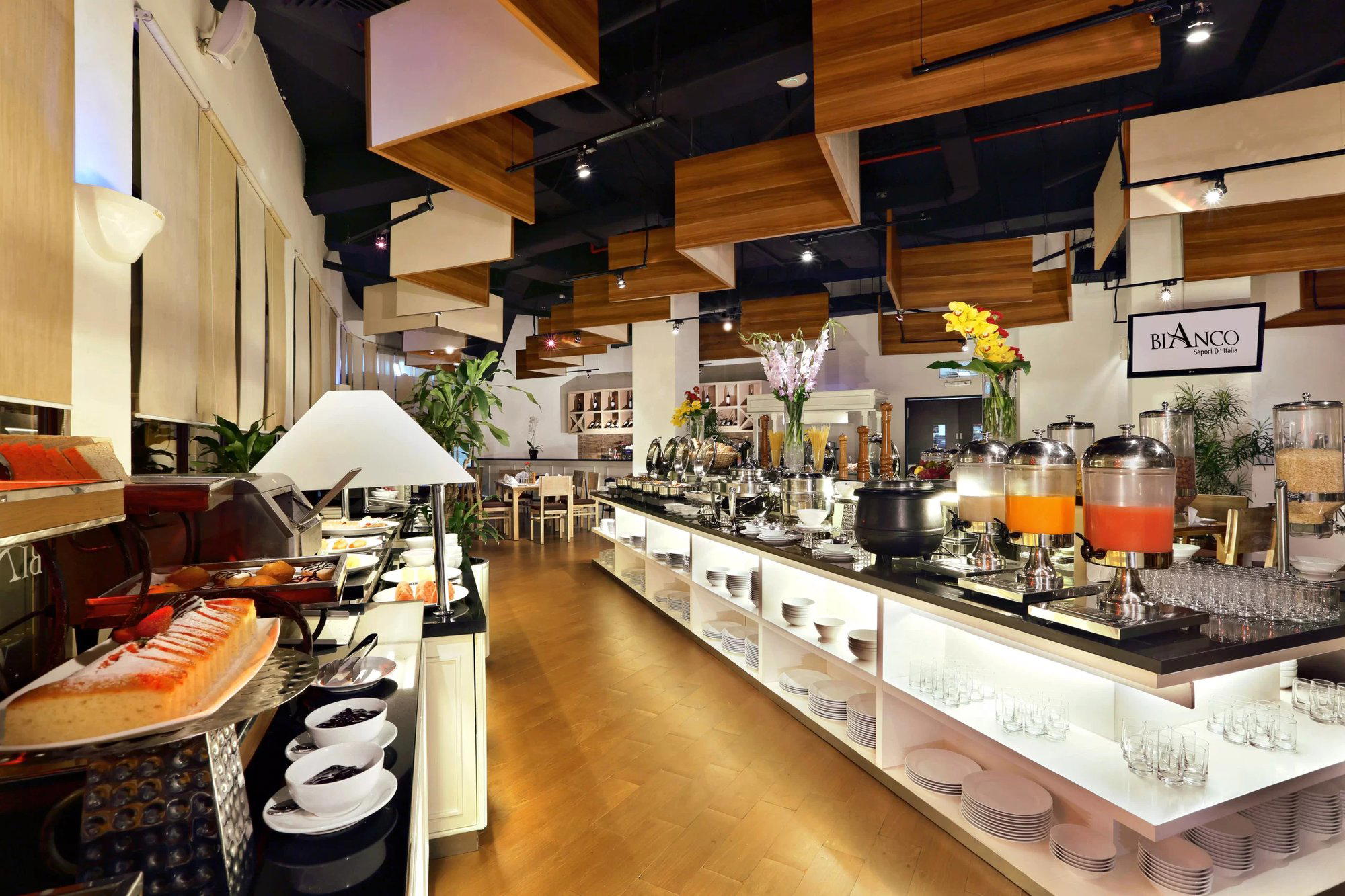
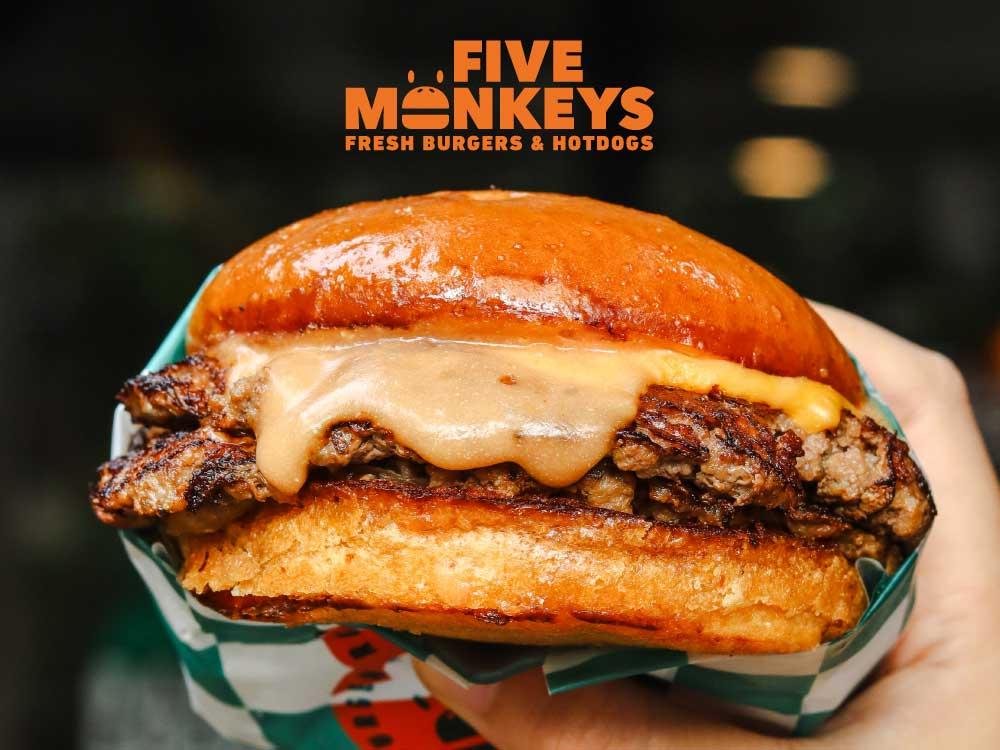
Tangerang's dining scene has diversified considerably in recent years. The city's commercial corridors and mall developments have attracted a mix of Western concepts, Indonesian regional cooking, and Asian dining formats spanning Japanese, Korean, and Chinese traditions. Among the specific options tracked, Bianco Sapori D'Italia and Butler's Steak illustrate the Western end of the market, while Five Monkeys Burger at Bez Walk Gading Serpong sits in the casual fast-casual tier. Imperial Kitchen & Dimsum occupies a distinct position within this mix, combining a culturally specific format with an airport location that separates it from the city's street-level dining competition entirely.
Across Indonesia more broadly, the range of dining ambition is significant. At the high end of Indonesian restaurant culture, venues like August in Jakarta and Locavore NXT in Ubud represent the country's most internationally recognised fine dining. In Bali, Bikini Restaurant Bali in Badung and Jungle Fish Bali in Gianyar serve a different kind of traveller. Kita Restaurant and Bar in Kecamatan Menteng adds to the Jakarta picture. None of these operate in airport transit, which is precisely the niche that Imperial Kitchen & Dimsum occupies.
Planning a Visit
Imperial Kitchen & Dimsum is located in Terminal 2 of Soekarno-Hatta International Airport, accessible to departing passengers who have cleared security and to arriving passengers before they exit the terminal zone. For travellers with a layover or an early check-in window, it provides a seated dim sum option without requiring a trip into the city. Given that Soekarno-Hatta is one of Southeast Asia's highest-traffic airports, particularly on routes connecting Jakarta to Singapore, Kuala Lumpur, and Hong Kong, the potential audience for a Cantonese kitchen here is substantial. Walk-in access is the standard approach during a transit window.
Cost Snapshot
Comparable venues nearby, for context on price, style, and recognition.
| Venue | Cuisine | Price | Notes |
|---|---|---|---|
| Imperial Kitchen & DimsumThis venue — the venue you are viewing | Tangerang, Chinese Dim Sum | $$ | Not listed |
| Deem Saam - Passion for Dimsum | Gading Serpong, Passion for Dimsum | $$ | Not listed |
| Hwang Fu Dimsum | BSD City, Chinese Dim Sum | $$ | Not listed |
| Five Monkeys Burger - Bez Walk Gading Serpong | Gading Serpong, Smash Burgers & BBQ | $$ | Not listed |
| Bianco Sapori D'Italia | Not listed | $$$ | Gading Serpong, Authentic Italian with Asian Fusion |
| Shaburi & Kintan Buffet Supermal Karawaci | Not listed | $$ | Karawaci, Japanese Shabu-Shabu & Korean BBQ Buffet |
Continue exploring
More in Tangerang
At a Glance
- Casual
- Lively
- Group Dining
- Family
- Casual Hangout
- Standalone
Simple, casual ambiance with a focus on food quality over decor; popular weekend destination with occasional wait times