Dear Phangan

Michelin Bib Gourmand
Our verdict
In a garden of papaya, banana, tamarind and fresh herbs on Ko Pha-ngan, Dear Phangan serves a daily-changing blind menu built entirely around what the chef sourced that morning from the local market and pier. Portions are prepared in exact numbers, so a reservation is not optional. The cooking, fermented catfish, squid stir-fried with its own ink, signals serious ingredient-led intent on an island better known for its beach parties.

Pearl is the En Primeur Club membership app, where members save venues, book tables and use the concierge.
The menu
What to order
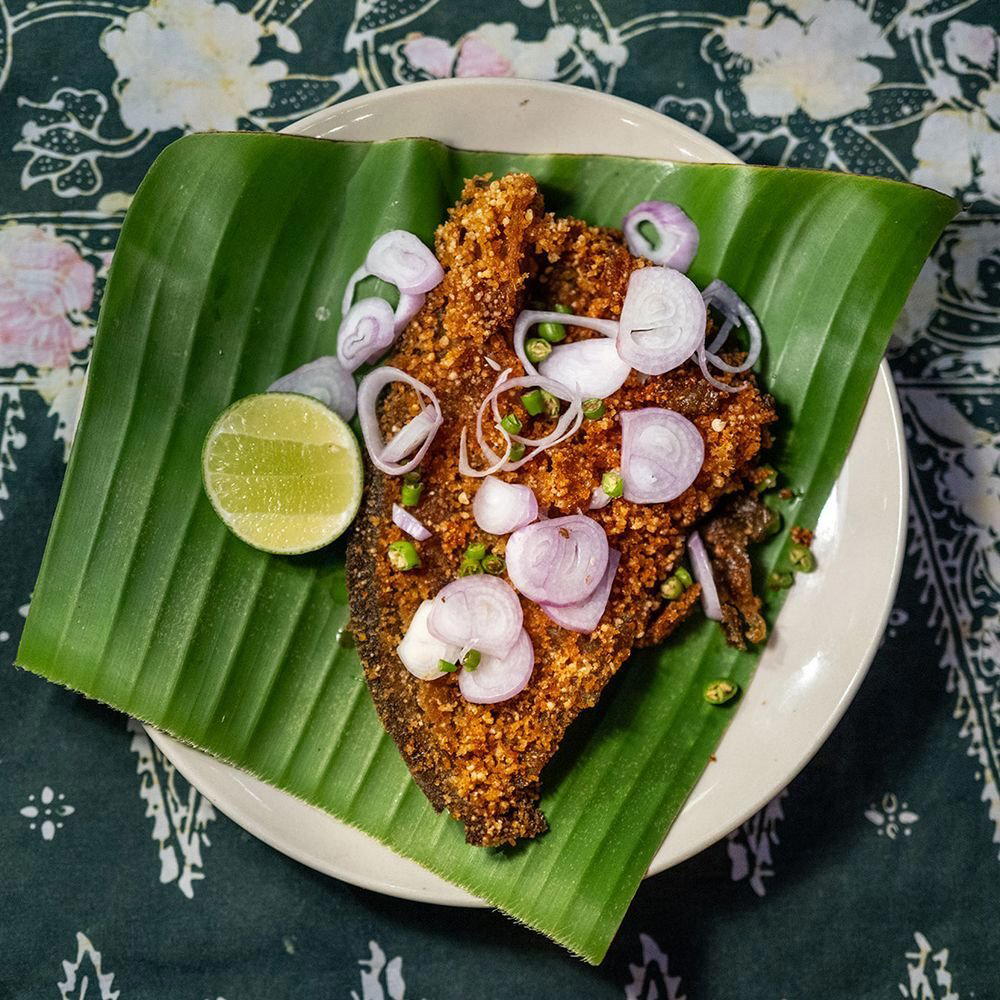
- Deep-fried fermented catfish
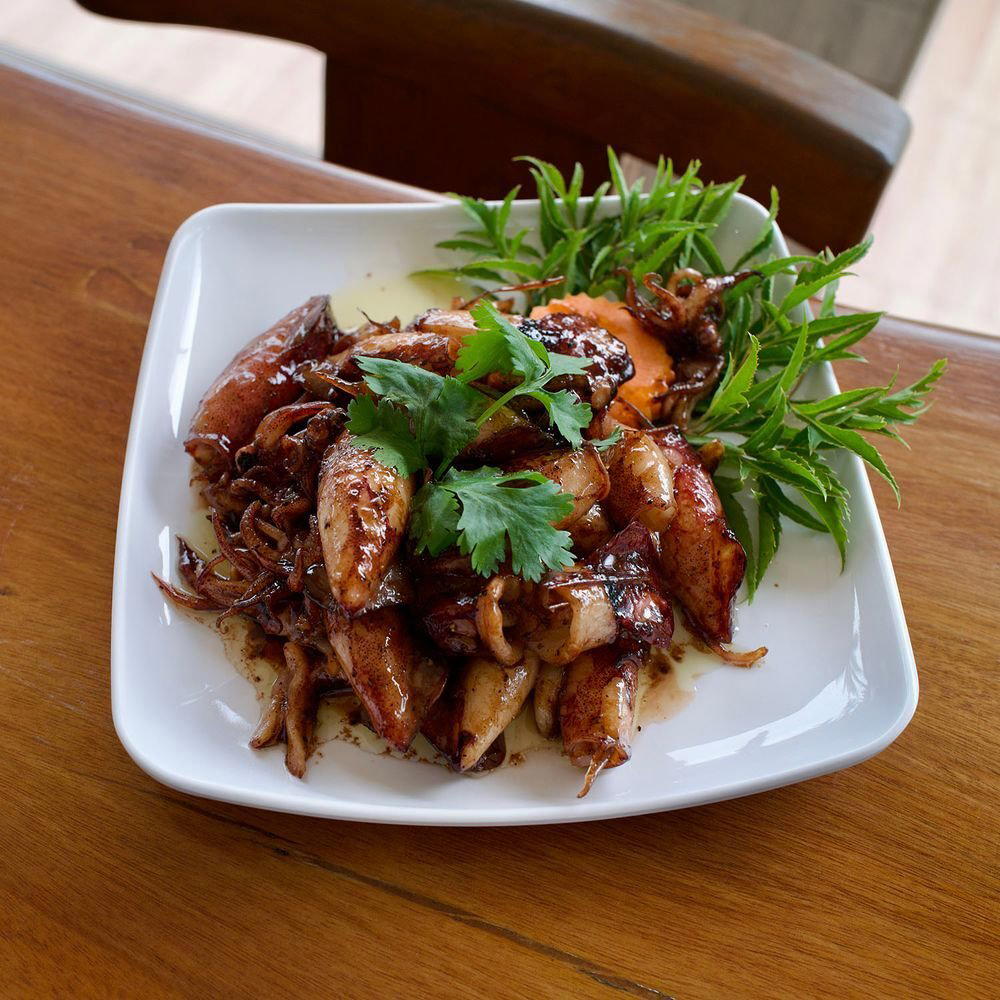
- Squid stir-fried with ink and shrimp paste
Where the Sourcing Is the Menu
Ko Pha-ngan's reputation is built on sand, sound systems, and the full moon. What it is less known for is the kind of cooking where the menu doesn't exist until the chef returns from the morning market. Dear Phangan occupies that rarer register: an open-air table in a small working garden, where papaya, banana, tamarind and seasonal edible flowers grow within arm's reach of the kitchen, and where the daily menu is a direct transcript of what arrived fresh from the local pier and produce stalls that morning.
This is not a style choice in the branding sense. It is a structural commitment that defines every operational decision the restaurant makes, from how many portions get prepared each day to whether you can even walk in without a booking. The format places Dear Phangan in a niche that is more familiar at the top of Bangkok's ingredient-obsessed dining scene than on a Gulf of Thailand island. For Thailand-wide context, the approach shares philosophical territory with what PRU in Phuket has built around farm-to-table discipline, and what hyper-sourced southern cooking means at Sorn in Bangkok, though Dear Phangan operates at a fraction of the formality and price.
The Garden as Kitchen Infrastructure
Across Thailand's more ingredient-focused restaurants, the sourcing story tends to involve supply chains, named farms, and supplier relationships that require significant capital and logistics. Dear Phangan operates differently. The garden surrounding the dining space is not decorative. Papaya, banana, tamarind and fresh herbs grow on-site, and seasonal fruits and edible flowers from that same plot appear directly on the plate. The gap between cultivation and cooking here is measured in metres rather than kilometres.
That proximity changes what is possible on the plate. Edible flowers used the same day they are picked behave differently from those that have travelled in cold storage. Herbs cut to order carry aromatic compounds that dissipate quickly after harvest. The garden-to-table distance at Dear Phangan is short enough that these are not talking points but cooking realities. This is the kind of sourcing infrastructure that high-end properties like AKKEE in Pak Kret and Aeeen in Chiang Mai have built institutional programs around. Here it functions quietly, without fanfare.
The Pier and the Market: Daily Procurement as Culinary Logic
The Gulf of Thailand coastline around Ko Pha-ngan supports active small-boat fishing, and the local pier sees daily landings that change with season, weather, and catch. At Dear Phangan, those landings directly determine what appears on the blind menu. This is a different relationship with seafood procurement than the standing-order model used by most restaurants, where consistency is the goal and the menu holds regardless of what the sea provides on a given day.
The results are evident in what has been documented from the kitchen. Squid stir-fried with its own ink and shrimp paste is a dish that telegraphs freshness immediately: squid ink loses its intensity and sweetness within hours of harvest, and shrimp paste's savoury edge is a foil that only works when the cephalopod is genuinely just-caught. Deep-fried fermented catfish, described as crisp yet juicy, is a preparation that requires precise fermentation timing and frying execution, the kind of dish that rewards a kitchen working with known quantities of known-quality product rather than variable supply.
For readers who have tracked Thailand's hyper-seasonal seafood cooking further afield, the approach here connects to what chefs at Anuwat in Phang Nga have pursued with Andaman-caught product, and the market-driven logic found at Baan Suan Lung Khai on Ko Samui. The Gulf and the Andaman offer different fish, but the discipline of cooking to what is actually available rather than to a fixed menu is the same instinct.
Atmosphere and What to Expect
The physical setting at Dear Phangan is open-air, surrounded by the working garden. On Ko Pha-ngan, where the dominant hospitality model skews toward beach clubs, bars with internationally recognisable formats, and resorts engineered for volume, this is an outlier environment. There is no designed drama here, no ambient soundtrack curated for Instagram. What there is: a sense of being in a domestic growing space that also happens to serve food of serious intent.
The blind menu format means that guests arrive without knowing what they will eat. That is the deal. Some readers will find this liberating; others will find it requires a level of dietary flexibility that should be confirmed before booking. The format is common in high-end tasting-menu contexts globally, where it operates as a statement of chef authority. At Dear Phangan, it functions more practically: the menu cannot be written until the sourcing is done, so no menu can be promised in advance.
Open-air structure connects Dear Phangan to a broader tradition of serious Thai cooking happening in informal physical contexts. Thailand's most interesting food has rarely required formal dining rooms. What it has always required is sourcing discipline and technical confidence, and both are evident in what has been documented from this kitchen.
Planning Your Visit
Booking is not a formality at Dear Phangan, it is a prerequisite. The kitchen prepares only the exact number of portions each day, which means that unlike most restaurants, there is no buffer of extra mise-en-place, no capacity to absorb walk-ins. Once the day's portions are spoken for, the kitchen is set. Book ahead, and be clear about any dietary restrictions when you do, since the blind format leaves no room for last-minute substitutions once sourcing decisions have been made.
Ko Pha-ngan is accessible by ferry from Surat Thani and from Ko Samui, with multiple daily crossings. The island has a well-developed tourist infrastructure despite its party-destination reputation, and getting around is direct by scooter or songthaew. For those building a wider dining itinerary across the Gulf coast and southern Thailand, see our full Ko Pha-ngan restaurants guide, alongside resources for hotels, bars, wineries, and experiences on the island.
For readers travelling broader circuits of ingredient-led Thai cooking, the comparison set worth tracking includes Angeum in Ayutthaya, Baan Heng in Khon Kaen, and Baan Chik in Udon Thani, kitchens across different regions that share the same commitment to working with what is locally and seasonally available rather than what is conveniently consistent. At the formal end of the spectrum, the contrast with prix-fixe tasting formats at places like Le Bernardin in New York or Atomix illustrates how differently the same sourcing obsession can be expressed across formats and price points. Dear Phangan sits at the informal end of that spectrum, and is no less serious for it.
Frequently asked questions
Is Dear Phangan a family-friendly restaurant?
The format suits adults and older children who are comfortable eating whatever the kitchen prepares on a given day. The blind menu means there is no children's menu and no ability to pre-select dishes, so families with young children or restricted eaters may find the fixed-portion, no-choice structure difficult to work around. The open-air garden setting is relaxed rather than formal.
What should I expect atmosphere-wise at Dear Phangan?
Dear Phangan is open-air and surrounded by a working garden of fruit trees and herbs that supply the kitchen directly. The setting is calm and domestic in character, a deliberate contrast to the full-moon party infrastructure that defines much of Ko Pha-ngan's hospitality. Expect a quiet, focused meal rather than a high-energy dining room.
Is Dear Phangan Michelin-listed?
Dear Phangan has received recognition including: Surrounded by a small garden of papaya, banana, tamarind and fresh herbs, this tranquil open-air eatery feels a world away from full-moon clichés. Booking is essential, as the chef prepares only the exact number of portions each day. The bl….
What should I eat at Dear Phangan?
There is no menu to order from, the kitchen decides based on daily market and pier finds, alongside seasonal fruits and edible flowers from the garden. Dishes that have been documented include crisp deep-fried fermented catfish and squid stir-fried with ink and shrimp paste, both reflecting the quality of same-day catches from the Gulf of Thailand. Arriving with dietary restrictions or firm preferences will limit what the format can offer.
Where exactly is Dear Phangan?
Dear Phangan is located at 13, 9, Ko Pha-ngan, Ko Pha-ngan District, Surat Thani 84280, Thailand, Ko Pha-ngan.
Do I need a reservation for Dear Phangan?
Yes, and the reason is structural: the kitchen prepares only the exact number of portions each day and no more. Once those are committed, the kitchen is closed to walk-ins regardless of the hour. Contact the restaurant in advance to secure your place before making the trip.
What is Dear Phangan known for?
Dear Phangan is known for a daily blind menu that changes according to what arrives from the local pier and what is growing in the on-site garden of papaya, banana, tamarind, and fresh herbs. The kitchen prepares only the exact number of portions each day, making it one of the few restaurants on Ko Pha-ngan where the menu is genuinely dictated by that morning's sourcing rather than a fixed card. Documented dishes include deep-fried fermented catfish and squid stir-fried with ink and shrimp paste.
How It Stacks Up
Comparable venues nearby, for context on price, style, and recognition.
| Venue | Cuisine | Price | Awards | Notes |
|---|---|---|---|---|
| Dear PhanganThis venue (the venue you are viewing) | Thai Seafood | Not listed | Michelin Bib Gourmand | Not listed |
| Baan Suan Lung Khai | Southern Thai Seafood | $20–30 | Michelin Bib Gourmand | Taling Ngam |
| Khao Horm | Southern Thai | $10–20 | Michelin Plate | Bo Phut |
| Khrua Nong | Authentic Thai | $10–20 | Michelin Plate | Takua Pa |
| Khao Phra Ram Long Song Lao Ohw | Southern Thai | $1–10 | Michelin Bib Gourmand | Phunphin |
| Koh Thai Kitchen | Modern Southern Thai | $50–100 | Michelin Plate · We're Smart World 3 Radishes | Ang Thong |
Recognition history
Dated appearances from independent guides and award organizations, with the underlying list record or original source where available.
Michelin Bib Gourmand
Michelin
Continue exploring
More in Koh Phangan
Restaurants in Koh Phangan
All restaurants in Koh Phangan →
Bars in Koh Phangan
Browse all →

Details
- Cozy
- Rustic
- Intimate
- Scenic
- Special Occasion
- Garden
- Local Sourcing
- Garden
- A La Carte
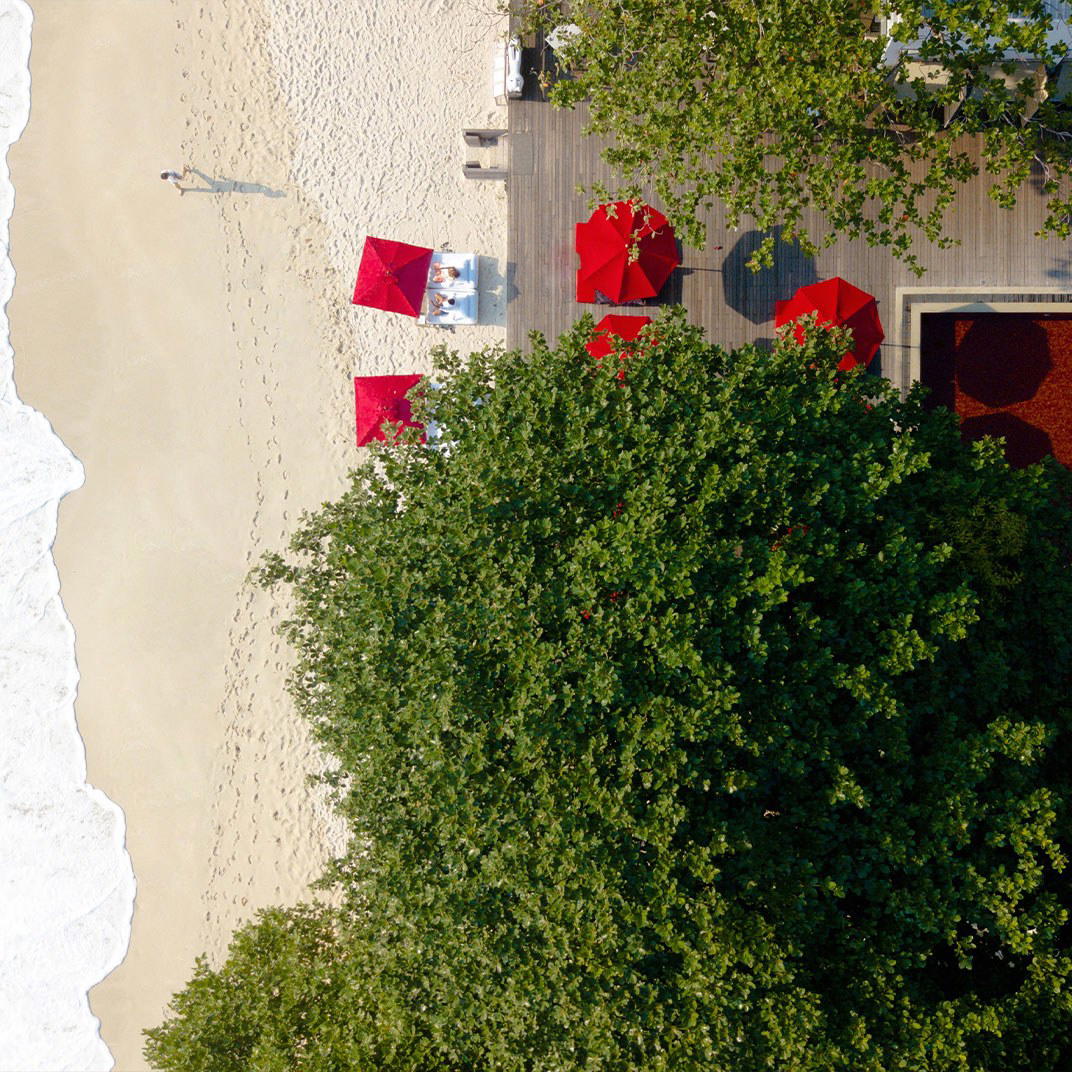
Tranquil open-air setting surrounded by a small garden of papaya, banana, tamarind, and fresh herbs, feeling worlds away from party clichés.