
On Carrer de Mallorca in the Eixample grid, Darvaza occupies a corner of Barcelona's dense mid-range creative dining scene where ingredient provenance tends to drive the editorial conversation more than technique spectacle.
Pearl is the En Primeur Club membership app — saves, bookings, and concierge access live there. Same editors, same standards.
- Address
- Carrer de Mallorca, 209, Eixample, 08036 Barcelona, Spain
- Phone
- +34931591978
- Website
- darvazabarcelona.com
- Directions
- Get directions
 Saves & bookings on Pearl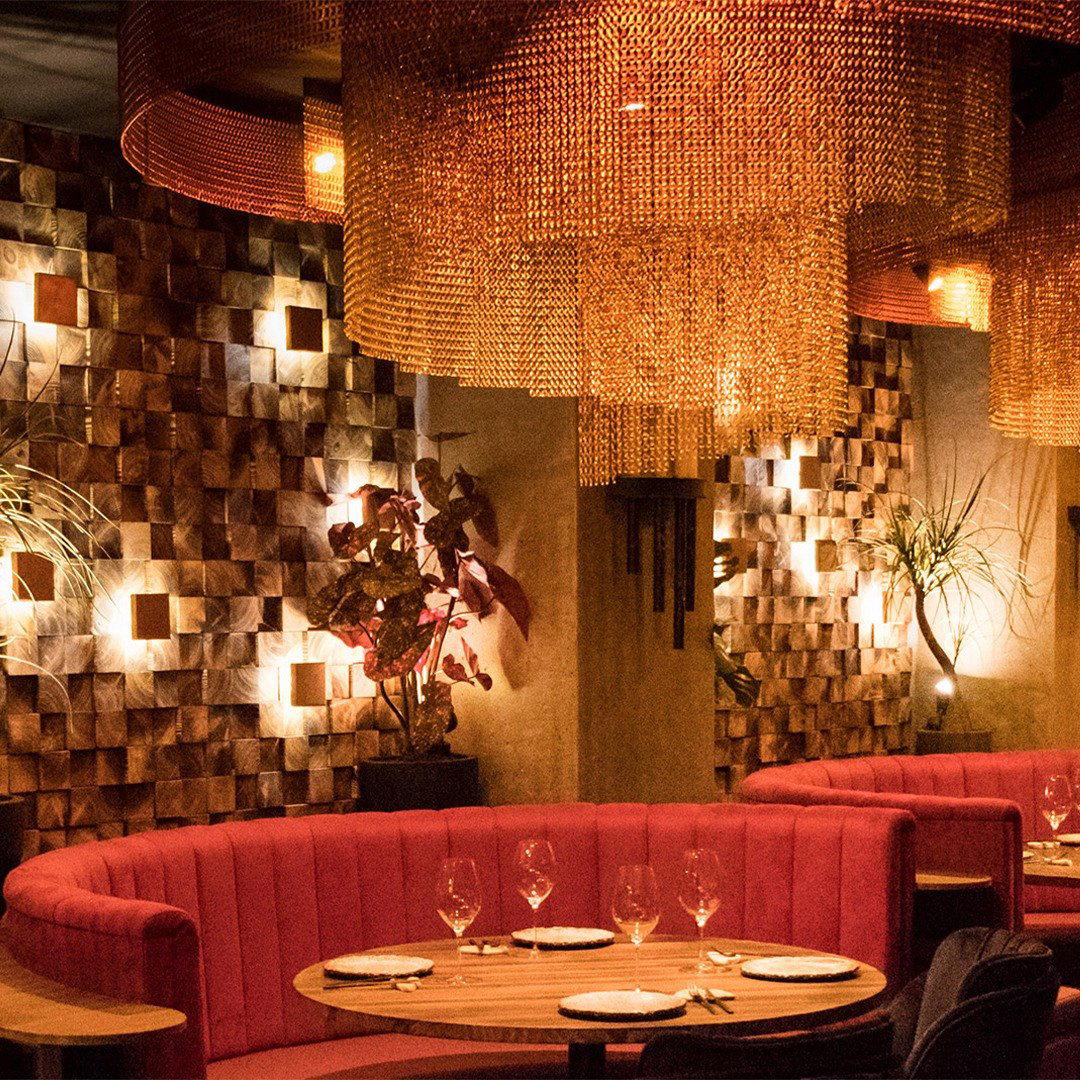
Carrer de Mallorca and the Eixample Dining Tension
The Eixample grid was designed for order: identical blocks, uniform facades, and a symmetry that felt radical in the 1860s. What nobody planned for was that this same regularity would, a century and a half later, produce one of Europe's most competitive restaurant corridors. Carrer de Mallorca alone sits within walking distance of a tier of kitchens that includes Cocina Hermanos Torres and Lasarte, both operating at the Michelin three-star level. That density creates a specific pressure on every restaurant opening in the district: you are either in conversation with those addresses, or you are consciously stepping away from that conversation.
Darvaza, at number 209 on that same street, operates in the tension that pressure creates. The name itself, a reference to the Darvaza gas crater in Turkmenistan, a flame burning in the desert for decades, signals something about temperament: an interest in slow, sustained heat rather than sudden spectacle. Whether that translates directly to the plate is the kind of thing you discover at the table, but as a positioning signal in a neighbourhood full of performative kitchens, it reads clearly.
The Ingredient-First Frame in Barcelona's Creative Tier
Barcelona's creative dining scene has historically borrowed from two traditions: the northern Spanish avant-garde that ran through elBulli and its graduates, and the Catalan market cooking rooted in La Boqueria-style produce consciousness. Particularly interesting addresses in the current generation tend to sit between those poles, using technique to amplify rather than obscure what the land and sea supply. Disfrutar, helmed by former elBulli chefs, sits firmly in the technique-forward camp. ABaC occupies a more classical register. What remains genuinely open in Barcelona is the ingredient-led middle: kitchens where sourcing decisions are the editorial argument, not the technique.
That framing matters because Spain's broader geography makes the ingredient conversation unusually rich. The coast from Catalonia down through Valencia to Andalusia produces a sequence of micro-climates and fishing grounds that give serious kitchens genuine options. Quique Dacosta in Dénia built a three-star reputation largely on the back of Mediterranean seafood from those waters. Aponiente in El Puerto de Santa María went further, treating the marshlands around Cádiz as a larder in their own right. In the Basque Country, Arzak in San Sebastián and Azurmendi in Larrabetzu have both built sourcing narratives into their identity at the three-star level. A Barcelona kitchen that takes ingredient provenance seriously is therefore participating in a Spain-wide argument about what fine dining is actually for.
What the Address Implies
Positioning a restaurant at Carrer de Mallorca 209 in the Eixample carries specific logistical meaning. The district is residential enough to support a neighbourhood clientele, connected enough to the Passeig de Gràcia axis to attract visitors staying in that corridor, and dense enough in quality competition that a kitchen without a clear identity tends to get overlooked. The venues that hold ground in the Eixample creative tier over multiple years tend to be those that have made a decision: about format, about price point, about whether they are cooking for a local repeat audience or a destination one.
Spain's broader fine dining circuit gives useful context on how those decisions play out geographically. El Celler de Can Roca in Girona sits forty minutes from Barcelona and has drawn an international audience for years without needing a city address. Martin Berasategui in Lasarte-Oria operates outside San Sebastián proper. Mugaritz in Errenteria has built its reputation on deliberate inaccessibility. In each case, the kitchen's positioning reflects a specific audience theory. A Barcelona address in the Eixample is the opposite of that: it is an argument for urban accessibility, for the city as context rather than escape from it.
For comparison, Enigma in Barcelona takes the maximalist theatrical approach to that same urban context, while Ricard Camarena in València and DiverXO in Madrid show how differently the argument lands depending on the city. Atrio in Cáceres demonstrates that a Michelin-level wine program can become the primary identity marker when the food argument is already well-staked by competitors.
Planning Your Visit
Hours, booking method, price range, and contact details are not confirmed.
A Quick Peer Check
Comparable venues nearby, for context on price, style, and recognition.
| Venue | Cuisine | Price | Notes |
|---|---|---|---|
| DarvazaThis venue — the venue you are viewing | Modern Grill Steakhouse | $$$$ | Not listed |
| La Madurada | Premium Dry-Aged Steakhouse with Interactive Charcoal Grill | $$$$ | Horta |
| NUTS Indulgence Club | Cocktail Bar with Premium Tapas | $$$$ | l'Antiga Esquerra de l'Eixample |
| KRESALA | Basque Grilled Fish | $$$$ | la Vila Olimpica del Poblenou |
| Aürt | Modern Catalan tasting menu at a chef’s counter | $$$$ | Diagonal Mar i el Front Marítim del Poblenou |
| Winter Garden @ El Palace Hotel | Mediterranean Rooftop Dining | $$$$ | la Dreta de l'Eixample |
Recognition history
Dated appearances from independent guides and award organizations, with the underlying list record or original source where available.
Macarfi 7.3 Food Rating
Macarfi
Continue exploring
More in Barcelona
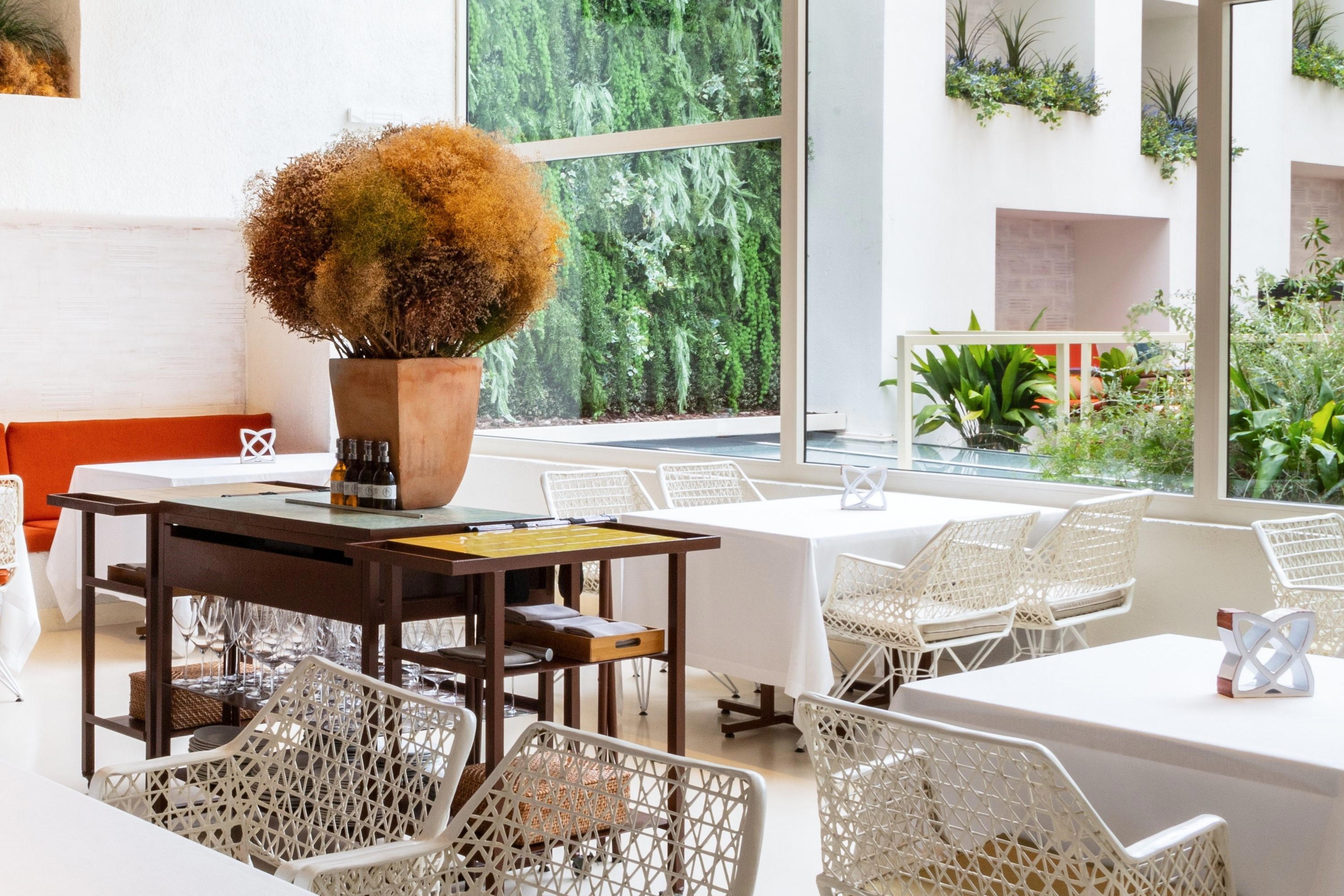
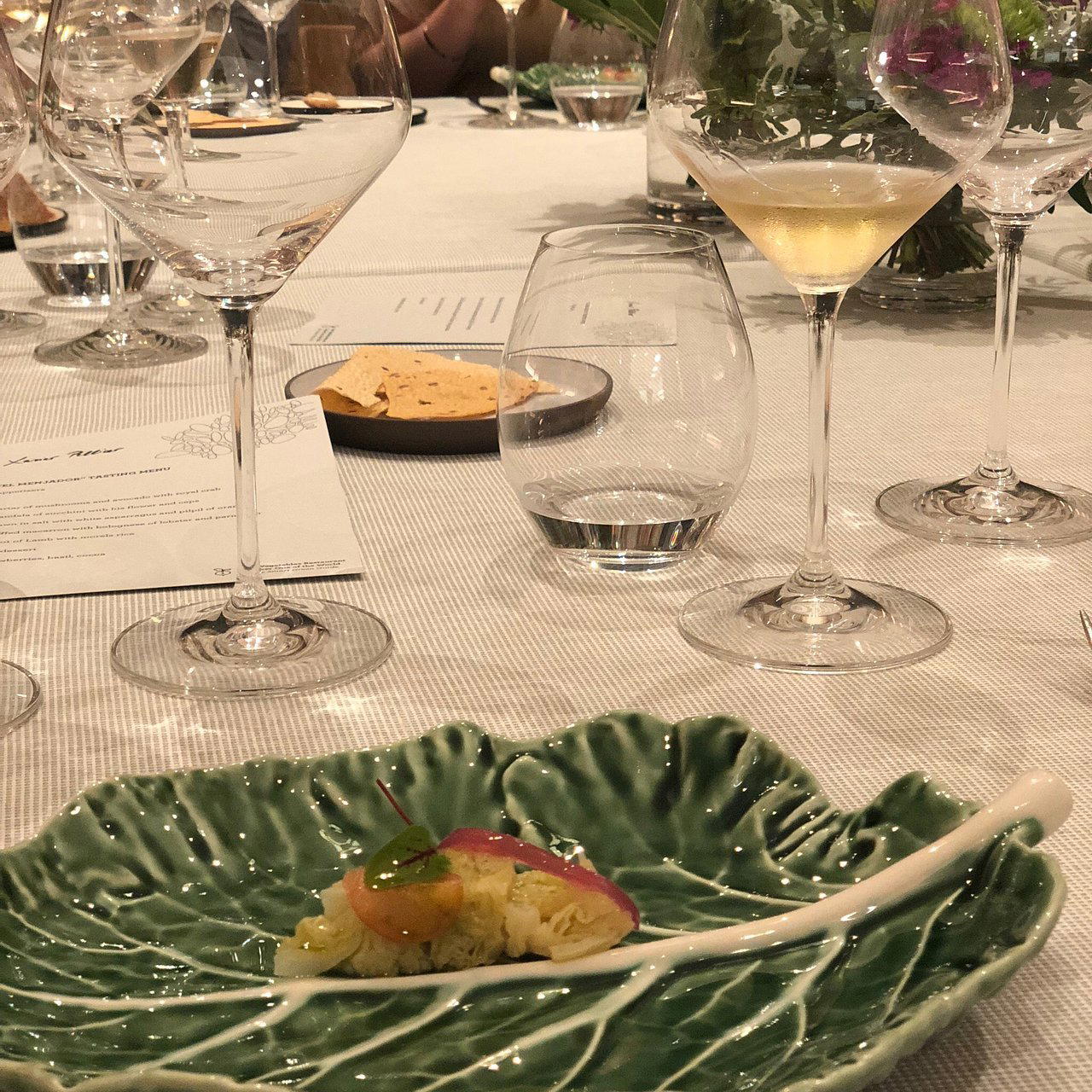
Restaurants in Barcelona
Browse all →
Bars in Barcelona
Browse all →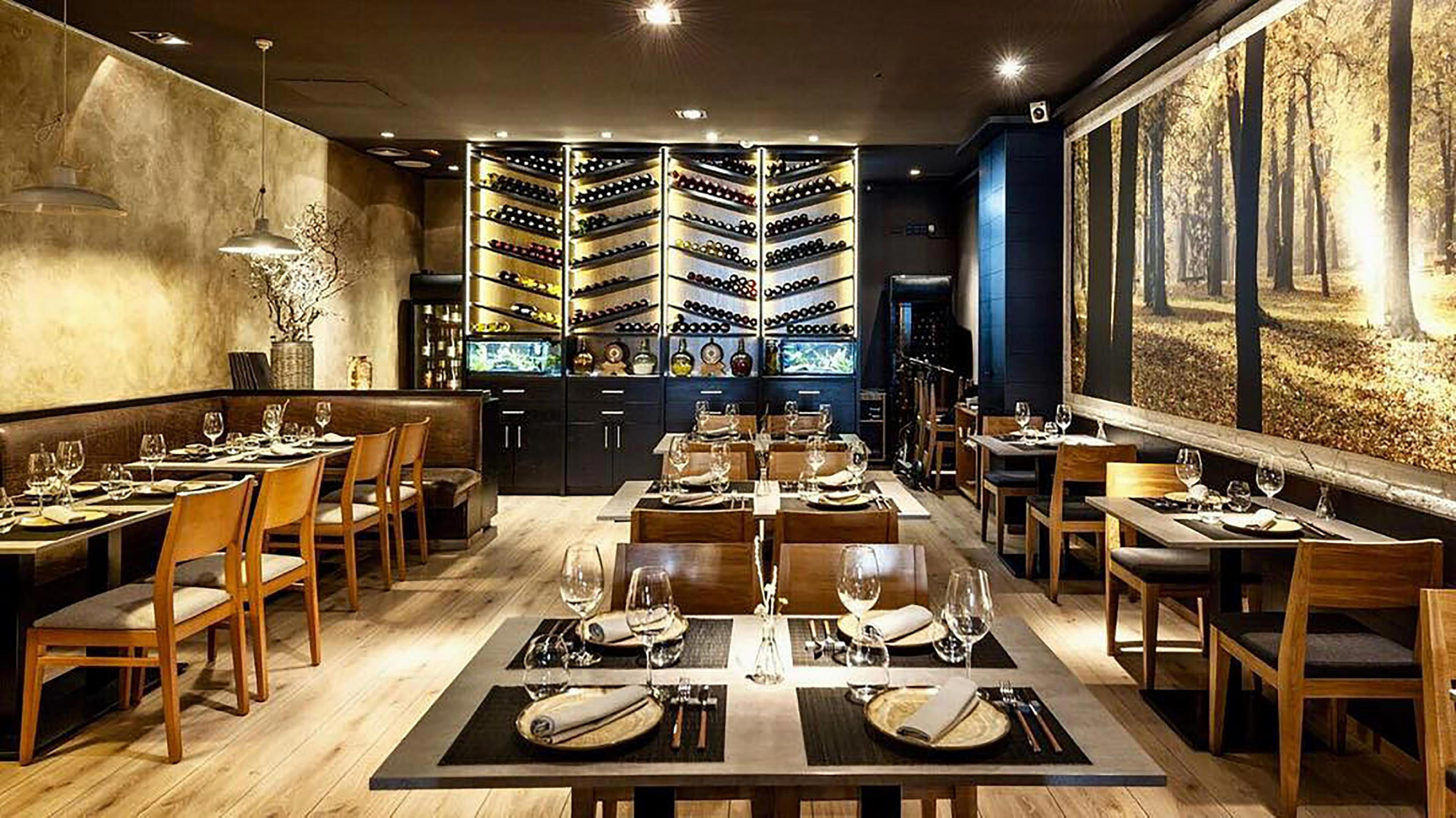
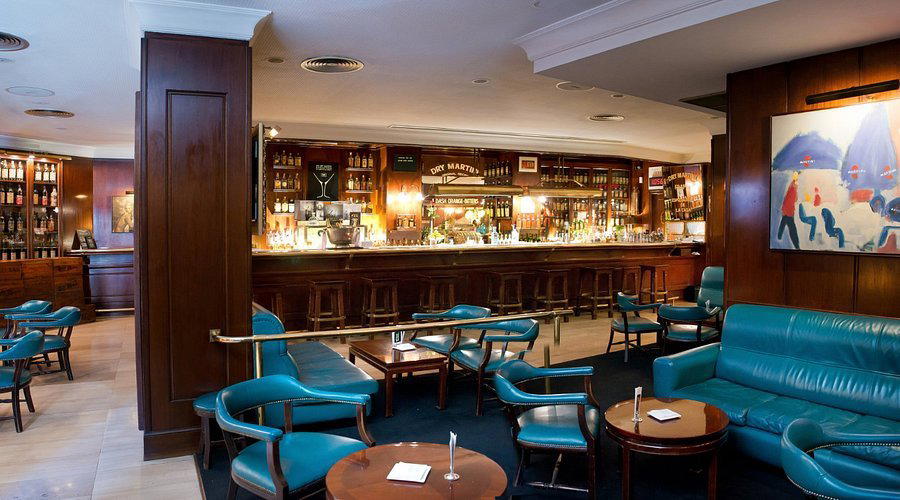
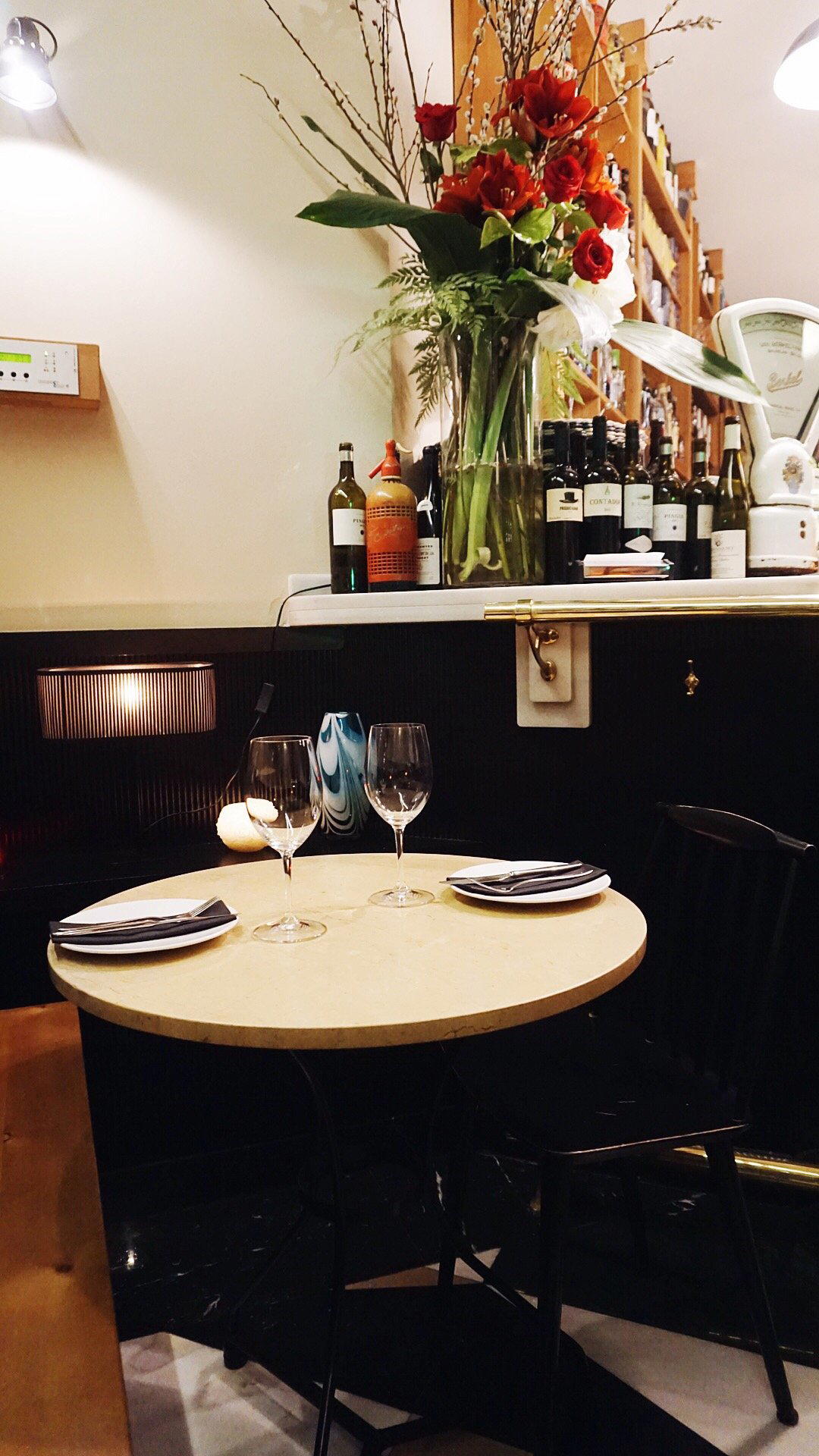
Hotels in Barcelona
Browse all →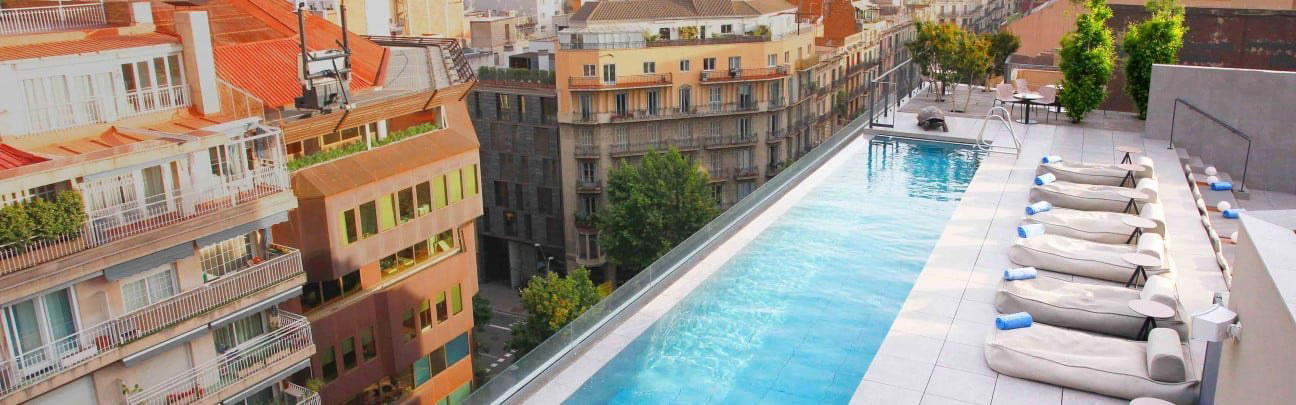
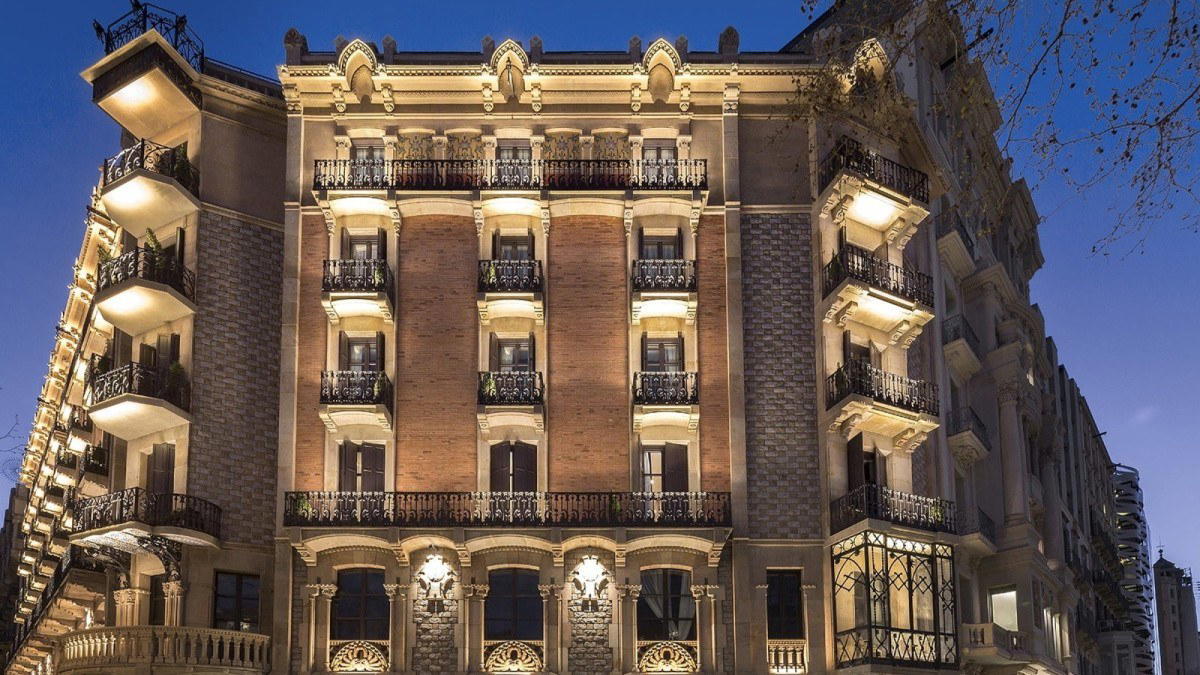
At a Glance
- Modern
- Elegant
- Trendy
- Intimate
- Date Night
- Group Dining
- Business Dinner
- Open Kitchen
- Extensive Wine List
- Organic
Current opening hours
- Monday
- 1:30–11 PM
- Tuesday
- 1:30–11 PM
- Wednesday
- 1:30–11 PM
- Thursday
- 1:30–11 PM
- Friday
- 1:30–11 PM
- Saturday
- 1–11 PM
- Sunday
- 1–11 PM
Hours can change for holidays and private events. Last verified .
Modern and stylish with intimate lighting, open kitchen views, subtle DJ music at conversational volume, and aromatic wood-fired atmosphere.