Dandelion Chocolate
Our verdict
Dandelion Chocolate on Valencia Street operates at a different register than most of what passes for craft chocolate in San Francisco. A bean-to-bar manufacturer with a retail and café presence in the Mission District, it draws visitors who want to understand cacao as an ingredient rather than simply consume it as a finished product. The space functions simultaneously as factory floor, tasting counter, and classroom.

Pearl is the En Primeur Club membership app, where members save venues, book tables and use the concierge.

The menu
What to order
- House Hot Chocolate
- Mission Hot Chocolate
The Mission District and the Craft Chocolate Tradition
San Francisco's Mission District has spent the better part of two decades accumulating a particular kind of food business: small-batch, process-forward, ingredient-obsessive operations that ask customers to pay attention rather than simply consume. Dandelion Chocolate at 740 Valencia Street fits that pattern precisely. It is a bean-to-bar chocolate maker operating a retail café on the same floor as its production equipment, which means the smell of roasting cacao and the sound of melangers running are part of the visit whether you want them to be or not. That transparency is not incidental. It is the premise.
Bean-to-bar chocolate making as a category has grown considerably since the early 2010s, when a handful of American producers began challenging the European dominance of fine chocolate production. The movement draws on some of the same logic as specialty coffee: traceability to farm or cooperative, varietal sourcing, minimal processing, and flavor profiles that shift meaningfully with origin. For visitors already oriented to the San Francisco food scene through restaurants like Lazy Bear or Benu, Dandelion represents the same ingredient-first sensibility applied to a single raw material rather than a tasting menu.
The Ritual of Tasting Chocolate Seriously
Eating chocolate slowly is a discipline that most people have never been asked to practice. At Dandelion, the format encourages exactly that. The café menu is built around single-origin bars and drinking chocolates made from cacao sourced from specific farms and cooperatives, and the point of the exercise is to register the differences between them. A bar made from Madagascan cacao will carry fruit-forward brightness that reads almost like berry; one made from Ecuadorian origin will often trend earthier and more complex. These are not marketing claims. They reflect the chemistry of theobroma cacao and the fermentation and drying conditions applied post-harvest.
This kind of deliberate tasting has more in common with a wine flight at a producer like Single Thread Farm in Healdsburg, where provenance is the organizing principle of the menu, than with any conventional chocolate shop visit. The ritual asks you to slow down, take small amounts, and let flavors develop across a full minute of contact. That pacing runs counter to how most people eat chocolate, which is part of what makes the experience disorienting and, eventually, instructive.
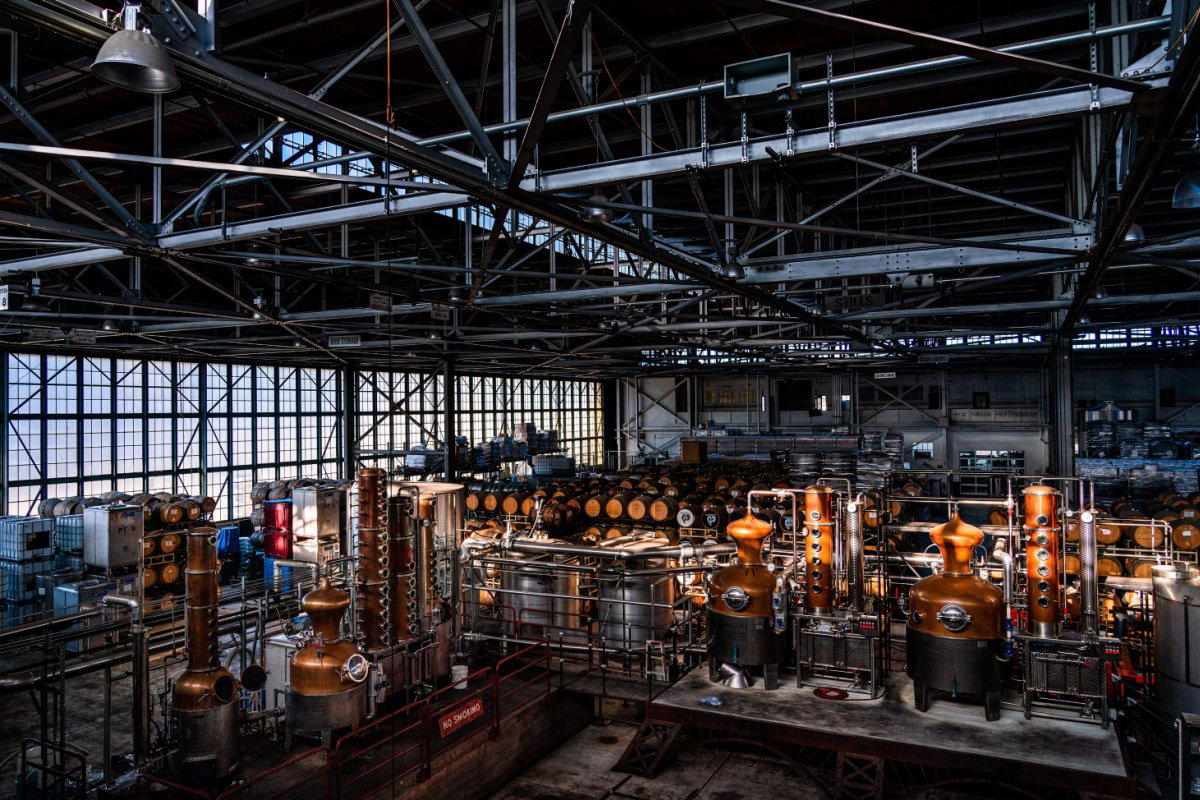
The factory visibility adds a layer to that ritual that no packaged product can replicate. Seeing the winnowing and conching equipment in the same room as the tasting counter collapses the distance between ingredient and finished product in a way that reconfigures how you read a bar's flavor notes. It is the equivalent of tasting wine at the winery rather than at retail: context changes perception.
Where Dandelion Sits in Its Category
Craft chocolate in the United States now occupies a similar market position to independent coffee roasters in the late 2000s: recognized by a food-literate audience, still largely unfamiliar to general consumers, and priced at a premium that requires some explanation. Dandelion's bars sit above mass-market chocolate in price by a considerable margin, and the café experience requires more active engagement than most food and drink retail. That positions it closer in spirit to a specialty tasting room than to a conventional café or chocolate shop.
Compared to the $$$$ tasting-menu tier that includes Atelier Crenn, Quince, or Saison, Dandelion is an accessible entry point for ingredient-focused eating in the city. It does not require a reservation, does not impose a dress code, and does not ask for a significant financial commitment. What it does ask for is attention, which in practice means it self-selects for visitors who are already curious about food production rather than those simply looking for a sweet stop.
The Mission District location is itself contextually relevant. Valencia Street has historically supported a density of independent, concept-driven food businesses, and Dandelion benefits from being in a neighborhood where that kind of purposeful eating is already normalized. It sits in a different register than the city's Michelin-decorated fine dining, but the underlying philosophy, that the quality of the source material is the most important variable in any prepared food, is the same one that drives restaurants like Saison and producers like those featured at Blue Hill at Stone Barns.
Cacao as a Study in Origin
The category of single-origin chocolate invites the same intellectual framework that sommeliers apply to wine. Cacao grown in different regions at different altitudes, fermented under different conditions by different producers, will yield genuinely distinct flavor compounds in the finished bar. That variability is the point. A visit to Dandelion works well when treated as an opportunity to build a palate reference for cacao the same way a visit to a wine region builds reference for varietal character. Visitors who have spent time at serious wine producers, in Napa at The French Laundry's home region or at estates in other American wine country, will find the tasting logic immediately familiar.
Analogy extends beyond flavor. Like wine, fine chocolate carries a premium attached to transparency: who grew the cacao, under what conditions, at what price to the farmer. Dandelion publishes sourcing information on its packaging, a practice that positions it inside a broader movement toward supply-chain visibility in specialty food. That is not a marketing posture for this category. It is a baseline expectation.
Planning Your Visit
Dandelion Chocolate is located at 740 Valencia Street, San Francisco, CA 94110, in the Mission District. The space functions as both a working factory and a retail café, so production activity and noise levels vary by time of day. For visitors combining the stop with broader Mission or SF dining, the area supports a density of restaurants and coffee within walking distance. Those building a longer San Francisco itinerary around serious food and drink will find context in our full San Francisco restaurants guide, which covers the city's full range from fine dining at Benu and Lazy Bear to neighborhood-level specialists. For comparison across other American cities with serious ingredient-focused food culture, the work at Smyth in Chicago, Providence in Los Angeles, Addison in San Diego, Frasca Food and Wine in Boulder, Atomix in New York City, Le Bernardin, Emeril's in New Orleans, The Inn at Little Washington, and Atelier Moessmer Norbert Niederkofler in Brunico all reflect the same underlying prioritization of sourcing over spectacle.
Frequently asked questions
What is Dandelion Chocolate known for?
Dandelion Chocolate is known for its single-origin, bean-to-bar chocolate made from cacao sourced from specific farms and cooperatives. The production process, roasting, winnowing, and conching, happens on-site at the Valencia Street location, making the factory floor part of the retail experience. The café menu is built around bars and drinking chocolates that vary by cacao origin, with flavor profiles that shift meaningfully between sources. That approach places Dandelion within the specialty food movement that includes serious wine producers, single-origin coffee roasters, and farm-driven restaurants across the city.
Do I need to book Dandelion Chocolate in advance?
For walk-in café visits and bar purchases, advance booking is generally not required at a retail operation of this type. However, Dandelion also offers structured chocolate-making classes and tasting workshops, which do require advance registration and fill quickly, particularly on weekends and during peak tourist periods in San Francisco. If your goal is a specific workshop rather than a casual café stop, booking several weeks ahead is the sensible approach. The walk-in retail and café experience has no reservation requirement.
How is the chocolate-tasting experience at Dandelion different from a standard café visit?
Unlike a standard café where chocolate is a flavoring agent in drinks or desserts, Dandelion structures its menu around cacao as the primary subject. Tasting single-origin bars side by side reveals how fermentation conditions, growing altitude, and regional cacao genetics produce genuinely distinct flavor profiles, a practice that requires the same deliberate pacing as a wine or spirit tasting. The factory visibility at the Valencia Street site, where production equipment operates in the same space as the tasting counter, provides a working context for understanding why origin matters in a way that packaged retail never can.
Just the Basics
Comparable venues nearby, for context on price, style, and recognition.
| Venue | Cuisine | Price | Notes |
|---|---|---|---|
| Dandelion ChocolateThis venue (the venue you are viewing) | Bean-to-Bar Chocolate Café | $10–20 | Not listed |
| Burma Love | Modern Burmese | $30–50 | Mission, Modern Burmese |
| Blue Bottle Cafe | Specialty Coffee & Cafe | $10–20 | Not listed |
| Paulie's Pickling | Cali-Jewish Deli & Pickles | Not listed | Bernal Heights, Cali-Jewish Deli & Pickles |
| Tselogs | Filipino Silogs | $10–20 | Tenderloin, Filipino Silogs |
| Burma Superstar | Authentic Burmese | $20–30 | Inner Richmond, Authentic Burmese |
Continue exploring
More in San Francisco
Restaurants in San Francisco
All restaurants in San Francisco →
Bars in San Francisco
All bars in San Francisco →
Details
- Industrial
- Cozy
- Modern
- Casual Hangout
- Solo
- Open Kitchen
- A La Carte
- Hot Chocolate
- Vegetarian Friendly
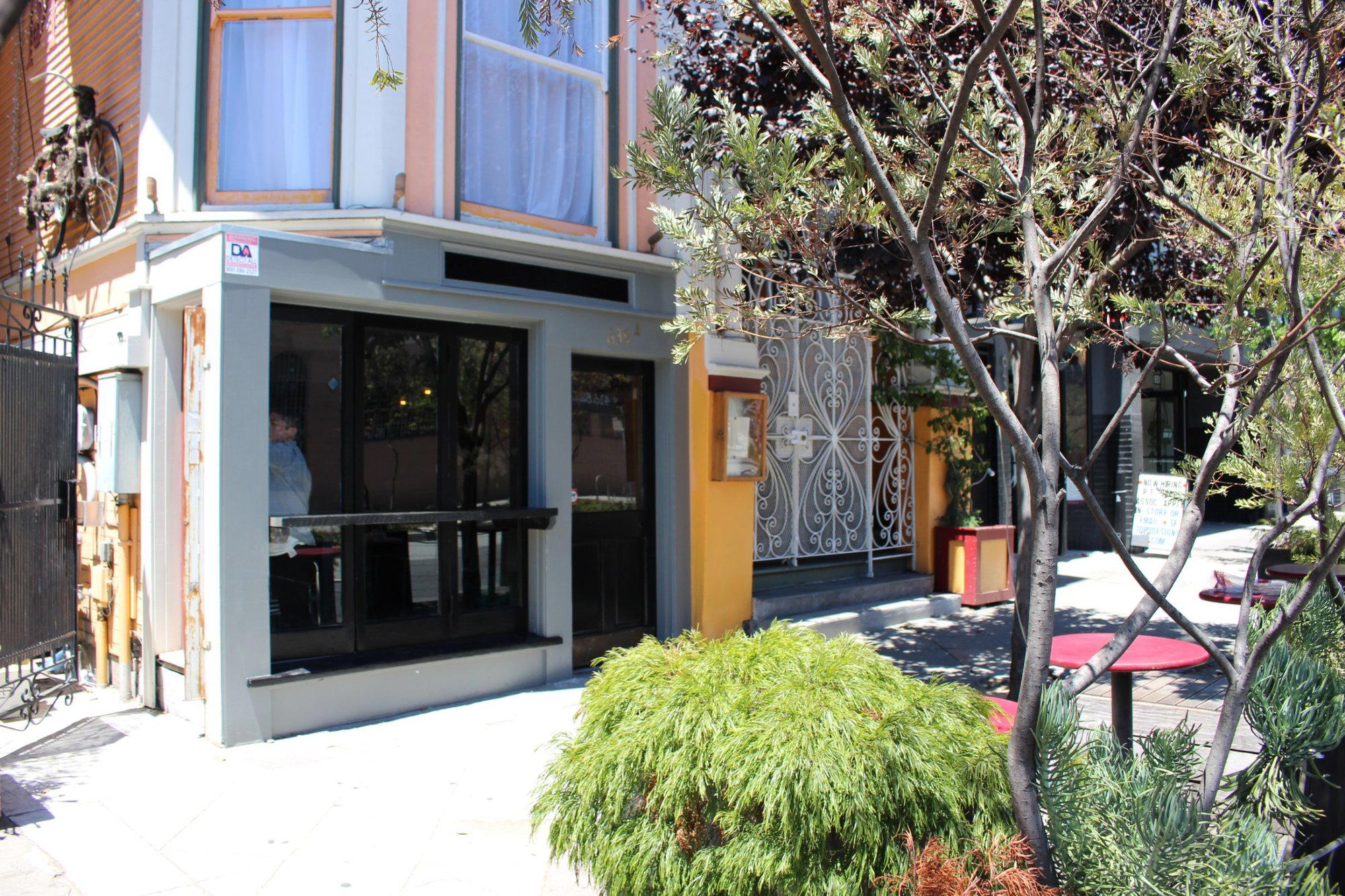
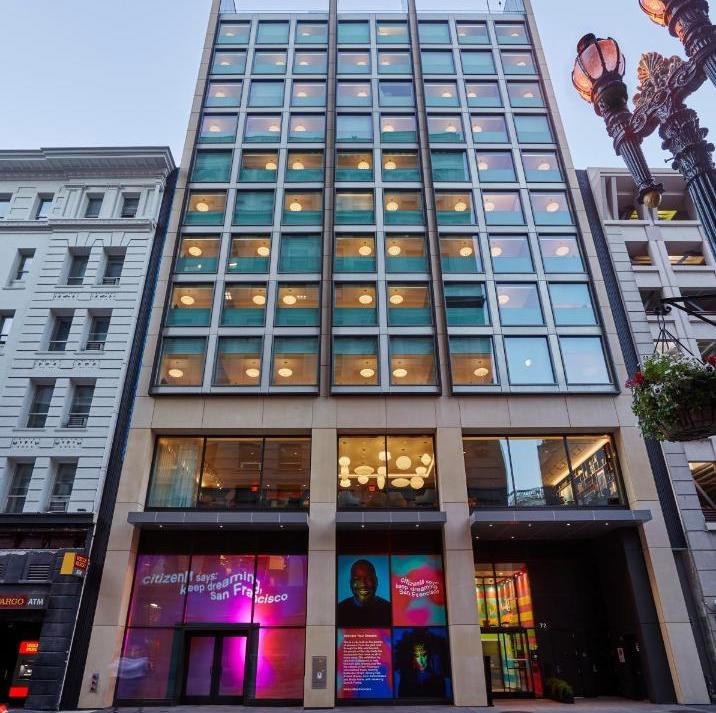
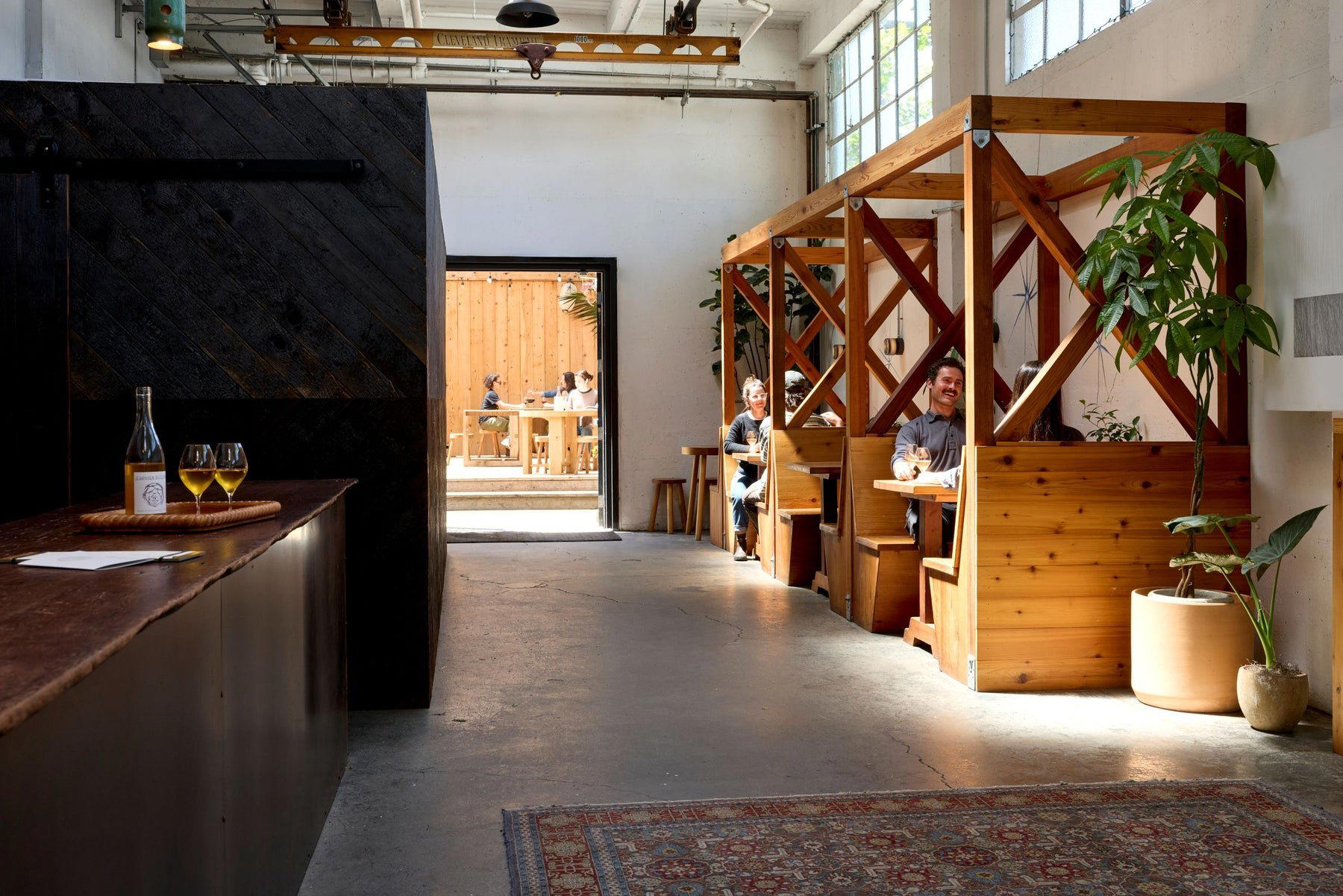
Industrial chic with European aesthetic, featuring open factory views and cozy café seating.