Burma Superstar
Burma Superstar on Clement Street has anchored the Richmond District's Southeast Asian dining scene for decades, drawing long queues for its tea leaf salad and coconut noodles in a neighborhood that takes its Asian restaurants seriously. Where San Francisco's high-end tier runs toward tasting menus and omakase counters, Burma Superstar operates at the opposite register: generous, informal, and deeply specific about a cuisine most American cities still treat as an afterthought.
Pearl is the En Primeur Club membership app — saves, bookings, and concierge access live there. Same editors, same standards.
- Address
- 309 Clement St, San Francisco, CA 94118
- Phone
- (415) 387-2147
- Website
- burmasuperstar.com
- Directions
- Get directions
 Saves & bookings on Pearl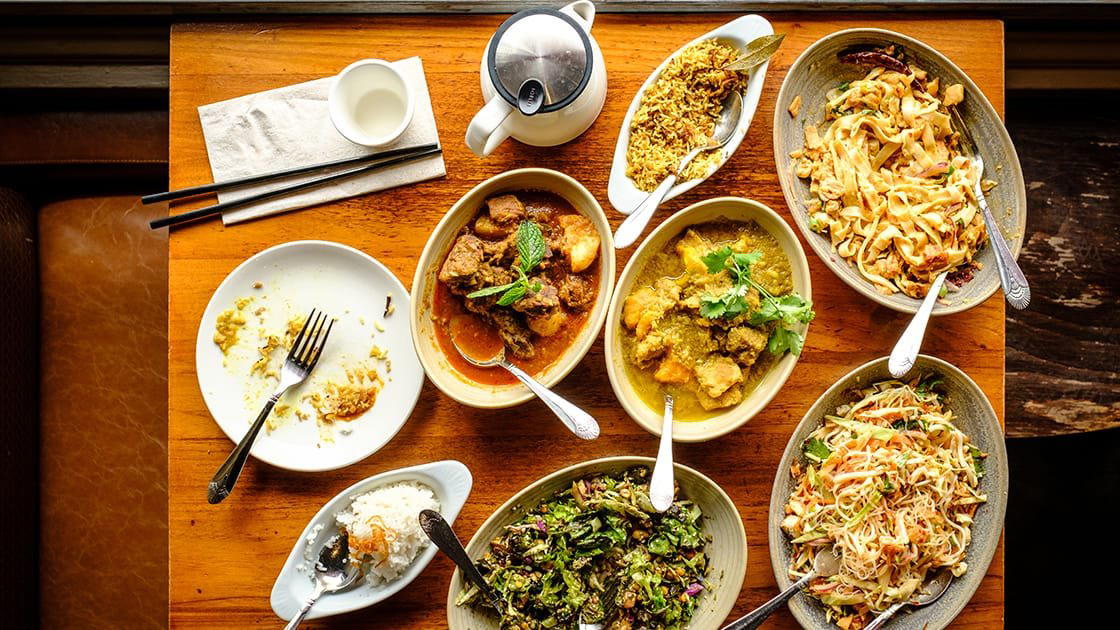
Clement Street and the Case for Burmese Food in San Francisco
Walk west along Clement Street on any given weekend and the queue outside 309 tells you something before you reach the door. Burma Superstar is an Authentic Burmese restaurant in San Francisco's Richmond District, with a casual dress code and a walk-in-friendly policy. San Francisco's Richmond District has long operated as a counterweight to the city's more publicized dining corridors. While SoMa and Hayes Valley host the tasting-menu tier, including Lazy Bear, Atelier Crenn, and Benu, the Richmond runs on a different logic: neighborhood loyalty, long-established immigrant communities, and restaurants that have earned their reputation through repetition rather than press cycles.
Burma Superstar sits at the intersection of all of that. It has occupied the same Clement Street address long enough to become a reference point for what Burmese food can look like in an American city, at a time when the cuisine remains marginal everywhere else. That specificity matters. In a city where Quince and Saison compete on ingredient provenance and technique, Burma Superstar competes on something harder to replicate: years of refinement in a category with almost no local competition.
What Burmese Cooking Brings to the Table
Burmese cuisine occupies an interesting position in Southeast Asian food more broadly. It draws from the surrounding traditions of Thailand, China, and India without belonging cleanly to any of them. Fermented ingredients carry significant weight, fish paste and dried shrimp appear across dishes in ways that add depth without announcing themselves, and salads function as full-complexity compositions rather than side plates. The pantry is distinctive enough that dishes rarely translate well when restaurants try to approximate them with substitute ingredients.
The tea leaf salad has become the dish most associated with Burma Superstar in San Francisco, and it illustrates why the cuisine rewards attention. Fermented tea leaves are not an ingredient most American kitchens keep in rotation, and the dish's combination of crunch, fermented funk, and fresh elements produces a flavor profile that sits outside the usual reference points for Western diners. It is not a dish that benefits from comparison to anything else.
That kind of culinary specificity has drawn a consistent following over the years, including diners who have moved through the city's higher-priced options, from the tasting counter format of Lazy Bear to the French-inflected precision at Atelier Crenn, and return to Clement Street for something those rooms cannot offer.
The Atmosphere and What It Signals
The physical experience of Burma Superstar aligns with its neighborhood. The room is not designed to signal ambition in the way that San Francisco's formal dining tier does. There is no architectural statement, no studied use of natural materials, no progression of small courses arriving with explanation. The dining room is functional and full, tables turned regularly, and the sound level rises with occupancy. It is the kind of place that is explicitly not trying to compete with Benu's measured quiet or the controlled environments of destination restaurants elsewhere in the city.
That informality is not a concession. It is part of what makes the restaurant legible to the neighborhood it serves. The Richmond has sustained serious cooking at accessible price points for decades, and the restaurant's format fits that pattern. The queues, which have been a defining feature of the Clement Street experience here for years, reflect demand that the room size cannot absorb rather than any artificial scarcity. Walk-in waits are common, particularly at weekend lunch and dinner, and planning around that reality is part of the logistics of eating here.
Richmond District as Dining Context
Understanding the restaurant fully requires understanding the Richmond, which functions differently from the neighborhoods that dominate San Francisco dining coverage. The area's food identity is anchored by Chinese, Southeast Asian, and Eastern European communities that have sustained restaurants across multiple generations. That continuity produces something different from the chef-driven openings that cycle through more publicized corridors.
The restaurants that hold longest in the Richmond tend to do so because they are genuinely useful to the people who live there. The restaurant has reached an audience well beyond the neighborhood, pulling diners from across the city and from visitors with enough prior research to find their way out to Clement Street, but it has done so without repositioning itself away from the format that made it work in the first place. That consistency, in a city where restaurant turnover is high and concept drift is common, represents a form of institutional knowledge.
For visitors planning a broader San Francisco stay, the Richmond sits at a different register from the concentrated intensity of the city's fine dining tier.
Where Burma Superstar Sits in a Wider American Context
Burmese restaurants with the name recognition of the restaurant are rare enough in American cities that the comparison set is thin. The more useful comparison is between what this restaurant has done for a little-known cuisine and what similarly positioned restaurants have achieved in their own categories: the way Le Bernardin in New York City established a reference point for French seafood, or how Alinea in Chicago and The French Laundry in Napa defined what ambitious American cooking could look like at their respective moments. Those parallels are not about price tier or format. They are about being the restaurant in a given city that most diners think of first when a category is named.
The restaurant occupies that position for Burmese food in San Francisco in a way that no equivalent restaurant does in most American cities. That is not a minor achievement. Cities like Los Angeles, with a deeper pool of Southeast Asian cooking options (see Providence for its high-end tier), still lack a Burmese restaurant with comparable name recognition. The same applies to New York, where Korean tasting menus at Atomix have achieved wide coverage while Burmese cooking remains a niche within a niche.
Internationally, the pattern holds. The prominence of restaurants like 8 1/2 Otto e Mezzo Bombana in Hong Kong or Single Thread Farm in Healdsburg rests on a combination of consistent execution and a clear position within a known category. The restaurant's position is different only in that it occupies a category most of its peers have ignored entirely.
For first-time visitors to the Clement Street address, the practical approach is to arrive early in the dinner service or target a weekday lunch. Walk-ins are common, and the walk-in-friendly policy means planning around a wait is part of the experience. For diners with dietary restrictions, advance communication is advisable.
The Point of It
The restaurant does not fit cleanly into the categories that San Francisco's dining press tends to cover. It is not a tasting menu, not a chef-driven concept operating in the current mode, and sits at a moderate price tier. What it offers is something more durable: a clear, consistent version of a cuisine that most American cities have never taken seriously, executed at a level that has sustained demand for decades on one of the city's most competitive restaurant streets. That is a different kind of achievement, and one that Clement Street regulars have understood for longer than the broader dining conversation has caught up.
Frequently Asked Questions
- What dish is the restaurant famous for?
- The tea leaf salad is the dish most closely associated with the restaurant in San Francisco. It is built around fermented tea leaves, an ingredient that appears in few American restaurants, combined with fried garlic, dried shrimp, tomatoes, and crispy elements that produce a layered texture and flavor profile. The dish has introduced many San Francisco diners to Burmese cooking and remains the first thing most regulars order.
- Do they take walk-ins at the restaurant?
- Walk-ins are the standard format at the Clement Street location, which means waits are common, particularly at weekend dinners. In a city where tasting-menu restaurants like Lazy Bear require reservations weeks or months ahead, the restaurant operates on a different system. Arriving at or before opening, or targeting weekday service, reduces wait time significantly.
- What's the signature at the restaurant?
- The tea leaf salad has the strongest claim to signature status, both because of its association with the restaurant across years of coverage and because it showcases the fermented-ingredient tradition that distinguishes Burmese cooking from neighboring Southeast Asian cuisines. Coconut-based noodle dishes also draw consistent attention and represent a different register of the same pantry.
- Can the restaurant adjust for dietary needs?
- Burmese cooking relies structurally on fermented fish products and dried shrimp, which appear across many dishes in ways that are not always immediately apparent. Diners with specific dietary requirements, whether related to shellfish, fish byproducts, or other restrictions, are better served by contacting the restaurant directly in advance rather than arriving and attempting to negotiate. The menu is broad enough that alternatives often exist, but the kitchen's flexibility depends on the specific restriction and the dish in question.
- How does the restaurant compare to other Burmese restaurants in the United States?
- Burmese restaurants with sustained city-wide name recognition are rare in American cities, which places the restaurant in a thin comparable set. New York and Los Angeles both have Burmese options, but none has achieved the same level of consistent demand or cross-demographic following as the Clement Street address. The restaurant's longevity on one of San Francisco's most competitive dining streets, combined with its role in introducing a generation of Bay Area diners to fermented tea leaf preparations and Burmese noodle traditions, positions it as a reference point for the cuisine in the United States.
- Tea Leaf Salad
- Platha & Dip
- Rainbow Salad
- Moh Hinga
- Coconut Chicken Curry Soup
- Sesame Chicken
- Pumpkin Pork Stew
A Minimal comparable set
Comparable venues nearby, for context on price, style, and recognition.
| Venue | Cuisine | Price | Notes |
|---|---|---|---|
| Burma SuperstarThis venue — the venue you are viewing | Inner Richmond, Authentic Burmese | $$ | Not listed |
| Mandalay | Inner Richmond, Burmese | $$ | Not listed |
| Gada | Castro, Tunisian raclette sandwich shop | $$ | Not listed |
| Dancing Yak | Mission, Authentic Nepali | $$ | Not listed |
| Lunette | Not listed | $$ | Financial District/South Beach, Cambodian Noodles & Rice |
| Painted Leopard | Soma, Coffee Shop | $ | Not listed |
Continue exploring
More in San Francisco
Restaurants in San Francisco
Browse all →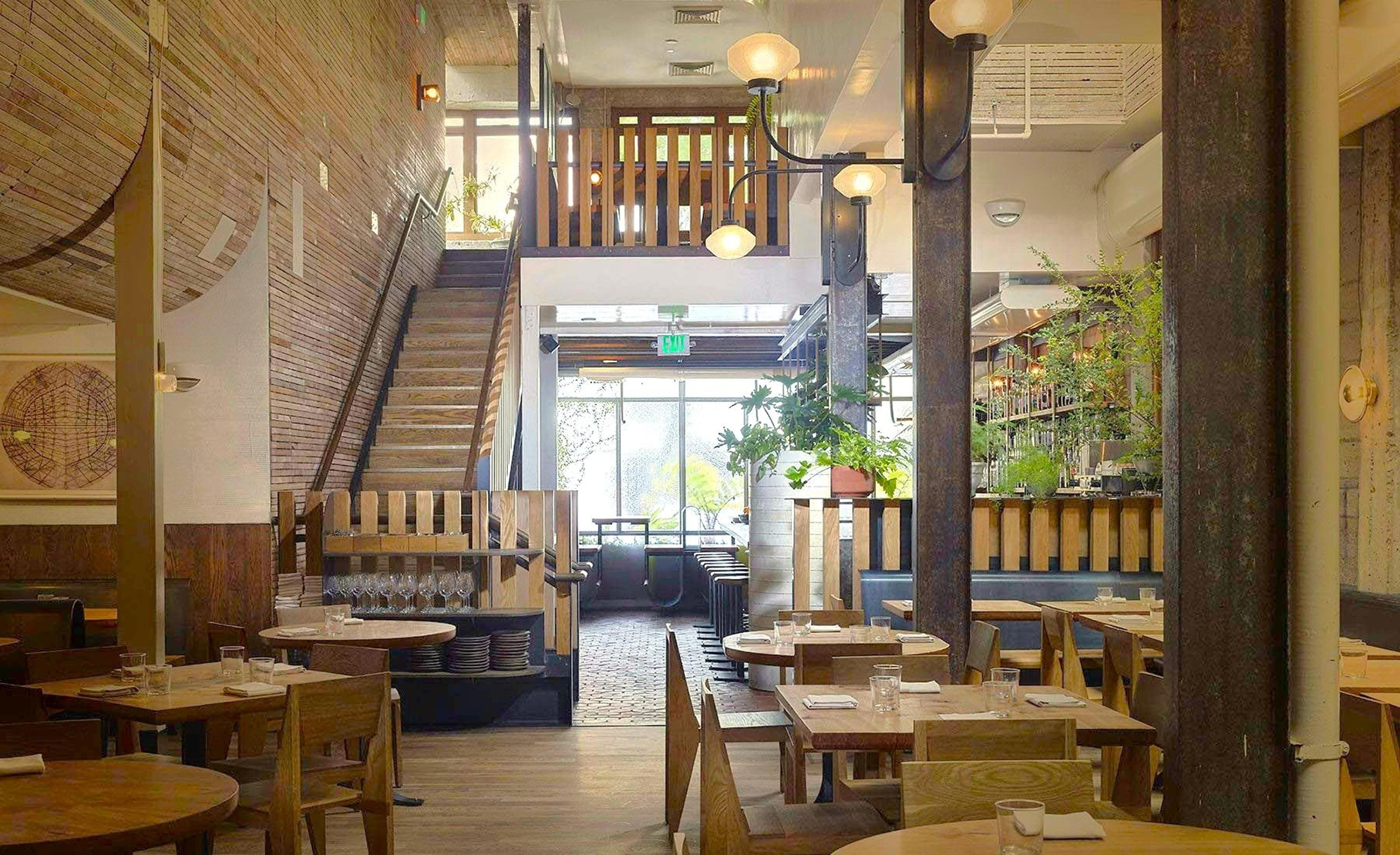
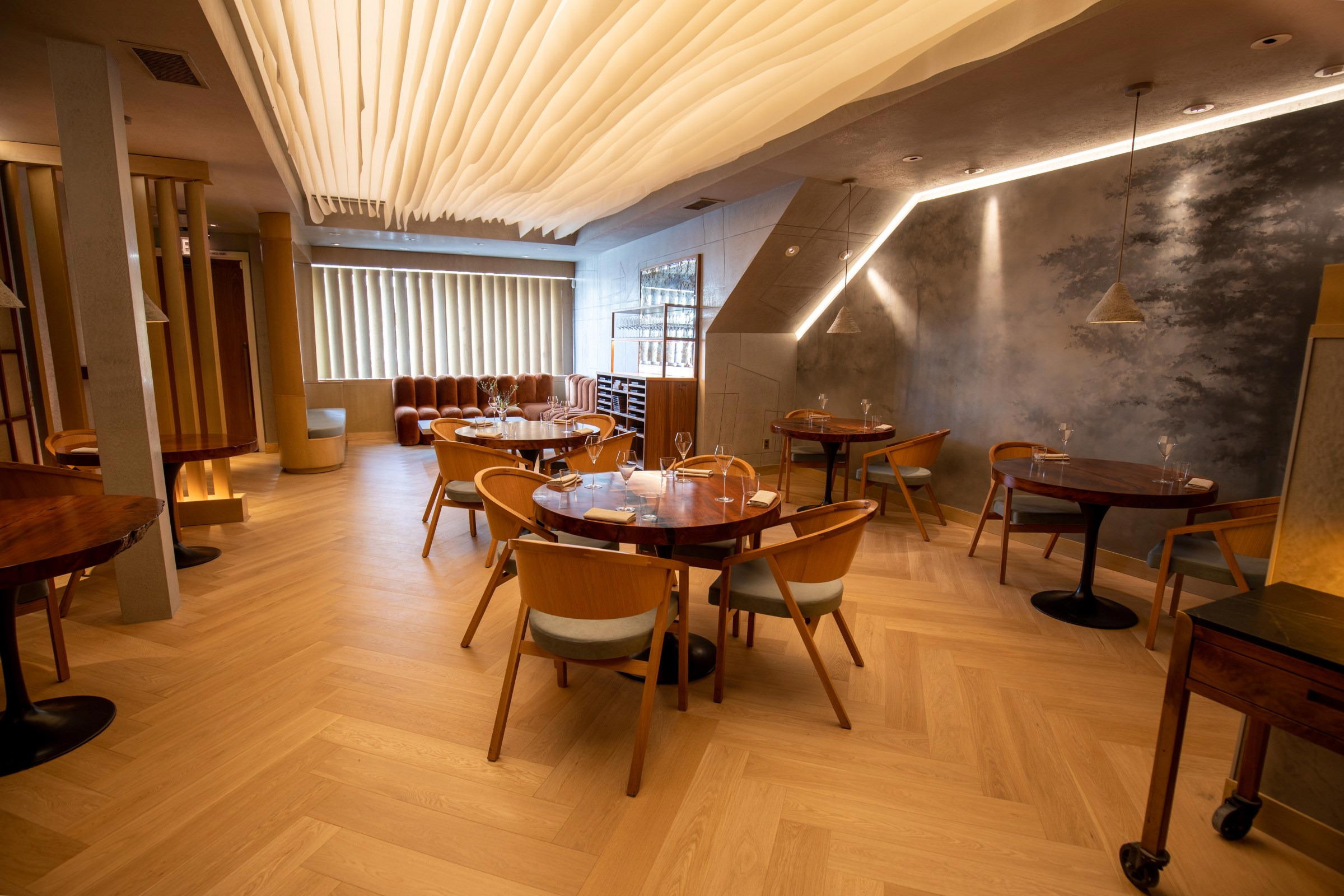
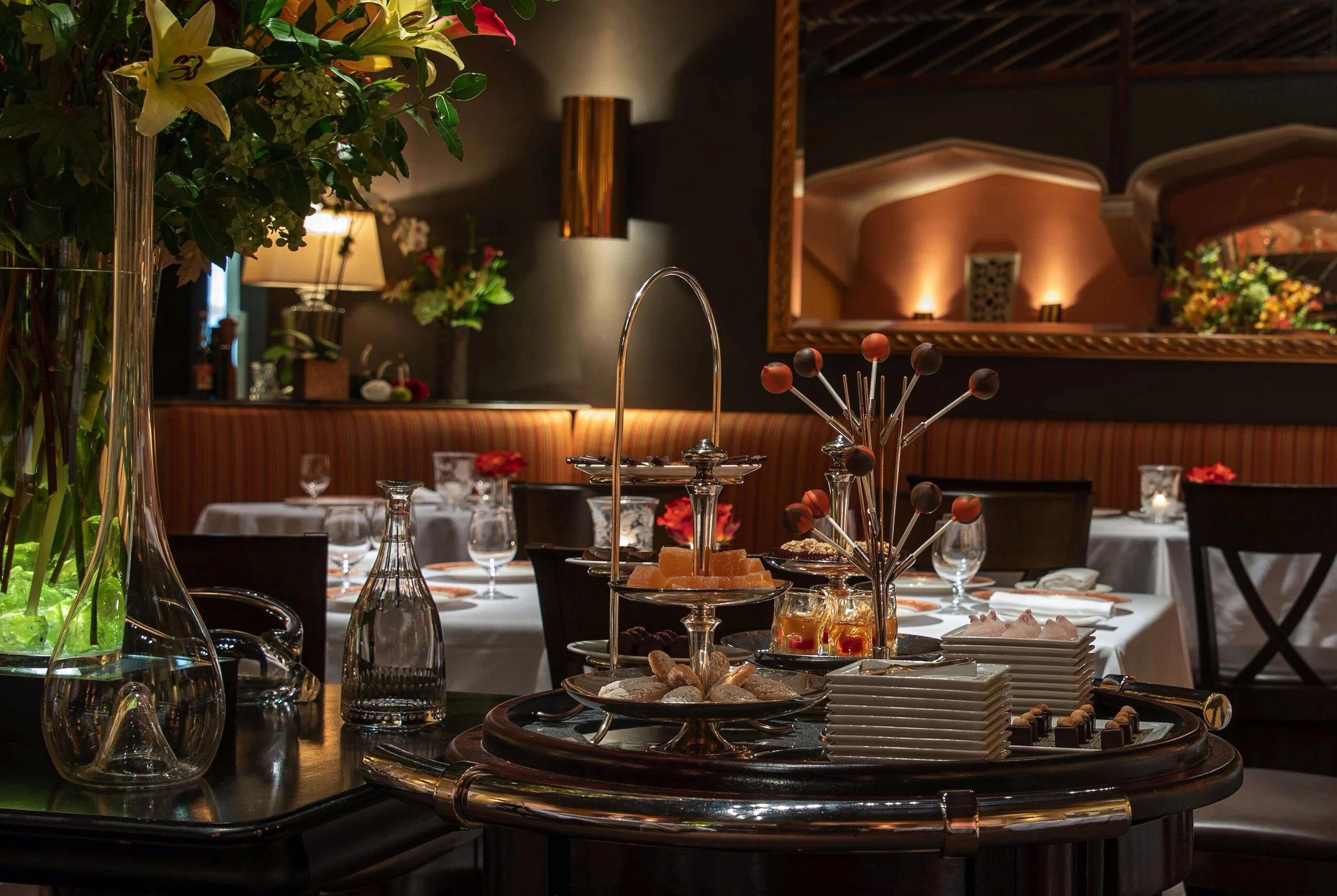
Bars in San Francisco
Browse all →
Hotels in San Francisco
Browse all →
At a Glance
- Cozy
- Lively
- Well Known
- Casual
- Casual Hangout
- Group Dining
- Date Night
- Family
- Standalone
- Open Kitchen
- Beer Program
Current opening hours
- Monday
- 11:30 AM–2:30 PM, 5–9 PM
- Tuesday
- 11:30 AM–2:30 PM, 5–9 PM
- Wednesday
- 11:30 AM–2:30 PM, 5–9 PM
- Thursday
- 11:30 AM–2:30 PM, 5–9 PM
- Friday
- 11:30 AM–3:30 PM, 5–9:30 PM
- Saturday
- 11:30 AM–3 PM, 5–9:30 PM
- Sunday
- 11:30 AM–3 PM, 5–9 PM
Hours can change for holidays and private events. Last verified .
Informal, busy with energy and spice-filled aroma; dimly lit intimate setting with cozy decor; perpetually packed with diners shuffling plates family-style.