Paulie's Pickling
Our verdict
On Cortland Avenue in Bernal Heights, Paulie's Pickling operates in a neighbourhood where preservation culture and Northern California's fermenting traditions intersect. The address places it squarely in a residential corridor that has quietly become one of the city's more interesting food blocks, and the focus on pickling as craft positions it within a growing American interest in fermentation as serious technique rather than pantry afterthought.

The menu
What to order
- Braised Brisket sandwich
- Zesty Original Pickles
Bernal Heights and the Fermentation Turn
Cortland Avenue runs through Bernal Heights like a small-town main street dropped inside a major city, lined with independent businesses that reflect the neighbourhood's resistance to formula. It is not the Ferry Building, and it is not Hayes Valley. The food culture here tends toward the specific and the low-key, favouring deep focus over broad appeal. Paulie's Pickling at 331 Cortland Ave sits inside that character, operating in a tradition that American food culture has been taking progressively more seriously since roughly 2010: fermentation and preservation as a discipline rather than a sideline.
The broader context matters here. Across the United States, what began as a fringe revival of canning and brining has matured into a technically demanding conversation, one that intersects with food science, culinary heritage, and the Northern California obsession with ingredient provenance. Where San Francisco's fine-dining tier, from Lazy Bear and Atelier Crenn to Benu, uses fermentation as one element within a broader tasting menu architecture, operations focused specifically on preservation occupy a different register entirely: narrower in scope, often closer to the producer, and legible in a single bite rather than across twelve courses.
Where Local Ingredients Meet Imported Methods
The editorial angle most useful for reading Paulie's Pickling is the intersection of globally-derived technique and California's ingredient wealth. Pickling and fermentation traditions arrive from everywhere: Korean kimchi culture, Japanese tsukemono, Eastern European brine traditions, South Asian achar, American Appalachian putting-up. Each carries its own logic of acidity, salt concentration, time, and temperature. Applying those frameworks to Northern California produce, one of the most biodiverse agricultural regions in the country, is where the genuinely interesting work happens.
California's growing seasons extend further than most American agricultural zones, and the Bay Area's proximity to Marin, Sonoma, and the Central Valley gives producers access to ingredients that change meaningfully week to week. A fermentation-forward operation on Cortland Avenue sits at a geographic advantage for that reason: sourcing windows are wide, and the quality ceiling for raw ingredients is high. This is the same structural advantage that benefits farm-to-table operations like Single Thread Farm in Healdsburg and, further afield, Blue Hill at Stone Barns in Tarrytown, though the scale and format here are considerably more modest.
The technical side of fermentation, lacto-fermentation especially, requires precision that most casual home kitchens cannot sustain consistently: controlled salinity, stable temperatures, monitored acidity curves. Operations that do this at a commercial scale, even at neighbourhood scale, are making methodological commitments that have more in common with a serious kitchen than with a grocery deli counter. That discipline is what separates pickling as craft from pickling as commodity.
Cortland Avenue in Context
Bernal Heights has not followed the same trajectory as the Mission or SoMa in terms of restaurant density or fine-dining ambition. The neighbourhood has retained a functional, residential feel, and its food businesses tend to reflect that: utilitarian in presentation, specific in focus. Paulie's Pickling on Cortland fits that pattern, operating in a corridor where the audience is largely local and loyalty is built through product consistency rather than marketing.
That neighbourhood context also shapes the competitive set. Paulie's Pickling is not competing with Quince or Saison for the same diner. Its peer group is closer to the city's specialist producers: the focused cheese shops, the single-origin coffee roasters, the natural wine retailers. Operations in this tier earn standing through repeat neighbourhood traffic and word-of-mouth depth rather than press cycles. For readers coming from outside the neighbourhood, that positioning means the visit requires some intentionality: Cortland Avenue is not on the way to other tourist destinations, and arriving there is a choice rather than an accident.
Fermentation in the Wider American Scene
Nationally, serious fermentation operations have become markers of a food community's maturity. Cities that have developed strong pickling and preservation cultures, New York, Chicago, and the Bay Area among them, tend to show that culture at multiple price points and formats simultaneously. At the high end, operations like Smyth in Chicago integrate fermented elements into composed tasting menus. At the accessible end, neighbourhood-scale producers handle the raw work: the brine ratios, the waiting, the quality control. Both ends depend on the other to sustain the broader culture.
International reference points are equally instructive. The fermentation-led approach that has influenced American practitioners draws from Korean traditions formalized in operations like Atomix in New York City, and from European alpine preservation culture visible in kitchens like Atelier Moessmer Norbert Niederkofler in Brunico. The thread connecting those reference points to a pickling operation in Bernal Heights is the shared seriousness about time as an ingredient. Fermentation cannot be accelerated without loss of complexity. That constraint is, in many ways, the discipline's defining characteristic.
For broader context on San Francisco's food scene across price points and formats, our full San Francisco restaurants guide maps the city's dining from neighbourhood independents to multi-starred fine dining. Comparable coastal operations with a regional-ingredient focus include Providence in Los Angeles and Addison in San Diego, though both operate at significantly higher price points and within full restaurant formats.
Know Before You Go
Address: 331 Cortland Ave, San Francisco, CA 94110
Neighbourhood: Bernal Heights
Phone: Not publicly listed
Website: Not publicly listed
Hours: Confirm directly before visiting
Price range: Not confirmed; neighbourhood-scale producer pricing likely applies
Getting there: Cortland Avenue is accessible via the 24 Divisadero Muni line and the 67 Bernal Heights bus. Street parking is available but limited during peak hours.
Frequently asked questions
Where exactly is Paulie's Pickling?
Paulie's Pickling is located at 331 Cortland Ave, San Francisco, CA 94110, San Francisco.
Does Paulie's Pickling ship products or sell online for customers outside San Francisco?
Fermentation producers in California's urban markets sometimes sell through local farmers' markets or third-party platforms in addition to their own storefronts. Checking directly with Paulie's Pickling will clarify what's available beyond the physical address.
What do people recommend at Paulie's Pickling?
Specific menu or product recommendations require direct confirmation from the venue. Given the operation's focus on pickling and fermentation on Cortland Ave in Bernal Heights, the core range almost certainly centres on fermented and preserved vegetables and fruits. Contact Paulie's Pickling directly at 331 Cortland Ave for current offerings.
How far ahead should I plan for Paulie's Pickling?
Booking logistics depend on whether Paulie's Pickling operates as a retail shop, a market vendor, or a seated experience, details not yet confirmed in available data. Neighbourhood-scale fermentation operations on Cortland Ave in San Francisco often run on a drop-in basis rather than a reservation model.
What's Paulie's Pickling best at?
The operation's defining commitment is fermentation and pickling as primary disciplines, not as supporting elements inside a broader menu or retail offer. That single-discipline focus, relatively uncommon at neighbourhood scale in San Francisco, is what separates Paulie's Pickling from general delis or grocery operations on Cortland Avenue in Bernal Heights.
Is Paulie's Pickling good for vegetarians?
Fermentation and pickling are structurally aligned with plant-based eating: the techniques apply most directly to vegetables, fruits, legumes, and grains. An operation centred on these methods at 331 Cortland Ave in San Francisco is likely to have strong options for vegetarians, though confirming the specific product range with the venue is advisable.
Cuisine and Recognition
| Venue | Cuisine | Price | Awards | Notes |
|---|---|---|---|---|
| Paulie's PicklingThis venue (the venue you are viewing) | Cali-Jewish Deli & Pickles | Not listed | Not listed | Not listed |
| Lazy Bear | Modern American Tasting Menu | Not listed | 2 Michelin Stars · World's 50 Best #25 | Progressive American, Contemporary |
| Atelier Crenn | Contemporary French Fine Dining | $300–500 | 3 Michelin Stars · World's 50 Best #44 | Modern French, Contemporary |
| Benu | Modern Asian Fusion Fine Dining | $150–200 | 3 Michelin Stars · World's 50 Best #33 | French - Chinese, Asian |
| Quince | Contemporary Californian | $300–500 | 3 Michelin Stars · World's 50 Best #48 | Italian, Contemporary |
| Saison | Modern Fire-Forward Fine Dining | $300–500 | 2 Michelin Stars · World's 50 Best #22 | Progressive American, Californian |
Continue exploring
More in San Francisco
Restaurants in San Francisco
All restaurants in San Francisco →
Bars in San Francisco
All bars in San Francisco →
Details
- Cozy
- Rustic
- Casual Hangout
- Open Kitchen
- A La Carte
- Vegetarian Friendly
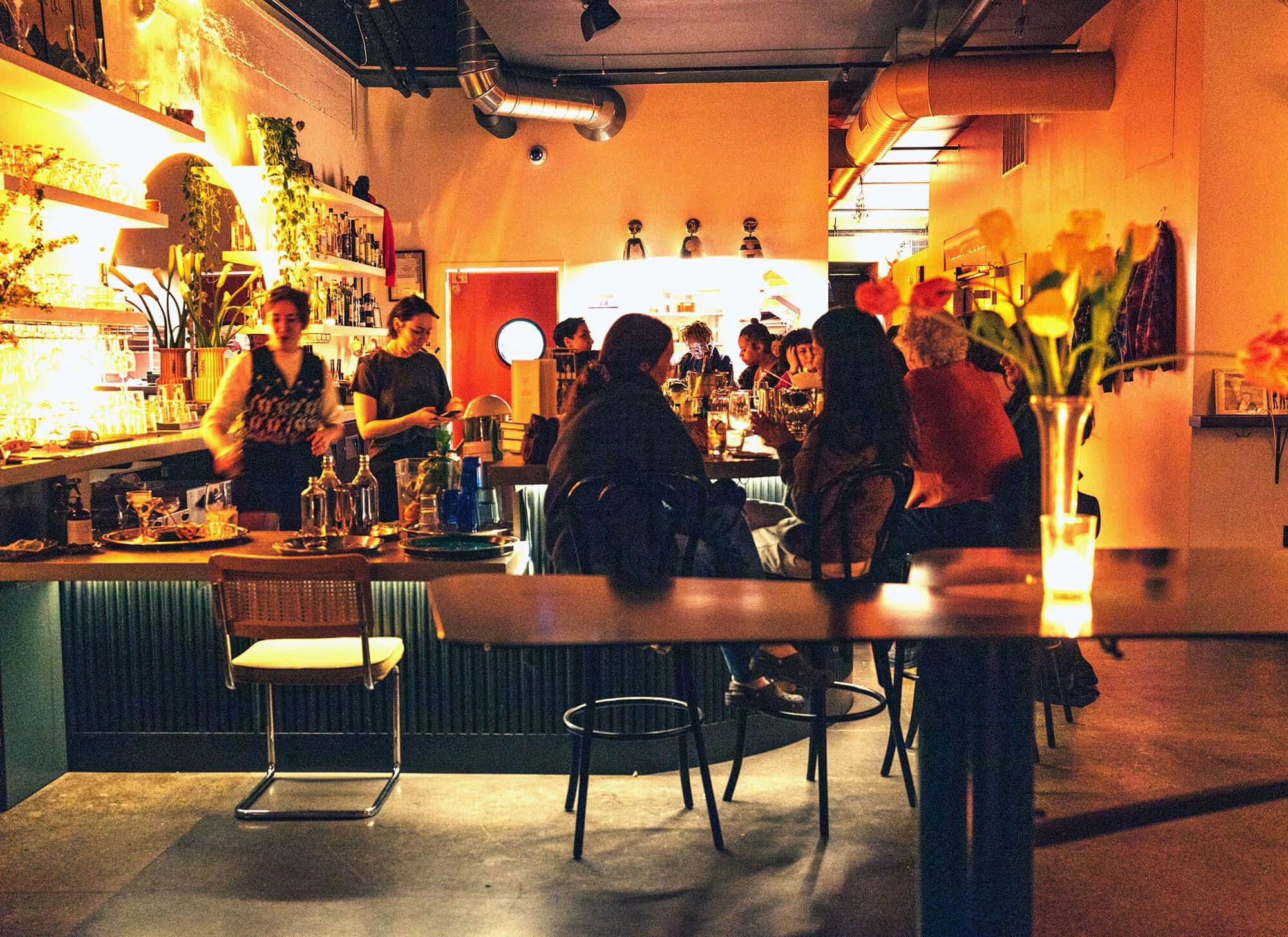
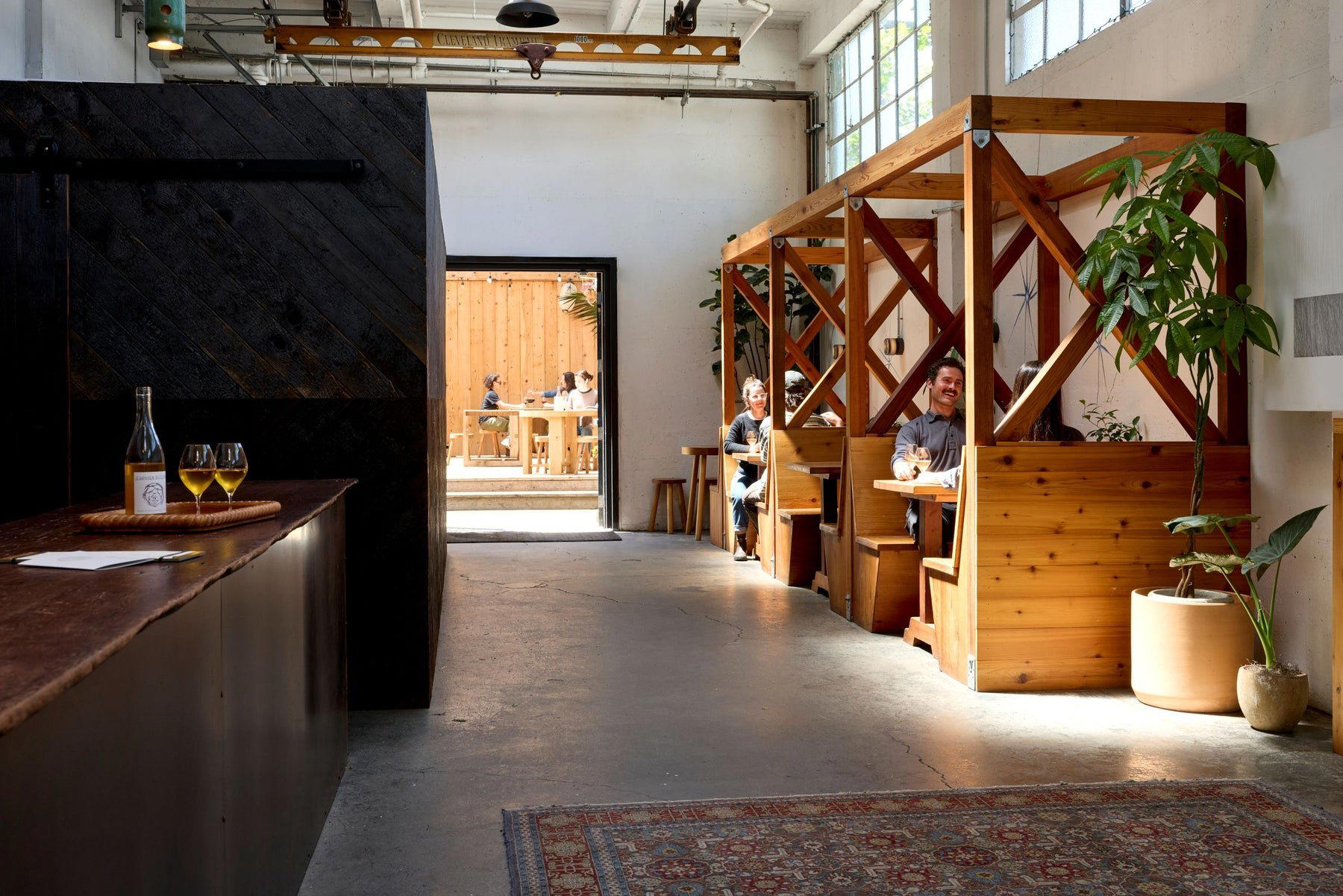
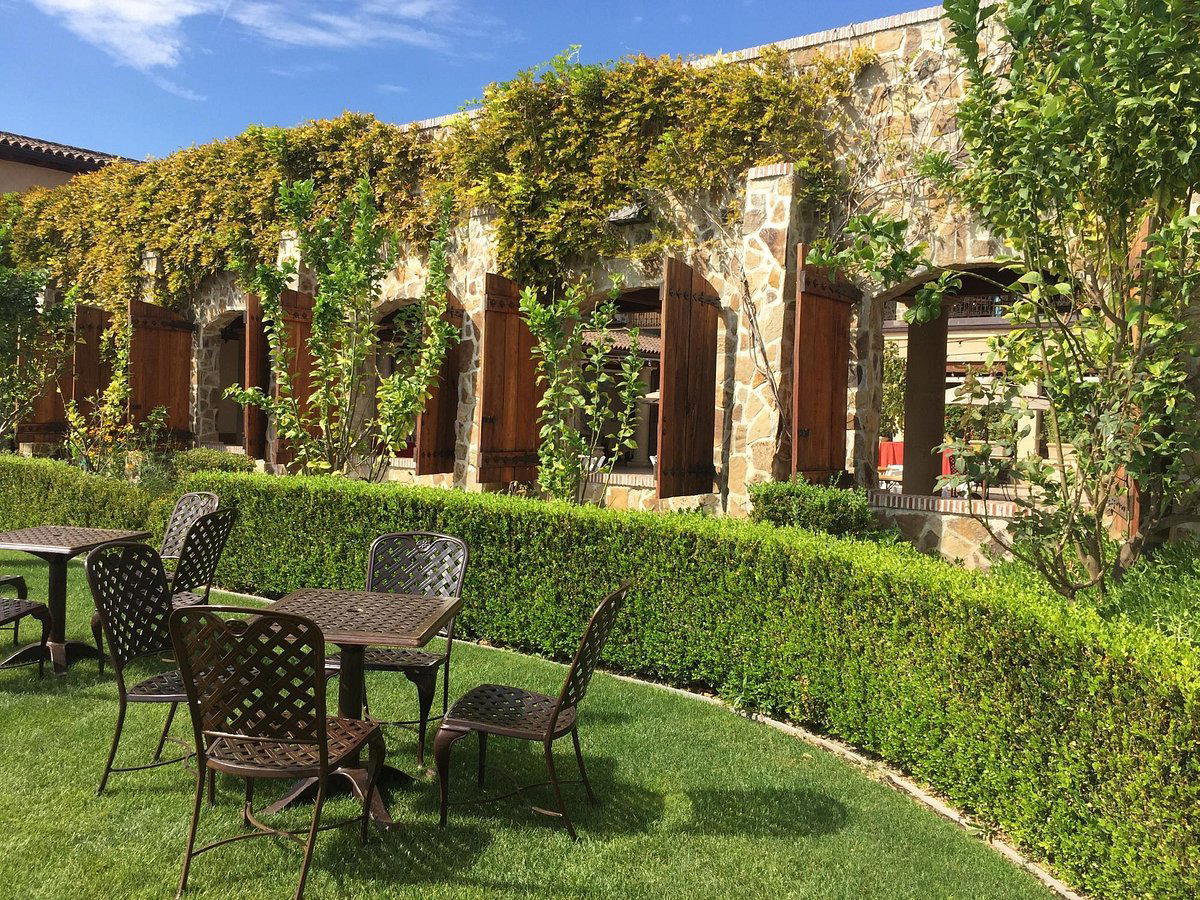
Sunny, neighborhood-feeling spot with authentic, heartwarming food in a casual co-op setting.