On a quiet stretch of De Vrièrestraat in Antwerp's city centre, Kato occupies a particular position in the local dining conversation — a restaurant where the gap between lunch and dinner service tells you as much about the kitchen's ambition as the menu itself. Situated among a peer group that includes some of Belgium's most decorated addresses, Kato draws a clientele that treats the table as a reason to plan around, not just fill an evening.
Pearl is the En Primeur Club membership app — saves, bookings, and concierge access live there. Same editors, same standards.
- Address
- De Vrièrestraat 4, 2000 Antwerpen, Belgium
- Phone
- +3233447558
- Website
- restaurant-kato.be
- Directions
- Get directions
 Saves & bookings on Pearl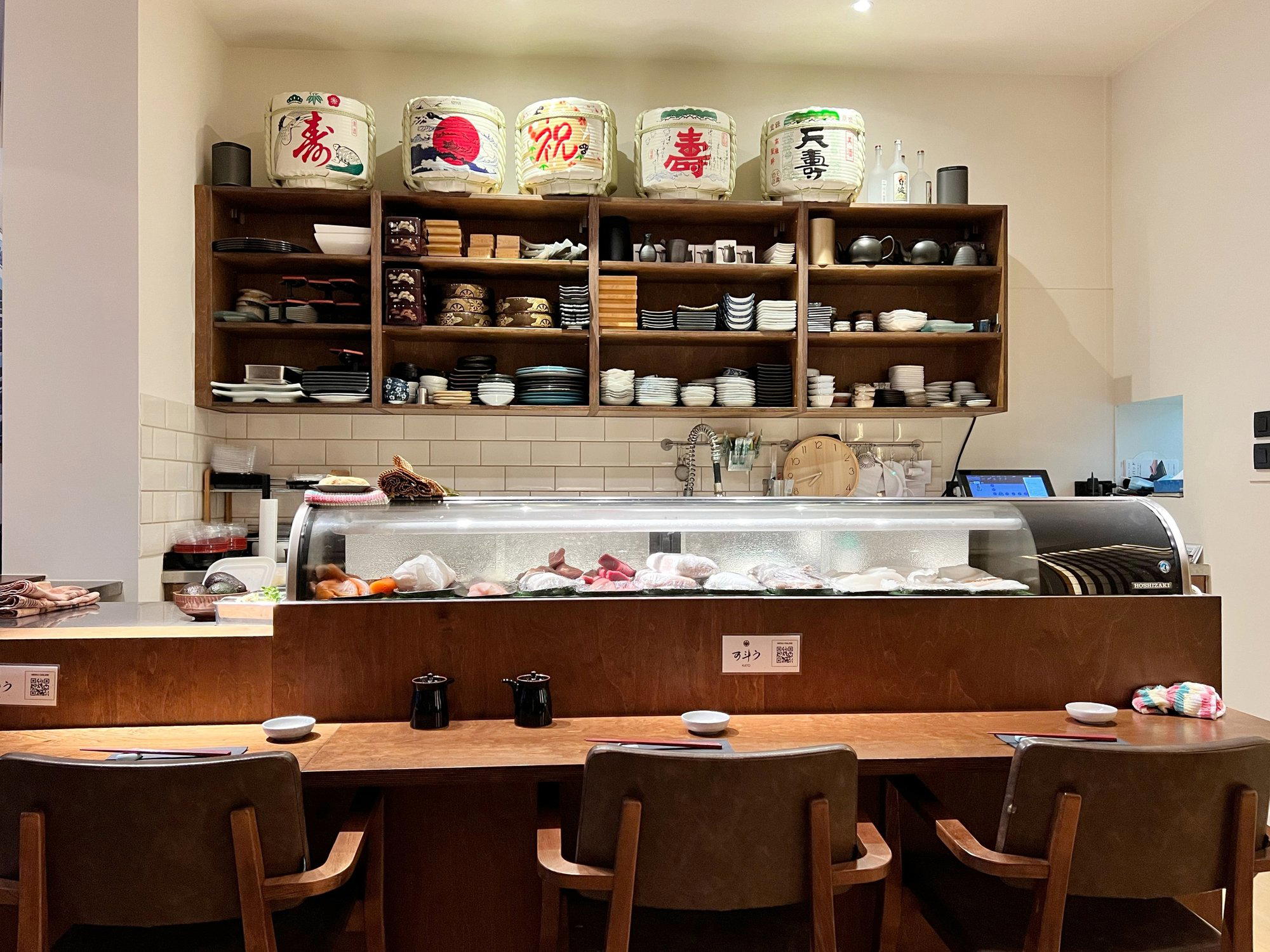
Where Antwerp's Dining Ambition Gets Specific
Antwerp has developed a restaurant culture that refuses easy categorisation. The city sits between Brussels formality and the more coastal, produce-driven kitchens of West Flanders, and its better restaurants tend to absorb both influences without fully committing to either. De Vrièrestraat 4 is not a famous address in the way that a harbourfront or a heritage square might be, and that relative anonymity is part of what defines the experience at Kato. Restaurants that occupy quieter streets in Antwerp's centre tend to earn their footfall rather than inherit it from location, and that shapes the kind of kitchen they become.
Within Antwerp's upper tier, the competitive set has sharpened considerably over the past decade. Zilte operates at the very best of the city's creative register, with a MAS Museum address and a Michelin profile to match. Hertog Jan at Botanic brings a Modern Flemish sensibility at the €€€€ price point, while 't Fornuis holds the classic European-Flemish position with a consistency that has made it a reference point rather than a destination in the fashionable sense. Into this already-populated field, Kato adds its own set of coordinates. Understanding where it sits requires reading the full map, not just the individual marker.
The Lunch and Dinner Question
In Antwerp's higher-end restaurants, the distance between a lunch sitting and an evening service is often where a kitchen's true character reveals itself. At the €€€€ tier, dinner services typically expand into longer tasting formats, fuller wine program engagement, and a pacing that assumes the table is yours for two hours or more. Lunch, by contrast, tends to compress that ambition into a format where value becomes legible: fewer courses, accessible price architecture, and a clientele that includes both the committed gastronome and the business table that arrived for a reason other than the menu.
What separates the stronger kitchens in this bracket is whether the lunch service reads as a reduced version of the evening or as a distinct proposition with its own internal logic. The former signals a kitchen running two gears; the latter signals one that has thought carefully about what each sitting demands. Belgian restaurant culture, particularly at the level where Kato operates, has a long tradition of treating the midday meal seriously, inherited in part from French culinary practice and reinforced by a local business culture that still uses the lunch table for substantive conversation. That tradition sets the baseline expectation, and a kitchen's lunch menu is read against it.
For Antwerp diners planning around Kato, the practical implication is that the choice of sitting is also a choice of format and intention. An evening visit invites a longer, more structured encounter with the kitchen's range. A lunch visit, particularly for those working within the broader Belgian dining circuit that includes Boury in Roeselare or Willem Hiele in Oudenburg, offers a different kind of reading — one where editing and economy of expression matter as much as ambition.
Kato in the Belgian Context
Belgium's restaurant scene at the high end is more geographically distributed than its international reputation suggests. The concentration of decorated kitchens outside the major cities, from Hof van Cleve in Kruishoutem to Bartholomeus in Heist and De Jonkman in Sint-Kruis, means that Antwerp restaurants compete not just against each other but against destinations that require travel. This dynamic actually strengthens the city's dining offer: an Antwerp restaurant that holds its own in that national conversation has earned its position against a demanding peer group.
Further afield, the comparison extends into Wallonia, where L'air du temps in Liernu and d'Eugénie à Emilie in Baudour represent a different register of Belgian fine dining, and into Brussels itself, where Bozar Restaurant anchors a distinct urban dining culture. Kato's position on De Vrièrestraat places it within Antwerp's contribution to this wider map, alongside addresses like DIM Dining at the Japanese-Asian end of the city's premium offer, and Bistrot du Nord at the traditional French register. The city's dining offer is genuinely plural, and that plurality is what makes individual positioning matter.
For readers whose reference points extend internationally, the Belgian fine dining tradition occupies a particular niche relative to, say, the long-form omakase model at Atomix in New York or the French-American precision of Le Bernardin. Belgian kitchens at this level tend toward seasonal produce specificity, careful sourcing from regional suppliers, and a classical European technique base that has been absorbing contemporary influence over the past fifteen years. That inheritance is both an asset and a set of expectations to work against.
Planning a Visit
Kato's address — De Vrièrestraat 4, 2000 Antwerp, places it in the city centre, accessible from the main rail stations and the hotel district without requiring significant navigation. For visitors building a broader Antwerp dining itinerary, the EP Club Antwerp restaurants guide maps the full range of the city's offer across price points and cuisine types. Equally, those planning a multi-city Belgian dining trip might cross-reference Kato against regional anchors like La Durée in Izegem or Castor in Beveren to calibrate expectations across the country's varied dining registers.
Given the venue database's current record, specific booking details, current hours, and menu pricing for Kato are best confirmed directly with the restaurant before planning travel. This is standard practice for Antwerp's upper-tier restaurants, where availability can shift and formats sometimes change between seasons.
- nigiri sushi
- sashimi assortments
- wagyu steak
- eel kabayaki
- chirashi
- gyoza
- aubergine with miso
Cuisine and Awards Snapshot
| Venue | Cuisine | Price | Awards |
|---|---|---|---|
| KatoThis venue — the venue you are viewing | This venue | Not listed | Not listed |
| Hertog Jan at Botanic | Modern Flemish, Creative | €€€€ | Michelin 2 Star |
| 't Fornuis | European-Flemish, Classic Cuisine | €€€€ | Michelin 1 Star |
| DIM Dining | Japanese, Asian | €€€€ | Michelin 1 Star |
| Dôme | Modern French, Classic French | €€€€ | Michelin 1 Star |
| Fine Fleur | Modern European, Creative | €€€€ | Michelin 1 Star |
At a Glance
- Intimate
- Minimalist
- Classic
- Date Night
- Special Occasion
- Solo
- Chefs Counter
- Open Kitchen
- Standalone
- Sake Program
- Sustainable Seafood
Current opening hours
- Monday
- Closed
- Tuesday
- 6–10 PM
- Wednesday
- 6–10 PM
- Thursday
- 6–10 PM
- Friday
- 6–10 PM
- Saturday
- 12–2 PM, 6–10 PM
- Sunday
- Closed
Hours can change for holidays and private events. Last verified .
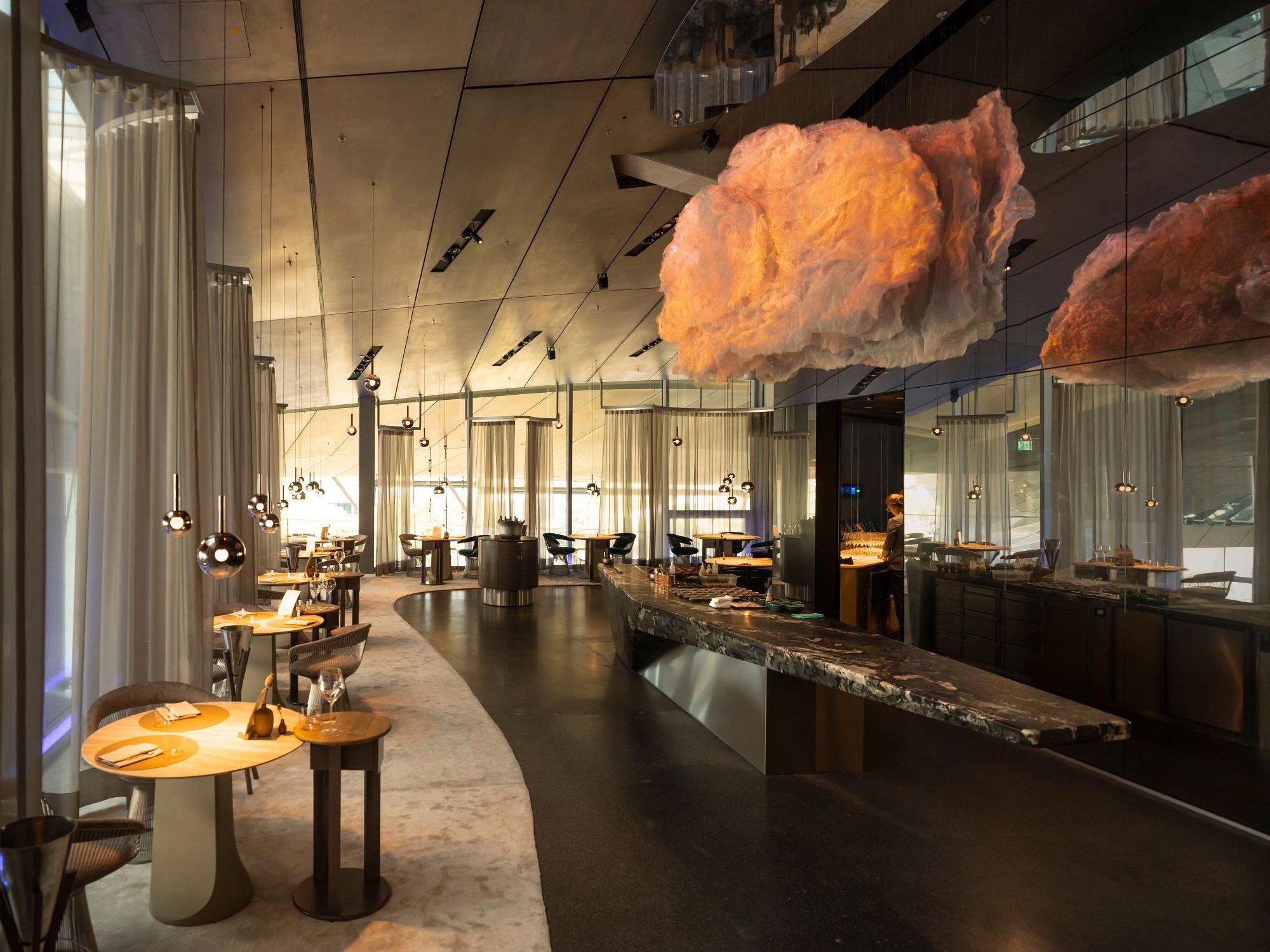
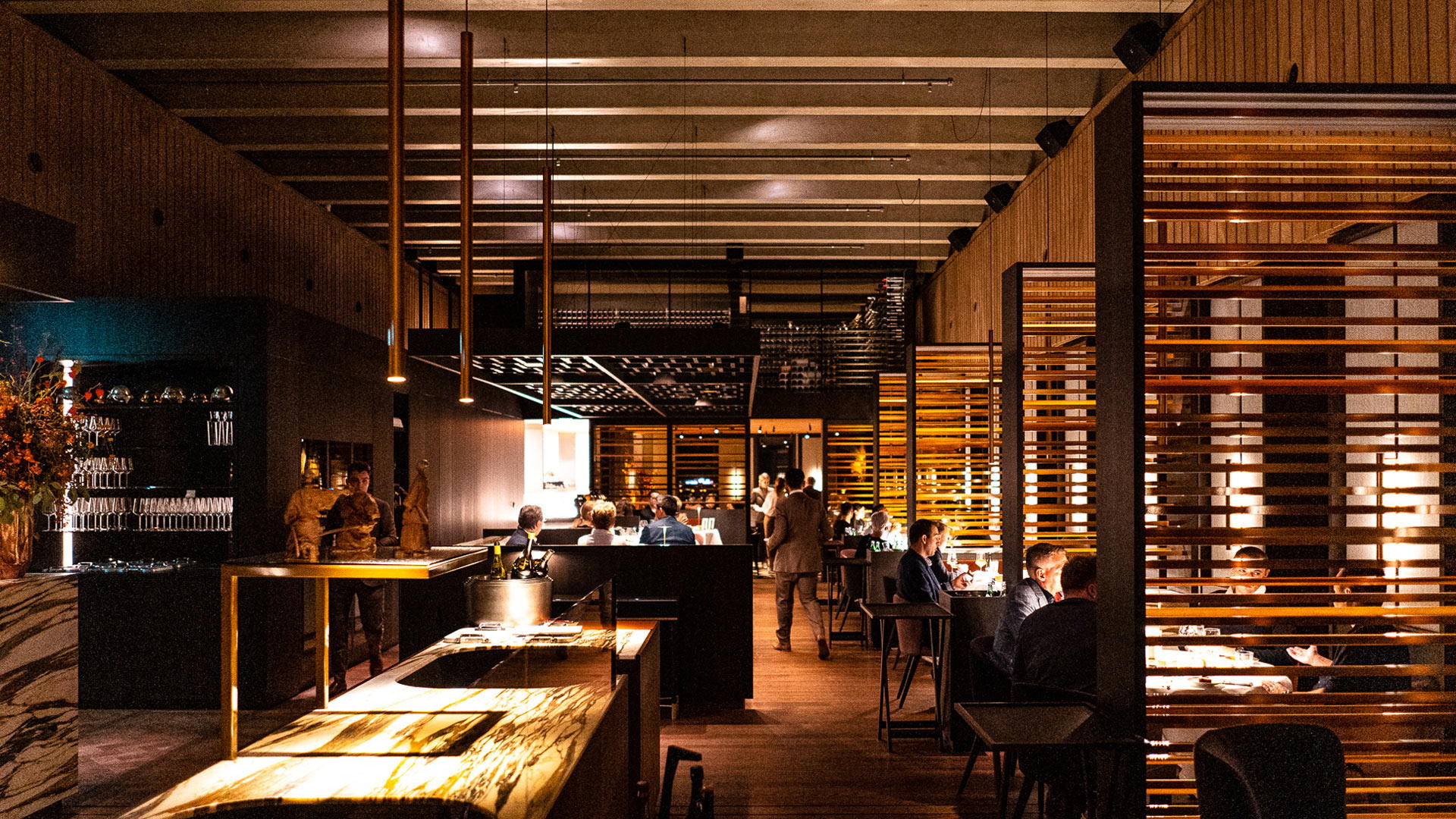
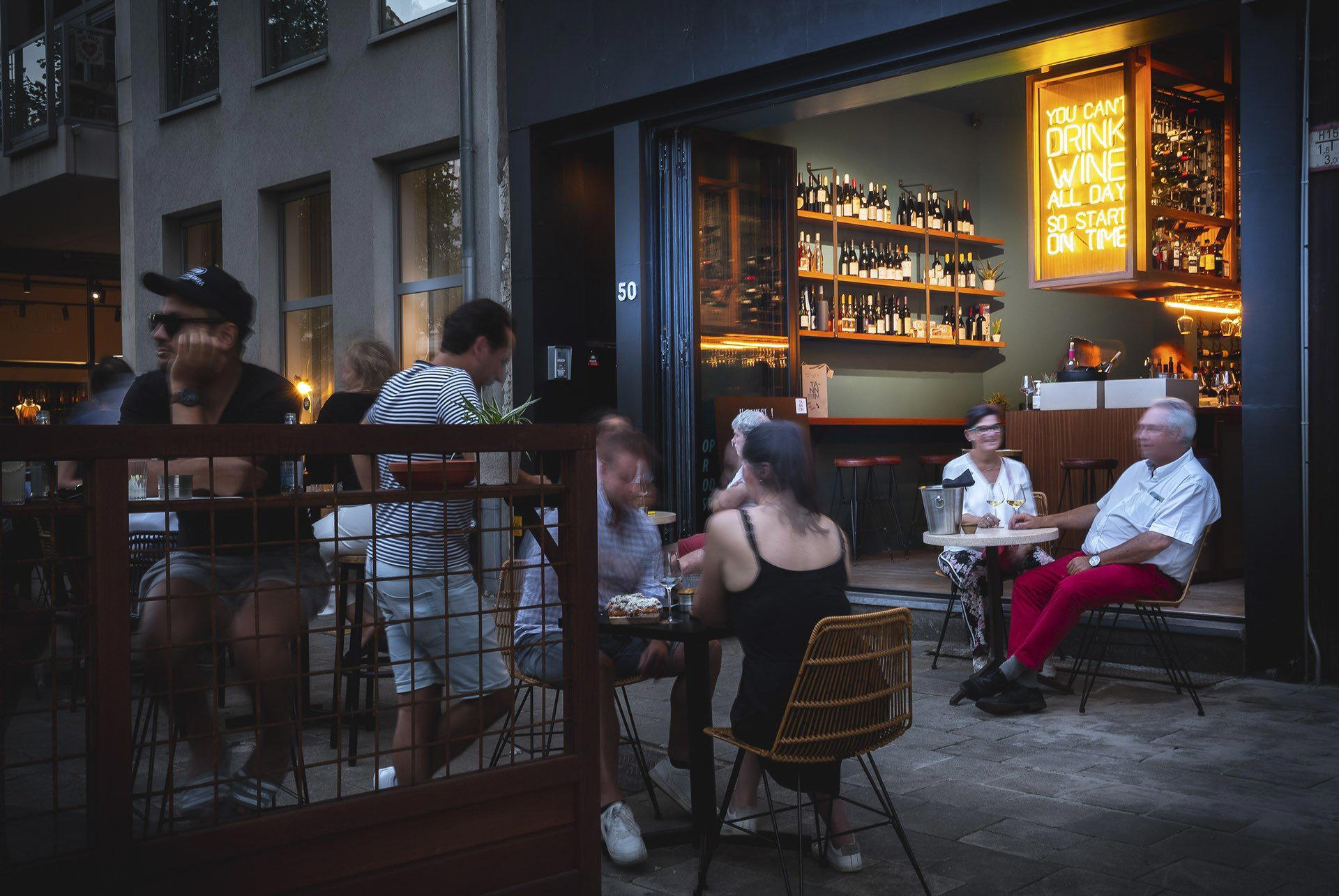
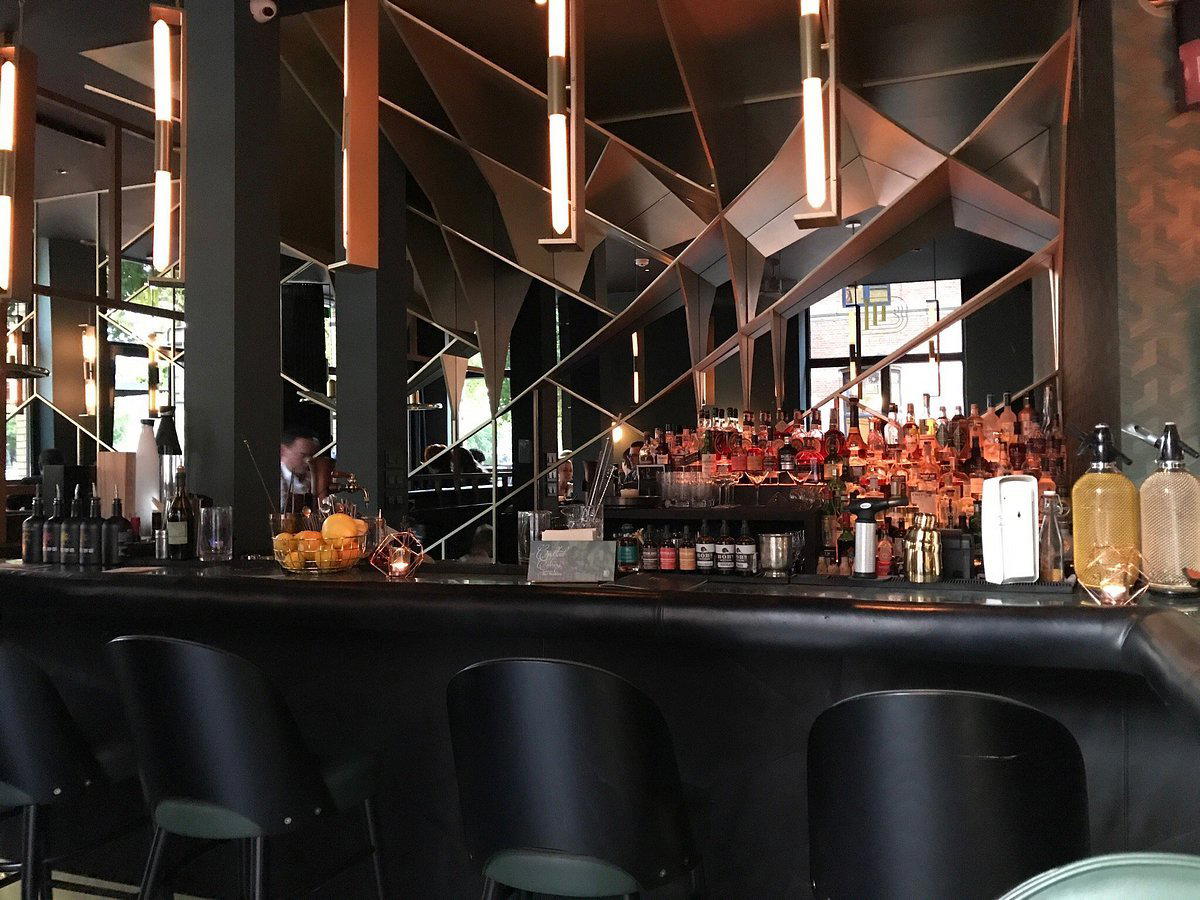
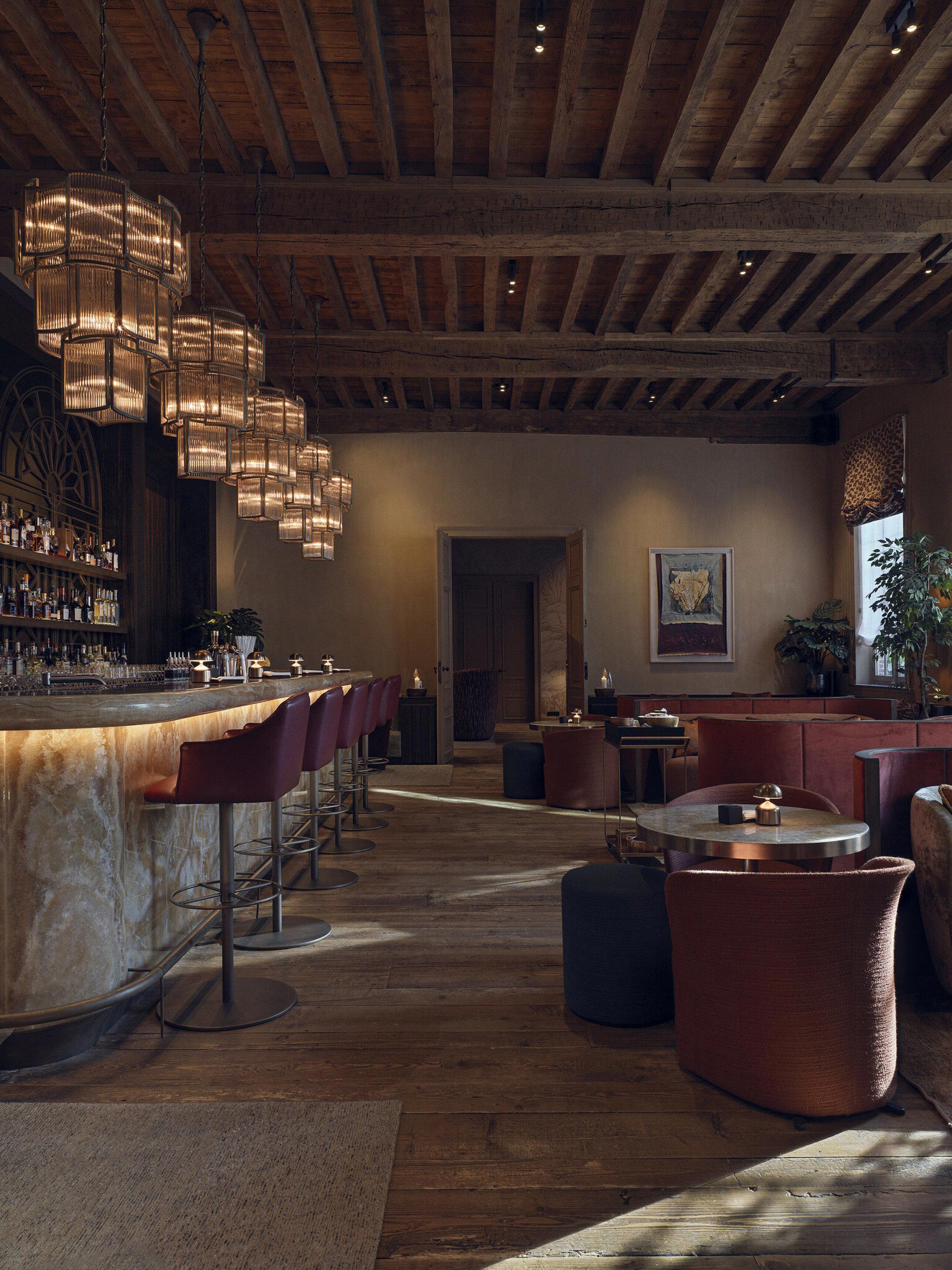
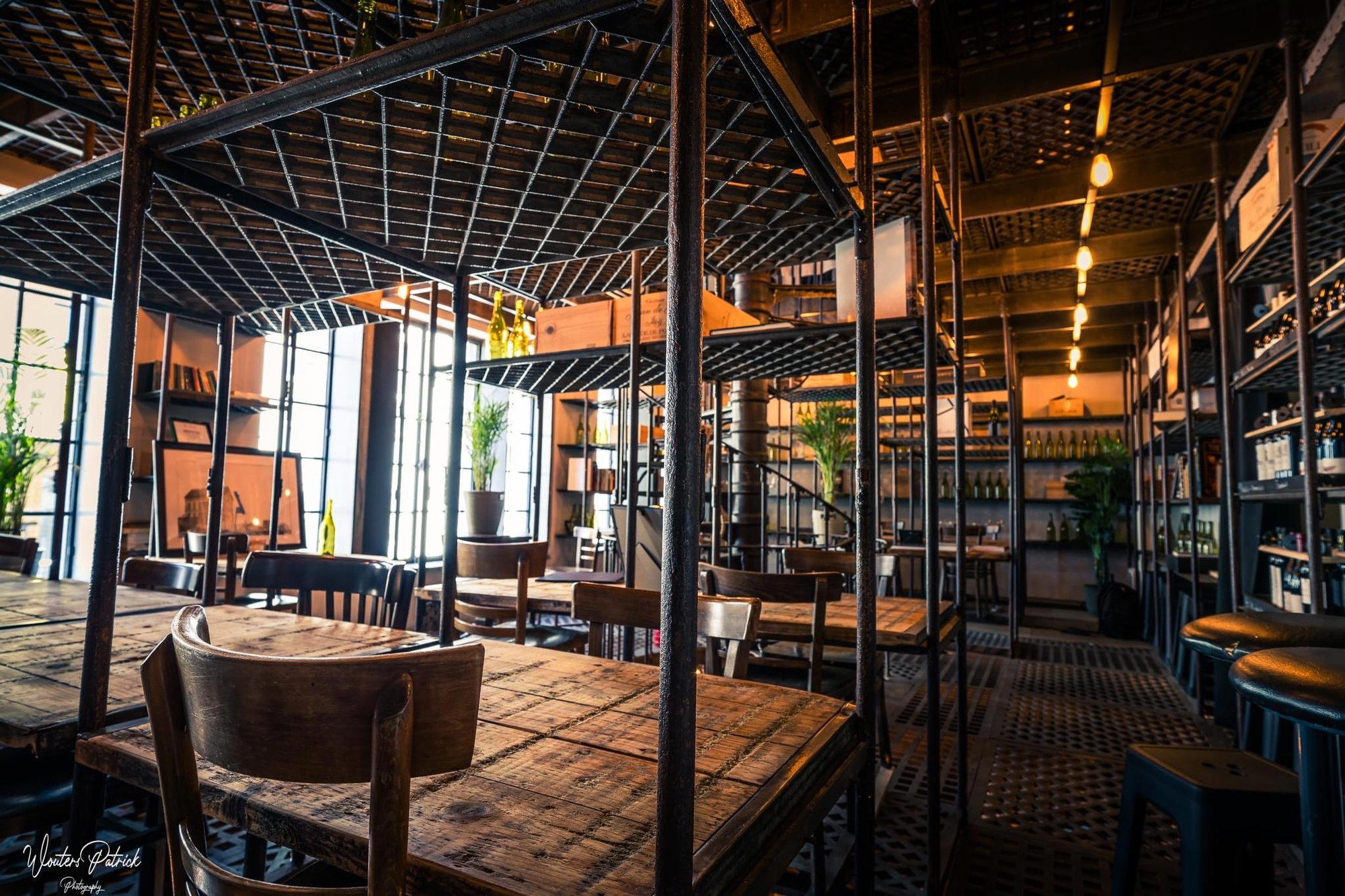
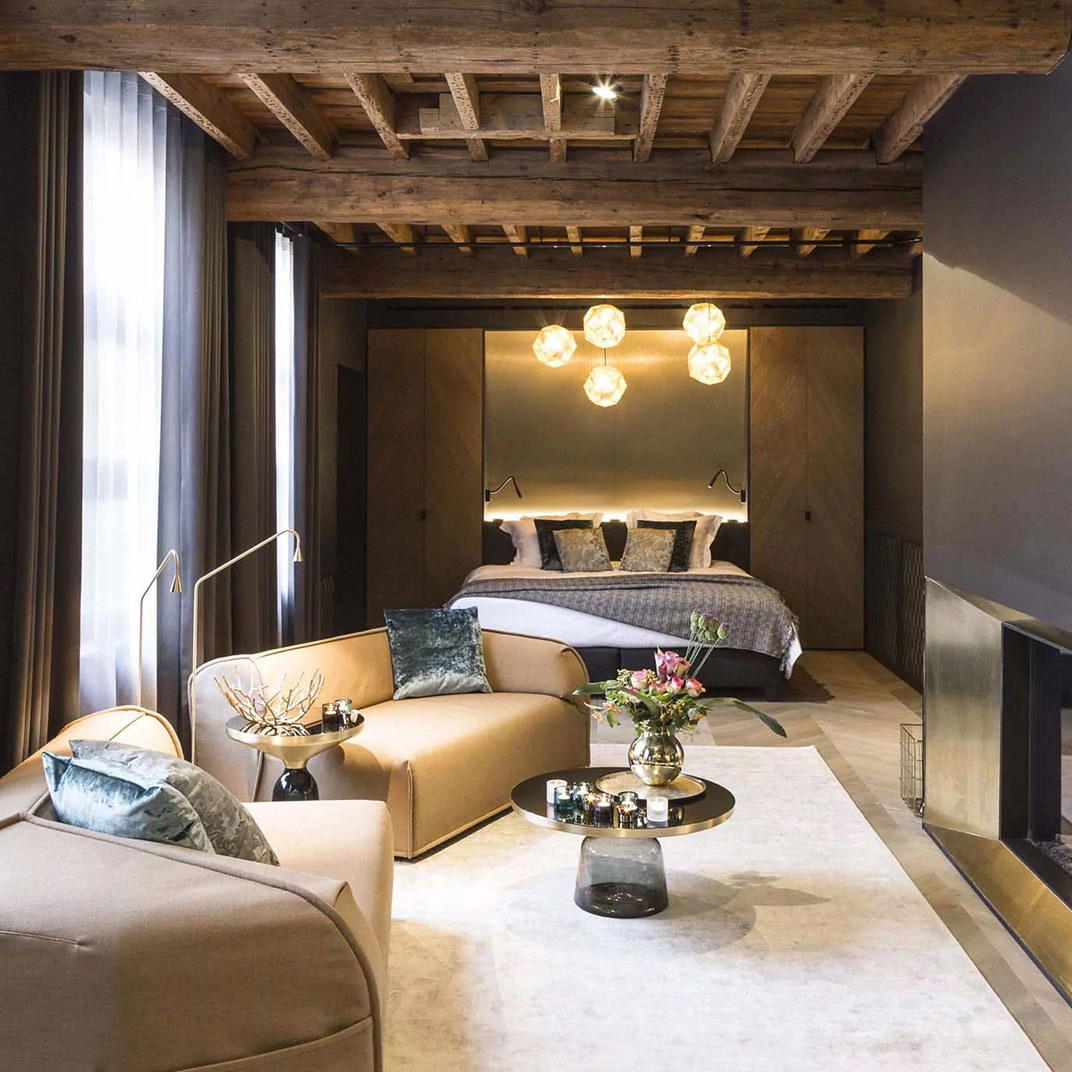
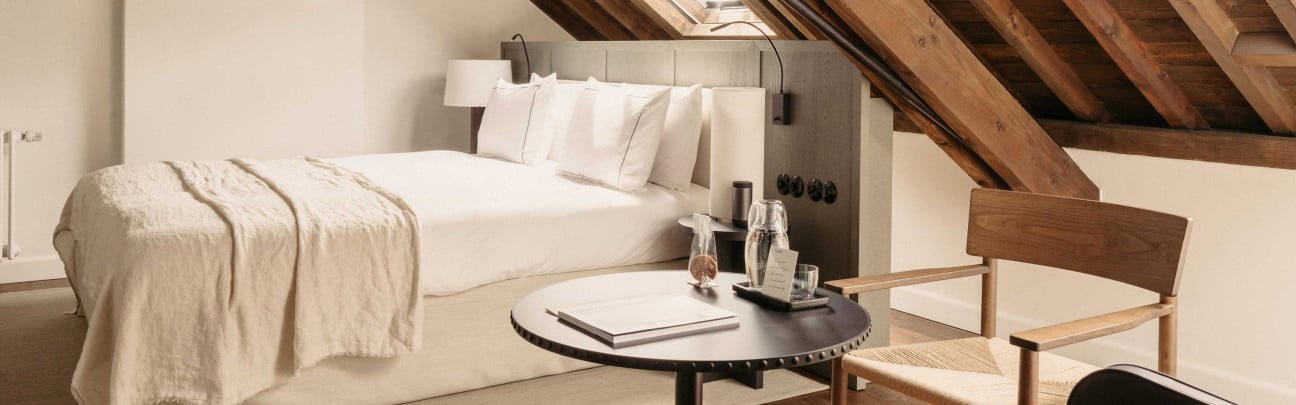
Wabi-sabi minimalist decor with barely calculated sobriety; intimate counter seating with just four seats at the counter and half a dozen tables; chalkboard menu announcing daily specials; authentic Japanese atmosphere with lowered lighting.
Know Before You Go
- Getting there
- De Vrièrestraat 4, 2000 Antwerpen, Belgium