
A Chaoshan specialist operating in Wuhou, Cuo Xia brings the restrained, broth-forward cooking of Guangdong's Chaoshan region into a Chengdu context. The seasonal menu rotates around staples like marinated goose and fresh-catch preparations. Booking ahead and pre-ordering are both required, walk-ins are not the format here.
Pearl is the En Primeur Club membership app — saves, bookings, and concierge access live there. Same editors, same standards.
- Address
- 347 Fuhua North Road, Wuhou
- Phone
- +86 173 3607 0704
- Directions
- Get directions
 Saves & bookings on Pearl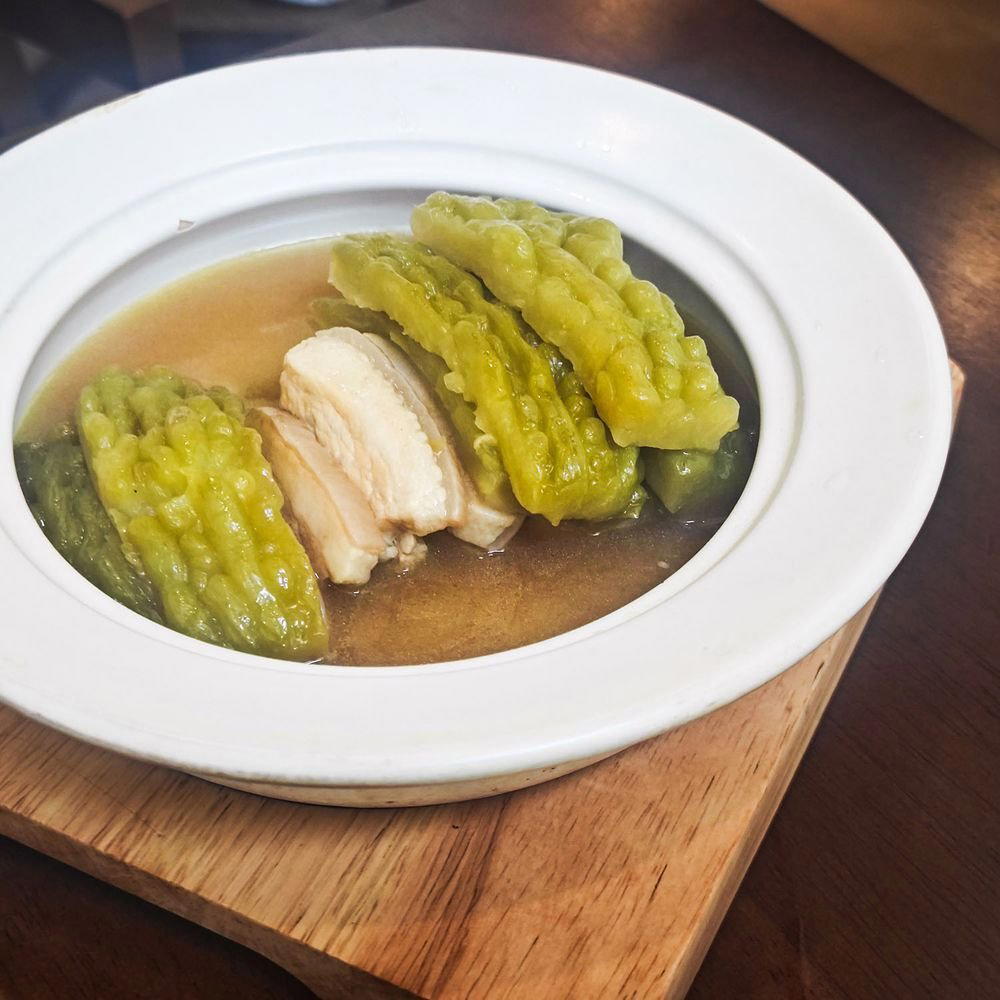
Chaoshan Cooking in a City That Runs on Chilli
Chengdu's dining scene is built on heat, numbing spice, and the kind of strong seasoning that Sichuan peppercorn delivers with precision. Against that backdrop, Chaoshan cuisine reads almost as a counterculture. Where Sichuan food layers complex aromatics, Chaoshan cooking from Guangdong province relies on restraint: clear broths, careful marination, and the natural flavour of fresh seafood. The cuisine belongs to the broader Cantonese family but sits at a distinct remove from Cantonese banquet cooking, closer in sensibility to the refined, ingredient-focused traditions you find in places like Imperial Treasure Fine Chinese Cuisine in Guangzhou. Cuo Xia is a restaurant serving Chaozhou Cuisine at 347 Fuhua North Road, Wuhou, Chengdu.
What the Room Tells You About the Food
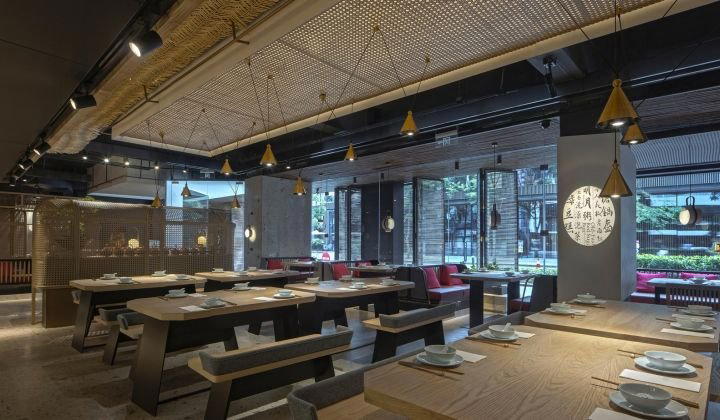
The physical space at Cuo Xia does something deliberate: wooden moulds used for making stuffed dumplings line the walls alongside coffee table books on Chaoshan cooking. The effect is less decorative than editorial. You are being told, before you order, that this is a kitchen with a point of view about a specific regional tradition. Coffee table books on cuisine signal that the reference points here are culinary history and technique, not trend. The room is described as cosy, which in a Chengdu context typically means a format better suited to small groups and focused meals than to large banquet-style gatherings.
The Chaoshan Tradition Behind the Menu
Chaoshan cuisine, sometimes called Teochew cooking outside China, originates from the Chaoshan region in eastern Guangdong. Its defining characteristics are a preference for steaming, braising, and slow marination over high-heat frying, and a reliance on seafood and poultry rather than pork-heavy preparations. The marinated goose that appears on Cuo Xia's menu is among the more recognisable dishes in the Chaoshan canon. Goose is braised low and slow in a master stock built from soy, spices, and aromatics, then sliced and served at room temperature or slightly warm. It is a dish that rewards patience in the kitchen and concentration at the table. Chaoshan versions of the dish have their own regional logic: the spice profile tends to be more restrained than Cantonese roast preparations, and the quality of the master stock is the key variable.
Seafood is the second pillar of the tradition. Preparations like steamed fish with chicken broth reflect a technique where the liquid amplifies the protein rather than competing with it. This is a different philosophy from the bold saucing you find across most of Chengdu's restaurant spectrum, and it positions the restaurant in an interesting cross-city conversation. Teochew-inflected seafood cooking shows up in different contexts at places like Chef Tam's Seasons in Macau and in the broth-forward thinking you see at Ru Yuan in Hangzhou. At the restaurant the format is smaller and less formal, but the culinary logic is related.
A Menu That Moves With the Season
The menu at the restaurant rotates seasonally, which is a structural commitment rather than a marketing phrase. In Chaoshan cooking, seasonal rotation makes particular sense: the cuisine depends on fresh seafood, and what's worth cooking changes month to month. The catch of the day format, represented here by preparations like steamed silver whiting with chicken broth, means the kitchen is making sourcing decisions on a short timeline. That kind of menu discipline tends to produce more consistent cooking than fixed menus built around year-round staples. It also means that two visits six months apart will return meaningfully different meals. Alongside the rotating elements, marinated goose and catch-of-the-day preparations anchor the menu as constants. This split between rotating and fixed items is a practical approach that Chaoshan restaurants across China tend to favour, the protein-intensive preparations that require long marination or braising time are kept stable, while lighter fish dishes move with availability.
Where Cuo Xia Sits in Chengdu's Wider Scene
Chengdu's dining map is weighted heavily toward Sichuan cooking in its many registers, from the single-yuan bowl houses near Fang Xiang Jing to high-investment tasting menus. Regional Chinese cuisines from outside Sichuan occupy a smaller band. Hokkien Cuisine in the city addresses one adjacent tradition; the restaurant addresses another. Both operate on the premise that a Chengdu audience exists for cooking that doesn't default to Sichuan spice architecture. Fuhua North Road in Wuhou is a residential and commercial corridor rather than a destination dining strip, which tends to suit the format: regulars who return often, smaller rooms, and a kitchen that can maintain consistency at lower volume. The cosy-joint descriptor places the restaurant closer in spirit to Fu Rong Huang's neighbourhood-focused approach than to the larger-scale operations that dominate Chengdu's premium tier.
Planning Your Visit
The restaurant requires advance booking and pre-ordering, which is stated as a condition of the format rather than a preference. Pre-ordering is common in Chaoshan restaurants operating at small scale: the marination timelines for goose and the logistics of sourcing day-catch seafood mean the kitchen needs to know what it is preparing before service begins. Walk-ins are not a realistic option. The address is 347 Fuhua North Road, Wuhou. No website or phone number is listed in the public record, so booking through local reservation platforms or via direct contact is the practical route.
Budget Reality Check
Comparable venues nearby, for context on price, style, and recognition.
| Venue | Cuisine | Price | Awards | Notes |
|---|---|---|---|---|
| Cuo XiaThis venue — the venue you are viewing | Chengdushi, Chaozhou Cuisine | $$ | Bib Gourmand | Not listed |
| Rong Yuan Can Guan | Chengdushi, Authentic Home-Style Sichuan | $$ | Bib Gourmand | Not listed |
| Gong Zhou · Ba Shu Wei Yuan | Chengdushi, Chongqing-style Sichuan | $$ | Bib Gourmand | Not listed |
| Mind | Chengdushi, Sichuan Noodles | $$ | Bib Gourmand | Not listed |
| Chuanpu | Chengdushi, Fujian Live Seafood | $$ | Michelin Plate | Not listed |
| Guan Jin (Wuhou) | Not listed | $$ | Bib Gourmand | Chengdushi, Sichuan Braised Fish & Regional Classics |
Recognition history
Dated appearances from independent guides and award organizations, with the underlying list record or original source where available.
Michelin Bib Gourmand
Michelin
Continue exploring
More in Chengdu
Restaurants in Chengdu
Browse all →



At a Glance
- Casual Hangout