Cunard Tavern
Cunard Tavern occupies a corner of Orleans Street in East Boston, a neighbourhood where working waterfront heritage and a wave of independent dining have converged. The tavern format places it squarely in the local-bar-with-serious-food tier that has defined East Boston's dining identity over the past decade. For neighbourhood context and nearby alternatives, see our full East Boston guide.
Pearl is the En Primeur Club membership app — saves, bookings, and concierge access live there. Same editors, same standards.
- Address
- 24 Orleans St, Boston, MA 02128
- Phone
- +16175677609
- Website
- cunardtavern.com
- Directions
- Get directions
 Saves & bookings on Pearl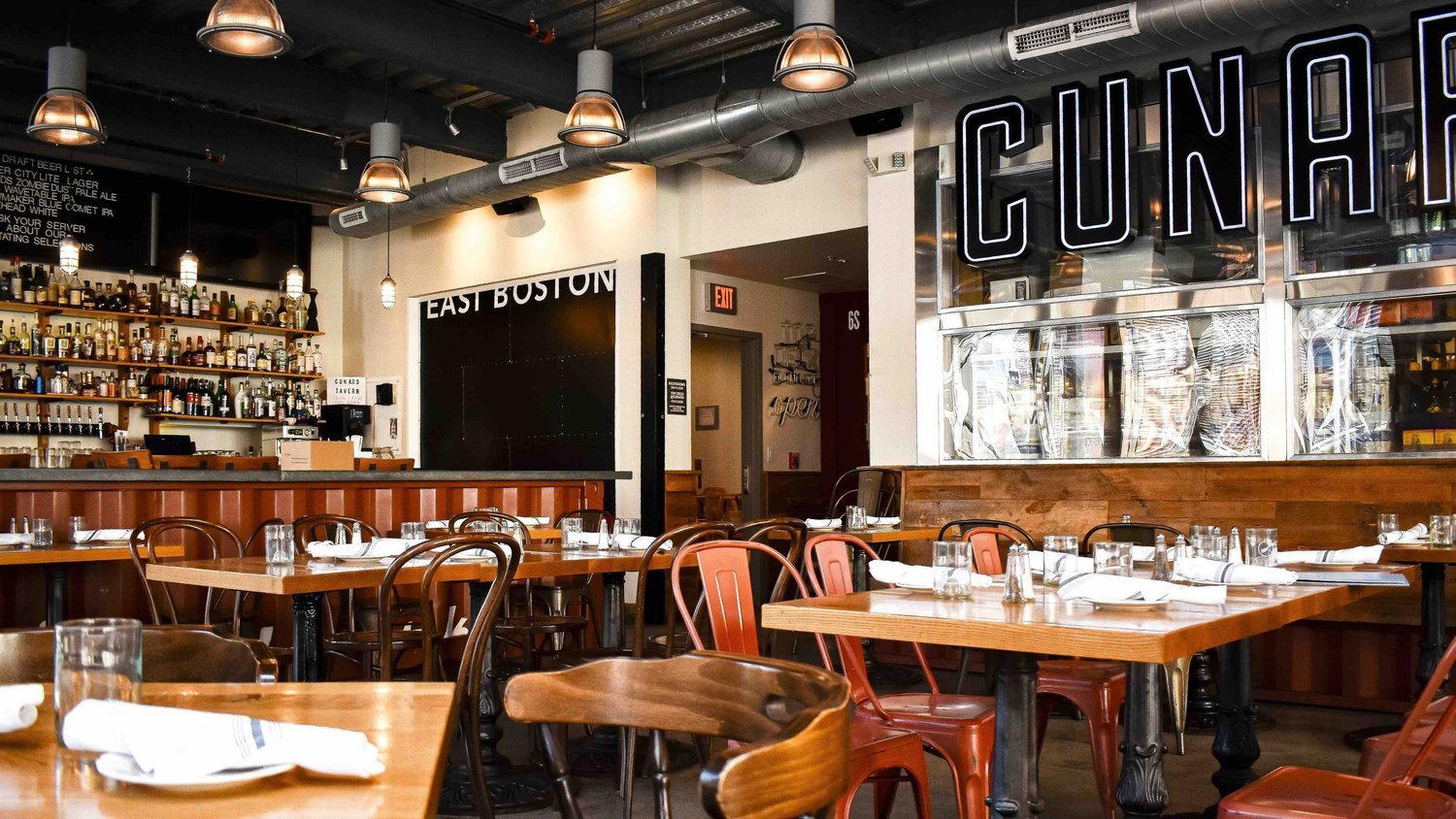
Orleans Street and the Tavern Tradition
East Boston's dining scene has never been built around spectacle. The neighbourhoods that spread inland from the harbour edge, Maverick Square, Orient Heights, the blocks around Orleans Street, developed their food culture through practicality: Portuguese fishmongers, Central American taquerias, and the kind of corner tavern that functioned as community anchor long before the word "gastropub" entered the American vernacular. Cunard Tavern, at 24 Orleans Street, sits within that tradition. The address is unglamorous in the way that honest neighbourhood bars tend to be, and that directness is part of what gives the East Boston tavern format its particular character.
The broader shift in American tavern dining over the past fifteen years has moved the category toward sourcing accountability. Where the neighbourhood bar once meant frozen appetisers and generic draft handles, a younger cohort of operators began asking harder questions about supply chains: which farms, which fisheries, which regional producers. East Boston's proximity to the New England coast and its established wholesale relationships through the nearby waterfront make it a logical setting for that kind of ingredient-first thinking. The tavern format here carries more supply-chain credibility than the same format might in a landlocked city.
Ingredient Geography in New England
The sourcing argument for East Boston restaurants rests on geography more than ideology. The Atlantic coast from Maine to Cape Cod produces shellfish, groundfish, and cold-water species that are difficult to replicate at equivalent quality further inland. Boston's wholesale fish markets, operating at commercial scale, give neighbourhood restaurants access to product that trickles down from the same supply chains feeding higher-tier kitchens. This is not a marginal advantage: the difference between a clam chowder made with day-boat clams landed at the waterfront and one made with product shipped from a central distributor is measurable in texture, salinity, and shelf life.
Farm-to-table framework that reshaped fine dining at places like Blue Hill at Stone Barns in Tarrytown and Single Thread Farm in Healdsburg has filtered, in diluted form, into the neighbourhood tier. The ambitions differ sharply in scale and price point, but the underlying logic, that what you serve is determined by what the land and sea around you actually produce, applies across categories. In coastal New England, that logic favours fish and shellfish above most other ingredients, which gives waterfront-adjacent taverns a structural sourcing advantage that their menus should reflect.
East Boston's food corridor also benefits from the neighbourhood's Central American and Latin population, which sustains a parallel supply network for produce, chiles, and prepared goods that feeds into restaurants across the area. La Hacienda Rest and Pazza on Porter represent different parts of that mix. Cunard Tavern operates in a different register, but draws from the same neighbourhood supply ecosystem.
The East Boston Dining Tier
East Boston sits in a specific position within the greater Boston dining map. It is not a destination neighbourhood in the way that the South End or Back Bay draw visitors from across the city, but it is not a culinary blank either. The neighbourhood has produced a range of independent operators working across Vietnamese, Italian-American, and bar-food formats. New Saigon, Saigon Hut, and MIDA each represent distinct corners of that range.
The tavern sits at the accessible end of the price spectrum relative to the fine-dining benchmarks that define the category's ceiling nationally. Kitchens at Le Bernardin in New York City, The French Laundry in Napa, or Smyth in Chicago operate under entirely different sourcing frameworks, multi-supplier relationships, dedicated farm contracts, intensive provenance documentation. A neighbourhood tavern does not replicate that infrastructure, nor should it try. What it can do is make honest decisions within its tier: sourcing from the right regional distributors, keeping the menu within a range that reflects what is actually available locally, and resisting the drift toward generic product that afflicts cost-cutting operators across the category.
That discipline, applied consistently, is what separates a neighbourhood tavern from one that coasts on location and lease cost. East Boston's independent dining culture has raised the baseline expectation across the neighbourhood.
Sourcing in the Tavern Format
The tavern as a format carries specific sourcing implications. The menu range is typically broader than a tasting-menu kitchen, which means more SKUs, more suppliers, and more opportunities for inconsistency. The formats that do this well tend to limit their range to what they can source reliably, rather than extending the menu to paper over supply gaps with lower-quality product. New England's seasonal rhythm, lobster in summer, oysters year-round, winter root vegetables, spring ramps from Berkshire foragers, provides a natural editorial framework for a tavern kitchen that is paying attention.
The comparison set for ingredient-driven tavern dining at the national level includes kitchens at Providence in Los Angeles, where seafood sourcing is treated as a primary editorial statement, and Addison in San Diego, which operates with California's year-round produce availability as a structural advantage. These are different tier and price-point references, but they illustrate what sourcing discipline looks like when it is treated as a non-negotiable rather than a marketing point. Lazy Bear in San Francisco, Emeril's in New Orleans, Atomix in New York City, The Inn at Little Washington, and Atelier Moessmer Norbert Niederkofler in Brunico each approach regional sourcing from radically different cultural and geographic starting points, but the underlying commitment to place-specific product is consistent across the tier.
Planning a Visit
Cunard Tavern is located at 24 Orleans Street in East Boston, accessible via the MBTA Blue Line at Maverick Station, which puts the neighbourhood roughly seven minutes from downtown Boston by rail. The East Boston waterfront is walkable from the station, and the street grid around Orleans Street is compact enough that the tavern functions as a local anchor rather than a destination requiring significant navigation. Given the tavern format and neighbourhood price point, walk-in dining is often viable, though weekend evenings in any active neighbourhood bar tend to fill early.
Comparison Snapshot
Comparable venues nearby, for context on price, style, and recognition.
| Venue | Cuisine | Price | Notes |
|---|---|---|---|
| Cunard TavernThis venue — the venue you are viewing | East Boston Gastropub with Global Fusion | $$ | Not listed |
| La Hacienda Rest | Mexican & Salvadoran Home Cooking | $$ | East Boston |
| MIDA | Modern Southern Italian Coastal | $$$ | East Boston |
| New Saigon | Vietnamese Noodle Soups & Sandwiches | $ | Orient Heights |
| Pazza on Porter | Italian-American | $$ | East Boston |
| Saigon Hut | Authentic Vietnamese Noodle Shop | $ | East Boston |
Continue exploring
More in East Boston
Restaurants in East Boston
Browse all →
Bars in East Boston
Browse all →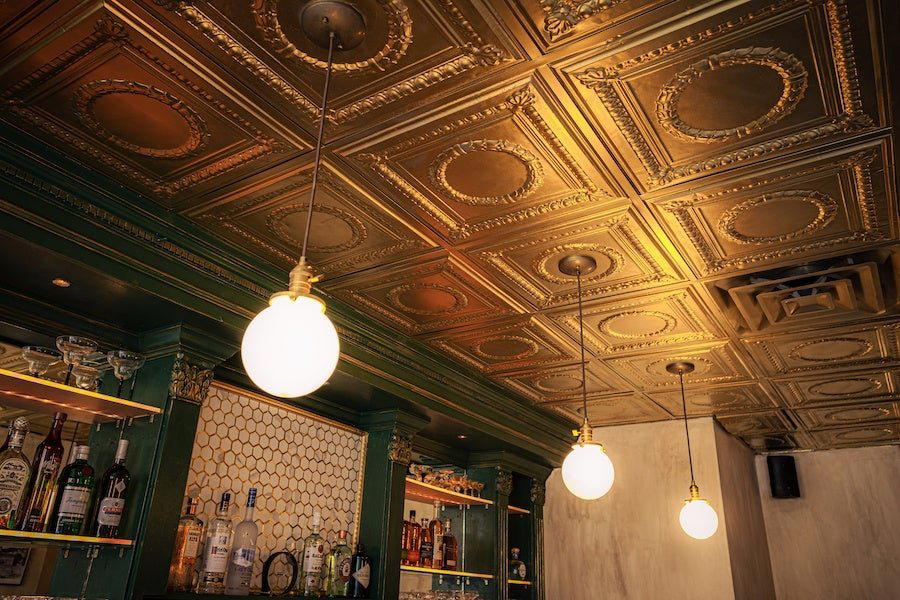

At a Glance
- Lively
- Trendy
- Casual Hangout
- Brunch
- After Work
- Rooftop
- Waterfront
- Open Kitchen
- Craft Cocktails
- Beer Program
- Local Sourcing
- Waterfront
- Skyline
Current opening hours
- Monday
- 4–11 PM
- Tuesday
- 4–11 PM
- Wednesday
- 4–11 PM
- Thursday
- 4 PM–12 AM
- Friday
- 4 PM–1 AM
- Saturday
- 10:30 AM–1 AM
- Sunday
- 10:30 AM–11 PM
Hours can change for holidays and private events. Last verified .
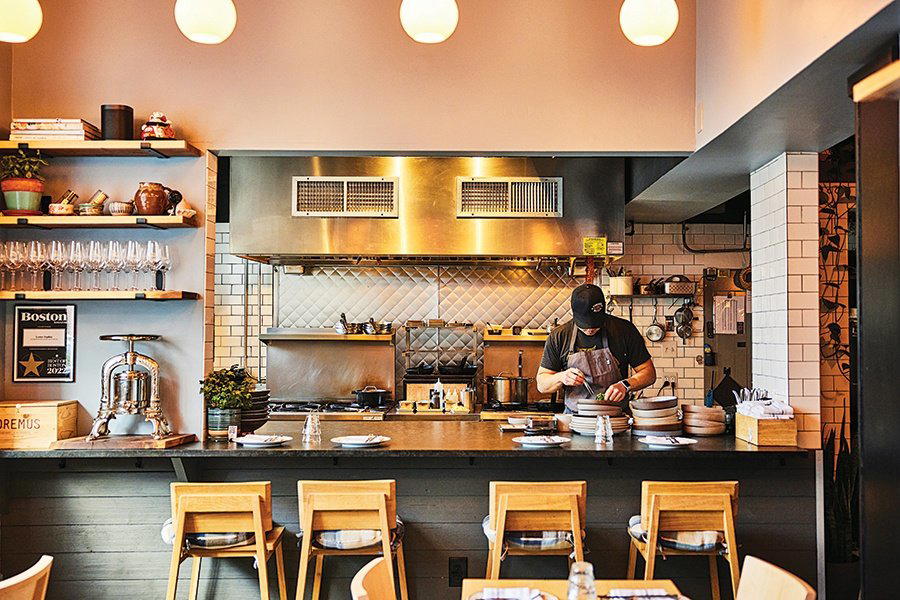
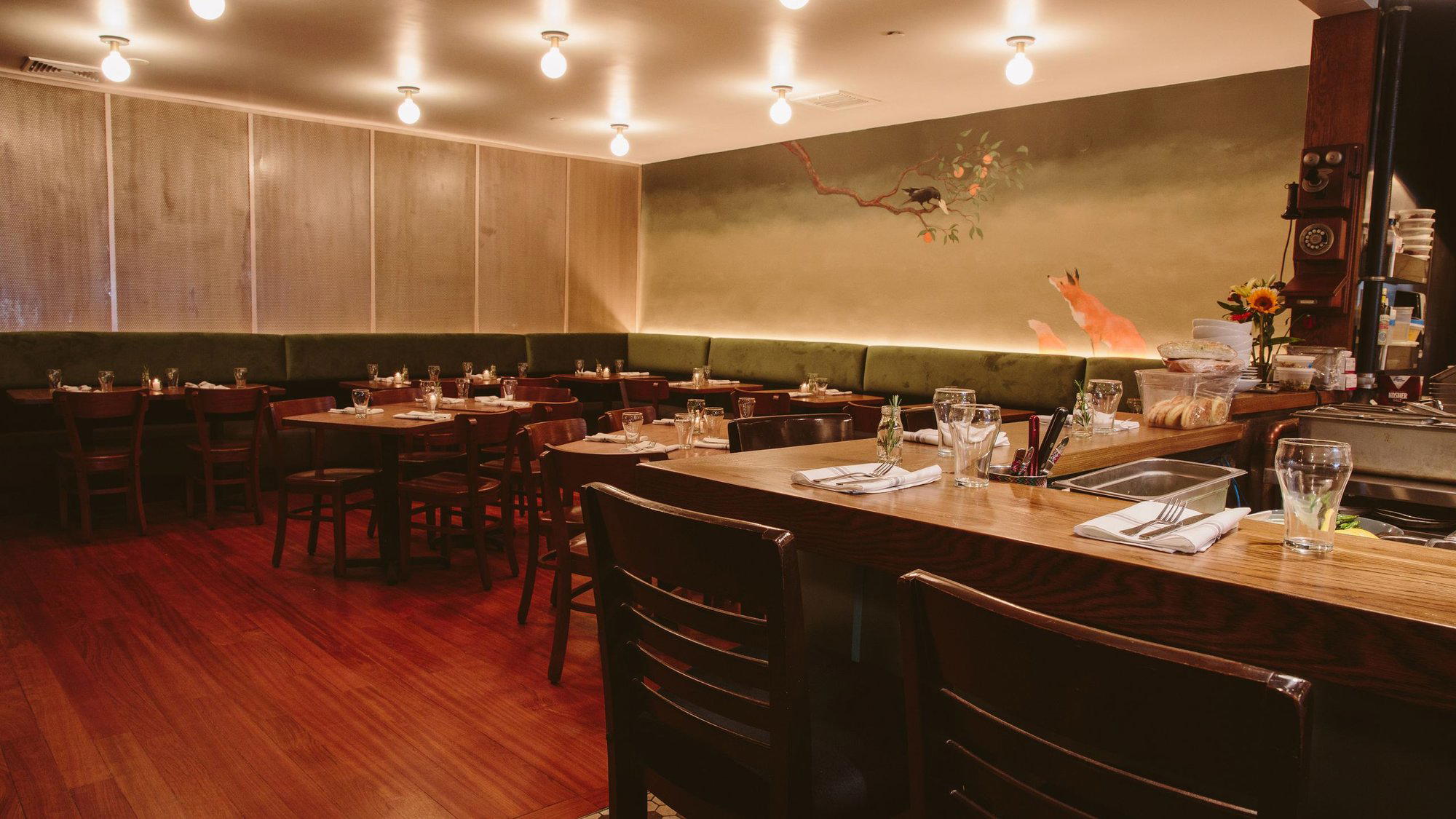
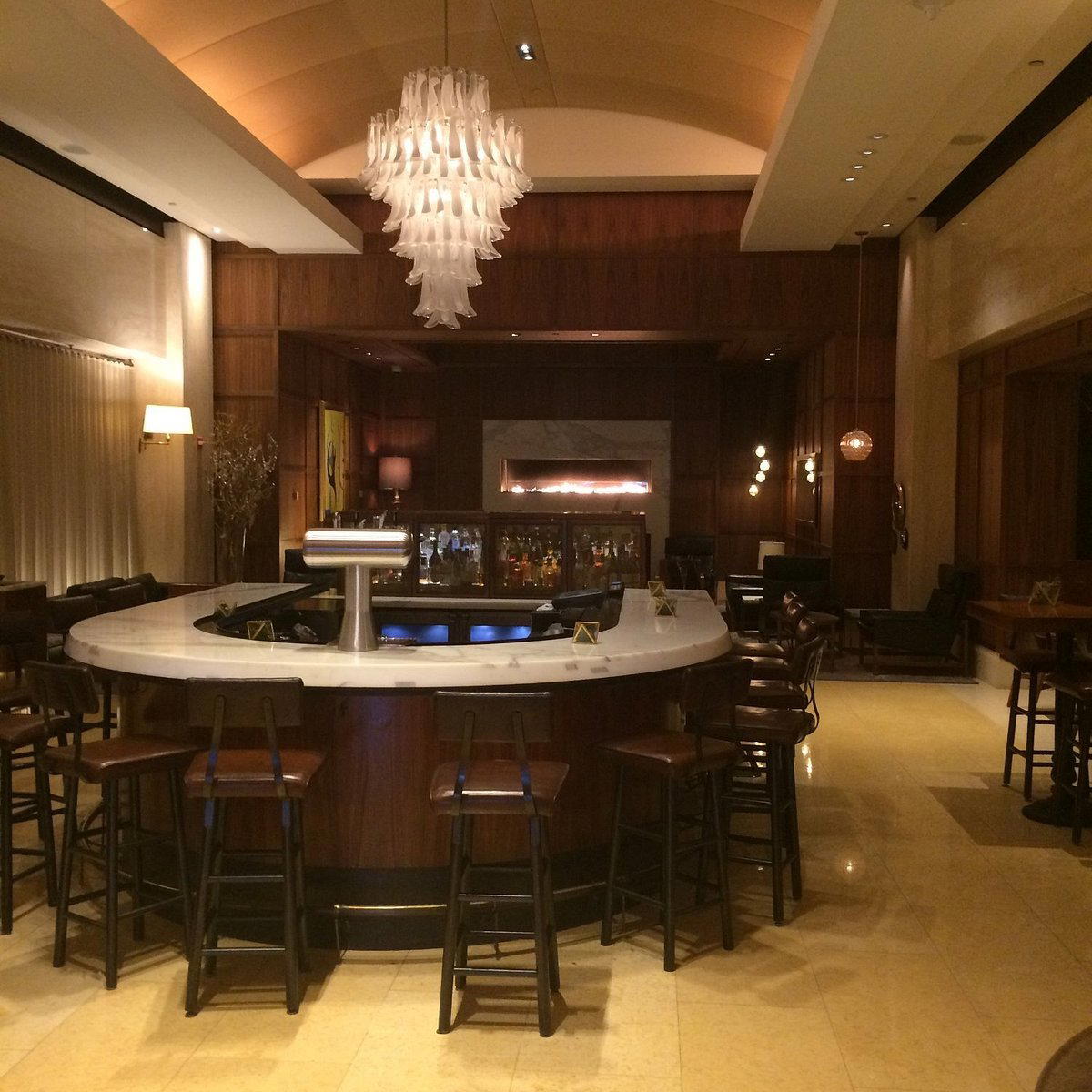
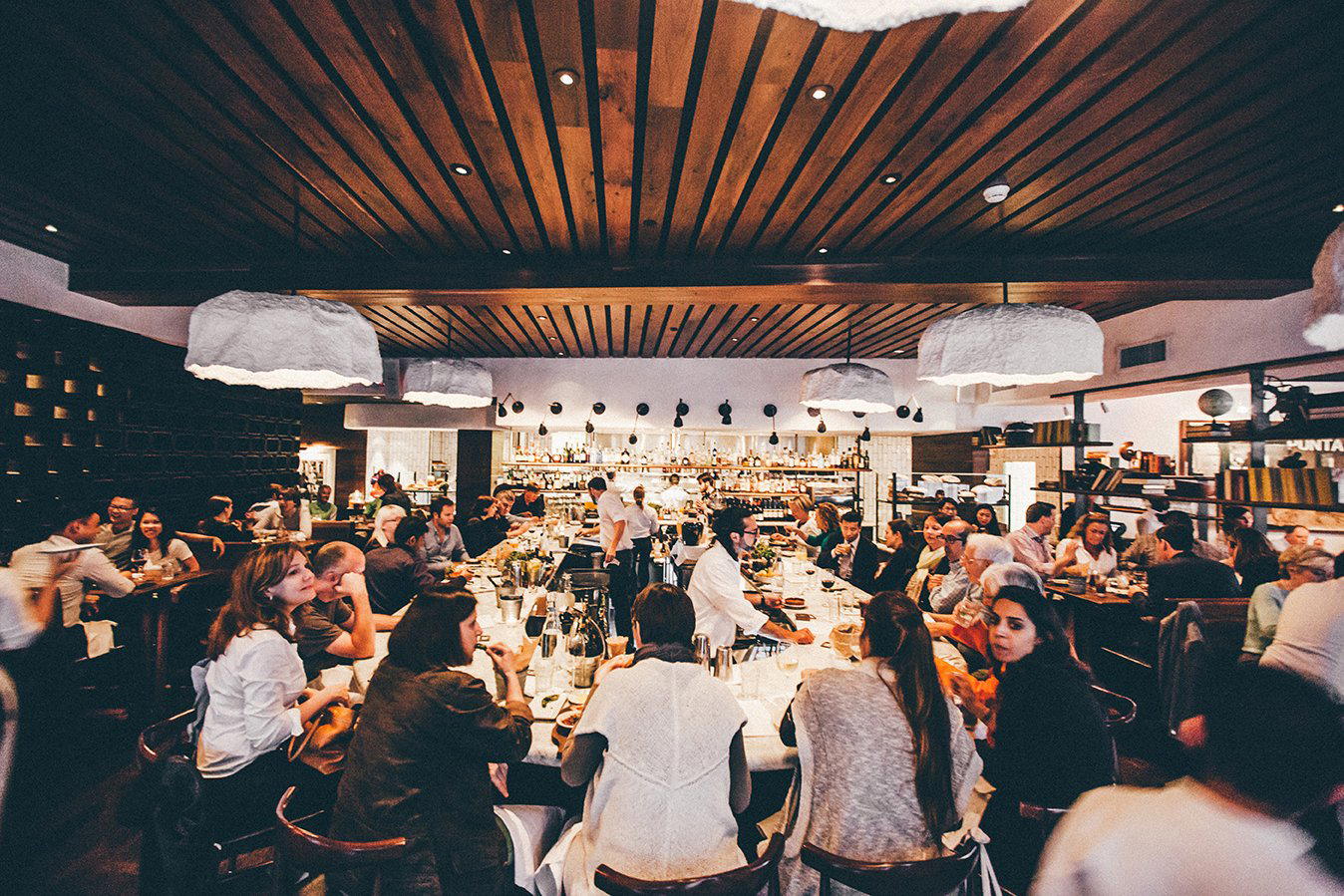
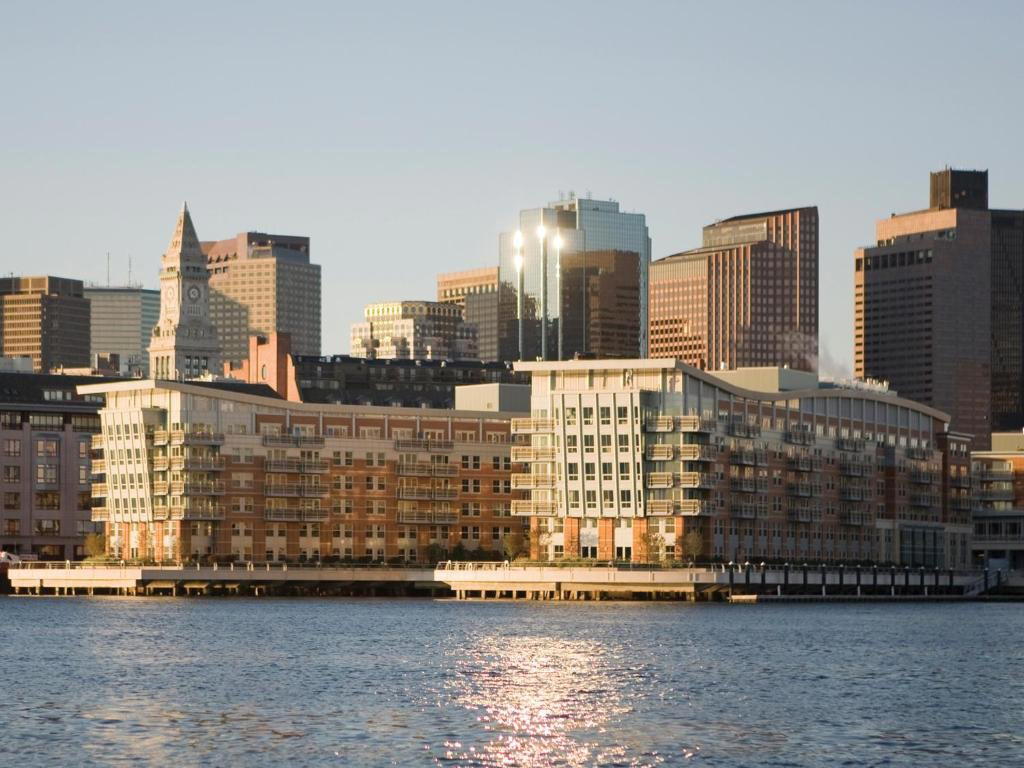
Nautical-themed dining room with historic shipyard elements like mastheads and illuminated signs, paired with lively harbor views from the rooftop.