MIDA
Our verdict
Set against a broader local scene that ranges from Vietnamese staples to Italian-American traditions, MIDA adds another register to a block that rewards neighborhood exploration on foot.

Pearl is the En Primeur Club membership app — saves, bookings, and concierge access live there. Same editors, same standards.
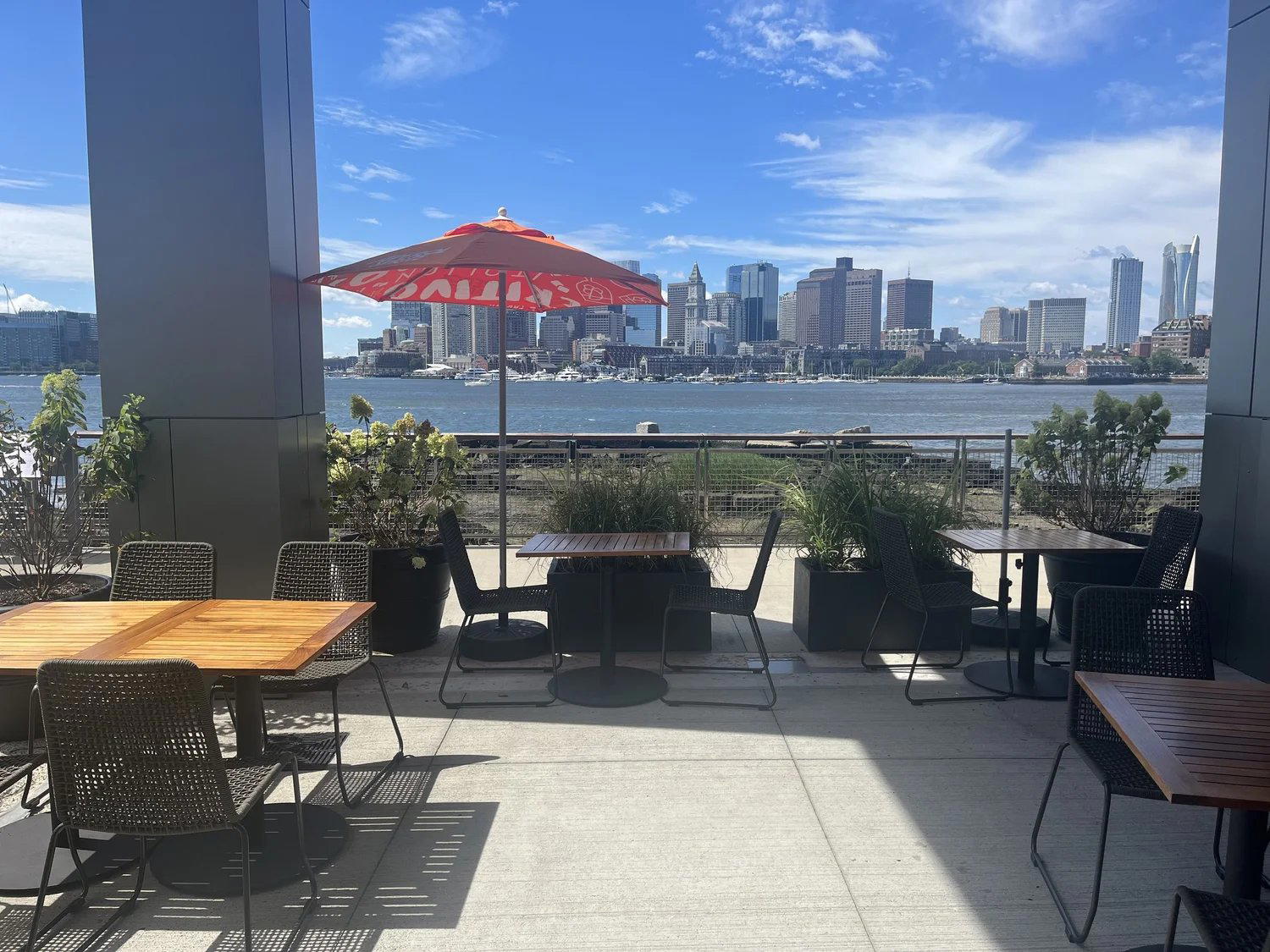
The menu
What to order
- Clam Pie
- Bucatini all'Amatriciana
- Rock Shrimp Carbonara
East Boston's Dining Identity and Where MIDA Sits Within It
East Boston has undergone a slow but legible dining transformation over the past decade. What was once a neighborhood defined almost entirely by its proximity to Logan Airport and its long-established Latin American and Vietnamese communities has expanded into a more layered corridor, where newer operators have moved in alongside institutions that predate any gentrification conversation. The neighborhood's dining character is shaped by compression: a dense residential footprint, transit access via the Blue Line, and a local clientele that still largely determines which rooms survive and which don't. That dynamic tends to produce restaurants that earn their keep through substance rather than hype.
The East Boston scene rewards the kind of attention most visitors reserve for neighborhoods with higher profiles. Cunard Tavern anchors the casual end of the spectrum, while La Hacienda Rest and New Saigon represent the neighborhood's deeper ethnic dining traditions. Pazza on Porter and Saigon Hut round out a block-by-block offering that is more varied than its zip code suggests. For a fuller map of the area's options, the full East Boston restaurants guide covers the neighborhood's range in more detail.
Cultural Roots and the Question of What the Cuisine Means Here
Italian-American cooking in Boston carries particular weight. The city's North End has held the cultural franchise on red-sauce tradition for well over a century, and any Italian-leaning concept that opens outside that neighborhood inevitably positions itself in relation to that reference point, whether it acknowledges the comparison or not. East Boston has its own Italian-American history, rooted in the wave of immigration that shaped the neighborhood in the early twentieth century, and that history gives local operators a different kind of legitimacy than a concept imported purely for commercial reasons would carry.
Italian cooking at the serious end of the American spectrum has spent the last fifteen years sorting itself into distinct tiers. There are the red-sauce traditionalists, the modernist Italian-American hybrids, and the restrained, product-led rooms that look to regional Italian traditions as a primary reference rather than Italian-American ones. The tier a given restaurant occupies determines everything from its wine program to its plate composition to its price expectations. Understanding which bracket a room like MIDA is playing in is the most useful frame a diner can bring to the reservation.
Across American cities, the Italian-American dining category has proven more durable than critics predicted when New Nordic and Japanese-inflected cooking dominated the conversation a decade ago. Pasta-led menus, wood-fired proteins, and aperitivo culture have all gained ground in rooms that previously would have leaned toward more globally eclectic formats. That durability reflects something genuine in the cuisine's appeal: the ability to operate at multiple price points, to reward both technical execution and sourcing quality, and to anchor a neighborhood rather than merely attract destination traffic. Rooms that get this calibration right tend to generate the kind of consistent local loyalty that keeps a dining room financially stable through market shifts.
How East Boston Compares to the City's Broader Dining Circuit
Boston's restaurant map has historically concentrated its critical attention on the Back Bay, the South End, and Cambridge. The neighborhoods that sit across the harbor, reached by Blue Line or water taxi rather than a short cab ride, have operated in a different register, serving locals first and drawing destination diners only when the offering is compelling enough to justify the crossing. That dynamic is shifting.
For context on what premium dining at the American level looks like in its most refined expressions, rooms like Le Bernardin in New York City, The French Laundry in Napa, and Alinea in Chicago set one end of the spectrum. At the farm-integration end, Single Thread Farm in Healdsburg and Blue Hill at Stone Barns in Tarrytown define what sourcing-led American cooking looks like when resources are not a constraint. Regional American fine dining, represented by Emeril's in New Orleans, Providence in Los Angeles, Addison in San Diego, The Inn at Little Washington, and Lazy Bear in San Francisco, shows how cities of different scales and traditions have each developed their own premium dining identity. Internationally, Atomix in New York City and 8 1/2 Otto e Mezzo Bombana in Hong Kong illustrate how cuisine-specific mastery operates across global contexts. MIDA operates at a different register than these reference points, but understanding the spectrum clarifies what local neighborhood operators are working against and, in some cases, successfully carving around. For visitors arriving from downtown Boston, the Blue Line crossing takes under ten minutes from Government Center, making East Boston more accessible than its cross-harbor position might suggest. Current contact details, hours, and booking availability are best confirmed directly through the restaurant, as operational specifics are subject to change. Visiting on a weekday evening, when the neighborhood's dining rooms tend to operate with more breathing room than weekend service, is a reasonable approach for a first visit to the area.
Frequently asked questions
Where exactly is MIDA?
MIDA is located at 65 Lewis St, Boston, MA 02128, East Boston.
How does MIDA fit into East Boston's Italian-American dining identity compared to Boston's North End?
The North End has held Boston's Italian-American cultural franchise for over a century, but MIDA at 65 Lewis St, East Boston operates in a neighborhood with its own distinct immigrant history and dining rhythm. Where the North End now draws heavily on tourist footfall, East Boston's Italian-American cooking scene has evolved in closer proximity to the communities that shaped it. That geographic and cultural separation gives restaurants in Eastie a different orientation, one less defined by convention and more open to what the cuisine actually looks like in 2024.
What's the must-try dish at MIDA?
What the restaurant's East Boston context does suggest is a program rooted in Italian-American tradition, the culinary backbone of Boston's broader Italian dining identity.
Should I book MIDA in advance?
East Boston's dining room count is small relative to demand as the neighborhood's profile has grown, and restaurants on Lewis St draw both locals and cross-harbor visitors from downtown Boston. Booking ahead is advisable, particularly for weekend sittings. check the venue's official channels to confirm reservation availability.
What do critics highlight about MIDA?
What draws editorial attention to East Boston more broadly is the neighborhood's emergence as a counterpoint to the South End and Back Bay circuits, with Italian-American cooking here carrying a different cultural register than the tourist-facing North End.
Do they accommodate allergies at MIDA?
For guests with dietary restrictions, the reliable approach is to call or email ahead of arrival so the kitchen can plan accordingly. The restaurant is located at 65 Lewis St, Boston, MA 02128.
Is MIDA worth the price?
What is clear is that East Boston restaurants generally offer a different price-to-experience ratio than comparable kitchens in the Back Bay or Cambridge, partly because the neighborhood has yet to attract the same volume of destination dining traffic.
Cost and Credentials
Comparable venues nearby, for context on price, style, and recognition.
| Venue | Cuisine | Price | Notes |
|---|---|---|---|
| MIDAThis venue — the venue you are viewing | Modern Southern Italian Coastal | $50–100 | Not listed |
| Saigon Hut | Authentic Vietnamese Noodle Shop | $10–20 | East Boston, Authentic Vietnamese Noodle Shop |
| La Hacienda Rest | Mexican & Salvadoran Home Cooking | $20–30 | East Boston, Mexican & Salvadoran Home Cooking |
| Cunard Tavern | East Boston Gastropub with Global Fusion | $30–50 | Jeffries Point, East Boston Gastropub with Global Fusion |
| Pazza on Porter | Italian-American | $30–50 | East Boston, Italian-American |
| New Saigon | Vietnamese Noodle Soups & Sandwiches | $10–20 | Orient Heights, Vietnamese Noodle Soups & Sandwiches |
MIDA
Featured Guides

Continue exploring
More in East Boston
Restaurants in East Boston
All restaurants in East Boston →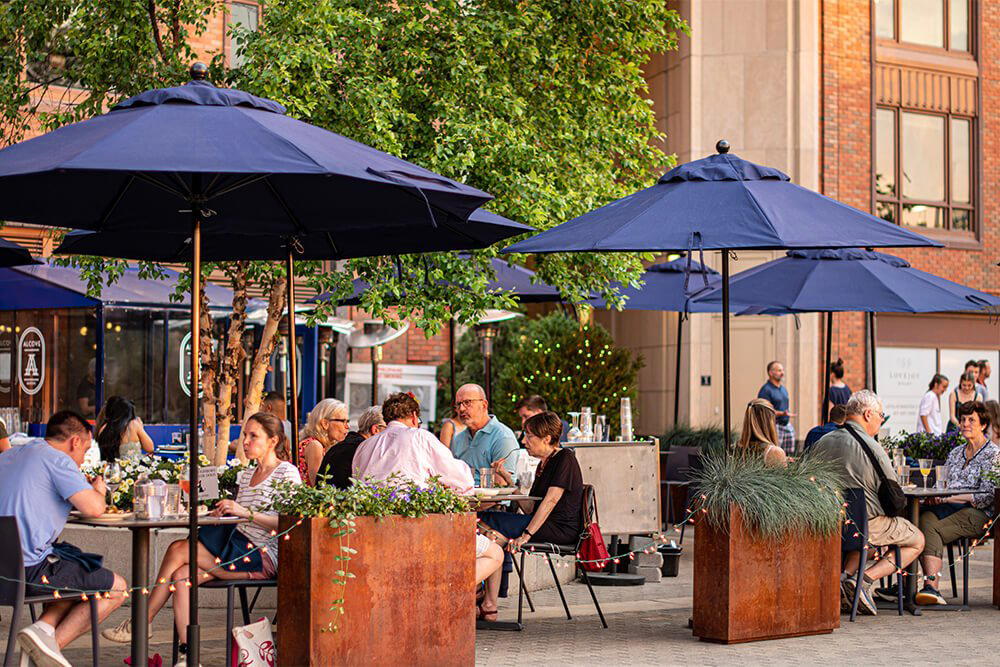
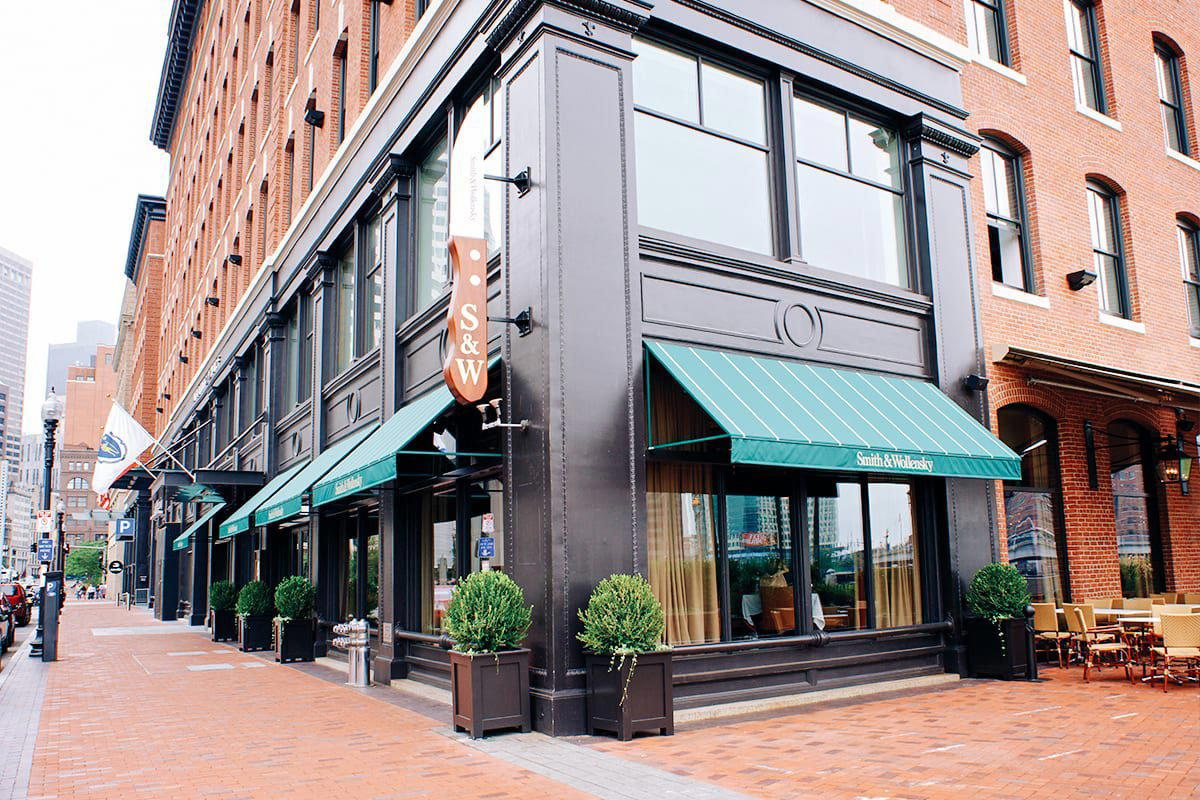
Bars in East Boston
Browse all →
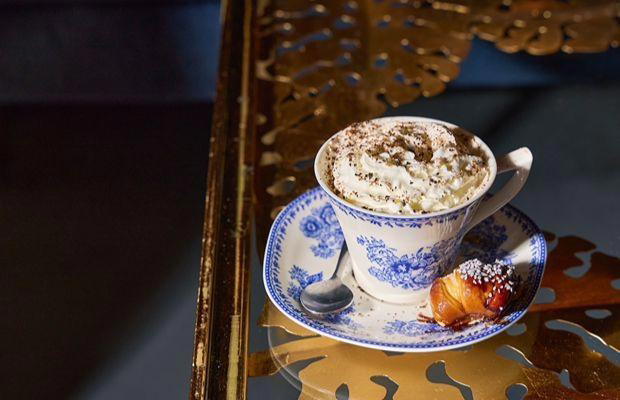
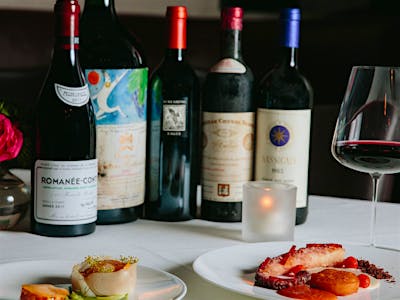
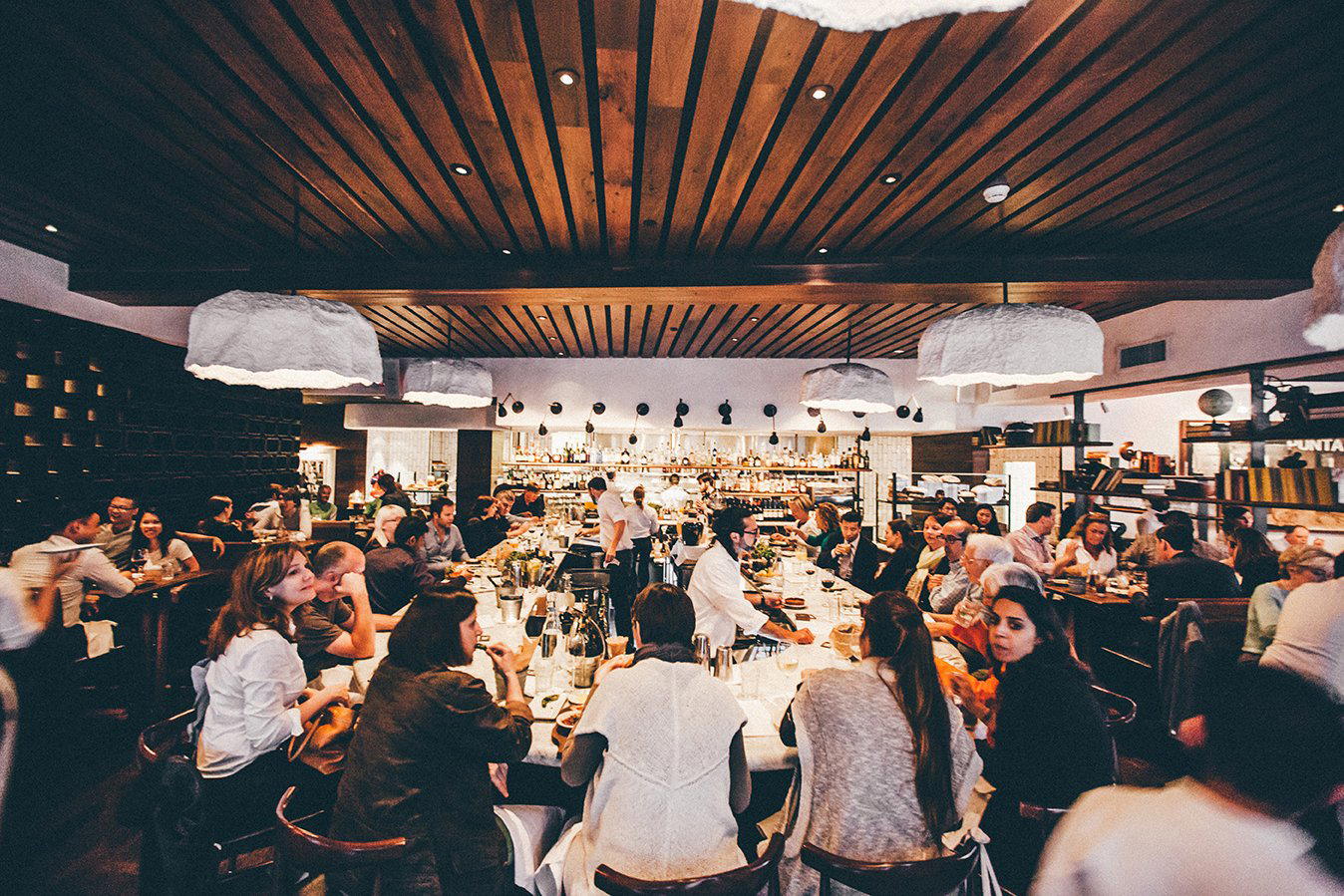
Hotels in East Boston
Browse all →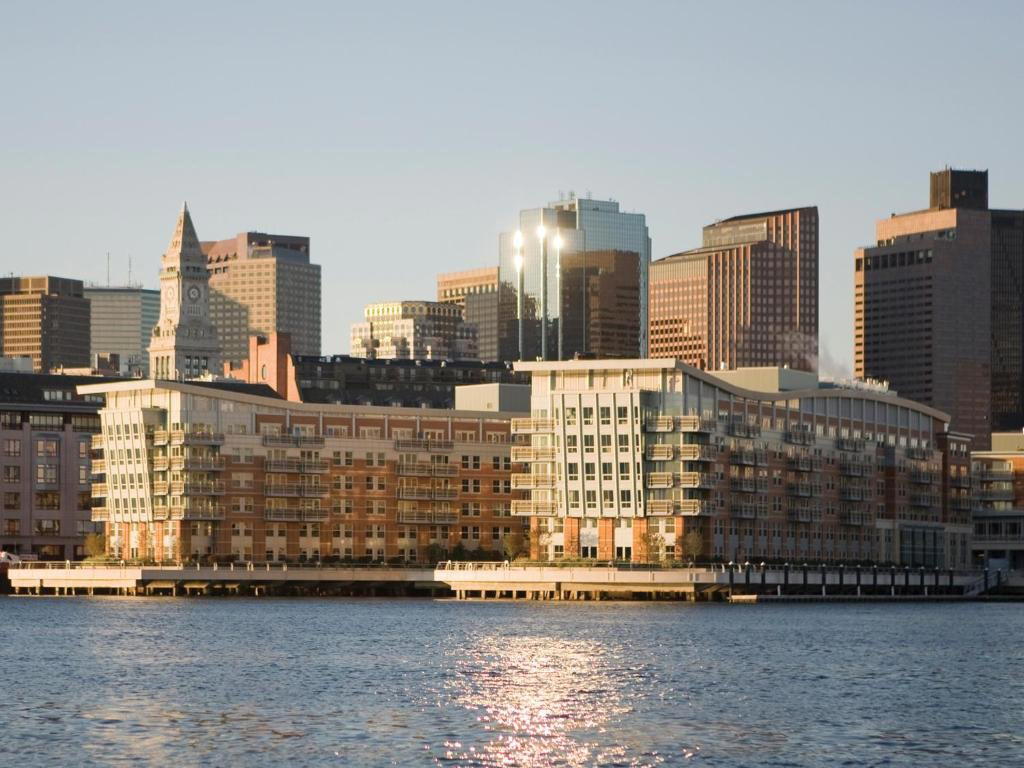
Wineries in East Boston
Browse all →

MIDA
The wine
- Wine program
- Curated wine list
- Extensive wine list
- Craft cocktails
Details
- Trendy
- Cozy
- Elegant
- Modern
- Date Night
- Group Dining
- Brunch
- Special Occasion
- Waterfront
- Terrace
- Open Kitchen
- Extensive Wine List
- Craft Cocktails
- Waterfront
- Skyline
- A La Carte
- Small Plates
- Vegetarian Friendly
- Gluten Free Options
Current opening hours
- Monday
- 4–9 PM
- Tuesday
- 4–9 PM
- Wednesday
- 4–9 PM
- Thursday
- 4–9 PM
- Friday
- 4–10 PM
- Saturday
- 10:30 AM–10 PM
- Sunday
- 10:30 AM–9 PM
Hours can change for holidays and private events. Last verified .
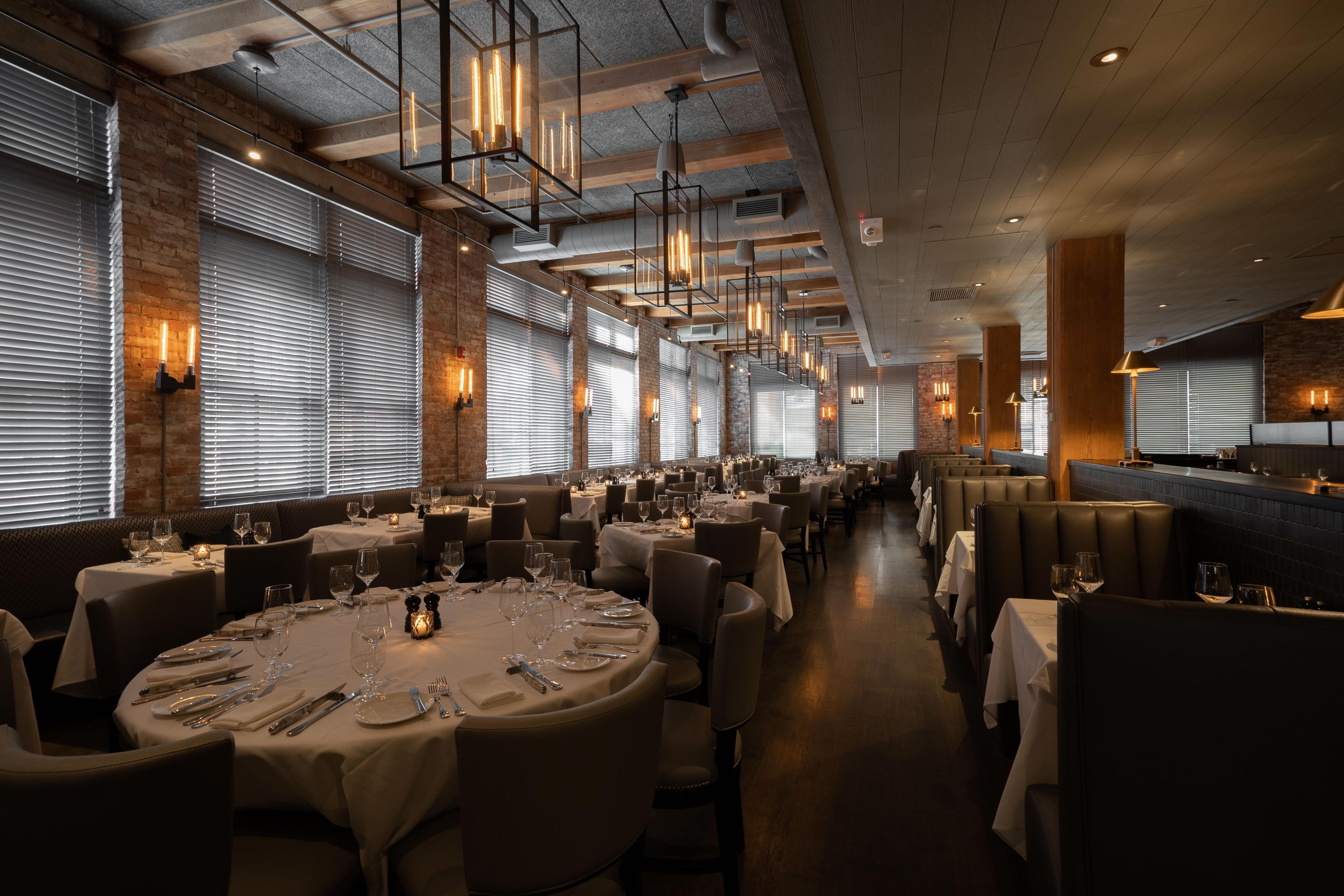
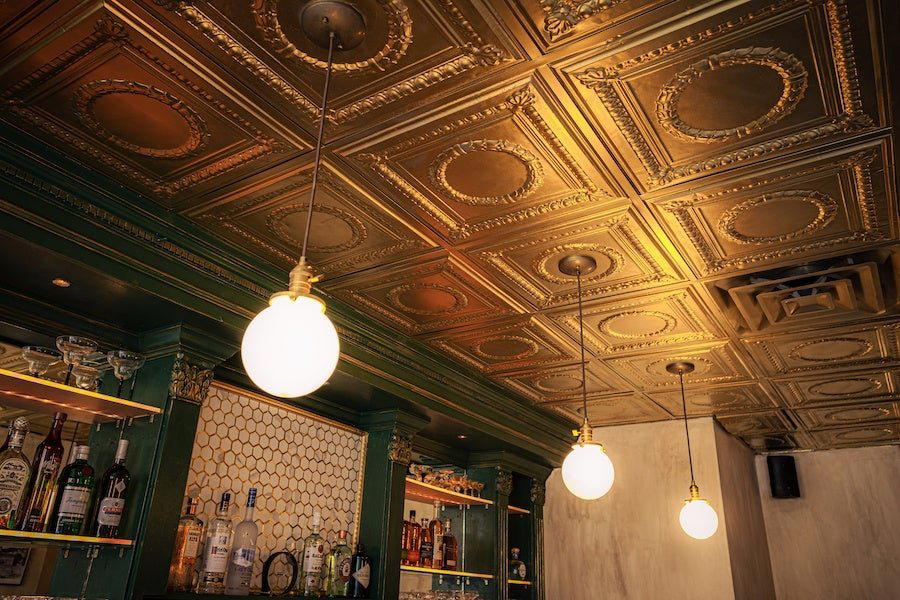
Ornate dining room featuring vaulted ceilings, sprawling windows, and a sophisticated yet casual atmosphere.