Qeshm's Coastal Dining Context Qeshm Island occupies a particular position in Iranian food culture that few places on the mainland can replicate. Sitting in the Strait of Hormuz, separated from Bandar Abbas by a short ferry crossing, the island...
 Discover on Pearl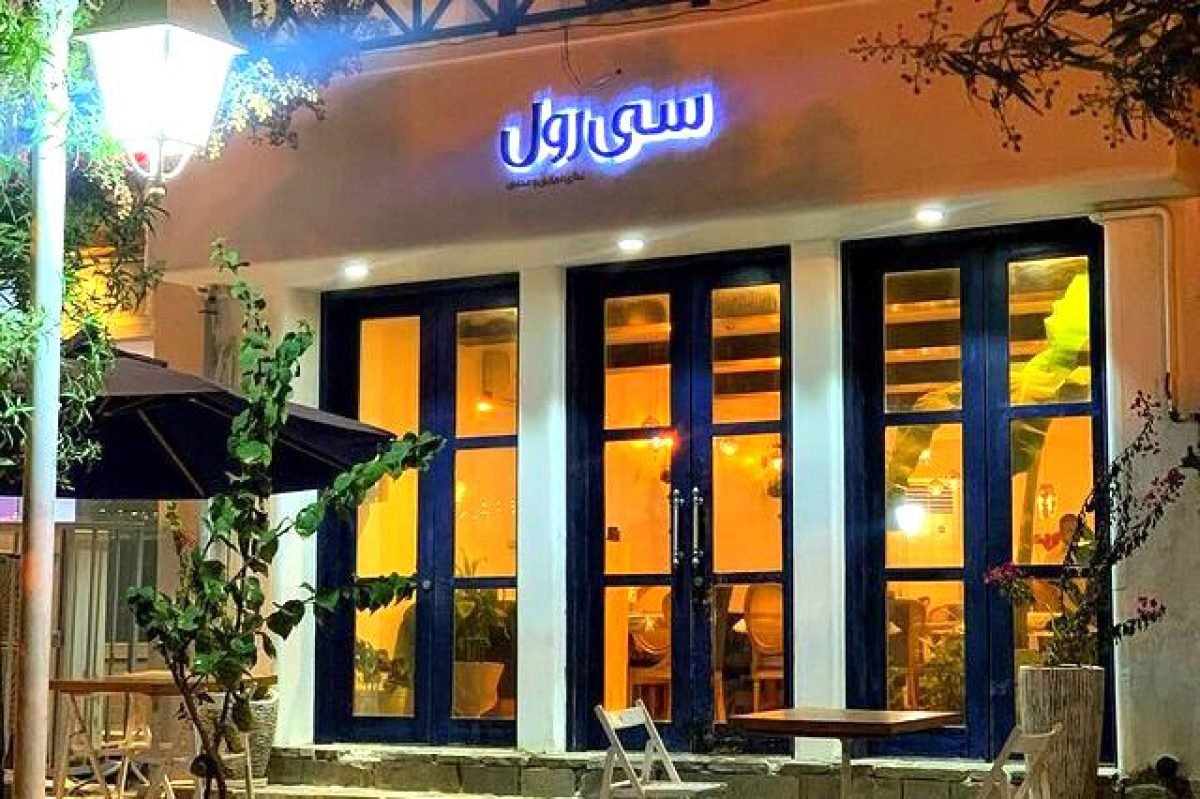
Qeshm's Coastal Dining Context
Qeshm Island occupies a particular position in Iranian food culture that few places on the mainland can replicate. Sitting in the Strait of Hormuz, separated from Bandar Abbas by a short ferry crossing, the island draws its culinary character almost entirely from the Persian Gulf. The waters here supply the kitchens directly: the chain from catch to plate is short in ways that matter, and local residents have built eating habits around that proximity for generations. Restaurants operating in this environment sit inside a tradition where sourcing is not a marketing point but a structural fact of daily life.
Croll (سی رول), located on Danesh Street in Qeshm, operates within that inherited framework. The address places it in an urban stretch of the island's main settlement rather than on a tourist promenade, which shapes both the crowd it draws and the expectations guests arrive with. In a city where seafood provenance is taken as given rather than announced, a restaurant's position on that street is itself a signal about who it is cooking for.
The shortlist, unlocked.
Hard-to-book tables, cellar releases, and concierge-planned trips.
Get Exclusive Access →The Gulf on the Plate: Ingredient Sourcing on Qeshm Island
Understanding what reaches the table at any Qeshm restaurant requires understanding the island's supply geography. The Persian Gulf around Hormozgan Province produces a range of fish and shellfish that rarely appear on menus further inland: hamour (grouper), shrimp from the shallow tidal flats, safi (rabbitfish), and various species of snapper move through local markets at a pace that rewards cooks willing to work around daily availability rather than fixed menus. Across the Gulf region, the leading kitchens do not standardise their offerings month to month; they follow what the boats bring in.
This sourcing reality creates a dining experience that differs structurally from what visitors encounter in Tehran, Isfahan, or Shiraz. Inland restaurants in Iran's culinary heartland, including destinations like Shahrzad Restaurant in Isfahan or the Soofi Restaurant Complex in Shiraz, anchor their menus in the long traditions of Persian rice cookery, slow-braised stews, and regional herb combinations. Coastal Qeshm operates from a different base: the protein is often the point, and the preparation tends toward techniques that preserve rather than transform the fish.
Gulf cooking in Hormozgan also carries the culinary influence of the Arabian Peninsula, East Africa, and South Asia accumulated through centuries of maritime trade. Spice combinations in fish dishes here carry traces of that exchange, and any kitchen working seriously in this tradition is navigating an ingredient and flavour logic that has no close parallel elsewhere in Iran. That context matters when reading a menu on Danesh Street.
Where Croll Sits in the Local Picture
Qeshm's restaurant scene is not large. The island draws domestic tourists, business visitors connected to its free-trade zone, and a smaller number of international travellers who come for the geological attractions of the Hara mangrove forests and the Stars Valley. That visitor profile shapes the competitive set: a handful of seafood-focused restaurants serve a relatively contained market, which means reputation travels quickly among people who have eaten their way around the island.
For a comparative read on the Qeshm seafood tier, Jijian Classic Kabab represents the grilled-meat anchor of local casual dining, a different lane entirely. The seafood-specific options across the strait in Bandar Abbas, including Khorsand Seafood and Mr Fish, offer useful reference points for how Gulf coastal cooking is positioned in this broader regional corridor. The Tabriz comparison, where Hot Stone Fish at Good Fish Restaurant handles freshwater fish on hot stone in the northwest, illustrates how differently fish cookery reads across Iranian geographies.
On Qeshm itself, the absence of large-format hotel dining infrastructure, common in more developed tourism destinations, pushes independent restaurants into a position where they carry more of the dining load for visitors. That concentration of expectation onto a smaller number of establishments creates a quality filter of its own: restaurants that do not perform consistently do not retain the repeat business that the island's modest but loyal visitor base provides.
Planning a Visit
Qeshm is reachable by regular domestic flights from Tehran and other major Iranian cities, with the island's airport handling traffic that has grown alongside free-trade zone development. Alternatively, a ferry from Bandar Abbas takes under an hour and deposits visitors near the island's main settlement. Danesh Street sits within the urban core, accessible on foot from central accommodation or by short taxi ride.
The island's dining rhythm aligns with local meal times, which typically run later than Western norms, particularly for the evening meal. Visitors planning dinner at Croll or elsewhere on the island should account for that pattern. For a broader orientation to what Qeshm's restaurant scene currently offers across categories and price points, our full Qeshm restaurants guide covers the current options with editorial context.
Across Iran's restaurant landscape more broadly, it is worth noting how coastal dining compares in format and price to more formalised settings. The kind of tasting-menu precision found at establishments like Le Bernardin in New York or the chef-driven narrative format of Lazy Bear in San Francisco represents a fundamentally different ambition. Gulf island dining on Qeshm operates closer to the ground: the value proposition is proximity to source, not elaboration of technique, and the pricing reflects that accordingly.
For further reference across Iran's diverse regional dining picture, Bozorgi Restaurant in Qom, Eghbali Restaurant in Qazvin, Caesar Italian Restaurant in Yazd, Polo Restaurant in Zanjan, Shahabbasi Restaurant in Meybod, Laneh Tavoos Restaurant in Marvdasht, Pasargad Restaurant in Marvdasht, Döner Garden in Tehran, and Khan Salar Restaurant in Rain each represent distinct regional eating traditions that together map the range of Iranian dining outside the capital's more international-facing establishments.
Frequently Asked Questions
- Does Croll (سی رول) work for a family meal?
- Qeshm's restaurant culture is broadly family-oriented, reflecting Iranian dining norms where multi-generational groups are the standard unit. If you are visiting the island with children or a mixed-age group, the casual street-level positioning of venues on Danesh Street generally accommodates that format better than a formal dining room would. Specific seating arrangements and capacity at Croll are not confirmed in available data, so calling ahead or arriving outside peak evening hours reduces any uncertainty around table availability for larger parties.
- Is Croll (سی رول) formal or casual?
- The Danesh Street address and the island context both point toward a casual register. Qeshm does not currently host the kind of destination-dining infrastructure that generates formal dress expectations; the dining culture here is closer to the direct coastal meal than the ceremony-heavy restaurant occasion. No dress code information is confirmed for Croll specifically, but visitors dressing for comfort rather than formality will fit the prevailing norm on the island.
- What should I order at Croll (سی رول)?
- No confirmed menu or signature dish data is available for Croll, so specific ordering recommendations cannot be made responsibly. As a general principle on Qeshm, the most reliable strategy at any seafood-adjacent kitchen is to ask what arrived that morning and build from there. The island's Gulf supply chain rewards flexibility over fixed preferences, and the fish that has been in the kitchen for the least amount of time is almost always the one worth ordering.
- What makes Qeshm a distinct setting for seafood dining compared to other Iranian coastal cities?
- Qeshm's free-trade zone status has sustained a level of commercial infrastructure that Hormozgan's smaller port towns lack, which translates into a slightly wider range of dining options relative to island population size. More meaningfully for food, the island's position at the mouth of the Persian Gulf means its fishing grounds differ from those available to Bandar Abbas kitchens on the mainland, producing a catch profile with its own seasonal patterns. For visitors whose primary interest is in understanding how Persian Gulf seafood traditions differ from the rice-and-stew cooking of Iran's interior, Qeshm provides a cleaner concentration of that coastal tradition than most accessible alternatives.
Side-by-Side Snapshot
These are the closest comparables we have in our database for quick context.
Need a table?
Our members enjoy priority alerts and concierge-led booking support for the world's most difficult tables.
Get Exclusive AccessThe shortlist, unlocked.
Hard-to-book tables, cellar releases, and concierge-planned trips.
Get Exclusive Access →